
Walk through any historic city, and you'll feel it—the quiet power of natural stone. For centuries, materials like travertine and limestone have been more than just building blocks; they're storytellers, carrying the weight of empires, the artistry of craftsmen, and the passage of time. Today, two stones stand out for their enduring appeal: Roman Huge Travertine, a legend of ancient architecture, and Limestone (beige), a timeless classic of warmth and versatility. But as design needs evolve, so do our options—and that's where MCM (Modified Composite Material) steps in, offering innovative substitutes that honor tradition while embracing modern practicality. Let's dive into the world of these stones, uncover their differences, and explore how MCM is redefining what's possible.
Picture the Colosseum in Rome—its weathered, honey-gold facade glowing under the Italian sun. That iconic stone? Roman Huge Travertine. This isn't just any travertine; it's a specific variety prized for its grand scale (hence "huge"), distinctive texture, and deep historical roots. Formed over millennia by mineral-rich hot springs, travertine is a type of limestone, but with a twist: as mineral-laden water cools, it deposits layers of calcium carbonate, creating a stone with unique porous pockets, swirling veins, and a tactile, almost alive surface.
What makes Roman Huge Travertine so special? Start with its texture. Run your hand over a slab, and you'll feel tiny indentations—remnants of gas bubbles trapped during formation—that give it a rustic, organic charm. These pores aren't flaws; they're part of its character, often filled with resins or grout in modern applications to enhance durability. Then there's the color palette. While classic Roman travertine leans toward warm golds and creams, contemporary variants like Travertine (starry green) add a cosmic flair, with subtle green undertones and flecks that mimic a starry night sky—perfect for designers craving a bold, nature-inspired statement.
Historically, Roman engineers chose travertine for its strength and workability. The Pantheon's dome, the Trevi Fountain—these landmarks owe their longevity to travertine's ability to withstand the elements. Today, it's equally at home in luxury homes, high-end hotels, and commercial spaces, used for flooring, wall cladding, and even countertops. But its "huge" slabs (often 3 meters or more in length) make it a showstopper for grand facades, where its natural veining becomes a focal point.
If Roman Huge Travertine is the dramatic lead actor, Limestone (beige) is the reliable character star—understated, versatile, and endlessly charming. Formed from the compressed remains of marine organisms like coral and shellfish, limestone is a sedimentary rock with a smoother, denser texture than travertine. Its beige hue, warm and inviting, evokes sunlit meadows and sandy beaches, making it a favorite for spaces that crave a cozy, earthy vibe.
Unlike travertine's porous pockets, limestone's surface is often more uniform, with fine, even grains that feel silky to the touch. This density gives it a subtle advantage: it's less prone to staining and easier to maintain, making it ideal for high-traffic areas like kitchens or entryways. Beige limestone, in particular, is a chameleon—it pairs effortlessly with modern minimalism, rustic farmhouse, and even industrial styles. Think of a beige limestone backsplash in a kitchen, softening stainless steel appliances, or a limestone floor in a spa, creating a serene, grounding atmosphere.
Limestone's history is just as rich, though perhaps less flashy than travertine's. It's the stone of ancient Egyptian temples, medieval cathedrals, and colonial-era courthouses. Its durability, when properly sealed, is impressive—many limestone structures have stood for centuries with minimal wear. Today, it's beloved for its ability to add warmth without overwhelming a space, making it a go-to for designers aiming for "timeless" rather than "dramatic."
At first glance, Roman Huge Travertine and Limestone (beige) might seem similar—both natural stones, both with earthy tones—but dig deeper, and their unique personalities shine. To help you tell them apart, here's a breakdown of their core differences:
| Feature | Roman Huge Travertine | Limestone (beige) |
|---|---|---|
| Formation | Deposited by mineral-rich hot springs (chemical precipitation) | Compressed organic marine sediments (biological sedimentation) |
| Texture | Porous with visible pits, veins, and irregular patterns; rough to the touch | Dense, smooth, and fine-grained; uniform surface with subtle variations |
| Porosity | Highly porous (requires sealing to prevent staining) | Moderately porous (less so than travertine; easier to maintain) |
| Durability | Strong but prone to scratching/chipping if not sealed; ideal for low-traffic to medium-traffic areas | Durable and scratch-resistant; suitable for high-traffic spaces with proper care |
| Color Range | Warm golds, creams, and bold variants like Travertine (starry green) | Soft beiges, ivories, and light grays; subtle, consistent tones |
| Visual Vibe | Dramatic, rustic, and historic; makes a bold architectural statement | Warm, calm, and versatile; blends seamlessly with many design styles |
| Typical Uses | Grand facades, feature walls, luxury flooring, historical restorations | Kitchen countertops, bathroom tiles, interior flooring, classic cladding |
Natural stones like Roman Huge Travertine and Limestone (beige) are undeniably beautiful, but they come with trade-offs. Heavy slabs can strain building structures, driving up construction costs. Their porosity means regular sealing (hello, maintenance headaches). And let's not forget sustainability—quarrying natural stone can disrupt ecosystems, and transportation leaves a carbon footprint. That's where MCM steps in, offering a smarter, greener alternative without sacrificing aesthetics.
Enter MCM flexible stone and MCM big slab board series —two game-changers in the world of surfacing. MCM is a composite material made from natural stone powder, fiberglass, and eco-friendly resins, engineered to mimic the look and feel of natural stone while solving its biggest pain points. Think of it as "natural stone, reimagined": lightweight (up to 80% lighter than real stone), flexible (it bends around curves and corners), and incredibly durable (resistant to scratches, moisture, and UV rays).
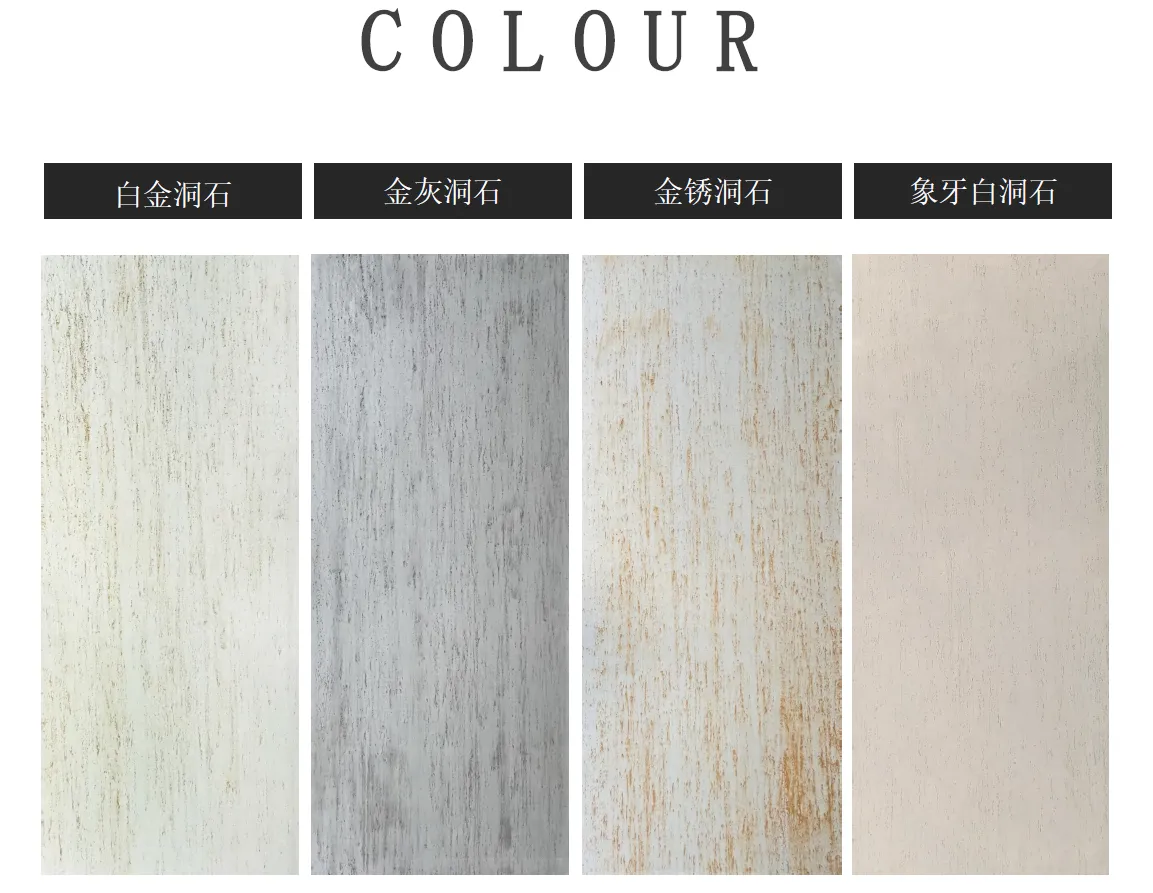
For example, MCM flexible stone is a dream for projects with unconventional shapes—curved walls, rounded columns, or even furniture. It's easy to install (no heavy machinery needed!) and can be cut to size on-site, saving time and labor. Meanwhile, the MCM big slab board series caters to grand designs, offering slabs up to 12 feet long that replicate the "huge" scale of Roman travertine but with zero risk of structural stress. And the best part? MCM comes in endless finishes, from Travertine (starry green) to Limestone (beige) replicas, so you get the exact look you want without the natural stone price tag.
So, when should you swap natural stone for MCM? Here are a few scenarios where MCM truly shines:
If you're designing a commercial building or luxury home with a sweeping facade, MCM big slabs are a no-brainer. Natural Roman Huge Travertine slabs are heavy—each can weigh hundreds of pounds—requiring reinforced structures and specialized lifting equipment. MCM big slabs, on the other hand, are lightweight enough to be installed with standard tools, cutting construction time and costs. Plus, their consistent color and pattern mean no unsightly seams, creating a smooth, cohesive look that rivals natural stone's grandeur.
Ever tried bending a 2-inch-thick travertine slab around a curved wall? Spoiler: It doesn't work. MCM flexible stone, however, is designed to flex—think of it like a high-end wallpaper with the texture of stone. It adheres seamlessly to curved surfaces, making it perfect for statement features like arched doorways, circular fireplaces, or even custom furniture. And because it's thin (usually 3-5mm), it adds minimal thickness, preserving valuable space in tight areas.
Natural travertine and limestone are porous, which means in bathrooms, kitchens, or outdoor spaces, they're prone to mold, mildew, and staining (even with sealing). MCM, by contrast, is non-porous and moisture-resistant, making it ideal for showers, pool surrounds, or outdoor patios. Imagine a bathroom with MCM Limestone (beige) walls—warm, inviting, and worry-free, even with daily steam and splashes.
Quarrying natural stone can deplete local resources and disrupt habitats. MCM, however, uses recycled stone powder and low-VOC resins, reducing its environmental impact. It also requires less energy to transport (thanks to its light weight) and lasts longer than many natural stones, cutting down on replacement needs. For green-building projects aiming for LEED certification, MCM is a smart choice.
Roman Huge Travertine and Limestone (beige) are more than materials—they're legacies. They remind us of the ingenuity of ancient builders and the timeless beauty of nature. But in a world where design demands both form and function, MCM offers a bridge between tradition and innovation. Whether you're drawn to the drama of travertine's pores, the warmth of limestone's beige, or the boldness of Travertine (starry green) , MCM flexible stone and big slab series let you have it all: the look you love, the durability you need, and the peace of mind that comes with smart, sustainable design.
At the end of the day, the "right" choice depends on your project's goals. If budget, weight, or maintenance are priorities, MCM is your answer. If you're restoring a historic landmark and authenticity is non-negotiable, natural stone still reigns. But one thing's clear: with MCM, the future of stone-inspired design is brighter, more flexible, and more accessible than ever. Here's to building stories—one slab (or flexible sheet) at a time.
Recommend Products












