


Walk through the streets of Rome, and you'll feel it—the weight of history beneath your feet, quite literally. The Colosseum's weathered arches, the intricate facades of the Pantheon, the sun-warmed steps of ancient forums—much of this architectural legacy owes its longevity to one material: travertine. Roman Huge Travertine, in particular, stands as a testament to nature's artistry and human ingenuity. Quarried from regions like Tivoli, Italy, this natural stone forms over centuries as mineral-rich spring water cools and deposits calcium carbonate, creating layers of porous, yet surprisingly strong rock. Its warm beige tones, subtle veining, and unique pitting (a result of gas bubbles trapped during formation) give it a character that feels both grand and approachable.
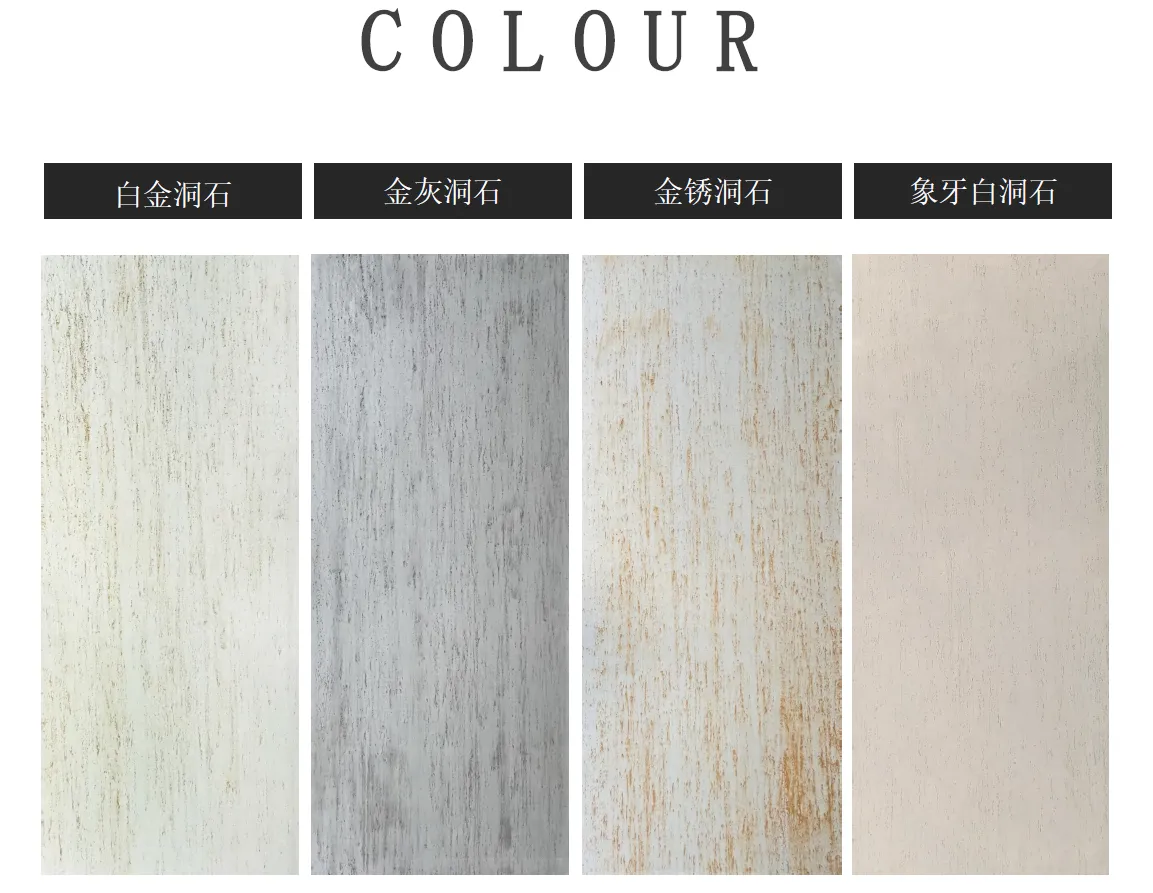
What makes Roman Huge Travertine so enduring? For starters, its durability. Ancient structures built with travertine have withstood millennia of rain, wind, and foot traffic, a feat that modern materials still strive to match. Its thermal properties also make it ideal for both hot and cold climates, staying cool in summer and retaining warmth in winter. But beyond function, it's the stone's aesthetic that captivates. No two slabs are identical—each bears the marks of its geological journey, from delicate fossilized plant matter to sweeping veins of rust or gold. This uniqueness has made it a favorite for projects aiming to evoke timeless elegance, whether it's a luxury villa's facade or a historic building's restoration.
Yet, for all its charm, Roman Huge Travertine isn't without challenges. Its weight—often several hundred pounds per slab—makes transportation and installation labor-intensive, requiring specialized equipment and skilled craftsmen. Quarrying travertine also raises environmental concerns, as extracting large blocks can disrupt local ecosystems. And while its porosity adds character, it demands regular sealing to prevent stains from spills or pollution, especially in urban settings. For modern builders, these factors raise a question: Is there a material that can capture travertine's beauty while addressing its practical limitations?










