
Architecture has always been a dance between creativity and constraint. For decades, designers and builders have dreamed of structures that twist, curve, and flow—spaces that feel less like rigid boxes and more like living, breathing entities. Yet all too often, those dreams hit a stubborn wall: the limitations of traditional building materials. Stone is beautiful but brittle; concrete is strong but unyielding; wood warps and fades. Curved walls? Organic facades? They've long been dismissed as "too difficult" or "too expensive," leaving many projects stuck in a world of straight lines and safe choices.
But what if there was a material that could bend without breaking, that could cling to the most dramatic curves while retaining the warmth and texture of natural stone? Enter Rona Yellow Flexible Stone —a game-changer in the world of architectural cladding. Part of the innovative MCM flexible stone family, this material isn't just a product; it's a permission slip for architects and designers to stop compromising. Let's dive into how Rona Yellow is redefining what's possible in modern architecture.
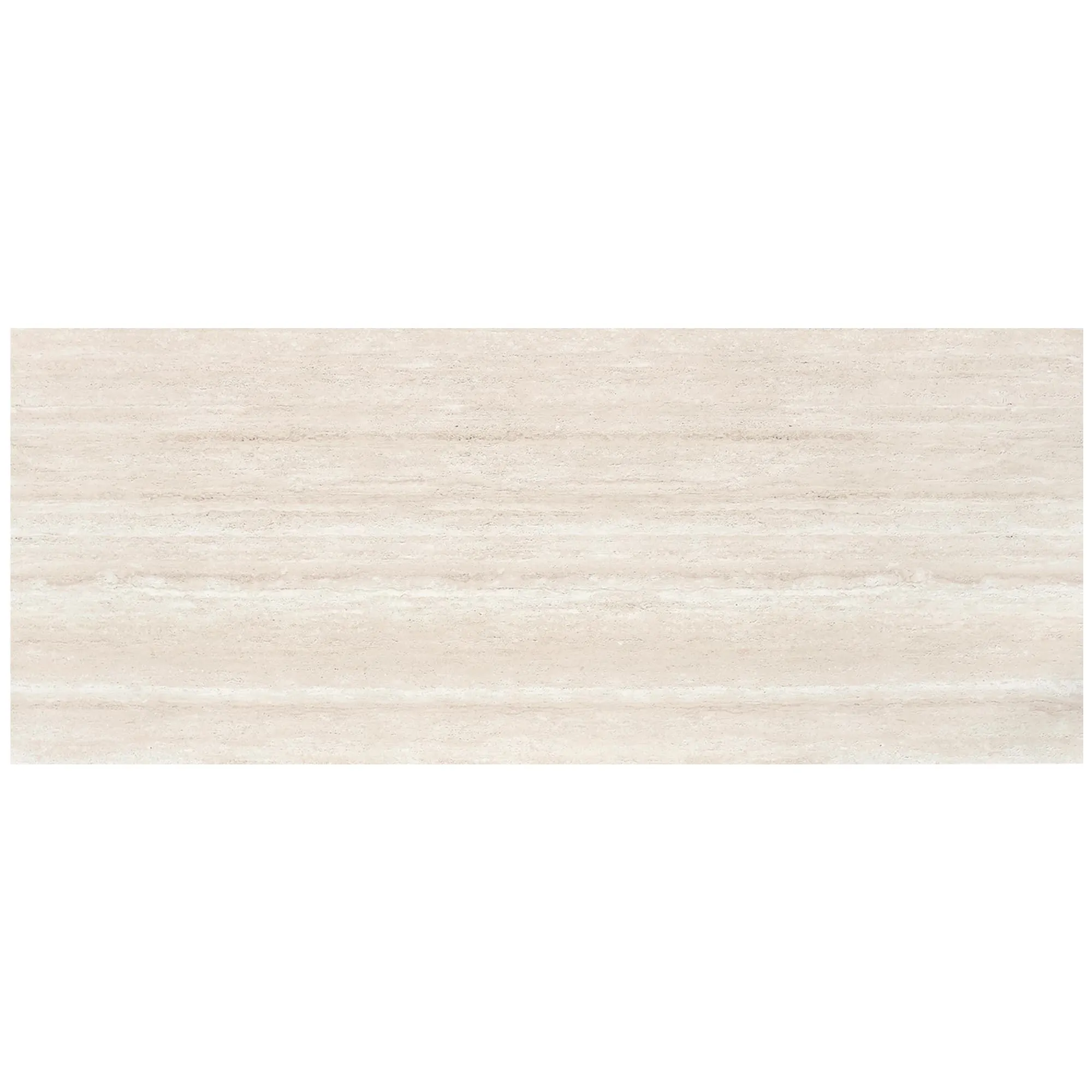
First things first: Rona Yellow isn't your average stone. It's a engineered composite material that marries the best of nature and technology. Think of it as natural stone's more adaptable cousin—crafted from pulverized marble, travertine, and mineral aggregates, bound together with a high-performance polymer resin. The result? A thin, lightweight panel (just 4-6mm thick) that's flexible enough to wrap around curves, yet tough enough to stand up to the harshest weather conditions.
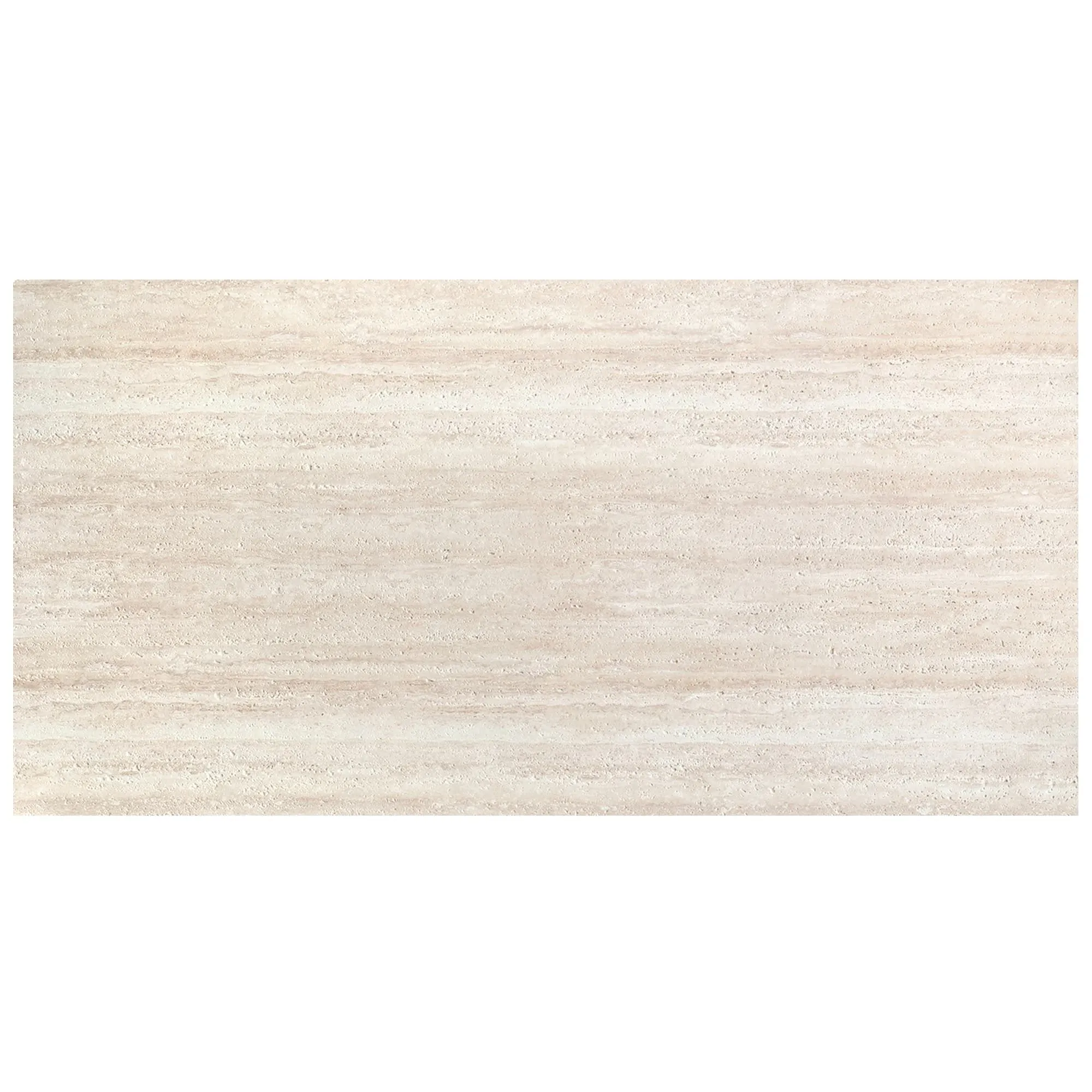
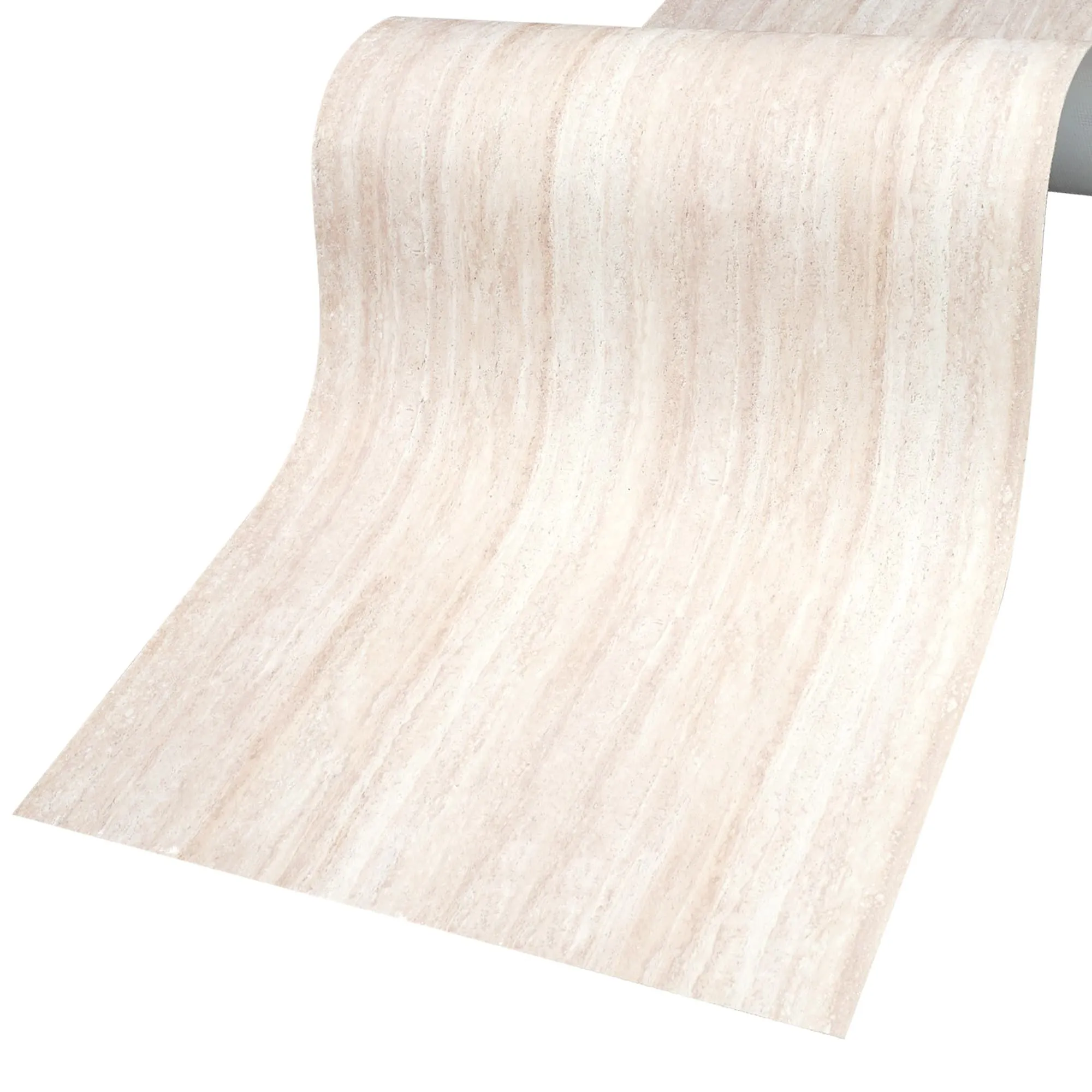
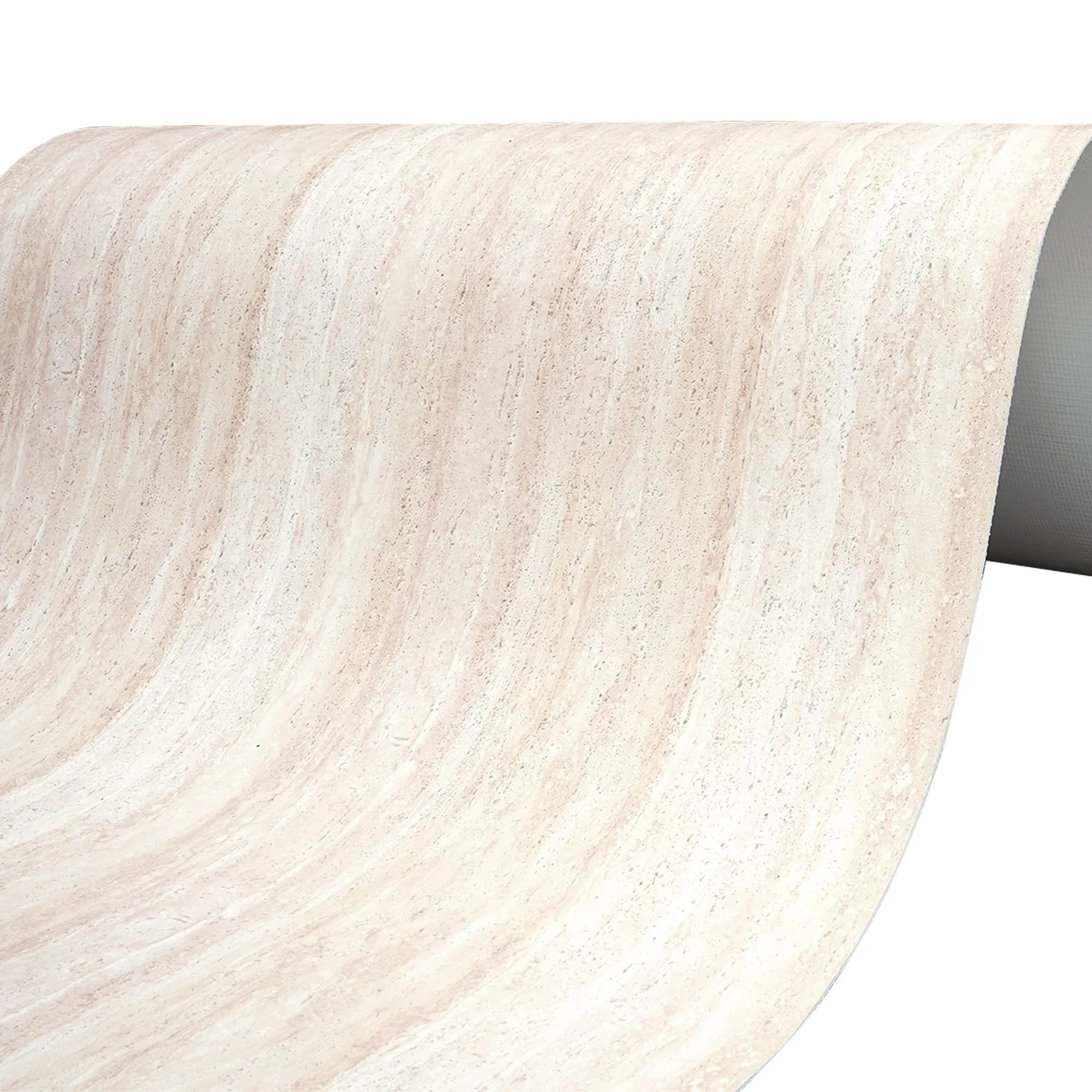
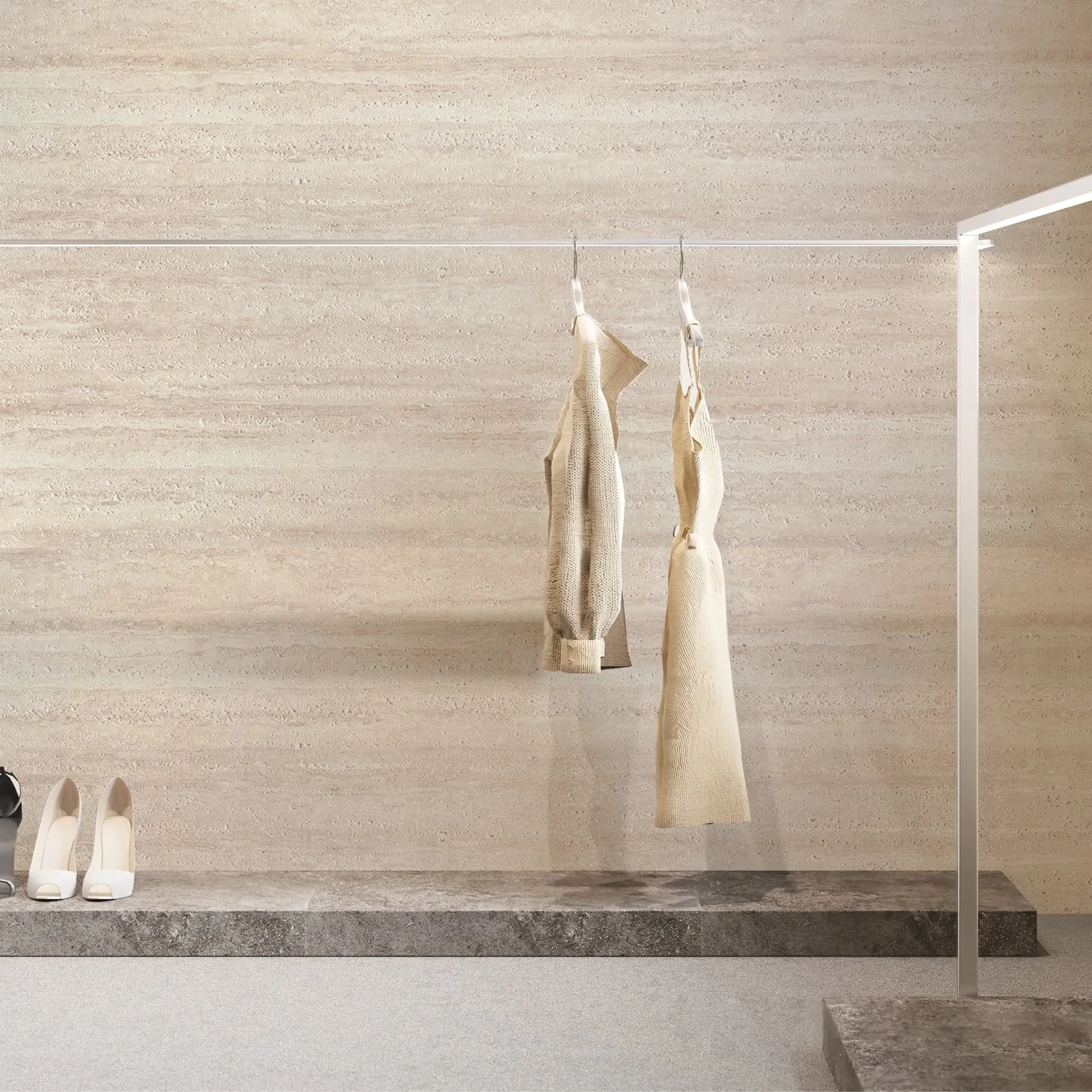
The "Rona Yellow" name comes from its distinctive hue—a warm, honeyed tone that shifts with the light, ranging from soft buttery gold in morning sun to deep amber at dusk. It's not a flat, artificial color, either; like all MCM flexible stones, it retains the subtle variations and organic texture of natural stone. Run your hand over it, and you'll feel the slight ridges and pits that make real stone so tactile and alive. But here's the kicker: bend it, and it gives. Not just a little flex, but a full 90-degree curve without cracking. Try that with a slab of traditional travertine or granite, and you'll end up with a pile of rubble.
To understand why this matters, let's talk about the elephant in the room for curved architecture: weight. Traditional stone cladding can weigh 20-30 kg per square meter, requiring heavy steel supports and complex structural engineering. Rona Yellow? A featherlight 7-9 kg per square meter. That's a fraction of the weight, which means it can be installed on surfaces that would buckle under traditional stone—think thin concrete shells, wooden frames, or even existing walls that weren't designed for heavy loads. For builders and architects, that's not just a convenience; it's a revolution in what can be built.
Flexibility is Rona Yellow's headline feature, but it's far from the only reason to love it. Let's break down the benefits that make it a favorite among designers, builders, and homeowners alike.
Architecture isn't just about function—it's about feeling. Rona Yellow brings a warmth that's hard to replicate with cooler materials like fair-faced concrete or sleek metal. Imagine a residential courtyard with a curved privacy wall clad in Rona Yellow. As the sun sets, the stone glows, turning the space into a cozy, intimate retreat. Or a restaurant with a sweeping, curved bar fronted by Rona Yellow; the material's golden tones complement wooden accents and soft lighting, making guests feel instantly at ease.
Unlike some synthetic claddings that look "plasticky" up close, Rona Yellow has depth. Its surface is dotted with tiny mineral flecks and subtle veining, mimicking the complexity of natural stone. It pairs beautifully with other materials, too—try combining it with dark wood for a rustic-modern vibe, or with glass to balance warmth and transparency. One designer I spoke to described it as "a neutral with personality"—it doesn't overpower a space, but it doesn't fade into the background, either.
Flexible doesn't mean fragile. Rona Yellow is engineered to withstand the worst Mother Nature can throw at it. It's UV-resistant, so it won't fade or discolor even in harsh sunlight (goodbye, chalky white patches on traditional stone). It's water-resistant, too—no need to worry about mold, mildew, or water damage in rainy climates. And unlike wood, it doesn't warp, rot, or attract pests. In fact, MCM flexible stones like Rona Yellow have been tested to last 50+ years in outdoor settings, making them a smart long-term investment.
Take the example of a coastal home in Miami, where saltwater, humidity, and strong winds are constant threats. The homeowner wanted a curved exterior wall to buffer the wind, but traditional stone was too heavy and prone to salt erosion. Rona Yellow solved both problems: its lightweight design meant no extra structural support, and its sealed surface shrugged off the salt spray. Five years later, the wall still looks as vibrant as the day it was installed.
Any builder will tell you: time is money. Traditional stone cladding requires specialized labor, heavy equipment, and precise cutting—mistakes are costly, and delays are common. Rona Yellow? It's a breeze by comparison. Because it's lightweight, it can be carried by two people (no cranes needed). It cuts cleanly with standard tools, so on-site adjustments are quick and easy. And since it bonds with a high-strength adhesive (no mortar required), installation is up to 3x faster than traditional stone.
"We recently used Rona Yellow on a curved retail facade in downtown Chicago," says Mike, a contractor with 20 years of experience. "With traditional stone, that job would've taken two weeks. With Rona Yellow? We finished in three days. The client was thrilled, and we saved enough on labor to take on another project that month."
Still wondering how Rona Yellow compares to other popular cladding materials? Let's put it head-to-head with three common alternatives: fair-faced concrete , Wave panel , and Travertine (starry green) . Each has its merits, but when it comes to curved walls and unique structures, Rona Yellow pulls ahead.
| Feature | Rona Yellow Flexible Stone | Fair-Faced Concrete | Wave Panel | Travertine (Starry Green) |
|---|---|---|---|---|
| Flexibility | Excellent (bends up to 90° without cracking) | Poor (rigid, prone to cracking on curves) | Moderate (flexes slightly; best for gentle curves) | Poor (brittle; limited to flat or very shallow curves) |
| Weight (kg/m²) | 7-9 (lightweight) | 22-25 (heavy) | 11-13 (medium) | 18-20 (heavy) |
| Installation Time | Fast (3x quicker than traditional stone) | Slow (requires formwork and curing time) | Moderate (needs precise alignment) | Slow (heavy, requires specialized cutting) |
| Aesthetic Appeal | Warm golden hue with natural stone texture; versatile | Industrial, minimalist gray; limited color options | Textured, wavy surface; modern but less warm | Deep green with starry mineral flecks; striking but rigid |
| Best For | Sharp curves, organic shapes, lightweight structures | Flat, industrial-style facades | Semi-curved surfaces, modern accent walls | Flat or slightly sloped high-end interiors/exteriors |
The takeaway? If your project involves curves, unique shapes, or a need for warmth and flexibility, Rona Yellow is the clear winner. Fair-faced concrete and Travertine (starry green) excel in their own right, but they're not built for the demands of modern, organic architecture. Wave panel is a solid alternative for gentle curves, but it can't match Rona Yellow's combination of flexibility, light weight, and timeless beauty.
Rona Yellow isn't just a theoretical solution—it's transforming spaces around the world. Let's explore a few projects where this flexible stone has made all the difference.
Homeowners are increasingly seeking spaces that feel unique and personal, and curved walls are a favorite way to achieve that. Take the case of a family in Portland, Oregon, who wanted to remodel their living room with a curved fireplace wall. Traditional stone was too heavy for the existing structure, and wood paneling felt too plain. Rona Yellow was the perfect middle ground. The warm yellow stone wraps around the fireplace, creating a focal point that's both dramatic and inviting. "It's become the heart of our home," says the homeowner. "Guests always comment on how the wall seems to 'hug' the room—it's cozy and grand at the same time."
In retail and hospitality, first impressions matter. A generic, boxy facade won't draw customers in—but a curved, Rona Yellow-clad exterior? That's a statement. A boutique hotel in Bali recently used Rona Yellow for its lobby walls, which curve gently from floor to ceiling, mimicking the island's rolling hills. The stone's golden tone pairs with local wood and tropical plants, creating a space that feels both luxurious and rooted in nature. "Our occupancy rate went up 15% after the renovation," says the hotel manager. "Guests love taking photos by the curved wall—it's become a bit of an Instagram hotspot."
Public buildings—museums, theaters, community centers—often aim to inspire. Rona Yellow is helping designers do just that. A children's museum in Toronto, for example, wanted its exterior to feel playful and approachable, with curves that evoke storybook castles. Traditional materials couldn't handle the whimsical shapes, but Rona Yellow did. The result is a building that looks like it's made of giant, golden building blocks, inviting kids (and kids at heart) to explore. "The stone's flexibility let us push the boundaries of what the building could look like," says the lead architect. "It's not just a museum—it's a piece of art that kids can interact with."
In today's world, "green" isn't just a buzzword—it's a responsibility. Rona Yellow checks that box, too. As part of the MCM flexible stone family, it's designed with sustainability in mind from the ground up.
First, the materials: Rona Yellow is made from natural stone aggregates (leftover from quarrying, so no new stone is mined specifically for it) and recycled polymers. That means less waste and a smaller carbon footprint than traditional stone production, which often involves energy-intensive mining and transportation.
Then there's the installation: Because it's lightweight and adhesive-based, Rona Yellow requires less energy to transport and install than heavy stone. No diesel-guzzling cranes or cement mixers—just a small team and basic tools. And since it lasts 50+ years, there's no need for frequent replacements, reducing long-term waste.
Finally, Rona Yellow is low-VOC (volatile organic compounds), meaning it doesn't release harmful chemicals into the air. That's better for indoor air quality in homes and offices, and better for the planet overall. For builders aiming for LEED or Green Building certification, Rona Yellow is a smart choice that ticks multiple sustainability boxes.
Architecture is about breaking boundaries—about turning "impossible" into "let's build it." For too long, curved walls, organic shapes, and unique structures have been held back by rigid, unforgiving materials. Rona Yellow Flexible Stone changes that. It's not just a cladding material; it's a tool for creativity, a bridge between vision and reality.
Whether you're an architect dreaming of a gravity-defying facade, a homeowner wanting to add warmth to a curved accent wall, or a builder looking to save time and money, Rona Yellow delivers. It's flexible, durable, beautiful, and sustainable—everything you could ask for in a modern building material.
So why stick to straight lines? The future of architecture is curved, flowing, and full of possibility. And with Rona Yellow, that future is within reach. Let your next project be the one that makes people stop and say, "How did they do that?"—then smile, knowing the answer is simple: Rona Yellow Flexible Stone.
Recommend Products












