
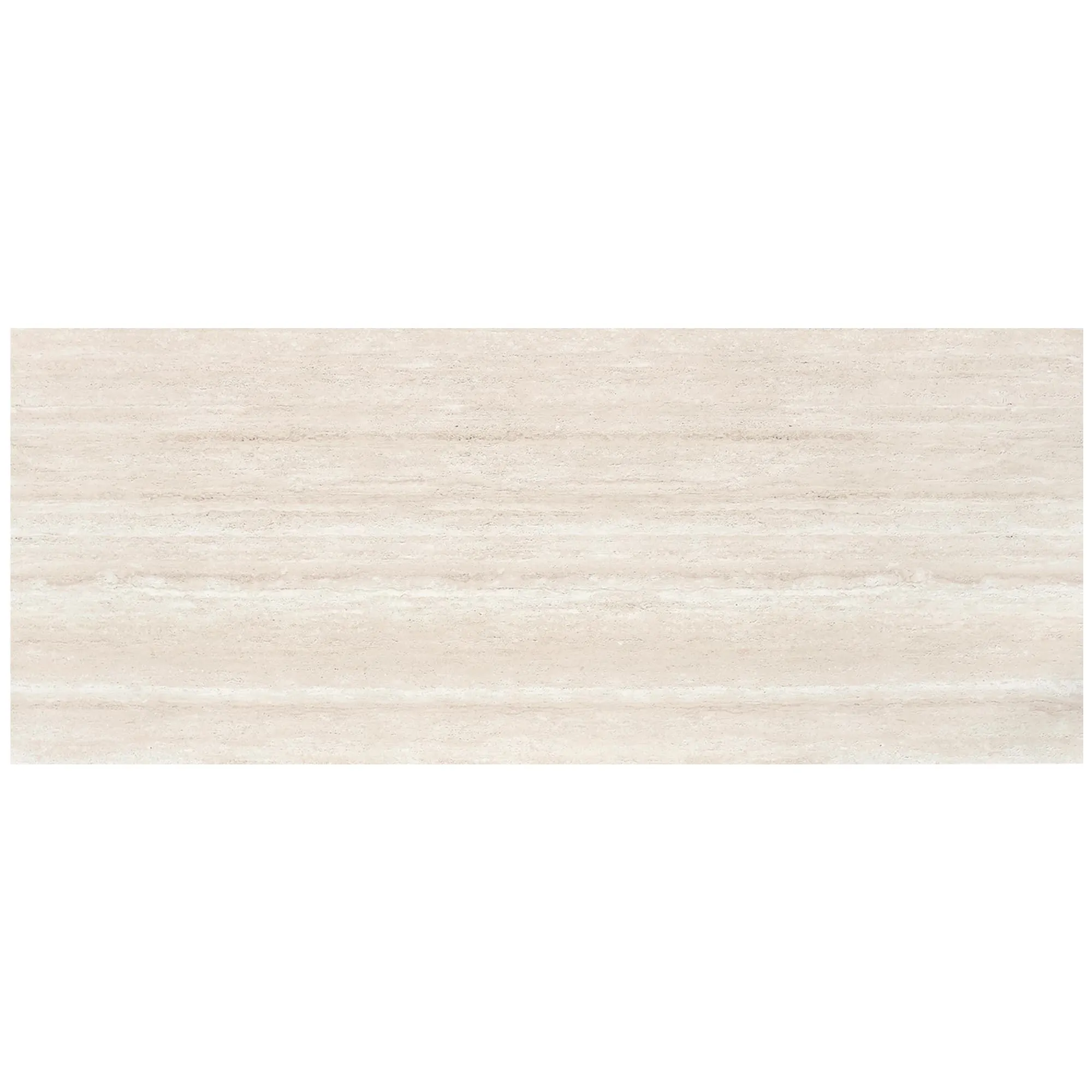
Walk into any modern architectural space today, and you'll likely notice something different: a departure from cold, uniform surfaces and a shift toward materials that breathe, tell stories, and evoke emotion. Designers and architects are no longer just building structures—they're crafting experiences. And at the heart of this transformation lies a material that's quietly revolutionizing the industry: Modified Composite Material, or MCM. Among its many innovations, the MCM 3D Printing Series stands out, and within that series, one shade has been turning heads and inspiring spaces like no other: Rona Yellow . Let's dive into how this dynamic combination is reshaping what's possible in design, one flexible, vibrant panel at a time.
Before we get to the star of the show—Rona Yellow—let's take a quick step back to understand the foundation it's built on. MCM, or Modified Composite Material, is exactly what its name suggests: a blend of natural minerals, polymers, and fibers engineered to be lighter, stronger, and more versatile than traditional building materials like stone, concrete, or even wood. Think of it as nature's best qualities—durability, texture, beauty—supercharged with human ingenuity to fix their biggest flaws.
Traditional stone is heavy and brittle; MCM is flexible stone , bending to curved surfaces without cracking. Solid concrete can feel cold and industrial; MCM mimics its raw, earthy look but adds warmth and adaptability. And unlike many synthetics, MCM is sustainable, often made with recycled materials and requiring less energy to produce and install. It's the kind of material that makes designers smile—because finally, they don't have to choose between "looks great" and "works hard."
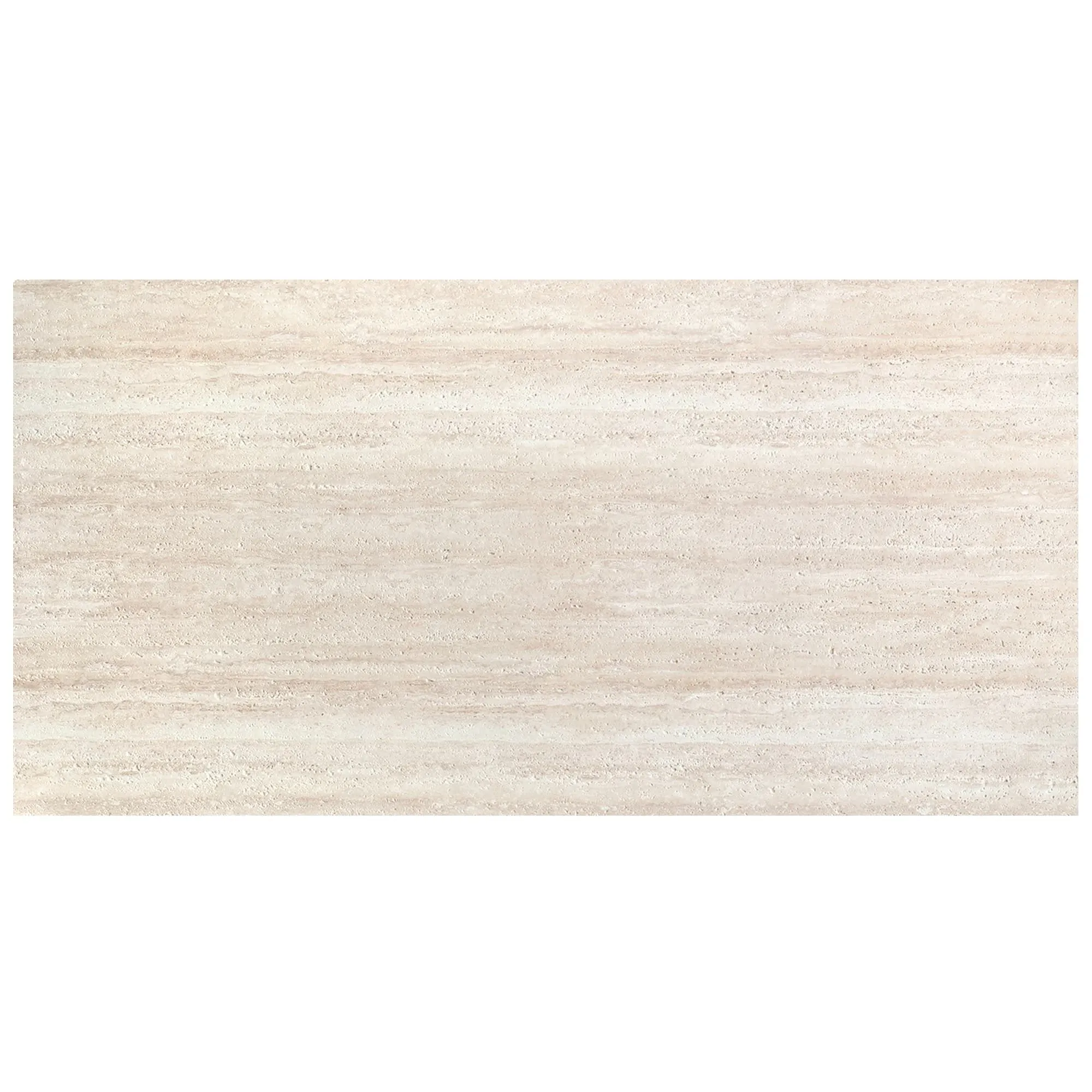
If MCM is the canvas, the MCM 3D Printing Series is the artist's most precise brush. 3D printing has already changed industries from healthcare to manufacturing, but in architecture, its impact is nothing short of revolutionary. Why? Because it turns "almost perfect" into "exactly as imagined."
Gone are the days of limited mold sizes or generic textures. With MCM 3D printing, designers can create panels with intricate patterns, custom textures, and even 3D reliefs that were once impossible—or prohibitively expensive—to achieve. Want a wall that mimics the ripples of a mountain stream? Done. Dream of a ceiling with geometric patterns that repeat with mathematical precision? Easy. The technology allows for layer-by-layer construction of MCM panels, meaning every groove, bump, and curve is intentional. And because MCM is lightweight, even large, detailed panels are easy to transport and install, cutting down on construction time and costs.
"It's like giving a sculptor a 3D pen," says Maria Gonzalez, a senior architect at a leading design firm in Chicago. "We used to sketch ideas and hope the material could keep up. Now, with MCM 3D printing, we sketch, and the material says, 'How far do you want to go?'"
But what truly sets this series apart is its ability to balance mass production with customization. Whether you need 10 identical panels for a hotel lobby or 100 unique ones for an art installation, the 3D printing process scales without losing quality. It's the best of both worlds: consistency where you need it, creativity where you crave it.
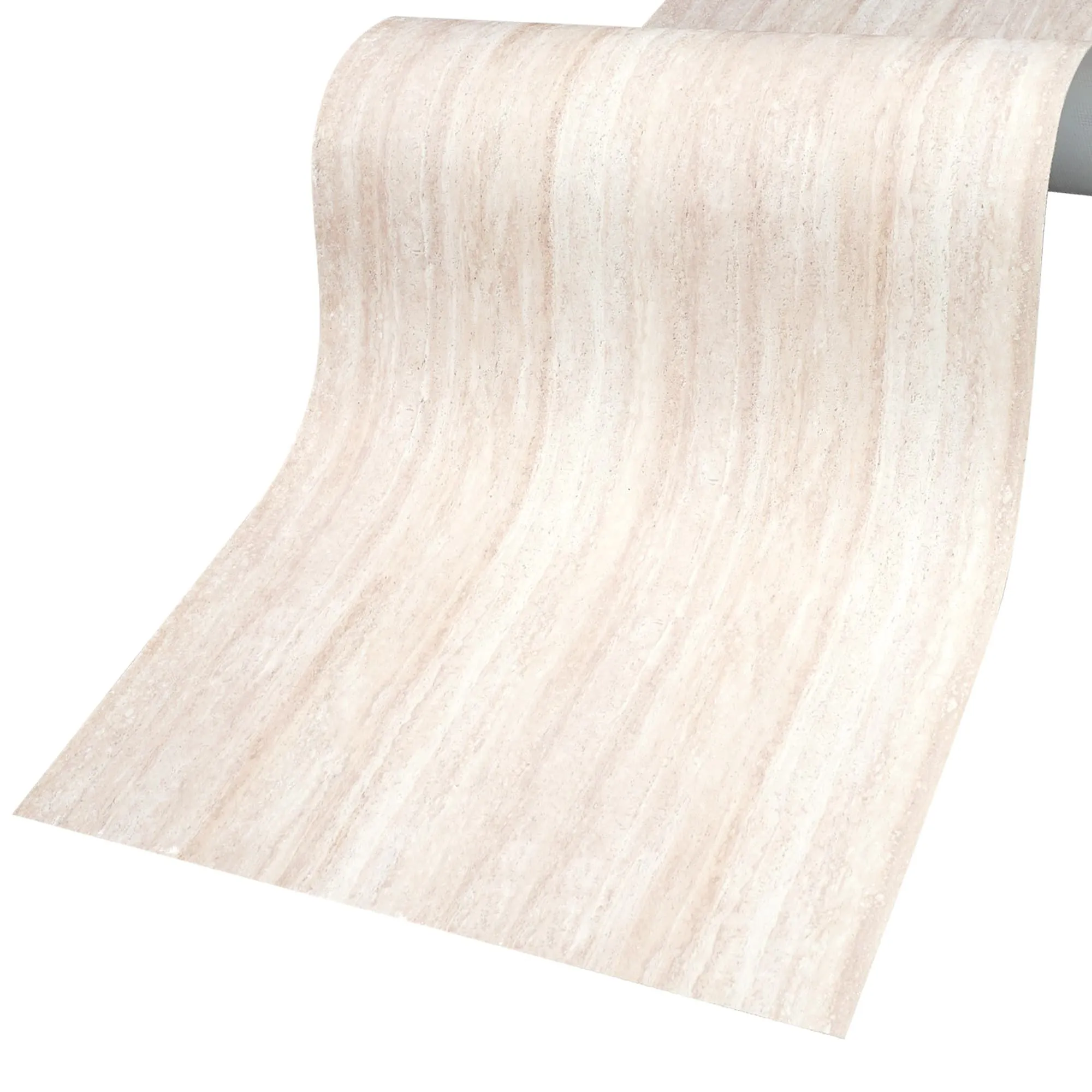
Now, let's talk about the color that's become the talk of design circles: Rona Yellow . At first glance, it's warm—not the harsh, neon yellow of traffic signs, but a soft, sunlit hue that brings to mind golden hour over a wheat field or the gentle glow of a vintage lamp. It's the kind of color that doesn't shout; it invites. Run your hand over a Rona Yellow panel, and you'll notice its texture, too—subtly matte, with tiny, natural-looking variations that make it feel less like a manufactured product and more like a piece of the earth, polished to perfection.
So, what inspired Rona Yellow? The team behind MCM's color development spent months studying nature's palette, focusing on tones that evoke comfort and energy in equal measure. "We wanted a yellow that wasn't just 'happy'—though it is that—but also 'grounded,'" explains Li Wei, lead colorist at MCM Labs. "Think of the way sunlight filters through old windows, or the color of sandstone at dawn. Rona Yellow has that duality: it lifts your mood but also makes a space feel rooted, like it's been there forever."
This versatility is why Rona Yellow has become a favorite across industries. In residential design, it's used for accent walls in living rooms, adding warmth without overwhelming. In commercial spaces, like cafes or co-working hubs, it creates a welcoming vibe that encourages people to stay and connect. And in hospitality—think boutique hotels or restaurants—it pairs beautifully with natural materials like wood or stone, creating spaces that feel both luxurious and approachable.
Take, for example, the recently opened "Sunny Side" café in Portland. The owner, Mia Chen, wanted a space that felt "like a hug with a side of great coffee." The designers used Rona Yellow MCM 3D printed panels on the main wall behind the counter, shaped with gentle, wave-like textures. "Customers walk in and immediately smile," Mia says. "They'll touch the wall and say, 'Is this real stone?' When we tell them it's MCM, they're shocked—it feels so authentic. And honestly? It's held up better than any stone could. No chips, no fading, even with all the steam from the espresso machines."
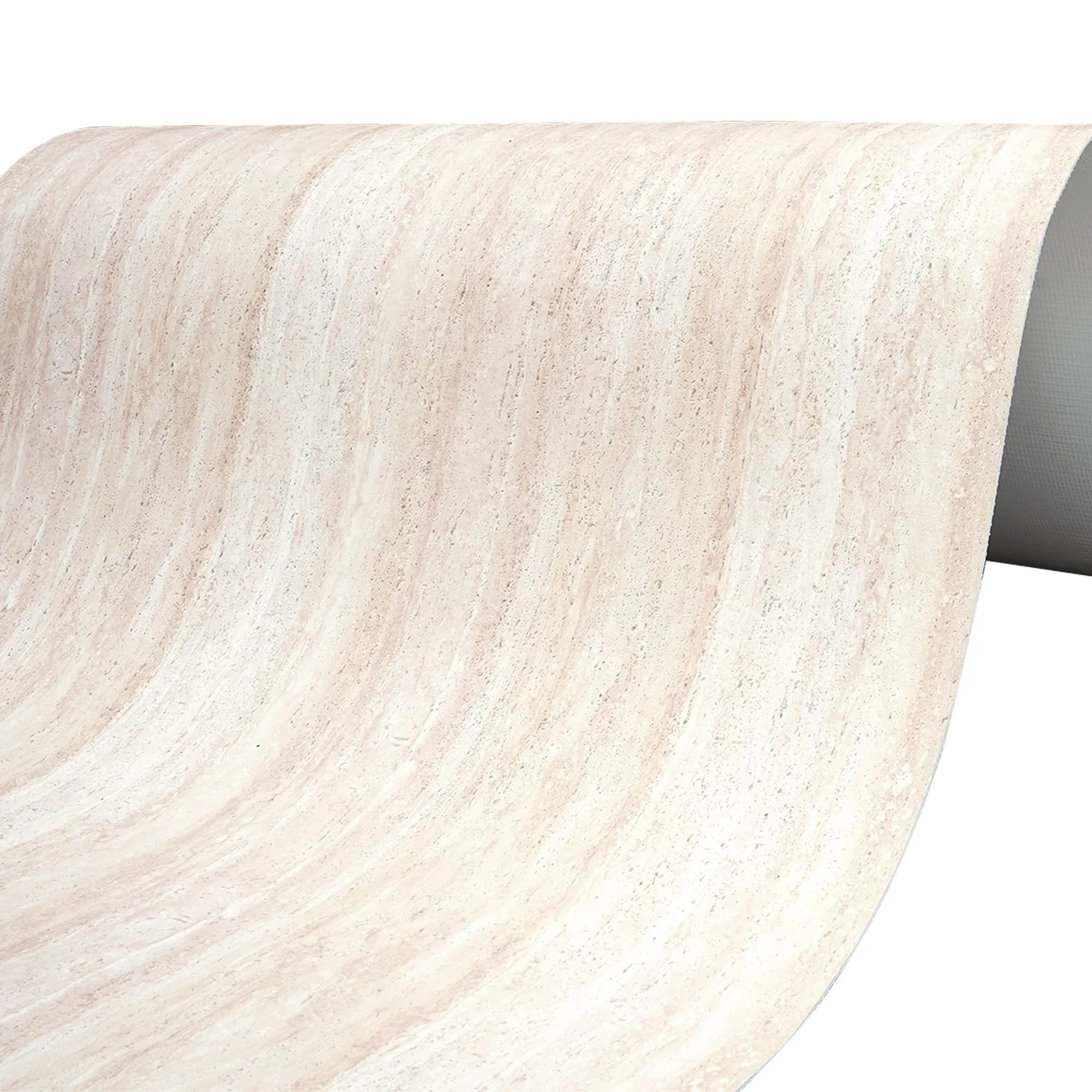
While Rona Yellow is a standout, it's hardly alone. The MCM family is vast, with series and shades designed to complement each other, giving designers endless combinations to play with. Let's explore a few that pair particularly well with the 3D Printing Series and Rona Yellow.
If Rona Yellow is the accent, the MCM Big Slab Board Series is the backdrop that makes it shine. These panels come in sizes up to 12 feet long and 6 feet wide, creating seamless walls and surfaces with minimal joints. Imagine a Rona Yellow 3D printed feature wall set against a backdrop of lunar peak silvery big slabs—silvery-gray with a subtle metallic sheen that catches light, making the yellow pop like sunlight on snow. It's a combination that's been used in luxury retail stores, where the goal is to make products feel both premium and accessible.
Travertine has long been beloved for its porous, organic texture—think ancient Roman baths and rustic villas. MCM's take on travertine, like travertine (starry green) , adds a modern twist. Starry green travertine features tiny, iridescent flecks that sparkle like moss-covered stones after rain. Pair that with Rona Yellow, and you've got a space that feels like a sunlit forest clearing—earthy, vibrant, and full of life. It's no wonder hotels in tropical destinations are using this combo for outdoor patios and poolside cabanas.
Other travertine options, like travertine (starry red) or travertine (vintage gold) , offer even more versatility. Vintage gold, with its warm, aged finish, complements Rona Yellow's brightness, creating a space that feels both timeless and contemporary—perfect for boutique hotels or high-end restaurants.
For designers who love the contrast of soft and industrial, wood grain board and fair-faced concrete MCM panels are ideal partners for Rona Yellow. Wood grain MCM mimics the look of reclaimed oak or teak, with visible knots and grain lines that add coziness. Pair it with Rona Yellow 3D printed panels in a linear pattern, and you've got a living room that feels like a cabin in the woods—if the cabin had a modern art gallery vibe.
Fair-faced concrete, on the other hand, brings a raw, urban edge. Its matte, gray surface with subtle texture plays well with Rona Yellow's warmth, creating a space that's equal parts industrial chic and inviting. Think of a tech startup office with Rona Yellow accent walls and fair-faced concrete desks—the yellow energizes, the concrete grounds, and together, they say, "We're innovative, but we're also human."
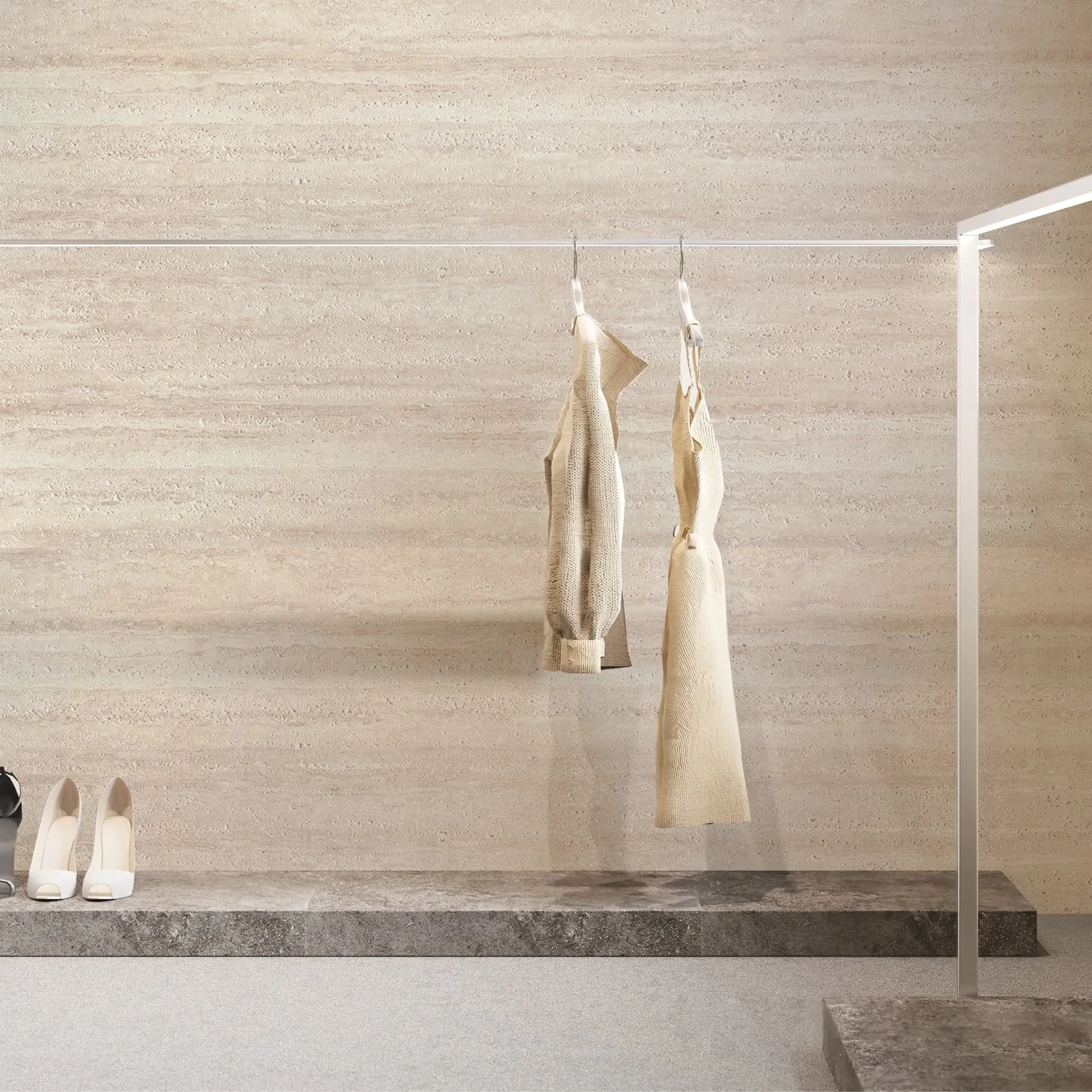
To help visualize how these materials work together, let's compare Rona Yellow with a few of its MCM counterparts. This table breaks down their key traits, ideal vibes, and best applications:
| Material | Color & Texture | Ideal Vibe | Top Applications |
|---|---|---|---|
| Rona Yellow (3D Printed) | Warm, sunlit yellow with customizable 3D textures (waves, geometric patterns) | Energetic, welcoming, creative | Cafés, co-working spaces, residential accent walls |
| Lunar Peak Silvery (Big Slab) | Silvery-gray with subtle metallic flecks; smooth, seamless surface | Elegant, modern, sophisticated | Retail store backdrops, hotel lobbies, high-end offices |
| Travertine (Starry Green) | Mossy green with iridescent "star" flecks; porous, organic texture | Earthy, tranquil, nature-inspired | Outdoor patios, spa interiors, tropical resorts |
| Fair-Faced Concrete | Matte gray with visible aggregate; raw, industrial texture | Edgy, urban, minimalist | Tech offices, art galleries, modern lofts |
| Wood Grain Board | Natural browns with visible knots and grain; warm, tactile texture | Cozy, rustic, timeless | Living rooms, restaurants, boutique hotels |
Sure, Rona Yellow and the MCM 3D Printing Series look amazing—but they're not just about aesthetics. They solve real problems for designers, builders, and property owners alike. Let's break down the benefits:
Take the example of a recent hospital renovation in Denver. The design team wanted to create a pediatric wing that felt less like a medical facility and more like a playful, comforting space. They used Rona Yellow 3D printed panels with custom cloud-shaped textures on the walls, paired with lunar peak golden accents (a warm, honey-colored MCM variant). Not only did the kids love the bright, friendly space, but the hospital staff reported lower anxiety levels in young patients. And because MCM is easy to clean and sanitize, it checked all the practical boxes too.
So, what's next for Rona Yellow and the MCM 3D Printing Series? If the past few years are any indication, the possibilities are endless. Designers are already experimenting with integrating smart technology into MCM panels—think panels that change color with temperature or light, or that double as touchscreens. Imagine a Rona Yellow wall in a retail store that shifts to a deeper amber as the day turns to evening, creating a cozy, after-hours vibe.
There's also growing interest in biophilic design—creating spaces that connect people with nature—and MCM is perfectly positioned to lead here. With 3D printing, panels can mimic not just textures but entire ecosystems: the pattern of a leaf's veins, the texture of riverbed stones, or the ripples of a desert dune. Rona Yellow, with its earthy, sunlit hue, will likely play a key role in these designs, acting as a bridge between the indoors and the natural world outside.
And as sustainability becomes even more critical, MCM's eco-friendly credentials will only grow in importance. The team at MCM Labs is already working on panels made with 100% recycled materials and exploring carbon-negative production processes. "We want Rona Yellow to be as kind to the planet as it is to the eye," says Li Wei. "The future of design isn't just about looking good—it's about doing good, too."
In a world where spaces often feel generic and disconnected, materials like Rona Yellow and the MCM 3D Printing Series are reminders of why design matters. They're not just building materials—they're storytellers. They turn walls into canvases, ceilings into skies, and floors into journeys. They make us feel something.
Whether you're a designer dreaming up your next project, a homeowner looking to refresh a space, or simply someone who appreciates the beauty of a well-crafted environment, Rona Yellow and MCM 3D printing offer a simple promise: design without limits. So, the next time you walk into a space that makes you pause and smile, take a closer look. Chances are, you're standing in front of MCM—and maybe even a little Rona Yellow magic.
Recommend Products












