
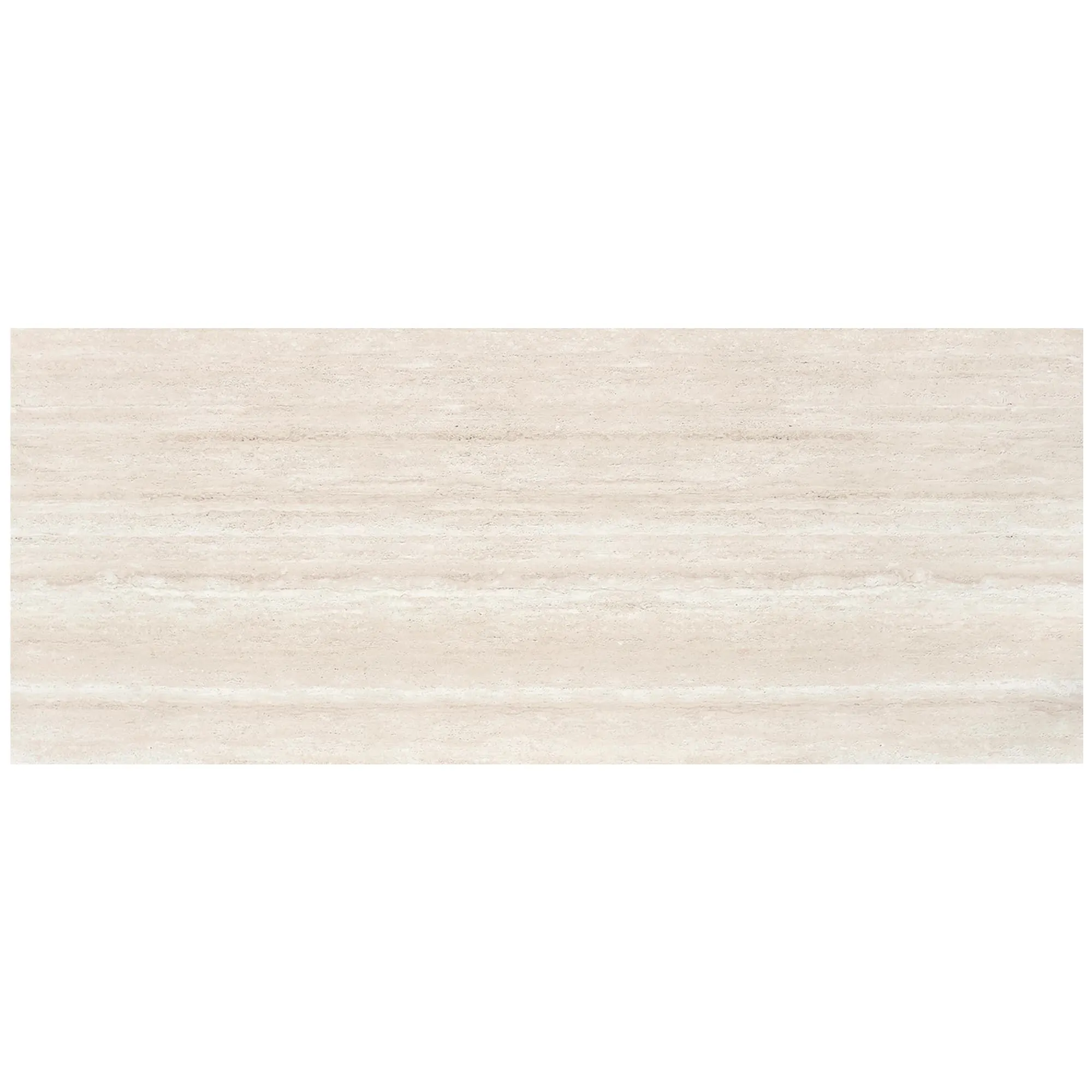
Picture this: You're sitting in a sunlit design studio, coffee in hand, sketching the exterior of a boutique hotel. The client wants warmth—something that feels both timeless and alive, like sunlight filtering through aged stone. They mention "imported travertine" in that dreamy tone designers know well, but your mind drifts to the last project where sourcing Italian marble delayed construction by three months and blew the budget. Worse, you can't shake the image of the quarry footage you saw, where heavy machinery carved into mountainsides, leaving scars that might never heal. Sound familiar? For too long, the design world has equated "luxury" with "imported natural stone," but what if there's a material that gives you the best of both worlds—beauty *and* a clear conscience? Enter Rona Yellow MCM.
Let's start with the elephant in the room: imported natural stone isn't just expensive for your budget—it's costly for the planet, too. Take travertine, a popular choice for its warm, porous texture. Most high-end travertine comes from Italy, Turkey, or Iran, and getting it to a project site in, say, Dubai or New York involves a global journey: quarried from a mountainside, transported by truck to a port, shipped across oceans in container ships, then trucked again to the construction site. The carbon emissions alone are staggering—research shows that transporting stone internationally can add up to 15% to a building's embodied carbon footprint. And that's before we talk about the environmental toll of quarrying itself: deforestation, soil erosion, and water pollution are common side effects, not to mention the risk of worker exploitation in unregulated mines.
Then there's the financial unpredictability. Natural stone is a product of nature, which means no two slabs are identical. You might order "honey gold travertine" and receive a batch that's more amber than gold, or riddled with cracks that render it unusable. Contractors hate it, clients get frustrated, and suddenly that "luxury" material becomes a source of delays and extra costs. Even fair-faced concrete, a go-to for architects aiming for industrial chic, often falls short here—it's durable, sure, but lacks the organic warmth of stone. So what's a designer to do when they want the look of natural stone without the guilt (or the headache)?
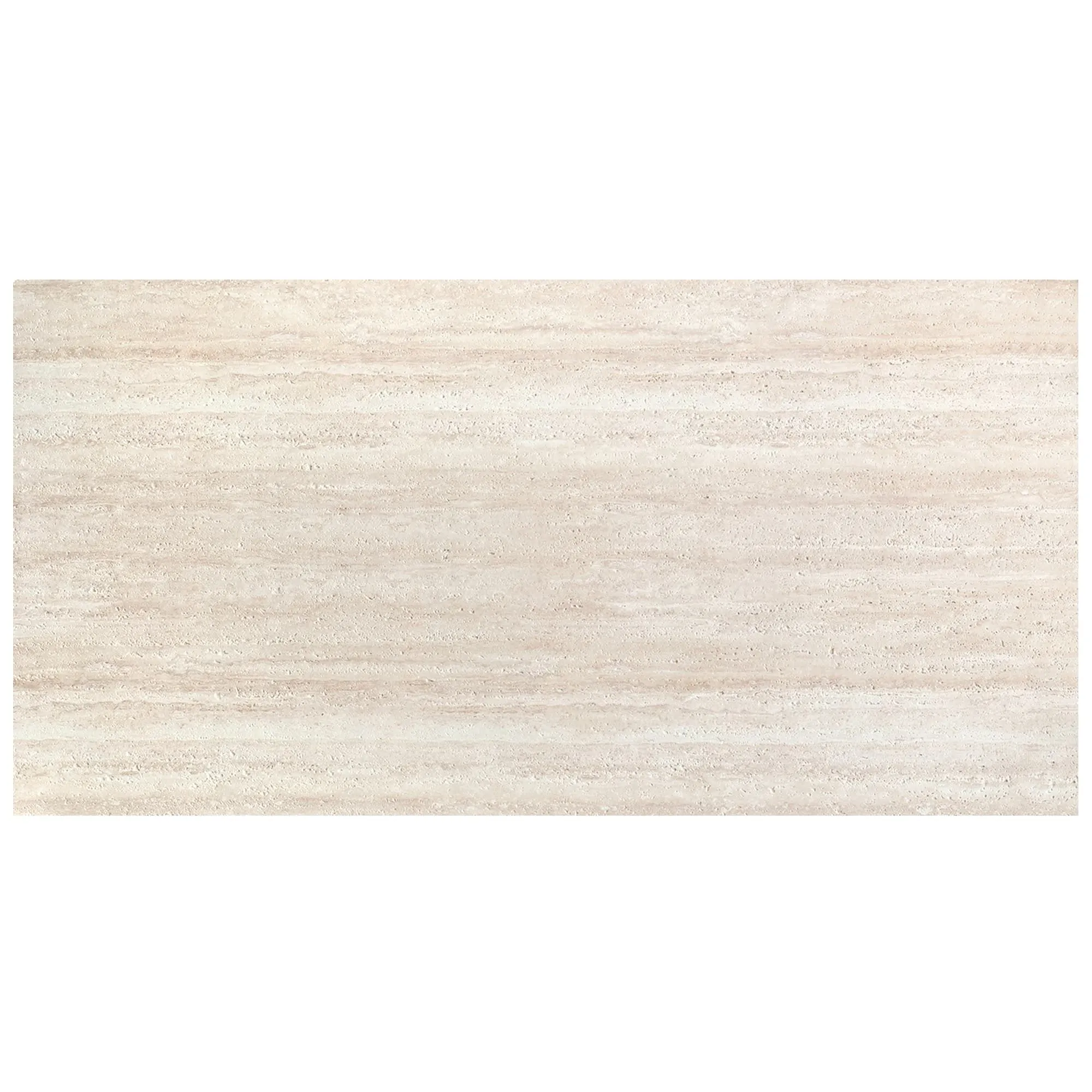
If you haven't heard of MCM yet, let's fix that. MCM stands for Modified Composite Material, and it's not just another building product—it's a rethink of what building materials can be. Imagine taking the best properties of stone, concrete, and even metal, then blending them into a lightweight, durable panel that's designed to mimic the look of natural materials. That's MCM in a nutshell. Developed with sustainability in mind, MCM panels are made from a mix of mineral aggregates, polymers, and recycled materials, creating a product that's both strong and flexible. And unlike natural stone, MCM is engineered for consistency—every panel looks like the one before it, so you know exactly what you're getting.
But MCM isn't just about solving problems—it's about opening up new possibilities. The MCM big slab board series, for example, lets designers create seamless walls and facades up to 3 meters wide, eliminating the need for unsightly seams. And because MCM is lightweight (about 1/5 the weight of natural stone), it reduces structural load on buildings, making it ideal for retrofits and high-rise projects where weight matters. But today, we're here to talk about a standout star in the MCM lineup: Rona Yellow.
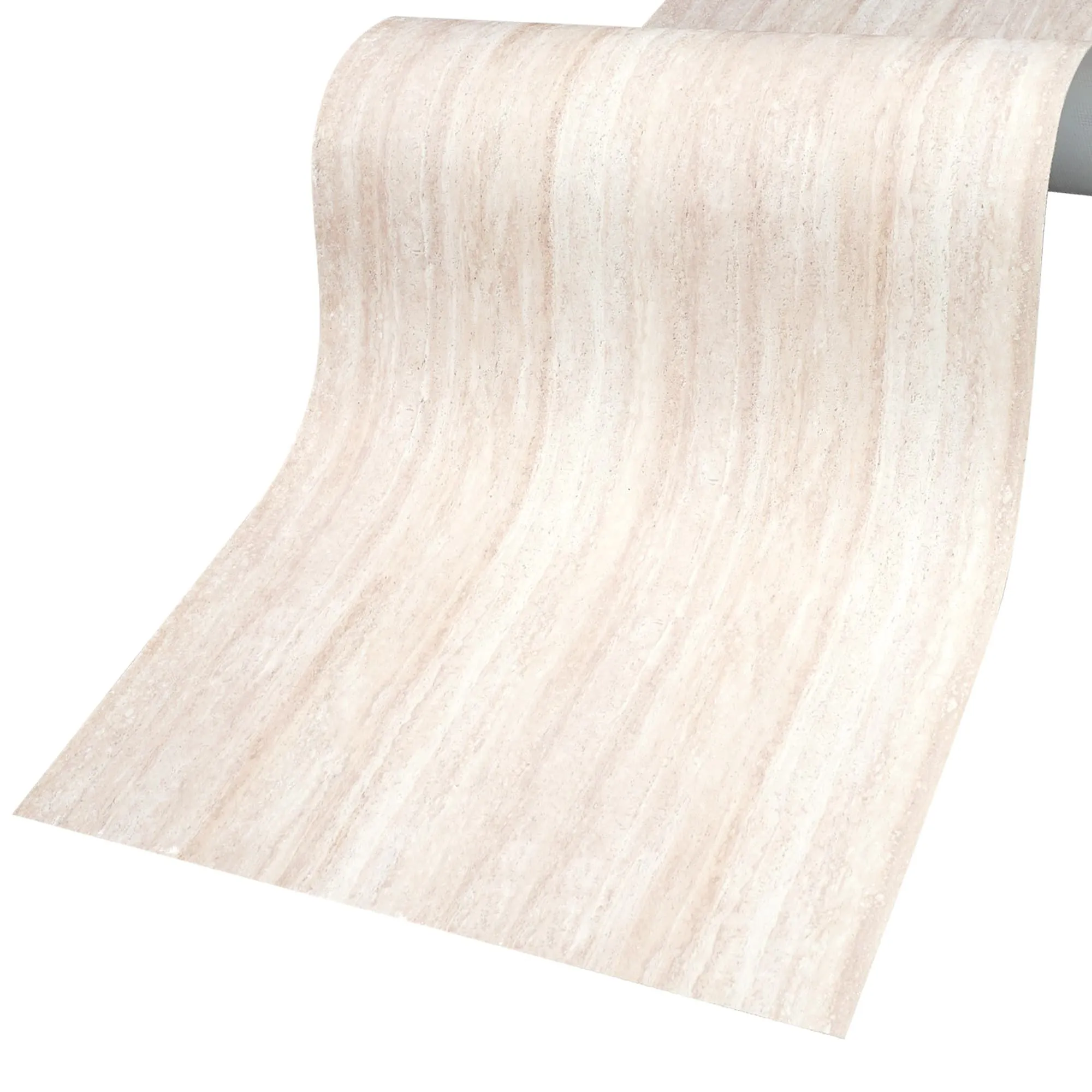
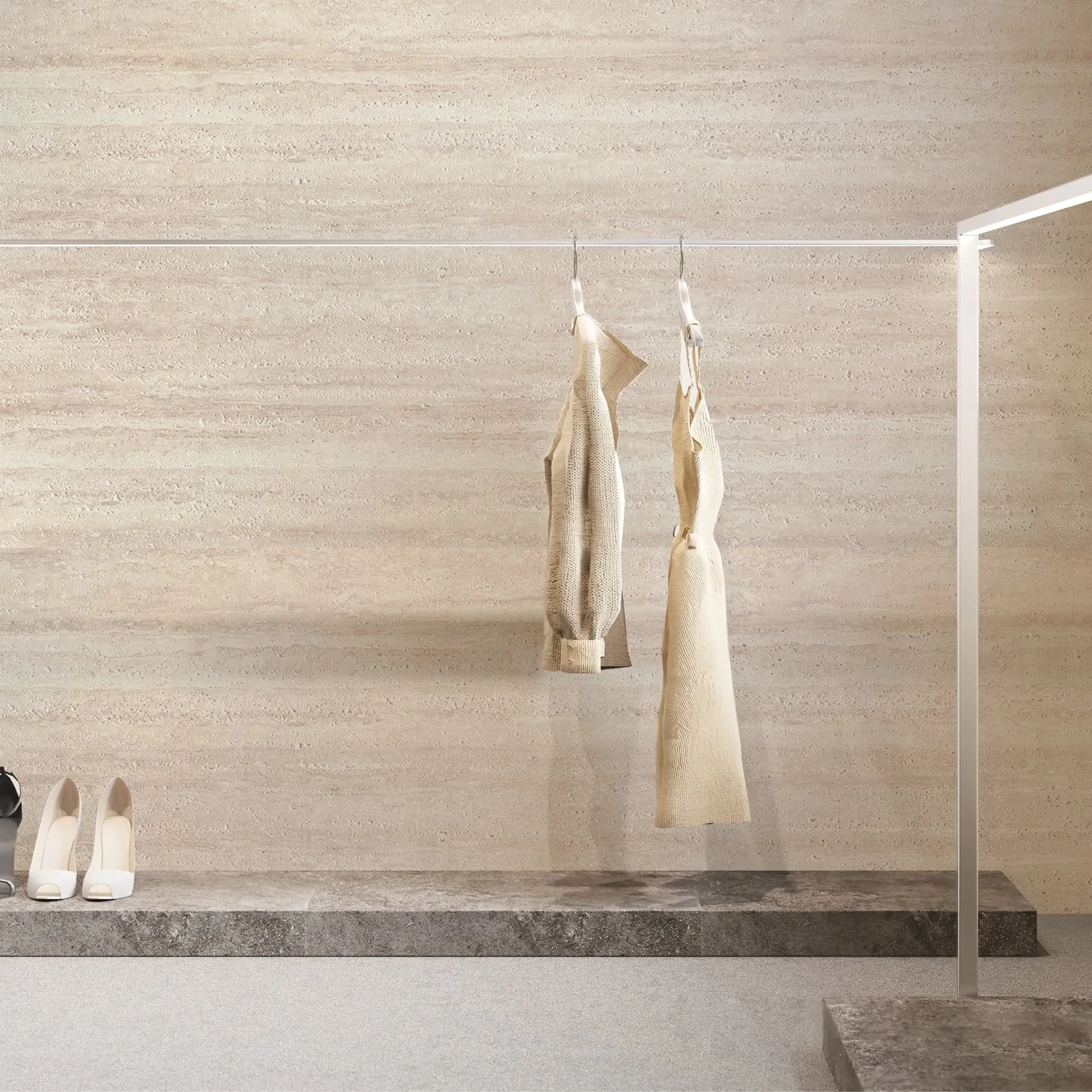
Let's get up close with Rona Yellow. At first glance, you might mistake it for a rare breed of travertine—warm, golden-yellow tones with soft, earthy veining that looks like it was painted by nature itself. Run your hand over it, though, and you'll notice the difference: a smooth, consistent texture that's free of the pits and cracks that plague natural stone. That's because Rona Yellow is designed, not mined. Its color comes from natural pigments and mineral additives, blended to recreate the look of sunlit stone without the variability of nature.
But Rona Yellow's beauty is more than skin deep. It's built to last. Unlike natural stone, which can stain or etch when exposed to rain, salt, or harsh cleaning chemicals, Rona Yellow is resistant to water, UV rays, and abrasion. That makes it perfect for both interior and exterior use—think accent walls in a lobby, kitchen backsplashes, or even poolside patios. And because it's lightweight (around 8 kg per square meter), installation is a breeze compared to hauling heavy stone slabs. Contractors report cutting installation time by up to 40% on projects using MCM panels, which translates to lower labor costs and faster project turnarounds.
Sustainability is where Rona Yellow really shines. As a green building material, it ticks all the boxes: low embodied carbon (thanks to local manufacturing and recycled content), zero waste during production (scraps are reused in new panels), and it's 100% recyclable at the end of its life. Compare that to imported natural stone, which often ends up in landfills when damaged or replaced. For designers chasing LEED or BREEAM certifications, Rona Yellow is a no-brainer—it can contribute to points in categories like Materials and Resources, Indoor Environmental Quality, and Sustainable Sites.
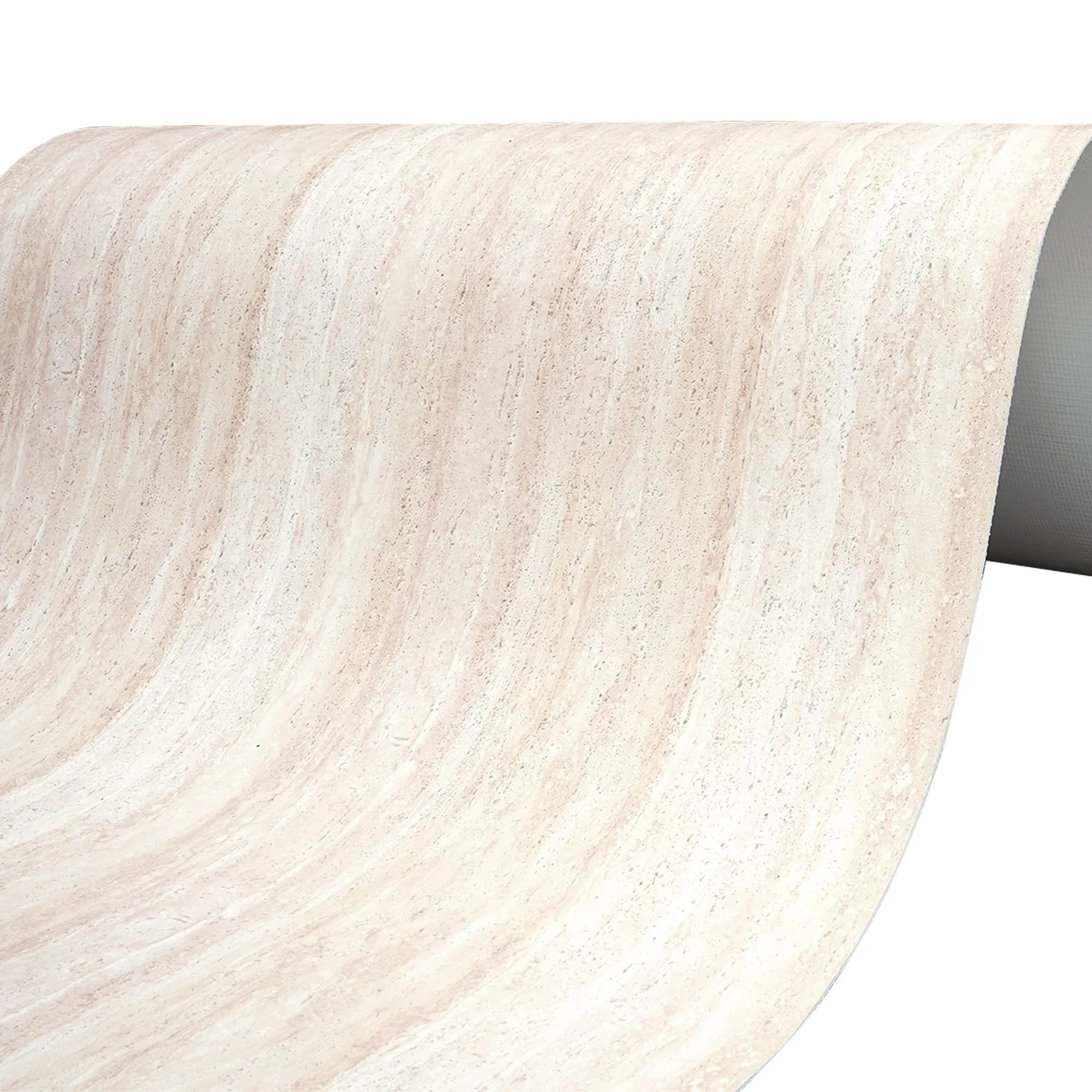
Still on the fence? Let's break it down with hard facts. The table below compares Rona Yellow MCM to a typical imported natural stone (like Turkish travertine) across key factors that matter to designers, contractors, and clients:
| Factor | Rona Yellow MCM | Imported Natural Stone |
|---|---|---|
| Carbon Footprint | Low (local manufacturing, recycled content) | High (international shipping, quarrying emissions) |
| Cost (per sqm) | ~$45–$60 (consistent pricing) | ~$80–$120 (variable, plus shipping) |
| Weight (per sqm) | 8 kg | 40–50 kg |
| Installation Time | Fast (lightweight, easy to cut) | Slow (heavy, requires specialized labor) |
| Durability | High (resistant to stains, UV, moisture) | Moderate (prone to staining, cracking) |
| Aesthetic Consistency | Excellent (engineered uniformity) | Poor (natural variation, defects common) |
Let's step into the shoes of a real project—no, not a hypothetical one. Last year, a design firm in Lisbon used Rona Yellow MCM for the exterior of a boutique hotel in the city's historic district. The client wanted a material that would complement the area's terracotta rooftops and sunlit plazas but didn't want to import stone from Italy (a common practice in Portuguese architecture). The design team chose Rona Yellow for the hotel's facade and outdoor terrace walls, and the result? A building that looks like it's been part of the neighborhood for decades, with golden-yellow panels that glow in the afternoon sun. "We were worried it might look 'fake,'" admits Maria, the lead architect, "but when the first panels went up, even the locals thought it was real stone. And the best part? We finished the facade two weeks ahead of schedule, and the client saved 30% on material costs."
Closer to home, a residential developer in Austin, Texas, used Rona Yellow for interior accent walls in a luxury townhome complex. The goal was to create a "Mediterranean villa" feel without the price tag of imported travertine. "Homebuyers love the warmth of the yellow panels," says the developer, "and we love that we're not contributing to the carbon footprint of shipping stone from overseas. Plus, since the panels are so durable, we don't have to worry about them getting damaged during move-ins or over time."
Rona Yellow is just one star in the MCM universe. The MCM big slab board series, for example, offers panels up to 12 feet long, perfect for creating seamless, dramatic walls in commercial spaces. Then there's flexible stone, which can bend around curves and columns—something natural stone could never do. And as green building materials become the norm rather than the exception, MCM is poised to lead the charge. Its low environmental impact, durability, and design flexibility make it a favorite among architects and developers who want to build responsibly without sacrificing style.
Take fair-faced concrete, which has long been praised for its industrial elegance. While it's still a solid choice, MCM offers something concrete can't: the look of natural stone with the same structural benefits. For projects aiming for LEED Platinum certification, MCM can help earn points for recycled content and local sourcing, making it easier to hit sustainability goals. And with global brands like IKEA and Google committing to carbon-neutral buildings by 2030, materials like Rona Yellow MCM are no longer "nice to have"—they're essential.
At the end of the day, choosing building materials is about more than just aesthetics—it's about the kind of world we want to build. Imported natural stone has its place, but it's time to stop equating luxury with environmental harm. Rona Yellow MCM proves that you can have both: the warm, timeless beauty of stone, and the peace of mind that comes with choosing a sustainable, affordable, and reliable material.
So the next time you're sketching that dream project, and the client mentions "imported stone," pause. Think about the designer in Lisbon, the developer in Austin, and the countless others who've discovered that MCM isn't just a material—it's a movement. A movement toward buildings that don't just look good, but *do* good. And in that movement, Rona Yellow is leading the way—one golden panel at a time.
Recommend Products












