
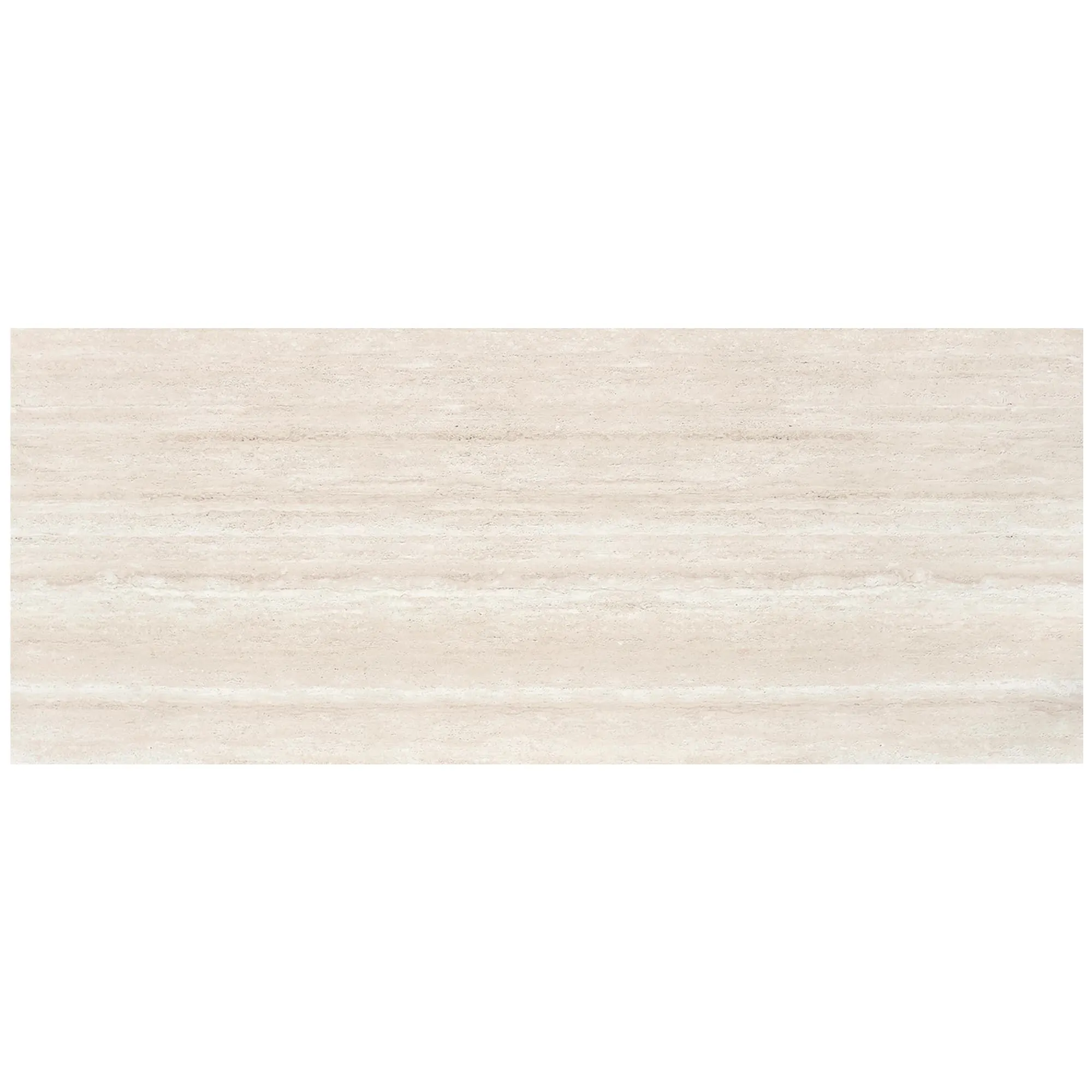
Walk into any modern urban neighborhood today, and you'll notice a quiet revolution unfolding on building facades, interior walls, and outdoor spaces. Gone are the days when construction prioritized only strength and cost—today, it's about harmony : harmony with the planet, with human health, and with the beauty of design. At the heart of this shift lies a new generation of building materials, and leading the charge is Rona Yellow MCM. But what makes this material, and others like it, so pivotal in the quest for sustainable construction? And how do they help projects earn the coveted LEED certification, the gold standard for green building?
Let's dive in. This isn't just about bricks and mortar—it's about creating spaces that breathe, last, and leave a lighter footprint. Whether you're an architect sketching your next masterpiece, a homeowner dreaming of an eco-friendly renovation, or a developer aiming to stand out in a crowded market, understanding these materials could be the key to turning your vision into a sustainable reality.
First, let's get clear on what LEED certification is—and why it's more than just a badge. LEED (Leadership in Energy and Environmental Design) is a globally recognized rating system developed by the U.S. Green Building Council (USGBC). It evaluates buildings based on criteria like energy efficiency, water conservation, indoor air quality, and use of sustainable materials. Projects earn points in these areas, and higher points mean higher certification levels: Certified, Silver, Gold, or Platinum.
But LEED isn't just about "going green" for the sake of it. It's about value . Buildings with LEED certification often see lower operating costs (think reduced energy and water bills), higher property values, and happier occupants—studies show people in green buildings report better productivity and health. For developers, it's a competitive edge; for communities, it's a step toward a more resilient future. And at the core of earning those LEED points? The materials used.
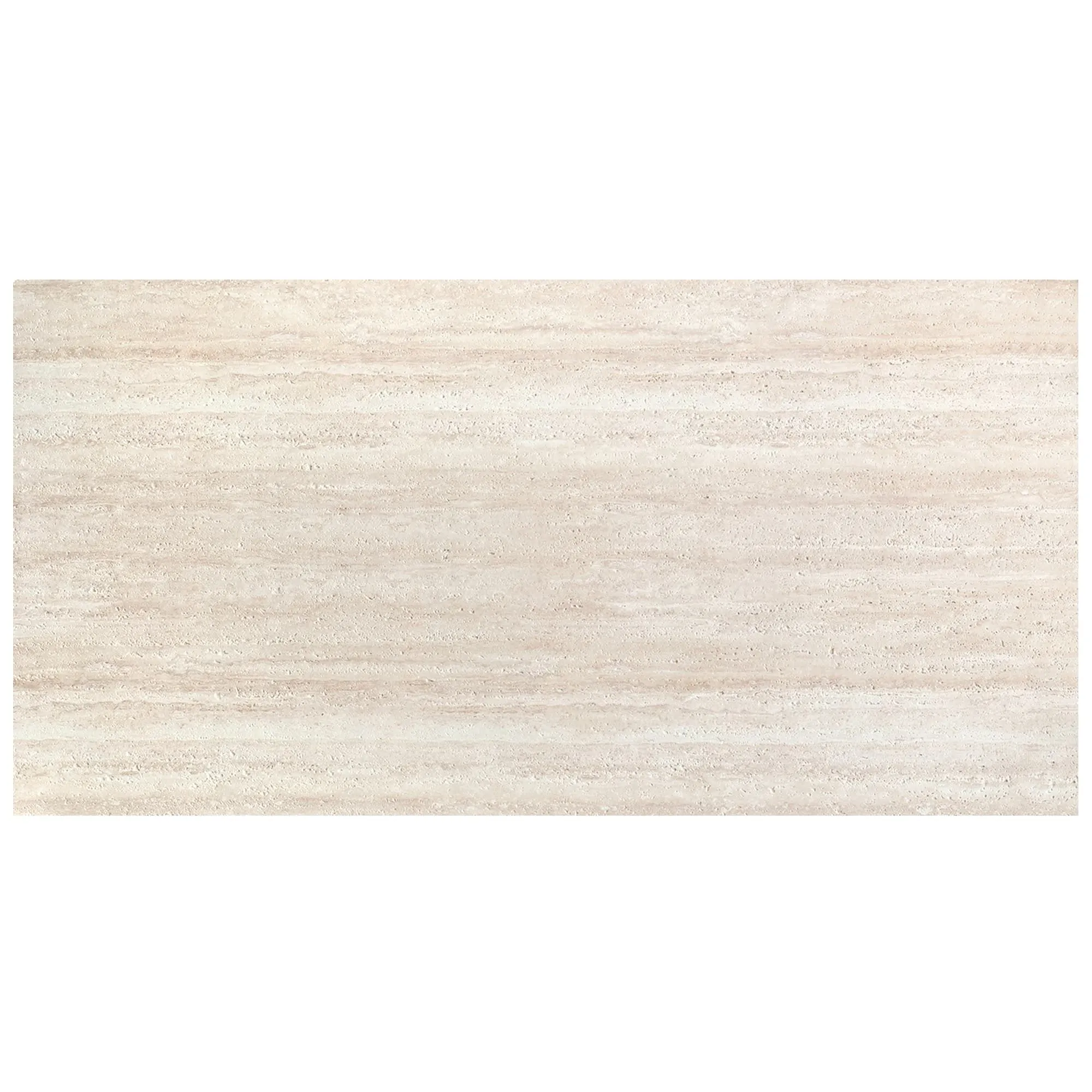
Let's start with the star of the show: Rona Yellow MCM. MCM, or Metal Composite Material, is a sandwich of two thin metal sheets (usually aluminum) bonded to a non-aluminum core. But Rona Yellow MCM isn't your average cladding. Its warm, earthy yellow hue—reminiscent of sunlit sandstone—adds instant character to any space, whether it's a commercial high-rise or a cozy home exterior. But what really sets it apart is its sustainability credentials.
First, Rona Yellow MCM is lightweight . That means less energy is needed to transport it to job sites, and it puts less stress on building structures, reducing the need for heavy, resource-intensive support systems. Second, it's durable . Resistant to corrosion, fading, and weathering, it lasts decades without needing frequent replacement—cutting down on waste. Third, many MCM products, including Rona Yellow, are made with recycled content (up to 30% recycled aluminum in some cases), and they're fully recyclable at the end of their life cycle. No more sending old cladding to landfills.
But Rona Yellow MCM isn't just about function—it's about feeling . Imagine a café with Rona Yellow panels lining its exterior, catching the morning light and inviting passersby in. Or a home where the material wraps around a patio, blending seamlessly with the garden's greenery. It proves that sustainability doesn't mean sacrificing beauty; in fact, it can enhance it.
Rona Yellow MCM is a standout, but sustainable construction is a team sport. Let's meet its all-star teammates—materials that work hand-in-hand to boost LEED points and create cohesive, eco-friendly spaces.
You've seen it: that raw, textured concrete finish that feels both industrial and organic. That's fair-faced concrete, and it's a favorite among sustainable builders for good reason. Unlike traditional concrete, which often requires energy-heavy treatments like painting or tiling, fair-faced concrete is left "as-cast," showcasing its natural texture and color. This means fewer chemicals, less waste, and lower maintenance over time.
But its sustainability superpower? Thermal mass. Concrete absorbs and stores heat, helping regulate indoor temperatures. In summer, it keeps interiors cool; in winter, it releases warmth, reducing reliance on heating and cooling systems. That's a big win for LEED's Energy and Atmosphere category. Plus, many fair-faced concrete mixes now include recycled aggregates (like crushed glass or reclaimed stone), further cutting down on virgin resource use.
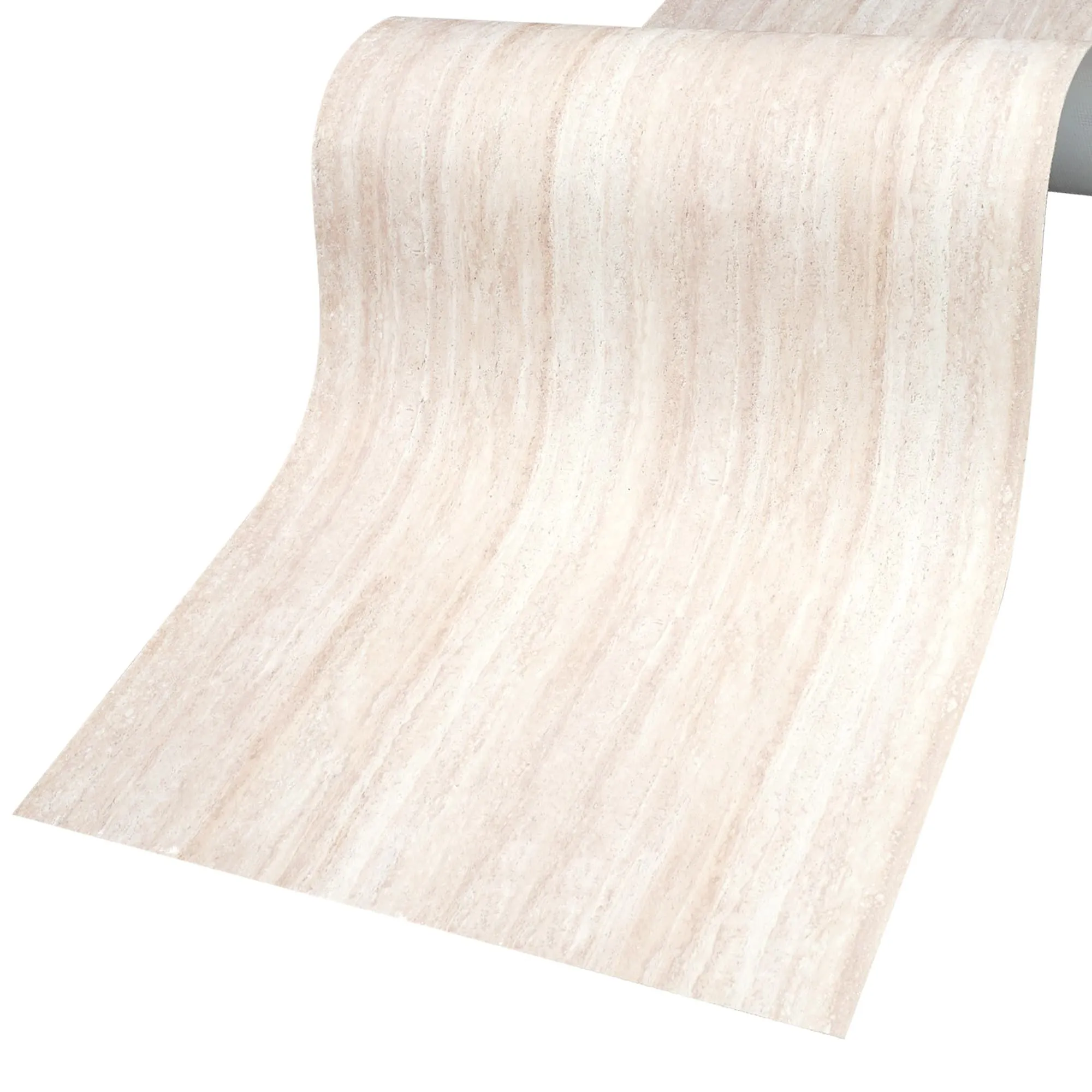
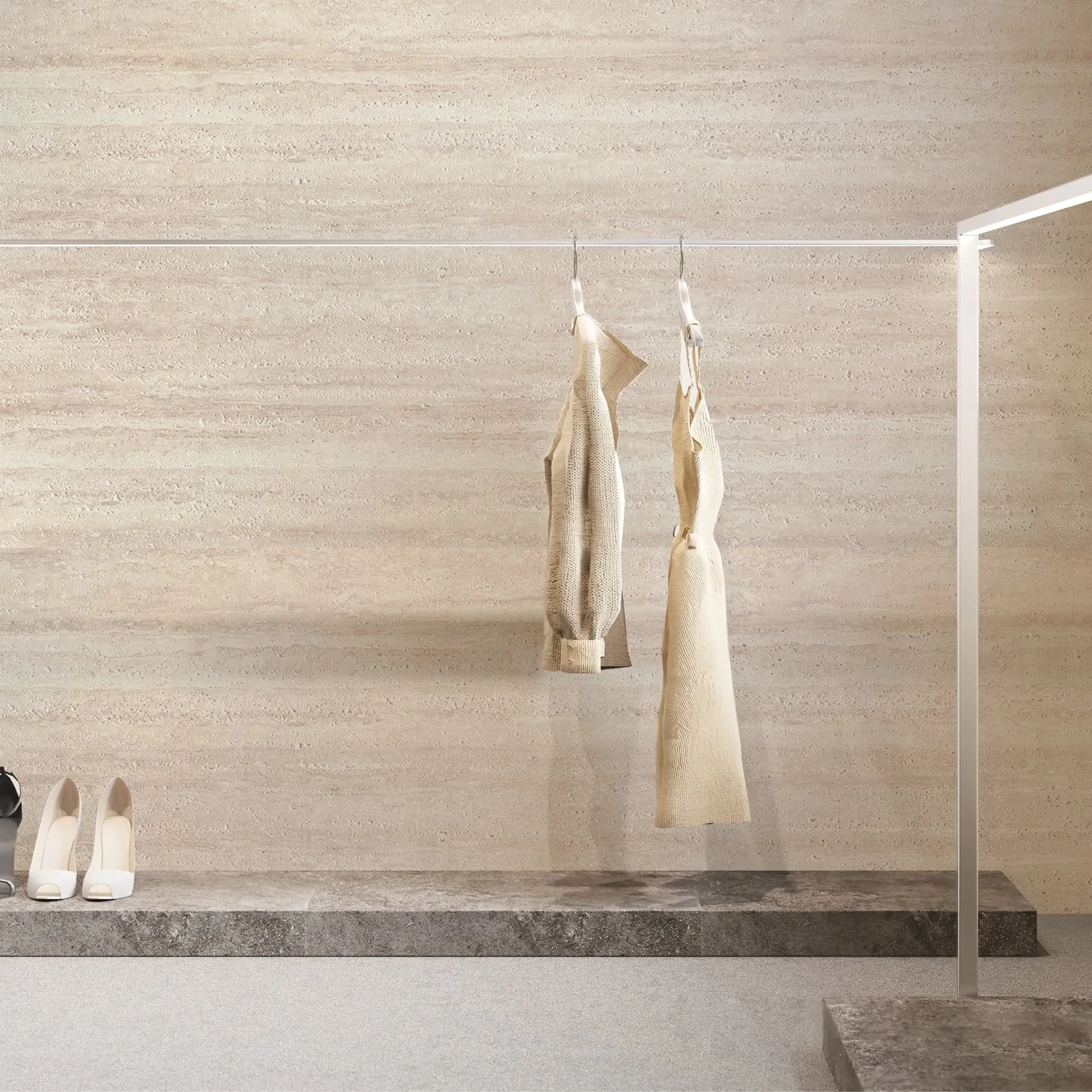
Another key player is MCM flexible stone. Picture a material that looks and feels like natural stone—with its veins, grains, and depth—but bends like a sheet of plastic. That's MCM flexible stone. Made by bonding thin layers of real stone (or stone-like materials) to a flexible backing, it's lightweight, easy to install, and incredibly versatile. Want to clad a curved wall? No problem. Need to cover a large surface without heavy machinery? Done.
From a sustainability angle, MCM flexible stone reduces the need for quarrying large blocks of natural stone, which can disrupt ecosystems. It also minimizes waste during installation, as it's easy to cut to size without crumbling. And like Rona Yellow MCM, many varieties use recycled or reclaimed stone particles, closing the loop on material lifecycle.
These materials—Rona Yellow MCM, fair-faced concrete, MCM flexible stone—all fall under the umbrella of "green building materials," a term that encompasses products designed to reduce environmental impact while enhancing building performance. What unites them? They prioritize recycled content, energy efficiency, durability, and low toxicity. And when combined, they create a synergy that makes LEED certification not just achievable, but attainable .
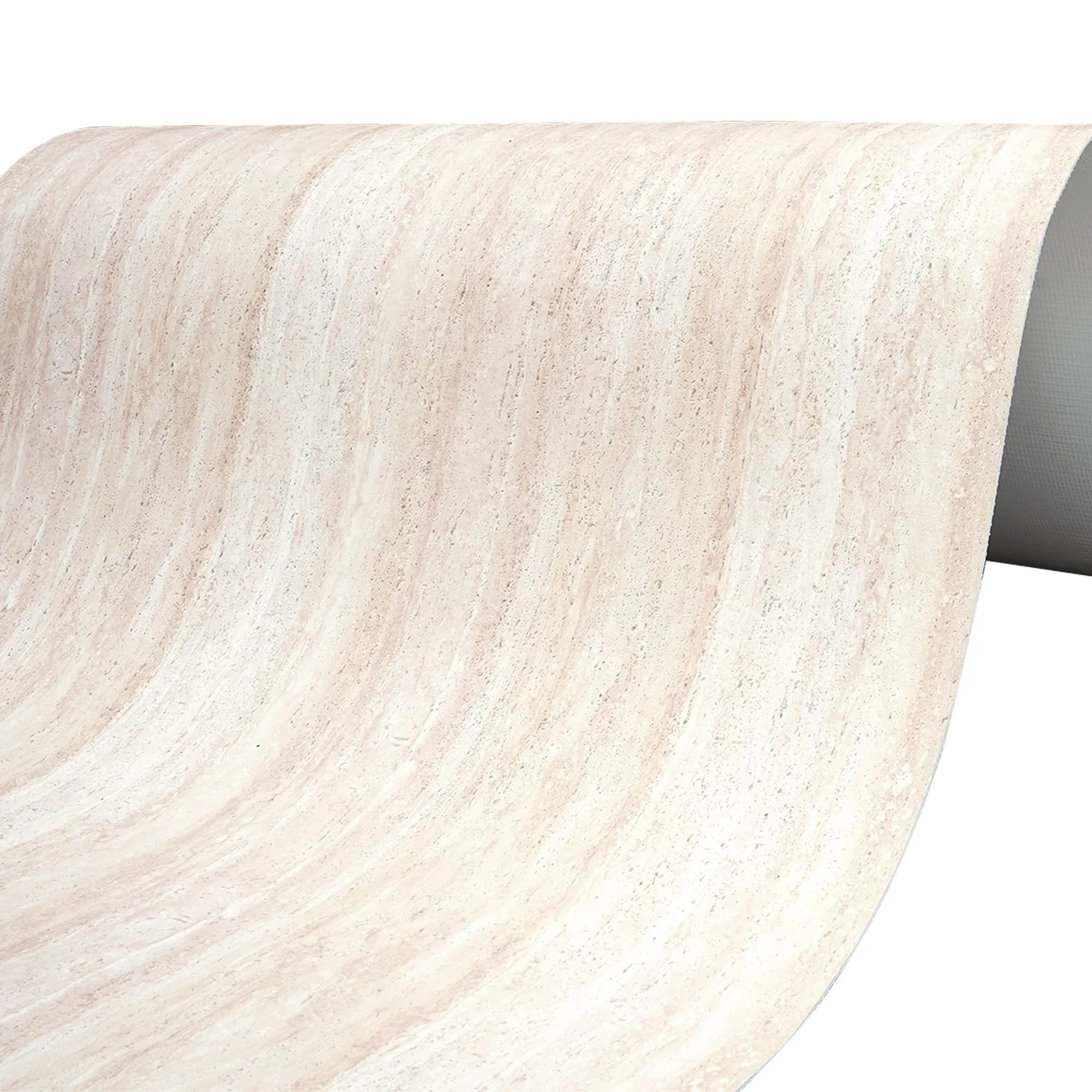
Let's get practical: how exactly do these materials help a project earn LEED points? Let's break down the key categories where they shine.
LEED's Materials and Resources category rewards projects that minimize waste and use sustainable resources. Rona Yellow MCM, with its recycled aluminum content, and MCM flexible stone, with its reclaimed stone particles, score points here. Fair-faced concrete with recycled aggregates? That's another checkmark. Even better, many of these materials are locally sourced, reducing transportation emissions—a bonus for the "Regional Materials" credit.
Energy efficiency is a big LEED driver, and these materials deliver. Fair-faced concrete's thermal mass reduces heating/cooling needs, lowering energy use. MCM products, including Rona Yellow, often have reflective finishes that bounce sunlight away from buildings, reducing the "urban heat island" effect and cutting air conditioning demand. Together, they help projects earn points for optimized energy performance.
LEED cares about the air we breathe indoors, and green materials play a huge role here. Unlike some traditional cladding or paints that off-gas volatile organic compounds (VOCs), Rona Yellow MCM and MCM flexible stone are low-VOC. Fair-faced concrete, left untreated, also avoids harmful chemicals. This means healthier indoor air for occupants—whether it's an office, school, or home—and points for the "Low-Emitting Materials" credit.
LEED doesn't just reward initial sustainability—it rewards long-term thinking. Rona Yellow MCM, fair-faced concrete, and MCM flexible stone are all built to last. Their resistance to weathering, fading, and wear means fewer replacements over the building's lifetime. Less replacement equals less waste, lower costs, and higher points for "Durable Building Materials."
To help you see how these materials stack up, here's a snapshot of their key features and LEED contributions:
| Material | Key Features | Recycled Content | LEED Category Focus | Aesthetic Appeal |
|---|---|---|---|---|
| Rona Yellow MCM | Lightweight, corrosion-resistant, flexible installation | Up to 30% recycled aluminum | Materials and Resources, Energy and Atmosphere | Warm yellow hue, modern metallic finish |
| Fair-Faced Concrete | Thermal mass, low maintenance, natural texture | Often includes recycled aggregates (10-20%) | Energy and Atmosphere, Materials and Resources | Raw, industrial-chic, customizable with aggregates |
| MCM Flexible Stone | Bendable, real stone appearance, easy cutting | Reclaimed stone particles in some varieties | Materials and Resources, Indoor Environmental Quality | Natural stone look (marble, travertine, slate) |
Numbers and specs are great, but nothing tells a story like real projects. Let's look at two examples where Rona Yellow MCM and complementary materials helped earn LEED certification—and transformed spaces.
In Portland, Oregon, the Solis Apartments wanted to stand out as a sustainable, luxury housing option. The design team chose Rona Yellow MCM for the building's exterior cladding, paired with fair-faced concrete accents on the lobby walls. The result? A bright, welcoming facade that reflects the city's eco-conscious vibe.
Thanks to Rona Yellow MCM's reflective finish, the building's cooling costs dropped by 15% compared to similar-sized apartments. The fair-faced concrete in the lobby, with its thermal mass, reduced heating needs in winter. Combined with low-VOC paints and energy-efficient windows, Solis earned LEED Silver, attracting tenants willing to pay a premium for green living.
Outside Chicago, GreenSpaces Office Park aimed to create a workspace that felt connected to nature while minimizing environmental impact. MCM flexible stone was used on interior accent walls, mimicking the look of local limestone without the quarrying impact. Rona Yellow MCM panels clad the conference center, adding a pop of color that ties the space to the surrounding autumn foliage.
The project scored big in LEED's Materials and Resources category, thanks to the recycled content in both materials. Indoor air quality tests showed VOC levels 40% lower than standard offices, boosting employee satisfaction. GreenSpaces earned LEED Gold and now hosts workshops for other developers on sustainable material use.
Sustainable construction isn't a trend—it's the future. As climate concerns grow and regulations tighten, building green will no longer be optional; it will be essential. But beyond compliance, there's a deeper reason to embrace materials like Rona Yellow MCM, fair-faced concrete, and MCM flexible stone: they create spaces that matter .
Think about it: a school built with low-VOC materials helps kids breathe easier and focus better. A home with thermal mass concrete stays cozy in winter without racking up energy bills. A commercial building with a LEED Platinum rating becomes a community landmark, inspiring others to follow suit. These materials aren't just building blocks—they're tools for creating healthier, happier, more resilient communities.
And for those worried about cost? It's true that some green materials have a slightly higher upfront price tag, but the long-term savings—lower energy bills, less maintenance, higher resale value—often outweigh the initial investment. Plus, many governments and utilities offer incentives for LEED-certified projects, from tax breaks to grants.
At the end of the day, construction is about legacy. What we build today will shape the world our children inherit. Rona Yellow MCM, fair-faced concrete, MCM flexible stone, and other green building materials aren't just products—they're choices. Choices to prioritize the planet, human health, and timeless design.
So whether you're planning a small home renovation or a large-scale development, remember: every material you choose is a statement. Choose one that says, "I care about more than just the bottom line. I care about the air we breathe, the spaces we live in, and the future we're building."
Rona Yellow MCM and its sustainable counterparts are more than materials. They're the foundation of a world where buildings don't just stand—they thrive, in harmony with us and with the earth.
Recommend Products












