
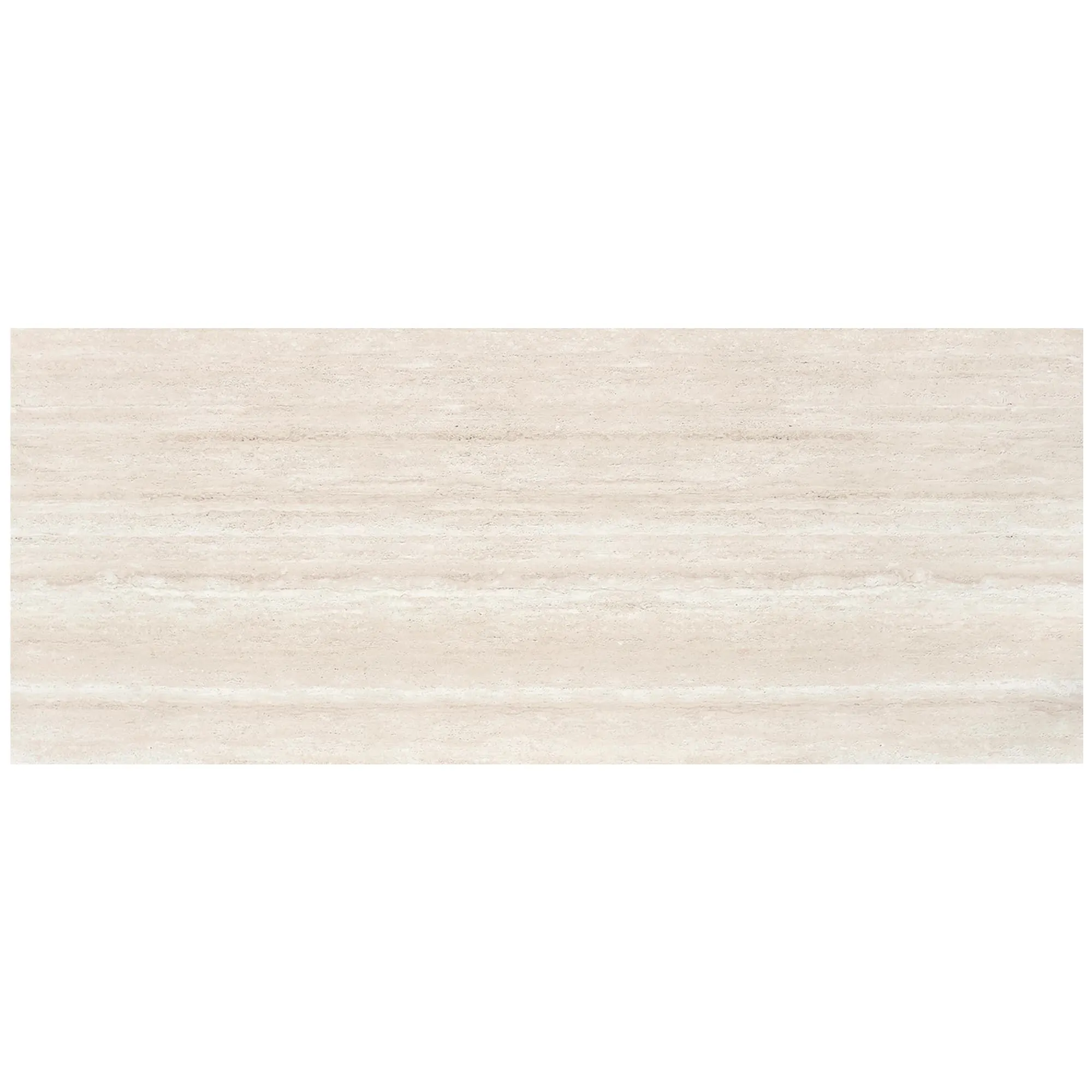
In the world of architectural design, materials are more than just building blocks—they're storytellers. They shape how a space feels, how light interacts with surfaces, and how memories cling to textures. Among the many materials vying for attention, the Rona Yellow MCM Big Slab Board Series stands out as a narrative weaver. Part of MCM's innovative lineup, which includes MCM flexible stone and cutting-edge solutions, this series marries durability with artistry, challenging the limits of what building materials can be. Whether paired with the raw elegance of fair-faced concrete or the celestial patterns of travertine (starry green) , Rona Yellow doesn't just fill a space—it transforms it.
Before diving into sizes, thickness, and installation, let's take a moment to understand what makes this series special. MCM, short for Modified Composite Material, has redefined architectural surfacing by blending natural minerals with advanced polymers. The result? Materials that capture the beauty of natural stone—think the warmth of travertine, the depth of marble—without the weight, porosity, or maintenance headaches. The Rona Yellow variant, in particular, is a celebration of earthy vibrancy: a soft golden hue with subtle veining that evokes sunlit meadows or aged parchment, making it equally at home in modern lofts and rustic villas.
What truly sets the MCM Big Slab Board Series apart is its scale. Traditional tiles or panels often require multiple seams, breaking visual continuity. Big slabs, however, create sweeping, unbroken surfaces that elevate a space's sense of grandeur. And Rona Yellow, with its warm undertones, turns these surfaces into focal points that draw the eye without overwhelming the senses.
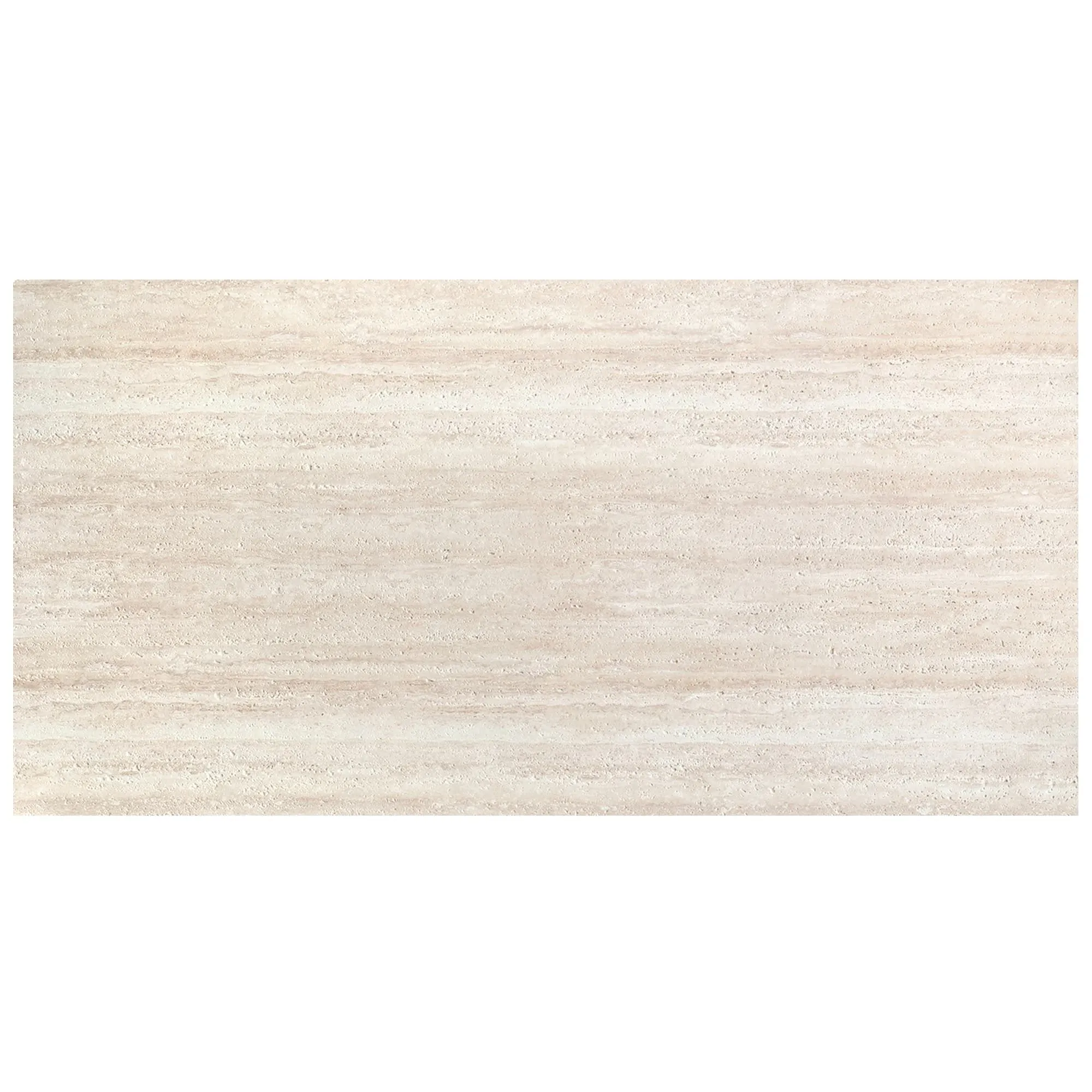
One of the most compelling aspects of the Rona Yellow MCM Big Slab Board Series is its versatility in size. Whether you're designing a cozy home office or a sprawling hotel lobby, there's a slab size to match your vision. Let's explore the options, along with their ideal applications and the unique benefits they bring to a project.
| Slab Size (mm) | Common Applications | Key Benefits |
|---|---|---|
| 600 x 1200 | Accent walls, backsplashes, small countertops | Easy to handle; ideal for tight spaces or intricate designs |
| 1200 x 2400 | Interior walls, large countertops, fireplace surrounds | Balances manageability with minimal seams |
| 1220 x 2440 | Exterior cladding, commercial lobbies, floor-to-ceiling feature walls | Industry-standard "full slab" size; maximizes visual continuity |
| Custom (on request) | Curved surfaces, uniquely shaped facades, artistic installations | Tailored to project-specific needs; perfect for one-of-a-kind designs |
At first glance, size might seem like a purely practical consideration—how much surface area can one slab cover? But in design, it's about more than efficiency. A 1220x2440mm slab, for example, can turn a bathroom wall into a single, uninterrupted canvas, making the space feel larger and more cohesive. In commercial settings, like a restaurant or hotel lobby, fewer seams mean easier cleaning and a more polished look. Even in residential projects, the absence of grout lines reduces dirt traps, a boon for busy families or anyone who hates scrubbing tile.
Custom sizes take this a step further. Imagine a boutique café with a curved: standard slabs would require awkward cuts and seams. With custom Rona Yellow slabs, the becomes a fluid, organic shape, its golden surface guiding customers' eyes and creating a sense of flow. It's these small details—the absence of breaks, the harmony of form—that turn a good design into a memorable one.
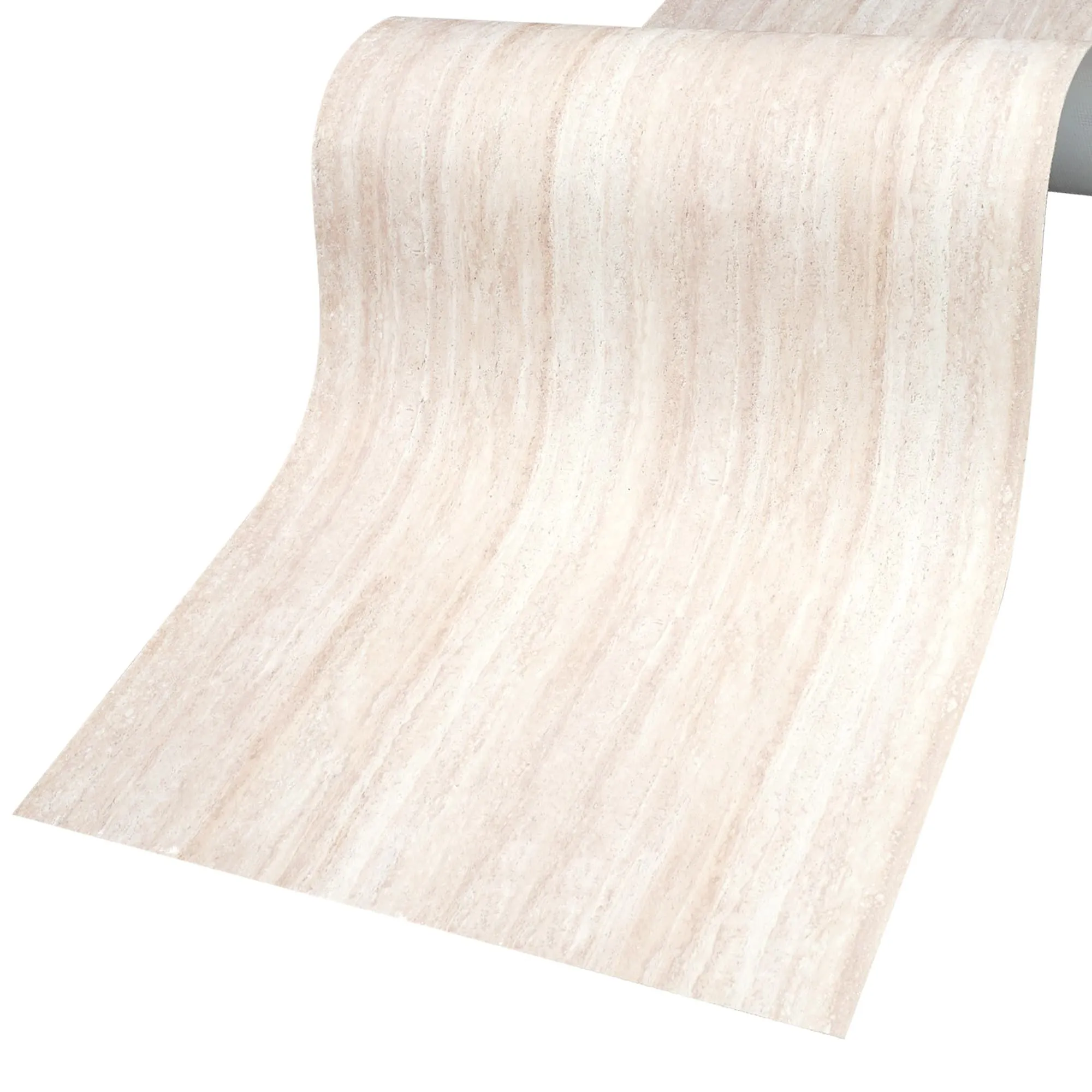
If size is about aesthetics, thickness is about performance. Rona Yellow MCM Big Slabs come in a range of thicknesses, each tailored to specific applications. Unlike natural stone, where thickness often correlates directly with weight, MCM's composite structure keeps slabs lightweight even at larger thicknesses—another win for installers and structural engineers alike.
6mm & 8mm: The Lightweights
These thinner slabs are the go-to for vertical applications—think interior walls, ceilings, or backsplashes. At just 6-8mm thick, they weigh significantly less than natural stone (often 15-20kg per sqm vs. 30-40kg for marble), making them easy to handle and reducing strain on walls. They're also flexible enough to be used on gently curved surfaces, like arched doorways or rounded columns, adding architectural interest without sacrificing durability.
10mm & 12mm: The Workhorses
For high-traffic or horizontal surfaces—floors, countertops, exterior cladding—10mm and 12mm slabs are the choice. The extra thickness adds impact resistance, making them suitable for areas prone to scratches, spills, or heavy foot traffic. Exterior applications, in particular, benefit from this durability: Rona Yellow's 12mm slabs can withstand rain, UV rays, and temperature fluctuations without fading or cracking, unlike some natural stones that require frequent sealing.
What's remarkable is that even the thickest Rona Yellow slabs remain easy to transport and install. A 1220x2440mm, 12mm slab weighs around 25kg—light enough for two people to carry, no crane needed. This not only cuts down on installation time but also reduces labor costs, a bonus for budget-conscious projects.
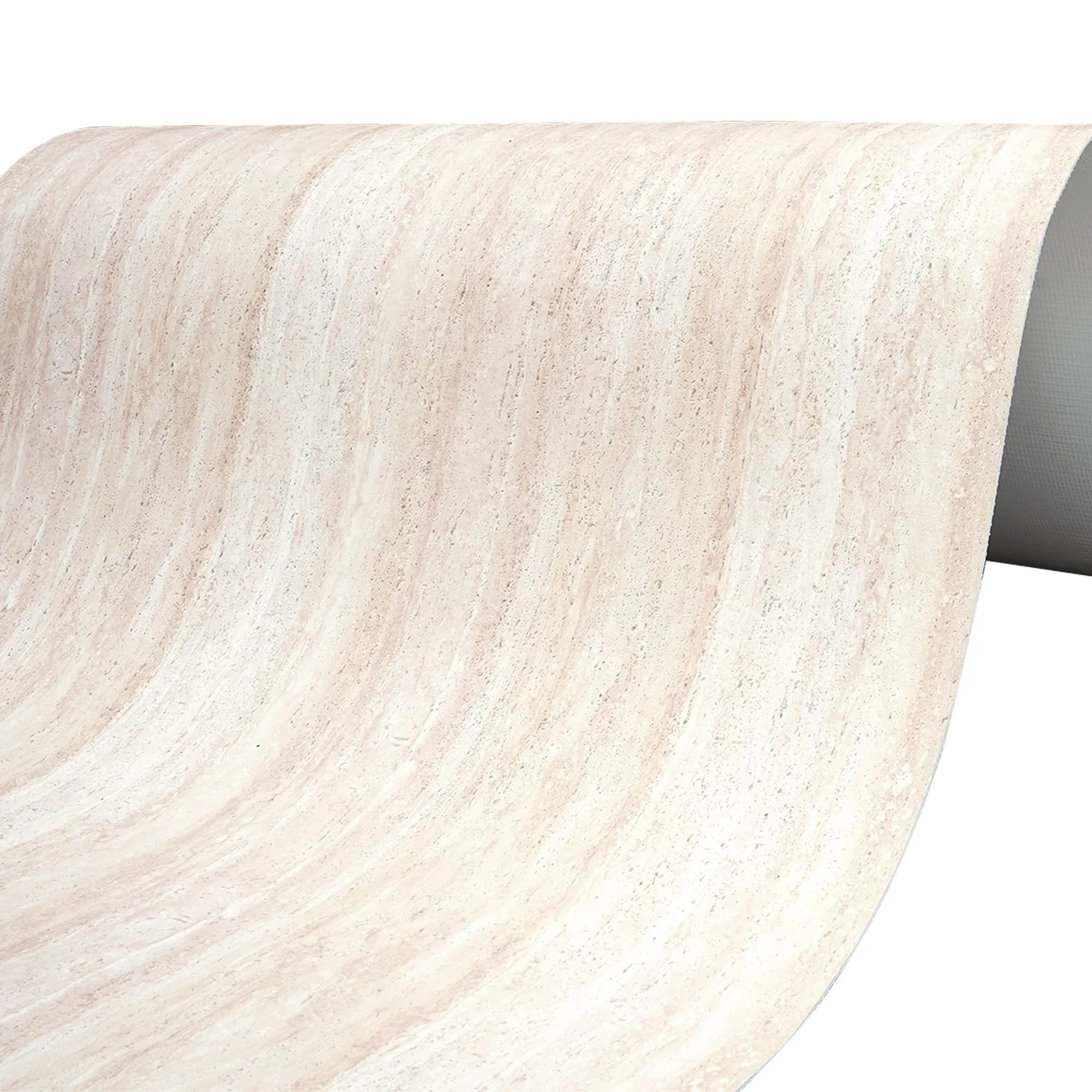
Even the best materials fall flat with poor installation. Rona Yellow MCM Big Slabs are designed to be user-friendly, but like any surfacing material, they require careful prep and precision. Below, we've broken down the process into key steps, from surface preparation to finishing touches.
MCM slabs thrive on smooth, stable substrates. Before installing, ensure the surface is:
Gather these essentials before starting:
1. Plan Your Layout
Start by dry-laying slabs to visualize the final look. This is especially important for big slabs—you'll want to avoid narrow, awkward cuts along edges. Use spacers (if grouting) to ensure even seams, and mark cut lines with a pencil and straightedge.
2. Cut with Care
When cutting Rona Yellow slabs, use a wet saw to minimize dust and prevent chipping. Support the slab fully during cutting to avoid flexing, which can cause cracks. For curved cuts, a jigsaw with a diamond blade works well—just go slow to maintain control.
3. Apply Adhesive
Use a notched trowel to spread adhesive evenly over the substrate, holding the trowel at a 45-degree angle to create ridges. Cover only as much area as you can lay a slab in 15-20 minutes (adhesive can skin over quickly). For vertical surfaces, "back-butter" the slab too—apply a thin layer of adhesive to the back of the slab—to ensure full contact.
4. Set the Slab
Carefully lower the slab into place, aligning it with your layout marks. Gently tap the surface with a rubber mallet to eliminate air bubbles and ensure the slab is fully bonded. Use a level to check for flatness—adjust immediately if it's uneven, as adhesive sets fast.
5. Grout (If Needed)
For projects with seams (like floors), wait 24 hours for the adhesive to cure, then grout. Apply grout with a rubber float, pressing it into the seams at a 45-degree angle. Wipe away excess with a damp sponge after 15-20 minutes, taking care not to pull grout out of the seams. Let grout cure for 72 hours before heavy use.
One of the joys of MCM materials is their low maintenance, and Rona Yellow is no exception. To keep your slabs looking their best:
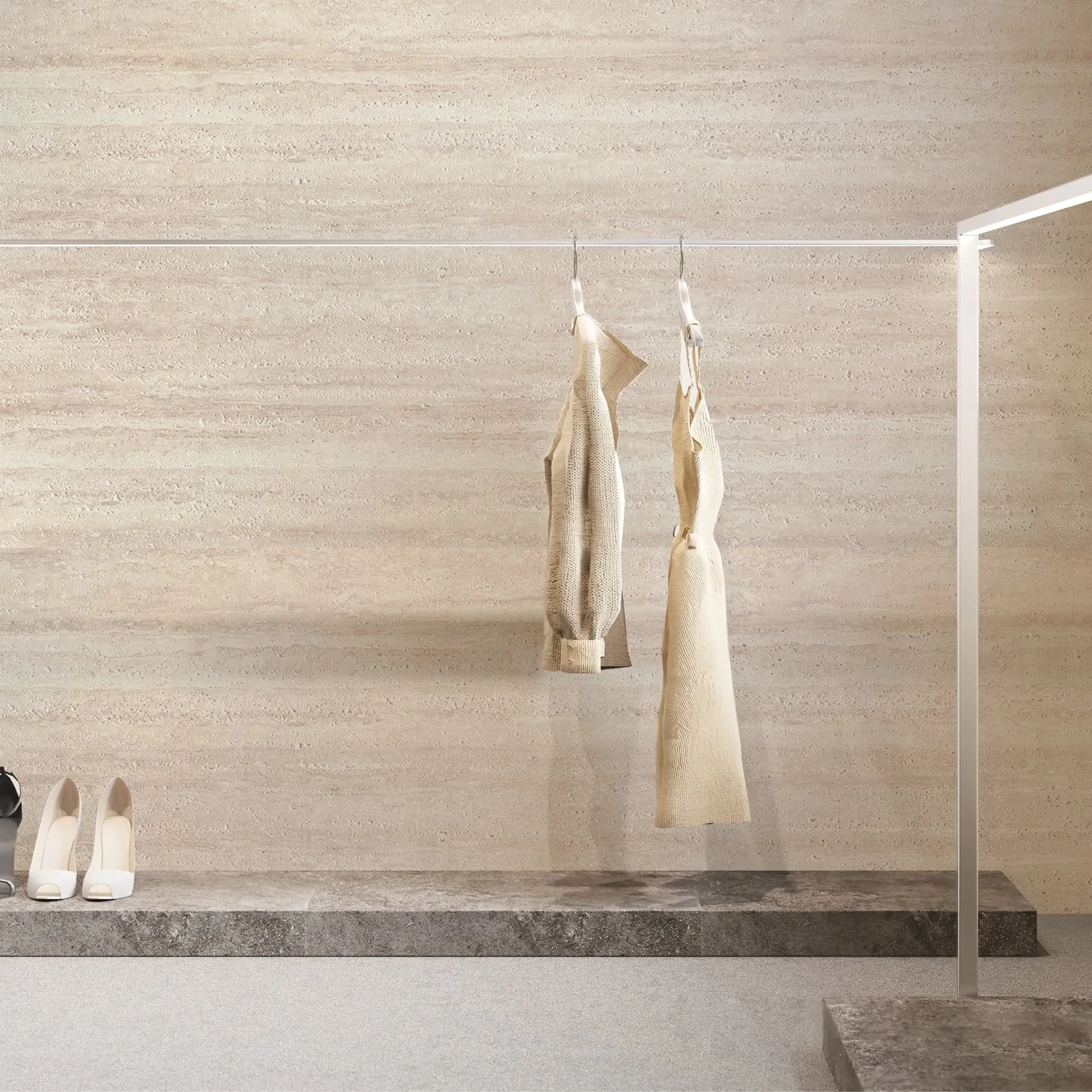
While Rona Yellow is a star in its own right, it's worth noting how it plays with other materials in MCM's lineup. For example, pairing Rona Yellow slabs with travertine (starry green) —with its dark, star-like flecks—creates a striking contrast: warmth meets mystery, like a sunlit garden at dusk. Or mix it with fair-faced concrete for an industrial-chic vibe, where the raw, gray concrete grounds the golden Rona Yellow, balancing softness and edge.
The series also complements MCM's 3D printing series , which allows for custom textures—think rippled surfaces or geometric patterns. Imagine a feature wall where Rona Yellow big slabs form the base, accented with 3D-printed "waves" in a matching hue, creating depth and movement. It's this flexibility that makes MCM a favorite among designers who refuse to choose between beauty and practicality.
In a market flooded with generic building materials, the Rona Yellow MCM Big Slab Board Series stands out as a material with purpose. It's not just about covering a surface—it's about creating an experience. It's the way the golden hue softens morning light in a kitchen, the way the smooth texture feels under your fingertips as you lean against a bathroom wall, the way it ages gracefully, developing a subtle patina that tells the story of the life lived around it.
Whether you're an architect designing a commercial space, a homeowner renovating a kitchen, or a designer chasing the perfect texture, Rona Yellow offers something rare: beauty without compromise. With its range of sizes, practical thickness options, and easy installation, it's a material that adapts to your vision—not the other way around. And in the end, isn't that what great design is all about?
Recommend Products












