
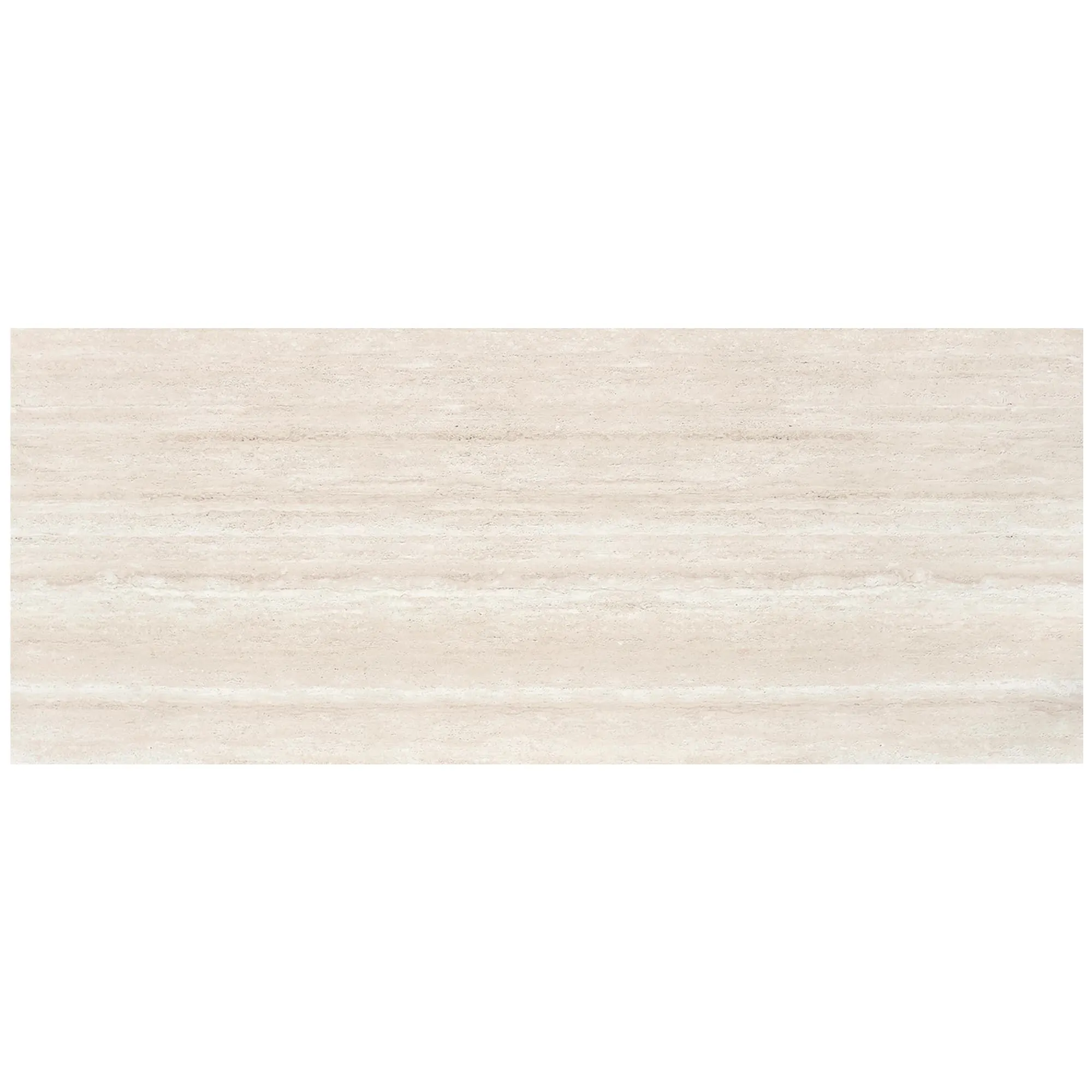
In the sun-drenched skyline of Riyadh, where ancient mud-brick forts whisper tales of the past and glass skyscrapers pierce the clouds, a quiet revolution is unfolding in architecture. The city isn't just growing—it's evolving , blending the grandeur of Saudi heritage with the boldness of modern design. At the heart of this evolution lies a material that's redefining what's possible: MCM flexible stone. And in one standout project, a warm, golden hue known as Rona Yellow has become the star of the show, proving that construction materials can be both functional workhorses and storytellers.
Tucked between King Fahd Road and the historic Al-Diriyah district, Al-Madinah Cultural Plaza was envisioned as more than just a building. "We wanted a space that felt like a living bridge," says Lina Al-Mansoori, lead architect at Riyadh-based firm Horizon Designs. "A place where families could gather, artists could showcase their work, and visitors could feel the pulse of Saudi culture—all wrapped in a design that didn't just exist in Riyadh's landscape, but belonged to it."
The 45,000-square-meter complex includes a public library, an outdoor amphitheater, a boutique market, and a rooftop garden. But from the start, the team faced a dilemma: how to create a structure that was durable enough to withstand Riyadh's harsh climate (temperatures soaring to 50°C in summer, sandstorms, and occasional downpours) while still feeling warm and inviting. "Traditional stone was heavy and prone to cracking in heat expansion," Al-Mansoori recalls. "Concrete felt cold and industrial. We needed something that could bend without breaking—literally and aesthetically."
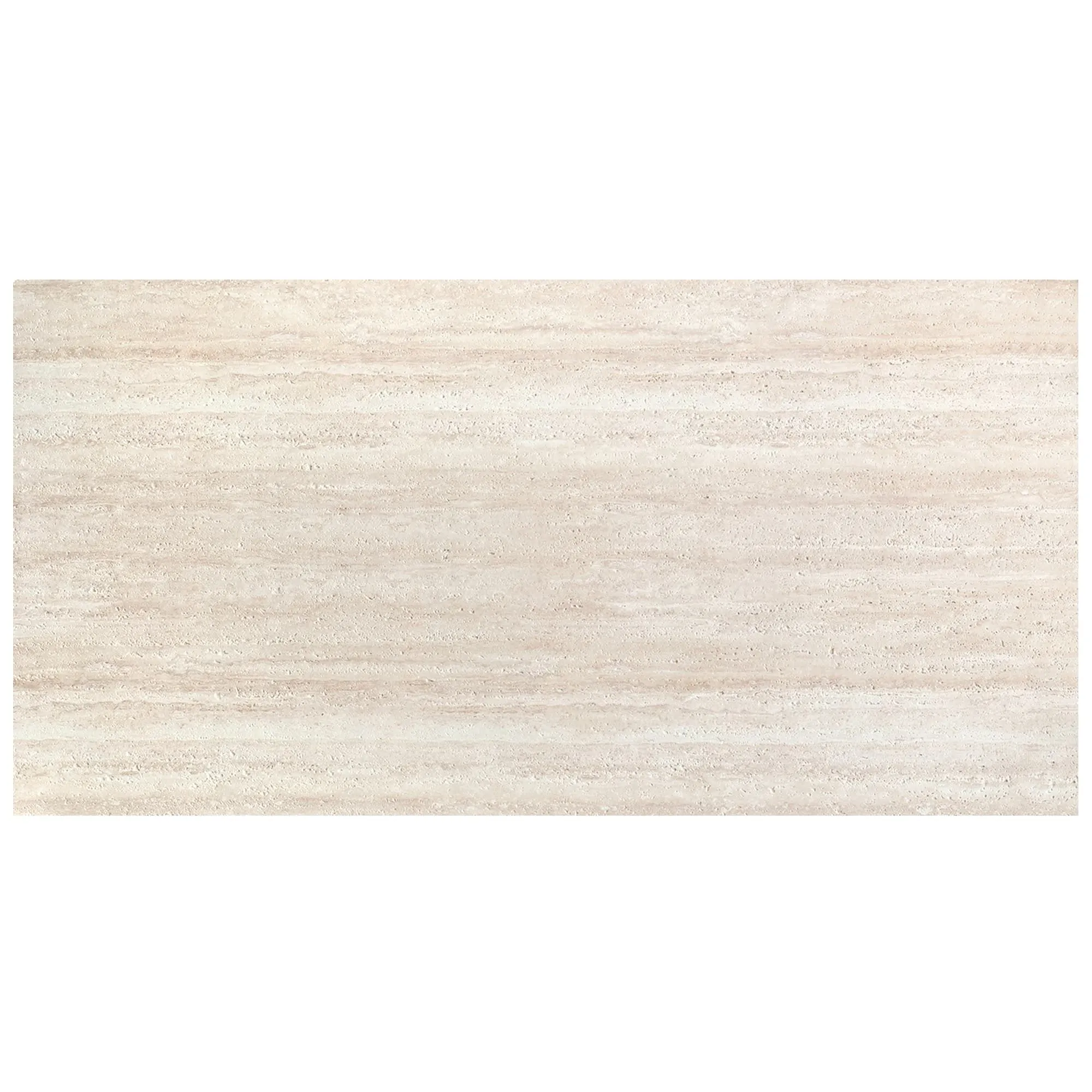
The plaza's design drew inspiration from Saudi Arabia's "historical pathfinders stone"—the weathered, golden-hued limestone that has adorned forts and palaces for centuries. "We wanted to honor that legacy, but with a modern twist," explains Ahmed Khalid, the project's interior designer. "The client kept saying, 'I want it to feel like the desert at sunset—rich, warm, full of life.'"
The team toyed with ideas: painting concrete to mimic stone (faded too quickly), importing Italian travertine (costly and heavy), or using vinyl cladding (lacked authenticity). Nothing clicked—until a chance meeting with a representative from a local MCM supplier. "They brought samples of Rona Yellow, and we were hooked," Khalid laughs. "It had the exact depth of color we'd been chasing—the kind of golden tone that shifts with the light, from soft amber at dawn to rich honey at dusk. And when they told us it was made from modified composite materials, flexible enough to wrap around curved surfaces? We knew we'd found our solution."
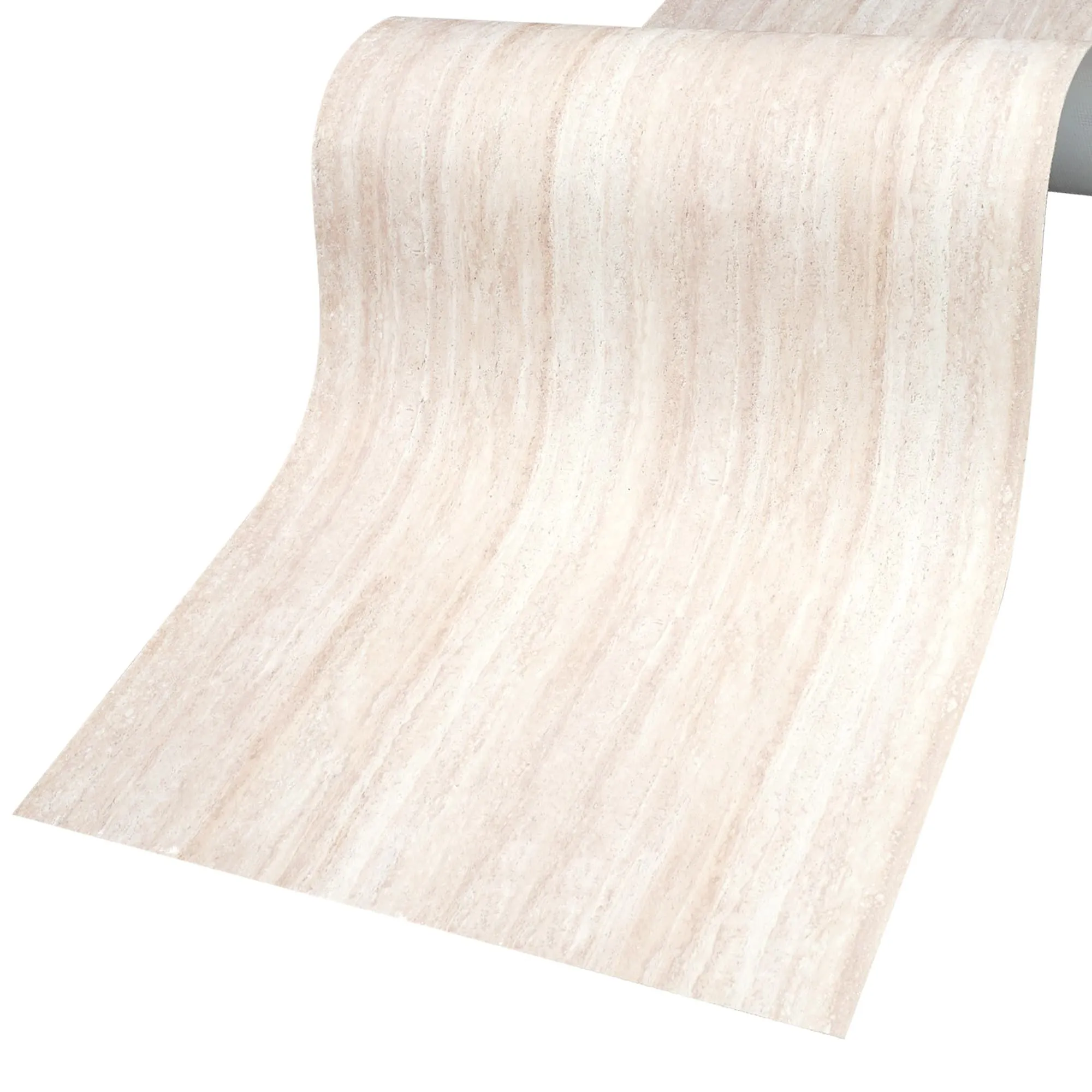
MCM (Modified Composite Material) flexible stone isn't your average cladding. Made by blending natural stone aggregates with a polymer backing, it's lightweight (about 80% lighter than traditional stone), flexible (can bend up to 30 degrees without cracking), and surprisingly durable (resistant to UV rays, moisture, and impact). For Al-Madinah Plaza, Rona Yellow wasn't just a color—it was a problem-solver.
| Feature | Traditional Limestone | Rona Yellow MCM Flexible Stone |
|---|---|---|
| Weight | Heavy (20-25 kg/m²) | Lightweight (4-5 kg/m²) |
| Installation Time | 3-4 days per 100 m² (requires heavy machinery) | 1 day per 100 m² (can be installed by 2-3 workers with basic tools) |
| Durability in Riyadh Climate | Prone to cracking in heat expansion; fades in UV light | UV-resistant; heat-stable up to 80°C; moisture-proof |
| Design Flexibility | Limited to flat or slightly curved surfaces | Can wrap around columns, arches, and complex geometries |
| Cost Over 10 Years* | Higher (includes replacement of cracked panels, repainting) | 30% lower (minimal maintenance, no repainting needed) |
*Estimated by the project's engineering team, accounting for maintenance and replacement costs.
"The lightweight nature was a game-changer," says Mohammad Saeed, the site engineer. "We were building over an underground parking structure, so weight was a major concern. With MCM, we avoided reinforcing the foundation—saving months of work and millions in costs." And the flexibility? Perfect for the plaza's signature feature: a 20-meter-tall curved facade that greets visitors at the entrance. "Traditional stone would have required custom-cut pieces, each weighing 50+ kg. With Rona Yellow MCM, we could roll the panels out like wallpaper, trimming them on-site to fit the curves. It was like sculpting with stone, but without the backache."
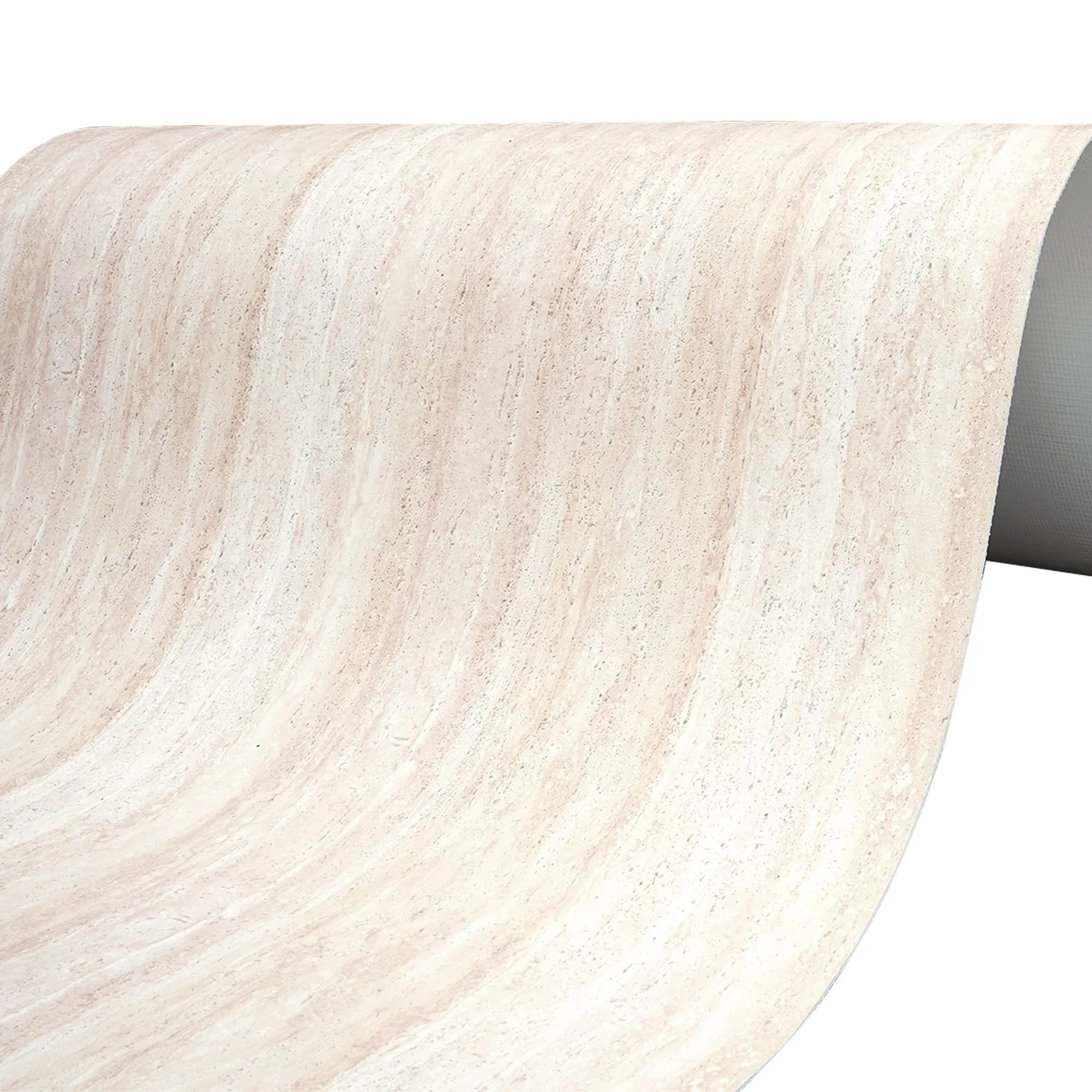
Installing Rona Yellow MCM wasn't without its learning curve. The team at Horizon Designs had never worked with the material before, so they brought in MCM specialists for a week-long training. "We practiced on a mock-up wall first," Saeed remembers. "The panels are thin—about 4mm thick—so you have to be gentle, but they're tough. One of the workers accidentally dropped a panel from 2 meters up, and it bounced! No cracks, no chips. We all laughed and thought, 'Okay, this stuff is for real.'"
The installation began in early 2024, with the facade taking center stage. Each Rona Yellow panel was cut to size, then adhered to a lightweight metal frame using a heat-resistant adhesive. "We worked during the cooler morning hours to avoid the midday heat," Saeed explains. "By noon, the temperature on the roof would hit 45°C, but the MCM held up—no warping, no peeling. Even during a sandstorm halfway through, the panels stayed put. Traditional stone would have required sealing every few months; these just needed a quick hose-down to look brand new."
Inside the plaza, Rona Yellow MCM wasn't the only star. The team paired it with "bamboo mat board" accents in the library (adding a natural, textural contrast) and "fair-faced concrete" in the amphitheater (a sleek, industrial complement to the warm MCM). "The combination was magic," Khalid says. "Rona Yellow became the thread that tied everything together—from the facade to the interior walls to the outdoor seating. It felt cohesive, intentional, and uniquely Saudi."
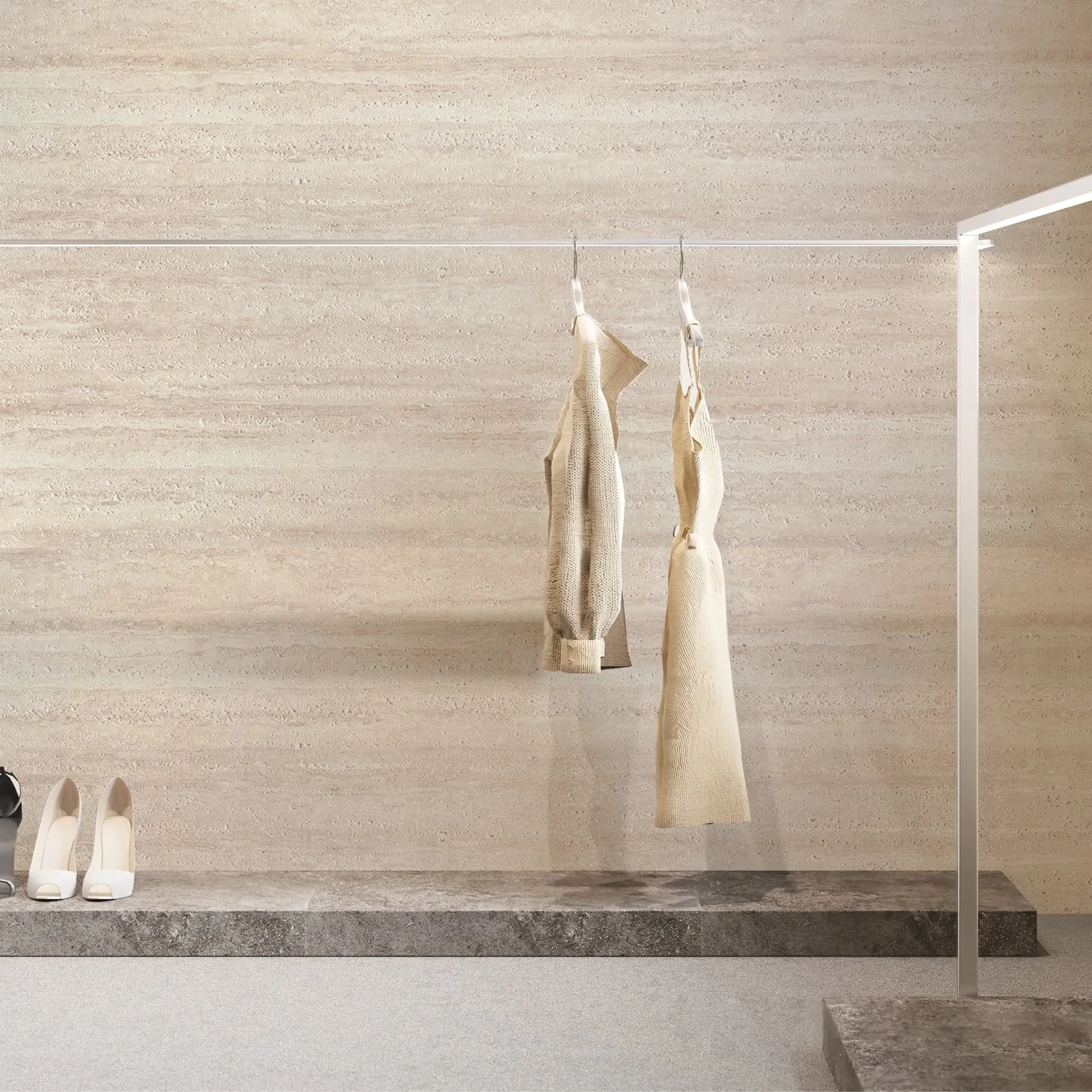
Al-Madinah Cultural Plaza opened its doors in October 2024, and the response has been overwhelming. "We expected 500 visitors a day; we're getting 2,000," Al-Mansoori says with a smile. "Parents bring their kids to the library, teens hang out in the rooftop garden, and artists sell paintings in the market. The Rona Yellow facade has become a backdrop for selfies, wedding photos, even local TV segments. People say it feels 'alive'—like the building itself is part of the community."
The success of Rona Yellow MCM at Al-Madinah Plaza has rippled through Riyadh's architectural scene. "We're now seeing it pop up everywhere—hotels, office buildings, even residential complexes," Khalid notes. "Architects are realizing that MCM isn't just a trend; it's a tool to create buildings that are beautiful, durable, and sustainable. Riyadh's skyline is getting warmer, more flexible, and more connected to its roots—and Rona Yellow is leading the charge."
In a city where the past and future collide, Rona Yellow MCM has proven that construction materials can do more than just hold up walls—they can tell stories. At Al-Madinah Cultural Plaza, it's a story of innovation honoring tradition, of durability embracing warmth, and of a desert-inspired hue that has become a symbol of Riyadh's evolving identity.
As Al-Mansoori puts it: "Buildings are more than bricks and mortar. They're how we express who we are. With Rona Yellow MCM, we didn't just build a plaza—we built a reflection of Saudi Arabia: strong, flexible, and unapologetically vibrant. And that, to me, is the future of architecture."
Recommend Products












