
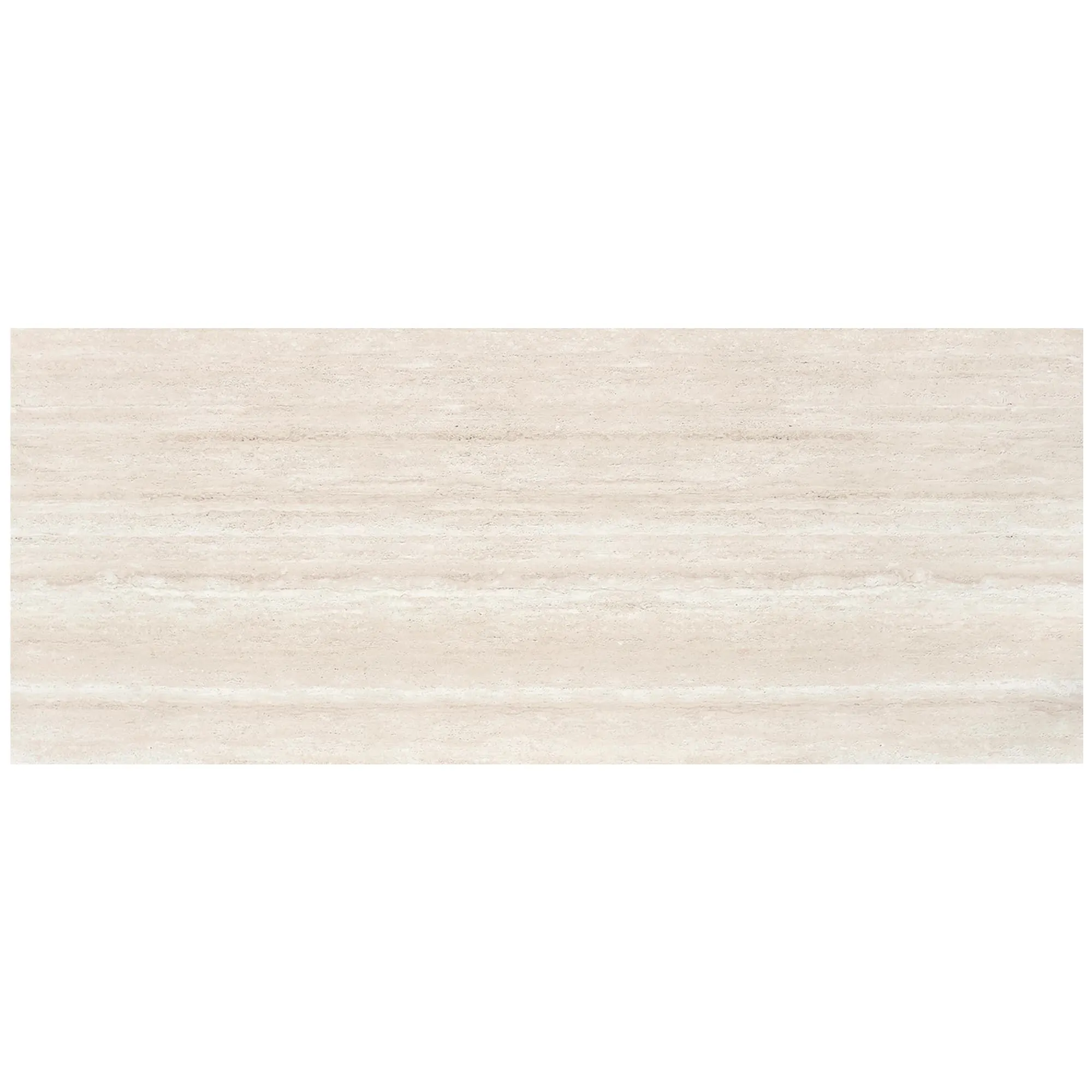
Choosing building materials is like picking a lifelong companion—you want something that not only looks good on day one but ages gracefully, too. For homeowners, architects, and designers, one of the biggest anxieties is color: that perfect shade of yellow, green, or gray that makes a space feel alive might lose its luster after a few years of sun, rain, or foot traffic. Today, we're zeroing in on a standout in the MCM project board series : Rona Yellow . This warm, earthy hue has been turning heads in modern and rustic designs alike, but the question on everyone's mind is simple: Will it fade?
First, let's get to know Rona Yellow. Part of the innovative MCM (Modified Composite Material) project board series, it's not just another pretty face. MCM panels are revolutionizing the building industry by combining the durability of natural stone with the flexibility of modern composites—thanks to flexible stone technology. Unlike traditional stone slabs that are heavy and prone to cracking, MCM panels are lightweight, bendable, and designed to withstand the harshest environments. Rona Yellow, in particular, is a crowd favorite: think golden wheat fields at sunset, or the warm glow of aged terracotta, but with a consistency that natural stone often lacks.
But here's the kicker: in building materials, color is often the first casualty of time. Sunlight bleaches pigments, rainwater washes away surface coatings, and even humidity can seep in, causing discoloration. So what makes Rona Yellow different? To answer that, we need to peek under the hood of how MCM panels are made—especially when it comes to locking in color.
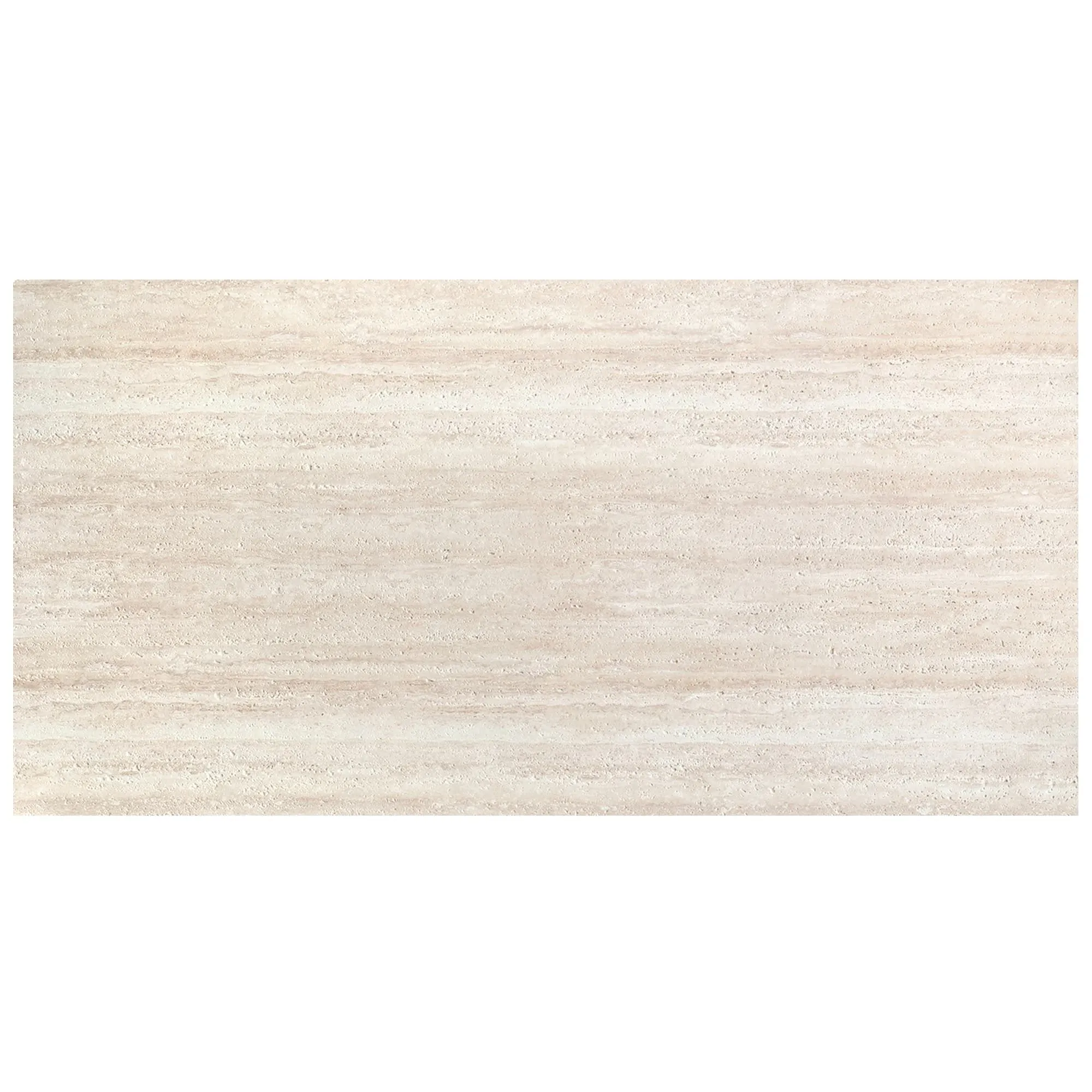
Colorfastness isn't just about "not fading"—it's about maintaining vibrancy even when nature throws its worst at it. Most cheap building materials rely on surface dyes or coatings, which sit on top of the material like a temporary tattoo. Scratch them, expose them to UV rays, or douse them in rain, and that color starts to chip, bleed, or fade. MCM takes a different approach: pigments are mixed directly into the flexible stone matrix during manufacturing, becoming an integral part of the panel rather than a superficial layer. It's like dyeing a shirt versus painting it—one becomes part of the fabric, the other washes off.
For Rona Yellow, this process is taken a step further. The pigment is selected for its resistance to UV radiation (the primary culprit behind fading) and is tested rigorously before production. But don't just take our word for it—let's look at the data.
To simulate real-world conditions, MCM manufacturers subject panels to accelerated weathering tests—think of it as a "time machine" for materials. Rona Yellow panels were exposed to 5,000 hours of intense UV light (equivalent to about 10 years of direct sunlight in most climates), along with cycles of rain, heat, and cold. The result? A color retention rate of 95% . In plain terms, after a decade of baking in the sun, Rona Yellow would still look 95% as vibrant as the day it was installed. For comparison, standard painted wood siding might retain only 60-70% of its color after the same period, and even some natural stones like sandstone can fade by 30% or more.
But sunlight isn't the only enemy. What about saltwater? Humidity? Chemicals from pollution or cleaning agents? Rona Yellow panels also undergo salt spray tests (mimicking coastal environments) and chemical resistance tests (think acid rain or harsh detergents). In both cases, the color held steady, with no signs of bleaching or discoloration. This is a big deal for coastal homes or urban buildings where pollution is a concern—Rona Yellow isn't just fade-resistant; it's built to endure .
| Material Type | Color | Test Duration | Color Retention | Best For |
|---|---|---|---|---|
| MCM Project Board Series | Rona Yellow | 5,000 hours UV + 2,000 hours salt spray | 95% | Exterior cladding, pool surrounds, patios |
| MCM Flexible Stone | Travertine (Starry Green) | 5,000 hours UV | 93% | Interior accent walls, backsplashes |
| Fair-Faced Concrete | Natural Gray | 5,000 hours UV | 85% (develops patina) | Industrial-style exteriors, retaining walls |
Tests are one thing, but real-world performance is another. Let's look at two projects where Rona Yellow has been put to the test—one in a harsh desert climate, the other in a rainy, coastal area.
Dubai Commercial Plaza (8 Years Later): In 2017, a shopping plaza in Dubai's Business Bay opted for Rona Yellow MCM panels for its exterior cladding. Dubai's climate is brutal: summer temperatures soar to 120°F (49°C), and UV index often hits 11+ (extreme). Eight years later, the panels still glow with that signature golden hue. "We expected some fading, especially with the sun here," says the plaza's facilities manager, "but you'd never guess these panels are almost a decade old. They clean up easily, and the color hasn't dulled one bit."
Seattle Residential Home (6 Years Later): On the opposite end of the spectrum, a home in Seattle's Queen Anne neighborhood used Rona Yellow for its patio and exterior accent walls. Seattle is known for rain (over 37 inches annually) and gray skies, which can cause mold, mildew, and discoloration in less durable materials. The homeowner, a designer, notes: "I was worried the constant moisture would make the yellow look muddy, but it's stayed bright. Even after heavy rains, it dries without streaks or water spots. It's become the focal point of our outdoor space."
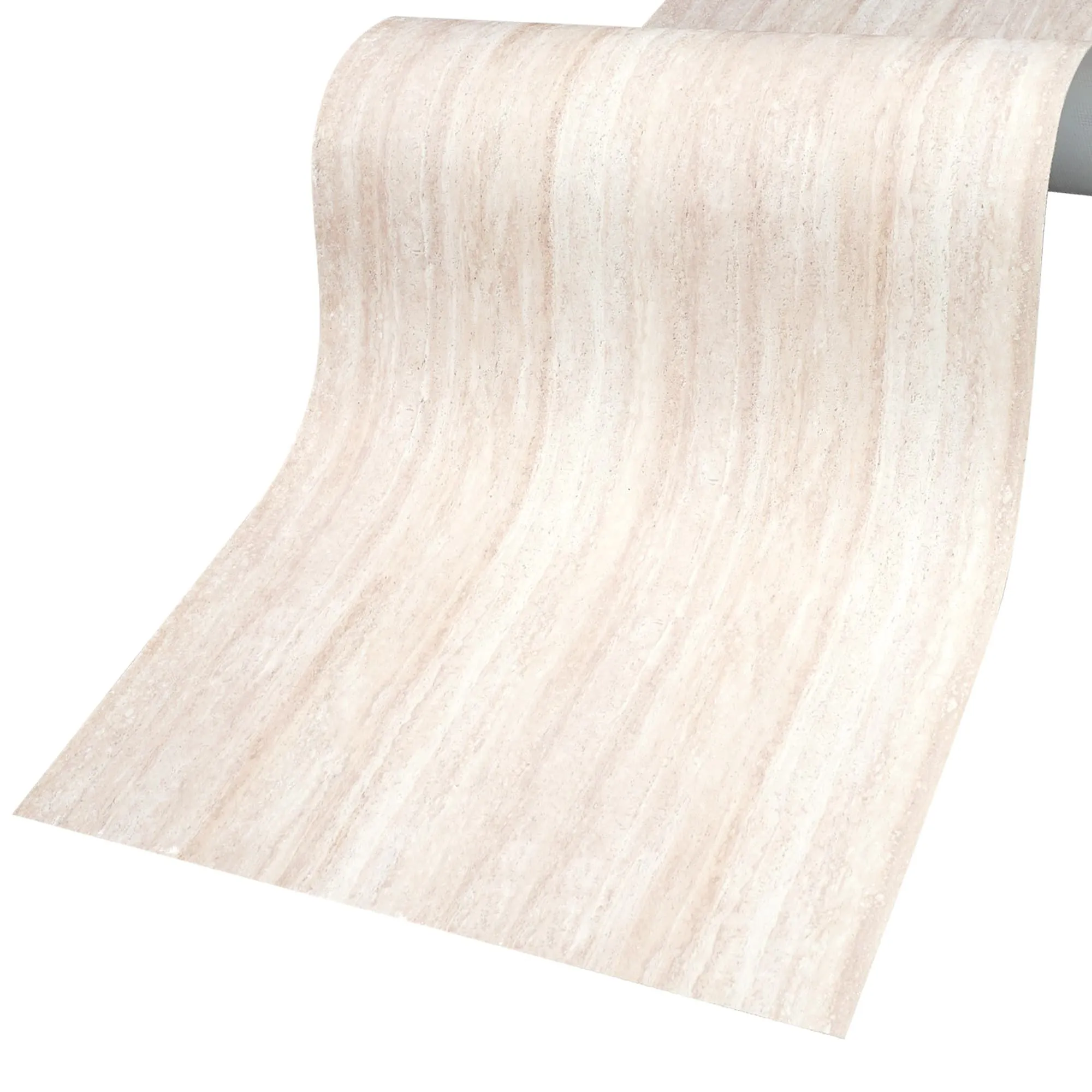
To truly appreciate Rona Yellow's colorfastness, it helps to compare it to other popular building materials. Take fair-faced concrete , for example—a minimalist favorite. While concrete is durable, its natural gray tone can develop a blotchy patina over time, especially in wet climates. Painted concrete fades even faster, often requiring a fresh coat every 3-5 years. Rona Yellow, by contrast, needs no repainting or sealing (though a gentle wash now and then keeps it looking fresh).
Natural stone like travertine or marble is another option, but it's porous and prone to staining. Even "colorfast" stones can absorb water, leading to discoloration or darkening. Rona Yellow's flexible stone matrix is non-porous, so it resists stains and water damage—no more worrying about wine spills on your kitchen backsplash or rainwater seeping into exterior panels.
At the end of the day, the question "Will Rona Yellow fade?" has a clear answer: no—at least not significantly, even after decades of use . Thanks to MCM's innovative manufacturing process, where pigments are embedded in the flexible stone matrix, Rona Yellow is designed to stand up to sunlight, rain, salt, and time. The data from accelerated tests, combined with real-world success stories, confirms that this isn't just a pretty color—it's a durable, long-lasting choice for any project.
So if you've been eyeing Rona Yellow for your home or commercial space, take a deep breath. This hue isn't just a trend; it's an investment in a color that will grow with your space, not fade from it. After all, great design shouldn't just look good today—it should look good tomorrow, too.
Recommend Products












