
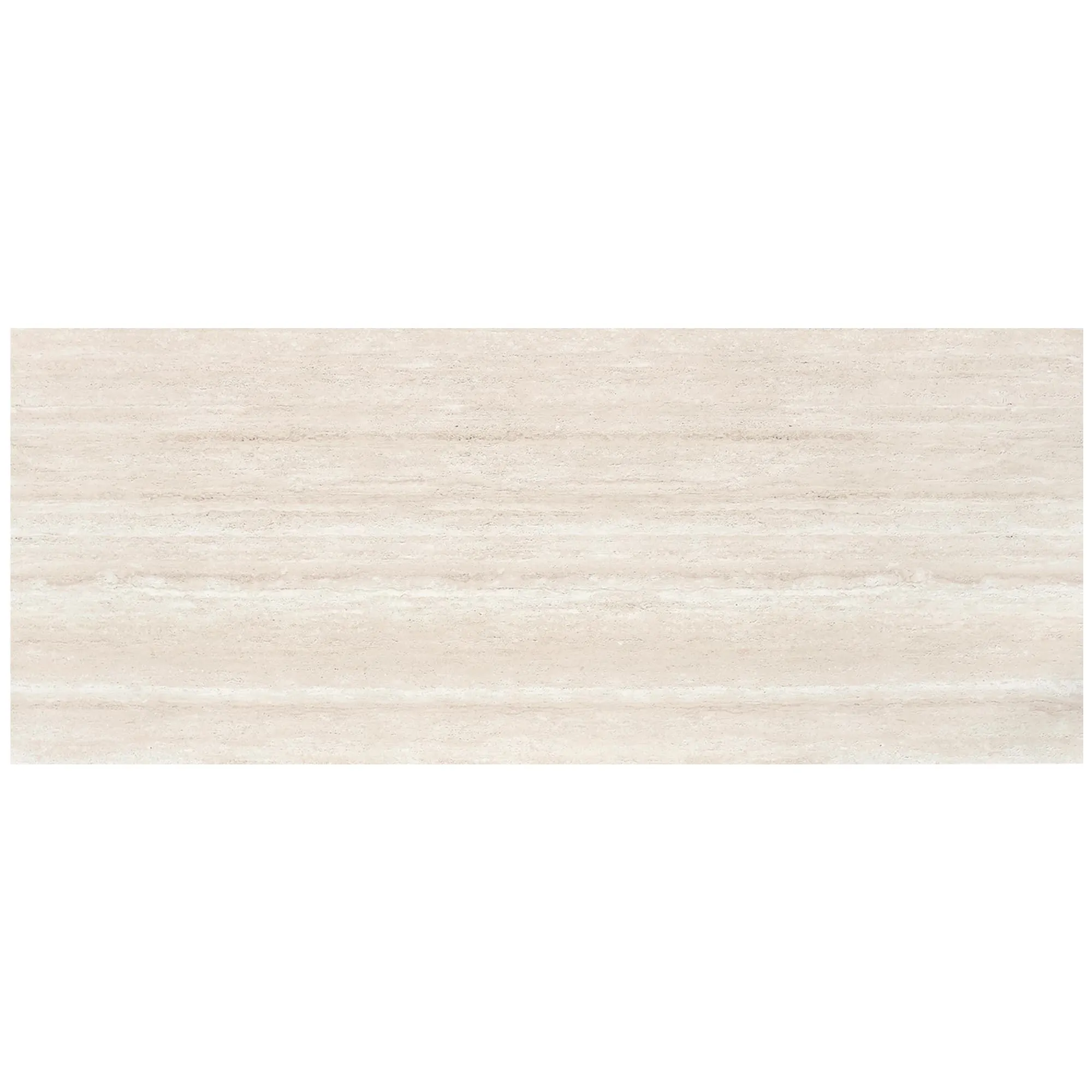
Walk down any street, and you'll notice buildings don't just exist—they feel a certain way. A sleek glass tower might evoke innovation, while a cobblestone cottage radiates warmth. At the heart of that feeling? Materials. They shape how we experience spaces, from the rough texture of a facade that catches the wind to the smooth surface that greets your hand as you push open a door. In modern architecture, one material has been quietly redefining this experience: Modified Cementitious Material, or MCM. And among its many variants, Rona Yellow stands out—not just for its color, but for the way it balances durability, flexibility, and soul.
Imagine a material that marries the earthy charm of natural stone with the practicality of modern engineering. That's Rona Yellow MCM. It's part of the broader MCM flexible stone family, a category known for bending without breaking, clinging to curved surfaces, and reducing the load on building structures. But Rona Yellow isn't just a "flexible stone"—it's a storyteller. Its warm, golden-yellow hue, inspired by sunlit wheat fields and desert sands, brings a sense of calm energy to any space. It doesn't shout; it whispers, "Stay a while."
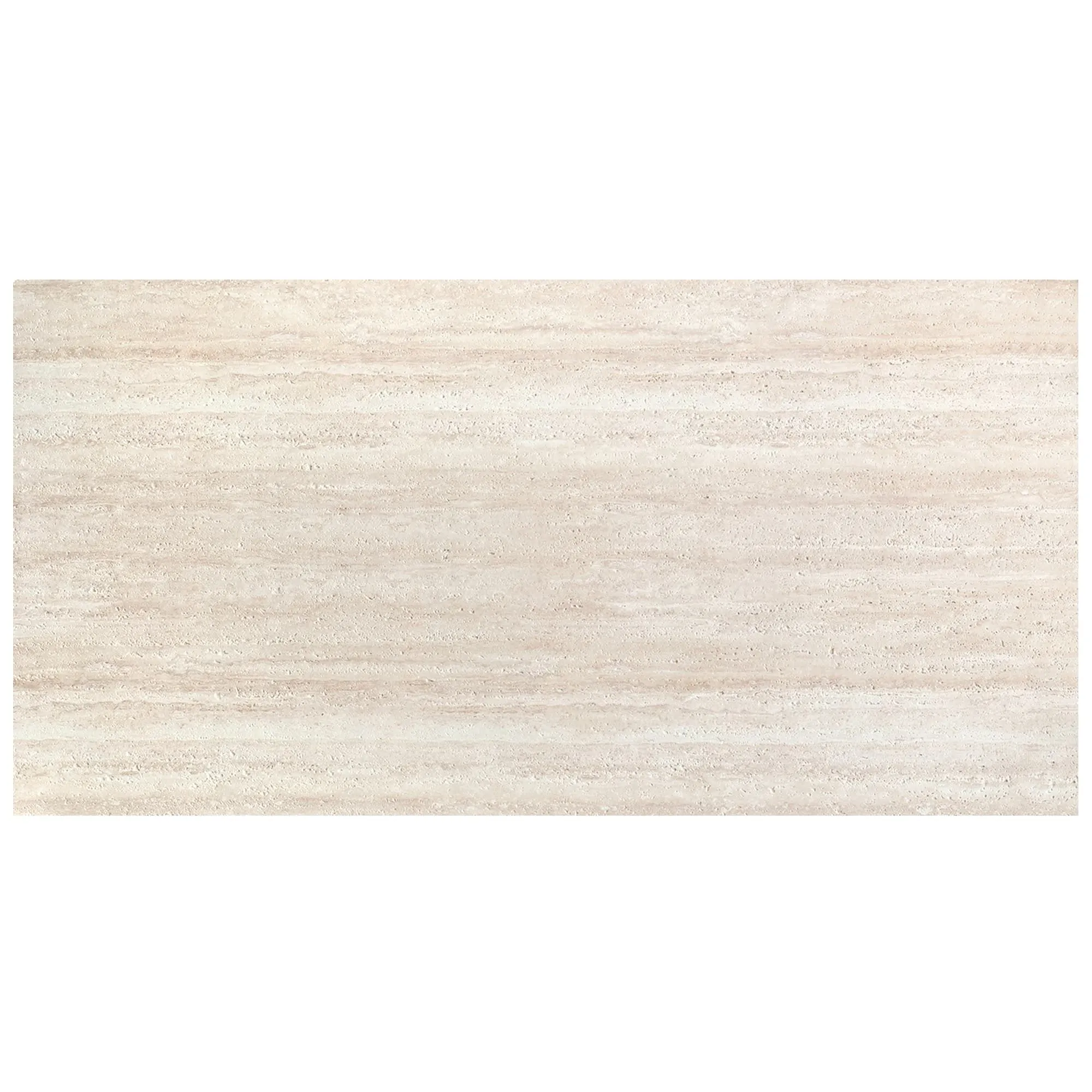
MCM, at its core, is a blend of cement, minerals, and polymers. But Rona Yellow takes this foundation and elevates it. Its color comes from natural iron oxides, mixed into the matrix during production to ensure it won't fade under UV rays or wash out in the rain. Unlike painted surfaces that chip or peel, Rona Yellow's hue runs deep—like the color of a seashell, where every layer tells the same story.
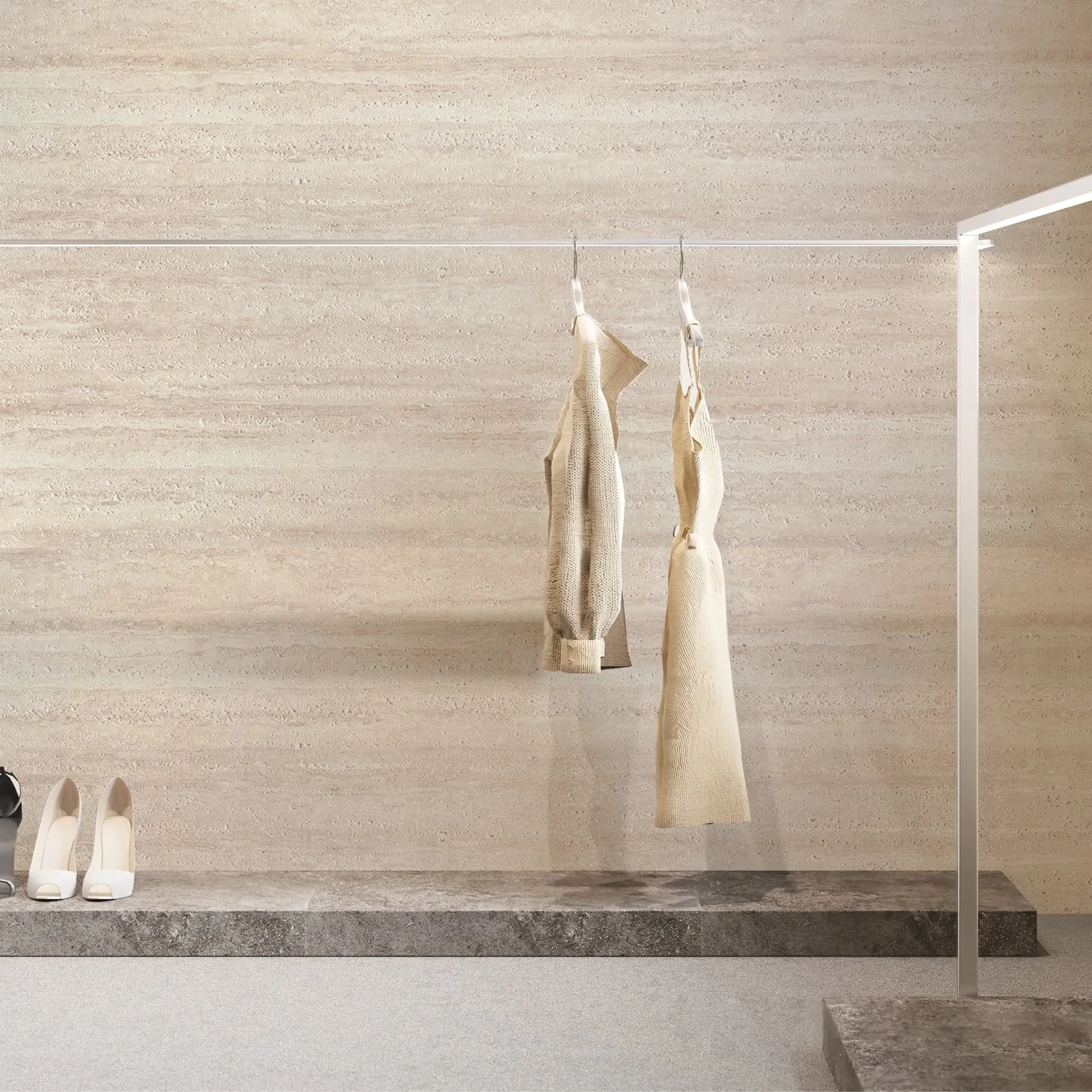
Texture is another star here. Run your hand over Rona Yellow, and you'll feel a gentle roughness, not unlike the surface of a well-loved book cover. It's not polished to a mirror shine, nor is it overly gritty. Instead, it has a "lived-in" quality, with subtle variations in tone that mimic the organic irregularities of natural stone. This texture isn't just for show; it's functional. It grips feet in wet weather, diffuses harsh sunlight to reduce glare, and even dampens sound—making it ideal for busy urban facades or quiet courtyard floors.
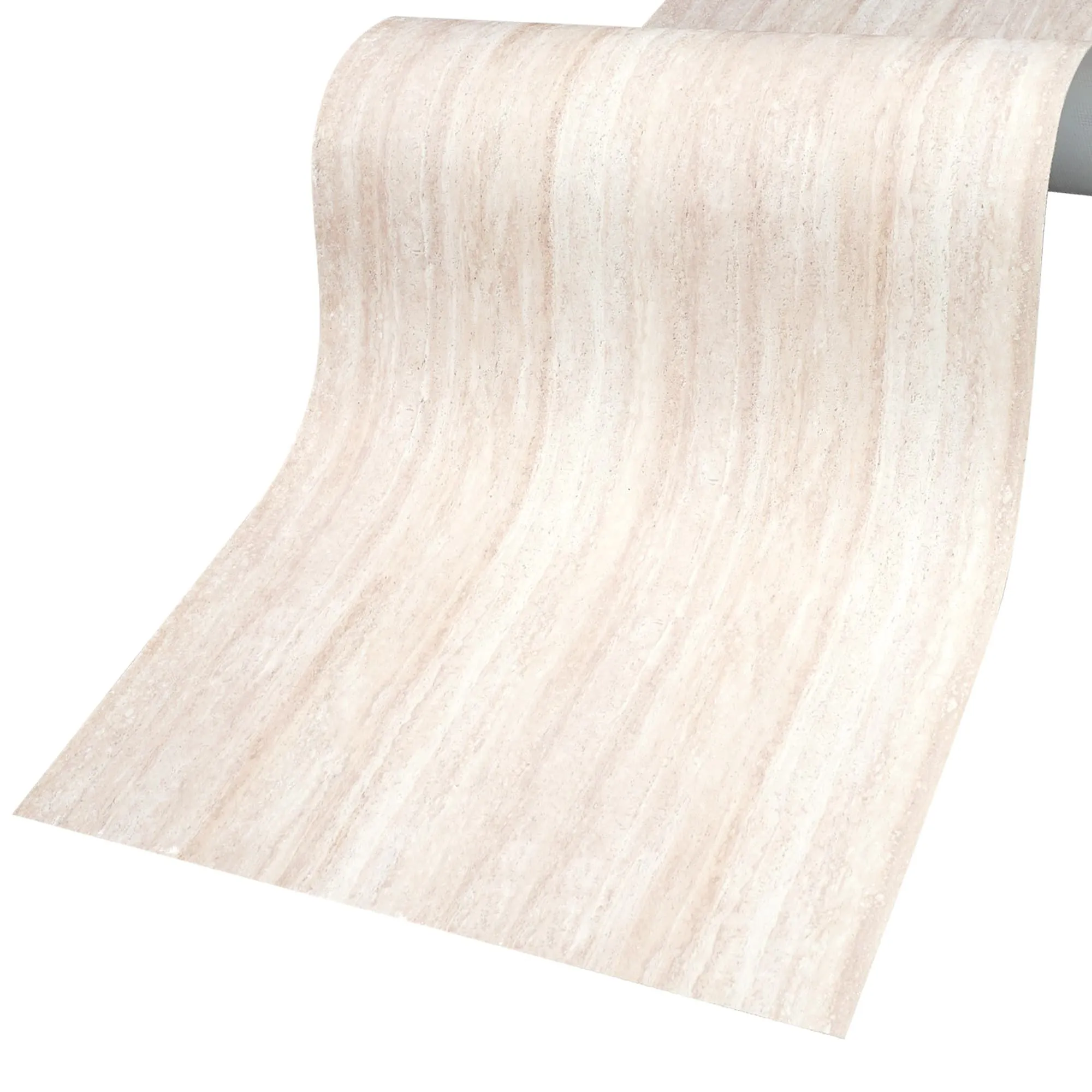
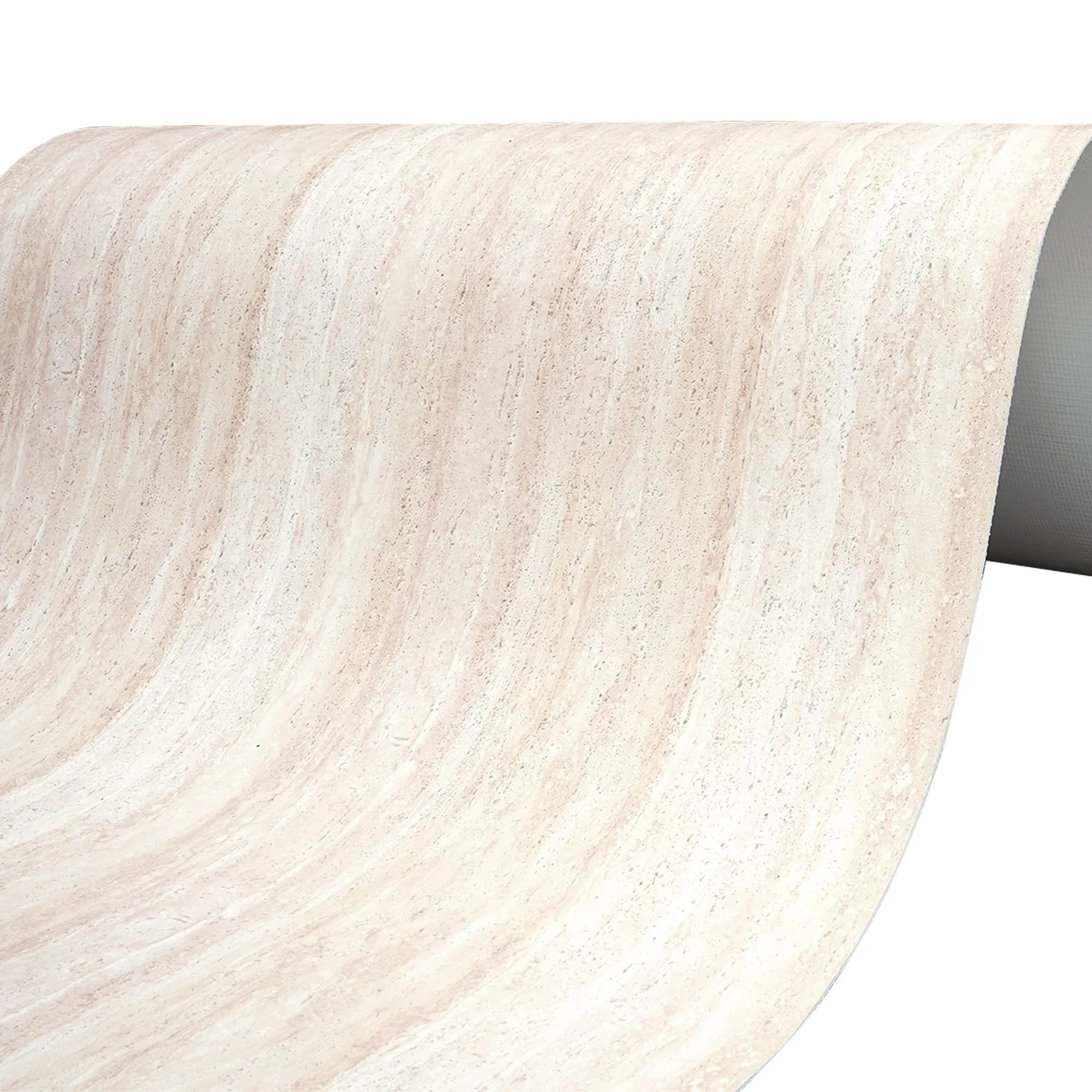
Traditional stone is rigid. Try to bend it, and it cracks. But Rona Yellow? It bends. Thanks to its polymer reinforcement, it can wrap around curved walls, arch over doorways, or follow the undulating lines of a custom-designed facade. This flexibility opens doors (literally) for architects. Imagine a museum with a swooping, wave-like exterior—Rona Yellow could clad that curve seamlessly, whereas natural stone would require dozens of small, awkwardly cut pieces. For builders, this means faster installation, fewer waste materials, and a finished product that looks intentional, not pieced together.
To truly appreciate Rona Yellow, it helps to see how it holds up against other common materials. Let's put it head-to-head with three alternatives: fair-faced concrete (a staple of industrial design), travertine (starry green) (a popular natural stone), and lunar peak silvery (another MCM variant with a cooler tone).
| Feature | Rona Yellow MCM | Fair-Faced Concrete | Travertine (Starry Green) | Lunar Peak Silvery MCM |
|---|---|---|---|---|
| Weight (kg/m²) | 8-12 (lightweight) | 24-30 (heavy) | 20-25 (moderate) | 8-12 (same as Rona Yellow) |
| Flexibility | Can bend up to 30° without cracking | Rigid; prone to cracking under stress | Brittle; minimal flexibility | Same as Rona Yellow (MCM family trait) |
| Color Retention | UV-resistant; fades <5% over 10 years | Can discolor with moisture; may require sealing | Prone to staining; needs regular sealing | UV-resistant; silvery tone maintains brightness |
| Sustainability | 50% recycled materials; low carbon footprint | High cement usage; high CO2 emissions | Requires mining; transportation-heavy | Same eco-friendly production as Rona Yellow |
| Design Vibe | Warm, earthy, inviting | Industrial, minimalist, cool | Luxurious, organic, vibrant | Cool, modern, sleek |
What jumps out? Rona Yellow's lightweight nature (half the weight of travertine!) makes it easier to install on high-rises or retrofits, where structural load is a concern. Its flexibility outshines both concrete and natural stone, while its color retention means it looks fresh for decades—no need for costly resealing or repainting. And unlike travertine, which requires heavy mining and long-haul transportation, Rona Yellow is often produced locally, with recycled materials, cutting down on carbon emissions.
When we think of building materials, we often picture exteriors. But Rona Yellow shines indoors, too. Imagine a restaurant with a Rona Yellow accent wall, where the warm color complements wooden tables and soft pendant lights. Or a hotel lobby floor, where the material's slip-resistant texture keeps guests safe while adding visual interest. Even furniture—think countertops, backsplashes, or custom planters—can be crafted from Rona Yellow, blurring the line between "building material" and "design element."
One of the most creative uses we've seen? Pairing Rona Yellow with bamboo mat board in a boutique café. The yellow's warmth balances the bamboo's cool, greenish tone, creating a space that feels both natural and modern. The MCM's durability stands up to coffee spills and foot traffic, while the bamboo adds a tactile, woven texture. Together, they prove materials don't have to compete—they can dance.
Modern architecture isn't just about looking good—it's about doing good. Rona Yellow checks this box, too. Its production process uses less water than traditional concrete, and its lightweight nature reduces fuel consumption during transportation. Because it's so durable, buildings clad in Rona Yellow need fewer repairs over time, cutting down on waste. And when a building eventually reaches the end of its life? Rona Yellow can be crushed and recycled into new MCM panels, closing the loop on sustainability.
Consider this: A 20-story apartment building clad in Rona Yellow would require roughly 30% less material (by weight) than one clad in natural stone. That means fewer trucks on the road, less strain on construction cranes, and a smaller carbon footprint overall. For architects aiming for LEED or BREEAM certifications, these are more than just selling points—they're requirements.
Trends come and go, but materials that solve real problems stick around. Rona Yellow MCM solves three big ones: the need for durability in harsh climates, the demand for design flexibility, and the urgency to build sustainably. As cities grow denser and architects push for more innovative forms, materials like Rona Yellow will become essential. They're not just "building blocks"—they're enablers of the spaces we dream of: curved skyscrapers that blend into the skyline, community centers that feel like home, and public plazas that invite people to connect.
At the end of the day, Rona Yellow MCM is about more than color or strength. It's about feeling . It's the difference between a building that's just a structure and one that becomes part of the neighborhood's story. So the next time you pass a building with a warm, golden facade that seems to glow in the sunset, take a closer look. Chances are, it's Rona Yellow—and it's not just building a wall. It's building a memory.
Recommend Products












