
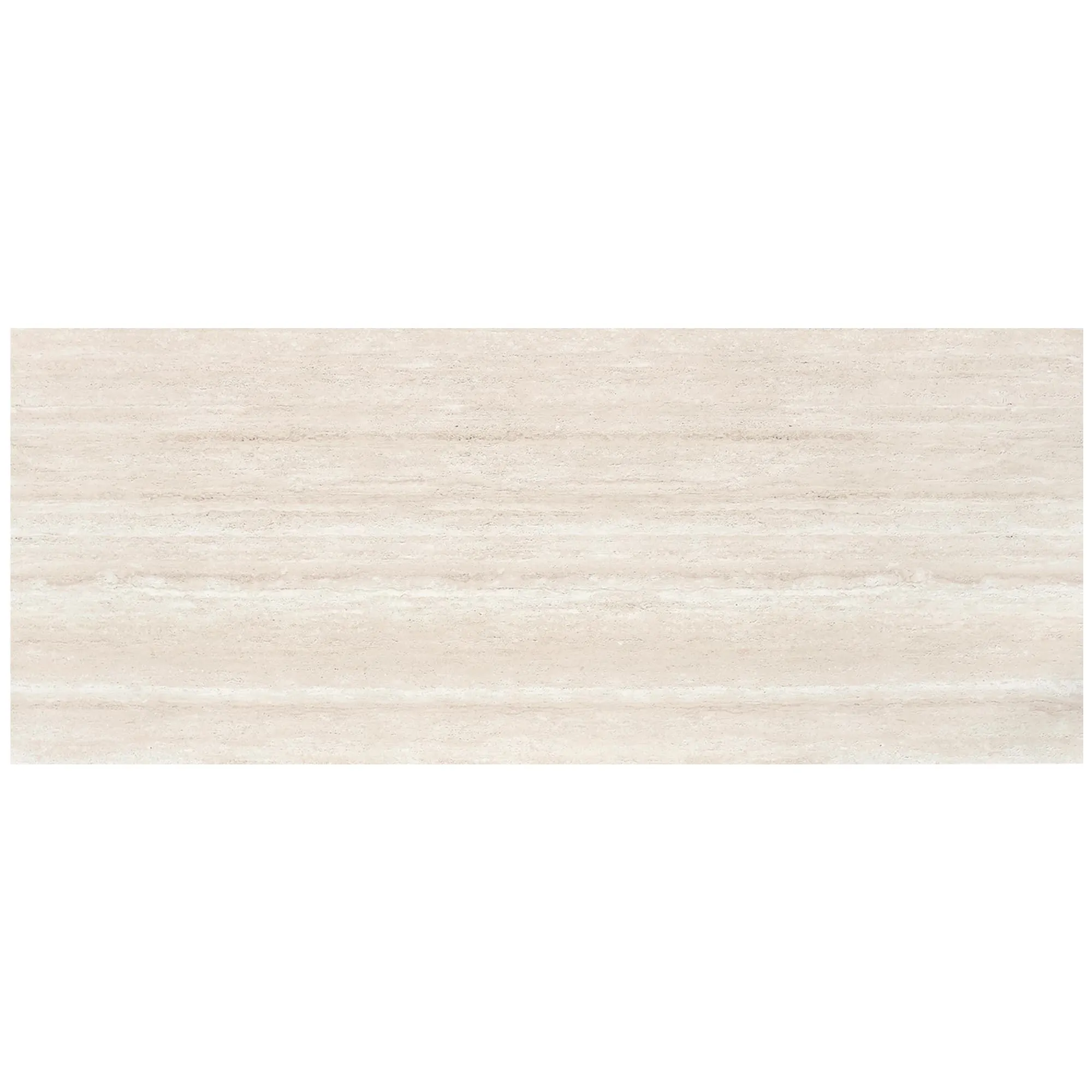
How a trusted material balances protection, durability, and design for the spaces we work, shop, and gather in
Walk into any busy commercial building—a sleek office tower, a bustling retail mall, or a vibrant hotel—and you'll notice the details that make it feel welcoming: the lighting, the layout, the textures of the walls and floors. But behind those aesthetics lies a silent priority that architects, builders, and safety experts lose sleep over: safety . And when it comes to safety, few factors are as critical as fire resistance. In a world where every second counts during an emergency, the materials we choose for our buildings can mean the difference between containment and catastrophe. That's where Rona Yellow MCM steps in—a material designed not just to look good, but to stand strong when it matters most.
Today, we're diving into the fire rating of Rona Yellow MCM, a modified composite material (MCM) that's gaining traction in commercial construction for its unique blend of performance and style. We'll explore what makes it tick, how it stacks up against traditional options like fair-faced concrete, and why it's becoming a go-to choice for projects where safety can't be compromised. Whether you're an architect drafting plans, a builder selecting materials, or a business owner investing in your space, understanding fire ratings isn't just about compliance—it's about protecting the people who use your building every day.
Fire safety in commercial buildings isn't a niche concern—it's a foundational requirement. Think about the last time you visited a shopping center: hundreds of people, electrical systems, furniture, and fabrics, all potential fuel for a fire. In such environments, building materials act as the first line of defense. A material with a strong fire rating doesn't just resist burning; it slows the spread of flames, limits heat transfer, and buys precious time for evacuation and emergency response.
Fire ratings are measured by how long a material can withstand fire exposure while maintaining structural integrity and preventing the spread of heat and flames. For example, a 2-hour fire rating means the material can resist a standard fire test for 120 minutes—enough time for occupants to exit and firefighters to arrive. In high-traffic spaces like airports, hospitals, or schools, these ratings aren't just recommended; they're legally mandated by codes like the International Building Code (IBC) and ASTM standards.
But here's the catch: too often, safety is pitted against design. Traditional fire-resistant materials like fair-faced concrete are durable, but they can feel cold and industrial, limiting creative freedom. On the flip side, some aesthetically pleasing options sacrifice fire performance for looks. This is where MCM—Modified Composite Material—changes the game. MCMs like Rona Yellow offer the best of both worlds: the strength to meet strict fire codes and the flexibility to fit any design vision.
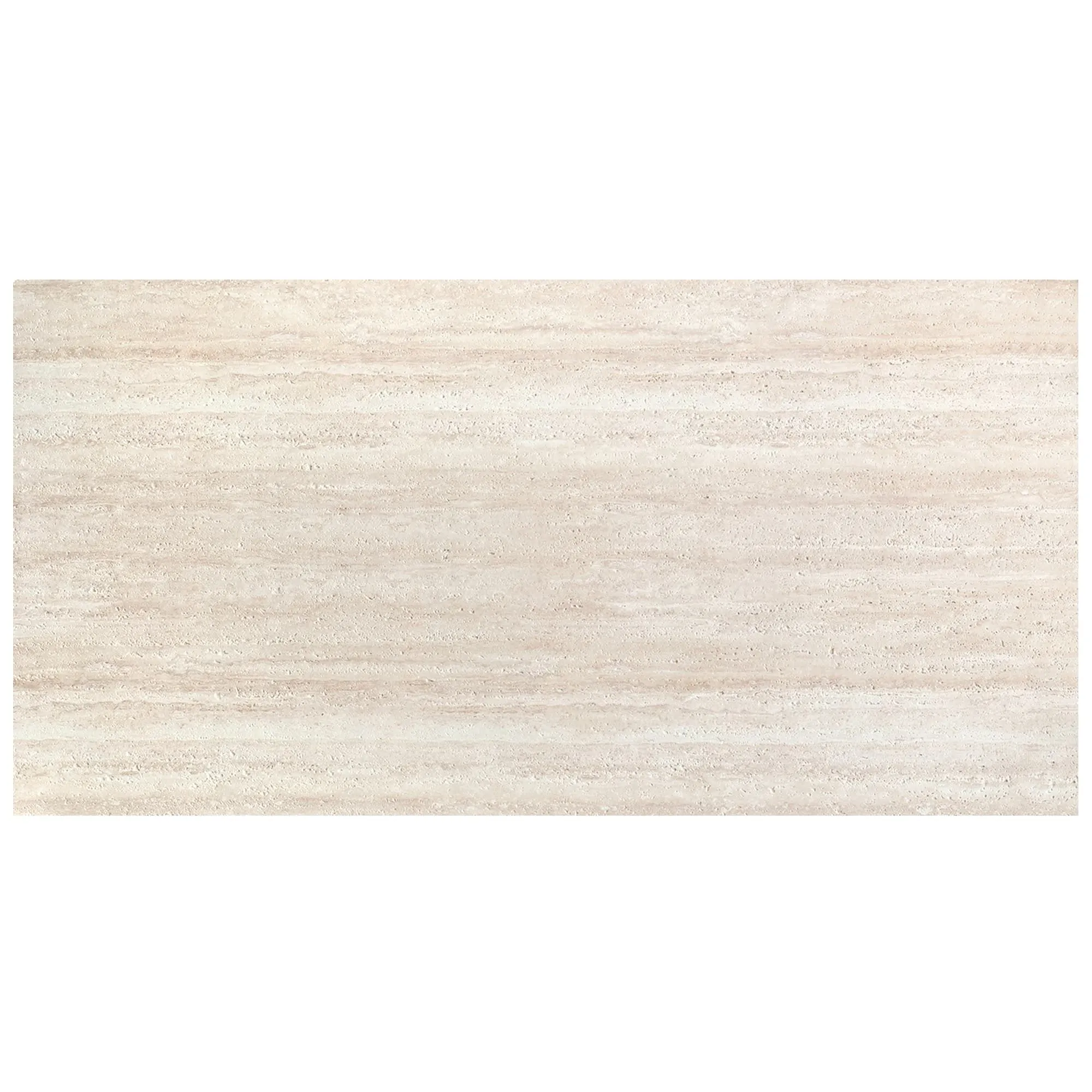
Before we dig into fire ratings, let's get clear on what Rona Yellow MCM is. MCM stands for Modified Composite Material, a category of building materials engineered to be lightweight, durable, and highly customizable. Unlike solid stone or concrete, MCMs are typically made by bonding layers of mineral aggregates, resins, and reinforcing fibers—creating a product that's thinner, more flexible, and easier to install than traditional options.
Rona Yellow, in particular, is a standout in the MCM family. Named for its warm, earthy hue (think golden wheat fields or sunset-inspired tones), it's designed to add warmth and texture to commercial spaces without sacrificing performance. But what truly sets it apart is its composition: the blend of mineral fillers and high-performance resins gives it inherent fire-resistant properties, while its flexibility allows it to be shaped into curves, panels, or custom designs that rigid materials like boulder slab can't match.
"We first started using Rona Yellow on a hotel renovation project in downtown Chicago," says Maria Gonzalez, a senior architect at a leading design firm. "The client wanted a material that felt inviting—something that didn't scream 'industrial'—but we also needed to meet the city's strict fire codes for hospitality spaces. Rona Yellow checked both boxes. It's lightweight enough to install on the existing structure without extra support, and the color adds this subtle warmth that makes the lobby feel less like a transit hub and more like a welcoming space."
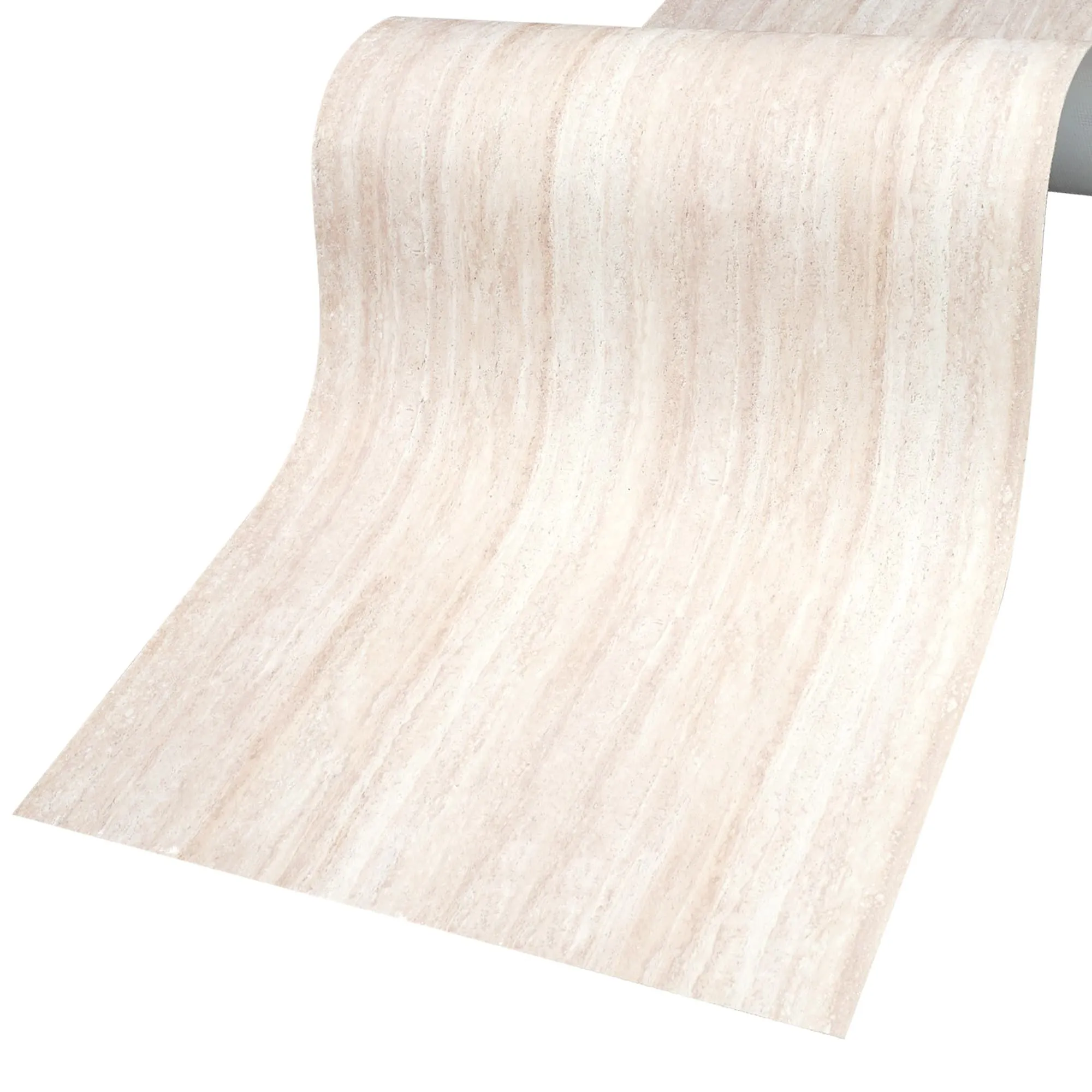
Fire ratings aren't just marketing claims—they're the result of rigorous testing. Rona Yellow MCM has undergone extensive evaluation to earn its credentials, and the results are impressive. Let's break down what those tests entail and what they mean for real-world use.
Most fire resistance tests follow protocols set by organizations like ASTM International or Underwriters Laboratories (UL). For wall and cladding materials, a common test is ASTM E119, which measures how long a material can withstand fire exposure (typically 1,850°F) while maintaining structural stability and preventing heat transfer to the unexposed side. Rona Yellow MCM was subjected to this test, and the results? It achieved a 2-hour fire resistance rating —meaning it can contain fire and prevent heat spread for up to 120 minutes.
But that's not all. It also passed NFPA 285, a standard specifically for exterior wall assemblies, which evaluates how fire spreads vertically and horizontally across cladding systems. This is crucial for high-rise buildings, where a small fire on one floor could quickly escalate if the exterior materials aren't fire-resistant. Rona Yellow MCM's performance here gave it the green light for use in mid-rise and high-rise commercial projects, including those in fire-prone zones.
A 2-hour fire rating might sound like just a number, but in practice, it's a lifeline. Imagine a small electrical fire breaks out in a retail store's stockroom. With Rona Yellow MCM cladding, the walls would contain the flames, giving employees time to evacuate customers and firefighters time to arrive before the fire spreads to adjacent units. In an office building, those two hours could mean the difference between safely evacuating hundreds of workers and a catastrophic collapse.
"I work with property managers who are always balancing budgets and safety," says James Chen, a fire safety consultant with 15 years of experience. "They'll ask, 'Do we really need a 2-hour rating here?' And my answer is always the same: You can't put a price on extra time. Rona Yellow MCM gives them that buffer without making them choose between safety and aesthetics. It's a material that works with the building, not against it."
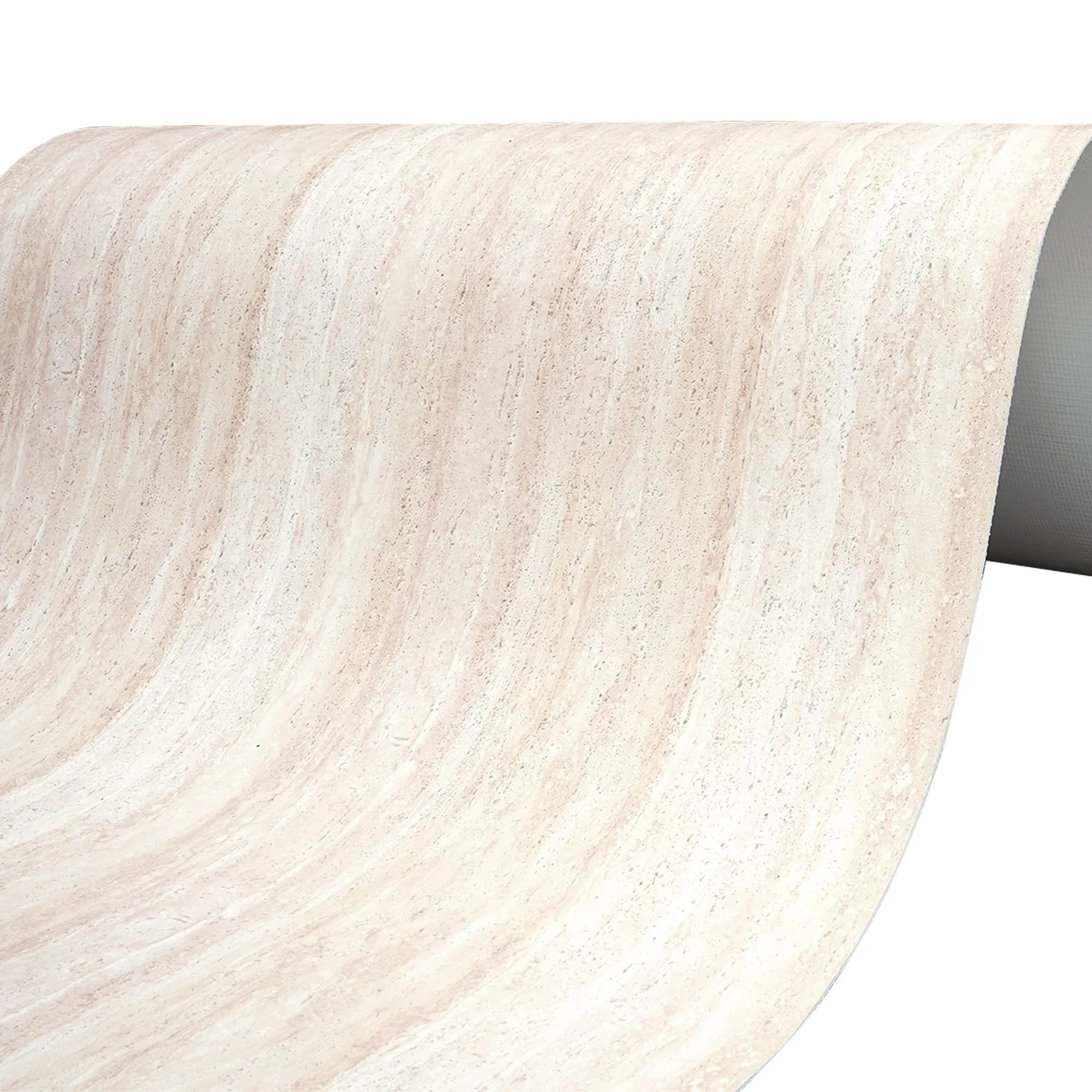
To truly understand Rona Yellow's value, it helps to see how it stacks up against other common commercial building materials. Let's compare it to two alternatives: fair-faced concrete (a staple for its durability) and boulder slab (a popular choice for rustic aesthetics).
| Material | Fire Rating | Durability | Flexibility & Installation | Aesthetic Options |
|---|---|---|---|---|
| Rona Yellow MCM | 2-hour (ASTM E119 certified) | Resistant to moisture, UV rays, and impact; minimal maintenance | Flexible (can bend to curves); lightweight (50% lighter than concrete); quick installation | Multiple finishes (matte, textured); customizable colors; warm, earthy tones |
| Fair-Faced Concrete | 1-2 hours (varies by thickness) | High compressive strength but prone to cracking over time; absorbs moisture | Rigid; heavy (requires structural support); longer installation time | Limited to gray/neutral tones; industrial look |
| Boulder Slab | 1-hour (natural stone; fire resistance varies by density) | Durable but porous; susceptible to staining without sealing | Very heavy; requires specialized installation; no flexibility | Rustic, natural appearance; limited color range (grays, browns) |
As the table shows, Rona Yellow MCM holds its own in fire rating while offering significant advantages in flexibility and design. Fair-faced concrete, for example, matches or slightly exceeds Rona Yellow in fire resistance but lacks the warmth and adaptability needed for spaces where ambiance matters. Boulder slab, on the other hand, adds rustic charm but falls short in fire protection and installation ease—making it a better fit for low-risk, decorative applications rather than high-traffic commercial zones.
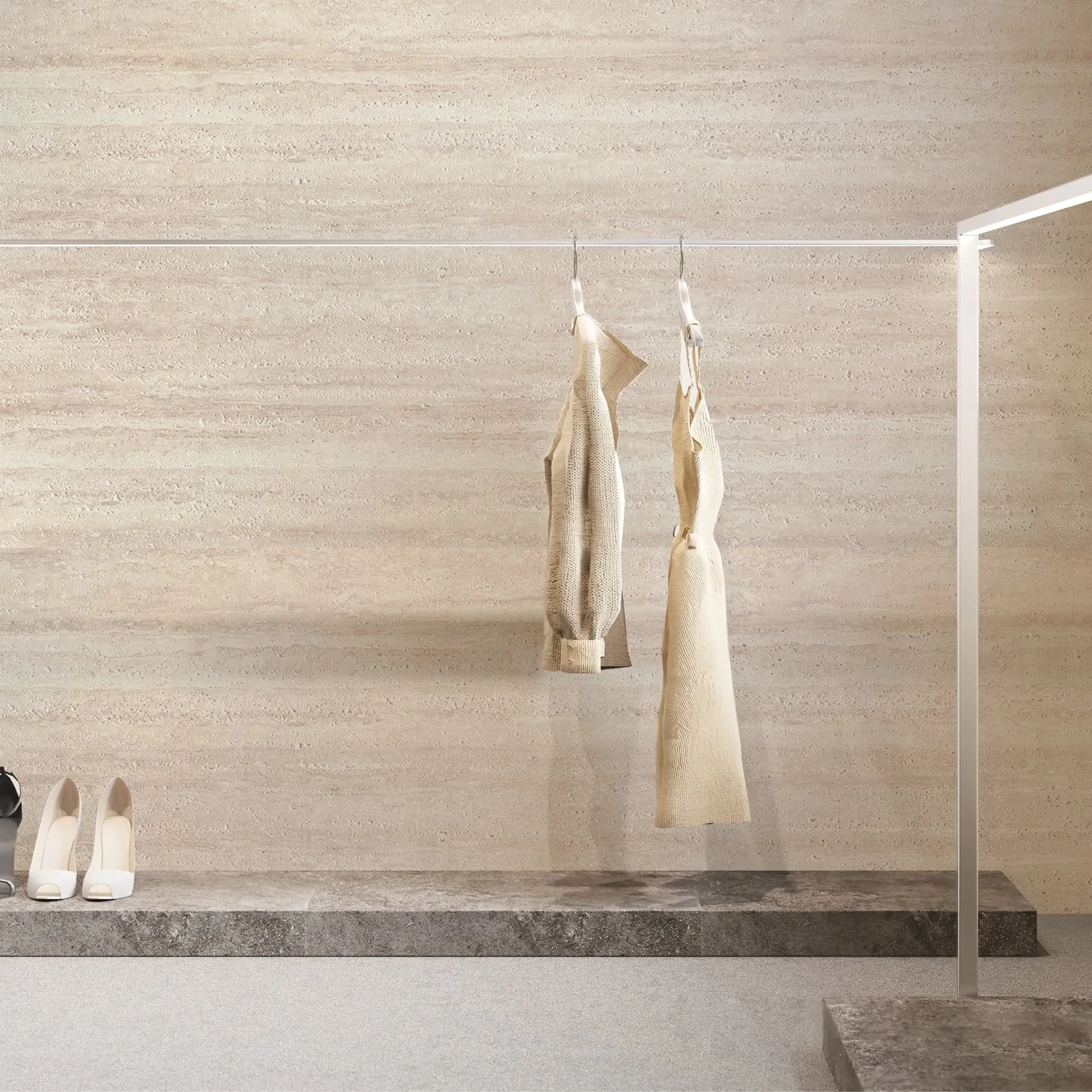
Fire resistance is critical, but a material also needs to work in the real world—adaptable to different spaces, budgets, and design goals. Rona Yellow MCM has found its place in a variety of commercial settings, proving that safety and style can coexist.
Modern offices thrive on open layouts and natural light, but those features can also create fire risks if materials aren't chosen carefully. Rona Yellow MCM is often used for accent walls, elevator lobbies, or corridor cladding in offices. Its light weight means it can be installed on partition walls without adding stress to the building's structure, and its fire rating ensures that even in a large, open space, flames are contained. "We used Rona Yellow on the 12th floor of a tech office in Seattle," says Gonzalez. "The client wanted a 'biophilic' design—bringing nature indoors—and the warm yellow tone paired with plants and wood accents created this calm, productive vibe. And knowing it's fire-resistant gave the safety team peace of mind, which is priceless."
Retailers know that first impressions matter. A store's interior design can make or break a customer's decision to stay and shop. Rona Yellow MCM offers the texture and color depth of natural stone without the fire risk. "We installed Rona Yellow panels in a luxury boutique in Miami," notes Chen. "The space has high ceilings and lots of glass, so fire spread was a major concern. The MCM cladding on the walls and display units ensures that even if a small fire starts (say, from a faulty lighting fixture), it won't race across the store. Plus, the warm yellow hue makes the merchandise pop—it's a win-win."
In hospitals and clinics, where vulnerable patients may need extra time to evacuate, fire resistance is non-negotiable. Rona Yellow MCM's 2-hour rating makes it ideal for areas like waiting rooms, nurse stations, and patient corridors. Its smooth, non-porous surface also resists bacteria growth—an added bonus for healthcare settings. "We specified Rona Yellow for a children's hospital in Boston," says Gonzalez. "The color is cheerful and calming for kids, and the material is easy to clean with hospital-grade disinfectants. Parents notice those details—they want to know their child is in a space that's both safe and caring."
As building codes evolve and public awareness of safety grows, materials like Rona Yellow MCM are leading a shift in how we think about commercial construction. No longer do we have to choose between "safe but sterile" and "beautiful but risky." MCMs, with their engineered blend of performance and aesthetics, are proving that safety can be a design choice—not an afterthought.
"Ten years ago, if you wanted a fire-resistant wall, you grabbed concrete or brick and called it a day," says Chen. "Now, clients ask, 'What colors do you have?' 'Can it curve?' 'Will it work with our sustainability goals?' Rona Yellow MCM answers all those questions. It's part of a new generation of materials that respect the past (proven fire science) while embracing the future (design flexibility)."
For architects and builders, this means more creative freedom. For business owners, it means investing in a space that protects their employees, customers, and assets—without sacrificing the brand identity that makes their business unique. And for the rest of us? It means walking into commercial buildings with the quiet confidence that the walls around us are doing more than just looking good—they're keeping us safe.
Recommend Products












