
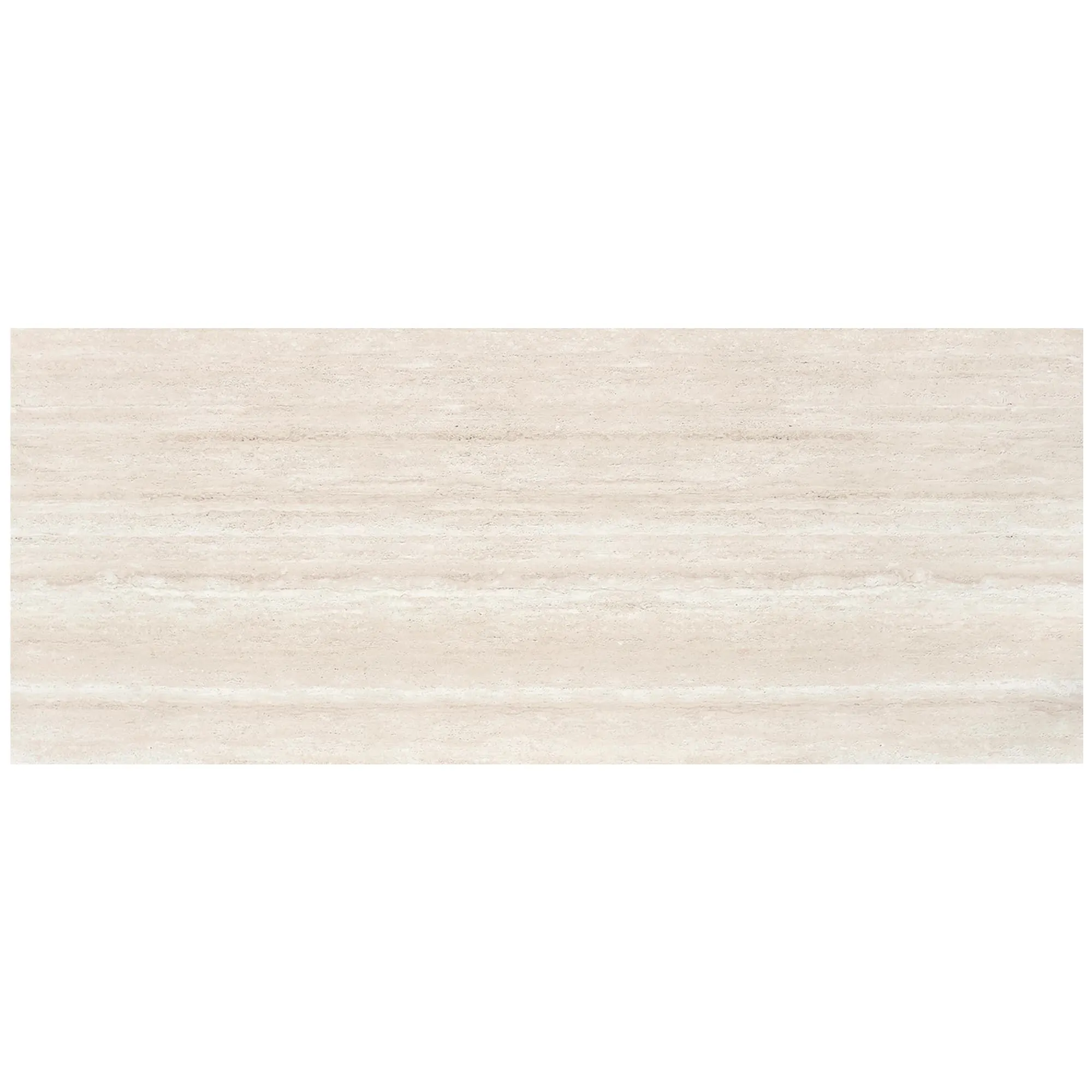
A Deep Dive into Why This Modified Composite Material is Redefining Saudi Architecture
For architects and builders in Saudi Arabia, the quest for the perfect building material is more than a matter of aesthetics—it's a battle against nature. Picture this: a summer day in Riyadh where temperatures soar to 50°C, followed by a sudden sandstorm that hurls grit at building facades. Then, come winter, brief but intense rains test moisture resistance. Add to that the strict fire safety regulations in a region where high-rise buildings and crowded commercial spaces demand uncompromising protection. Traditional materials like marble or even fair-faced concrete often fall short here—too heavy, too prone to cracking, or too slow to install. Enter Rona Yellow MCM, a star in the mcm flexible stone family, designed to thrive where others falter. Let's explore why this material is becoming the go-to choice for those who refuse to sacrifice durability for beauty, or vice versa.
First, let's clarify: MCM stands for Modified Composite Material, a category of cladding solutions that blend natural minerals with advanced polymers to create panels that are lightweight, flexible, and incredibly resilient. Rona Yellow MCM, a standout in this lineup, gets its name from its warm, sunlit hue—a shade that echoes the golden sands of the Saudi desert, making it a natural fit for local architecture. But its color is just the beginning. What truly sets it apart is its dual superpower: exceptional fire resistance and unbeatable weatherproofing , two non-negotiables in Saudi Arabia's harsh climate.
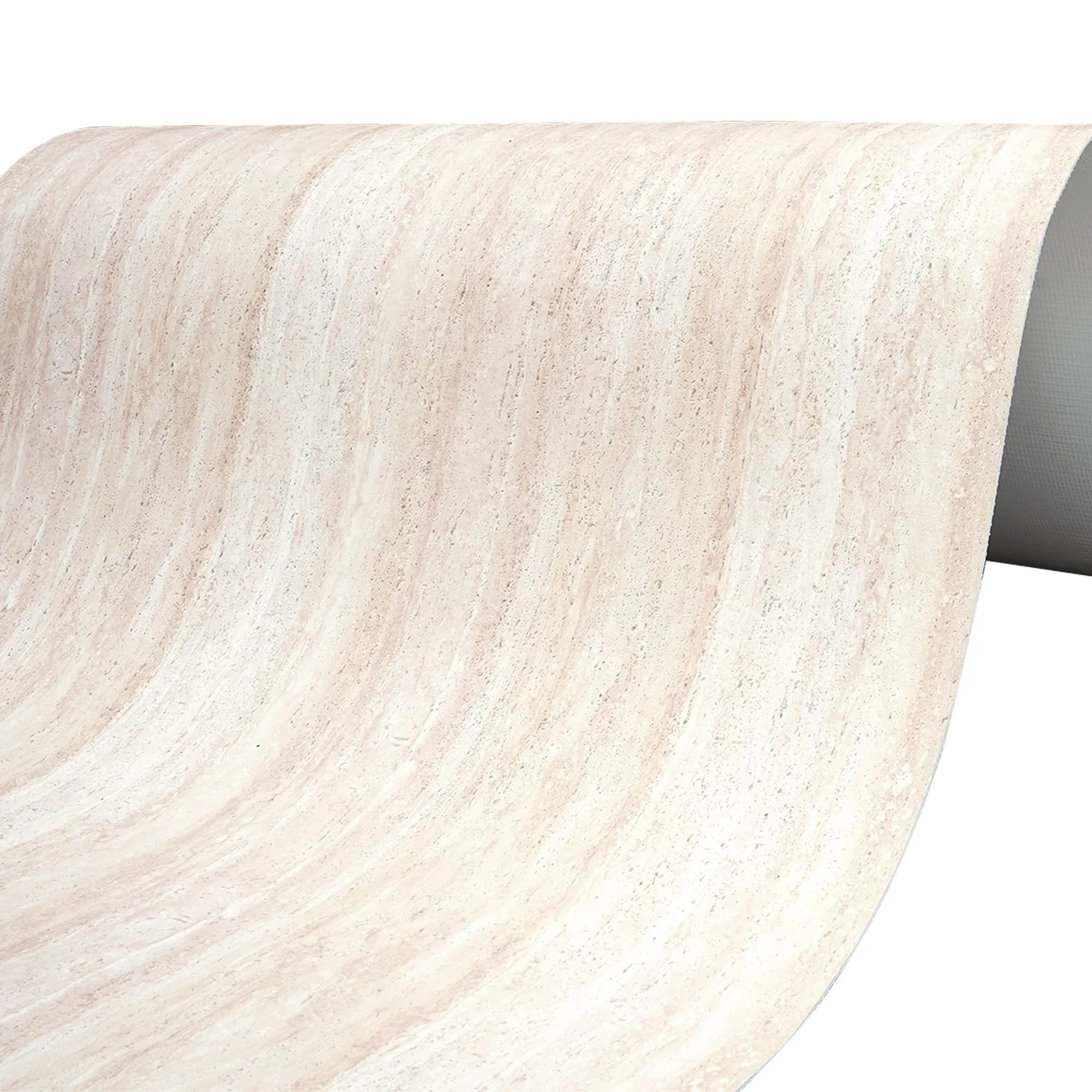
Unlike rigid materials such as traditional travertine or even fair-faced concrete , Rona Yellow MCM panels are flexible enough to bend slightly without breaking—a critical feature in regions prone to thermal expansion (hello, Saudi summers!). This flexibility also makes installation a breeze, cutting down construction time by up to 30% compared to heavier alternatives. And because it's lightweight (weighing just 4-6 kg per square meter), it reduces structural load, opening up design possibilities for taller, more ambitious buildings.
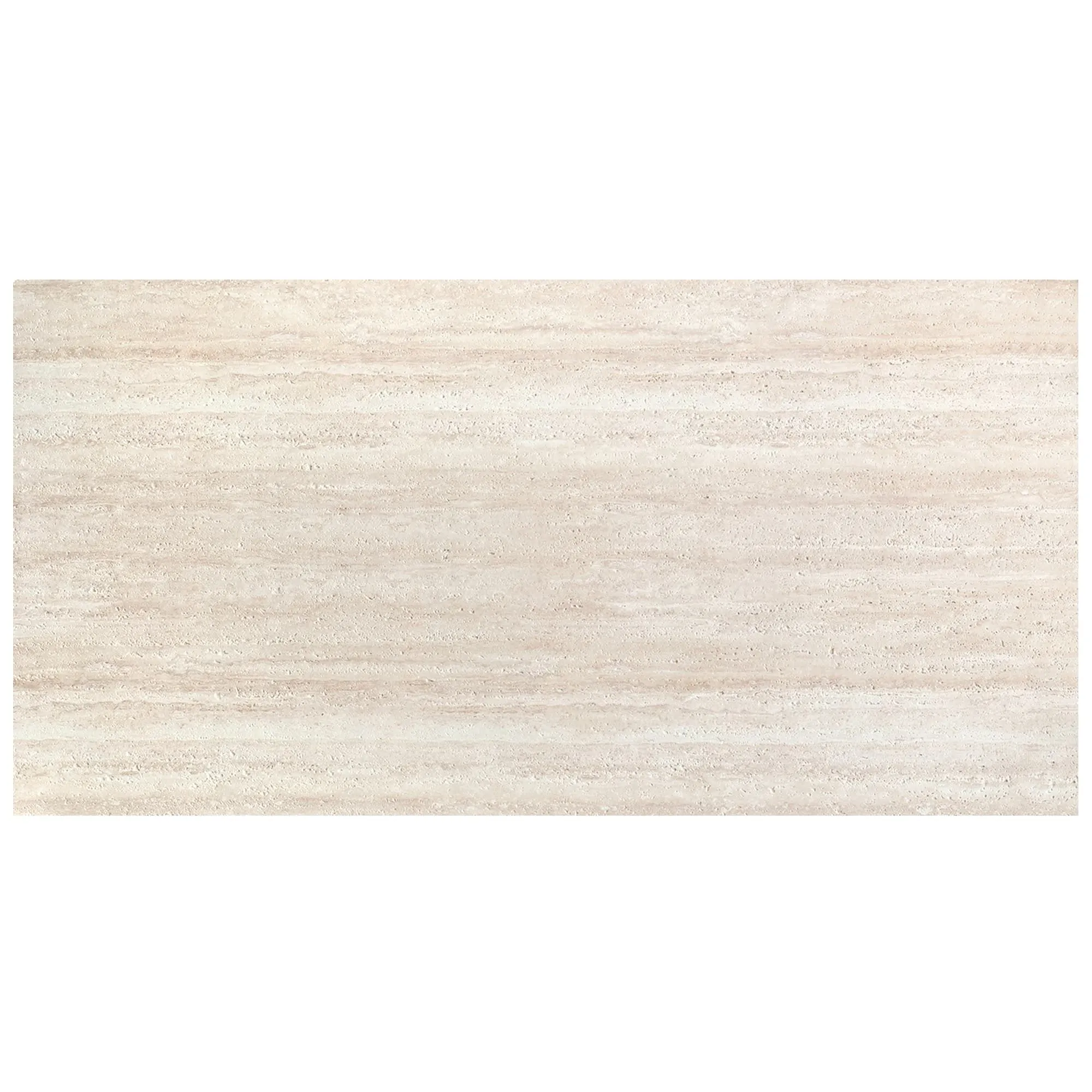
In a country where commercial buildings, hotels, and residential complexes are constantly evolving, fire safety isn't just a regulation—it's a responsibility. Rona Yellow MCM takes this seriously. Let's break down its fire-resistant credentials:
Rona Yellow MCM has undergone rigorous testing, including the ASTM E119 standard (Standard Test Methods for Fire Tests of Building Construction and Materials), where it demonstrated a fire resistance rating of 2 hours. That means in the event of a fire, the material can withstand high temperatures for up to two hours without contributing to flame spread or releasing toxic fumes—buying crucial time for evacuation and emergency response. Compare that to some traditional stone claddings, which may crack under heat, or wood-based panels that ignite quickly, and the difference is clear.
At its core, Rona Yellow MCM is made from a blend of natural stone aggregates, mineral fillers, and a polymer matrix that's inherently flame-retardant. Unlike materials that rely on surface coatings for fire resistance (which can wear off over time), its fire-resistant properties are baked into its structure. This ensures long-term safety, even after years of exposure to the elements.
Take the case of the Al-Mansoora Mall in Dammam, which opened in 2023. Its exterior cladding features Rona Yellow MCM panels, and during a routine fire safety drill last year, the material's performance left inspectors impressed. "We simulated a fire in one of the upper floors, and the MCM panels on the facade didn't warp or emit smoke," said Ahmed Al-Mansoori, the mall's safety manager. "That kind of reliability gives us peace of mind, especially with thousands of visitors daily."
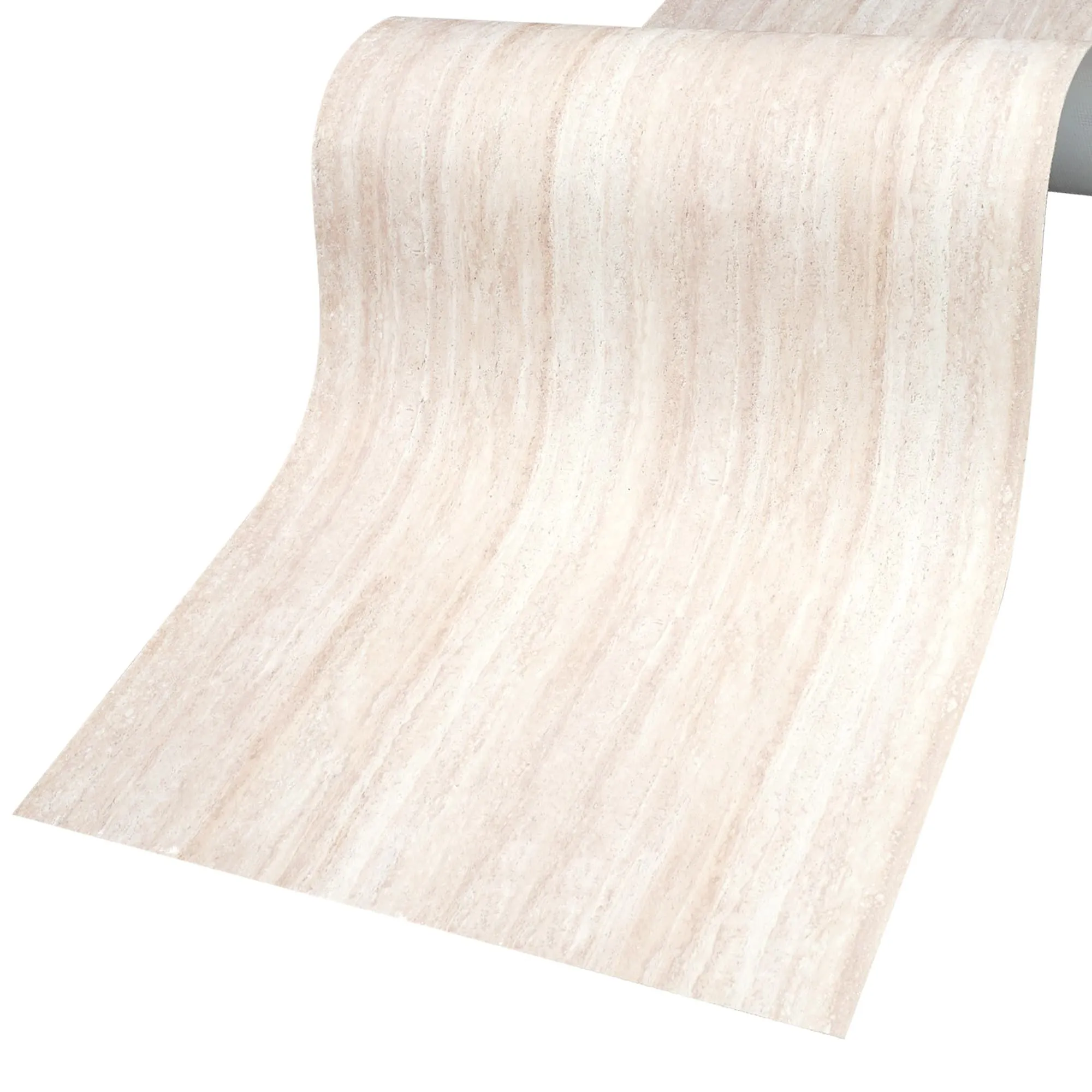
Saudi Arabia's climate is a tough taskmaster: intense UV radiation, scorching heat, sandstorms, and occasional humidity. Rona Yellow MCM isn't just built to survive here—it's built to thrive. Let's explore how it stands up to each element:
Saudi Arabia receives some of the highest UV radiation levels in the world, which can cause traditional materials like paint or even natural stone to fade over time. Rona Yellow MCM, however, retains its vibrant yellow hue thanks to a UV-stabilized polymer matrix. In accelerated aging tests, panels exposed to simulated Saudi sunlight for 5,000 hours (equivalent to over 5 years of real-world exposure) showed less than 5% color change—far below the industry threshold of 10%. Compare that to travertine (starry blue) , a popular decorative stone that often loses its blue sheen after 2-3 years in direct sunlight, and Rona Yellow MCM's advantage is undeniable.
High temperatures don't just affect a building's exterior—they drive up cooling costs. Rona Yellow MCM acts as a thermal barrier, reflecting up to 80% of solar radiation (thanks to its light color and low thermal conductivity). A study by the King Saud University's College of Engineering found that buildings clad with Rona Yellow MCM required 22% less air conditioning energy compared to those with fair-faced concrete facades. For a 10-story office building in Jeddah, that translates to annual savings of over SAR 50,000—a significant number for developers and property owners.
Sandstorms in Saudi Arabia can hurl grains of sand at speeds up to 60 km/h, scratching and eroding building surfaces. Rona Yellow MCM's smooth, dense surface resists abrasion, and its interlocking panel design prevents sand from seeping into gaps. What about moisture? While Saudi Arabia is mostly arid, coastal cities like Jeddah experience humidity, and rare but heavy rains can test water resistance. Rona Yellow MCM's non-porous surface repels water, preventing mold growth and water damage—unlike porous stones like limestone, which can absorb moisture and crack when temperatures drop.
| Material | Fire Resistance (Rating) | UV Resistance (5-Year Fade) | Heat Insulation (Energy Savings) | Flexibility (Resistance to Cracking) |
|---|---|---|---|---|
| Rona Yellow MCM | 2 hours (ASTM E119) | ≤5% color change | 22% less AC energy | High (bends up to 30mm radius) |
| Fair-Faced Concrete | 1 hour (ASTM E119) | 15-20% color change | 5-8% less AC energy | Low (prone to cracking) |
| Travertine (Starry Blue) | 0.5 hours (ASTM E119) | 10-15% color change | 10-12% less AC energy | Low (brittle, cracks under stress) |
| Lunar Peak Golden | 1.5 hours (ASTM E119) | 8-12% color change | 15-18% less AC energy | Medium (limited flexibility) |
*Data based on third-party testing and industry standards. Results may vary by installation and environmental conditions.
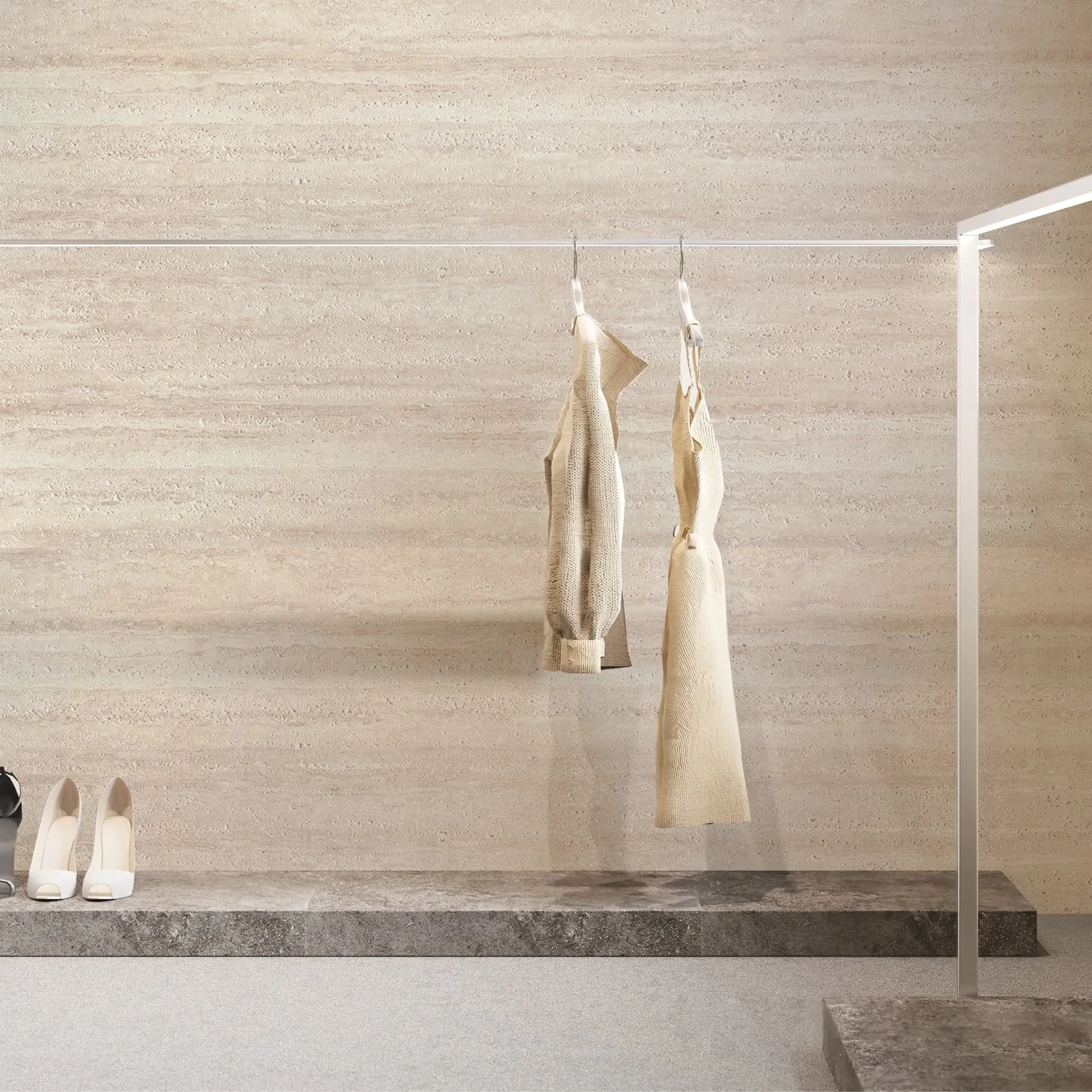
Rona Yellow MCM isn't just about durability—it's about creating spaces that feel welcoming, modern, and uniquely Saudi. Its warm yellow tone pairs beautifully with other materials, making it versatile for various design styles:
In Riyadh's King Abdullah Financial District, the new Al-Rajhi Bank Tower uses Rona Yellow MCM for its facade, complemented by lunar peak golden accents. The result? A building that shimmers in the sunlight, projecting confidence and innovation. "We wanted a material that would make the tower stand out but also reflect Saudi culture," says architect Lina Hassan. "Rona Yellow's golden hue feels both contemporary and rooted in our desert landscape."
For luxury villas in Jeddah's Red Sea coast, Rona Yellow MCM is often paired with bamboo mat board for interior ceilings, creating a warm, organic contrast. Homeowner Fatima Al-Zahrani notes, "Our villa's exterior stays cool even in summer, and the yellow panels look stunning against the blue sea. Inside, the bamboo mat adds texture— it's the best of both worlds."
In the historic district of Diriyah, Rona Yellow MCM is being used to restore old mud-brick buildings. Its lightweight nature avoids damaging ancient structures, while its color mimics the traditional sandstone used in the area. "We needed a material that respects the past but offers modern durability," says restoration expert Dr. Omar Al-Saud. "Rona Yellow MCM checks both boxes."
In a region where building materials must work as hard as the people who design them, Rona Yellow MCM emerges as more than a trend—it's a solution. Its fire resistance and weatherproofing features address Saudi Arabia's most pressing climate and safety challenges, while its flexibility and aesthetics open up new design possibilities. Whether you're building a skyscraper in Riyadh, a coastal villa in Jeddah, or restoring a heritage site in Diriyah, this mcm flexible stone proves that you don't have to choose between durability, safety, and beauty.
As Saudi Arabia continues to grow and innovate, materials like Rona Yellow MCM will play a key role in shaping its skyline—one resilient, radiant panel at a time. After all, in a country where the sun blazes bright and the future shines even brighter, shouldn't our buildings keep up?
Recommend Products












