
Walk through any construction site, and you'll notice a silent challenge that builders and architects grapple with daily: the struggle to move materials efficiently without sacrificing quality. Heavy stone slabs, fragile cladding panels, and bulky packaging—these are the invisible roadblocks that slow down projects, inflate costs, and test the patience of even the most experienced teams. When a single cracked travertine panel or a chipped concrete slab arrives on-site, it's not just a material loss; it's hours of delays, frustrated workers, and strained budgets. But what if there was a cladding material designed to ease these pains? A material that's tough enough to withstand the chaos of transportation yet gentle enough to handle with ease? That's exactly what Rona Yellow MCM Flexible Stone brings to the table.
Before diving into its transportation and handling perks, let's get to know Rona Yellow. Part of the innovative MCM (Modified Composite Material) project board series, this material reimagines traditional stone cladding. It blends natural mineral aggregates with high-performance polymers, creating a panel that looks and feels like premium stone—think the warm, earthy tones of travertine or the sleekness of fair-faced concrete—but with a twist: it's ultra-lightweight, flexible, and surprisingly durable. At just 3-5mm thick, Rona Yellow defies the "heavier = stronger" myth, proving that modern engineering can deliver both beauty and practicality.
Transporting building materials is often an afterthought until costs spiral or damage occurs. Let's break down the headaches of traditional cladding first: imagine a truck loaded with 20mm-thick travertine slabs. Each slab weighs 30-40kg, so even a small truck can carry only a few dozen before hitting weight limits. Add in the risk of slabs shifting during transit, colliding, and cracking—and suddenly, that delivery becomes a high-stakes gamble. Now, contrast that with Rona Yellow. Here's how it transforms transportation:
At just 3-5kg per square meter, Rona Yellow is up to 80% lighter than traditional natural stone. Let that sink in: a truck that once carried 50 travertine slabs can now haul hundreds of Rona Yellow panels. For logistics teams, this means fewer trips, lower fuel costs, and reduced carbon footprints. For builders in remote areas or tight urban spaces—where delivery trucks struggle to maneuver—this lightweight advantage is a game-changer. No more relying on oversized vehicles or navigating narrow streets with heavy loads; Rona Yellow fits into standard vans, making last-mile delivery a breeze.
Lightweight doesn't mean fragile. Rona Yellow's composite core is engineered to absorb impact, resist bending, and withstand the bumps and jolts of long-haul transport. Unlike brittle natural stone, which can crack from a single hard knock, these panels flex slightly under pressure, then snap back into shape. Field tests show that Rona Yellow has a breakage rate of less than 0.5% during transportation—compared to 5-8% for traditional travertine or fair-faced concrete. For project managers, that translates to fewer replacements, no surprise delays, and a steady workflow.
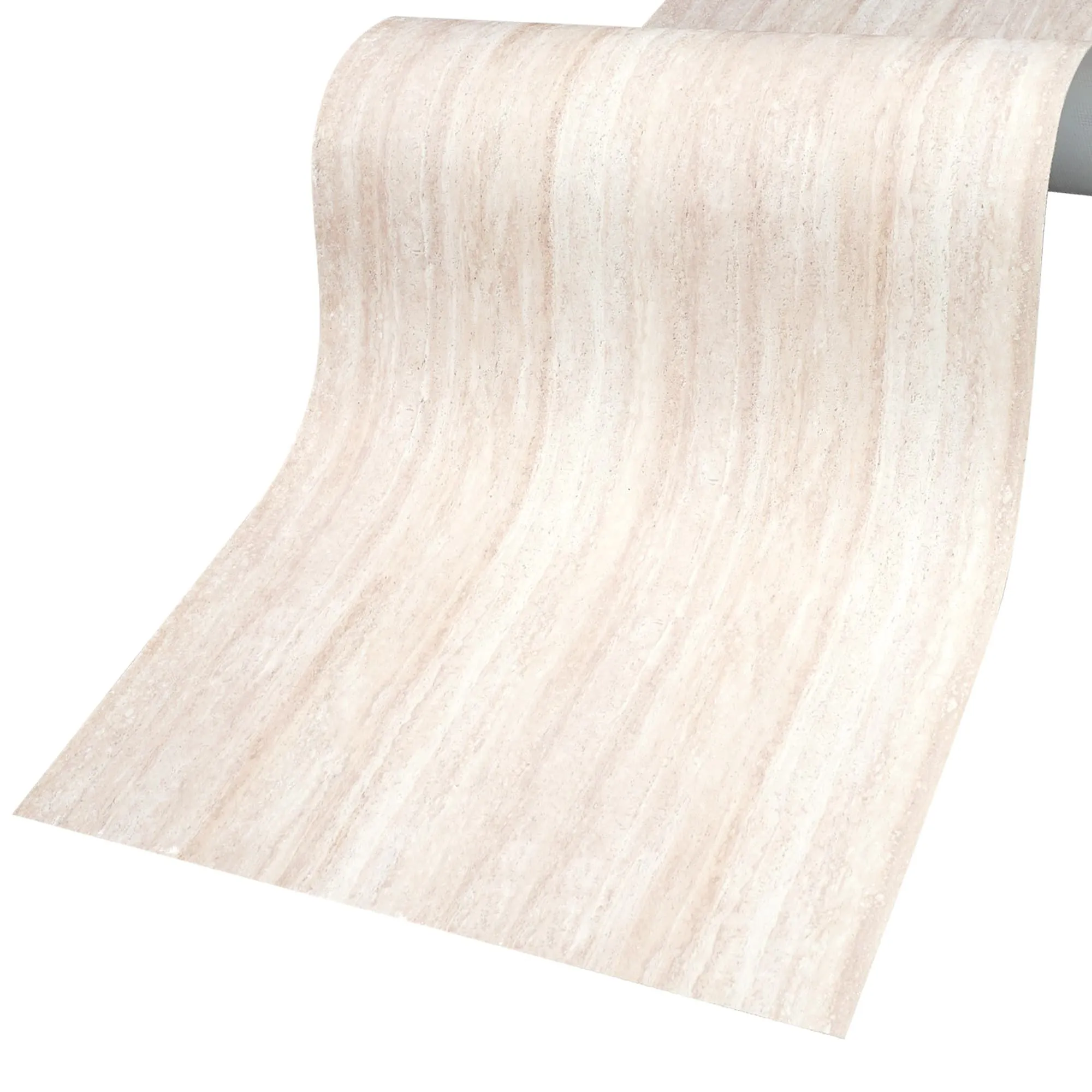
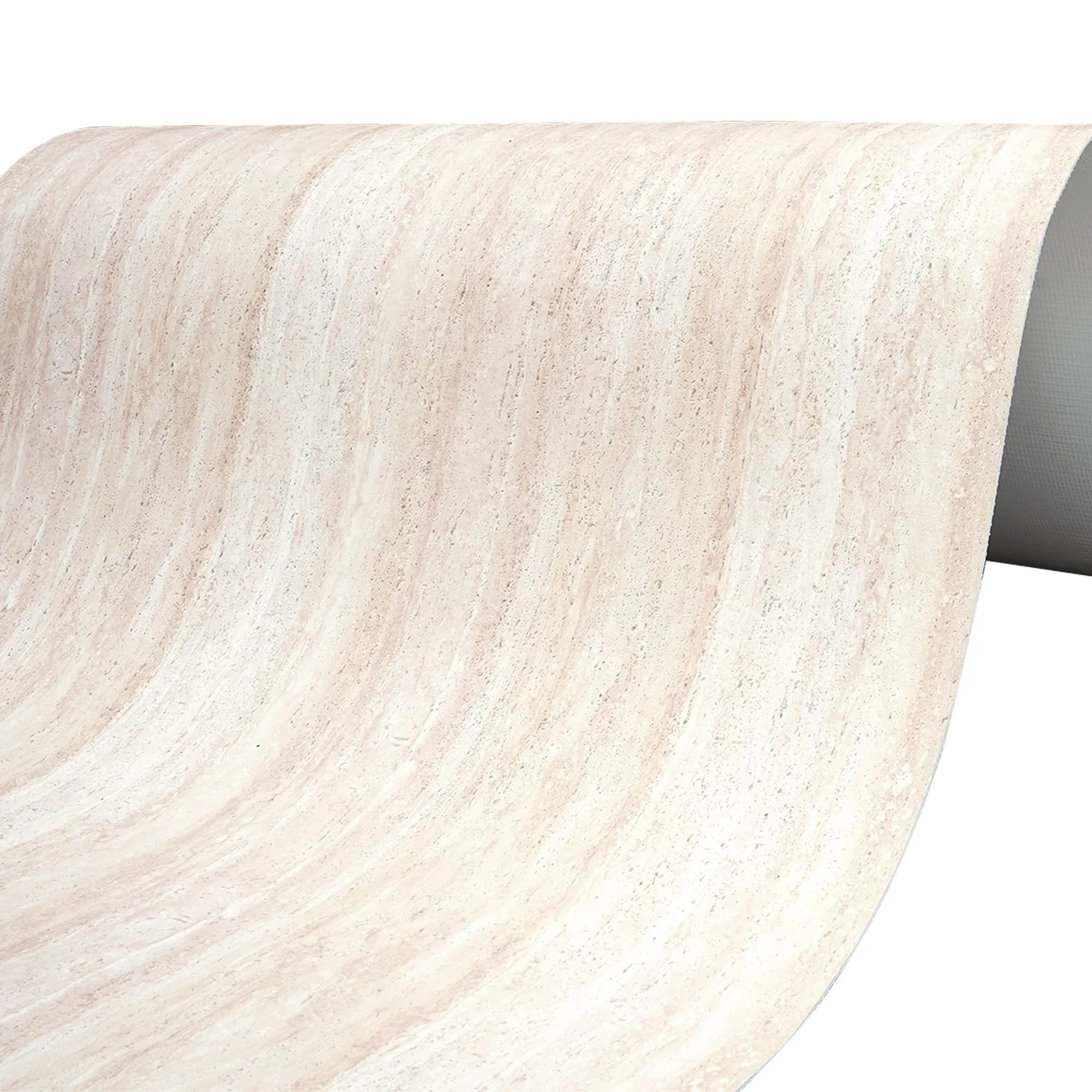
Ever watched workers unload rigid stone panels, a sudden turn or lift causes a crack? Rona Yellow's flexibility eliminates that stress. These panels can bend up to 30 degrees without permanent damage, making them easier to load into tight truck spaces or stack without pressure points. Imagine stacking 100 Rona Yellow sheets versus 10 travertine slabs—no more worrying about uneven weight distribution or crushed edges. It's like packing sheets of paper instead of glass—simple, efficient, and stress-free.
Traditional stone slabs are thick and rigid, so they stack poorly, leaving wasted space in trucks. Rona Yellow, at 3-5mm thick, stacks like sheets of plywood. A standard 40ft container that might hold 200sqm of travertine can carry over 1,000sqm of Rona Yellow. That's a 5x increase in cargo capacity—meaning fewer trucks on the road, lower shipping costs, and faster project turnarounds. For international projects, this is a lifesaver: reduced container fees and shorter delivery times mean materials arrive when you need them, not weeks later.
Transportation is just the first leg of the journey. Once materials arrive on-site, the real work begins: unloading, moving, cutting, and installing. Here's how Rona Yellow turns handling from a chore into a breeze:
Picture this: two workers carrying a 1m x 2m Rona Yellow panel with ease, walking it up a set of stairs to the 5th floor of a building. With traditional stone, that same panel would require a forklift, a crane, or four people straining under the weight. Rona Yellow's lightweight design cuts down on labor needs and eliminates the risk of back injuries from heavy lifting. Even in hard-to-reach areas—like rooftops, narrow corridors, or historic building restorations—installers can maneuver panels by hand, saving time and avoiding the hassle of setting up bulky equipment.
Traditional stone often requires specialized tools—diamond-tipped saws, water jets—to make precise cuts, and even then, mistakes are costly. Rona Yellow? It cuts like butter with standard construction tools: a circular saw, jigsaw, or even a utility knife for smaller adjustments. This means installers can customize panels on-site to fit unique angles, curves, or architectural details—no need to wait for pre-cut pieces from the factory. Missed a measurement? No problem. Trim the panel on the spot and keep the project moving.
Heavy stone slabs don't just strain muscles—they pose serious safety risks. A 40kg travertine slab slipping from a worker's grip can cause severe injury or damage to the structure. Rona Yellow's light weight drastically reduces these risks. Workers can handle panels confidently, and even if a panel is dropped, its flexibility minimizes the chance of shattering (or injuring someone). This isn't just about convenience; it's about creating safer job sites where teams can focus on quality, not accidents.
Numbers tell the story best. Let's compare Rona Yellow with two common cladding materials: traditional travertine and fair-faced concrete.
| Feature | Rona Yellow MCM Flexible Stone | Traditional Travertine | Fair-Faced Concrete |
|---|---|---|---|
| Weight (per sqm) | 3-5kg | 30-40kg | 20-25kg |
| Breakage Rate (Transport) | <0.5% | 5-8% | 3-5% |
| Installation Time (per sqm) | 15-20 mins | 45-60 mins | 30-40 mins |
| Transport Cost (per sqm) | $2-3 | $8-10 | $5-6 |
| On-Site Cutting | Standard tools | Specialized equipment | Specialized equipment |
The difference is clear: Rona Yellow isn't just a material—it's a solution that saves time, money, and stress at every step.
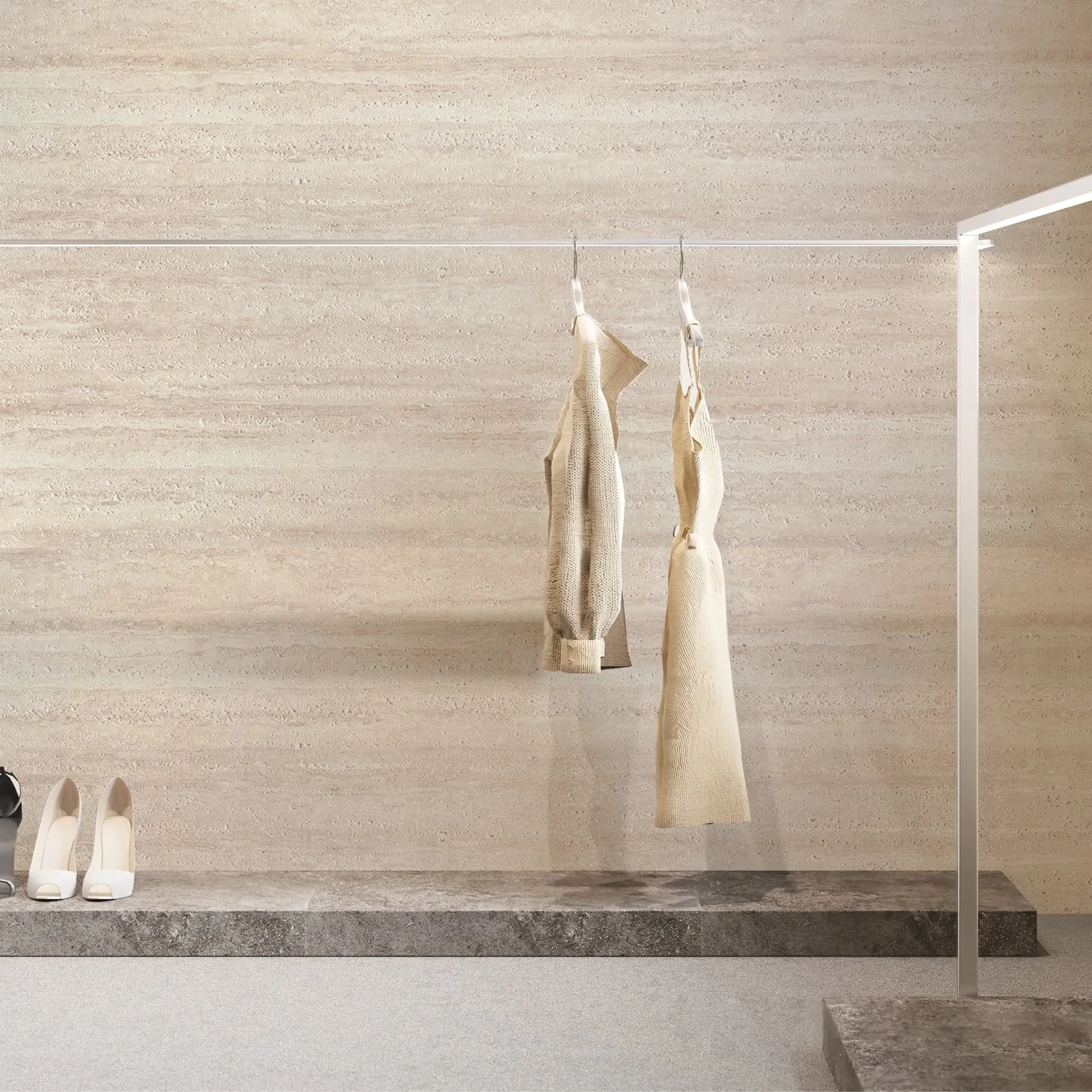
Take the case of a recent high-rise residential project in downtown Chicago. The site was tight, with limited access for large trucks, and the architect had specified a warm, earthy cladding to complement the building's modern design. Initially, the team planned to use travertine, but after calculating transportation costs and the risk of damage in transit, they switched to Rona Yellow. The result? Deliveries that fit through narrow alleyways, zero breakage, and installation that finished two weeks ahead of schedule. "We used to dread material deliveries," said the project foreman. "Now, Rona Yellow shows up, unloads in minutes, and the crew gets to work—no headaches, no delays."
Or consider a boutique hotel renovation in a historic district of Rome, where heavy machinery was forbidden. The contractors needed a material that could be carried up narrow, centuries-old staircases. Rona Yellow's lightweight panels were the answer, allowing workers to install the cladding without disrupting the building's fragile structure. The end result? A facade that blends old-world charm with new-world efficiency—all thanks to a material that was designed to work with the team, not against them.
At the end of the day, building is about people: the architects with a vision, the workers on the ground, the clients eager to see their project come to life. Rona Yellow MCM Flexible Stone doesn't just check boxes for performance; it respects the human side of construction. It reduces the stress of tight deadlines, the frustration of damaged materials, and the physical toll of heavy lifting. It's a reminder that innovation in building materials isn't just about making things stronger or cheaper—it's about making things better for the people who build our world.
So, the next time you see a stunning facade or a sleek interior cladding, take a closer look. If it's lightweight, flexible, and seems to defy the odds of transportation and handling, there's a good chance it's Rona Yellow. And behind that beauty? A story of efficiency, resilience, and a material that's changing the way we build—one panel at a time.
Recommend Products












