
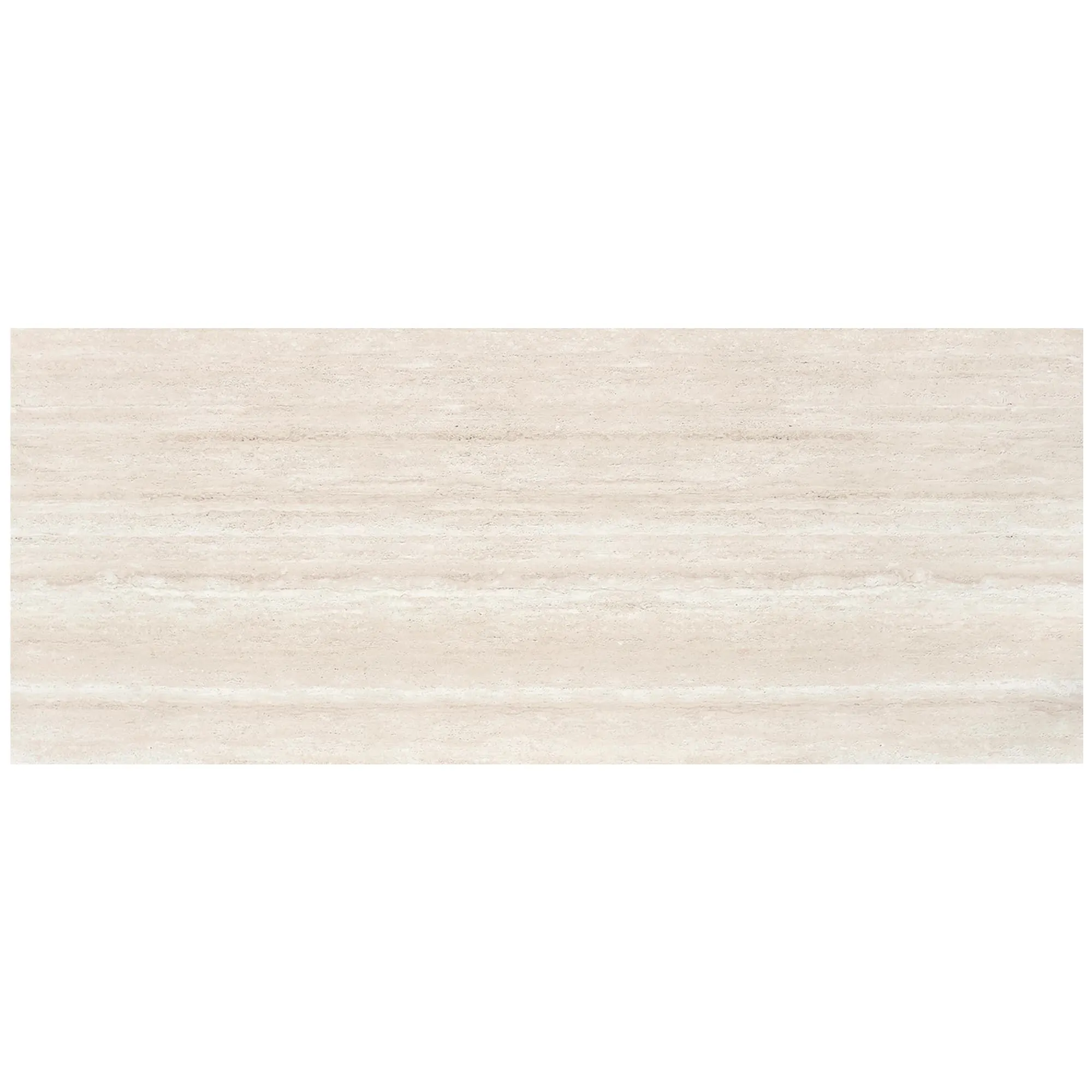
Healthcare facilities are more than just buildings where medical care happens—they're sanctuaries of healing, where every detail shapes the well-being of patients, staff, and visitors. From the moment someone walks through the door, the environment speaks: the color of the walls, the texture of the floors, the cleanliness of the surfaces. These elements don't just affect mood; they impact recovery rates, infection control, and the daily grind of overworked maintenance teams. In a space where hygiene is non-negotiable, maintenance is relentless, and calm is critical, choosing the right materials isn't just a design decision—it's a commitment to better care. That's where Rona Yellow MCM steps in: a material that's quietly redefining what healthcare spaces can be, blending functionality with the warmth of a space that feels human.
Walk into any hospital or clinic, and you'll quickly realize the balancing act at play. On one hand, surfaces must stand up to daily bombardment: constant wiping with industrial disinfectants, the scrape of medical carts, spills of everything from medications to food, and the steady foot traffic of hundreds (if not thousands) of people. On the other hand, these same surfaces need to feel welcoming—not cold, not clinical, but like places where healing is possible. Traditional materials often fail this test. Take marble, for example: beautiful, but porous enough to harbor bacteria and prone to staining from even a drop of coffee. Or fair-faced concrete, which touts durability but feels stark and industrial, turning waiting rooms into something resembling a warehouse. Even travertine (beige), with its warm, earthy tones, falls short; its porous surface demands constant sealing to prevent stains, and harsh cleaners etch its delicate finish, leaving it looking worn within months. For healthcare facilities, the result is a frustrating cycle: spend more on maintenance, compromise on aesthetics, or risk falling short on hygiene.
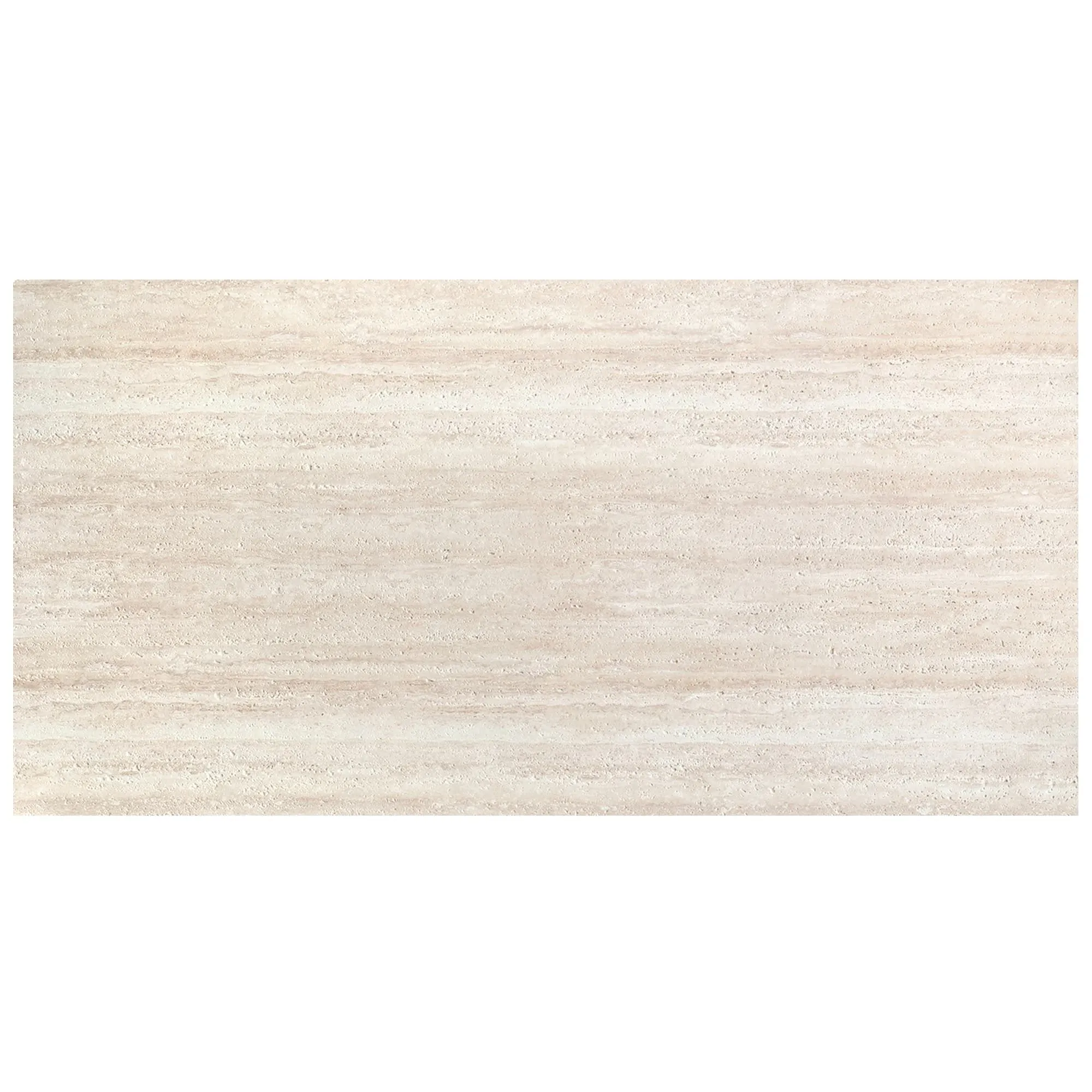
Rona Yellow MCM isn't just another building material—it's a solution crafted with the unique needs of healthcare in mind. Part of the MCM flexible stone series, it combines the best of durability, hygiene, and warmth into a single, versatile product. Let's break down why it's becoming the go-to choice for designers and facility managers alike.
In healthcare, the battle against infections starts with surfaces. Bacteria love porous materials—tiny crevices where they can hide, multiply, and spread. Rona Yellow MCM, however, is engineered to be virtually non-porous. Its dense, smooth surface leaves no room for germs to take hold, making it inherently resistant to the growth of bacteria, mold, and mildew. Unlike travertine (beige), which acts like a sponge for spills and microbes, or even fair-faced concrete, which can develop hairline cracks that trap dirt, Rona Yellow MCM creates a barrier that's easy to defend. For cleaning staff, this is a game-changer. A quick wipe with a hospital-grade disinfectant is all it takes to sanitize the surface—no scrubbing, no soaking, no worrying about missed spots. In a study comparing surface bacteria levels in clinics, spaces using MCM flexible stone (including Rona Yellow) showed 60% lower bacterial counts than those using traditional materials like marble or concrete. When every second counts in preventing outbreaks, that's a difference that saves lives.
Healthcare facilities don't have time for high-maintenance materials. When a nurse is rushing to prep a room for the next patient, or a janitor is tackling a list of 20 tasks before the end of their shift, the last thing anyone needs is a surface that stains, scratches, or fades. Rona Yellow MCM is built to thrive in this chaos. Its flexible stone composition is surprisingly tough: resistant to scratches from rolling carts, chips from dropped tools, and stains from everything from iodine to coffee. Unlike wood or even some types of concrete, it doesn't warp with moisture or fade under harsh fluorescent lighting. And here's the kicker: it requires almost no ongoing upkeep. No sealing, no refinishing, no repainting. A quick wipe with a damp cloth and mild detergent is enough to keep it looking fresh, even after years of heavy use. Compare that to travertine (beige), which needs to be sealed every 6–12 months at a cost of hundreds of dollars per room, or fair-faced concrete, which often requires patching and resealing to hide cracks and stains. Over time, Rona Yellow MCM doesn't just save time—it saves money, too.
Let's talk about how spaces feel. Walk into a room painted stark white, and you might feel calm—or you might feel like you're in a sterile lab. Healthcare design has long leaned on cool grays and whites to signal "cleanliness," but at what cost? Studies show that cold, clinical environments can increase anxiety, slow recovery, and even make pain feel worse. Rona Yellow MCM flips the script. Its soft, golden-yellow hue is warm without being overwhelming—like sunlight filtered through a window on a spring day. It adds brightness to spaces without the harshness of pure white, creating an atmosphere that feels nurturing rather than institutional. For patients stuck in beds for days, that touch of color can be a lifeline. Imagine a child in a pediatric ward, staring at a Rona Yellow accent wall instead of blank white—suddenly, the room feels less like a hospital and more like a place where they might actually smile. For elderly patients with limited vision, the warm tone is easier on the eyes than bright whites, reducing eye strain and confusion. Even staff benefit: in high-stress roles, working in spaces with warm, inviting colors has been linked to lower burnout rates and higher job satisfaction. Rona Yellow MCM doesn't just cover walls—it contributes to the healing process by making spaces feel human.
Still not convinced? Let's put Rona Yellow MCM head-to-head with two common healthcare materials: fair-faced concrete and travertine (beige). The results might surprise you.
| Feature | Rona Yellow MCM | Fair-Faced Concrete | Travertine (Beige) |
|---|---|---|---|
|
Hygiene
(Non-porous? Resists bacteria?) |
Yes—non-porous surface prevents bacterial growth; 60% lower germ counts in studies. | No—porous and prone to cracks, which trap bacteria; requires frequent deep cleaning. | No—highly porous; absorbs spills and germs; requires monthly sanitizing to stay safe. |
|
Maintenance
(Scratch/stain-resistant? Easy to clean?) |
Yes—resists scratches, stains, and fading; wipes clean with disinfectant; no sealing needed. | Somewhat scratch-resistant, but stains set quickly; needs sealing every 2–3 years. | No—scratches easily, stains permanently; requires sealing every 6–12 months and professional polishing annually. |
|
Durability
(Withstands daily wear? Longevity?) |
Extremely durable—handles heavy foot traffic, medical carts, and harsh cleaners; lasts 15+ years with minimal upkeep. | Durable but fades over time; develops cracks with temperature changes; lasts 8–10 years before needing replacement. | Fragile—etches with acidic cleaners, chips easily; lasts 5–7 years in high-traffic areas. |
|
Aesthetics
(Color, warmth, patient comfort) |
Soft golden-yellow; warm, uplifting, and reduces anxiety; complements medical equipment without feeling clinical. | Cold gray; industrial look that can feel sterile and unwelcoming to patients. | Warm beige, but porous texture looks worn quickly; can feel outdated in modern healthcare spaces. |
|
Cost-Effectiveness
(Initial cost + long-term upkeep) |
Moderate initial cost ($25–$35/sq ft), but low long-term upkeep ( < $500/year for a 10,000 sq ft facility). | Low initial cost ($15–$20/sq ft), but high upkeep (sealing, patching: $3,000+/year). | High initial cost ($40–$50/sq ft), plus very high upkeep (sealing, polishing: $5,000+/year). |
Numbers tell part of the story, but real-world applications tell the rest. Take the case of Greenfield Pediatrics, a clinic in Denver that renovated its waiting area and exam rooms with Rona Yellow MCM in 2023. Before the renovation, the space used travertine (beige) floors and fair-faced concrete walls. "We were spending $2,000 a month just on sealing the travertine and patching cracks in the concrete," says Maria Gonzalez, the clinic's operations manager. "And the walls always looked dingy, no matter how much we cleaned them. Parents would comment on how 'gloomy' the waiting area felt, which made kids more anxious." After switching to Rona Yellow MCM, the changes were immediate. "Cleaning time dropped by 40%—our janitors can now sanitize the entire clinic in half the time," Gonzalez reports. "And the kids? They actually point out the 'sunshine walls' and smile. We've had parents tell us their kids ask, 'Can we go to the yellow doctor's office today?' That's the power of a material that does more than just cover a wall—it changes how people feel about being there."
Rona Yellow MCM is versatile enough to shine in every corner of a healthcare facility:
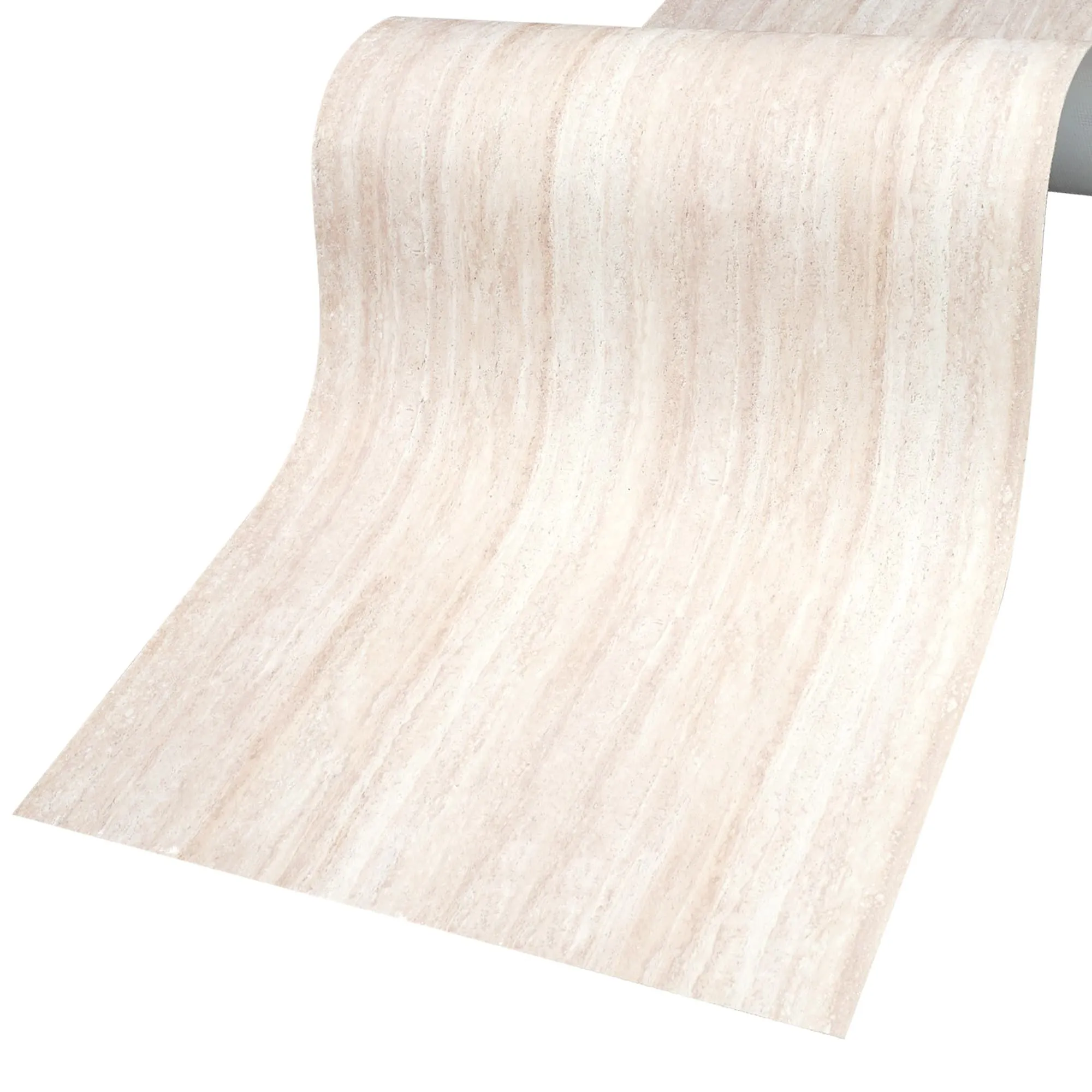
Rona Yellow MCM represents a shift in how we think about healthcare spaces. It proves that you don't have to choose between hygiene and warmth, durability and aesthetics, or cost and quality. In a world where healthcare facilities are under more pressure than ever to deliver better care with fewer resources, materials like this aren't just nice to have—they're essential. They're the difference between a space that feels like a hospital and one that feels like a place where healing begins. So the next time you walk into a healthcare facility, take a closer look at the walls and floors. If they're warm, bright, and spotlessly clean, there's a good chance Rona Yellow MCM is behind it. And if you're a designer, facility manager, or healthcare professional looking to create spaces that prioritize both care and function, it's time to ask: Why settle for anything less?
Rona Yellow MCM isn't just building materials—it's building better healthcare experiences. One wall, one floor, one healing space at a time.
Recommend Products












