
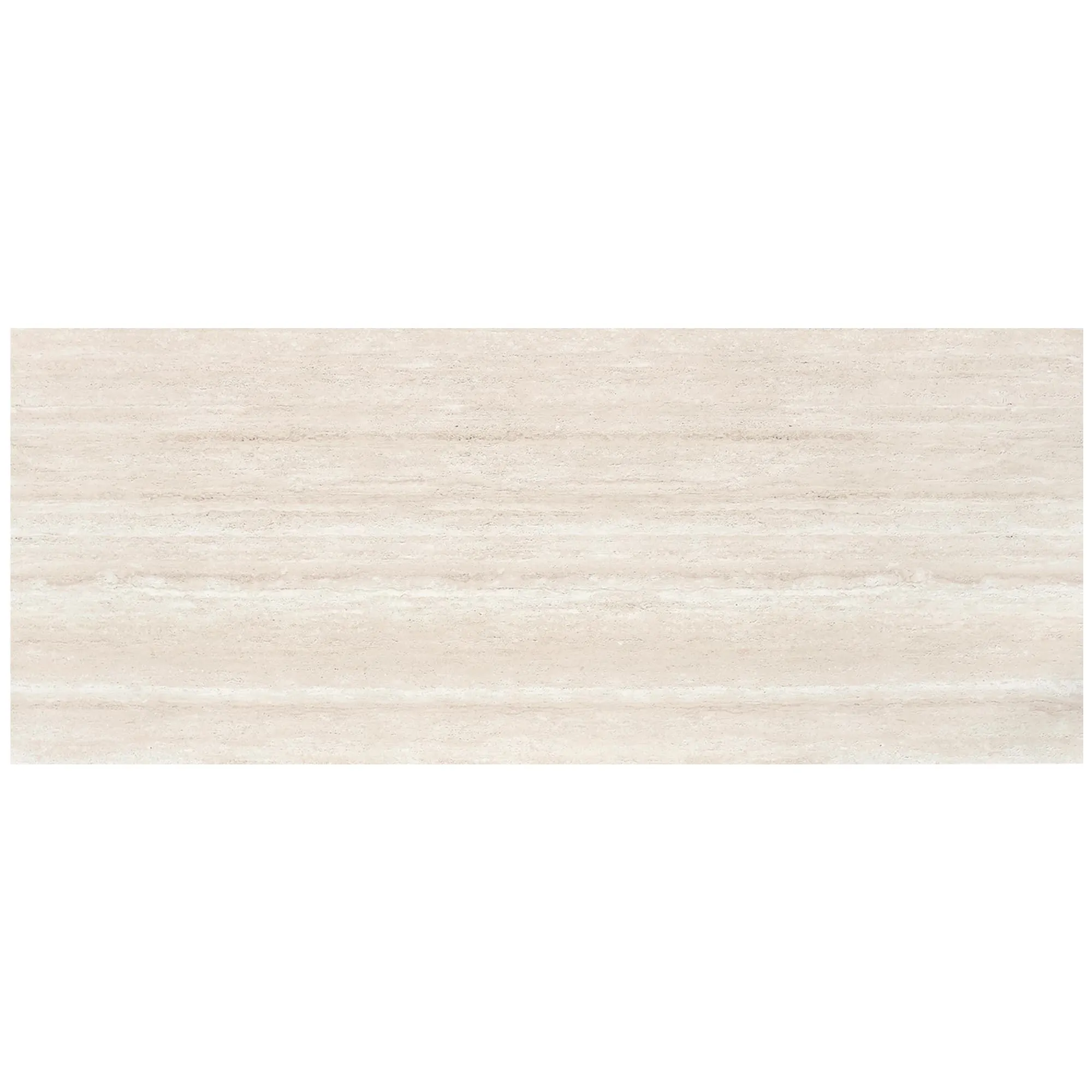
In the world of high-rise architecture, every choice carries weight—quite literally. Skyscrapers reach for the clouds, but their exteriors must stand firm against nature's forces, from howling winds to driving rain. Yet, in the race for durability, designers often face a dilemma: how to marry strength with soul? Enter Rona Yellow MCM —a material that doesn't just meet technical demands but weaves warmth into the cold steel and glass of urban giants. Let's explore how this innovative stone composite is redefining high-rise design, one panel at a time.
At its core, Rona Yellow MCM belongs to the MCM flexible stone family—a category of modified composite materials engineered to mimic the look and feel of natural stone, minus the bulk. MCM, short for Modified Composite Material, blends mineral aggregates, polymers, and fibers to create panels that are lightweight, flexible, and surprisingly robust. Rona Yellow, in particular, stands out for its warm, earthy hue—a soft golden-yellow reminiscent of sunlit sandstone, with subtle veining that adds depth without overwhelming.
Unlike traditional cladding materials such as fair-faced concrete or heavy boulder slab , Rona Yellow MCM weighs in at just 8–12 kg/m². That's up to 70% lighter than natural stone, a game-changer for high-rises where every kilogram affects structural load and wind resistance. But don't let its lightness fool you: this material is no pushover. Its flexibility allows it to bend without breaking, making it ideal for buildings that sway slightly under wind pressure—a common occurrence in tall structures.
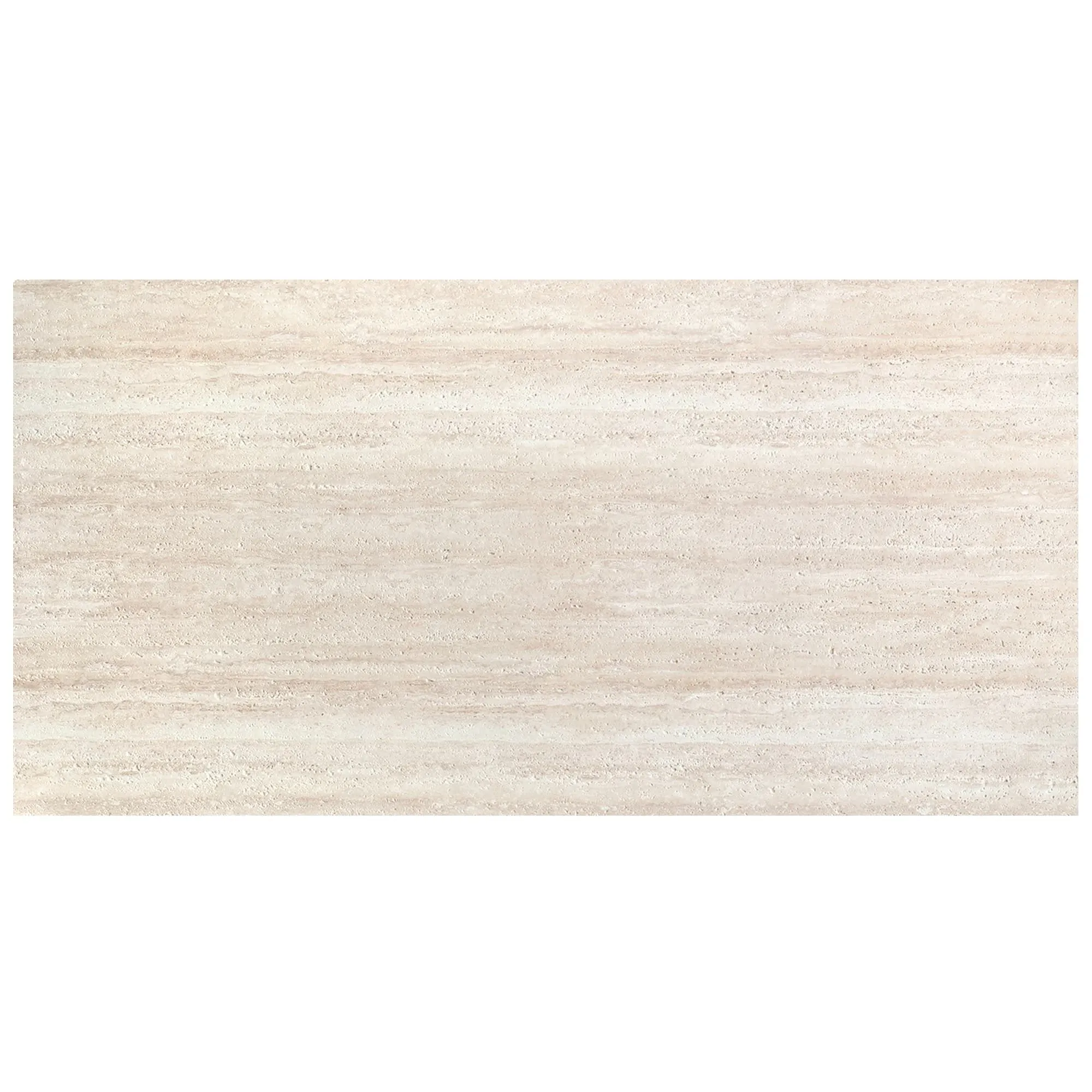
For high-rise architects, wind load is the invisible adversary. As buildings climb higher, wind speeds increase, creating forces that can push, pull, or even twist exteriors. A heavy cladding system acts like a sail, catching the wind and transferring stress to the building's frame. Over time, this can lead to fatigue, cracks, or worse.
Rona Yellow MCM flips the script. Its low weight—paired with a thin profile (typically 3–6 mm thick)—reduces wind pressure on the building. Think of it as trading a bulky winter coat for a lightweight windbreaker: it still protects, but with less resistance. In third-party tests, Rona Yellow panels have withstood wind loads of up to 3.5 kPa (kilopascals), equivalent to winds of 150+ km/h—more than enough for most urban environments. Compare that to foamed aluminium alloy board (vintage gold) , which, while lightweight, lacks the stone-like texture that gives Rona Yellow its organic appeal.
But wind load isn't just about resistance—it's about absorption. Rona Yellow's flexibility allows it to "give" under pressure. Instead of rigidly fighting the wind, the panels flex slightly, dissipating energy like a shock absorber. This dynamic response reduces strain on the building's anchors and fasteners, extending the lifespan of both the cladding and the structure itself.
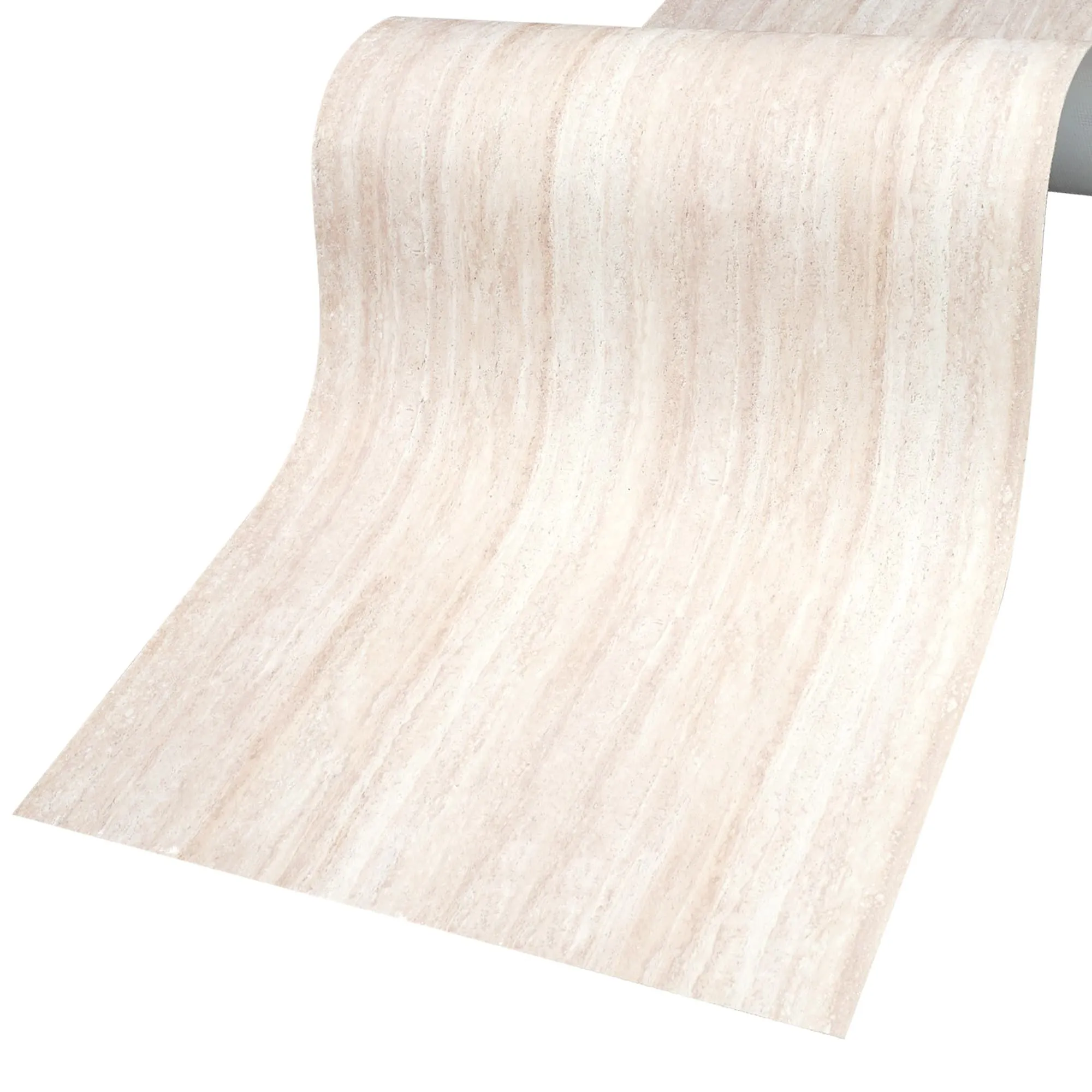
A great cladding material doesn't just resist wind—it works with the building. Rona Yellow MCM excels here, thanks to its compatibility with modern high-rise construction methods.
First, installation is a breeze (pun intended). Unlike historical pathfinders stone or solid travertine (starry blue) , which require heavy lifting equipment and specialized masons, Rona Yellow panels are easy to handle. They can be cut on-site with standard tools, shaped to fit curved surfaces, and attached using lightweight framing systems. This speeds up construction timelines, reducing labor costs and minimizing disruption to busy urban sites.
Second, adhesion is key. Rona Yellow MCM bonds securely to metal, concrete, and even glass substrates, using high-strength adhesives or mechanical fasteners. Its flexibility ensures that even as the building shifts (due to thermal expansion or wind sway), the panels stay put—no gaps, no peeling, no water infiltration. For architects, this means fewer headaches and more confidence in long-term performance.
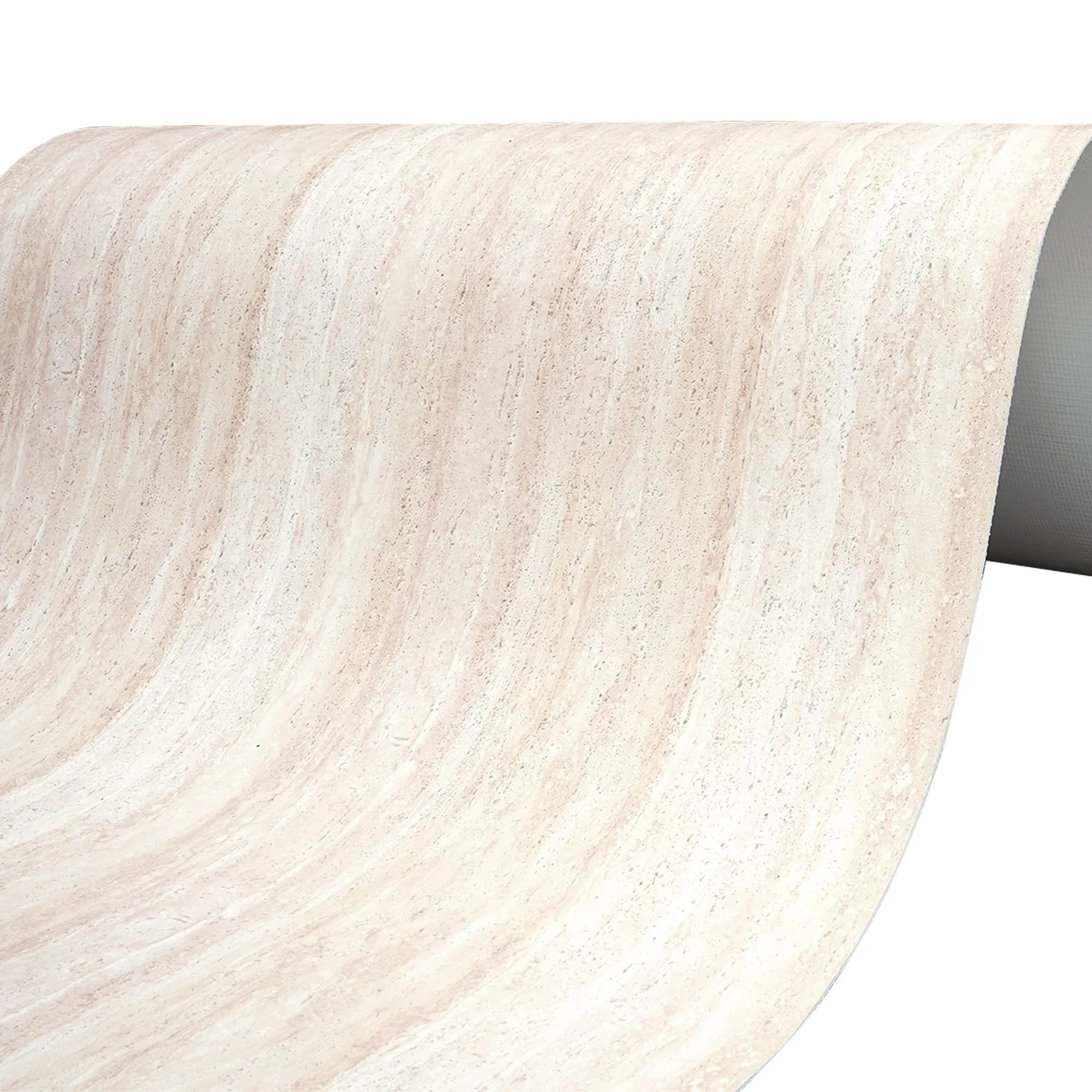
To truly appreciate Rona Yellow MCM, let's compare it to two common high-rise cladding options: traditional boulder slab and fair-faced concrete . The table below breaks down key metrics:
| Material | Weight (kg/m²) | Wind Load Resistance (kPa) | Flexibility | Aesthetic Range |
|---|---|---|---|---|
| Rona Yellow MCM | 8–12 | Up to 3.5 | High (bends up to 5° without cracking) | Warm yellows, subtle veining; customizable finishes |
| Fair-Faced Concrete | 22–25 | 3.0–3.2 | Low (brittle, prone to cracking under flexure) | Industrial gray; limited color options |
| Boulder Slab (Natural Stone) | 35–50+ | 3.5–4.0 (but higher structural load) | Very Low (rigid, heavy) | Varied, but limited to natural stone hues |
The numbers speak for themselves: Rona Yellow MCM offers comparable wind resistance to heavier materials but with a fraction of the weight and far more flexibility. And aesthetically? It adds a warmth that fair-faced concrete can't match, while avoiding the environmental impact of quarried boulder slab .
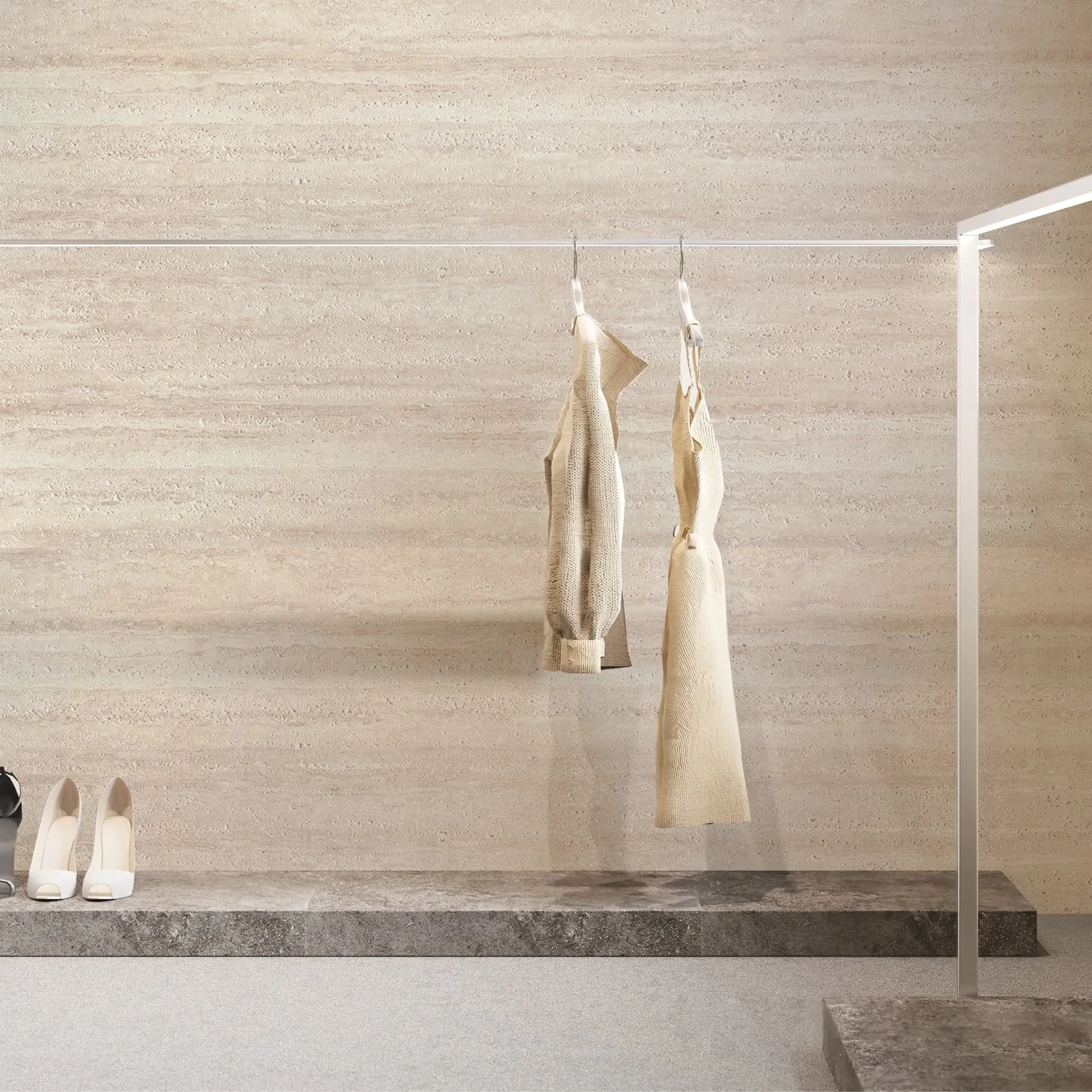
In 2023, the "Aurora Tower" rose in downtown Singapore—a 42-story mixed-use building designed by award-winning firm Liew & Partners. Faced with strict wind load regulations and a client desire for a "soft, approachable" exterior, lead architect Mei Lin turned to Rona Yellow MCM.
"We wanted the tower to feel like it belonged to the city, not just overlooked it," Lin recalls. "Natural stone was too heavy, and concrete felt cold. Rona Yellow was the middle ground—light enough for our engineers to approve, and warm enough to make the building feel welcoming, even from street level."
Today, Aurora Tower's facade shimmers in the tropical sun, its Rona Yellow panels catching light and casting a golden glow on the sidewalks below. During a recent storm with winds of 130 km/h, sensors recorded minimal panel movement—proof that beauty and brawn can coexist.
High-rises don't just house people—they shape cities and influence mood. A building clad in cold steel or monotonous polish concrete can feel alienating, a stark reminder of urban isolation. Rona Yellow MCM, with its earthy tones and organic texture, does the opposite: it brings a touch of nature to the concrete jungle.
Consider the travertine (starry blue) or lunar peak silvery panels—stunning, but bold. Rona Yellow, by contrast, is understated. Its soft hue complements green spaces, wooden accents, and even modern glass, creating a visual bridge between the built and natural worlds. For residents and passersby alike, it's a subtle nod to warmth in a world that often feels too harsh.
In the end, Rona Yellow MCM isn't just a cladding option—it's a statement. It says that high-rises can be strong and soulful, efficient and elegant. By prioritizing wind load resistance, structural compatibility, and emotional resonance, this material is setting a new standard for what high-rise exteriors can achieve.
So, the next time you look up at a towering building, take a closer look. If its facade feels both steadfast and inviting, chances are it's wearing Rona Yellow MCM—proof that in architecture, as in life, the best choices are those that balance strength with heart.
Recommend Products












