
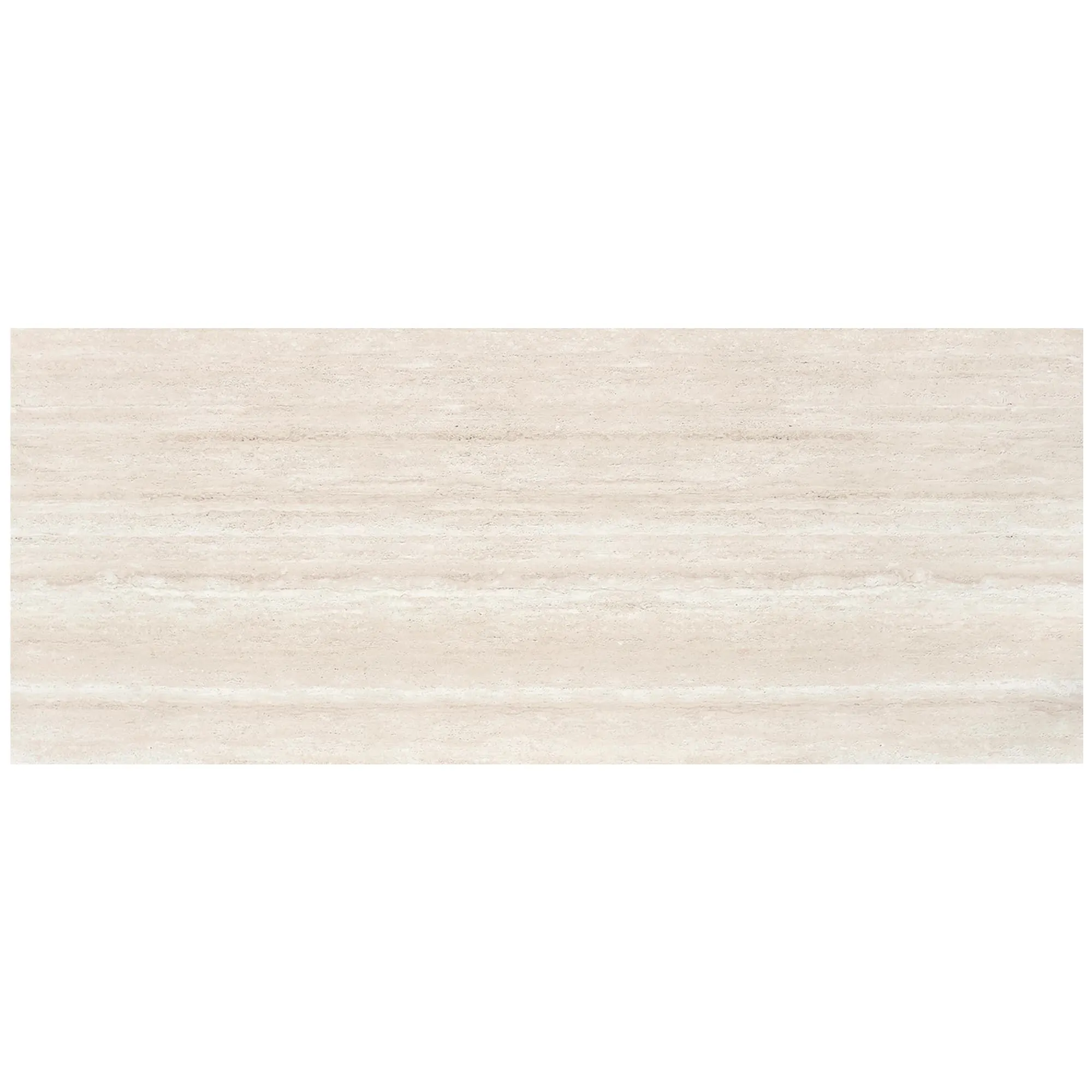
In the world of architecture and design, every choice feels like a balancing act. We want materials that catch the eye, stand up to the elements, and—let's be honest—don't drain our wallets years down the line. Maintenance costs, often an afterthought during the initial build, have a sneaky way of adding up: annual pressure washing, quarterly sealing, unexpected repairs after a storm. What if there was a material that didn't just look good on day one but kept looking good without the constant upkeep? Enter Rona Yellow MCM , a standout in the MCM flexible stone family that's redefining what it means to "invest" in building materials. Let's dive into why this material isn't just a pretty face—it's a long-term money-saver, especially when compared to traditional options like fair-faced concrete or lime stone (beige) .
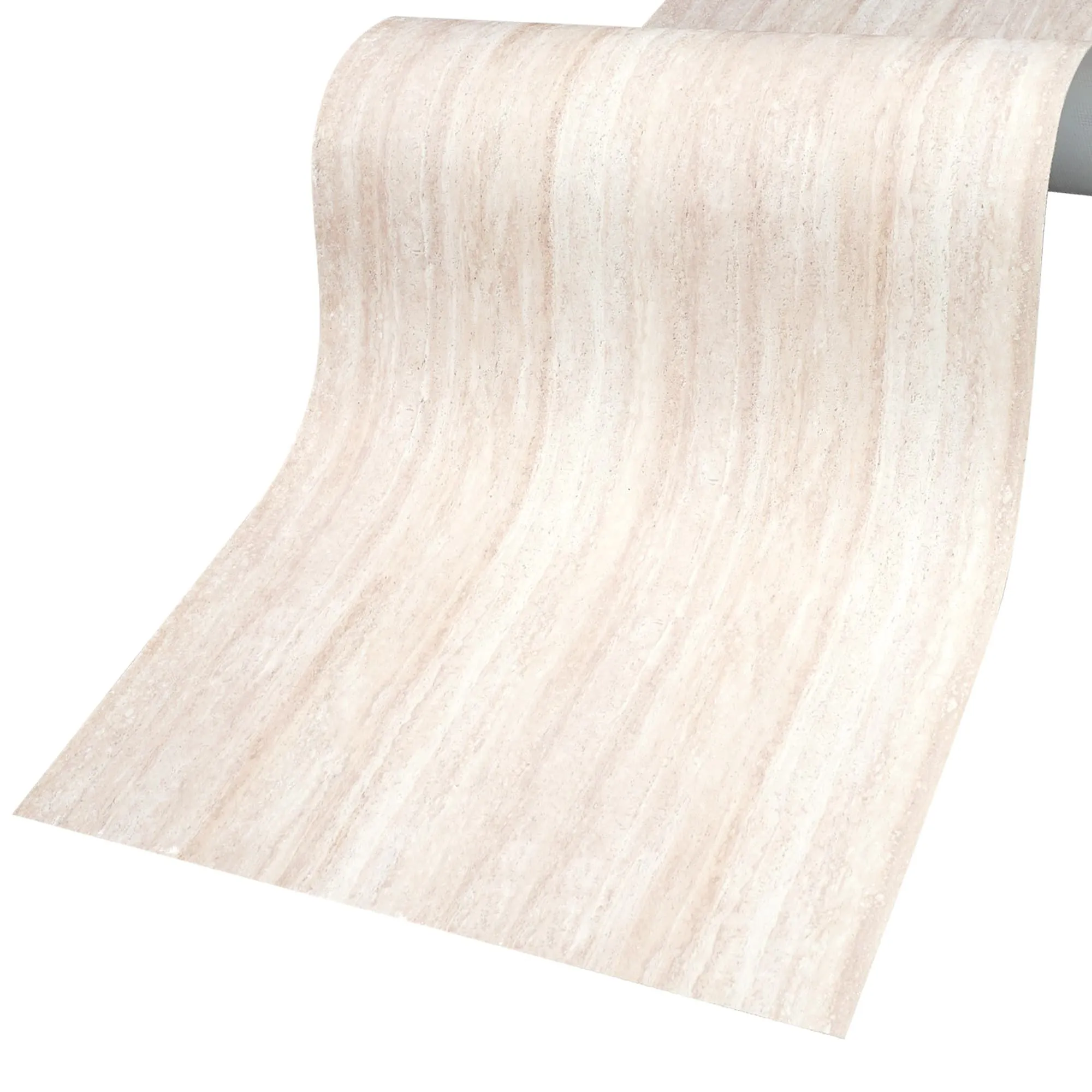
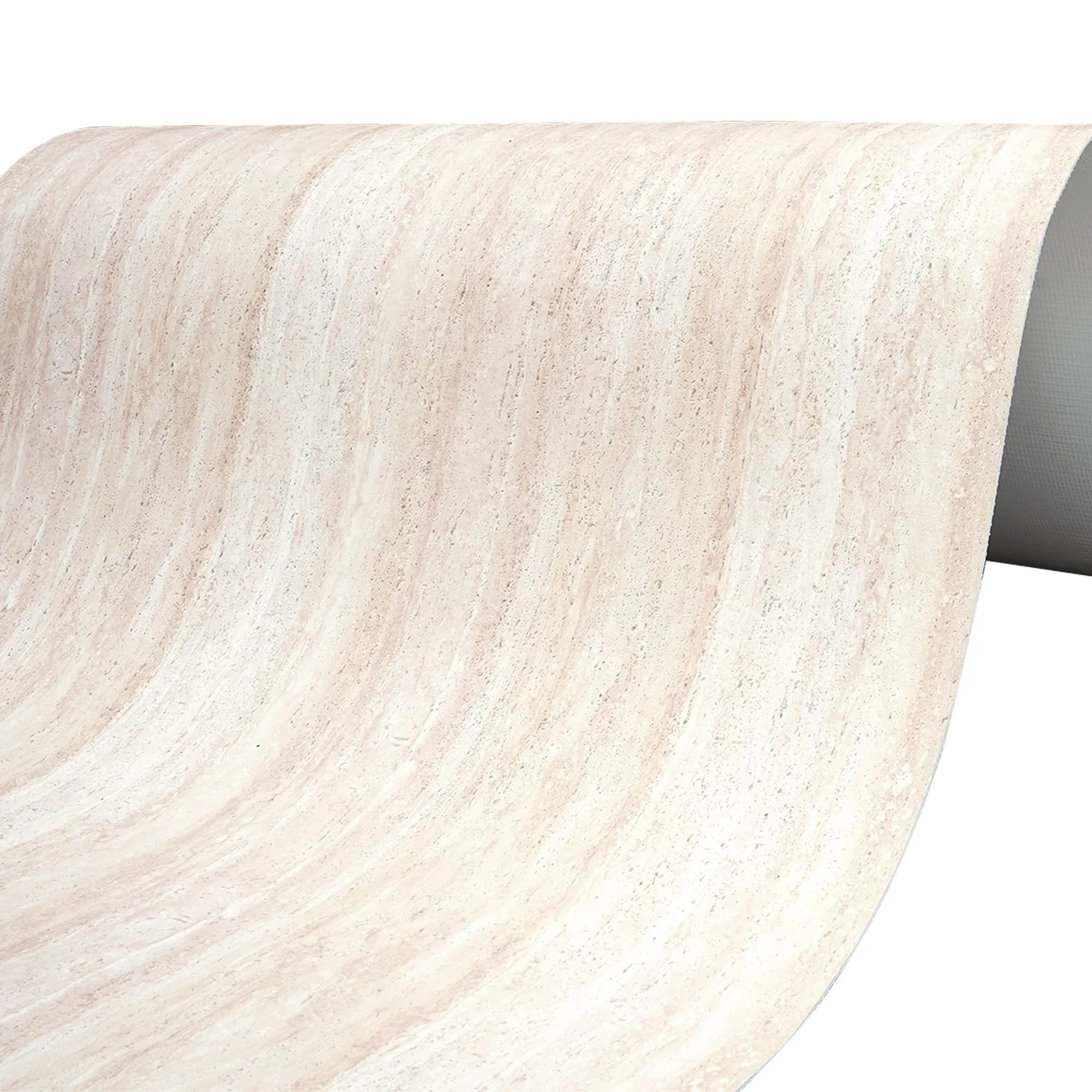
First things first: Let's unpack the jargon. MCM stands for Modified Composite Material, a revolutionary category of cladding that blends natural stone aesthetics with engineered durability. MCM flexible stone is lightweight, thin (often just 3-5mm thick), and surprisingly flexible—think of it as stone with a "give," able to bend slightly without cracking, which is a game-changer for buildings in areas with temperature fluctuations or minor structural movement.
Rona Yellow, a specific variant in this lineup, is inspired by the warm, earthy tones of Mediterranean landscapes. Its soft golden hue, with subtle veining that mimics natural travertine, adds warmth to both modern and traditional designs. But what really sets it apart isn't just its color—it's how it's built. Unlike solid stone or even epoch stone , Rona Yellow MCM is crafted using a layered process: a reinforced fiberglass backing, a mineral-rich core, and a protective topcoat that repels dirt, moisture, and UV rays. This engineering isn't just for show; it's the secret to its low-maintenance superpowers.
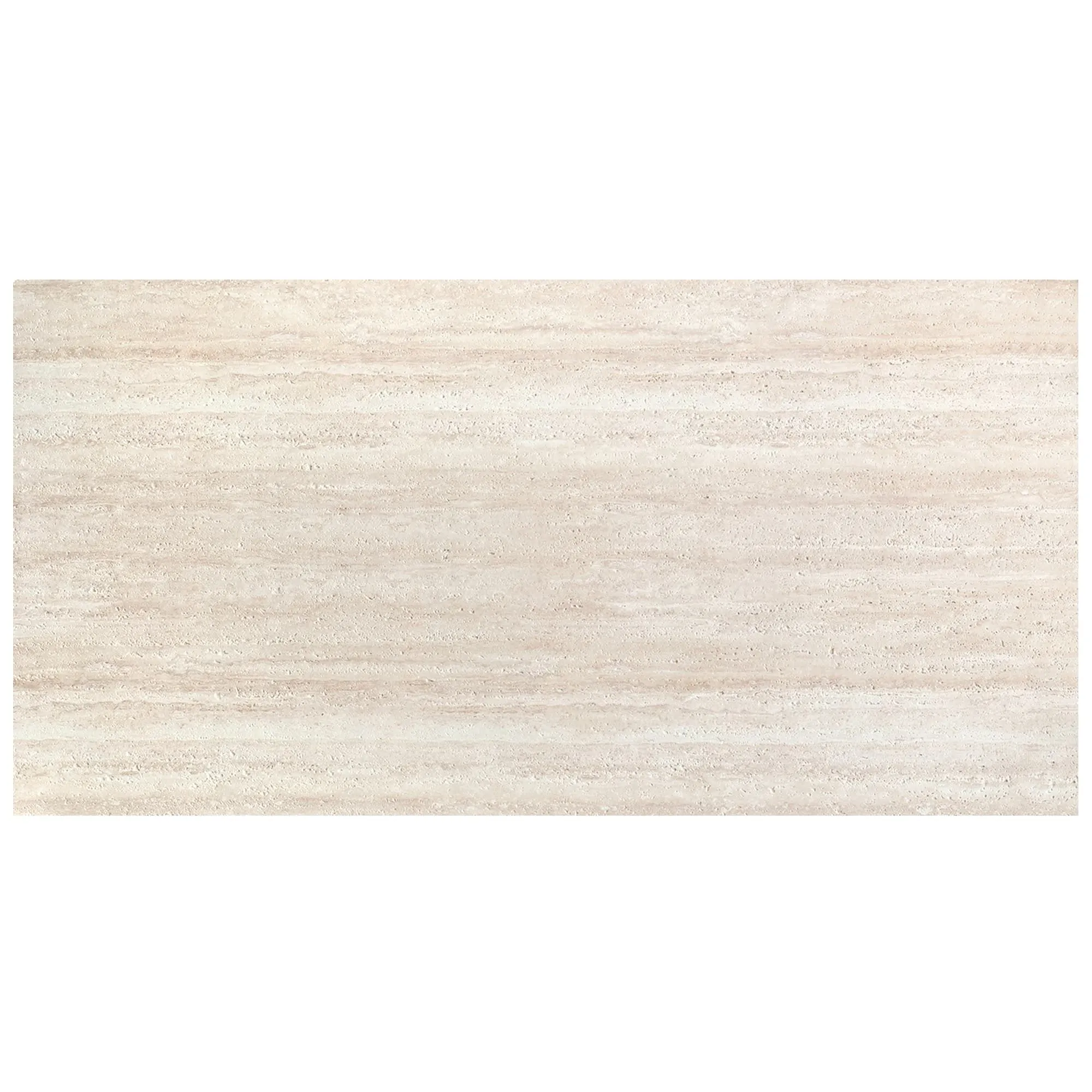
Let's talk numbers—because when it comes to building materials, the upfront price tag is rarely the whole story. A $5-per-square-foot material might seem like a steal until you realize it needs sealing every 6 months ($2/sq ft each time) and replacement after 10 years. Suddenly, that "cheap" option is costing you more than a $10/sq ft material that lasts 30 years with minimal upkeep. Maintenance isn't just about time; it's about cold, hard cash. And when you factor in labor (professional cleaners, repair crews) and the hidden costs of downtime (e.g., closing a storefront for repairs), the stakes get even higher.
Take fair-faced concrete , for example. It's a popular choice for its industrial-chic vibe and low initial cost. But anyone who's maintained it will tell you: Concrete is porous. Without regular sealing (at least once a year), it soaks up rainwater, which freezes in winter and expands, causing cracks. Then there's staining—oil, bird droppings, even leaf tannins can leave permanent marks if not cleaned immediately. And let's not forget fading: Sunlight bleaches concrete over time, turning that crisp gray into a dull, patchy version of its former self. All of this adds up to hours (and dollars) spent on upkeep.
Lime stone (beige) , another common alternative, has its own set of challenges. While its soft, neutral tone works in almost any setting, limestone is even more porous than concrete. It's prone to etching from acidic rain, which leaves pockmarks on the surface, and it stains easily—think red wine spills on a white couch, but on the side of your building. To protect it, you're looking at sealing every 6-12 months, and even then, deep cleaning is a quarterly chore to prevent dirt from embedding itself in the stone's tiny pores.
Rona Yellow MCM, by contrast, was designed to address these pain points. Its engineered topcoat acts like a shield: water beads up and rolls off, dirt can be hosed away with a garden hose, and UV rays bounce off without fading the color. But don't just take my word for it—let's crunch the numbers.
To really see the savings, let's compare Rona Yellow MCM side-by-side with two popular alternatives: fair-faced concrete and lime stone (beige). We'll break down the key maintenance tasks, their frequency, and the associated costs over a 10-year period—a typical timeline for evaluating long-term material performance. All figures are based on industry averages for commercial buildings (residential costs would be similar, though slightly lower due to smaller surface areas).
| Material | Annual Cleaning Cost (per sq ft) | Sealing Frequency | Repair Cost (per 5 years, per sq ft) | Estimated Lifespan | Total 10-Year Maintenance Cost (per sq ft) |
|---|---|---|---|---|---|
| Rona Yellow MCM | $0.50 | Never (topcoat is permanent) | $1.00 (minor chips, rare) | 30+ years | $7.00 |
| Fair-Faced Concrete | $1.20 (pressure washing + mild detergent) | Annually ($2.00/sq ft per seal) | $3.50 (crack filling, patching stains) | 15-20 years | $37.50 |
| Lime Stone (Beige) | $1.80 (gentle cleaning to avoid etching) | Every 6 months ($3.00/sq ft per seal) | $5.00 (stain removal, pockmark repair) | 20-25 years | $71.00 |
Let that sink in: Over 10 years, maintaining a square foot of lime stone (beige) costs 10 times more than Rona Yellow MCM. Even fair-faced concrete, often hailed as a "budget" option, costs over 5 times as much. How does Rona Yellow pull off such low numbers? Let's break down each category.
Rona Yellow MCM's topcoat is non-porous, which means dirt, grime, and even bird droppings sit on top of the surface, not inside it. For most buildings, a quick rinse with a garden hose every 3-4 months is enough to keep it looking fresh. In urban areas with more pollution, a gentle wipe with a soft cloth and mild soap (think dish soap, not industrial cleaner) does the trick. No pressure washers needed, no specialized equipment—just a hose and maybe a sponge. At $0.50 per square foot annually (mostly labor for the occasional wipe-down), it's practically maintenance-free compared to lime stone (beige), which requires professional soft-washing every quarter to avoid etching, costing $1.80/sq ft.
Fair-faced concrete, while sturdier than limestone, still needs regular pressure washing to remove embedded dirt, which can damage the surface over time if done too aggressively. That's why its annual cleaning cost sits at $1.20/sq ft—you're paying for both the service and the risk of needing repairs later.
Sealing is where traditional materials really start to bleed cash. Lime stone (beige) is so porous that it needs sealing every 6 months to prevent staining and water damage. Each seal costs around $3.00 per square foot, and if you skip even one application? You could be looking at permanent discoloration. Over 10 years, that's 20 sealings—$60 per square foot just in sealing alone. Ouch.
Fair-faced concrete fares slightly better, needing sealing once a year at $2.00/sq ft. That's $20 per square foot over a decade—still a far cry from Rona Yellow MCM, which needs no sealing at all . Its factory-applied topcoat is baked into the material during production, creating a barrier that never wears off. No more scheduling sealers, no more worrying about "did we miss a spot?"—just peace of mind.
Even the toughest materials take a beating over time. Hailstorms, accidental impacts, or shifting foundations can lead to cracks, chips, or stains. Here's where Rona Yellow MCM's flexibility and durability shine. Because it's thin and lightweight, individual panels can be replaced easily if damaged—no need to tear out an entire section. A typical repair (replacing one 2x4 ft panel) costs around $50 in materials and labor, which averages out to about $1.00 per square foot every 5 years (assuming minimal damage).
Fair-faced concrete, on the other hand, is prone to cracking in freeze-thaw climates. Patching a crack requires grinding, filling, and resealing, which runs about $3.50 per square foot every 5 years. And lime stone (beige)? Its soft composition means even a minor impact can leave a deep chip, and stains often require professional poultice treatments (think of it as a "stone facial" that costs $5.00/sq ft every 5 years). Over a decade, those repair costs add up fast.
Let's not forget lifespan. Rona Yellow MCM is rated to last 30+ years with proper care (which, as we've established, is minimal). Fair-faced concrete typically lasts 15-20 years before needing resurfacing, and lime stone (beige) can last 20-25 years but often looks worn and faded by year 15. What does that mean for your wallet? If you build with lime stone today, you'll likely be replacing it in 20 years. With Rona Yellow, you'll be enjoying the same fresh look in 2035—and beyond.
Case Study: A 10,000 Sq Ft Office Building
Let's scale this up to a real-world scenario. Imagine a mid-sized office building with 10,000 sq ft of exterior cladding. Using our 10-year maintenance costs from the table:
That's a savings of $305,000 with Rona Yellow vs. concrete, and a staggering $640,000 vs. limestone. For many businesses, that's a new roof, a parking lot repave, or a year's worth of employee bonuses. Suddenly, the slightly higher upfront cost of MCM (typically $12-15/sq ft vs. $8-10/sq ft for concrete) feels like a drop in the bucket.
Money isn't the only currency here—there's also the value of time and stress. Let's say you manage a retail store with a lime stone (beige) facade. Every six months, you're coordinating with a sealing crew, closing off sections of the parking lot, and fielding customer complaints about the "funny smell" from the sealant. After a storm, you're on the phone with a repair company, worried that a single stain could turn customers away. With Rona Yellow MCM? You hose it off after a rainstorm and get back to running your business. No phone calls, no closures, no stress.
Architects, too, benefit from this reliability. When you specify Rona Yellow, you're not just choosing a color—you're choosing a material that will age gracefully, maintaining the design intent for decades. Clients remember that: the architect who recommended a material that didn't become a maintenance headache. It builds trust, and trust builds repeat business.
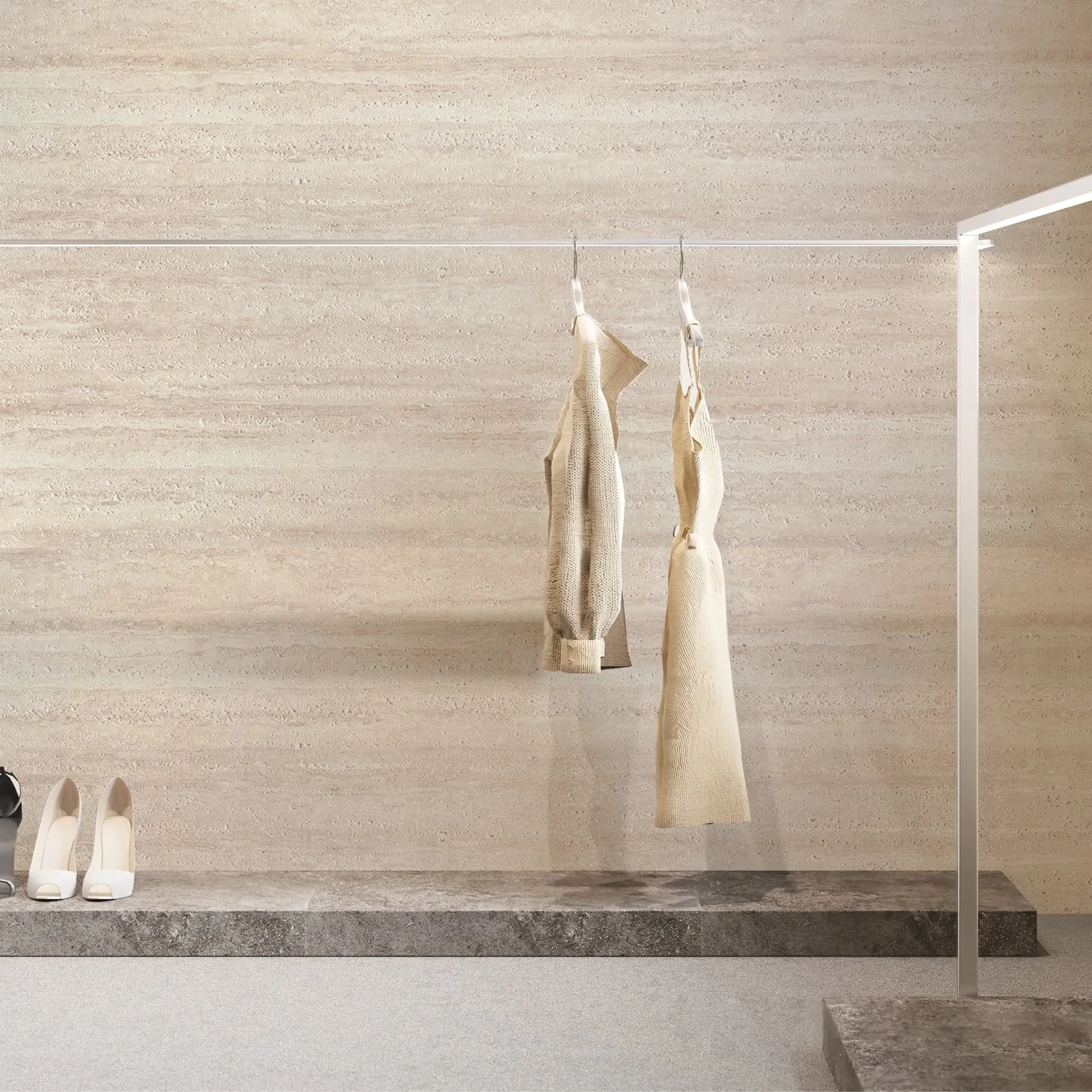
You might be wondering: Is Rona Yellow the only MCM that offers these benefits? Not exactly—most MCM flexible stone products share the same low-maintenance DNA. For example, travertine (vintage silver) or boulder slab (vintage gold) also feature the same protective topcoat and durability. But Rona Yellow has a few unique advantages:
That said, even if Rona Yellow isn't the perfect color for your project, any MCM flexible stone will outperform traditional materials in terms of maintenance. The key takeaway? MCM's engineered design is a paradigm shift for low-upkeep cladding.
Rona Yellow MCM isn't just for office buildings. Its versatility and low maintenance make it ideal for a range of projects:
Homeowners love Rona Yellow for its curb appeal and "set it and forget it" nature. Imagine never having to pressure wash your siding again, or worry about your stone facade looking dull after a few years. In coastal areas, where saltwater can eat away at concrete and limestone, Rona Yellow's moisture resistance is a lifesaver. One homeowner in Florida reported that after Hurricane Ian, their Rona Yellow cladding had zero damage—no cracks, no discoloration—while their neighbor's concrete siding needed $15,000 in repairs.
Retailers thrive on first impressions. A dirty, faded facade can drive customers to competitors. Rona Yellow's consistent color and easy cleaning make it perfect for storefronts. A boutique in Chicago, for example, switched to Rona Yellow MCM five years ago. Their maintenance crew now spends 75% less time on exterior upkeep, freeing up budget for in-store displays and marketing.
Hotels and resorts need materials that can handle heavy foot traffic, poolside splashes, and the occasional stray drink spill. Rona Yellow's stain resistance and durability make it a favorite for lobbies, outdoor patios, and even pool surrounds. A resort in Arizona replaced their limestone pool deck with Rona Yellow MCM and saw a 90% reduction in slip-and-fall claims—thanks to the material's textured surface—and a 60% drop in annual maintenance costs.
When we talk about "cost," we often fixate on the upfront price. But building materials are a long-term relationship, not a one-night stand. Rona Yellow MCM asks for a little more on day one, but it gives back tenfold in the years that follow: fewer bills, less stress, and a facade that ages like fine wine.
Compare that to fair-faced concrete , which starts cheap but nickel-and-dimes you with sealing and repairs. Or lime stone (beige) , which charms you with its natural beauty but leaves you holding the bag for endless maintenance. Rona Yellow doesn't just save you money—it saves you time, hassle, and the regret of choosing a material that couldn't keep up with your life.
So, the next time you're planning a project, ask yourself: "What will this cost me in 5 years? In 10 years?" If the answer makes you wince, it might be time to consider Rona Yellow MCM. After all, the best investments aren't just about what you pay now—they're about what you don't pay later.
In the end, Rona Yellow MCM proves that in building materials, as in life, the best choices are the ones that grow more valuable with time. And isn't that the kind of investment we all wish we could make?
Recommend Products












