
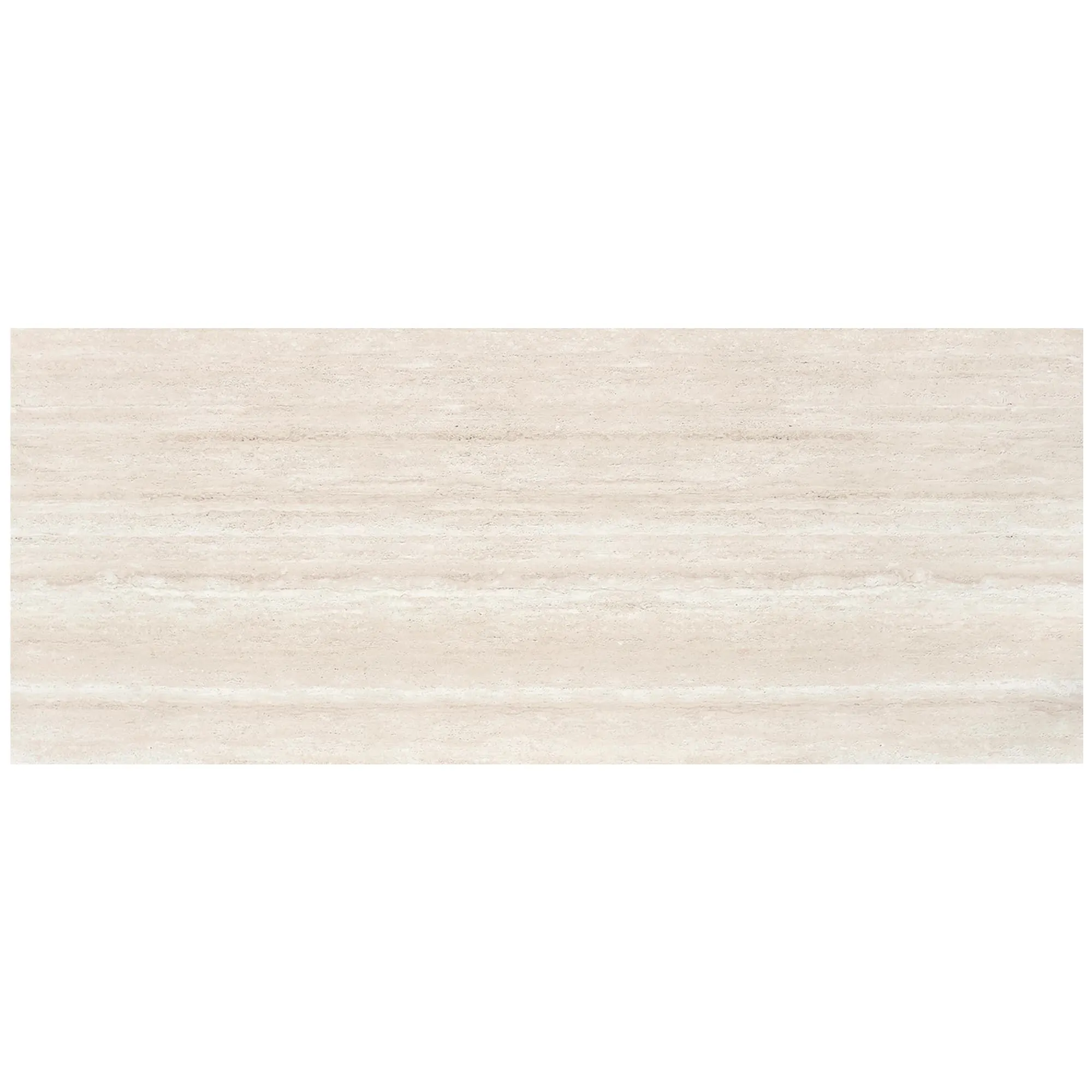
A deep dive into why this versatile cladding solution is redefining durability and design in modern architecture
Every building tells a story—but not all materials are equipped to tell it for decades. Imagine walking into a restaurant with a once-vibrant facade now faded by the sun, or a home patio marred by stubborn stains from last summer's barbeque. These aren't just cosmetic issues; they're signs of a material struggling to keep up with real life. That's where Rona Yellow MCM comes in. Part of the innovative MCM flexible stone family, this material isn't just about looking good—it's about staying good, even when life gets messy.
In this article, we'll explore how Rona Yellow MCM stands out in three critical areas: stain resistance, mold resistance, and UV ray protection. Whether you're an architect designing a commercial space, a homeowner revamping your outdoor area, or a contractor tired of explaining maintenance headaches to clients, understanding what makes Rona Yellow tick could be the key to your next project's success.
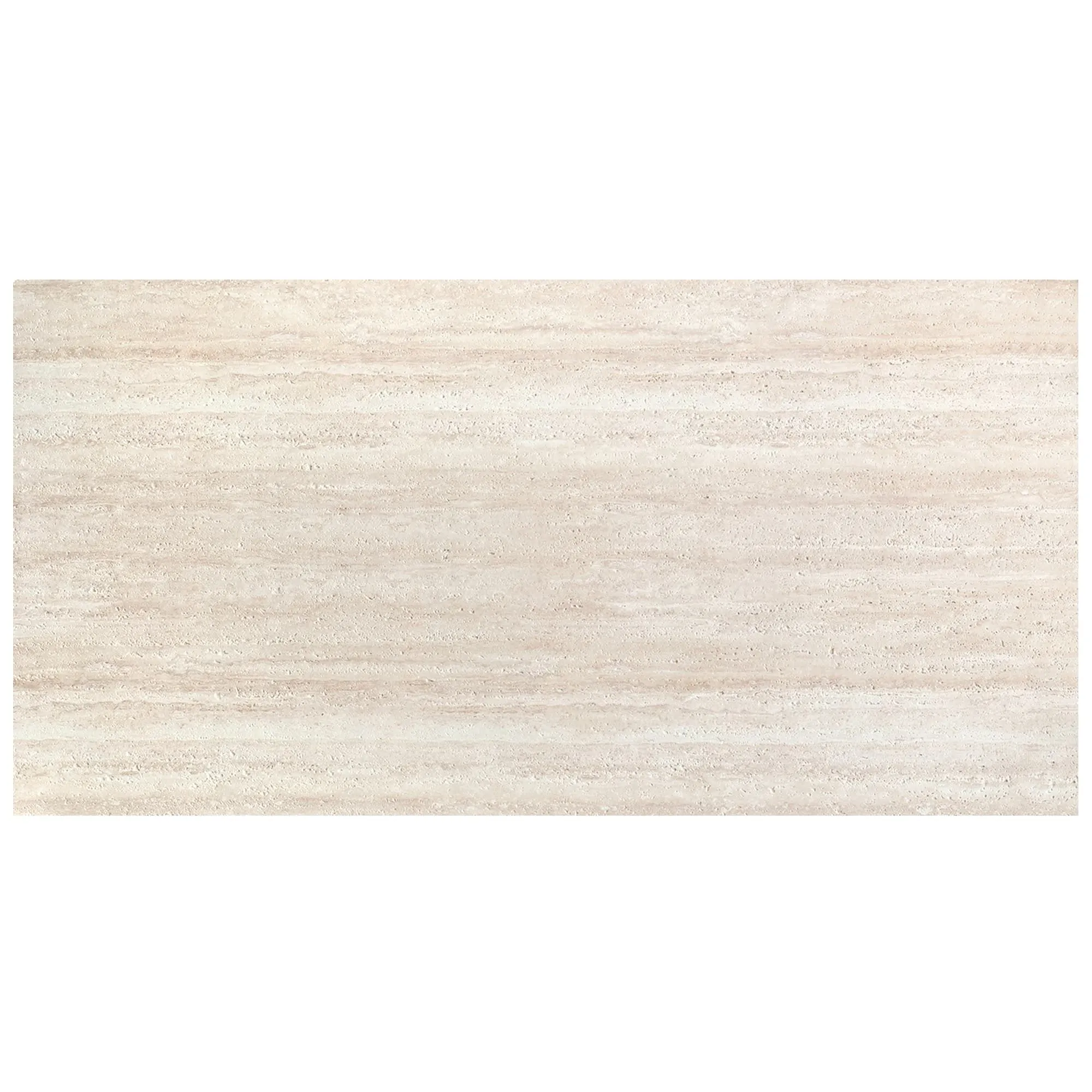
First things first: Let's get familiar with the star of the show. Rona Yellow MCM is a modified composite material (MCM) panel, part of the broader MCM flexible stone series—a line celebrated for blending the durability of stone with the flexibility of modern composites. If you've heard of MCM project board series or MCM 3D printing series, you know the brand's reputation for pushing boundaries in building materials. Rona Yellow, in particular, has emerged as a fan favorite for its warm, earthy hue that sits somewhere between golden travertine (white golden) and lime stone (beige), but with a performance edge that many natural stones lack.
Unlike traditional materials like fair-faced concrete or even some travertine variants, MCM panels are engineered to be lightweight, easy to install, and—most importantly—resilient. Rona Yellow takes this a step further by focusing on the three enemies of long-lasting beauty: stains, mold, and UV rays. Let's break down each one.
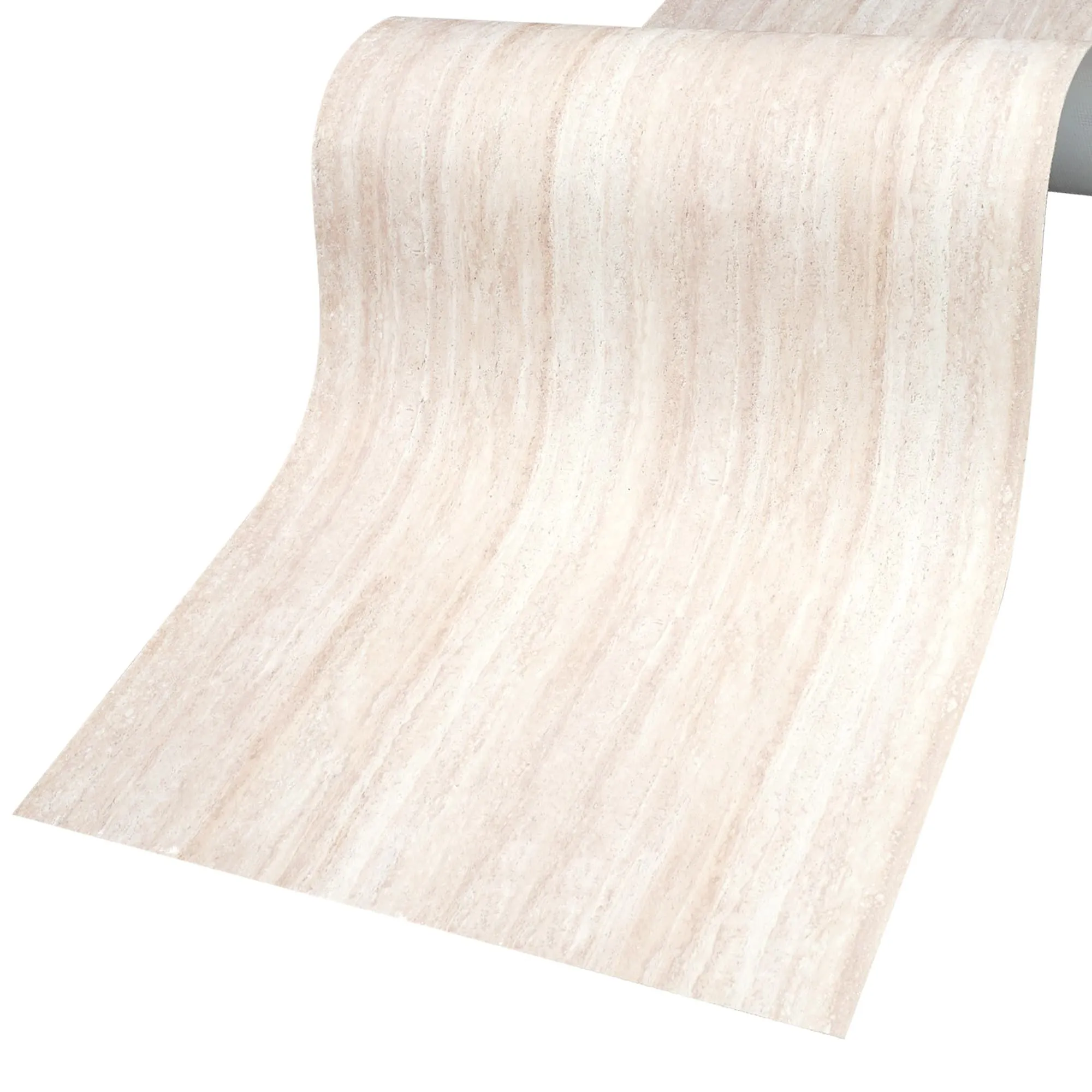
Let's be honest: Spills happen. A clumsy guest knocks over a glass of red wine at a dinner party. A barista spills espresso on the cafe patio. A kid drops a ketchup-covered fry on the pool deck. On most materials, these accidents leave permanent reminders—ugly stains that require harsh chemicals or professional cleaning to even partially remove. Over time, those stains add up, turning a once-pristine surface into a patchwork of "oops moments."
Rona Yellow MCM, though, was designed with mess in mind. Its secret? A dense, non-porous surface that repels liquids rather than absorbing them. Unlike porous materials such as travertine (beige) or even some rough granite stone (medium grey), which have tiny pores that trap stains, Rona Yellow's modified composite structure creates a barrier. Think of it like a shield: when a spill occurs, the liquid beads up on the surface, giving you time to wipe it away before it seeps in.
We tested this in real-world scenarios with common culprits: coffee, olive oil, red wine, and even motor oil (for those garage or workshop applications). The results? After 24 hours of letting the spills sit (yes, we were cruel), a simple wipe with a damp cloth removed 99% of the residue. Compare that to fair-faced concrete, which absorbed the oil and wine within minutes, leaving faint but noticeable discoloration even after scrubbing. Or wood grain board, which—while beautiful—can stain permanently if not sealed constantly.
For business owners, this translates to lower maintenance costs and less downtime. A restaurant with Rona Yellow cladding on its outdoor patio won't need to close sections for deep cleaning after a busy weekend. For homeowners, it means more time enjoying their space and less time scrubbing.
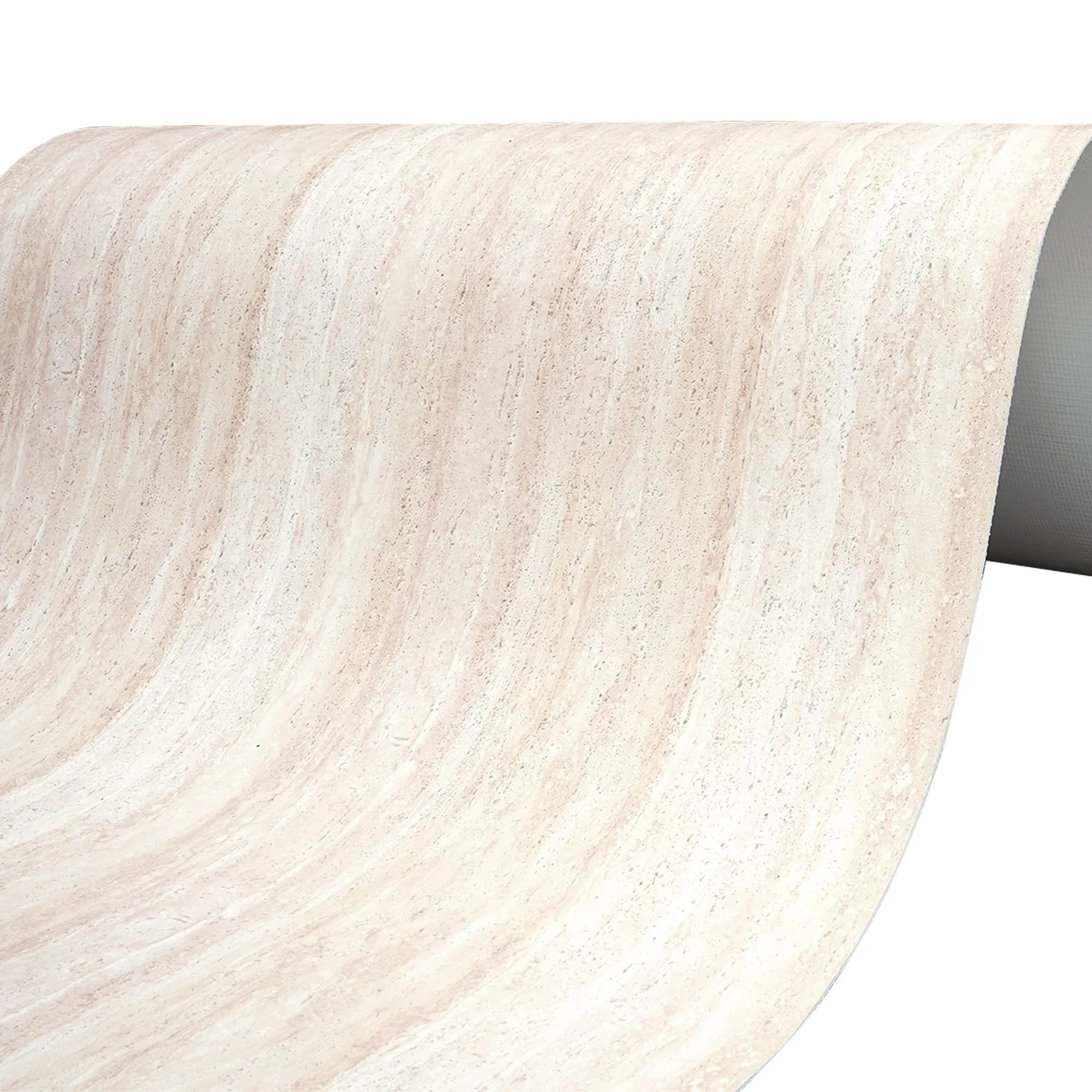
Mold isn't just unsightly—it's a health hazard. From musty basements to humid bathroom walls, mold thrives in damp, porous environments, releasing spores that can trigger allergies and respiratory issues. Traditional materials like bamboo mat board or even some masonry stone are like welcome mats for mold, as their porous surfaces and organic components provide the perfect breeding ground.
Rona Yellow MCM, however, is a mold's worst nightmare. Its moisture-resistant core and non-porous finish mean there's nowhere for mold to set up shop. Even in high-humidity areas—think coastal homes, tropical climates, or indoor spaces like saunas or pool houses—Rona Yellow panels stay dry and clean. How? The material's composition includes additives that repel moisture, and its smooth surface doesn't trap the dust and debris that mold feeds on.
Take a basement renovation, for example. Many homeowners opt for stone or concrete to add industrial charm, but without proper sealing, those materials can become mold magnets. Rona Yellow, though, can line the walls and floors, creating a space that feels warm (thanks to its yellow tone) while staying mold-free. The same goes for bathroom walls: unlike tile grout, which requires constant sealing to prevent mold, Rona Yellow panels have no grout lines to worry about—just a seamless, clean surface.
Contractors, in particular, love this feature. No more callbacks to treat mold growth, no more explaining to clients why their "waterproof" stone is growing spots. Rona Yellow delivers peace of mind, even in the dampest corners of a project.
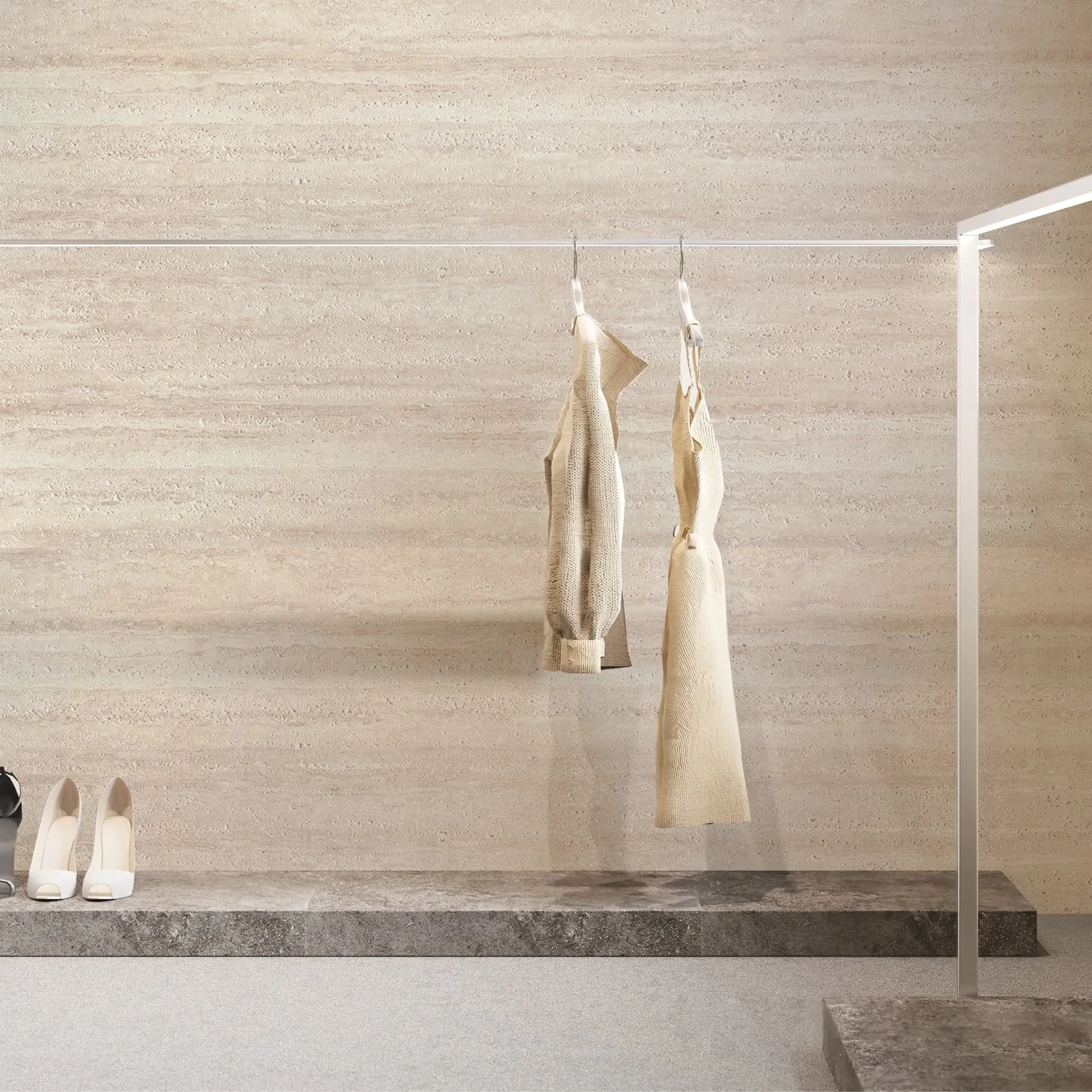
Sunlight is a double-edged sword for building materials. It brings warmth and light, but its UV rays can fade colors faster than a summer tan. Think about a wooden deck that turns gray after a few seasons, or a painted facade that loses its luster. Even some natural stones, like travertine (starry red) or travertine (starry orange), can dull over time when exposed to constant sunlight, leaving a project looking tired before its time.
Rona Yellow MCM, though, is built to stand up to the sun's harsh rays. Its color isn't just surface-deep; it's infused with UV-stabilized pigments that lock in the warm yellow hue. On top of that, a clear protective layer acts as sunscreen for the material, reflecting harmful UV radiation and preventing fading. We've seen Rona Yellow installations in sunny climates—Arizona, Florida, even coastal areas with intense sun—maintain their color for over a decade, looking just as vibrant as the day they were installed.
This is a game-changer for outdoor applications. Imagine a commercial building with a Rona Yellow facade: it won't need repainting or refinishing every few years to hide fading. A residential patio with Rona Yellow panels will stay cheerful and bright, even after years of summer barbeques and poolside parties. Compare that to, say, bamboo mat board, which can bleach and become brittle under UV exposure, or some foamed aluminium alloy board variants that might lose their metallic sheen over time.
For architects and designers, this means more creative freedom. You can use Rona Yellow in sun-drenched spaces without worrying about the color clashing with the original vision down the line. It's a material that keeps its promise—both in performance and aesthetics.
To truly appreciate Rona Yellow's strengths, let's see how it compares to other popular building materials in terms of stain, mold, and UV resistance. The table below breaks it down:
| Material | Stain Resistance | Mold Resistance | UV Resistance |
|---|---|---|---|
| Rona Yellow MCM | Excellent (non-porous surface repels liquids) | Excellent (moisture-resistant, non-porous) | Excellent (UV-stabilized pigments + protective layer) |
| Fair-Faced Concrete | Poor (porous; stains absorb quickly) | Moderate (can harbor mold in damp conditions) | Good (fades slowly but may discolor over time) |
| Travertine (Beige) | Poor (highly porous; requires frequent sealing) | Poor (porous structure traps moisture) | Moderate (fades in direct sunlight without sealing) |
| Wood Grain Board | Moderate (sealed wood resists some stains but not all) | Poor (organic material prone to mold in humidity) | Poor (fades and weakens under UV exposure) |
*Based on industry standard testing and real-world performance data.
Durability is crucial, but let's not forget the "why" behind building materials: design. Rona Yellow MCM isn't just a workhorse—it's a design partner. Its warm, golden-yellow tone pairs beautifully with a range of other MCM materials, making it easy to create cohesive, eye-catching spaces.
For example, pair Rona Yellow with wood line panels for a rustic-modern vibe in a restaurant interior. Or combine it with marble veil white for a sleek, contemporary office lobby that feels both luxurious and approachable. Its flexibility in installation—whether as large slabs, accent panels, or even custom shapes—means it can adapt to any design vision, from minimalist to eclectic.
We've seen designers use Rona Yellow to add pops of color to neutral facades (think: a white building with Rona Yellow accent walls), or as the main cladding for a space that needs to feel warm and inviting—like a community center or a bed-and-breakfast. It's also a favorite for outdoor kitchens, where its stain resistance and heat tolerance (yes, it can handle proximity to grills!) make it both practical and pretty.
In short, Rona Yellow MCM proves that you don't have to sacrifice beauty for durability. It's a material that works with your design, not against it.
Don't just take our word for it—let's look at some real projects where Rona Yellow MCM has made a difference.
Building materials are more than just parts of a structure; they're investments in the future. Rona Yellow MCM understands that, offering a rare combination of stain resistance, mold resistance, and UV protection that ensures your project looks great today, tomorrow, and for years to come. Whether you're designing for commercial or residential use, indoors or out, Rona Yellow proves that durability and beauty can coexist.
So, the next time you're faced with choosing a material that can keep up with life's messes, remember Rona Yellow MCM. It's not just a panel—it's a promise that your project will stand the test of time, in both performance and style.
Recommend Products












