
How a Revolutionary Material is Reshaping the Buildings We Live, Work, and Thrive In
Walk down any street, and you'll notice them: the buildings that shape our daily lives. From the home where you wake up to the office where you collaborate, the cafes where you laugh with friends, and the schools where future generations learn—these structures aren't just bricks and mortar. They're the backdrop to our memories, the spaces that influence our moods, and increasingly, a reflection of our commitment to the planet. In recent years, there's been a quiet revolution happening in the construction industry, one that's less about flashy skyscrapers and more about something far more vital: sustainability.
We've all heard the stats: the construction sector accounts for nearly 40% of global carbon emissions, from the extraction of raw materials to the energy used in manufacturing and transportation. Traditional building materials like concrete and natural stone, while durable, often come with a heavy environmental price tag—deforestation, quarrying that scars landscapes, and a carbon footprint that lingers for decades. But here's the good news: innovators in the field are reimagining what building materials can be. Enter Rona Yellow MCM, a material that's not just changing the game but rewriting the rules entirely. Let's dive into why this unassuming yet remarkable material might just be the key to building a future where our structures support both people and the planet.
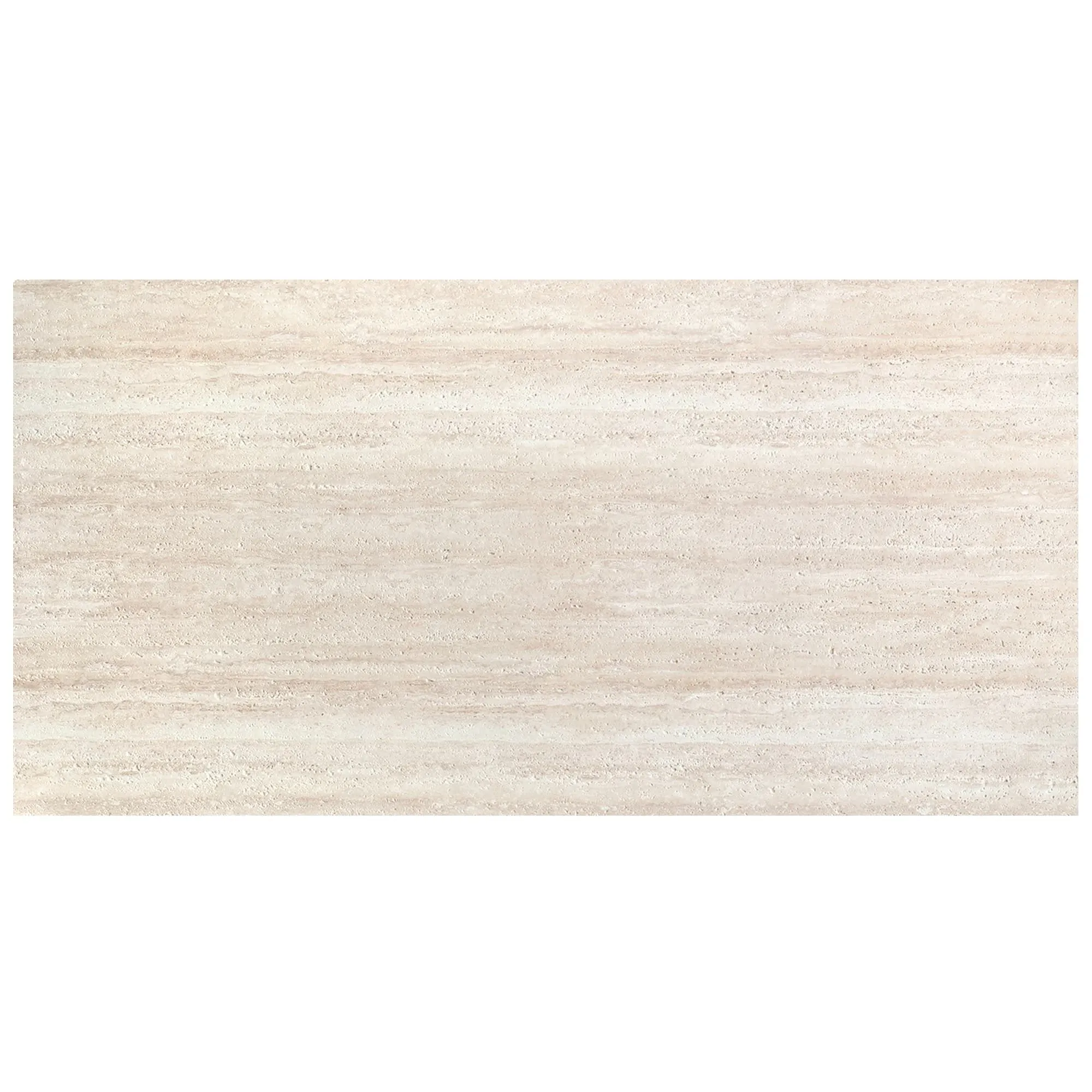
First things first: let's demystify the acronym. MCM stands for Modified Composite Material, a category of building materials designed to combine the best of nature and technology. Unlike traditional materials that rely solely on raw resources, MCMs are engineered to be lightweight, durable, and—most importantly—eco-friendly. And Rona Yellow MCM? It's the star of the show, a specific variant that's turning heads for its unique blend of sustainability, versatility, and striking aesthetic.
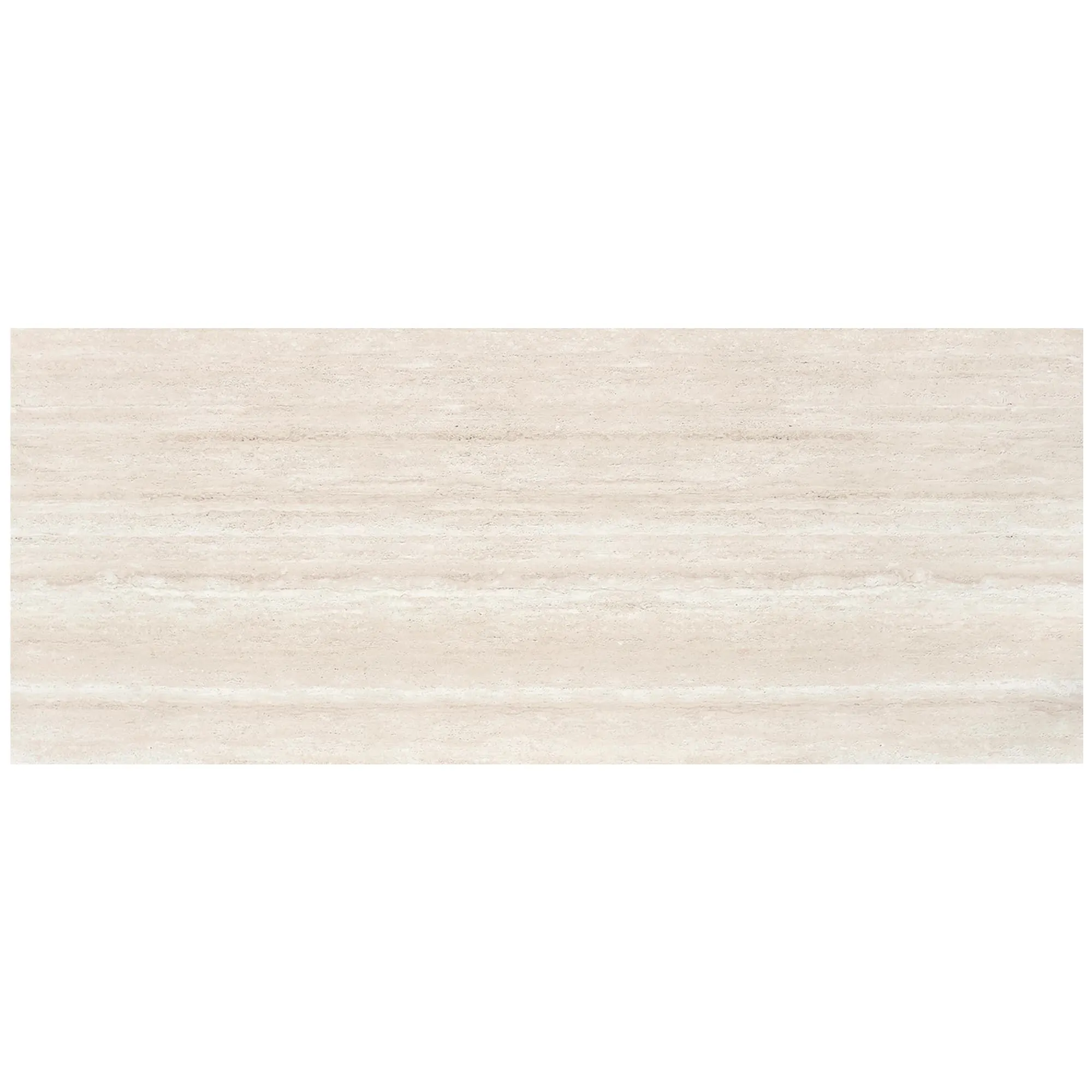
Picture this: a material that looks like warm, sunlit stone, with subtle golden undertones that shift with the light—hence the "Yellow" in its name. But Rona Yellow MCM isn't just pretty to look at. At its core, it's a composite made from recycled minerals, plant-based binders, and a proprietary blend of additives that enhance its strength without compromising on sustainability. The result? A material that's 30% lighter than traditional natural stone, 50% more energy-efficient to produce, and 100% recyclable at the end of its lifecycle. That's a game-changer for builders, architects, and homeowners who want their projects to leave a smaller footprint.
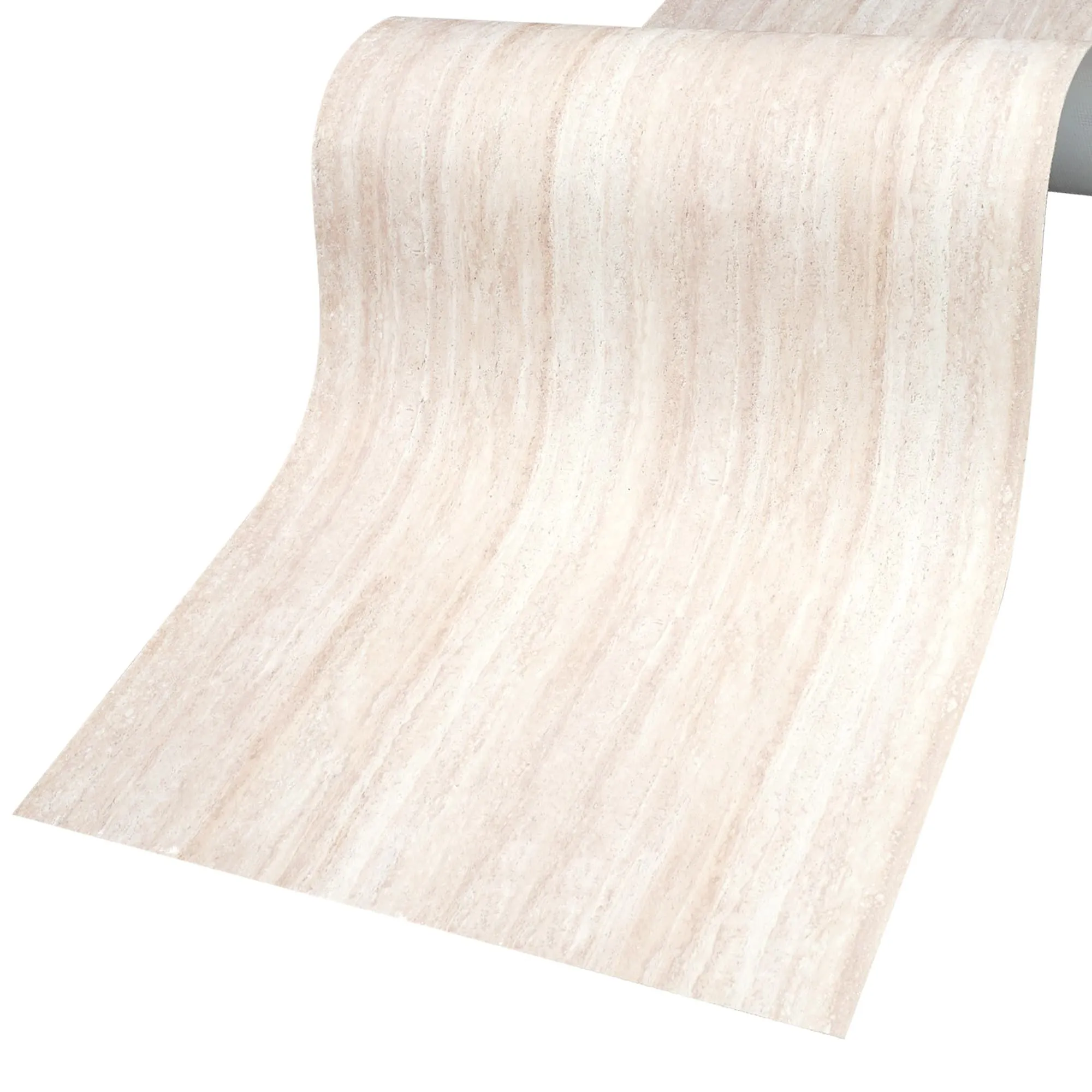
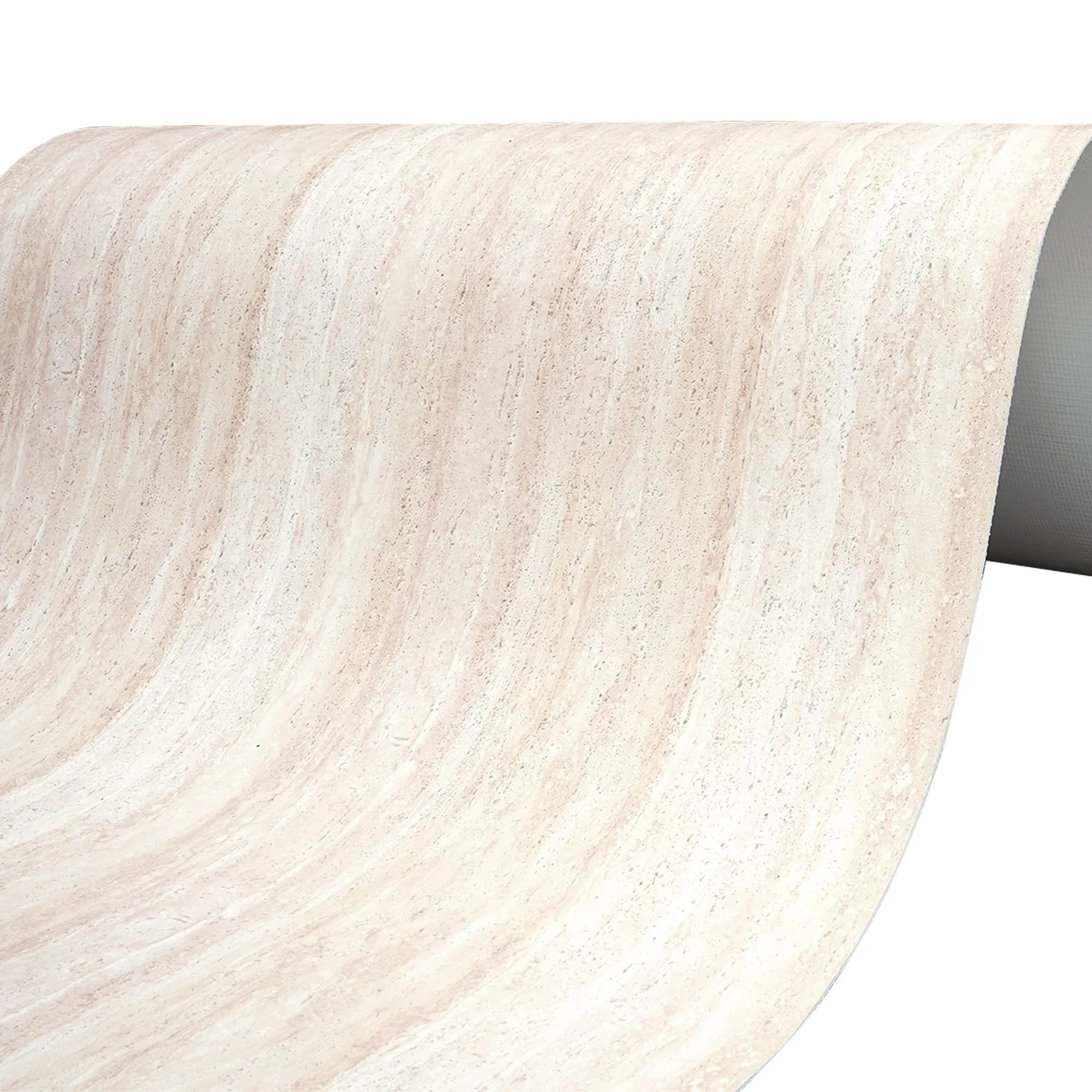
But what really sets Rona Yellow MCM apart is its adaptability. Unlike rigid natural stone, which can crack under stress or require heavy machinery to install, Rona Yellow MCM is flexible enough to be curved, cut, or shaped into almost any design. Want a feature wall with flowing, organic lines? Done. Dream of a rooftop patio that mimics the look of sun-bleached sandstone without the weight? Consider it handled. This flexibility isn't just about aesthetics—it also reduces waste during installation, since cuts and shaping generate minimal scraps, and those scraps can be repurposed into new MCM panels. It's a closed-loop system that aligns with the circular economy principles we all need to embrace.
Sustainability in construction isn't just a buzzword—it's a commitment to reducing harm at every stage, from production to disposal. Rona Yellow MCM takes this commitment seriously, starting with its raw materials. Traditional stone extraction often involves blasting quarries, which disrupts ecosystems and releases harmful particulates into the air. Rona Yellow MCM, by contrast, uses 80% recycled content, including post-industrial mineral waste from other manufacturing processes and recycled glass. This not only keeps waste out of landfills but also reduces the need for new mining—a win for both the planet and local communities affected by quarrying.
Then there's the manufacturing process. Unlike fired clay bricks or cement, which require high temperatures (and thus massive energy use), Rona Yellow MCM is cured using low-temperature processes that cut energy consumption by up to 60%. Even better, the factories that produce it run on renewable energy—solar panels and wind turbines power the mixers, presses, and curing ovens, ensuring that the carbon footprint stays minimal. And because MCM panels are lightweight, transporting them uses less fuel than hauling heavy stone or concrete slabs, further slashing emissions during delivery.
But perhaps the most impressive part? Rona Yellow MCM's longevity. Sustainable materials shouldn't just be eco-friendly to make—they should last. Traditional paint chips, concrete cracks, and stone erodes over time, leading to frequent repairs and replacements that generate more waste. Rona Yellow MCM, though, is designed to stand the test of time. It's resistant to water, UV rays, and even extreme temperatures, meaning it won't fade, warp, or degrade in harsh weather. In fact, manufacturers estimate a lifespan of 50+ years with minimal maintenance—no repainting, no sealing, just an occasional wash with soap and water. That's decades of beauty without the environmental cost of constant upkeep.
To truly understand why Rona Yellow MCM is a game-changer, let's put it side by side with some traditional and even other "sustainable" building materials. Take fair-faced concrete, for example—a popular choice for its raw, industrial look. While it's durable, fair-faced concrete requires large amounts of cement, a material responsible for about 8% of global CO2 emissions. It's also heavy, making it costly to transport and install, and prone to cracking if not properly reinforced. Then there's natural travertine, a stone prized for its unique veining. Quarrying travertine can deplete natural resources, and its porous nature means it needs regular sealing to prevent staining—adding to its long-term environmental impact.
Let's break it down in a table to see how Rona Yellow MCM compares:
| Material | Sustainability | Durability | Aesthetics | Cost-Effectiveness |
|---|---|---|---|---|
| Rona Yellow MCM | 80% recycled content, low-carbon manufacturing, 100% recyclable | 50+ year lifespan, UV/water/heat resistant | Customizable colors/textures, warm yellow tones, flexible design | Lower transport costs, minimal maintenance, long-term savings |
| Fair-Faced Concrete | High cement usage (high CO2), limited recyclability | Durable but prone to cracking, requires sealing | Raw, industrial look (limited color options) | High transport/installation costs, potential repair expenses |
| Natural Travertine | Quarrying depletes resources, high water usage in processing | Prone to staining, requires regular sealing | Unique veining, natural stone appearance | Expensive upfront, ongoing maintenance costs |
As you can see, Rona Yellow MCM outperforms traditional materials across the board. It's more sustainable, just as durable (if not more), offers greater design flexibility, and saves money in the long run. But it's not the only MCM innovation making waves. The MCM family includes other standout products that complement Rona Yellow, like foamed aluminium alloy board in vintage gold—a lightweight, metallic option that adds a touch of luxury to facades and interiors. Unlike solid aluminium, which requires energy-intensive mining, foamed aluminium alloy uses recycled aluminium and a foaming agent to create a material that's 70% lighter yet still strong enough for structural use. Its vintage gold finish adds warmth without the need for toxic paints, making it a favorite for eco-conscious designers aiming for a blend of modernity and elegance.
Then there's MCM flexible stone, a sibling product that takes adaptability to the next level. Imagine wrapping a column in stone that bends like fabric, or creating a feature wall with undulating waves—all without the weight or waste of traditional stone. MCM flexible stone is made from the same eco-friendly composites as Rona Yellow MCM but with a thinner, more pliable structure, making it perfect for curved surfaces or intricate designs. Together, these materials show that sustainability doesn't have to mean sacrificing style or functionality.
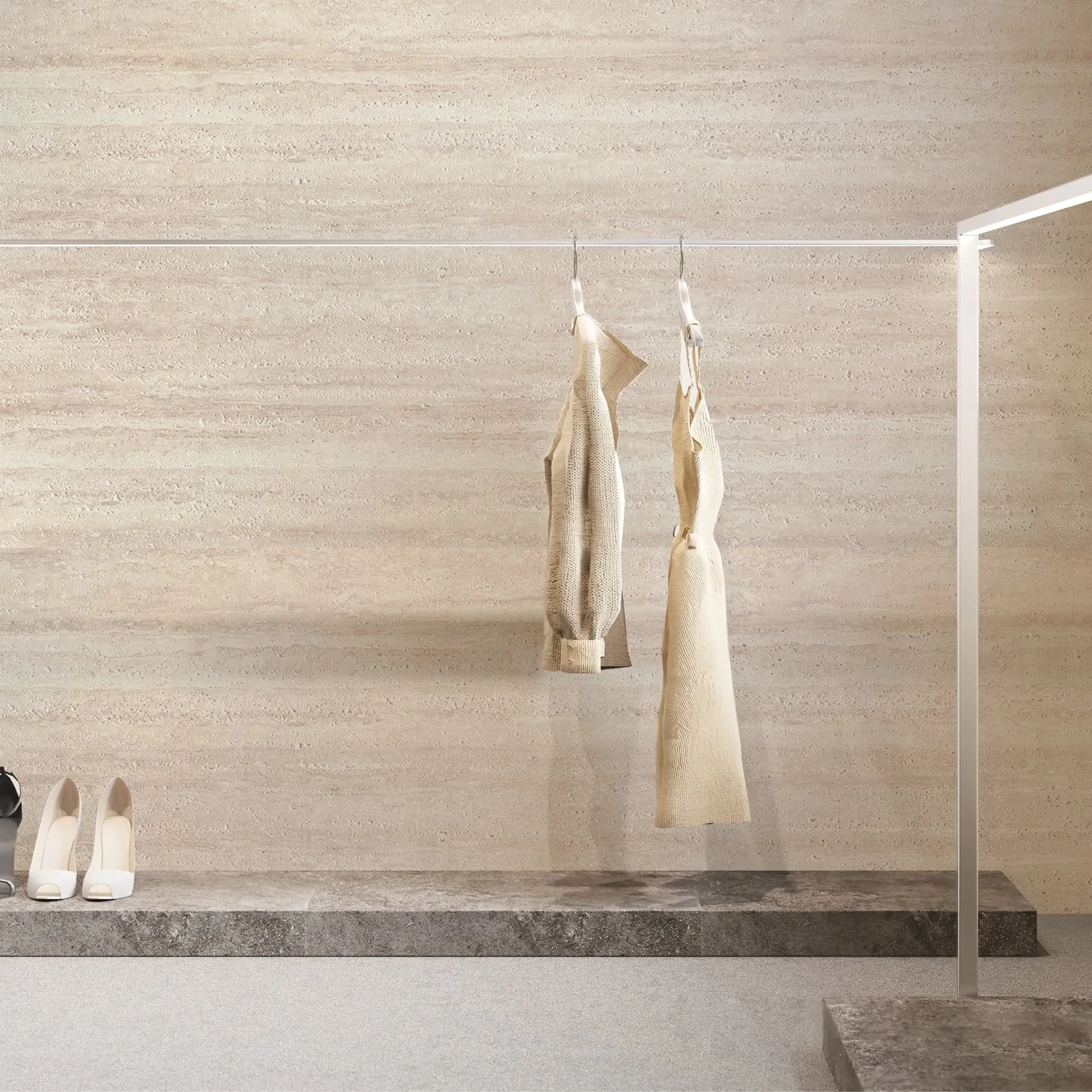
Enough talk—let's get to the fun part: seeing Rona Yellow MCM in action. From residential homes to commercial spaces, this material is proving its versatility in ways that surprise even the most seasoned architects. Take the "Sunnybank Residences" in Portland, Oregon, a 12-unit apartment complex that opened in 2024. The developers wanted a warm, inviting exterior that would stand out in the city's gray landscape without relying on resource-heavy materials. They chose Rona Yellow MCM for the facade, pairing its golden tones with large windows to maximize natural light. The result? A building that feels like a ray of sunshine on cloudy days, with residents reporting higher mood levels and lower energy bills (thanks to the material's insulating properties).
Then there's "The Hive," a community center in Austin, Texas, designed to be a hub for local events and workshops. The architects wanted a space that felt both modern and rooted in nature, so they used Rona Yellow MCM for the interior walls and ceiling panels. The material's soft, diffused yellow glow creates a cozy atmosphere during evening gatherings, while its durability stands up to the wear and tear of daily foot traffic. "We didn't want a space that would look worn out in five years," says lead architect Maria Gonzalez. "Rona Yellow MCM checked all the boxes—sustainable, beautiful, and tough enough for a busy community center."
But it's not just large-scale projects. Homeowners are falling in love with Rona Yellow MCM too. Take Sarah and James, a couple in Boulder, Colorado, who renovated their 1970s home with the material. "We wanted to update our living room without tearing down walls or using materials that would hurt the environment," Sarah explains. "We used Rona Yellow MCM for a feature wall behind our fireplace, and it's become the focal point of the house. Guests always comment on how warm and inviting it feels, and we love knowing it's made from recycled materials."
And let's not forget commercial exteriors. Fast-casual restaurant chain "Harvest & Hearth" recently rolled out a new store design using Rona Yellow MCM for its exterior cladding. The warm yellow panels signal a welcoming, earthy brand identity, while the material's resistance to weather means the restaurants look fresh year-round—even in rainy Seattle or snowy Chicago. "Our customers notice the difference," says brand manager Tyler Kim. "They ask about the material, and when we tell them it's sustainable, it reinforces our commitment to both great food and a great planet."
So, why is Rona Yellow MCM the future of sustainable construction? It's simple: it addresses the three biggest challenges facing the industry today—environmental impact, design flexibility, and long-term value. As more governments and cities implement stricter sustainability regulations (like net-zero building codes), materials like Rona Yellow MCM will no longer be a "nice-to-have" but a "must-have." Builders who adopt these materials early will not only comply with regulations but also appeal to a growing market of eco-conscious consumers and businesses.
But beyond compliance, Rona Yellow MCM represents a shift in mindset. It's a reminder that sustainability and beauty don't have to be enemies. That we can build structures that inspire us, that feel like home, without sacrificing the health of the planet. It's about creating spaces that serve us now and protect the earth for future generations. And with innovations like foamed aluminium alloy board in vintage gold (which adds a touch of luxury to sustainable builds) and MCM flexible stone (which lets architects dream bigger), the MCM family is only going to grow more versatile.
Think about it: a world where every new building contributes to a healthier planet, not a damaged one. Where the materials used to construct our schools, hospitals, and homes are as kind to the earth as they are to the people who use them. That's the world Rona Yellow MCM is helping to build. It's not just a material; it's a promise—a promise that the future of construction can be both sustainable and stunning. And that, perhaps, is the most exciting part of all.
At the end of the day, buildings are more than just structures—they're part of our legacy. The choices we make today about what we build with will shape the world our children and grandchildren inherit. Rona Yellow MCM isn't just a step forward for sustainable construction; it's a leap toward a future where our built environment works with nature, not against it. It's durable, beautiful, and kind to the planet—three qualities that should be non-negotiable in every building material.
So whether you're an architect designing the next landmark, a developer looking to reduce your carbon footprint, or a homeowner dreaming of a renovation, consider Rona Yellow MCM. It's not just the future of construction—it's the future we deserve. And isn't that a future worth building?
Recommend Products












