
Let's start with a scenario we've all lived through: You're knee-deep in a renovation, scrolling through endless material samples, and suddenly you hit a wall—literally. The countertop you picked looks perfect, but halfway through installation, you realize it's too thin to handle the daily chaos of your kitchen. Or that exterior cladding? It warped in the first storm because you skimped on thickness. Sound familiar? When it comes to building materials, thickness isn't just a number—it's the unsung hero that balances durability, functionality, and design. And if you're eyeing Rona Yellow MCM (Modified Composite Material) for your next project, getting the thickness right is key. Let's break down why, and how to choose like a pro.
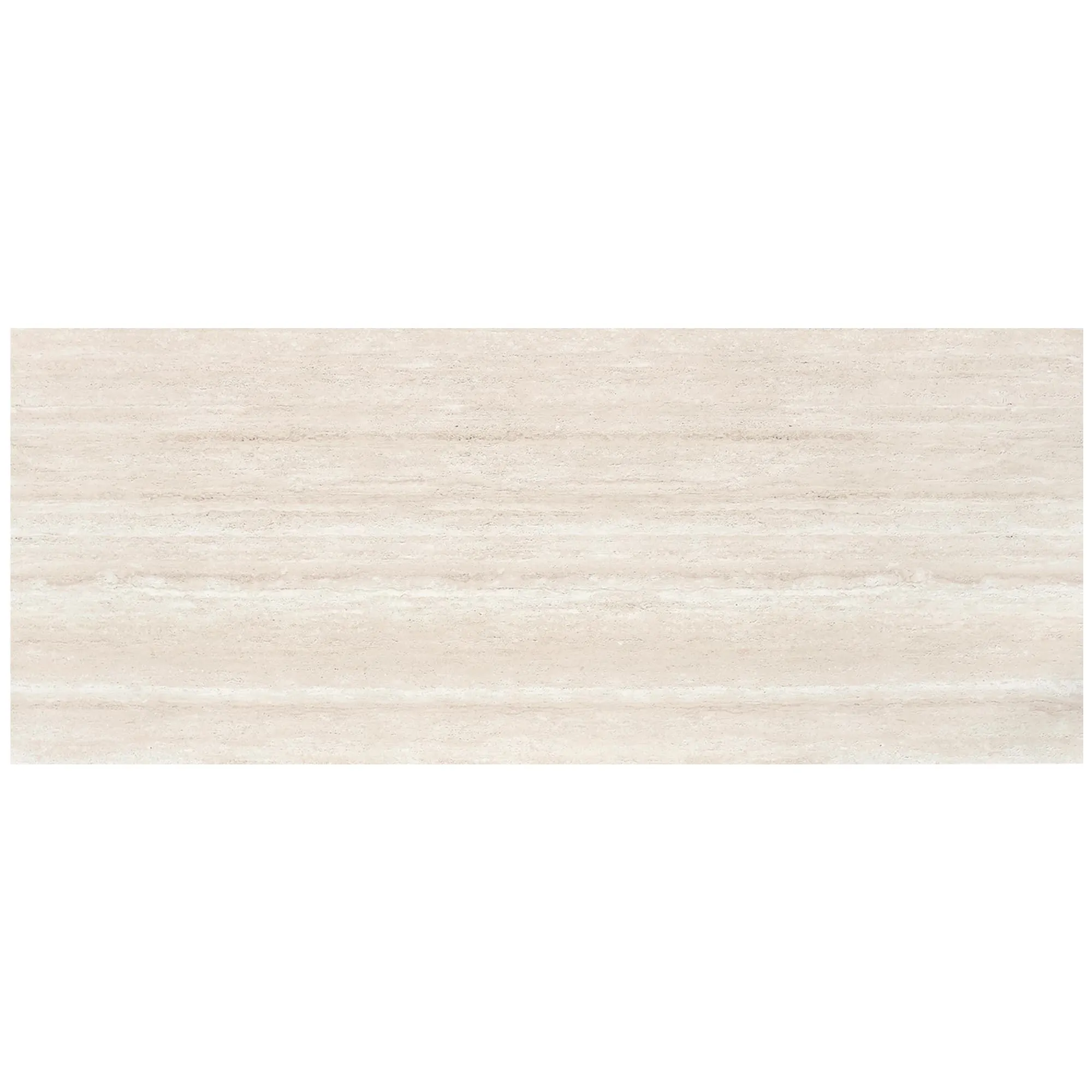
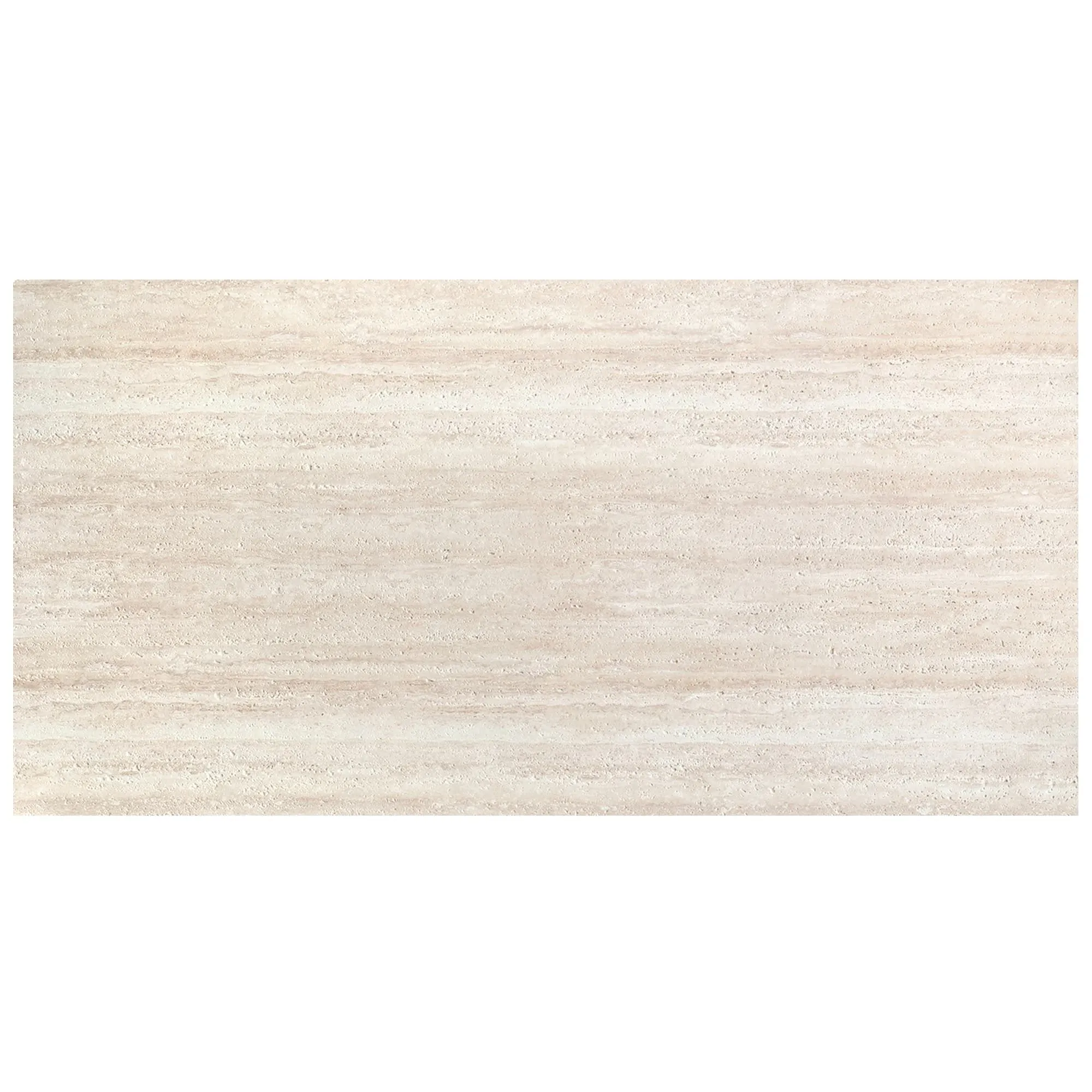
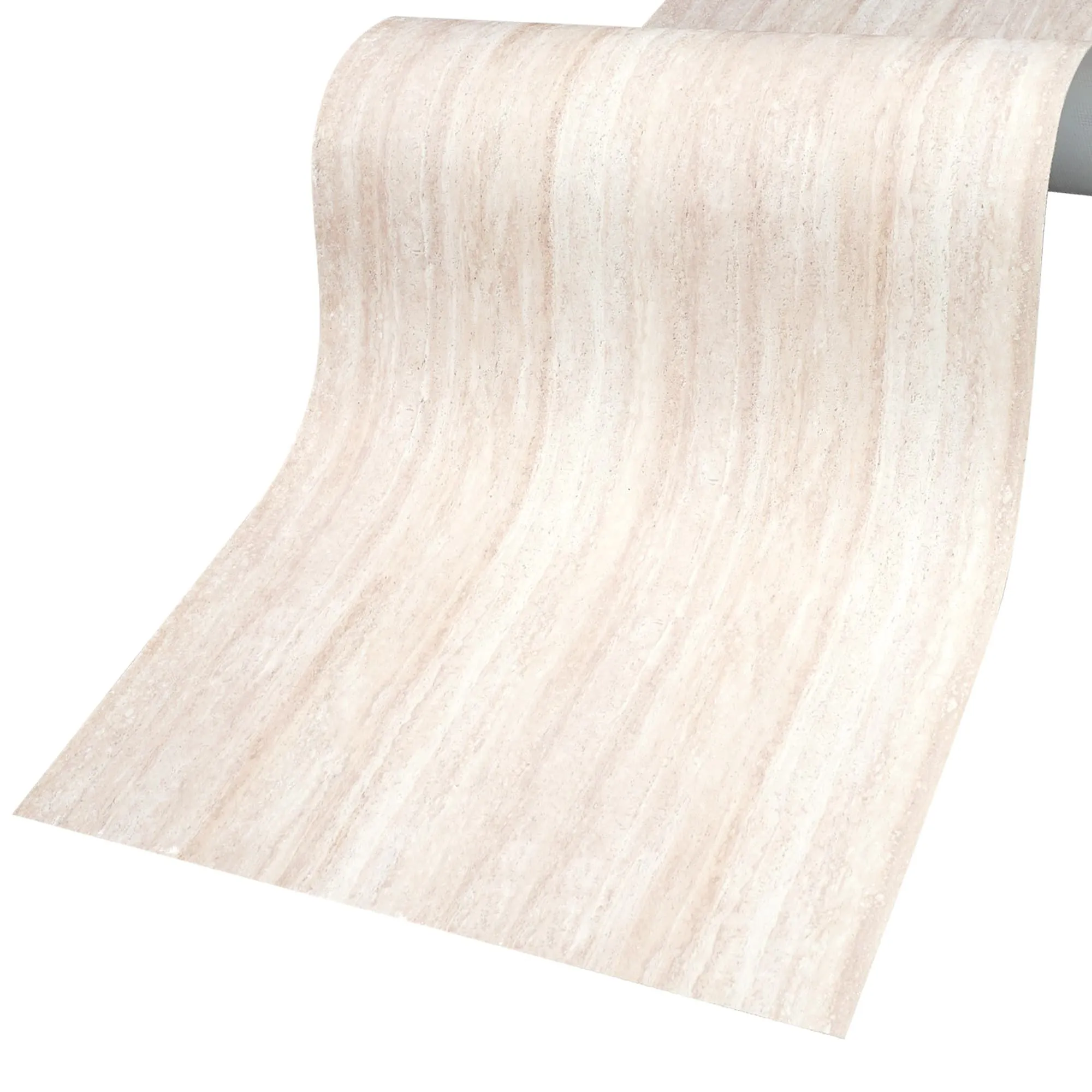
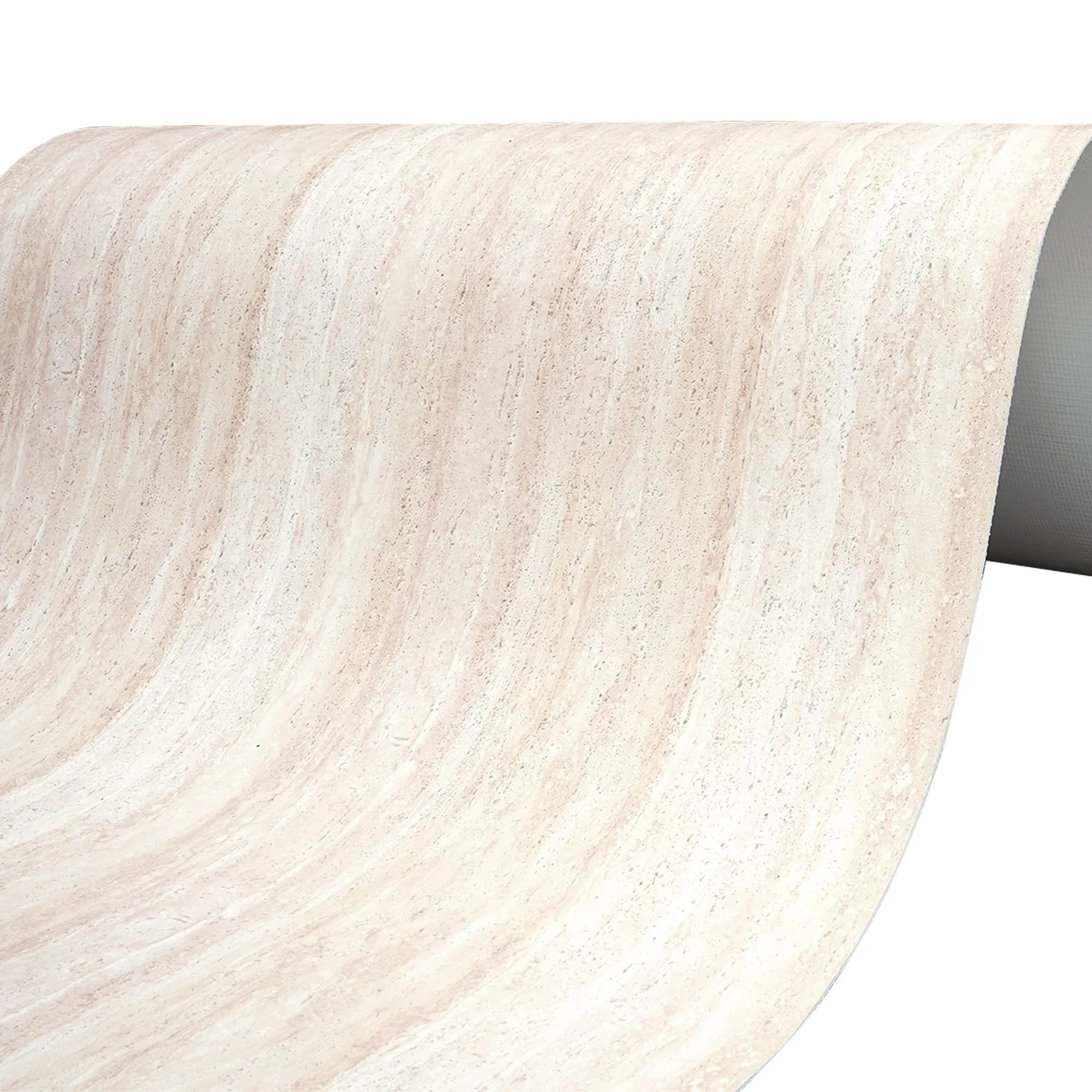
Before we dive into thickness, let's get clear on what makes Rona Yellow MCM stand out. Part of the broader MCM flexible stone family, Rona Yellow is a engineered material that blends the natural warmth of stone with the practicality of modern composites. Picture this: the rich, earthy hue of sunlit sandstone, but with the flexibility to bend around curves, the lightness to reduce structural load, and the durability to withstand rain, snow, and even the occasional coffee spill. It's not just a pretty face—it's a workhorse. And when paired with options like the MCM big slab board series , it becomes a go-to for designers aiming to make a statement without sacrificing performance.
Rona Yellow MCM comes in four primary thicknesses, each tailored to specific needs. Think of them as tools in your design toolbox—you wouldn't use a sledgehammer to hang a picture, right? Let's map out what each thickness brings to the table.
| Thickness | Best For | Key Benefits | Things to Note |
|---|---|---|---|
| 3mm | Interior accent walls, backsplashes, furniture panels, lightweight signage | Ultra-lightweight, easy to cut/shape, ideal for tight spaces or curved surfaces | Not recommended for high-impact areas; requires a smooth, stable substrate |
| 6mm | Residential flooring, kitchen countertops, exterior soffits, retail display walls | Balances durability and flexibility; works indoors/outdoors (mild climates) | Suitable for moderate foot traffic; may need additional support for large spans |
| 10mm | Commercial lobbies, exterior cladding (mid-rise buildings), pool surrounds, high-traffic corridors | High impact resistance; withstands harsh weather (rain, UV, temperature swings) | Heavier than 3mm/6mm; requires professional installation for exterior use |
| 15mm | Industrial facilities, exterior facades (high-rise), pedestrian walkways, heavy-duty countertops | Maximum durability; structural stability for large-scale MCM big slab board series projects | Heaviest option; requires structural assessment before installation |
Here's the thing: Thickness isn't just about "toughness." It affects everything from how the material feels underfoot to how it interacts with your building's structure. Let's say you're designing a cozy café with an industrial-chic vibe. You might lean toward fair-faced concrete for the floors, but Rona Yellow MCM could add that warm contrast on the walls. If you go with 3mm Rona Yellow for the accent wall, it'll feel light and modern—perfect for a space where you want the focus on the coffee art and customer chatter. But if you skimp on thickness for the outdoor patio walls (opting for 3mm instead of 10mm), you might end up with cracks after the first winter freeze. Ouch.
On the flip side, thicker isn't always better. A 15mm slab in a small bathroom? It might make the space feel cramped, and you'd be overspending on material you don't need. It's all about balance—and understanding your project's unique demands.
Residential projects often prioritize aesthetics and budget. A homeowner redoing their kitchen backsplash? 3mm Rona Yellow MCM is a dream—it's easy to install, affordable, and adds that pop of color without weighing down the walls. But for a commercial space like a hotel lobby, where hundreds of people walk through daily, 10mm or 15mm makes sense. The MCM big slab board series in 15mm, for example, can cover large wall sections with minimal seams, creating a seamless, high-end look that holds up to heavy use.
Outdoor projects face more stress: rain, wind, temperature extremes, even salt if you're near the coast. Rona Yellow MCM is weather-resistant, but thickness plays a role here. For a covered patio ceiling (protected from direct rain), 6mm works. For an exterior wall in a snowy climate? Go 10mm or thicker—you need that extra structural integrity to prevent warping. Indoor spaces, especially low-traffic ones like bedrooms or home offices, can get away with 3mm or 6mm and still look stunning.
Thickness impacts the visual weight of a material. 3mm Rona Yellow feels sleek and modern, almost like a thin layer of paint with texture—great for minimalist or Scandinavian designs. Pair it with wood grain board accents, and you've got a warm, layered look. On the other hand, 15mm MCM big slabs make a statement: think industrial lofts or contemporary museums where the material itself is part of the art. It adds depth and presence, like a solid stone slab but without the weight.
Let's talk foot traffic. A hallway in a busy school? You need something tough. 10mm Rona Yellow MCM can handle scuffs, chairs sliding, and the occasional dropped backpack. A powder room that only guests use? 6mm is more than enough. For vertical surfaces like walls, impact is less of an issue, but if you're installing near a door (where handles might bump the wall) or in a kid's playroom, stepping up to 6mm adds peace of mind.
Thicker materials need sturdier substrates. 3mm MCM can stick to drywall with the right adhesive, but 15mm slabs need a solid backing—plywood, metal studs, or concrete. If your project has a lightweight frame (like a modular home), 3mm or 6mm will keep things manageable. Heavier thicknesses also require more labor to install, which can bump up costs. It's a trade-off: spend more on material and installation now, or risk repairs later.
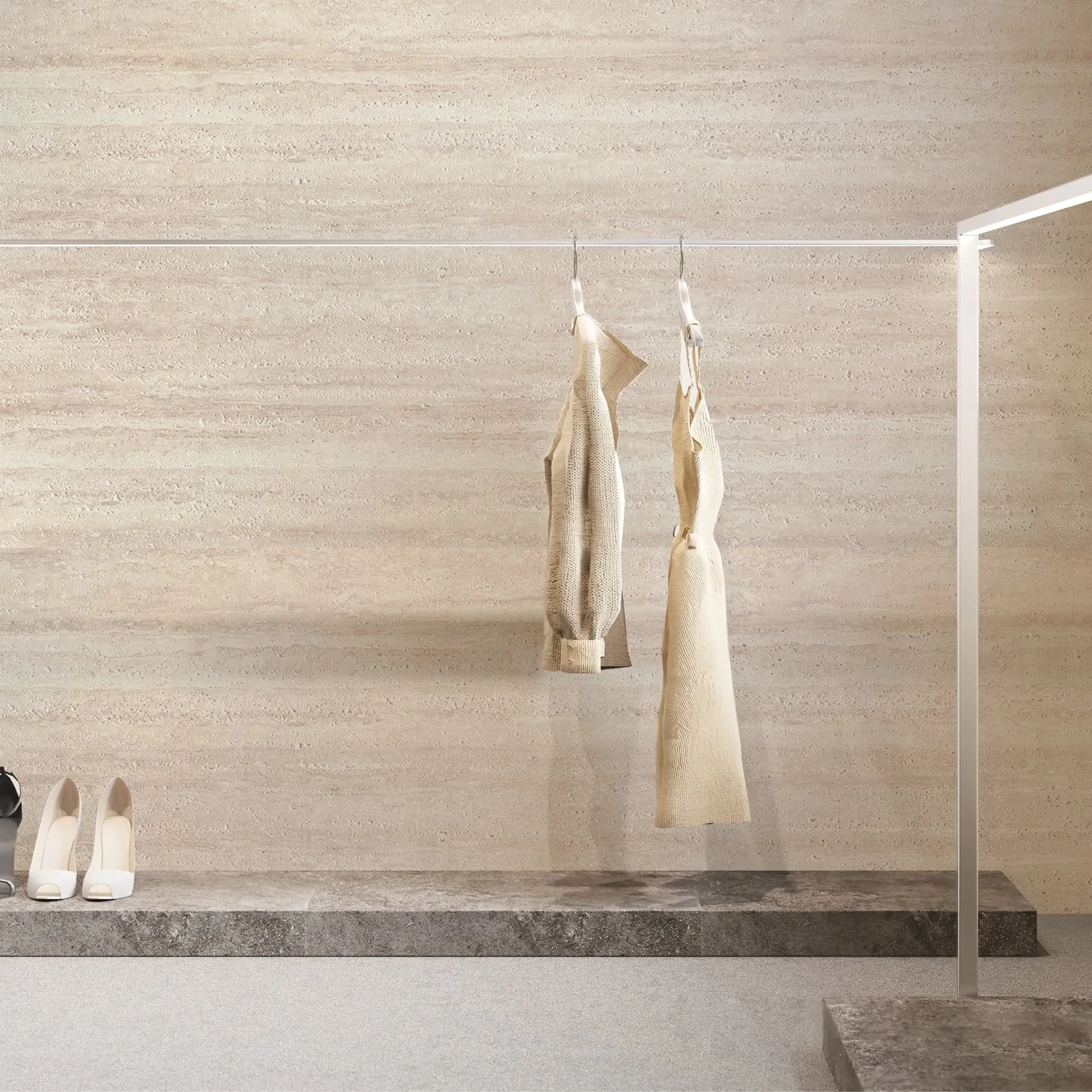
Let's ground this in examples. Take Maria, a homeowner in Portland, Oregon, who wanted to update her kitchen backsplash. She chose 3mm Rona Yellow MCM for its warm tone and flexibility—she could curve it around the corner where the counter meets the stove. Three years later, it still looks brand new, with no chips or fading. "I was worried it might be too thin, but the installer said it's perfect for backsplashes since it's not getting banged around," she told me. "And cleaning it? So much easier than the old tile grout!"
Then there's Carlos, a restaurant owner in Austin, Texas, who used 10mm Rona Yellow MCM for his exterior patio walls. "We get harsh sun and occasional hailstorms here," he explained. "I didn't want to deal with replacing siding every few years. The 10mm thickness has held up through two summers and a bad storm—no cracks, no color fading. Plus, it matches the fair-faced concrete floors inside. The whole space feels cohesive."
And let's not forget the commercial project: a tech office in Chicago that used 15mm MCM big slab boards in Rona Yellow for their main lobby wall. "We wanted something bold but not heavy," said the architect. "The 15mm slabs made a huge impact—people walk in and immediately comment on the wall. And since MCM is lighter than natural stone, we didn't have to reinforce the building's structure. Win-win."
Is thicker Rona Yellow MCM more expensive? Yes, generally. Thicker materials use more raw material, so they cost more per square foot. Installation costs also go up slightly since they're heavier to handle. But think of it as an investment—thicker MCM often lasts longer, so you'll save on replacements down the line.
Can I mix thicknesses in one project? Absolutely! Many designers use 3mm for accent walls and 6mm for adjacent countertops to keep the color consistent but adjust thickness for function. Just make sure the transition looks intentional—maybe use a trim piece to bridge the two.
How does thickness affect maintenance? Thicker MCM isn't necessarily harder to maintain—all Rona Yellow options are easy to clean with soap and water. The main difference is durability: thicker boards are less likely to scratch or dent, so you'll spend less time touching up small damage.
Do I need a professional to install thicker MCM? For 3mm and 6mm, handy DIYers might manage with the right tools and instructions. But 10mm and 15mm? Hire a pro. They have the experience to handle the weight, ensure proper adhesion, and avoid mistakes that could lead to failure.
Choosing Rona Yellow MCM is about more than picking a color—it's about matching the material to your project's needs. Whether you're going for a lightweight backsplash or a bold exterior facade, the thickness you choose will shape how your space looks, feels, and performs for years to come. Remember: it's not about "the best" thickness, but the best thickness for you .
So take a step back, assess your project type, location, and design goals, and use the guide above to narrow it down. And if you're still unsure? Order samples of different thicknesses—hold them, flex them, imagine them in your space. Sometimes, seeing (and feeling) the material in person is the best way to decide. Your project is unique—your MCM thickness should be too.
Recommend Products












