
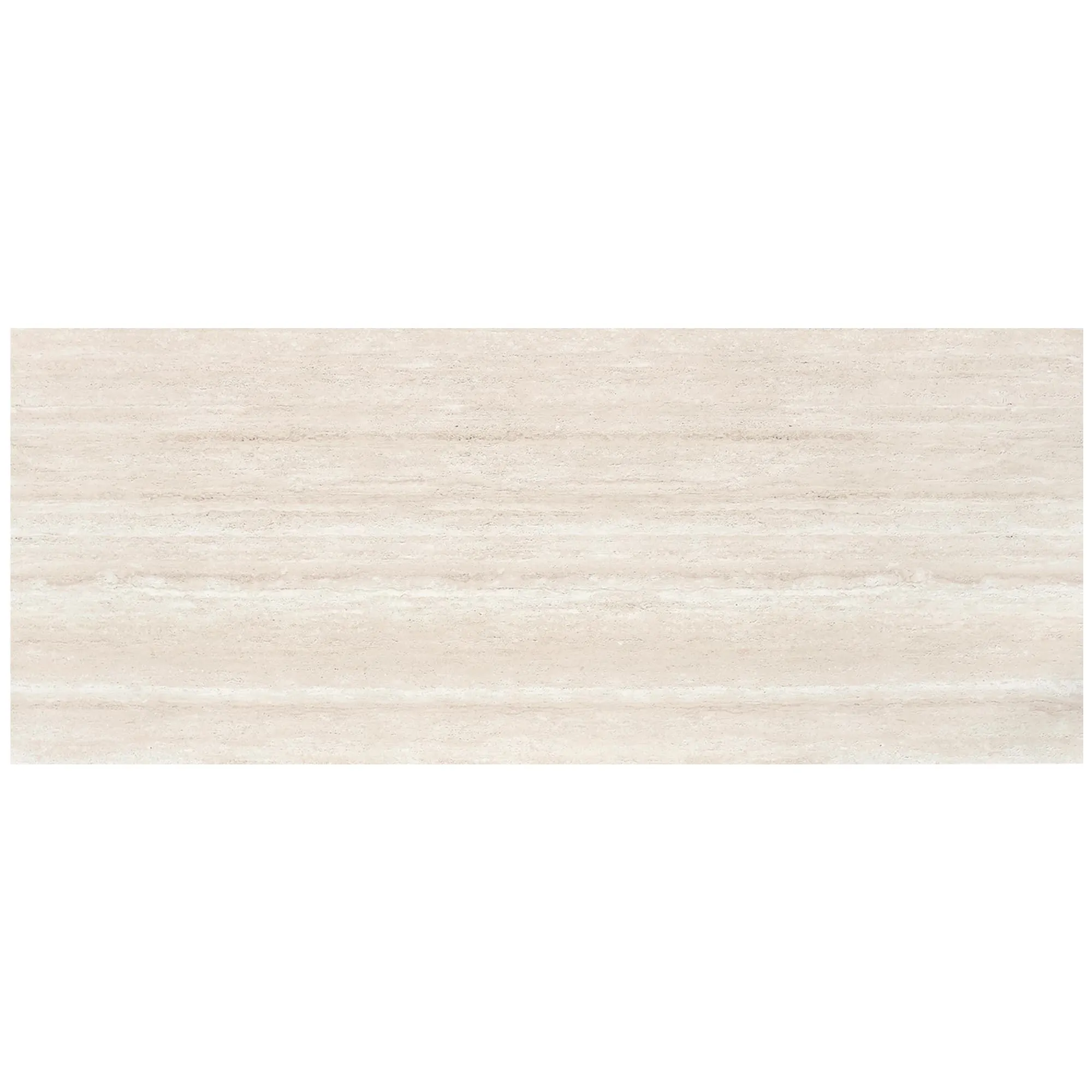
Every building has a voice. It speaks through its lines, its height, and most visibly, through its skin—the cladding that wraps around it, greeting the sun, the rain, and the eyes of passersby. Choosing the right cladding isn't just a technical decision; it's about crafting that voice. It's about deciding whether your building whispers of tradition or shouts of innovation, whether it blends into the landscape or stands as a bold statement. Today, we're diving into two materials that have been turning heads in architectural circles: Rona Yellow MCM and Limestone (Beige). Both carry the warmth of yellow tones, but their stories, strengths, and personalities couldn't be more different. Let's explore which one might be the perfect fit for your next project.
First, let's talk about Rona Yellow MCM—a material that feels like it was born from the collision of nature and technology. MCM, short for Modified Composite Material, is a relative newcomer to the cladding scene, but it's quickly making a name for itself, especially in projects that crave both durability and design flexibility. At its core, MCM is a blend of natural stone particles (often marble, granite, or travertine) and high-performance polymers, pressed into thin, lightweight panels. And Rona Yellow? It's the star of the show—a hue that walks the line between sunny optimism and earthy warmth, with golden undertones that catch the light like scattered coins.
What makes Rona Yellow MCM stand out? Let's start with its personality. Unlike some synthetic materials that feel flat or artificial, Rona Yellow MCM carries the depth of natural stone, thanks to those embedded mineral particles. Run your hand over it, and you'll feel a subtle texture—smooth but not slippery, with just enough grip to hint at its stone origins. In the morning light, it glows softly, almost honey-like; at sunset, it deepens into a rich amber, as if absorbing the day's warmth. It's a color that doesn't just decorate a building—it animates it, shifting with the sky to keep the facade feeling alive.
Then there's the practical side. As part of the MCM flexible stone family, Rona Yellow MCM panels are thin (usually 3-5mm thick) and lightweight, weighing in at just 3-6 kg per square meter. That's a game-changer for architects and builders. Imagine designing a curved facade or a multi-story installation—traditional stone would require heavy structural support, but MCM bends (yes, bends!) to the shape you need, reducing the load on the building's frame. And if you're working on a large project, the MCM big slab board series has you covered. These panels come in sizes up to 1200x2400mm, meaning fewer seams, a cleaner look, and less installation time. No more staring at a patchwork of small tiles; Rona Yellow MCM gives you a seamless canvas to work with.
Durability? Rona Yellow MCM doesn't mess around. Those polymer binders aren't just for flexibility—they make the panels resistant to scratches, stains, and even UV rays. Rain, snow, salt spray (hello, coastal projects!), or harsh city pollution? This material laughs it off. And maintenance? A quick hose-down with water is usually all it takes to keep that Rona Yellow shine intact. No sealing, no special cleaners, no endless upkeep—just a material that stays vibrant year after year.
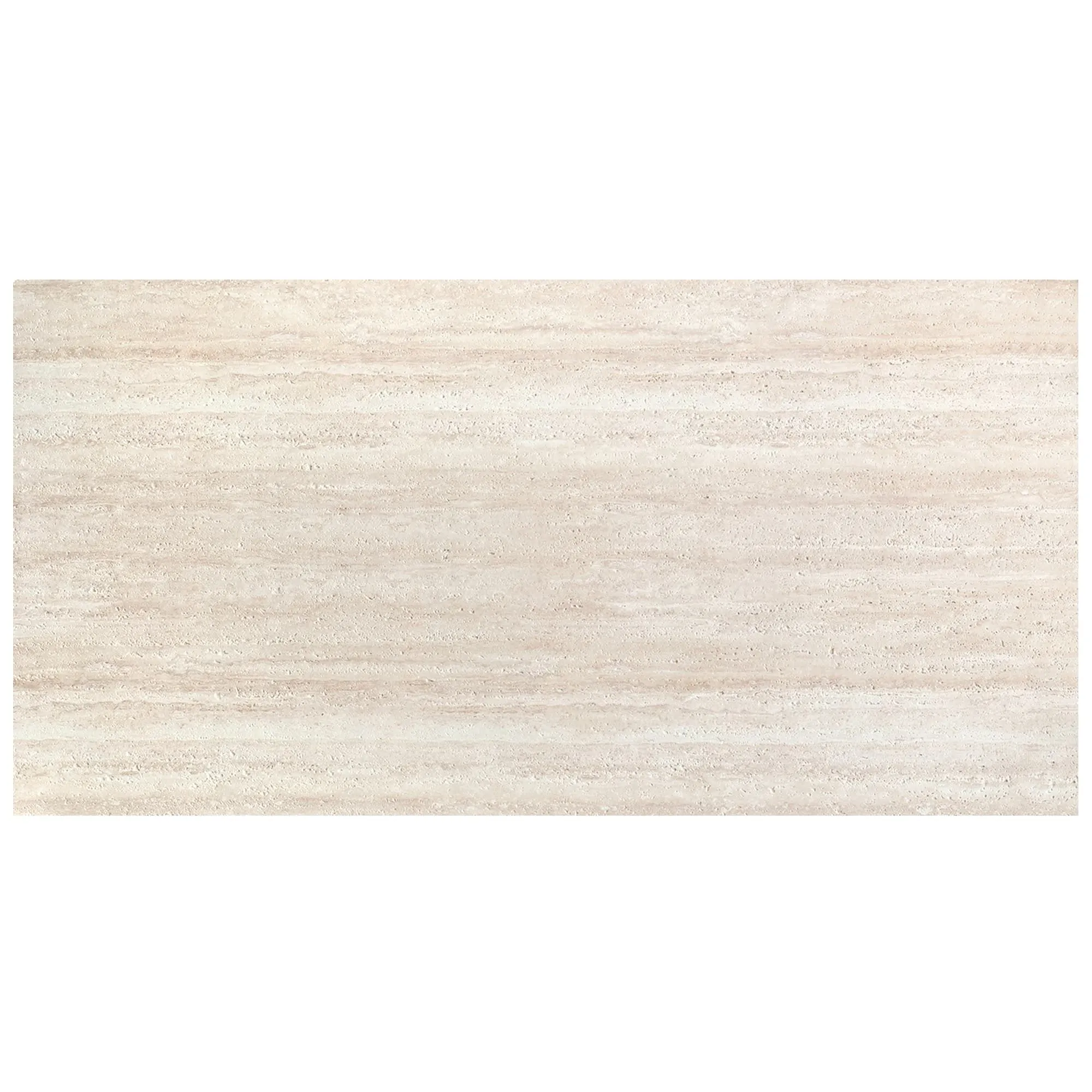
Now, let's turn to Limestone (Beige)—the wise elder of the two, with a history that stretches back millennia. Limestone is a sedimentary rock, formed over millions of years from the compressed remains of marine organisms, shell fragments, and minerals. Its beige variant is a study in understated elegance: soft, warm, and deeply connected to the earth. If Rona Yellow MCM is a modern pop song, Limestone (Beige) is a classical symphony—timeless, nuanced, and rich with layers.
The beauty of Limestone (Beige) lies in its imperfection. No two slabs are exactly alike. Some have faint, wispy veining in soft grays or whites, like brushstrokes left by a gentle hand. Others carry tiny fossil imprints—ancient secrets locked in stone, telling stories of oceans that once covered the land. Run your palm over it, and you'll feel a cool, slightly porous surface that warms up as you touch it, a tactile reminder of its natural origins. In the light, it doesn't "shine" so much as it glows, with a matte finish that feels organic and grounded. It's the kind of color that makes a building feel like it's been part of the landscape forever, not just dropped into it.
Historically, Limestone (Beige) has been the go-to for buildings that aim to stand the test of time. Think of the grand cathedrals of Europe, the ancient temples of the Mediterranean, or the stately town halls of colonial-era cities. Its durability is legendary—when properly cared for, limestone structures can last for centuries. But here's the catch: limestone is porous. That means it needs regular sealing to protect against water damage, staining, or discoloration from pollutants. It's also heavier than MCM, weighing in at around 20-25 kg per square meter for standard thicknesses, which requires sturdy structural support and careful installation.
Yet, for all its demands, Limestone (Beige) offers something MCM can't: authenticity. It's a material that hasn't been "modified" or "engineered"—it's just stone, as nature made it. For projects that prioritize heritage, sustainability (when sourced responsibly), or a connection to local geology, limestone is irreplaceable. It ages gracefully, too—developing a subtle patina over time that adds character, like a well-worn leather jacket. A building clad in Limestone (Beige) doesn't just look old; it feels lived-in , as if it has stories to tell.
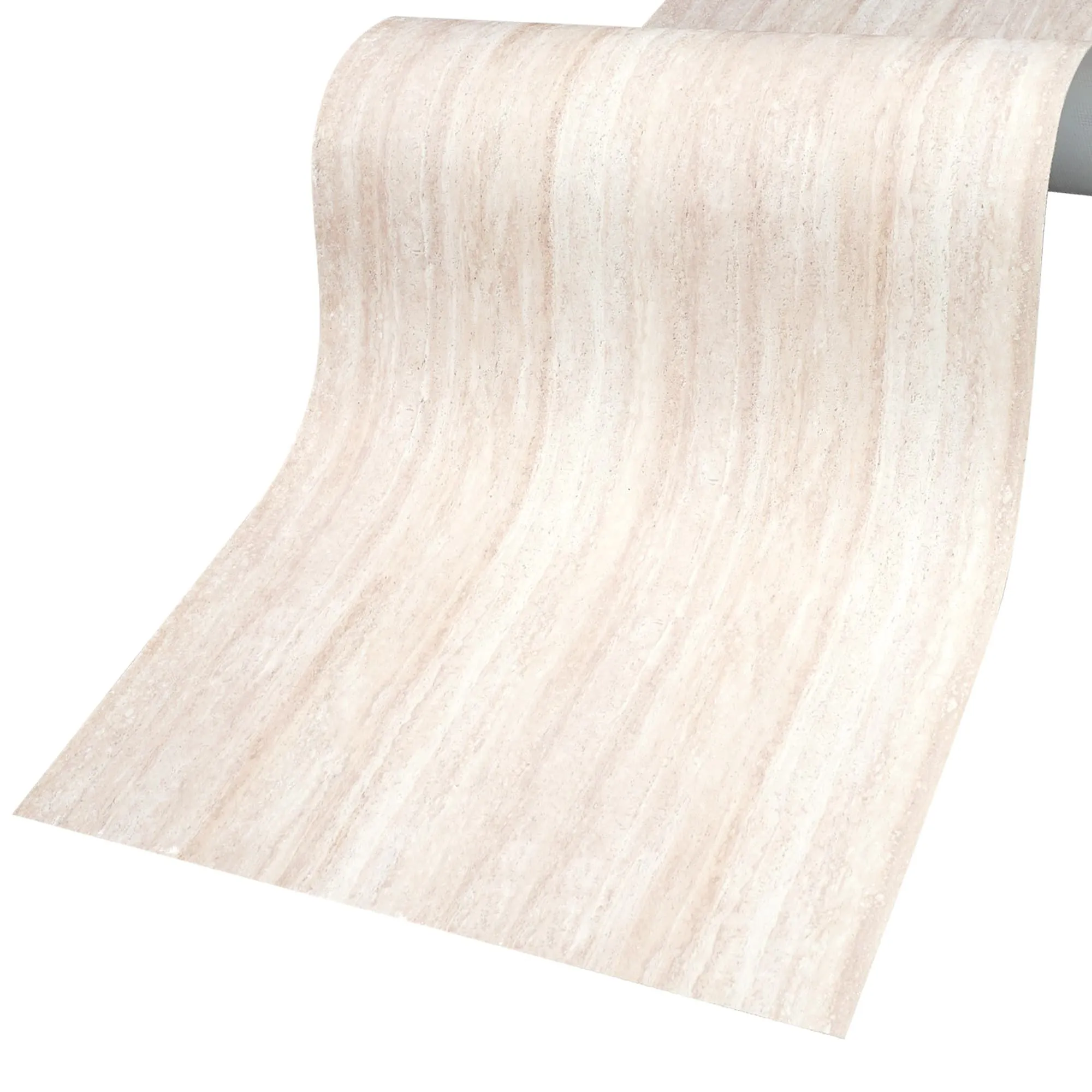
To really understand how Rona Yellow MCM and Limestone (Beige) stack up, let's break down their key traits side by side. Whether you're an architect, a builder, or a homeowner, these differences will shape everything from your design process to your long-term maintenance budget.
| Feature | Rona Yellow MCM | Limestone (Beige) |
|---|---|---|
| Aesthetics | Consistent color with golden-yellow tones; subtle texture from stone particles; available in large slabs for seamless looks. Shines in modern, minimalist, or bold designs. | Natural variation with soft beige hues, veining, and fossil imprints; matte finish. Perfect for traditional, heritage, or earthy designs. |
| Durability | Highly resistant to scratches, UV rays, and moisture; lightweight (3-6kg/m²) reduces structural stress; minimal maintenance (occasional washing). | Durable but porous; requires sealing to prevent staining; heavier (20-25kg/m²) demands strong structural support; prone to weathering without upkeep. |
| Installation | Flexible panels bend to curves; large slabs reduce seams; lightweight means faster, easier installation with lower labor costs. | Rigid slabs require precise cutting; heavier weight needs specialized labor and structural prep; more time-consuming to install. |
| Sustainability | Often made with recycled stone particles; energy-efficient manufacturing; lightweight panels reduce transportation emissions. | Natural material (sustainable if quarried responsibly); biodegradable at end of life; but quarrying can impact local ecosystems. |
| Cost | Lower initial cost; reduced labor and structural support expenses; minimal long-term maintenance costs. | Higher initial cost (stone + sealing); higher installation labor costs; ongoing sealing/maintenance adds to long-term expenses. |
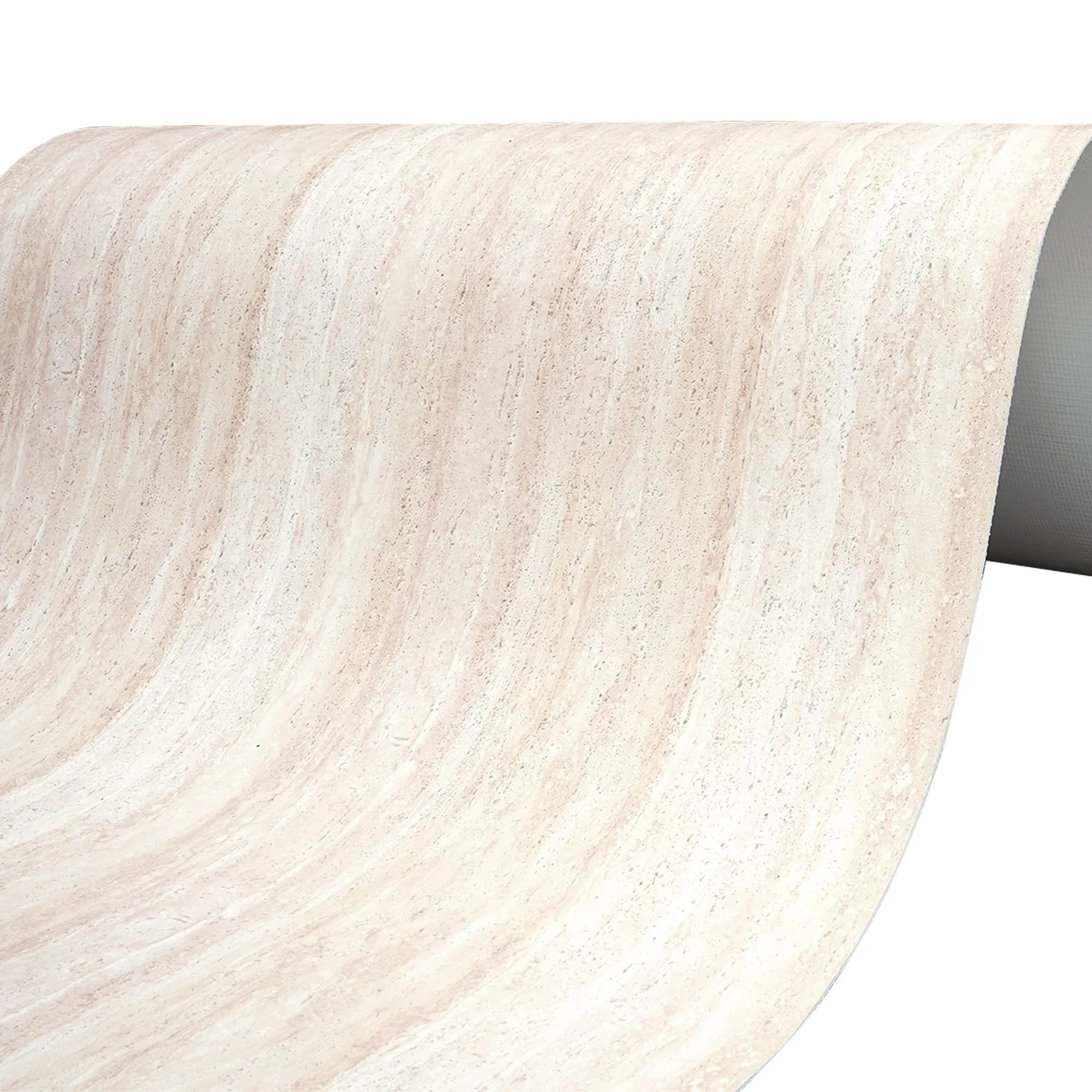
Numbers and specs tell part of the story, but seeing these materials in action? That's where their personalities really shine. Let's look at two projects that chose Rona Yellow MCM and Limestone (Beige), and why they made those choices.
The Sunnybank Retail Hub, a sprawling shopping complex in a bustling suburban area, needed a cladding that could handle heavy foot traffic, harsh sun exposure, and still look fresh after years of use. The architects wanted something that would stand out from the sea of gray concrete and brick in the neighborhood, but without feeling garish. Rona Yellow MCM was the answer.
"We chose Rona Yellow for its energy," says lead architect Maria Gonzalez. "The color is warm but not overwhelming—perfect for a space that's meant to feel inviting. And the MCM panels were a lifesaver. The building has a curved facade, and with MCM's flexibility, we could achieve that seamless, flowing look without the cost of custom-cut stone. Plus, the lightweight panels meant we didn't have to beef up the structure as much as we would have with natural stone. Three years later, the cladding still looks brand-new—no fading, no chips, just that same sunny glow."
Heritage Square, a historic district with 19th-century townhouses, was in desperate need of restoration. The goal was to preserve the area's charm while updating the buildings for modern use. For the facade cladding, the preservation board insisted on a material that matched the original limestone used in the 1800s. Enter Limestone (Beige).
"Authenticity was non-negotiable," explains preservation specialist James Harper. "These buildings are part of our city's identity, and using anything other than natural limestone would have felt like a betrayal. The beige hue was a perfect match for the original stone—soft, warm, and full of character. Yes, it was more work: we had to seal every slab, reinforce the walls to handle the weight, and source the stone from a quarry that practices sustainable mining. But walking through Heritage Square now? It feels like stepping back in time. The limestone has already started to develop that subtle patina, and the fossil imprints? Kids love pointing them out. It's not just a building material; it's a piece of history."
The answer, as with most architectural decisions, depends on your project's goals, budget, and personality. Let's break it down:
Choose Rona Yellow MCM if… You're working on a modern, commercial, or high-traffic project. You want a material that's low-maintenance, flexible (literally and figuratively), and delivers consistent color. You're on a tight timeline or budget, or your building has unique shapes (curves, angles) that demand adaptable cladding. You love the idea of a material that feels fresh, innovative, and ready to stand out.
Choose Limestone (Beige) if… Your project is a heritage restoration, a boutique hotel, a cultural center, or any space that aims to feel timeless and rooted in tradition. You prioritize authenticity and are willing to invest in ongoing maintenance (sealing, cleaning) to preserve the material's beauty. Your structure can handle the weight, and you have the budget for higher initial costs. You want a cladding that tells a story—of nature, of history, of the earth itself.
Remember: there's no "better" material here—only the right material for your vision. Rona Yellow MCM and Limestone (Beige) both bring the warmth of yellow to the table, but one sings a modern tune, and the other hums a classic melody. Whichever you choose, your building's voice will be clear, confident, and uniquely yours.
Recommend Products












