
Think about the last time you walked into a room that made you pause—the kind of space where every detail feels intentional, from the light fixtures to the texture underfoot. More often than not, the materials shaping those walls and floors are the unsung heroes behind that "wow" moment. For designers and homeowners alike, choosing between surfaces isn't just about practicality; it's about crafting a mood, telling a story, and creating spaces that feel alive. Today, we're diving into two materials that often top the list for those chasing warmth, character, and longevity: Rona Yellow MCM (a standout in the MCM flexible stone lineup) and traditional terracotta tiles. Let's explore how they stack up, from the way they catch the light to how they stand up to the chaos of daily life.
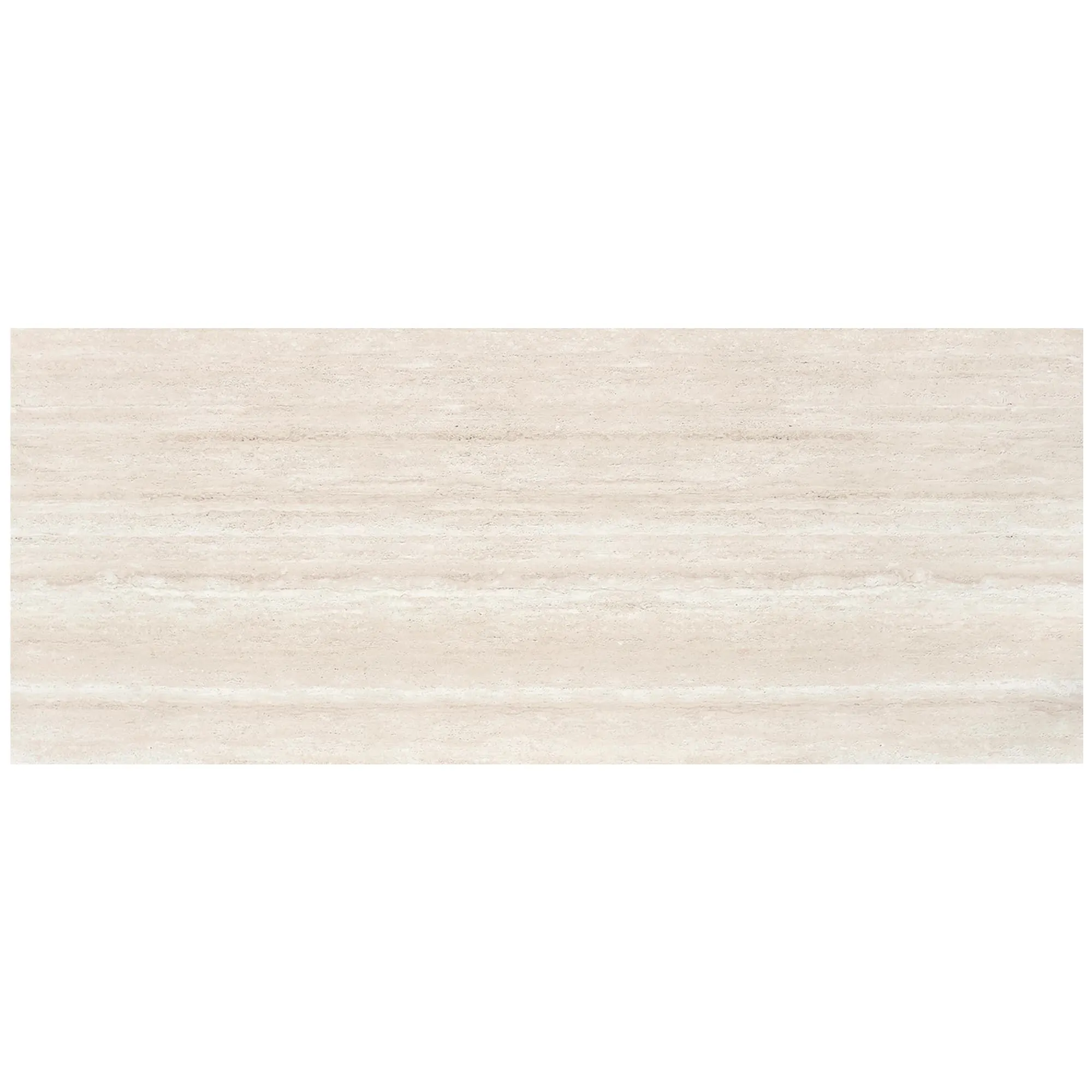
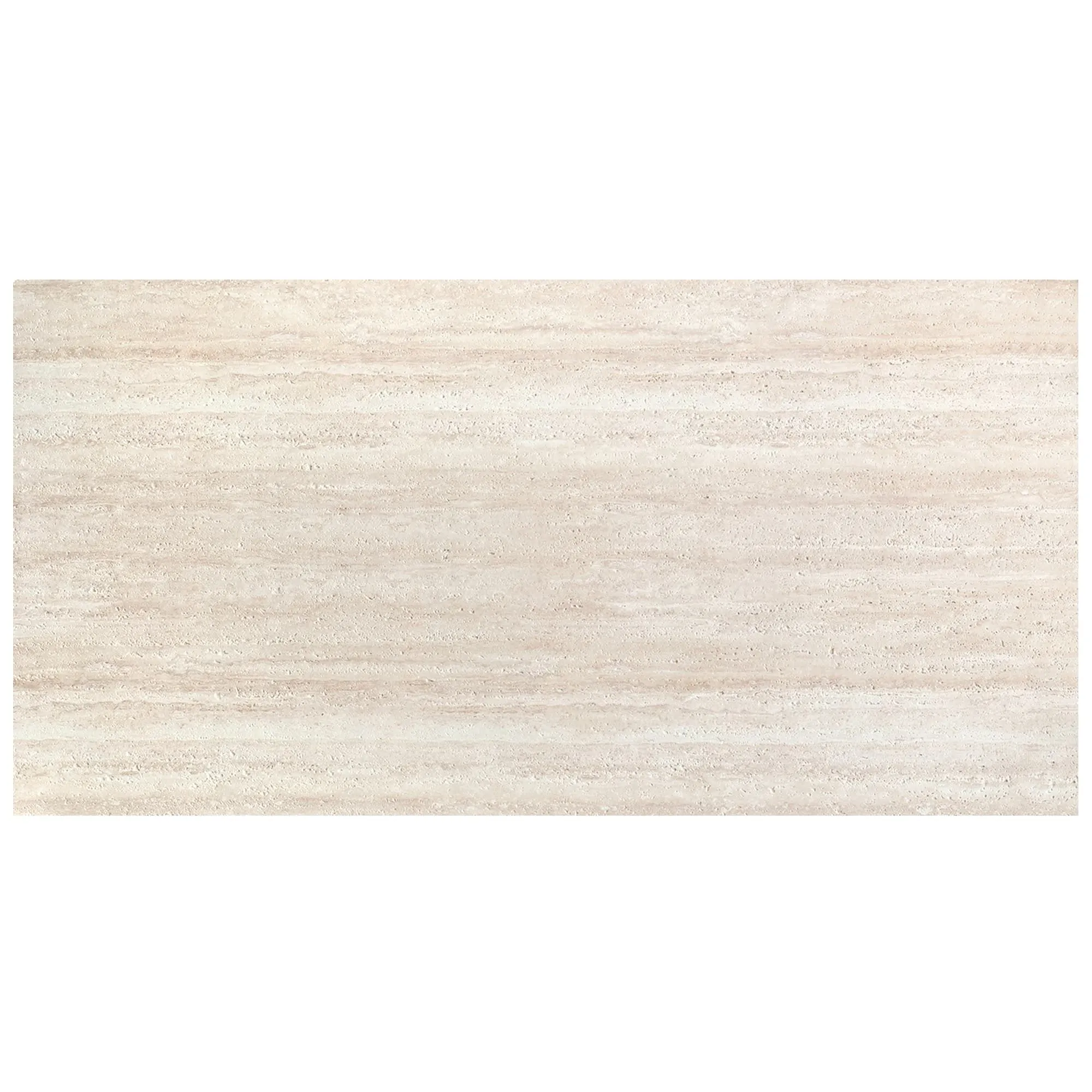
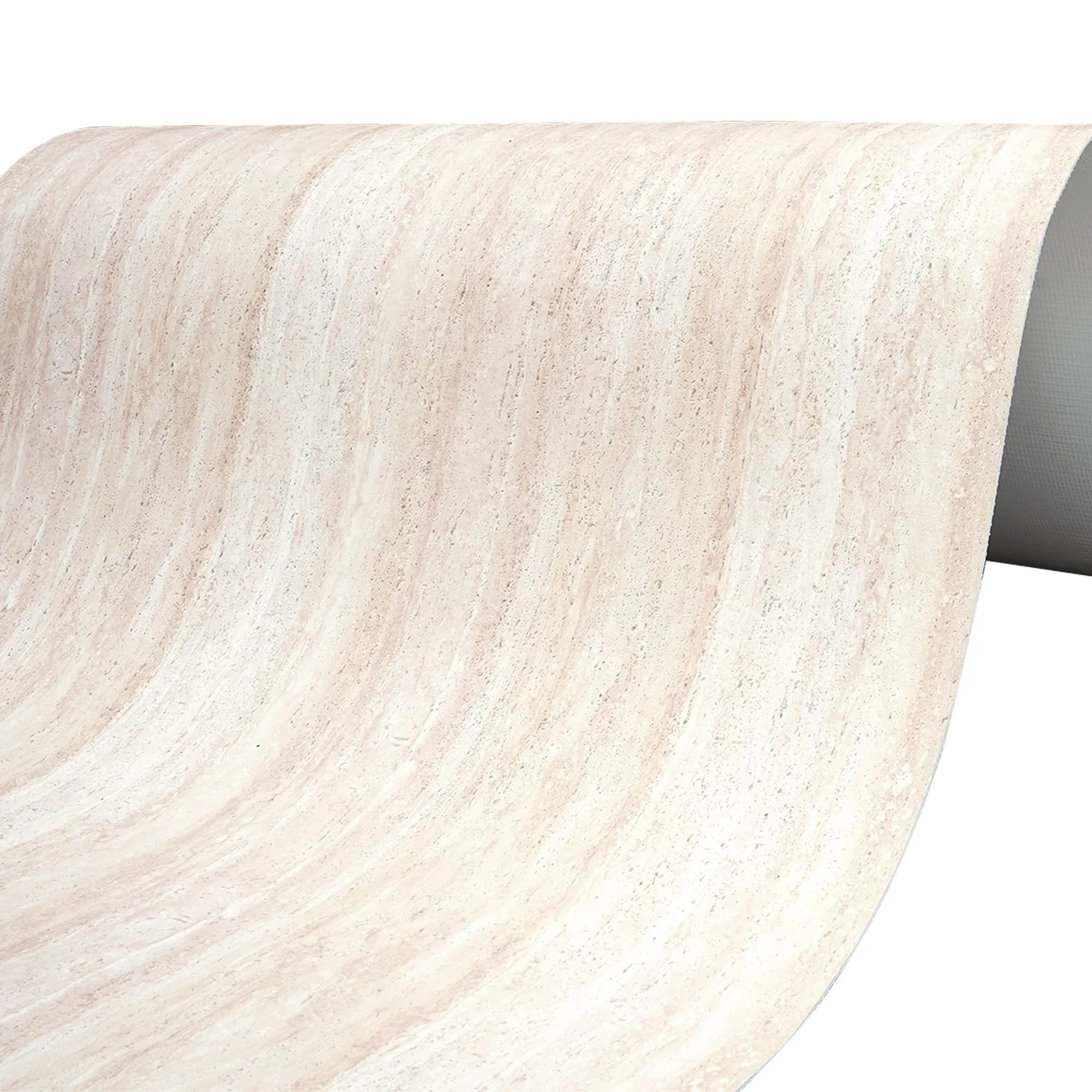
Rona Yellow isn't just a color—it's a feeling. Picture the soft glow of a sunset over a wheat field, or the golden hue of aged parchment; that's the vibe this shade brings to a space. As part of the MCM flexible stone family, it marries the earthiness of natural materials with the precision of modern engineering. Run your hand across a Rona Yellow panel, and you'll notice the texture: subtle, almost tactile, with faint grain-like patterns that mimic the organic irregularity of quarried stone, but without the weight or brittleness. Unlike flat, uniform surfaces that can feel cold, this texture plays with light, creating depth that shifts throughout the day—warmer in the morning sun, cozier as evening falls.
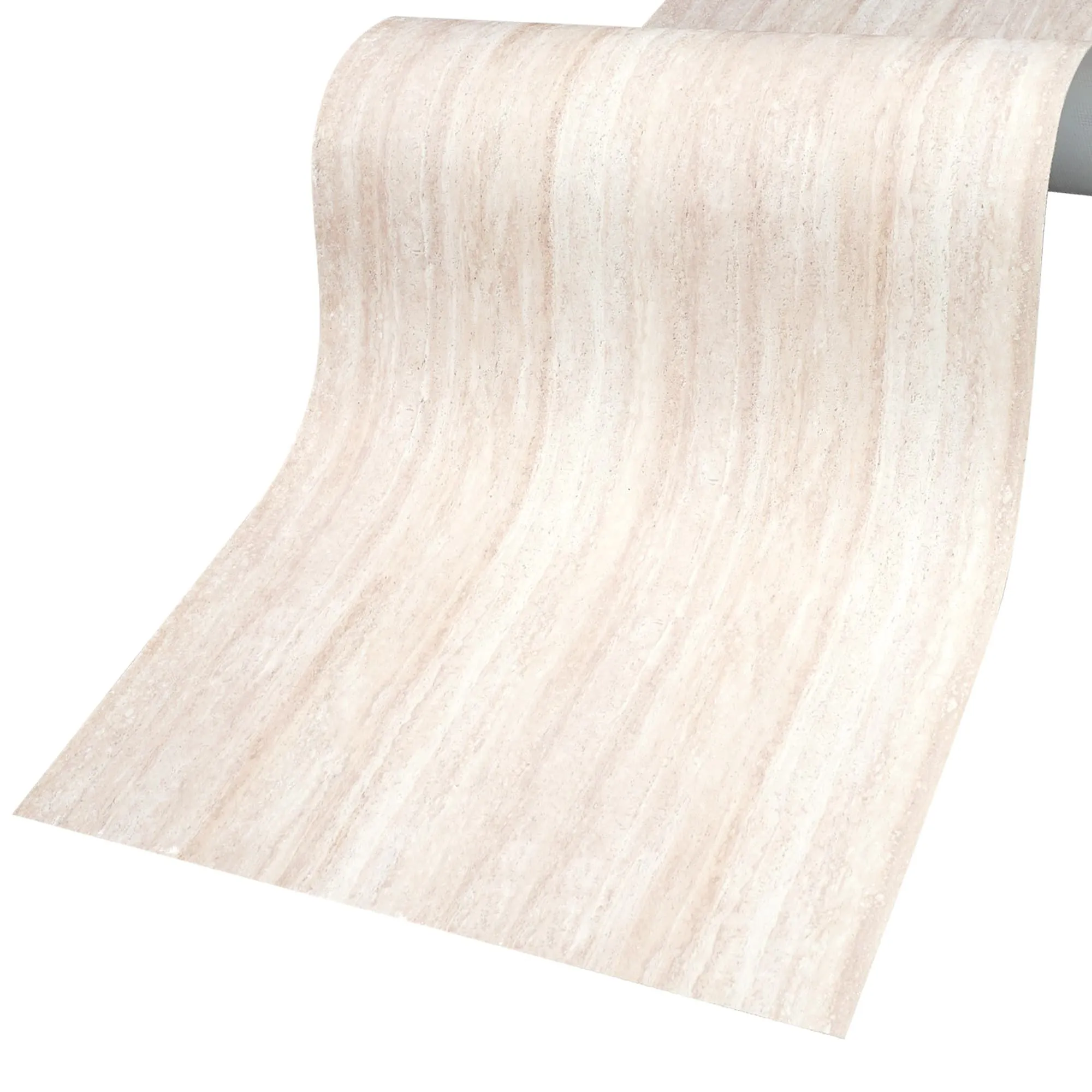
What really sets Rona Yellow apart, though, is its versatility—especially when paired with the MCM big slab board series. These larger-than-life panels (often spanning 1200x2400mm or more) mean fewer seams, turning walls into sweeping, uninterrupted canvases. Imagine a kitchen backsplash where Rona Yellow flows from countertop to ceiling, or a living room accent wall that feels like a single slab of sunlit stone. It's a trick that makes small spaces feel larger and grand spaces feel more cohesive. And because MCM flexible stone is engineered to be malleable, it works on curved surfaces too—think statement columns or rounded fireplaces—adding a sculptural quality that rigid materials can't match.
Terracotta, on the other hand, carries the weight of history in its clay-rich composition. Its warm, reddish-brown tones evoke images of Mediterranean villages, sunbaked adobe homes, and ancient pottery—textures that feel handcrafted, almost artisanal. Unlike the smooth uniformity of Rona Yellow MCM, terracotta tiles wear their character on their sleeve: tiny pits, subtle color variations, and the occasional "imperfection" that speaks to their natural origins. When laid in a classic grid pattern, they bring a sense of nostalgia, like stepping into a space that's been loved for generations.
But here's the catch: terracotta's charm is often tied to its traditional format. Most tiles max out at 600x600mm, which means more grout lines—great for a cottagecore or bohemian look, but less ideal if you're chasing a sleek, modern aesthetic. And while its porous surface absorbs light in a way that feels soft and inviting, it can also fade over time if exposed to harsh UV rays, losing that signature warmth. Compare that to Rona Yellow MCM, which retains its color vibrancy even in sun-drenched rooms, thanks to UV-resistant pigments baked into its core.
Both materials play nicely with other elements, but in different ways. Rona Yellow MCM, with its neutral undertones, pairs effortlessly with cool grays (think fair-faced concrete floors) or rich woods, making it a chameleon in modern, industrial, or even coastal spaces. It's bold enough to stand alone as a focal wall but subtle enough to let art or furniture take center stage. Terracotta, meanwhile, shines in more rustic or eclectic settings—paired with terracotta pots, woven textiles, and warm woods, it leans into a "lived-in" charm. But it can feel limiting in minimalist spaces, where its busy grout lines and texture might clash with clean lines.
Let's get practical: a material's true test comes when life happens. Spills, scratches, humidity—how do these surfaces hold up? Rona Yellow MCM, as part of the MCM flexible stone range, is engineered for resilience. Its composite core (blending natural minerals and polymers) resists water, stains, and even minor impacts. Wipe up a coffee spill with a damp cloth, and it's like it never happened. Unlike natural stone, it won't crack under heavy furniture or chip if a pot slips from the counter. And because it's part of the MCM big slab board series, there are fewer joints to trap dirt or moisture—critical for bathrooms, kitchens, or high-traffic entryways.
Terracotta, by contrast, is a porous material that demands care. Without regular sealing (at least once a year), it soaks up liquids like a sponge—red wine, oil, or even water can leave permanent stains. It's also prone to cracking if dropped or hit with heavy objects, and freeze-thaw cycles can cause tiles to lift or crumble in outdoor settings. For busy households with kids, pets, or frequent guests, that upkeep can feel like a full-time job.
Installing materials shouldn't feel like a Herculean task—and here, Rona Yellow MCM has a clear edge. MCM flexible stone is lightweight (around 8-10kg per square meter) and flexible, making it easy to transport, cut, and maneuver. Even the big slab boards (up to 2400mm long) can be handled by two people, reducing labor time and costs. It adheres to most substrates (drywall, concrete, wood) with standard construction adhesives, and since there's no need for mortar, the process is cleaner and faster. For a 50sqm wall, a team could finish in a day—unheard of with heavier materials.
Terracotta tiles, though, are heavy (15-20kg per square meter) and rigid, requiring a solid, level substrate and mortar for installation. Cutting them often leads to dust and breakage, and grouting adds another step (and drying time) to the process. For large spaces, that translates to longer timelines and higher labor bills—something to consider if you're working with a tight schedule.
In an era where eco-conscious choices are non-negotiable, both materials have their merits—but MCM flexible stone pulls ahead. Rona Yellow MCM is made with recycled aggregates (up to 40% in some formulations) and low-VOC binders, reducing its carbon footprint. Its lightweight nature also cuts down on transportation emissions, and since it's highly durable, it rarely needs replacement—less waste over time. Terracotta, while natural, requires high-temperature firing (kilns can reach 1000°C), which guzzles energy. It's also heavier to transport, and its shorter lifespan (without meticulous care) means more frequent replacements.
| Feature | Rona Yellow MCM (MCM Flexible Stone) | Traditional Terracotta Tiles |
|---|---|---|
| Color Retention | UV-resistant; retains vibrancy for 15+ years | Fades over time with sun exposure |
| Durability | Waterproof, stain-resistant, impact-resistant | Porous; prone to stains and cracking without sealing |
| Installation | Lightweight (8-10kg/sqm); big slabs reduce labor time | Heavy (15-20kg/sqm); requires mortar and grouting |
| Maintenance | Wipe with mild soap; no sealing needed | Annual sealing; avoids harsh cleaners |
| Sustainability | Recycled materials, low-VOC, long lifespan | Natural but high-energy production, shorter lifespan |
At the end of the day, the choice between Rona Yellow MCM and terracotta tiles boils down to what matters most to you. If you crave the warmth of natural materials but need the resilience of modern engineering—think busy family homes, commercial spaces, or outdoor patios—Rona Yellow MCM (and the broader MCM flexible stone range) delivers. Its ability to blend texture with durability, warmth with versatility, makes it a material that grows with your space, not against it.
Terracotta, though, will always have a place in design history for its unapologetic charm and nostalgia. It's perfect for smaller, low-traffic spaces where you want to lean into tradition—think a cozy breakfast nook or a boutique café with a Mediterranean vibe. Just be prepared to invest in its care.
Whichever you choose, remember: great materials don't just fill a space—they breathe life into it. And in the end, the best choice is the one that makes you smile every time you walk through the door.
Recommend Products












