
Exploring the heart and science of modern building materials
Walk into a room, and the first thing that wraps around you isn't just the light—it's the walls. The texture under your fingertips, the warmth of the color, the quiet story they tell. For centuries, yellow and beige stones have been the silent narrators of such spaces, from sunlit courtyards in Tuscany to cozy cafés in Marrakech. They evoke warmth, groundedness, and a connection to the earth. But as architecture evolves, so do the materials that shape it. Enter Rona Yellow MCM —a modern marvel in the MCM project board series —and its timeless counterpart, traditional yellow stone. Let's dive into their worlds: where heritage meets innovation, and every surface becomes a canvas of emotion.
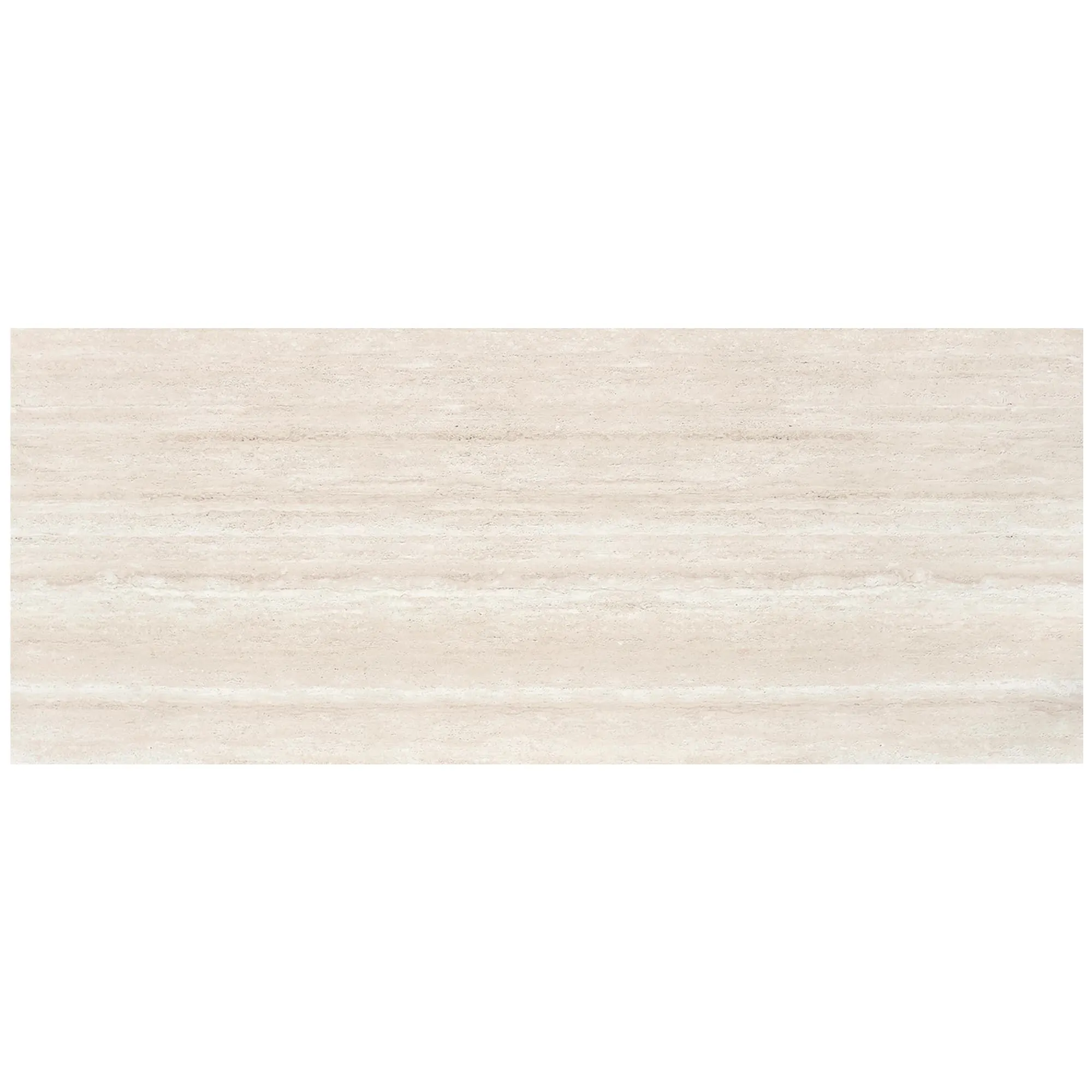
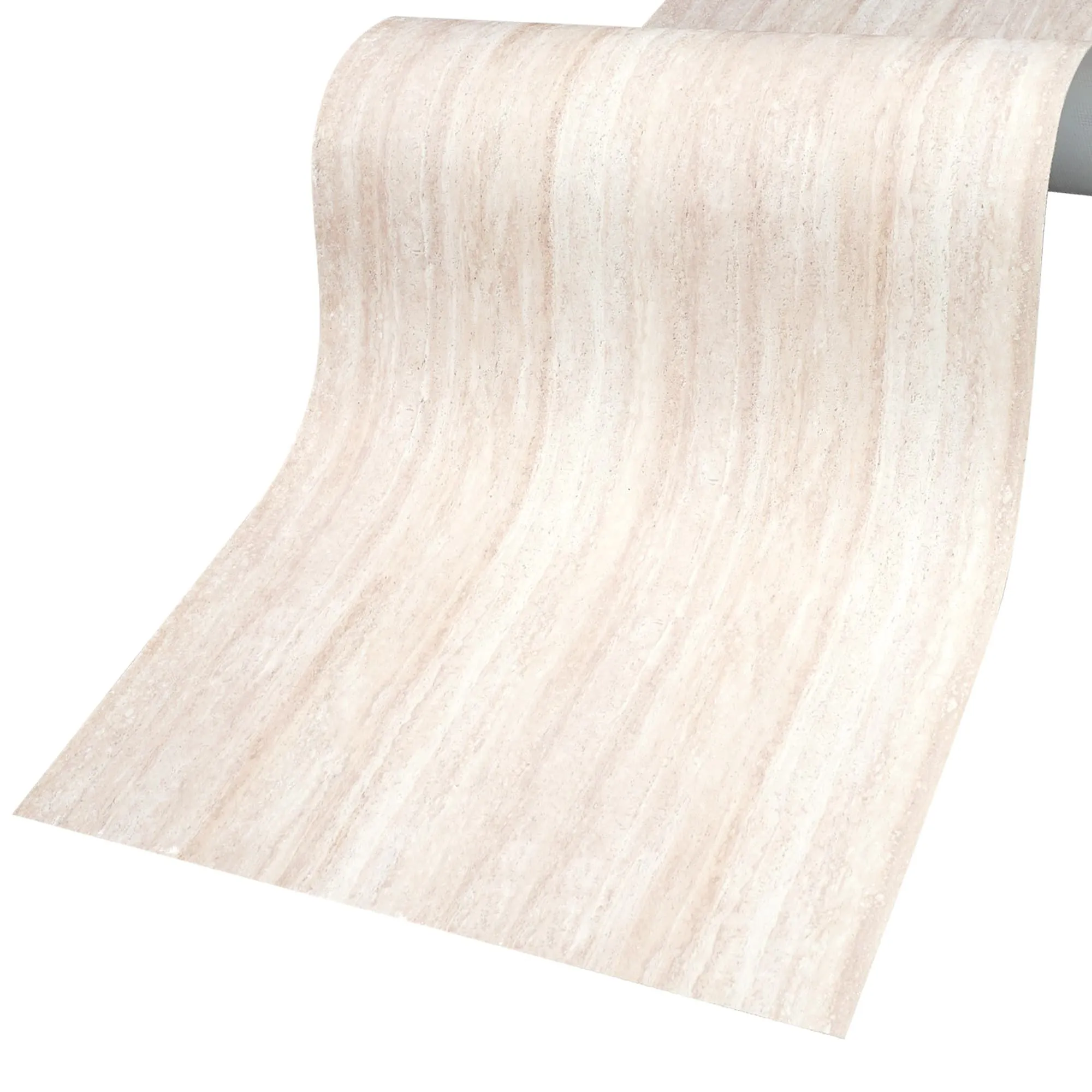
MCM, or Modified Composite Material, is the rebel with a cause in the building materials world. Part of the MCM flexible stone family, Rona Yellow MCM isn't just a "material"—it's a blend of art and engineering. Imagine taking the best of natural stone's beauty, stripping away its bulk and fragility, and infusing it with flexibility, durability, and a dash of modern flair. It's thin (often just 3-5mm thick), lightweight, and comes in textures that mimic everything from weathered lime stone(beige) to starry, iridescent finishes. Think of it as stone, reimagined for the 21st century.
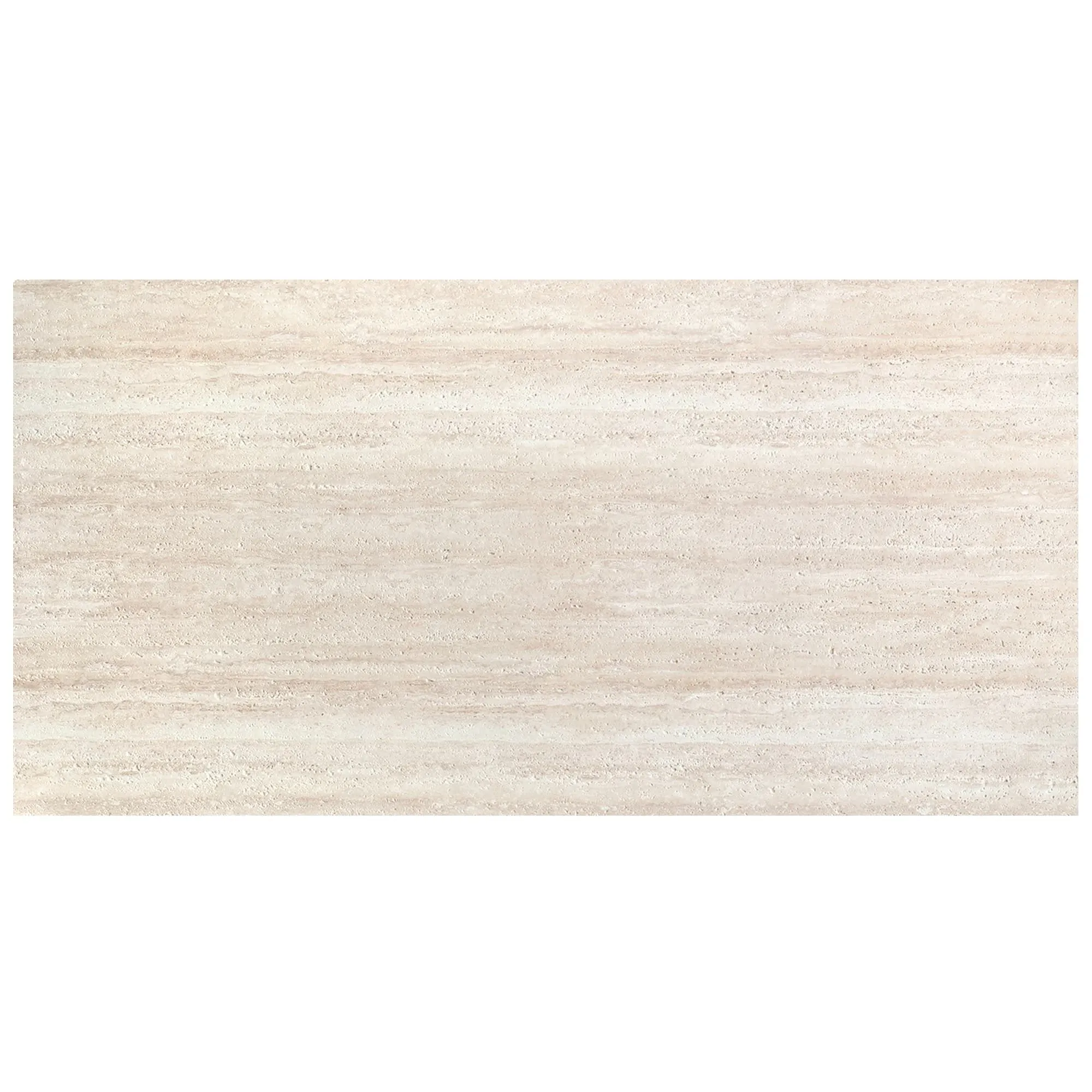
Traditional yellow stone—think travertine (beige) , golden travertine(white golden) , or classic lime stone(beige) —is the grandparent of building materials. Quarried from the earth, each slab carries millions of years of history in its veins. No two pieces are identical: one might have a honeyed glow with subtle fossilized imprints, another could boast bold, irregular veining that looks like a painter's brushstroke. It's raw, authentic, and carries the weight (literally and figuratively) of tradition. For centuries, it's been the choice for temples, palaces, and homes that want to whisper, "I've stood the test of time."
| Feature | Rona Yellow MCM | Traditional Yellow Stone |
|---|---|---|
| Weight | Lightweight (5-8 kg/m²) – easy to handle, no structural strain | Heavy (20-30 kg/m²) – requires reinforced structures |
| Flexibility | Bendable (up to 30°) – ideal for curved walls or unique designs | Rigid – cracks under stress; limited to flat/straight surfaces |
| Aesthetic Variety | Customizable: starry effects , vintage tints, uniform patterns, or even weaving (khaki) textures | Natural uniqueness: random veining, fossil inclusions, but limited by quarry variations |
| Durability | Resistant to moisture, UV rays, and chipping; lasts 20+ years indoors | Prone to staining, cracking in freeze-thaw cycles; needs sealing every 2-3 years |
| Installation | DIY-friendly: cut with a utility knife, glued directly to walls (even drywall!) | Needs pros: heavy machinery, mortar, and structural prep; 2-3x longer install time |
| Sustainability | Low carbon footprint: uses recycled minerals, minimal waste in production | Eco-heavy: quarrying disrupts ecosystems; high water/energy use in processing |
Here's where it gets personal. Traditional yellow stone, with its organic flaws and earthy scent, feels like a piece of the outdoors brought inside. Run your hand over a golden travertine(white golden) slab, and you'll feel tiny pits and ridges—reminders of the mineral-rich springs that formed it millions of years ago. It's imperfect, and that imperfection is its charm. It's the kind of material that makes a room feel "lived-in," like it has stories to tell.
Rona Yellow MCM, on the other hand, balances consistency with creativity. Its smooth, even texture can mimic the warmth of stone but with a modern twist—say, a starry red hue that shimmers under light, or a linear travertine(claybank) pattern that feels intentional, like a design choice rather than a happy accident. It's less about "history" and more about "possibility." In a sleek, minimalist home, it adds warmth without clutter; in a bustling café, it stays fresh-looking even with daily wear.
Let's talk about the messy, beautiful reality of building. Traditional stone? It's a labor of love. Installers need to haul heavy slabs, mix mortar, and hope the measurements are perfect—one wrong cut, and that $500 slab is ruined. And maintenance? Spill a glass of red wine on lime stone(beige) , and you'll spend hours scrubbing with a stone cleaner (if you're lucky). Skip sealing it, and it'll absorb moisture like a sponge, growing mold in the grout lines.
Rona Yellow MCM? It's the friend who shows up with a toolbox and a smile. Its lightweight nature means two people can carry a stack of panels up a narrow staircase. Cutting it? A simple utility knife works. Spill wine? Wipe it off with a damp cloth—no staining, no panic. It's built for the chaos of real life: kids, pets, busy schedules. And because it's part of the MCM 3d printing series , you can even 3D-print custom shapes, turning a plain wall into a work of art without the headache of traditional carving.
We all want our spaces to look good, but these days, they need to do good, too. Traditional stone mining can scar landscapes, using massive amounts of water and energy to extract and transport slabs. Rona Yellow MCM, though? It's part of a new wave of eco-conscious materials. Many MCM panels use recycled stone dust and foamed aluminium alloy board (vintage silver) cores, cutting down on waste. Plus, since it's lightweight, transporting it emits less CO2 than hauling heavy stone. For architects and homeowners who care about their carbon footprint, it's a choice that feels as good as it looks.
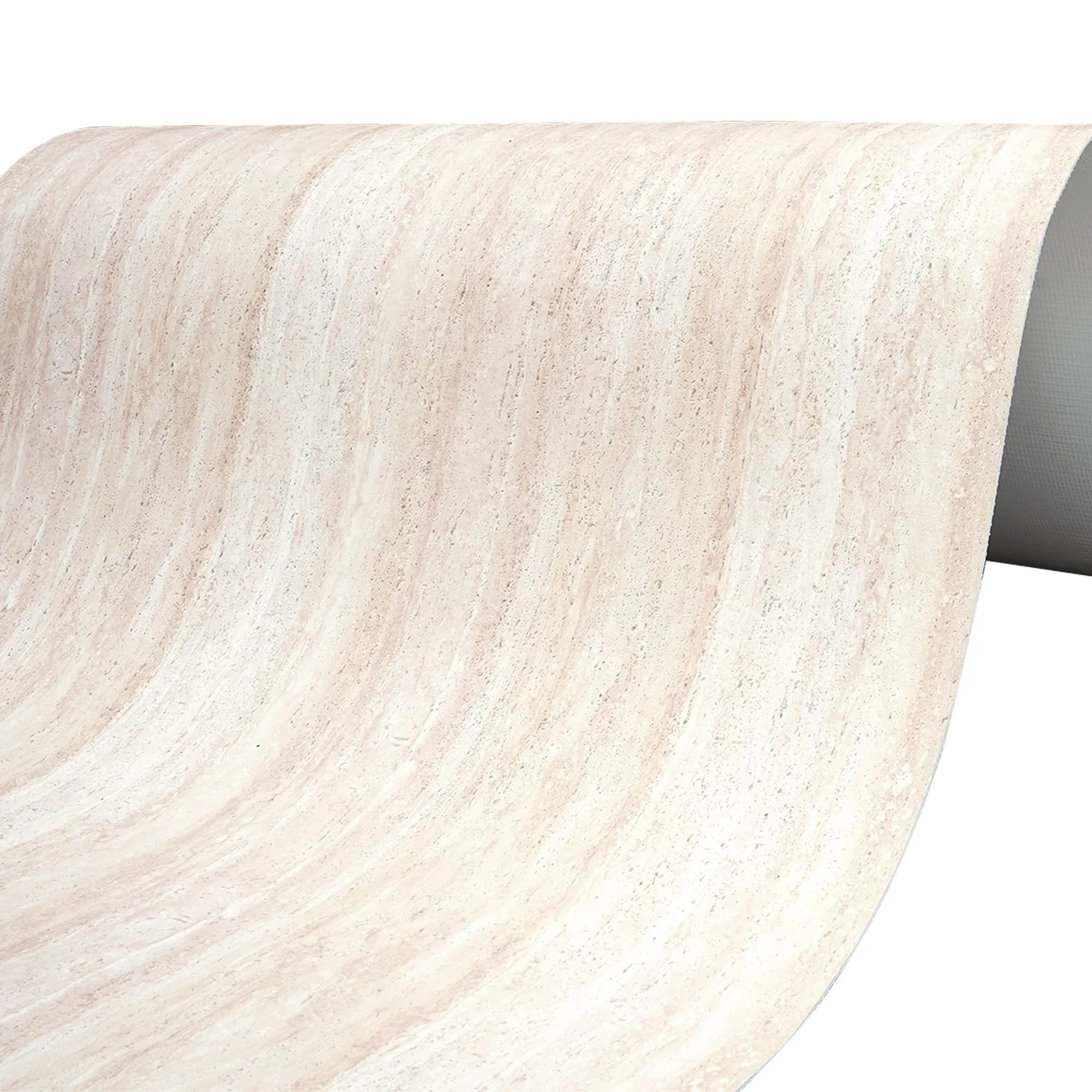
A boutique hotel in Lisbon wanted to evoke "sunset vibes" in their lobby. They chose Rona Yellow MCM with a starry orange finish—panels that shift from golden to amber as the day fades. The curved reception desk, clad in flexible MCM, looks like it's melting into the wall, welcoming guests with warmth. And because it's moisture-resistant, it handles the coastal humidity without a single water spot.
A 17th-century villa in Tuscany was restored with travertine (beige) —the same stone used in its original construction. The patio, laid with hand-cut slabs, now hosts family dinners under olive trees, the stone's natural coolness keeping feet comfortable even on hot summer days. It's not "perfect," but that's the point: the chips and uneven edges tell the story of the villa's past, making every meal feel like a celebration of history.
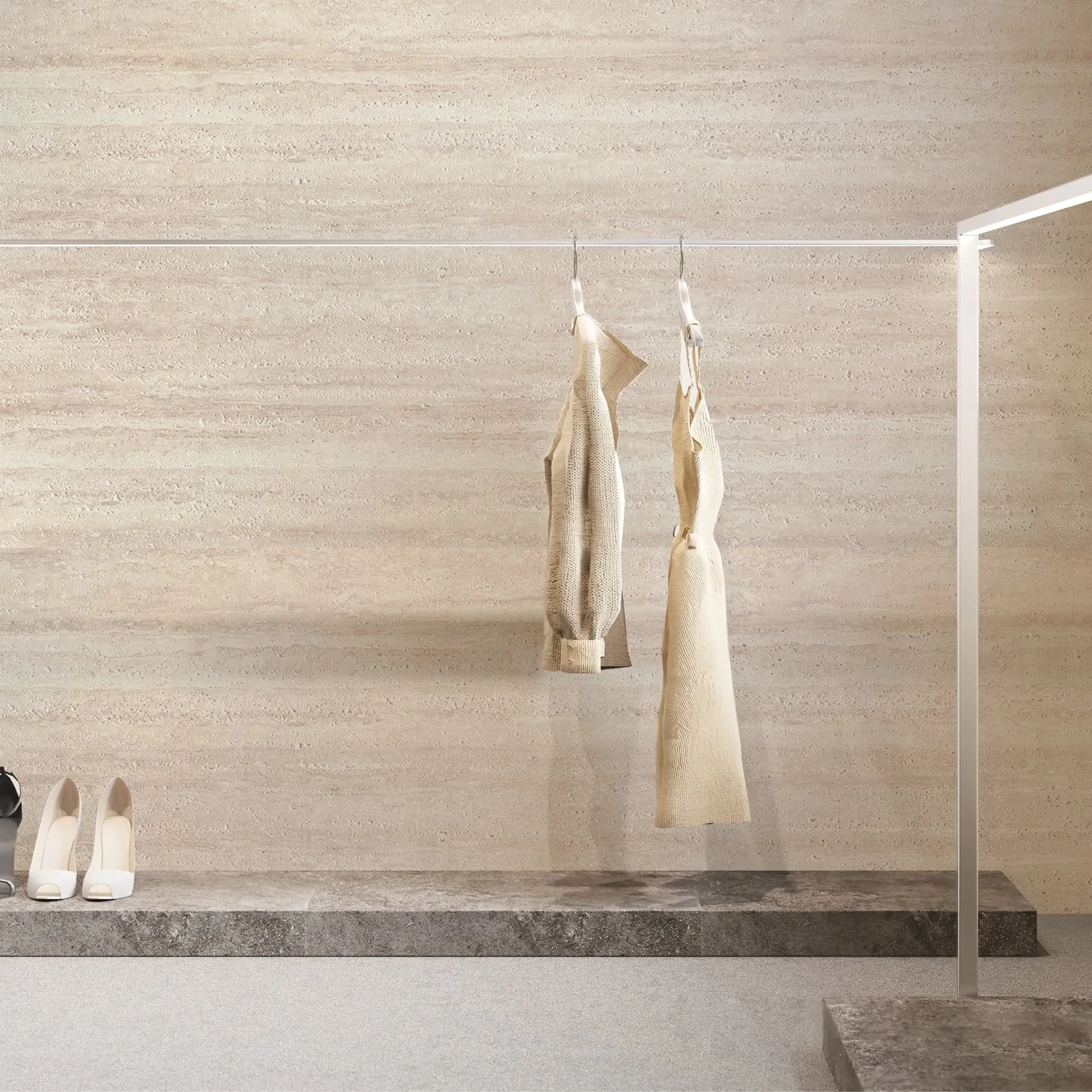
At the end of the day, Rona Yellow MCM and traditional yellow stone aren't enemies—they're different languages for the same emotion: a love of warmth, beauty, and connection to the earth. Traditional stone is for the dreamers who want to touch history, who don't mind a little extra work for something irreplaceable. Rona Yellow MCM is for the innovators, the busy parents, the designers who want to push boundaries without sacrificing heart.
So, which one should you choose? Ask yourself: What does your space need to feel like? If it's "cozy and timeless," traditional stone might be your match. If it's "fresh and fearless," let Rona Yellow MCM lead the way. Either way, you're not just building walls—you're building a feeling. And that's the magic of materials: they don't just shape spaces; they shape memories.
Recommend Products












