
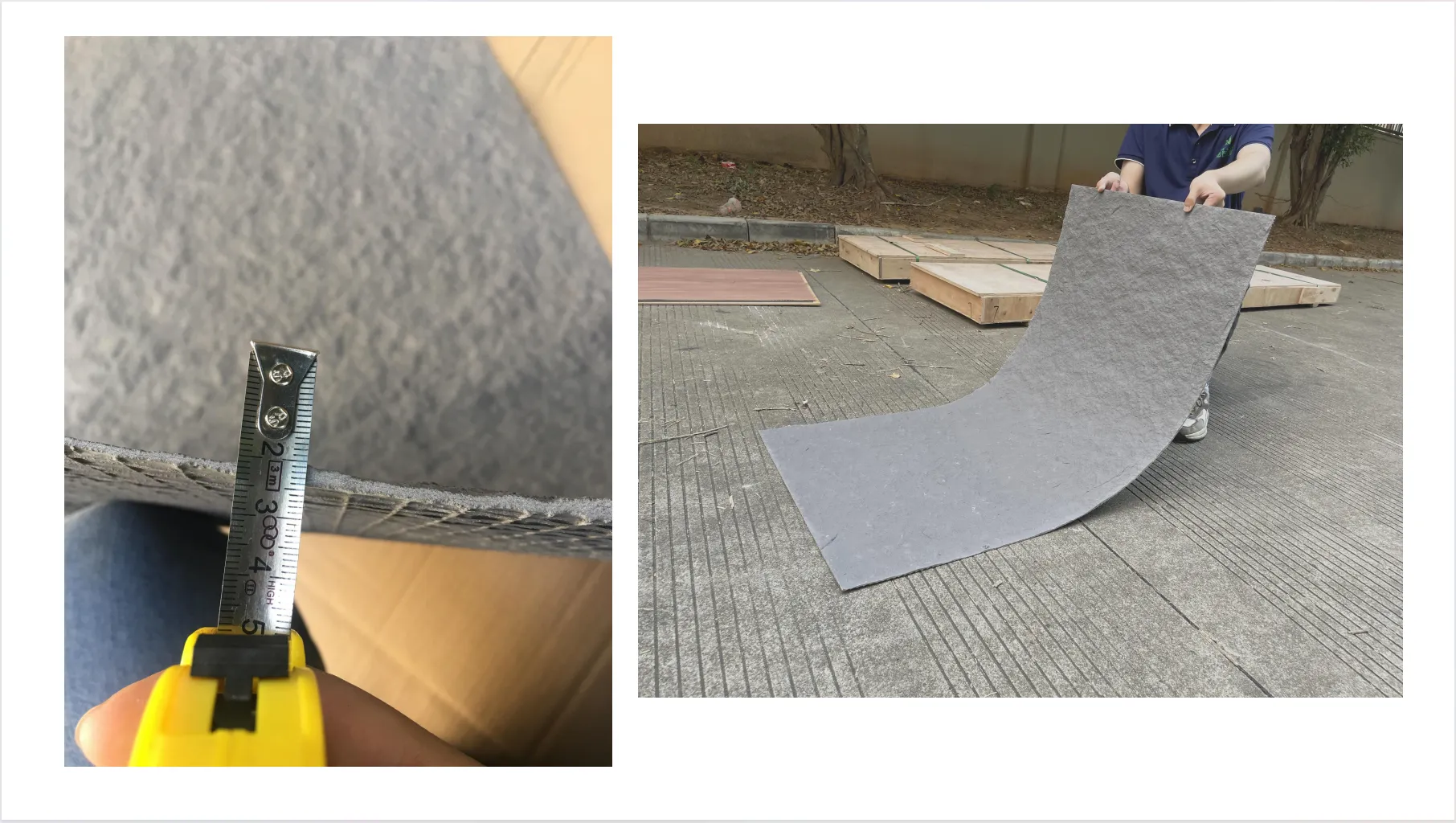
Think about the last time you walked through a busy airport terminal, a bustling shopping mall, or the lobby of a luxury hotel. What do you remember? Maybe the hum of conversation, the rush of people, or the way the space made you feel. But here's what you probably didn't notice—until it was gone: the floors, walls, and surfaces that kept everything together. High-traffic areas are the workhorses of our built environment, and they demand materials that can keep up with the chaos. They need to be tough enough to withstand thousands of footsteps, spills, and scrapes, but they also need to tell a story—one of style, durability, and intentional design. That's where COLORIA's Project Board Series comes in, and at its heart? A material that's equal parts warrior and artist: rough granite. Today, we're diving into why rough granite real pictures aren't just pretty snapshots—they're proof that high-traffic spaces don't have to choose between resilience and beauty.
Let's start with the obvious: high-traffic areas take a beating. Imagine a train station during morning rush hour, with commuters dragging suitcases, kids running, coffee cups spilling, and the constant shuffle of feet. Or a restaurant patio that sees hundreds of diners daily, with chairs scraping, food dropping, and weather throwing everything from rain to harsh sunlight at it. In these spaces, "good enough" materials don't cut it. Vinyl floors peel, cheap tiles crack, and generic concrete fades into a dull, lifeless backdrop. The result? Spaces that feel tired, unwelcoming, and expensive to maintain—because replacing worn-out materials every few years isn't just a hassle; it's a budget drain.
But here's the other side of the coin: high-traffic spaces are also where first impressions are made. A hotel lobby that feels cold and sterile? It sets a low bar for the guest experience. A retail store with scuffed, outdated walls? Shoppers might wonder if the brand cares about. The best high-traffic spaces do more than function—they connect . They use texture, color, and material to create a mood, whether it's the warmth of a community center or the sophistication of a corporate headquarters. So the challenge isn't just durability; it's balancing durability with design. And that's where rough granite steps into the spotlight.
When you hear "granite," you might picture sleek countertops in kitchens or polished floors in fancy bathrooms. But rough granite? It's a different beast. This isn't the shiny, uniform stone you'd find in a luxury home—it's raw, textured, and unapologetically authentic. Think of it as nature's armor: formed over millions of years under intense heat and pressure, granite is one of the hardest natural stones on the planet. But what makes rough granite perfect for high-traffic areas is its texture. Unlike polished surfaces, which show every scratch and smudge, rough granite's rugged, uneven surface hides wear and tear like a pro. A scuff from a suitcase wheel? Blends right into the natural grain. A coffee spill? Wipes away without leaving a stain. And because it's not overly smooth, it's also slip-resistant—a crucial safety feature for spaces where moisture (rain, spills) is common.
But durability is just the start. Rough granite has a personality. Its texture invites touch; run your hand over it, and you'll feel the peaks and valleys, the stories of the earth it carries. Its color palette, rooted in nature, ranges from deep, moody grays to warm, earthy beiges—hues that complement almost any design style, from industrial chic to rustic charm. And when you see rough granite real pictures, you notice something else: it's not static. Depending on the light, the texture shifts—morning sunlight might highlight its golden flecks, while evening shadows deepen its gray tones. It's a material that evolves with the space, keeping it feeling alive and dynamic, even after years of use.
COLORIA's Project Board Series isn't just about slapping rough granite on a wall and calling it a day. It's about curating a collection that meets the unique needs of high-traffic spaces—without sacrificing style. Let's take a closer look at the rough granite variants that are turning heads in the architecture and design world: rough granite stone (medium grey) , rough granite stone (dark grey) , and rough granite stone (beige) . These three colors might sound simple, but they're anything but—each is a carefully crafted blend of natural stone and modern engineering, designed to thrive in the toughest environments.
| Color Variant | Texture Profile | Best For | Standout Features |
|---|---|---|---|
| Rough Granite Stone (Medium Grey) | Subtle, weathered texture with soft grain patterns; balanced between rugged and refined. | Corporate lobbies, office corridors, retail storefronts. | Neutral tone that pairs with bold accents; hides light scuffs; warm gray undertones add depth. |
| Rough Granite Stone (Dark Grey) | Deeper, more dramatic texture with pronounced grain; hints of charcoal and black flecks. | Airport terminals, hotel lobbies, restaurant patios. | High contrast against lighter walls/furniture; exceptional at hiding dirt and spills; adds a sense of sophistication. |
| Rough Granite Stone (Beige) | Warm, earthy texture with golden and cream undertones; softer than the grey variants. | Community centers, cafes, residential building entrances. | Creates a welcoming, cozy vibe; pairs beautifully with wood and greenery; resistant to fading in sunlight. |
What makes these variants truly special is COLORIA's commitment to authenticity. When they say "rough granite real pictures," they mean it—no filters, no overly edited stock photos. The images you see on their website or in catalogs are taken in real spaces, under real lighting, so you know exactly what you're getting. A medium grey rough granite wall in a hotel lobby? It looks just as rich and textured in person as it does in the photo. A dark grey floor in a busy mall? The texture holds up, even under the glare of overhead lights. This transparency matters because when you're designing a high-traffic space, you can't afford surprises. You need to trust that the material will perform—and look—exactly as promised.
While rough granite is a star player in COLORIA's lineup, the Project Board Series is about more than one material. High-traffic spaces are rarely one-note—they might need large, seamless walls, curved surfaces, or lightweight panels that are easy to install. That's where complementary products like MCM flexible stone and MCM big slab board series come into play, rounding out the collection to solve even the trickiest design challenges.
Let's start with MCM flexible stone. Traditional stone is rigid, which limits where it can be used. Want to cover a curved wall in a museum? Or a rounded column in a hotel atrium? Rigid stone panels would crack or require expensive, custom cutting. MCM flexible stone changes the game. Made with COLORIA's proprietary modified composite material, it's thin (just a few millimeters thick), lightweight, and—you guessed it—flexible. This means it can wrap around curves, follow unique architectural shapes, and even be installed on vertical or overhead surfaces without the need for heavy structural support. And because it's part of the Project Board Series, it shares the same durability as rough granite. Spills, scratches, UV rays—MCM flexible stone handles them all, making it perfect for high-traffic areas where design flexibility is key.
Then there's the MCM big slab board series. For spaces that demand a bold, seamless look—think airport concourses, convention centers, or luxury retail walls—small tiles or panels can feel choppy. MCM big slabs, however, come in large formats (up to 1200x2400mm), creating a smooth, uninterrupted surface that feels grand and cohesive. And while they're big, they're surprisingly lightweight, which cuts down on installation time and costs. Imagine a hotel lobby with a 20-foot wall covered in a single MCM big slab in rough granite (dark grey)—it's a statement piece that says "luxury" without sacrificing the durability needed for daily foot traffic. Pair that with medium grey rough granite floors, and you've got a space that's both imposing and inviting.
The beauty of the Project Board Series is how these materials work together. A restaurant might use rough granite (beige) for the floors, MCM flexible stone (in a complementary texture) for the curved bar front, and MCM big slabs for the back wall. The result? A space that feels unified, intentional, and built to last. No more mixing and matching products from different brands, hoping they'll coordinate. COLORIA's ecosystem ensures that every material plays well with the others, so your design vision stays intact—from concept to completion.
Talk is cheap—what really matters is how these materials perform in the real world. Let's look at a few examples of how COLORIA's Project Board Series, including rough granite, has transformed high-traffic spaces:
Case Study 1: International Airport Terminal Renovation
A major airport in the Middle East was struggling with its aging terminal floors. The existing marble tiles were constantly chipping, and spills (from coffee to engine oil) left permanent stains. Maintenance crews were spending hours daily cleaning and repairing, and the space felt dated. The airport's design team chose COLORIA's rough granite stone (dark grey) for the main walkways and MCM big slab board series (in a matching tone) for the walls. The result? Three years later, the floors still look new. The rough texture hides scuffs from luggage, and the dark grey color masks spills until they can be cleaned. Passengers have commented on how "modern" and "sturdy" the terminal feels, and maintenance costs have dropped by 40%.
Case Study 2: Luxury Hotel Lobby
A boutique hotel in Europe wanted to create a lobby that felt both opulent and approachable. They needed a material that could handle the daily flow of guests (and their luggage) but also evoke the warmth of a mountain retreat. They chose rough granite stone (beige) for the floors and MCM flexible stone (in a complementary wood grain texture) for the curved reception desk. The beige granite adds a cozy, earthy vibe, while the flexible stone wraps the desk in a seamless, organic shape. Guests often mention the "inviting" feel of the lobby, and the hotel has seen a 15% increase in positive reviews mentioning the design.
Case Study 3: Urban Shopping Mall Food Court
A busy shopping mall in Asia was tired of replacing its food court floors every two years. The old tiles couldn't handle the constant foot traffic, food spills, and heavy furniture. The mall's management team opted for COLORIA's rough granite stone (medium grey) for the floors and fair-faced concrete (another Project Board Series material) for the walls. The medium grey granite hides stains from sauces and drinks, while its slip-resistant texture reduces the risk of accidents. Two years in, the floors have zero cracks, and the mall has saved over $100,000 in replacement costs. Shoppers also note that the food court feels "cleaner" and "more modern" than before.
At this point, you might be thinking, "Okay, rough granite is durable, MCM flexible stone is versatile—so what makes COLORIA different from other material suppliers?" The answer lies in their obsession with the details. COLORIA doesn't just sell products; they sell solutions. They understand that designing a high-traffic space is about balancing a dozen factors: budget, timeline, durability, aesthetics, and even sustainability. That's why every product in the Project Board Series is engineered with these priorities in mind.
And let's not forget the "real pictures" aspect. In an industry where marketing images often feel too good to be true, COLORIA's commitment to showing their materials in real, unfiltered settings builds trust. When an architect or designer sees a rough granite real picture of a busy hotel lobby, they don't have to wonder if the material will look the same in their project. They know. That transparency isn't just a nice-to-have—it's a game-changer for reducing risk and ensuring client satisfaction.
High-traffic spaces are the backbone of our cities, our communities, and our daily lives. They shouldn't have to settle for materials that are either durable or beautiful—they deserve both. COLORIA's Project Board Series, with rough granite leading the charge, proves that it's possible. Whether it's the medium grey rough granite floors of a bustling mall, the dark grey MCM big slabs of an airport terminal, or the beige rough granite walls of a cozy community center, these materials don't just endure—they elevate . They turn ordinary spaces into memorable ones, and they do it without demanding constant maintenance or breaking the bank.
So the next time you're walking through a high-traffic space that feels surprisingly inviting—where the floors look rich, the walls feel textured, and everything seems to glow with a quiet confidence—take a closer look. Chances are, you're standing on (or next to) COLORIA's rough granite. And when you see those rough granite real pictures, remember: they're not just photos. They're proof that high-traffic design can be both tough and beautiful. And in a world that's always on the move, that's a powerful thing.
Recommend Products












