
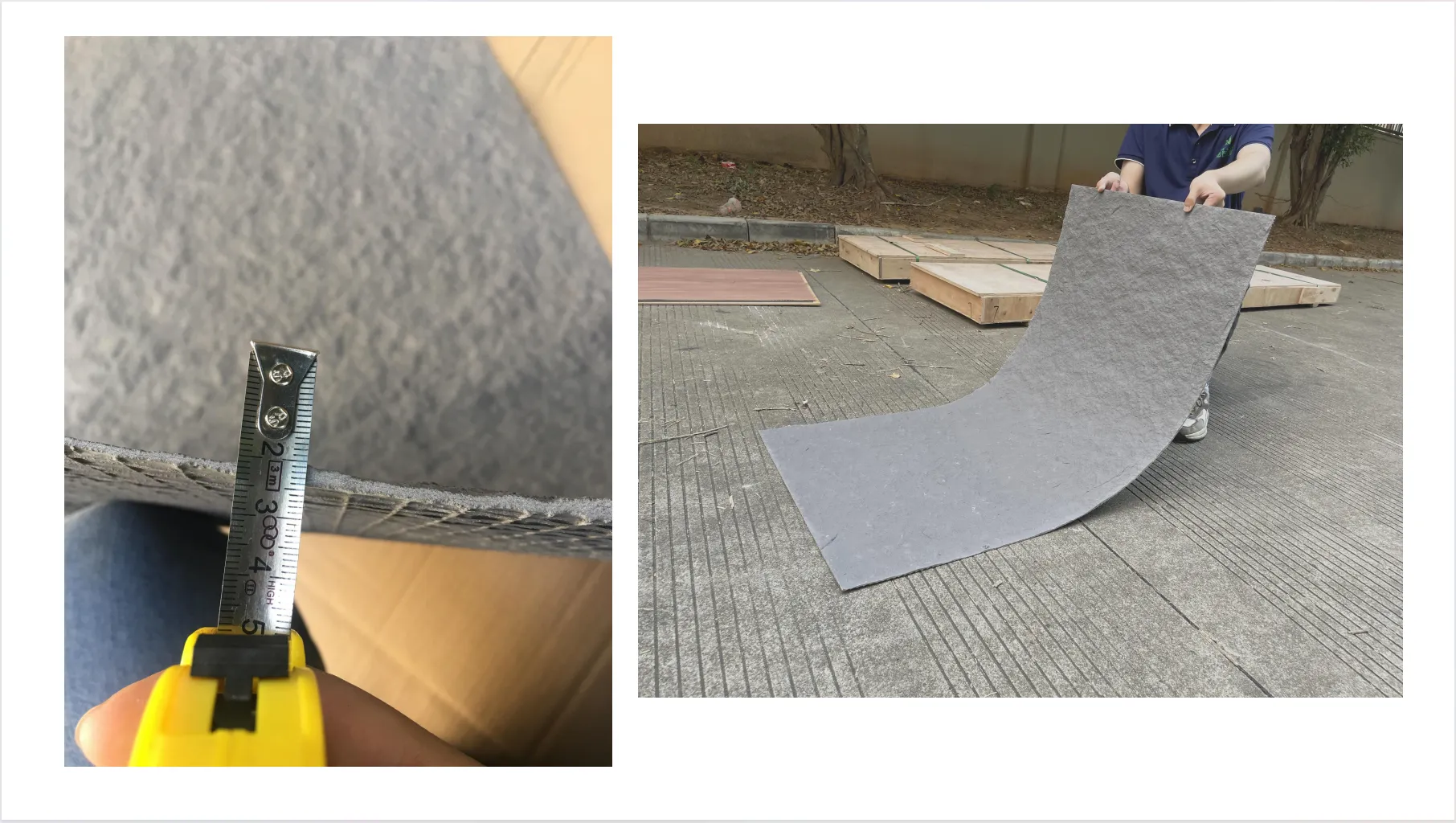
Walk through the cobblestone streets of a medieval village, and your fingers might brush against walls that have stood for centuries—rough, weathered stone that holds stories of blacksmiths, merchants, and families who once called those homes theirs. Historical buildings aren't just structures; they're living museums, their exteriors and interiors whispering tales of the past. But when time takes its toll, restoring these treasures becomes a delicate dance: how do you preserve authenticity without sacrificing durability? Enter MCM flexible stone, a game-changer in heritage conservation. Today, we're diving into one of its most compelling offerings—rough granite stone—and how it's breathing new life into historical renovations, one textured panel at a time.
Imagine standing before a 200-year-old town hall, its facade pockmarked by erosion, chunks of original granite missing, and mortar crumbling like dry earth. Restoring it sounds straightforward: just replace the damaged stone, right? But here's the catch: traditional rough granite is heavy—often weighing 20-30 kg per square meter. Old buildings, with their aging foundations and wooden support beams, weren't designed to bear that kind of weight today. Add to that the challenge of sourcing stone that matches the original color and texture; quarries change, mineral compositions shift, and suddenly, your "restored" wall looks like a patchwork quilt of mismatched shades.
Then there's installation. Traditional granite requires skilled masons to cut, shape, and mortar each stone individually—a process that's not only time-consuming but also risky for fragile historical structures. Vibrations from cutting tools can weaken already unstable walls, and the sheer labor drives up costs, sometimes making restoration projects financially unfeasible. For conservationists, it's a heartbreaking dilemma: let the building decay, or compromise on authenticity to keep it standing.
This is where MCM flexible stone steps in. Short for Modified Composite Material, MCM is a revolutionary technology that combines natural stone particles with lightweight, flexible polymers. The result? Panels that look and feel exactly like traditional stone—down to the smallest ridge and groove—but weigh a fraction of the real thing (often as little as 4-6 kg per square meter). And when it comes to rough granite, MCM has truly outdone itself. Available in variants like rough granite stone (medium grey), rough granite stone (dark grey), and rough granite stone (beige), these panels aren't just imitations; they're homages to the raw, unpolished beauty of natural granite.
But don't just take our word for it. Let's talk about texture—the soul of rough granite. Run your hand over MCM's medium grey rough granite panel, and you'll feel the same uneven, almost volcanic surface as the real stone: tiny pits where air bubbles once escaped, subtle color variations that mimic mineral deposits, and edges that look like they were chiseled by hand. The dark grey variant leans into drama, with deep charcoal hues that shift in the light, evoking storm clouds over ancient mountains. And the beige? Warm and earthy, it's like holding a piece of sun-baked soil that's been solidified into stone. These aren't flat, lifeless sheets—they're tactile, three-dimensional, and designed to age gracefully, just like the originals.
Fun fact: MCM flexible stone panels are made using a process that captures the exact texture of natural rough granite. Manufacturers take molds of centuries-old stone walls, ensuring that every imperfection—the scratch from a blacksmith's hammer, the indent from a falling branch—is replicated in the final product. It's history, preserved in polymer and stone dust.
Let's zoom in on the stars of the show: MCM's rough granite stone trio. Each variant is designed to complement different architectural styles, ensuring that whether you're restoring a Gothic cathedral or a Victorian terrace, there's a panel that fits.
Rough Granite Stone (Medium Grey): Picture a Scottish castle on a misty morning—the stone walls, neither too light nor too dark, with hints of silver and slate. That's the medium grey variant. Its color palette is versatile, blending seamlessly with both warm and cool-toned historical buildings. It's a favorite for restoring town squares and public halls, where it adds gravitas without overwhelming the surrounding architecture.
Rough Granite Stone (Dark Grey): For buildings that demand presence—think 17th-century fortresses or industrial-era factories—dark grey rough granite is the go-to. Its deep, moody color (reminiscent of wet stone after rain) adds depth and character, making it perfect for accent walls or entire facades. When paired with wooden beams or iron fixtures, it creates a timeless, rugged aesthetic that feels both ancient and enduring.
Rough Granite Stone (Beige): If "warmth" is the goal, look no further than beige rough granite. Soft, sandy hues with undertones of cream and terracotta, this variant evokes sunlit Mediterranean villages or colonial-era courtyards. It's ideal for residential restorations, where it adds a welcoming, lived-in feel. Imagine a 19th-century cottage with beige rough granite walls, climbing roses, and a wooden door—suddenly, it's not just a house; it's a home with a story.
Beauty aside, MCM flexible stone's real magic lies in its practicality. Let's break down how it solves the biggest headaches of historical renovation:
Take weight, for example. A 100-square-meter wall clad in traditional granite would add 2-3 tons to a building's load. MCM rough granite? Just 400-600 kg—less than the weight of a small car. For a 200-year-old church with a foundation that's seen better days, that difference is monumental. It means no need for expensive structural reinforcements; the building can keep its original character without compromising safety.
Installation is another win. Traditional granite requires masons to mix mortar, cut stones to fit, and carefully align each piece. MCM panels, on the other hand, are lightweight and flexible, meaning they can be cut with standard tools (no heavy machinery!) and installed with adhesive. This not only speeds up the process but also reduces disruption to the surrounding area—a big plus when you're working in busy historical districts where closing streets for weeks isn't an option.
Marlborough Manor, a stately home in the English countryside, was built in 1762. By 2020, its west wing was in dire straits: years of rain and wind had eroded the original rough granite facade, leaving gaping holes and loose stones. The owners wanted to restore it to its former glory but were hesitant to use traditional granite, fearing it would strain the manor's aging oak foundations.
After consulting with conservation architects, the team chose MCM rough granite stone (dark grey) for the restoration. The panels were custom-matched to the remaining original stone, ensuring color consistency. Installation took just 10 days (compared to the estimated 3 weeks with traditional stone), and the lightweight panels required no additional structural support.
Today, the west wing looks indistinguishable from the rest of the manor. "Visitors can't tell the difference between the original stone and the MCM panels," says lead architect Emma Clarke. "The texture, the color—it's like time traveling. And best of all, we didn't have to risk damaging the foundations. It's a win for history and engineering."
In an era where sustainability matters as much as aesthetics, MCM flexible stone has another trick up its sleeve: it's eco-friendly. Traditional granite quarrying involves heavy machinery, deforestation, and carbon emissions from transportation. MCM panels, by contrast, use up to 80% recycled stone particles and require minimal energy to produce. They're also 100% recyclable at the end of their lifespan, making them a choice that's kind to both history and the planet.
For historical renovations, this sustainability factor is more than just a bonus—it's a responsibility. "We're not just preserving buildings for today; we're preserving them for future generations," says Dr. Jameson Reed, a heritage conservation expert. "Using materials that reduce our carbon footprint ensures that the stories these buildings tell will outlive us all."
Rough granite real pictures don't just show stone—they show potential. They show a world where historical buildings don't have to choose between authenticity and survival, where a medieval wall can stand tall without risking collapse, and where a Victorian terrace can retain its charm without breaking the bank. MCM flexible stone, with its rough granite variants, isn't just a building material; it's a bridge between past and present.
So the next time you walk past a restored historical building, take a moment to touch the walls. If they feel rough, real, and full of character, chances are you're feeling MCM flexible stone. And in that moment, you're not just touching a panel—you're touching history, preserved.
Recommend Products












