
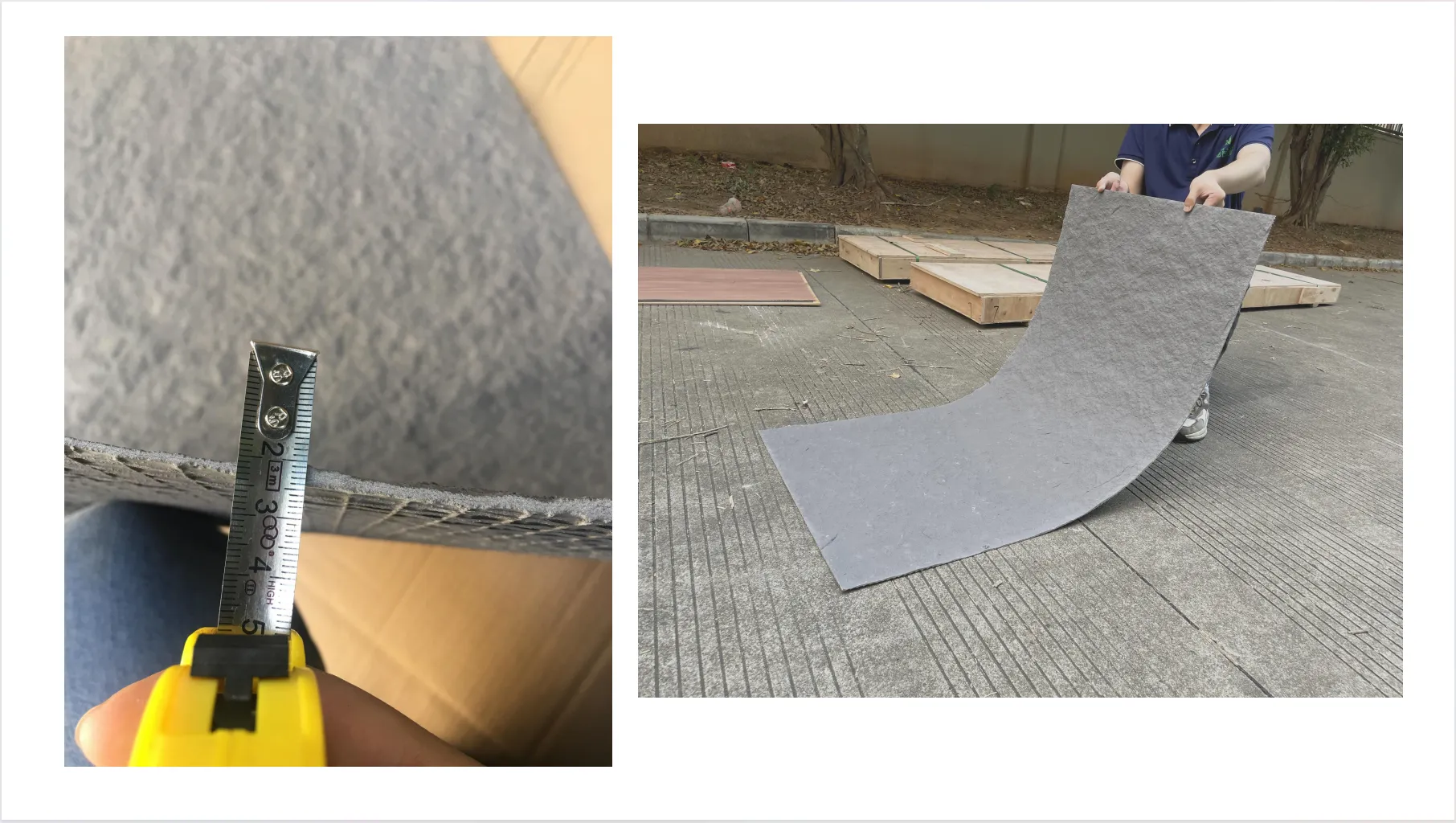
There's something undeniably captivating about MCM surfaces—they blend durability with artistry, turning ordinary walls, countertops, and facades into statement pieces. Take COLORIA's rough granite stone, for example. When you scroll through rough granite real pictures, you're not just looking at a material; you're admiring a story of texture, depth, and raw beauty. Whether it's the understated elegance of rough granite stone (medium grey) or the bold contrast of rough granite stone (dark grey), these surfaces add character to any space. But here's the thing: that beauty isn't just skin-deep. To keep your MCM surfaces looking as stunning as they do in those real pictures, you need to master the art of cleaning and protection. Let's dive in.
First, let's get to know the star of the show: MCM, or Modified Composite Material. COLORIA's MCM range is a testament to innovation, combining natural aesthetics with modern resilience. From the earthy warmth of wood grain board to the industrial chic of fair-faced concrete, MCM surfaces are designed to mimic high-maintenance materials (like natural stone) without the hassle—*but* they still need care. And when it comes to rough granite, that texture you love in the real pictures? It's exactly what makes cleaning and protecting a bit trickier (but totally doable).
Rough granite stone (medium grey) and its darker sibling, rough granite stone (dark grey), are porous by nature. Those tiny crevices and ridges that give them their rugged charm? They're also magnets for dust, grime, and spills. Ignore them, and over time, your surface might lose that "just-unboxed" glow you fell in love with in the rough granite real pictures. The good news? With a little know-how, you can keep your MCM surfaces looking fresh for years.
Cleaning MCM surfaces like rough granite isn't about harsh scrubbing—it's about gentle, intentional care. Let's break it down into daily, weekly, and "oops, I spilled wine" routines.
Dust might seem harmless, but let it build up on rough granite, and it'll settle into those tiny grooves, dulling the surface. Grab a soft, lint-free cloth (microfiber works wonders) or a feather duster and give your surface a quick once-over. Avoid abrasive materials like scouring pads or stiff brushes—they'll scratch the finish, and trust us, scratches don't look great in real pictures (or in person).
Pro tip: For vertical surfaces like accent walls (think rough granite stone (dark grey) making a bold statement), use a dry microfiber mop to reach high spots without straining. It's faster, easier, and gentler than a broom.
Dust is gone—now it's time to tackle grime. Mix a few drops of mild dish soap (nothing with bleach or ammonia!) into a bucket of warm water. Dip a soft sponge or a non-abrasive cloth into the solution, wring it out well (you don't want standing water pooling in crevices), and gently wipe the surface. For those textured nooks, use a soft-bristled brush (an old toothbrush works in a pinch!) to dislodge trapped dirt. Rinse the sponge/cloth frequently to avoid spreading grime, then dry the surface with a clean towel to prevent water spots.
| MCM Surface | Cleaning Do's | Cleaning Don'ts |
|---|---|---|
| Rough Granite Stone (Medium/Dark Grey) | Use mild soap + warm water; soft brush for texture | Abrasive pads, acidic cleaners (vinegar, lemon) |
| Travertine (Starry Blue) | pH-neutral stone cleaner; blot spills immediately | Bleach, hydrogen peroxide, harsh detergents |
| Fair-Faced Concrete | Damp cloth; occasional mild soap rinse | Power washing, steel wool |
Spills happen. Coffee drips, oil splatters, even the occasional red wine—they're all part of living with beautiful surfaces. The key with rough granite (and porous MCM materials like travertine (starry blue)) is to act fast. Blot the spill with a clean, dry cloth—*don't rub* (you'll push the liquid deeper into the pores). For oil-based stains (like cooking oil or makeup), sprinkle a bit of baking soda on the area, let it sit for 10–15 minutes to absorb, then wipe away with a damp cloth. For organic stains (wine, juice), mix a paste of hydrogen peroxide and baking soda (test it on an inconspicuous spot first!), apply, and let sit for 30 minutes before rinsing.
Avoid acidic cleaners like vinegar or lemon juice—they can etch the surface, leaving dull marks that even the best rough granite real pictures can't hide. When in doubt, stick to pH-neutral stone cleaners specifically designed for MCM surfaces.
Cleaning is half the battle—protection is what keeps your surfaces looking fresh for years. Think of it like sunscreen for your MCM: a little goes a long way in preventing damage.
Sealing is non-negotiable for porous MCM surfaces like rough granite. A good sealer creates a barrier that repels liquids, making spills easier to clean and preventing stains from setting in. Here's how to do it right:
Protection isn't just about sealers—it's about small, consistent habits. Use coasters under glasses (especially for acidic drinks like soda or juice), place trivets under hot pans, and avoid dragging heavy objects across the surface (those furniture legs can scratch!). For walls with rough granite or wood grain board, be gentle with cleaning tools—no scrubbing too hard, even if there's a stubborn mark.
Even with regular cleaning and sealing, your MCM surfaces will need a little extra love now and then. Here's how to keep them looking like they just stepped out of a COLORIA catalog:
Inspect regularly: Every few months, take a close look at your rough granite (or any MCM surface). Check for cracks, chips, or areas where the sealer might be wearing thin. Catching issues early makes them easier to fix—small chips can often be repaired with a color-matched MCM repair kit, while worn sealer can be touched up before stains set in.
Deep clean seasonally: Twice a year (spring and fall are good times), give your surfaces a deeper clean. Use a stone-safe degreaser for kitchen areas, and consider hiring a professional to reseal large surfaces if you're not comfortable doing it yourself. This is also a great time to tackle hard-to-reach spots, like the grout lines between rough granite tiles or the edges of wood grain board accent walls.
Embrace the "lived-in" look (but not too much): MCM surfaces are designed to age gracefully, but there's a difference between "character" and "neglect." A few minor scratches on rough granite stone (medium grey) might add charm, but deep stains or cracks? Those take away from the beauty you fell in love with in the real pictures. Balance is key.
Even with the best care, issues can pop up. Here's how to handle common MCM surface problems:
Etching: Those dull, glassy spots from acidic spills? For rough granite, you might need a polishing powder (mix with water to form a paste) and a soft cloth to gently buff the area. For travertine or marble-based MCM (like marble veil white), consider a professional polishing service—etching can be tricky to fix at home.
Discoloration: If your rough granite stone (dark grey) starts to look uneven, it might be due to uneven sealing or trapped moisture. Let the surface dry completely, then apply a fresh coat of sealer. For persistent discoloration, a stone color enhancer (test first!) can help restore uniformity.
Scratches: Light scratches on rough granite can often be masked with a bit of mineral oil (apply, let sit, wipe excess). Deeper scratches might require professional help, but for most MCM surfaces, minor wear is part of their charm—just like how a well-loved book has dog-eared pages, your surface tells a story.
At the end of the day, MCM surfaces like rough granite are more than just building materials—they're part of your home's personality. The rough granite real pictures that first caught your eye? They're a promise of beauty, and with the right care, that promise can last for decades. Whether you're caring for rough granite stone (medium grey) in a cozy kitchen, wood grain board in a home office, or travertine (starry blue) in a bathroom, the principles are the same: clean gently, seal regularly, and treat your surface with the respect it deserves.
COLORIA designs their MCM surfaces to be both stunning and practical, but they're not indestructible. With a little time and attention, you can keep your surfaces looking as vibrant, textured, and full of life as they did the day they were installed. So go ahead—admire those rough granite real pictures, then roll up your sleeves and give your surface the care it needs. Trust us, it will be worth it every time you walk into the room and think, "Wow, this still looks amazing."
Recommend Products












