
Walk into any healthcare facility, and you'll quickly realize it's more than just a building—it's a space where healing begins. The walls, floors, and surfaces that surround patients, families, and staff aren't just backdrop; they're silent participants in the journey toward wellness. Cold, sterile environments can heighten anxiety, while warm, thoughtfully designed spaces have the power to calm nerves, ease stress, and even accelerate recovery. That's where the MCM Project Board Series steps in, blending functionality with the quiet beauty of natural materials to redefine what healthcare design can be. Today, we're diving deep into one of its most compelling offerings: rough granite. Not just any granite, but the kind that feels like a handshake from nature—textured, authentic, and full of character. Let's explore how rough granite, paired with the versatility of the MCM Project Board Series, is transforming healthcare spaces into havens of comfort and resilience.
Healthcare design is a delicate dance. On one hand, spaces need to be durable enough to withstand constant foot traffic, frequent cleaning, and the wear and tear of daily operations. On the other, they must feel welcoming—like a place where humanity, not just medicine, takes center stage. Think about a patient lying in bed, staring at a wall for hours. Is that wall a flat, lifeless surface, or does it have the subtle texture of stone that reminds them of a mountain hike? Does the floor underfoot feel cold and clinical, or warm and grounding, like the earth itself? These details matter more than we often realize.
Research has shown that exposure to natural elements in healthcare settings can lower blood pressure, reduce cortisol levels, and improve overall mood. Patients recover faster in spaces that incorporate natural light, organic shapes, and materials that echo the outdoors. But here's the challenge: natural materials like stone or wood can be heavy, hard to install, and expensive to maintain—especially in high-moisture areas like clinics or hospitals. That's where MCM (Modified Composite Material) technology changes the game. By blending the look and feel of natural stone with the practicality of modern engineering, MCM Project Board Series offers the best of both worlds: beauty without the hassle, durability without the coldness.
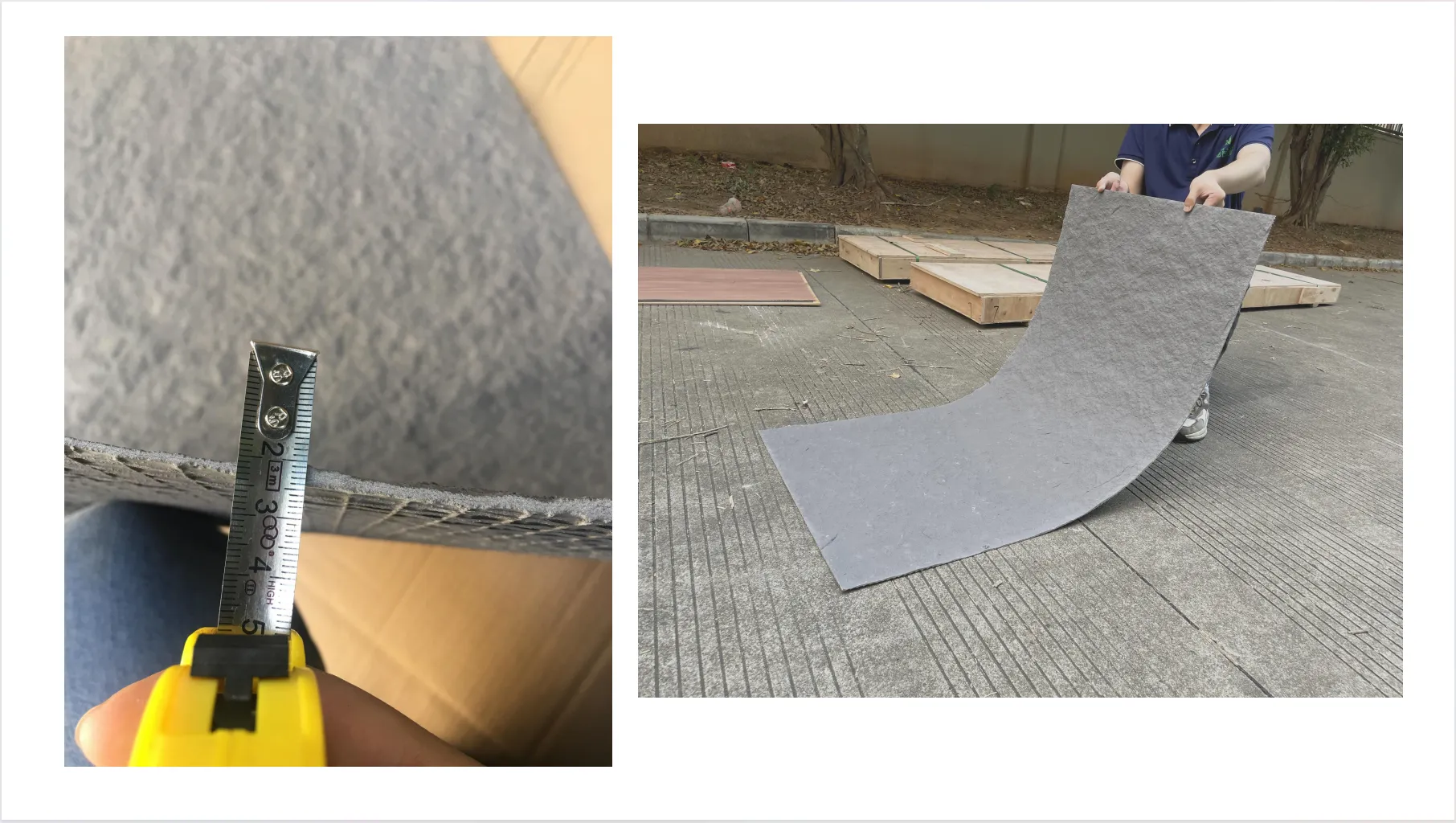
Before we zoom in on rough granite, let's talk about what makes the MCM Project Board Series a standout choice for healthcare. MCM, or Modified Composite Material, is a revolutionary technology that layers natural mineral powders with high-performance polymers, creating panels that are lightweight, flexible, and incredibly strong. Unlike traditional stone slabs, which can be bulky and prone to cracking, MCM panels are easy to install, resistant to impact, and designed to handle the rigors of high-traffic environments—perfect for hospitals, clinics, and rehabilitation centers.
But it's not just about strength. The MCM Project Board Series also prioritizes sustainability, using eco-friendly materials and manufacturing processes that reduce waste and carbon footprint. In an era where healthcare facilities are increasingly focused on green building practices, this matters. Plus, the series offers a staggering range of textures and finishes, from the smooth elegance of fair-faced concrete to the warm grain of wood grain board, ensuring there's a material to suit every design vision. And today, our star is rough granite—a material that embodies the raw, unpolished beauty of nature, yet tamed into a form that's ready to serve the unique needs of healthcare spaces.
If you've ever run your hand over a boulder in a forest, you know the feeling—rough, yet reassuring. That's the essence of rough granite in the MCM Project Board Series. It's not the glossy, polished granite you might find in a luxury hotel lobby; this is granite in its most authentic form, with all the nooks, crannies, and subtle color variations that make nature so endlessly fascinating. When you see rough granite real pictures, you'll notice the depth: flecks of mica catching the light, veins of quartz adding dimension, and a texture that invites touch without feeling harsh.
What makes rough granite ideal for healthcare? For starters, its texture is inherently calming. In a space where patients may feel vulnerable, the tactile quality of rough granite creates a sense of stability—a reminder that some things are built to last. It also adds visual interest without overwhelming the senses. Unlike busy patterns that can be distracting, rough granite's natural variations are subtle, creating a backdrop that feels organic and serene. Imagine a waiting room where the walls are clad in rough granite stone (medium grey)—not too dark to feel gloomy, not too light to show every scuff. It's a neutral canvas that lets soft lighting, potted plants, and warm wood accents shine, turning a sterile waiting area into a space that feels more like a cozy mountain lodge than a clinic.
Rough granite in the MCM Project Board Series comes in three versatile shades, each with its own personality. Let's break them down:
| Variant | Color Tone | Texture Notes | Best For |
|---|---|---|---|
| rough granite stone (medium grey) | Soft, silvery-grey with warm undertones | Subtle grain, moderate texture—like weathered stone | Patient rooms, corridors, reception desks |
| rough granite stone (dark grey) | Deep, charcoal grey with hints of blue | More pronounced texture, with visible mineral deposits | Accent walls, nurse stations, waiting area feature walls |
| rough granite stone (beige) | Warm, sand-like beige with golden flecks | Smooth-rough hybrid texture, lighter in weight | Pediatric wings, therapy rooms, wellness centers |
Each variant tells a slightly different story. rough granite stone (beige) leans into warmth, making it perfect for pediatric units where a friendly, non-threatening vibe is key. rough granite stone (dark grey) adds drama without darkness, ideal for creating focal points in large spaces like auditoriums or staff lounges. And rough granite stone (medium grey)? It's the ultimate team player, blending seamlessly with almost any color scheme, from soft pastels to rich earth tones.
In healthcare, beauty can't come at the cost of functionality. Luckily, rough granite in the MCM Project Board Series delivers on both fronts. Let's start with durability. Healthcare facilities are high-traffic zones—stretchers rolling by, wheelchairs gliding across floors, carts loaded with supplies bumping into walls. rough granite is built to handle this. Thanks to the MCM technology, it's scratch-resistant, impact-resistant, and won't chip or crack under pressure. That means less maintenance, fewer repairs, and a longer lifespan for your surfaces—critical for facilities operating on tight budgets.
Then there's cleanliness. In healthcare, infection control is non-negotiable. rough granite's surface, while textured, is surprisingly easy to clean. Unlike porous materials that can harbor bacteria, MCM panels are non-porous and resistant to moisture, making them a breeze to wipe down with disinfectants. This is a game-changer for patient rooms, where surfaces need to be sanitized frequently without damaging the material. Imagine a nurse quickly wiping down a rough granite bedside table after a patient's visit—no scrubbing, no harsh chemicals, just a quick swipe and it's ready for the next use.
Acoustics are another hidden benefit. Healthcare spaces can be noisy—phones ringing, announcements over loudspeakers, the constant hum of medical equipment. rough granite's texture helps absorb sound, reducing echo and creating a quieter environment. In a patient room, this can mean better sleep for someone recovering from surgery. In a corridor, it can mean less stress for staff rushing to attend to emergencies. It's a small detail, but one that makes a big difference in the day-to-day experience of everyone in the facility.
Rough granite is a star, but even stars shine brighter with supporting cast. The MCM Project Board Series offers a range of materials that pair beautifully with rough granite, creating cohesive, multi-layered healthcare spaces. Let's explore a few:
Fair-faced concrete is the quiet workhorse of modern design—raw, honest, and surprisingly versatile. When paired with rough granite, it adds an industrial edge without feeling cold. Imagine a reception desk where the countertop is rough granite stone (dark grey) and the base is fair-faced concrete. The contrast of textures—rough stone and smooth concrete—creates visual interest, while the neutral tones keep the space feeling calm. It's a combination that works equally well in urban clinics and rural hospitals, bridging the gap between modernity and tradition.
Nothing says "warmth" like wood, and wood grain board in the MCM Project Board Series captures that essence perfectly—without the maintenance headaches of real wood. Pair rough granite stone (beige) with wood grain board in a patient room: the granite on the lower half of the walls (resistant to scuffs and moisture) and the wood grain on the upper half (adding softness and warmth). Add a few wooden accent chairs, and suddenly the room feels less like a hospital and more like a home. It's a pairing that appeals to our innate love of nature, creating spaces that feel nurturing and safe.
Healthcare spaces often need to feel approachable, and sharp corners can feel intimidating. Enter MCM flexible stone—a material that bends and curves, allowing for soft, organic shapes. Use it to create a curved accent wall in a pediatric ward, paired with rough granite stone (medium grey) on the adjacent walls. The flexibility of the stone adds playfulness, while the granite adds stability, creating a space that's both fun and reassuring for young patients. It's a reminder that healthcare design doesn't have to be rigid to be functional.
Let's bring this all to life with a few examples of how rough granite and the MCM Project Board Series are making a difference in real healthcare settings.
In a rehabilitation center in Colorado, the therapy rooms were designed with rough granite stone (medium grey) on the floors. Why? Because rehabilitation involves movement—patients learning to walk again, stretching, or using mobility aids. rough granite's textured surface provides traction, reducing the risk of slips, while its durability stands up to heavy equipment. The walls, clad in wood grain board, add warmth, and large windows let in natural light, turning a challenging physical therapy session into a moment of connection with the outdoors. Staff report that patients seem more relaxed, and therapists note that the space feels less clinical, making it easier to build rapport with clients.
Waiting for cancer treatment is one of the most stressful experiences a person can endure. A cancer center in Oregon wanted to transform its waiting area into a space that felt less like a "holding pen" and more like a sanctuary. They chose rough granite stone (beige) for the walls, paired with fair-faced concrete floors and soft, dimmable lighting. The beige granite, with its warm undertones, feels like desert sand at sunset, while the concrete adds a sense of groundedness. Potted succulents and a water feature complete the scene, creating a space where patients and families can sit, breathe, and find a moment of peace amid the chaos of treatment. Feedback has been overwhelming: "It doesn't feel like a hospital anymore," one patient said. "It feels like a place where I can catch my breath."
Children often fear hospitals, so a pediatric unit in Texas decided to design with play in mind—without sacrificing safety. They used rough granite stone (dark grey) for the corridor walls (resistant to sticky fingers and toy scratches) and paired it with MCM flexible stone in bright, cheerful colors for accent walls shaped like clouds and mountains. The rough granite adds durability, while the flexible stone adds whimsy, turning a long corridor into a "mountain trail" that kids love to explore. Even the floors got in on the fun: wood grain board in warm tones, designed to look like a forest path. Nurses report that kids are more willing to walk to treatment rooms now, turning a dreaded task into an adventure.
Ready to incorporate rough granite into your healthcare project? Here's a quick guide to choosing the right variant:
Best for: High-traffic areas like corridors, reception desks, and shared spaces. Its medium tone hides scuffs well, and its soft grey undertones complement almost any accent color, from soft blues to warm terracottas.
Best for: Feature walls, nurse stations, or spaces where you want to create depth. Pair with light-colored ceilings and plenty of natural light to keep the space from feeling too dark. Perfect for adult wards or administrative areas where a touch of sophistication is desired.
Best for: Pediatric units, therapy rooms, and spaces focused on comfort. Its warm, sandy tone feels inviting and pairs beautifully with wood accents and soft pastels. Ideal for creating a "home away from home" vibe.
In the end, healthcare design is about people. It's about creating spaces that support patients in their recovery, comfort families during difficult times, and give staff the tools they need to do their best work. rough granite in the MCM Project Board Series isn't just a material—it's a partner in that mission. It brings the strength of nature into healthcare spaces, reminding us that healing is rooted in connection—to the world around us, to each other, and to the quiet, enduring beauty of the natural world.
When you look at rough granite real pictures, you're not just seeing stone; you're seeing potential. Potential to turn a sterile clinic into a sanctuary, a cold waiting room into a place of calm, and a hospital corridor into a path toward healing. With the MCM Project Board Series, that potential is within reach—durable, sustainable, and endlessly customizable.
So here's to the healthcare spaces of tomorrow: spaces that don't just treat the body, but nurture the soul. And here's to rough granite, standing tall as a reminder that sometimes, the most powerful things in life are the ones that feel the most real.
Recommend Products












