
Saudi Arabia's skyline is undergoing a transformation—one that marries the grandeur of its heritage with the boldness of modern design. In cities like Riyadh, Jeddah, and the futuristic NEOM, architects aren't just building structures; they're crafting narratives. These narratives demand materials that speak to the kingdom's deep-rooted connection to stone and earth while meeting the demands of 21st-century innovation: lightweight durability, sustainability, and the flexibility to turn visionary concepts into tangible spaces. Enter COLORIA MCM, a brand that has become synonymous with this balance. More than a supplier, COLORIA is a collaborator, offering a palette of materials that don't just cover buildings—they define them. Today, we're diving into the stories behind some of their most impactful offerings, and how they're reshaping Saudi Arabia's commercial architecture, one textured surface at a time.
Run your hand over a slab of COLORIA's rough granite stone (medium grey), and you'll feel the weight of history. It's not just stone—it's a conversation starter. Quarried from regions known for their geological richness, this granite is selected for its unique medium grey hue, a tone that echoes the desert's twilight skies and the weathered rocks of the Hijaz Mountains. But what sets COLORIA's version apart is the careful craftsmanship that goes into making it suitable for modern commercial spaces. Traditional granite, while stunning, can be unwieldy—heavy, hard to install, and unforgiving of complex designs. COLORIA's engineers have reimagined it: through a proprietary process, they reduce its weight by up to 60% without sacrificing strength, making it ideal for high-rise facades, lobby floors, and accent walls that demand both presence and practicality.
In Riyadh's King Abdullah Financial District, a leading investment firm recently chose this rough granite for its headquarters lobby. The space, designed to welcome clients and employees alike, needed to project stability and trust—qualities inherently linked to stone—without feeling cold or corporate. The medium grey slabs, with their natural pockmarks and subtle veining, create a focal wall behind the reception desk. Morning light filters through floor-to-ceiling windows, casting shadows that dance across the stone's textured surface, turning a static wall into a dynamic piece of art. "We wanted visitors to feel grounded the moment they walk in," says the project's lead architect. "Granite has that effect, but COLORIA's version? It's lighter, easier to work with, and the medium grey tone isn't overpowering—it's inviting . It's like bringing a piece of the desert indoors, but polished just enough to feel intentional."
Beyond aesthetics, durability is key in Saudi Arabia's climate. The harsh sun, occasional sandstorms, and temperature fluctuations can take a toll on building materials. COLORIA's rough granite stands up to these challenges, resisting fading, scratching, and weathering. It's a material that ages gracefully, developing a patina over time that only enhances its character. In a region where buildings are built to last generations, that's not just a feature—it's a promise.
"Rough granite isn't just a surface; it's a storyteller. Every imperfection, every variation in tone, tells the story of the earth it came from. In Saudi Arabia, where our identity is tied to the land, that matters. COLORIA gets that—they don't just sell stone; they help us tell our stories." — Lama Al-Mansoori, Principal Architect at Riyadh-based design studio, Horizon Spaces.
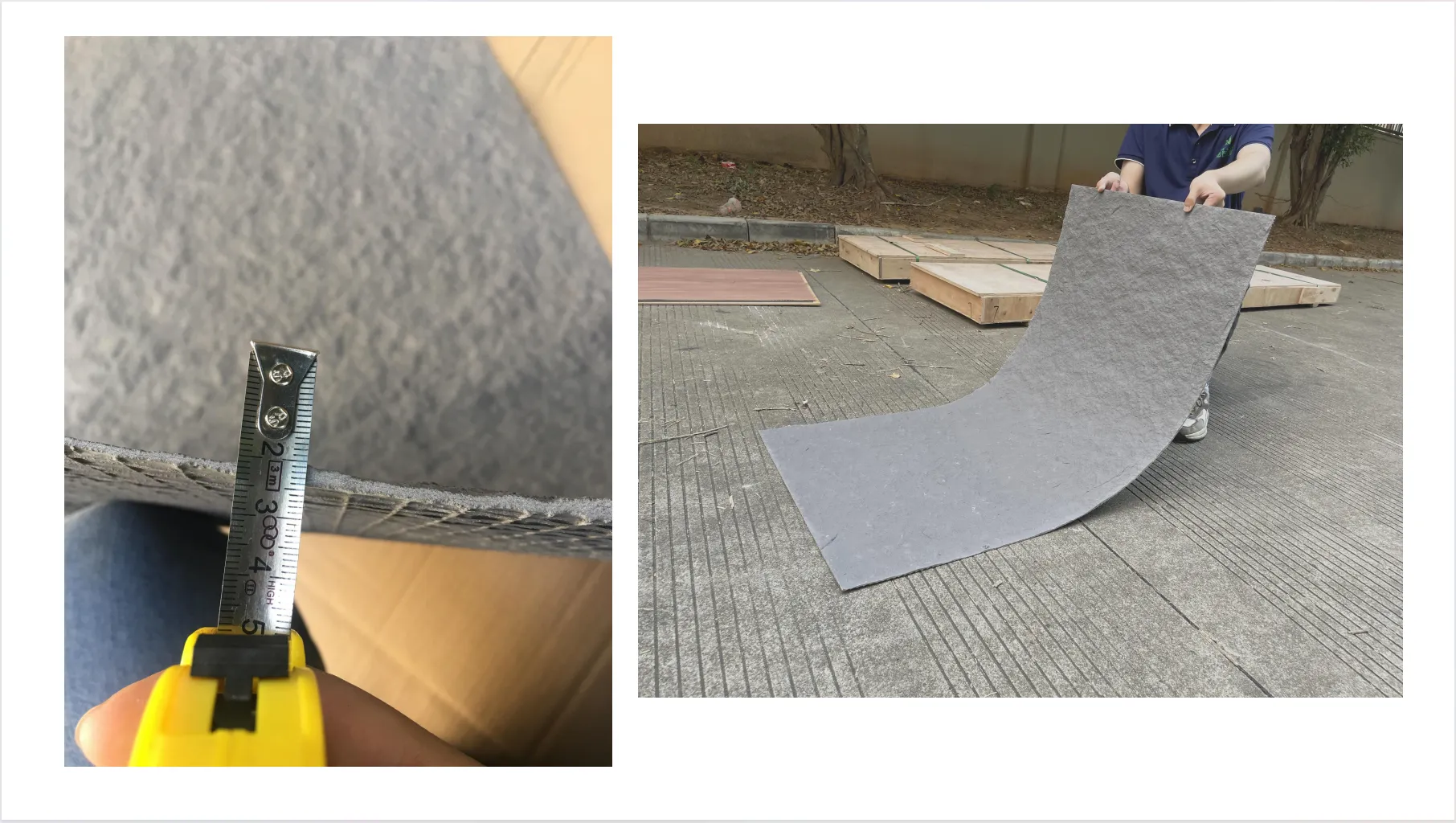
If rough granite is the backbone of traditional design, MCM flexible stone is its more adventurous cousin. Imagine a material that looks and feels like natural stone but bends, curves, and wraps around surfaces with the ease of fabric. That's the magic of COLORIA's MCM flexible stone—a composite material that combines real stone particles with a flexible backing, allowing architects to break free from the constraints of rigid slabs. It's a game-changer for projects that demand fluidity, from sweeping facade curves to custom-shaped accent walls.
Take Jeddah's newest waterfront mall, a project that aimed to blur the line between indoor and outdoor spaces. The client wanted the facade to mimic the movement of ocean waves, a design that would have been nearly impossible with traditional stone. Enter COLORIA's MCM flexible stone in a warm beige shade, chosen to complement the mall's coastal setting. Installers were able to shape the material into gentle, undulating curves that reflect the sunlight by day and glow under LED lighting by night. The result? A building that seems to breathe, its exterior shifting with the time of day. "We'd considered glass or metal for the facade, but they felt too industrial," explains the mall's design director. "Stone was the obvious choice for warmth, but we never thought we could bend it like this. COLORIA's flexible stone made the wave concept feasible. And the best part? It's lightweight, so we didn't have to reinforce the structure—saving time and cost."
Versatility is another hallmark of MCM flexible stone. COLORIA offers it in a range of finishes, from matte to semi-gloss, and in hues that span the desert spectrum—from sandy beiges to deep terracottas. This variety makes it a favorite for retail spaces, where brand identity is key. A popular coffee chain in Riyadh, for example, used flexible stone in a custom "driftwood" texture to line its walls, creating a cozy, rustic atmosphere that contrasts with its sleek, modern furniture. The material's resistance to stains and moisture also makes it ideal for high-traffic areas; spills wipe clean, and daily wear and tear barely leaves a mark.
For architects working in Saudi Arabia, where sustainability is increasingly a priority, MCM flexible stone checks another box: it's eco-friendly. The production process uses minimal water and energy, and the lightweight nature reduces transportation emissions. "We're seeing more clients ask for green materials," notes a sustainability consultant at a Riyadh construction firm. "COLORIA's flexible stone doesn't just meet those requirements—it exceeds them. It's a material that proves you don't have to choose between beauty and responsibility."
There's a primal appeal to boulders—those massive, weathered rocks that have stood sentinel over landscapes for millennia. They evoke strength, permanence, and a connection to the earth that's hard to replicate. COLORIA's boulder slab captures that essence, offering architects a way to bring the grandeur of natural boulders into commercial spaces without the logistical nightmare of transporting and installing actual rock. These slabs are crafted to mimic the raw, unrefined look of boulders, complete with rough edges, deep crevices, and a color palette that ranges from vintage silver to vintage black. They're monumental in feel but surprisingly manageable in weight, thanks to COLORIA's advanced manufacturing techniques.
A recent cultural center in Al-Ula, a city renowned for its ancient rock-cut tombs, turned to COLORIA's boulder slab to honor its surroundings. The center, which hosts art exhibitions and cultural events, wanted its exterior to blend with the region's rocky terrain, creating a seamless transition between man-made and natural beauty. The design team chose boulder slabs in vintage gold, a hue that mirrors the warm tones of the nearby sandstone cliffs. The slabs were arranged in an irregular pattern, mimicking the way boulders scatter across a desert landscape. At night, uplighting highlights the slabs' texture, turning the building into a beacon that glows like the setting sun. "Al-Ula is a place where history is written in stone," says the center's curator. "We didn't want to build something that felt out of place. COLORIA's boulder slab let us pay homage to the land while creating a space that feels contemporary. It's like the building has always been there, waiting to be discovered."
Boulder slab isn't just for exteriors, though. In Riyadh's Diplomatic Quarter, a luxury hotel used the vintage black variant to line its spa walls. The dark, moody slabs create a cave-like atmosphere, enhancing the sense of relaxation and escape. "Spa design is all about sensory experience," explains the hotel's interior designer. "The boulder slab's texture—cool to the touch, with all those nooks and crannies—makes you feel like you're in a natural grotto. Guests love it; they say it's unlike any other spa they've visited."
Concrete is often dismissed as cold or industrial, but in the hands of skilled designers—and with COLORIA's fair-faced concrete—it becomes something else entirely. Fair-faced concrete, also known as "architectural concrete," is poured and finished to expose its natural texture and color, without the need for painting or cladding. It's a material that celebrates imperfection: the slight variations in color, the tiny air bubbles trapped during curing, the subtle marks left by the formwork. COLORIA's version takes this a step further, offering a range of shades from pure white to deep charcoal, and finishes that range from smooth to lightly textured. It's minimalism with soul.
A tech startup campus in Dammam recently embraced fair-faced concrete for its main office building. The company, focused on innovation, wanted a space that felt forward-thinking but not sterile. The design team chose COLORIA's light grey fair-faced concrete for the exterior, paired with large glass panels and wooden accents. The result is a building that feels both modern and warm—the concrete's neutral tone letting the greenery around it take center stage, while its texture adds depth and interest. "Concrete can feel harsh, but COLORIA's fair-faced option is different," says the startup's CEO. "It has this softness to it, like it's been touched by human hands. Our employees say the building feels 'alive'—the way the light hits the concrete changes throughout the day, and it never looks the same twice. It's inspiring."
In Saudi Arabia, where construction timelines are often tight, fair-faced concrete also offers practical benefits. It's quick to install, as it requires no additional finishing, and it's low-maintenance—resistant to stains and easy to clean. For a university campus in Jeddah that needed to expand its facilities quickly, COLORIA's fair-faced concrete was the perfect solution. The new lecture halls, clad in warm beige concrete, blend with the existing stone buildings on campus, creating a cohesive look without the cost or time of traditional masonry. "We didn't want to compromise on aesthetics for speed," says the university's project manager. "COLORIA delivered both. The concrete looks timeless, and we finished the project weeks ahead of schedule."
| Material Name | Texture Profile | Typical Application | Standout Feature |
|---|---|---|---|
| Rough Granite Stone (Medium Grey) | Natural pockmarks, subtle veining, matte finish | Lobby walls, accent features, high-traffic floors | 60% lighter than traditional granite; ideal for blending heritage with modernity |
| MCM Flexible Stone | Customizable (matte, semi-gloss, driftwood, etc.); thin, bendable backing | Curved facades, retail interiors, brand accent walls | Eco-friendly production; resistant to stains, moisture, and sandstorms |
| Boulder Slab (Vintage Gold/Black) | Raw, unrefined edges; deep crevices; earthy, weathered finish | Cultural centers, luxury spas, landscape-integrated buildings | Mimics natural boulders without the weight; ages gracefully with patina |
| Fair-Faced Concrete | Smooth to lightly textured; natural color variations, visible formwork marks | Office buildings, lecture halls, minimalist interiors | Quick installation; low maintenance; blends with both modern and traditional designs |
Saudi Arabia's commercial architecture is in the midst of a renaissance, and COLORIA MCM is leading the charge. Through materials like rough granite, MCM flexible stone, boulder slab, and fair-faced concrete, the brand is proving that building materials can be more than functional—they can be expressive . They can tell stories of heritage and innovation, of strength and flexibility, of tradition and progress. In a country where the past and future coexist so vividly, these materials aren't just shaping skylines—they're shaping a new narrative for what Saudi architecture can be.
As cities like NEOM rise from the desert and Riyadh continues to expand, the demand for materials that balance form and function will only grow. COLORIA MCM, with its commitment to quality, sustainability, and innovation, is poised to be a key player in this journey. Whether it's the rough warmth of granite, the flexibility of MCM stone, the monumentality of boulder slab, or the simplicity of fair-faced concrete, one thing is clear: the future of Saudi commercial buildings is textured, tactile, and deeply human. And COLORIA is helping to build it—one stone, one slab, one story at a time.
Recommend Products












