
Picture this: You're standing in front of a newly built home, admiring its facade. The stone cladding looks stunning—rich, textured, and full of character. But then you notice something: a hairline crack near the corner, a faint discoloration from last month's rainstorm. In that moment, you realize: beauty without durability is just a fleeting impression. For architects, homeowners, and designers, the search for building materials that marry aesthetics and resilience is never-ending. Enter MCM flexible stone —a game-changer in the industry. Today, we're pulling back the curtain on COLORIA's rigorous durability tests, with a special focus on one of their most beloved collections: rough granite stone .
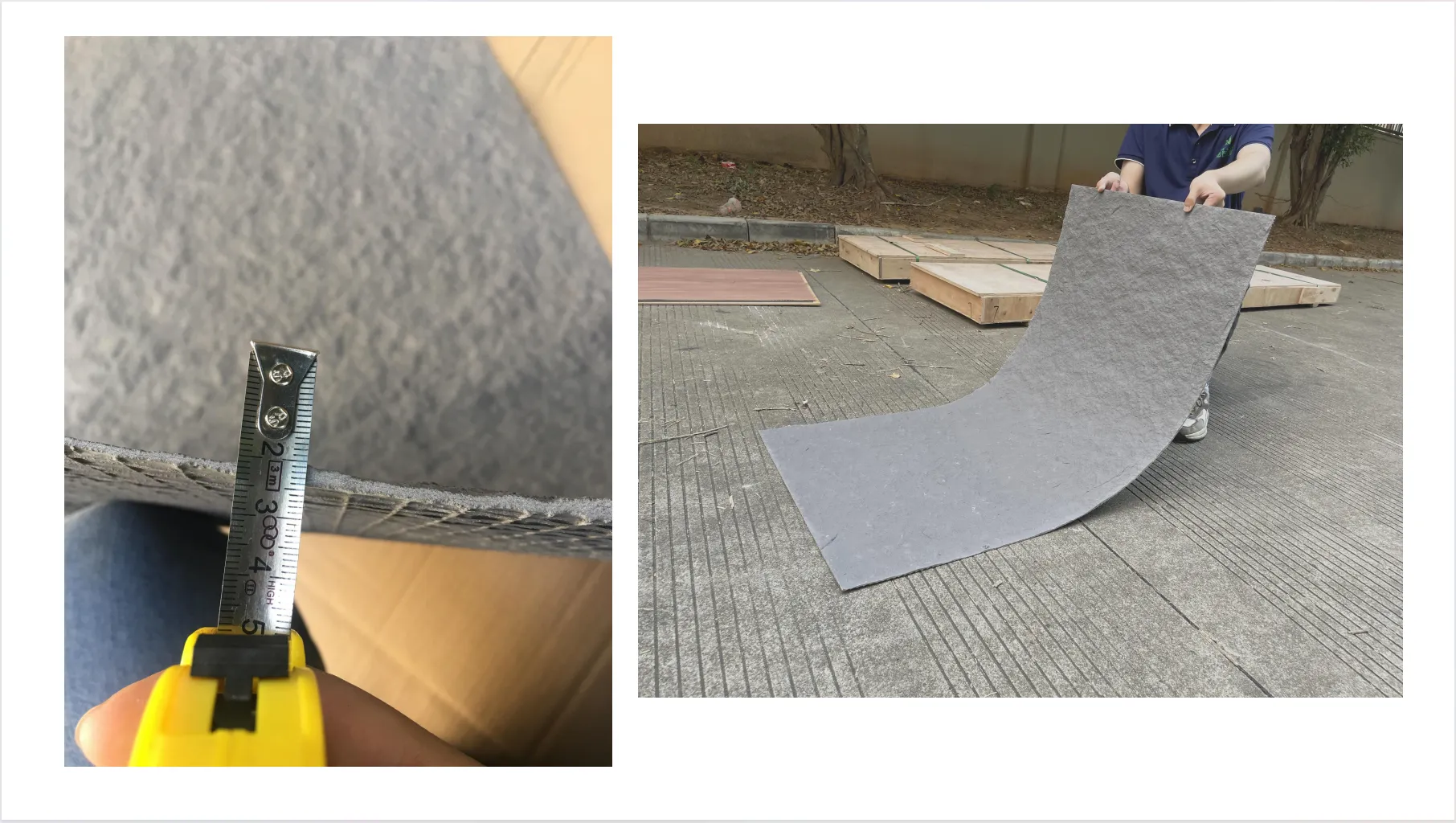
Before we dive into the tests, let's talk about what MCM flexible stone actually is. Unlike traditional natural stone, which is heavy, brittle, and hard to install, MCM (Modified Composite Material) flexible stone is a revolutionary blend of natural minerals and advanced polymers. It's thin (as little as 3mm), lightweight (up to 80% lighter than natural stone), and—true to its name—flexible. This means it can bend without breaking, adhere to curved surfaces, and resist the kind of stress that would crack conventional stone. But here's the kicker: it looks and feels exactly like the real thing. From the rugged texture of rough granite stone to the subtle veining of travertine, MCM flexible stone doesn't just mimic nature—it elevates it.
For COLORIA, a leader in innovative building materials, durability isn't an afterthought—it's the foundation. Their MCM project board series and MCM 3D printing series have already made waves, but it's their flexible stone line that's redefining what's possible in construction. And at the heart of that line? The rough granite stone variants: rough granite stone (medium grey) , rough granite stone (dark grey) , and rough granite stone (beige) . These stones aren't just pretty—they're built to last. But don't just take our word for it. Let's step into COLORIA's testing lab and see how they prove it.
COLORIA's lab isn't your average workshop. It's a controlled environment where materials are pushed to their limits—simulating decades of wear and tear in a matter of weeks. "We don't just test for 'good enough'," says Elena Reeves, COLORIA's lead materials engineer. "We test for 'better than natural stone.' If a material can't survive our labs, it doesn't make it to our customers." Let's break down the key tests that every rough granite stone variant must pass.
The sun is a stone's worst enemy. Over time, UV rays fade colors, weaken bonds, and turn vibrant facades into dull shadows of their former selves. COLORIA's UV test subjects samples to 1,000 hours of intense artificial sunlight—equivalent to 20 years of exposure in the harshest desert climates. For the rough granite stone variants, this meant checking if their natural grey and beige hues would hold fast. The result? All three—medium grey, dark grey, and beige—showed less than 2% color fading , a number that would make even the most resilient natural stones jealous. "Natural granite can fade up to 15% in that same timeframe," Elena notes. "Our MCM flexible stone retains its depth because the color is integrated into the material, not just on the surface."
Whether it's a stray baseball, a falling tool, or severe hail, building materials need to withstand unexpected impacts. COLORIA's impact test involves dropping a 50kg weight onto samples from a height of 1.5 meters—roughly the force of a heavy toolbox slipping from a roof. For the rough granite stone (dark grey), the result was striking: no cracks, no chips, just a minor scuff that buffed away . The medium grey variant fared similarly, while the beige showed slightly more scuffing but zero structural damage. "Natural stone would likely shatter or split under that impact," Elena explains. "MCM's flexibility absorbs the force, like a car's crumple zone—but for your walls."
One of the biggest advantages of MCM flexible stone is its namesake: flexibility. Traditional stone is rigid, which means it can crack when buildings settle or temperatures fluctuate. COLORIA's flexibility test bends samples to a 90-degree angle—imagine wrapping the stone around a corner—and holds them there for 24 hours. The rough granite stone variants? They didn't just bend; they snapped back to their original shape without any creases or weakening. "We had a client once use our medium grey rough granite on a curved facade of a museum," Elena recalls. "Five years later, there's not a single stress crack. That's the power of flexibility."
Rain, humidity, and even spilled coffee can wreak havoc on porous materials. COLORIA's water resistance test submerges samples in water for 72 hours, then weighs them to check for absorption. The rough granite stone variants absorbed less than 0.5% moisture —compared to natural granite's 2-3%. Stain testing was equally impressive: red wine, oil, and even permanent marker wiped off with a damp cloth, leaving no trace. "Natural stone often needs sealing every 1-2 years to resist stains," Elena says. "Our MCM flexible stone is inherently non-porous, so it stays cleaner, longer."
To put these tests into perspective, let's compare the three rough granite stone variants side by side. The table below breaks down their performance in key durability categories, giving you a clear picture of which might be right for your project.
| Stone Type | UV Resistance (20-Year Simulation) | Impact Resistance (50kg Weight drop) | Flexibility (90° Bend Test) | Water Absorption (72-Hour Submersion) |
|---|---|---|---|---|
| Rough Granite Stone (Medium Grey) | 1.8% color fading | No cracks, minor scuffing | Full recovery, no damage | 0.4% moisture absorption |
| Rough Granite Stone (Dark Grey) | 1.5% color fading | No cracks, no chips, minimal scuffing | Full recovery, no damage | 0.3% moisture absorption |
| Rough Granite Stone (Beige) | 2.0% color fading | No structural damage, moderate scuffing | Full recovery, no damage | 0.5% moisture absorption |
As the table shows, all three variants excel—but each has its strengths. The dark grey is the toughest for high-traffic areas, while the beige offers a warmer aesthetic with slightly more character in scuff resistance (think: a "lived-in" charm that ages gracefully). The medium grey strikes a perfect balance, making it a top choice for both residential and commercial projects.
Lab tests are impressive, but real-world performance is the ultimate proof. Take the case of a restaurant in Seattle, where the owners chose rough granite stone (medium grey) for their outdoor patio. Seattle's rainy, humid climate is notoriously hard on building materials, but after three years, the patio still looks brand new. "We get heavy rain for months, and there's never been a hint of mold or water damage," says the restaurant's manager, Jake. "And when we had that hailstorm last spring? Not a single chip. Our customers love the stone's texture—it feels like real granite, but it's clearly tougher."
Residential Spotlight: The Patel family in Colorado wanted a stone facade that could handle snow, ice, and extreme temperature swings (from -10°C in winter to 35°C in summer). They chose rough granite stone (dark grey) for their home's exterior. "We were worried about expansion and contraction cracking the stone," Mr. Patel admits. "But two winters later, there's not a single crack. And the color? It still looks as deep and rich as the day it was installed. Our neighbors keep asking where we got it!"
Even in coastal areas, where saltwater and wind are constant threats, COLORIA's MCM flexible stone shines. A beachfront hotel in Florida used rough granite stone (beige) for its poolside walls. "Saltwater can eat away at natural stone in just a few years," says the hotel's architect, Mia. "But after five years of ocean spray, the beige rough granite still has that warm, sandy hue—no pitting, no erosion. It's been a game-changer for coastal construction."
At the end of the day, building materials are more than just products—they're investments in the places we live, work, and gather. COLORIA's MCM flexible stone, especially the rough granite stone variants, offers something rare: the beauty of natural stone without the fragility . It's lighter, easier to install (saving on labor costs), and built to outlast the elements. And with a range of colors—from the earthy warmth of beige to the bold depth of dark grey—there's a rough granite stone for every design vision.
"We don't just sell materials," Elena says. "We sell peace of mind. When you choose COLORIA, you're choosing a material that will still look stunning 20 years from now, not just 20 months. That's the promise of MCM flexible stone."
So, what do rough granite real pictures and durability tests tell us? They tell us that beauty and resilience don't have to be mutually exclusive. COLORIA's MCM flexible stone—with its rough granite variants leading the charge—proves that modern technology can create materials that honor nature's beauty while surpassing its limitations. Whether you're building a home, a commercial space, or a public landmark, choosing durability doesn't mean sacrificing style. It means choosing a material that will grow with you, stand up to life's surprises, and remain a source of pride for years to come.
After all, the best buildings aren't just built—they're built to last. And with COLORIA's MCM flexible stone, that future starts now.
Recommend Products












