
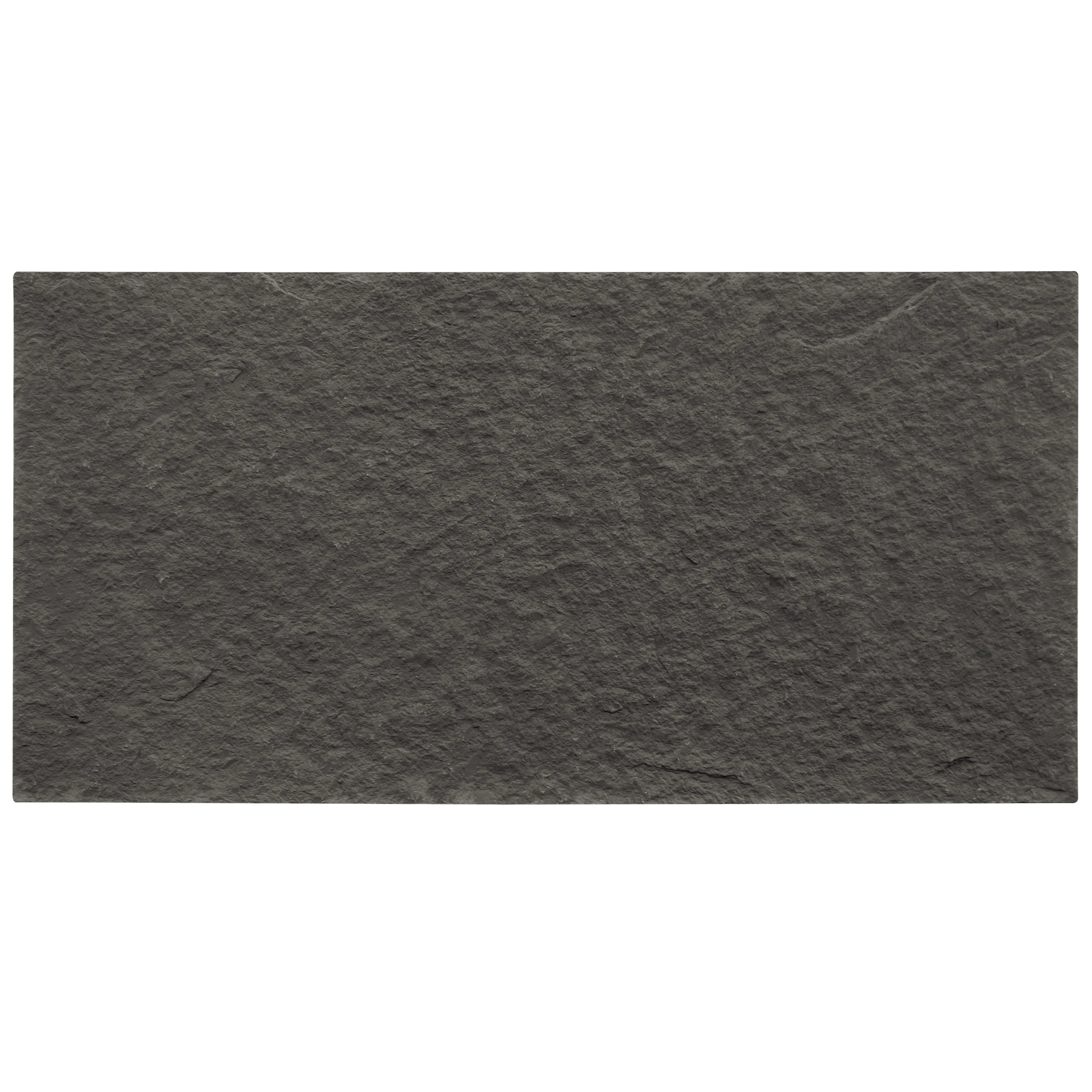
Walk down any city street, and the first thing that catches your eye about a building isn't just its height or shape—it's the facade. It's the skin that wraps the structure, the silent storyteller of its purpose, era, and character. A facade does more than protect; it communicates. It can whisper tradition, shout innovation, or bridge the two. When it comes to choosing materials for this critical role, two contenders often rise to the top: the time-honored rough granite stone (dark grey) and the modern marvel that is MCM (Modified Composite Material) , with its flexible stone panels, big slab series, and cutting-edge 3D printing technology. Today, we're diving into this face-off—old vs. new, natural vs. engineered—to help you decide which deserves a spot on your next building's "face."
Let's start with the obvious: how a facade looks. After all, it's the first chapter of a building's visual story.
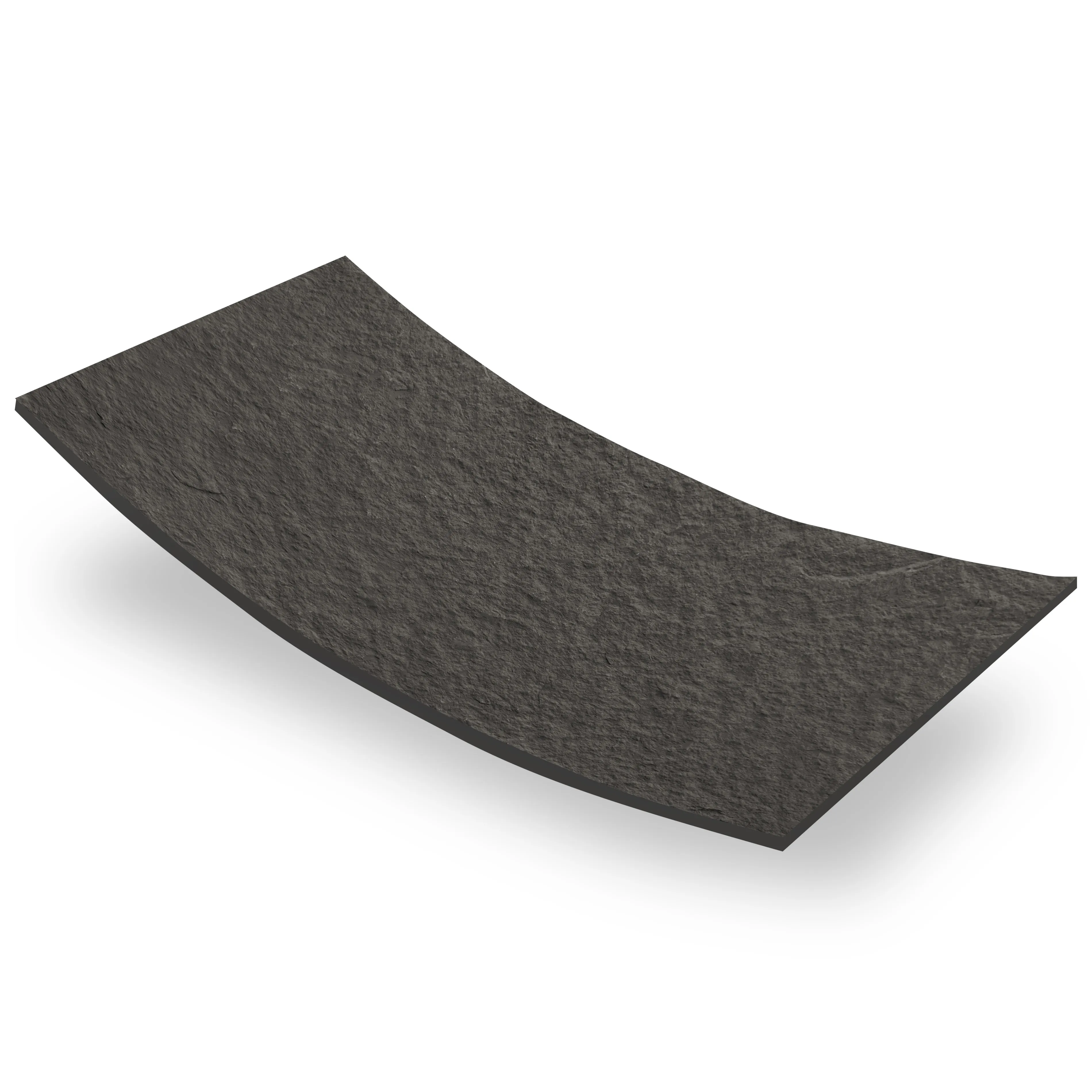
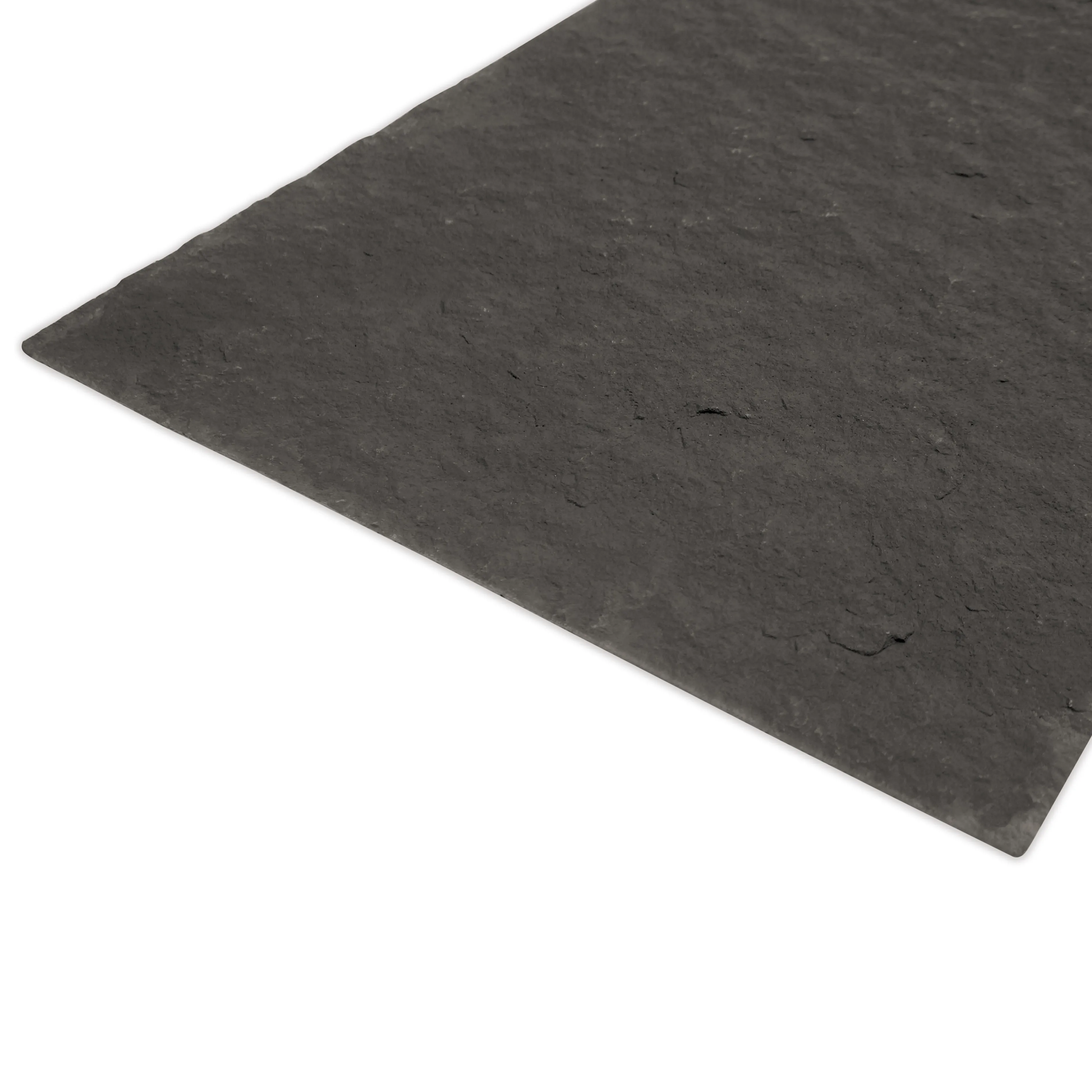
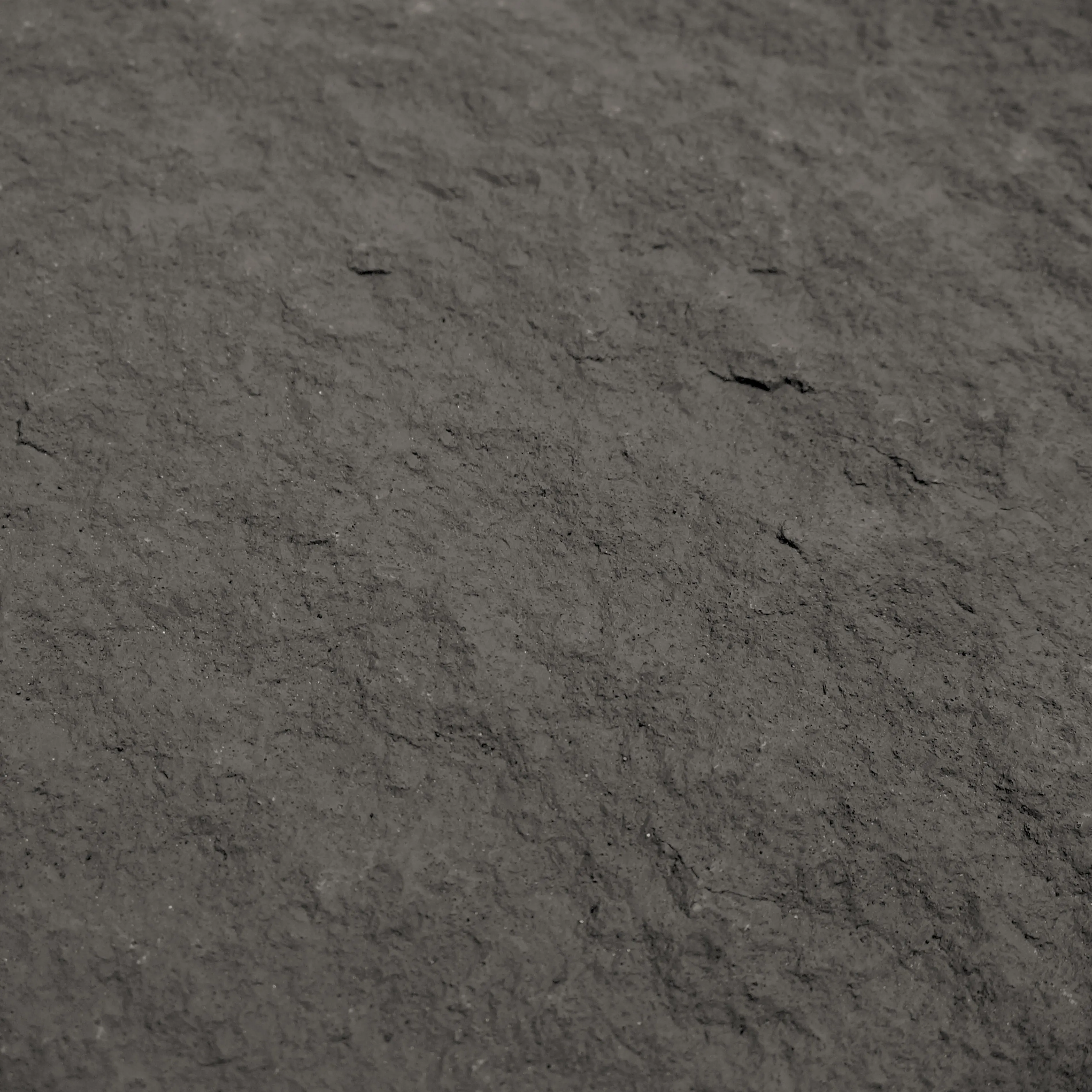
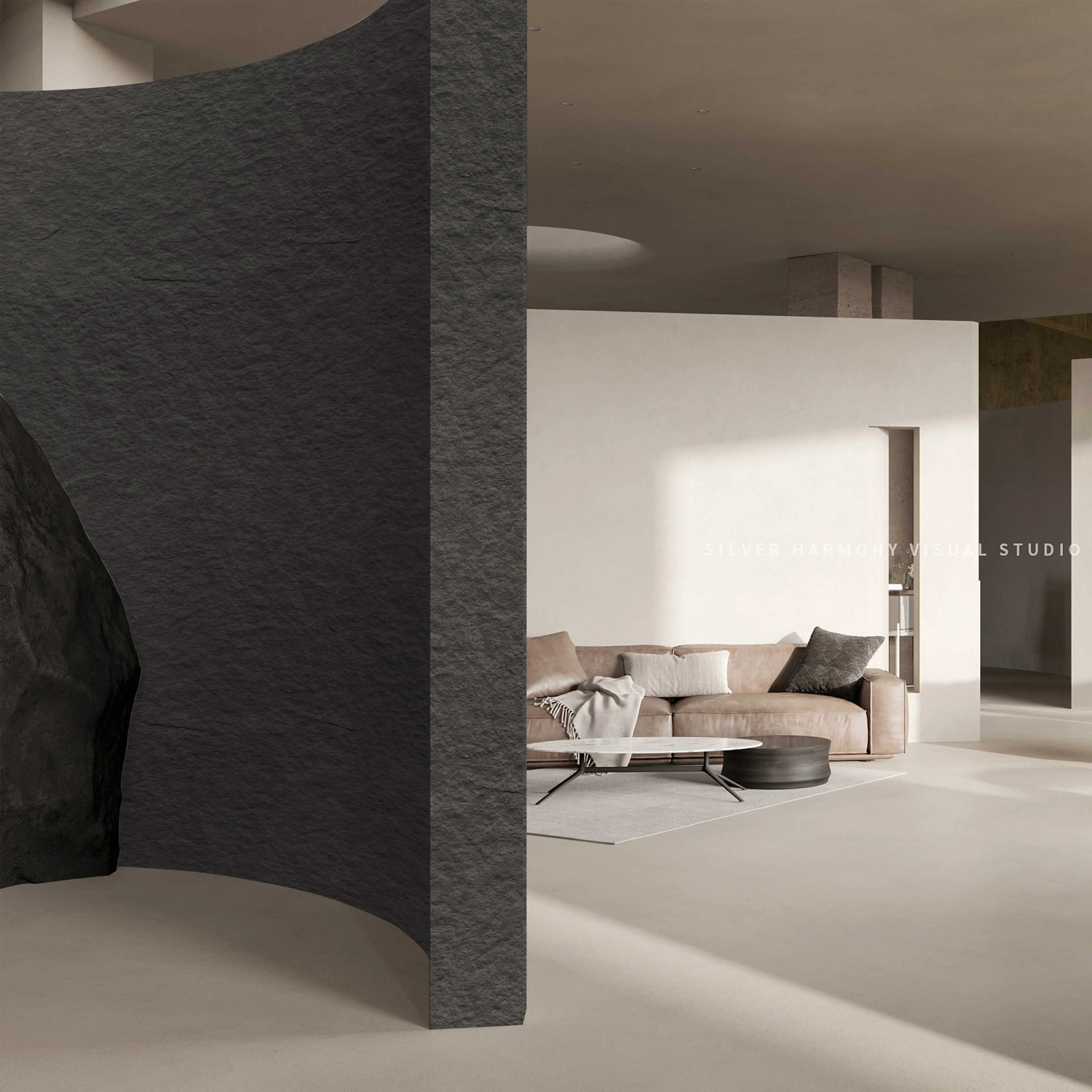
Rough granite in dark grey is the quiet poet of building materials. Run your hand over its surface, and you'll feel the marks of time—chiseled grooves, uneven edges, and a granular texture that seems to hold the weight of mountains. It's not smooth or polished; it's authentic . The dark grey hue, flecked with silver or charcoal, has a grounding effect, like a building rooted in the earth. Think of historic courthouses, mountain lodges, or even modern luxury homes that want to nod to tradition—this stone fits, adding gravitas without trying too hard.
What I love about it is its versatility in natural light. On overcast days, it leans moody and sophisticated; under the sun, the flecks catch light, creating a subtle sparkle that breaks up the darkness. It doesn't demand attention, but it commands respect. It's the kind of material that ages like fine wine—scratches, weathering, and patina only add to its charm, making the building feel like it's grown into its skin over decades.
MCM, on the other hand, is the creative chameleon of facades. Short for Modified Composite Material, it's a blend of natural minerals, polymers, and fibers engineered for both durability and design freedom. And when we talk about MCM, we're not just talking about a single look—we're talking about a universe of possibilities, thanks to lines like the MCM 3D printing series , MCM big slab series , and MCM flexible stone panels.
Take the MCM 3D printing series, for example. It lets architects dream in three dimensions—wave panels that mimic ocean swells, geometric patterns that play with shadow, or even custom textures inspired by natural elements like bamboo mats or star gravel. No more being limited to the randomness of natural stone; with 3D printing, you can replicate a specific texture across an entire facade, or create gradients that shift from "lunar peak silvery" to "lunar peak golden" as the building rises. It's like giving a building a tailored suit instead of a one-size-fits-all coat.
Then there's the MCM big slab series—think massive, seamless panels that stretch floor to ceiling without visible seams. It's bold, modern, and perfect for buildings that want to make a statement. Imagine a commercial tower clad in these slabs, finished in "fair-faced concrete" or "epoch stone" for an industrial-chic vibe, or "travertine (starry blue)" for a touch of cosmic whimsy. And because MCM is flexible, it can curve around corners or follow organic shapes, turning a flat facade into a sculptural masterpiece.
Even the color range is staggering. Beyond the lunar peaks, there's "rust square line stone" for an industrial edge, "bali stone" for tropical warmth, or "golden travertine (white golden)" for understated luxury. MCM doesn't just fit a style—it creates it.
Looks matter, but a facade that crumbles after a few storms isn't much use. Let's talk about resilience—how these materials hold up when the going gets tough.
Granite is nature's tank. Formed from slow-cooled magma, it's one of the hardest natural stones on the planet. Dark grey rough granite, in particular, is built to withstand whatever Mother Nature throws at it: freezing rain, scorching sun, high winds, even the occasional hailstorm. Its density makes it resistant to water absorption, so you won't see cracks from freeze-thaw cycles. Scratches? They're barely noticeable on its textured surface. Fire? Granite doesn't burn or melt. It's why ancient civilizations used it for temples and monuments—this stuff outlives dynasties.
But here's the catch: all that strength comes with weight. A single slab of rough granite can weigh hundreds of pounds, which means the building's structure needs to be reinforced to support it. Over time, that weight can also stress mortar joints, leading to potential leaks if not maintained. And while it resists stains, dark grey granite can show dust and water spots more visibly than lighter stones, requiring occasional power washing to keep its dignity intact.
MCM flips the script: it's lightweight but surprisingly tough. Thanks to its composite makeup—think stone powder mixed with high-performance polymers—it's about 70% lighter than natural granite. That means no need for beefed-up structural supports, which is a game-changer for retrofits or buildings with weight restrictions. But don't let the lightness fool you: MCM panels are impact-resistant (goodbye, dents from flying debris), UV-stable (no fading in the sun), and water-resistant (no mold or mildew). Some formulations even include fire-retardant additives, making them suitable for high-rise safety codes.
Another win? Flexibility. Unlike rigid granite, MCM can bend slightly without cracking—a huge advantage in areas with seismic activity or temperature fluctuations that cause buildings to shift. And because it's factory-engineered, each panel is consistent in thickness and density, reducing the risk of weak spots. The only caveat? While it's durable, MCM isn't indestructible. Harsh chemicals or extreme abrasion (like sandblasting) can damage the surface, so it needs a little more care than granite's "set it and forget it" attitude.
Even the most beautiful, durable material is only as good as how easy it is to put up. Let's break down the installation process for both.
Installing rough granite is a labor of love—and heavy machinery. First, the stone is quarried, cut into slabs, and transported to the site (no small feat, given the weight). Once there, cranes hoist the slabs into place, and skilled masons carefully set them with mortar or mechanical anchors. It's a slow process—each slab needs precise alignment to avoid uneven joints, and the weight means workers have to move carefully to prevent accidents or damage.
On large projects, this can drag out timelines, increasing labor costs and delaying the building's completion. It's also tricky for complex designs—curves or angles require custom-cutting, which adds time and expense. And if a slab cracks during installation? You're back to square one with a new piece. For historic buildings or projects where "handcrafted" is part of the appeal, this effort is worth it. But for tight deadlines or modern, fast-track builds, it can be a bottleneck.
MCM installation is like comparing a flip phone to a smartphone—faster, more efficient, and way less hassle. Since the panels are lightweight (often 3-5 pounds per square foot), they can be carried by two workers instead of a crane. They're also pre-finished, so no on-site cutting or polishing is needed—just unload, align, and attach. Most MCM panels use a simple adhesive system or mechanical clips that lock into place, reducing the need for messy mortar.
This speed is a huge advantage. A crew can install hundreds of square feet of MCM in a day, compared to a fraction of that with granite. It's also safer: less heavy lifting means fewer injuries, and the lightweight panels are easier to maneuver on scaffolding or tight job sites. For retrofits, MCM is a lifesaver—you can attach it directly over existing facades (like old brick or concrete) without tearing everything down, saving time and reducing construction waste. The only downside? While installation is simpler, it still requires precision—misaligned panels can create gaps or uneven surfaces, so you need a crew familiar with MCM's unique properties.
These days, a facade isn't just about looks or strength—it's about responsibility. How do granite and MCM stack up when it comes to sustainability?
Granite is natural, which sounds eco-friendly, but the reality is more nuanced. Quarrying granite disrupts ecosystems, removes topsoil, and can cause noise and air pollution. Transporting heavy slabs also burns a lot of fuel, hiking the carbon footprint. On the plus side, granite is 100% natural and non-toxic, and once installed, it doesn't off-gas chemicals. It's also incredibly long-lasting—buildings clad in granite can stand for centuries, reducing the need for replacement. Some quarries are also adopting greener practices, like reforesting after mining or using electric machinery, which helps. But overall, it's a material with a high upfront environmental cost.
MCM was born in an era of environmental awareness, and it shows. Many MCM manufacturers use recycled materials—like stone powder from quarry waste or post-consumer plastics—in their panels, reducing the need for virgin resources. The production process is also energy-efficient: since MCM is lightweight, it requires less energy to transport than granite. Some brands even use solar power in their factories or offset carbon emissions, earning green building certifications like LEED.
Another sustainability win: MCM's lightweight nature reduces a building's overall weight, which means less concrete and steel are needed for the structure—lowering the building's carbon footprint from the ground up. And because it's easy to install and remove, MCM panels can be reused or recycled at the end of a building's life, diverting waste from landfills. The only downside? The polymers in MCM are synthetic, so they don't biodegrade. But compared to the resource-heavy nature of granite, MCM is often the more planet-friendly choice for forward-thinking projects.
Let's talk numbers. Budget is often the final decider, so how do these two materials compare in cost?
Granite isn't cheap. The material itself is pricey—quarrying, cutting, and transporting heavy slabs adds up. Then there's installation: cranes, skilled labor, and structural reinforcements can double the cost. For a mid-sized commercial facade, you're looking at $50–$100 per square foot (or more for custom cuts or rare granite). But here's the silver lining: once installed, granite needs almost no maintenance. No repainting, no sealing (in most cases), just the occasional cleaning. Over 50+ years, those upfront costs even out, making it a good investment for buildings meant to last generations.
MCM is more budget-friendly upfront. Material costs range from $20–$60 per square foot (depending on the series—3D printed or big slabs will cost more than basic panels). Installation is cheaper too, thanks to lighter panels and faster labor. For the same mid-sized facade, MCM might cost 30–50% less than granite. But there's a catch: maintenance. While MCM is durable, it may need periodic sealing (every 5–10 years) to protect against stains, and repairs for damaged panels can be pricier than patching granite. Over time, these costs add up, but for most projects, MCM still comes out ahead financially, especially if you factor in faster construction timelines (which mean earlier occupancy and revenue).
| Feature | Rough Granite Stone (Dark Grey) | MCM (Flexible Stone/Big Slab/3D Printing Series) |
|---|---|---|
| Aesthetic Range | Timeless, natural, earthy; limited to stone's inherent patterns | Unlimited—3D textures, custom colors, seamless slabs, and finishes like wave panels or lunar peak metallic |
| Durability | Extremely high—resists weather, fire, scratches; minimal maintenance | High—impact/UV resistant, flexible; needs protection from harsh chemicals |
| Installation | Slow, labor-intensive; requires heavy machinery and structural support | Fast, lightweight; easy to install with adhesive/clips; suitable for retrofits |
| Environmental Impact | High upfront (quarrying, transport); long lifespan reduces replacement needs | Lower—recycled materials, energy-efficient production, lightweight transport |
| Cost (Material + Installation) | $50–$100+/sq ft (high upfront, low maintenance) | $20–$60/sq ft (lower upfront, moderate maintenance) |
So, rough granite stone (dark grey) or MCM—who wins? The answer, as with most design choices, is: it depends on your project's goals.
Choose rough granite (dark grey) if you want a facade that feels timeless, rooted in nature, and built to outlast centuries. It's perfect for historic restorations, cultural institutions, or buildings where tradition and permanence are part of the brand. Just be prepared for higher upfront costs and a longer installation timeline.
Choose MCM if you crave innovation, flexibility, and sustainability. Whether you're designing a futuristic tech hub with 3D-printed wave panels, a sleek retail space with big slab lunar peak golden panels, or a eco-friendly community center, MCM delivers on aesthetics, speed, and planet-friendliness—often at a lower cost. It's the material for buildings that want to push boundaries and tell a modern story.
And here's a thought: why not both? Mixing rough granite accents with MCM panels can create a striking contrast—old and new, natural and engineered. Imagine a building with a granite base (grounded, solid) and MCM upper floors (light, dynamic). It's a way to honor tradition while embracing the future.
At the end of the day, the "better" facade material is the one that makes your building feel alive—one that turns a structure into a statement. Whether that statement is "I've been here for centuries" or "I'm here to redefine what a building can be"—both rough granite and MCM have the power to make it unforgettable.
Recommend Products












