
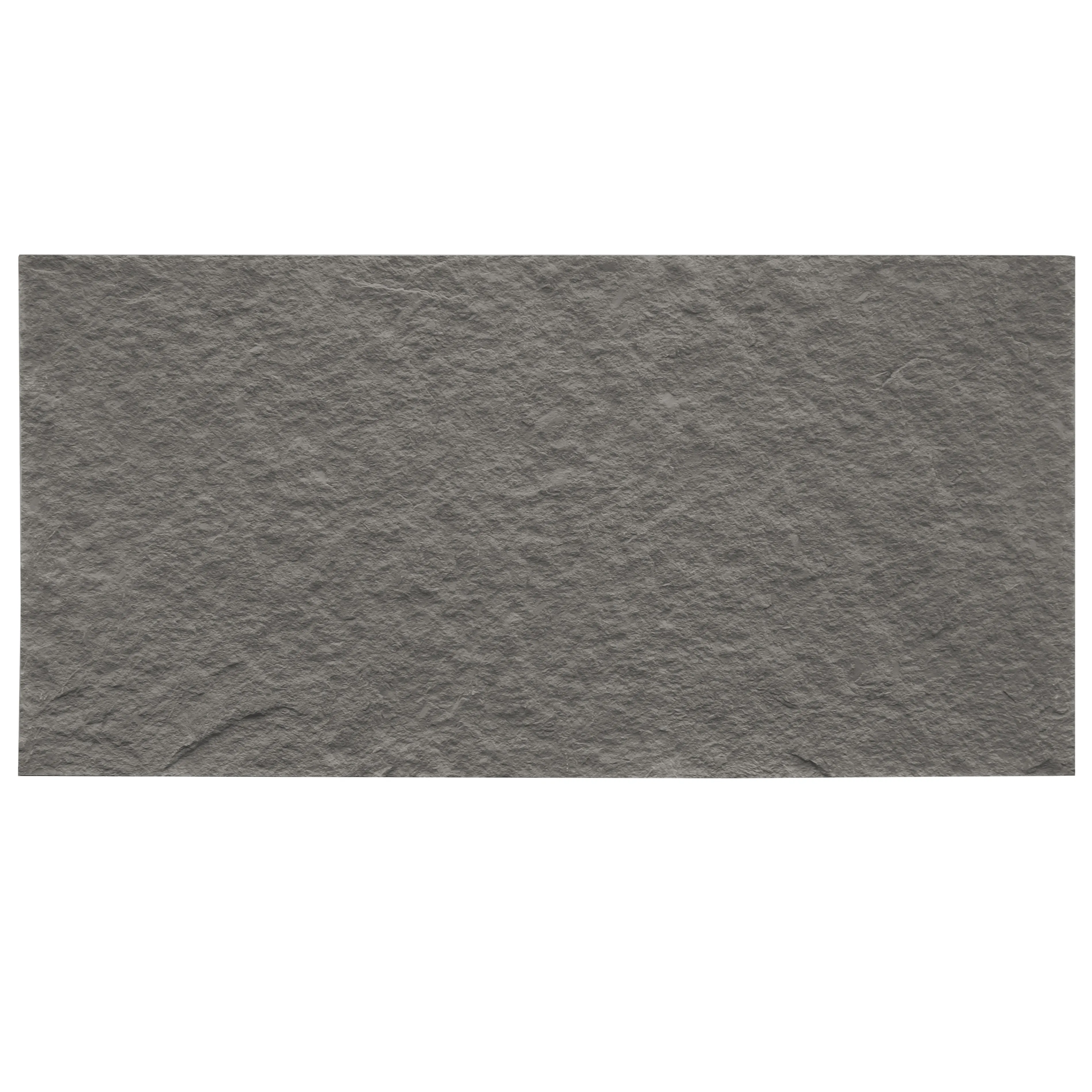
Every great hotel has a story to tell—and that story often begins with its facade. It's the first thing guests see as they arrive, the silent greeter that sets the tone for their entire stay. In the world of hospitality, where first impressions can make or break a guest's experience, choosing the right material for a hotel's exterior isn't just a design decision; it's a promise. A promise of luxury, of timelessness, and of resilience. Today, we're diving into a material that has quietly become a favorite among architects and hoteliers alike: rough granite stone (medium grey) . It's a material that marries the raw beauty of nature with the precision of modern engineering, offering a perfect balance of luxury and durability that's hard to match.
Think about the last hotel you stayed in. Chances are, the moment you pulled up to the entrance, you formed an opinion—before stepping inside, before checking in, before even seeing your room. That's the power of a facade. It's the hotel's first chance to communicate its identity: Is it a sleek, contemporary boutique? A grand, historic landmark? A serene, nature-inspired retreat? The materials used play a starring role in this narrative.
For luxury hotels, the facade needs to do more than just look good. It needs to evoke emotion. It needs to feel exclusive, yet welcoming. It needs to stand up to the elements year after year, without losing its charm. And in an era where sustainability and longevity are becoming increasingly important to guests and brands alike, it also needs to be a choice that ages gracefully—both aesthetically and functionally. Enter rough granite stone (medium grey): a material that checks all these boxes and then some.
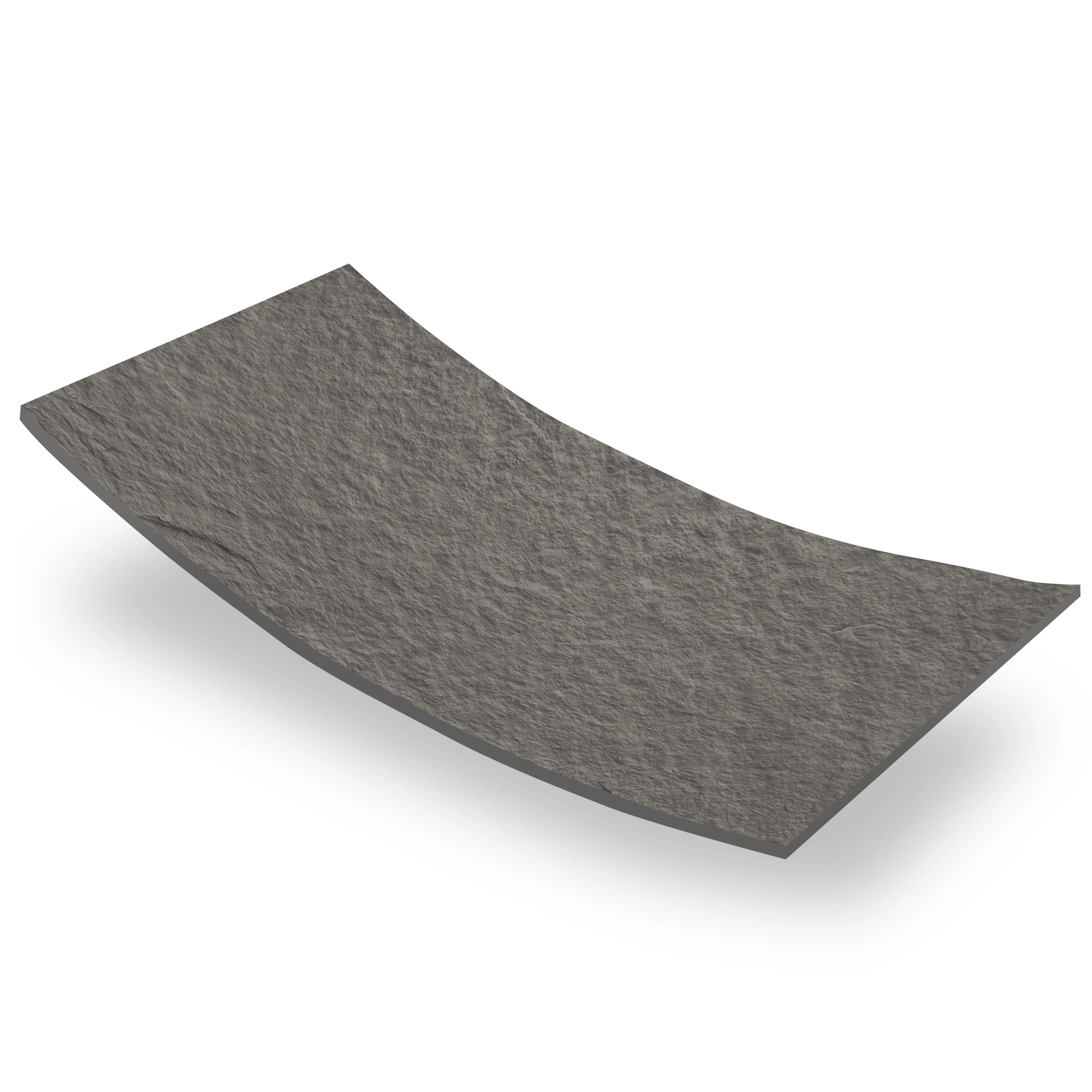
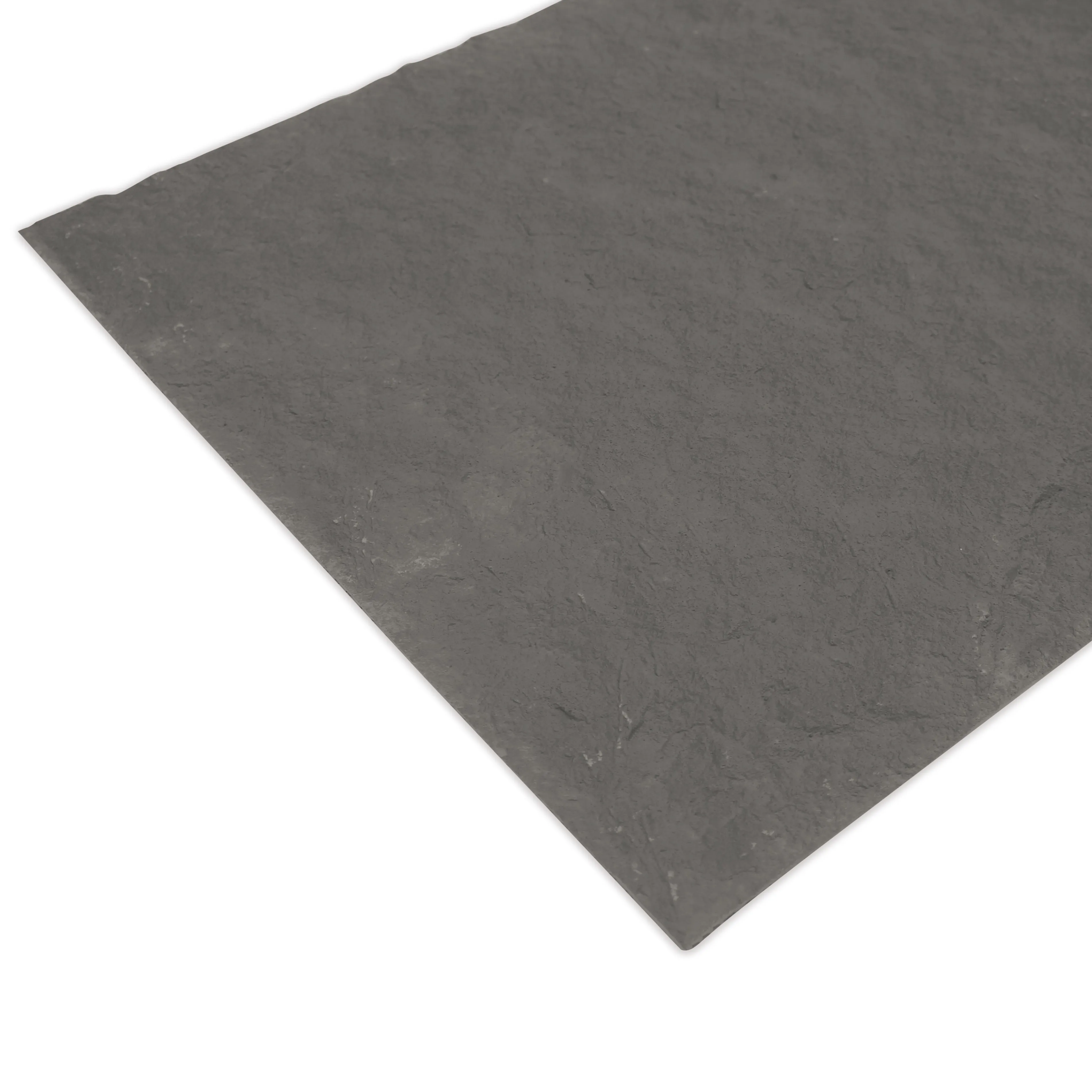
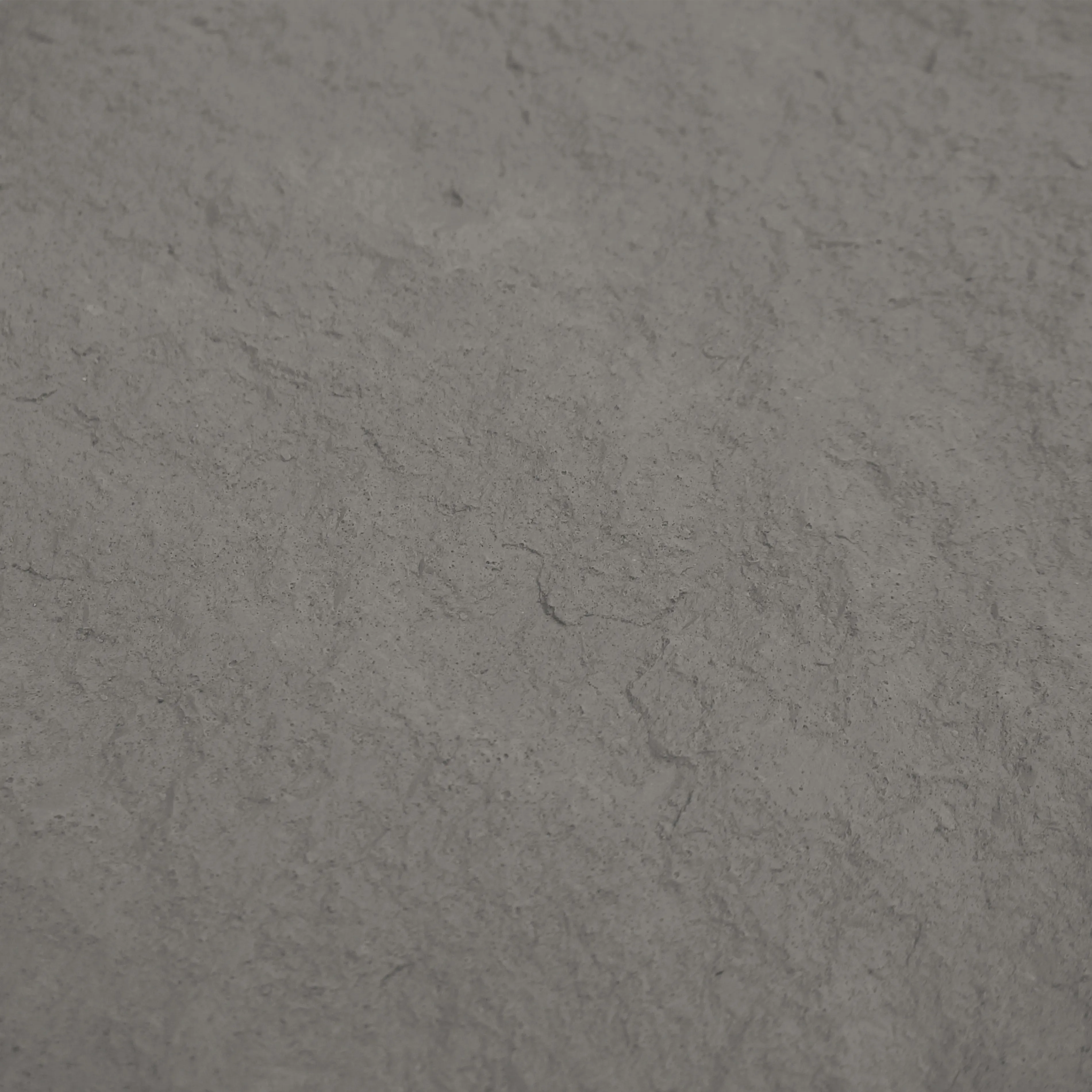
Granite has been a building material of choice for centuries, from ancient temples to modern skyscrapers. But there's something special about rough granite stone (medium grey) that sets it apart, especially for hotel facades. Let's start with the texture. Unlike polished granite, which can feel cold or overly formal, rough granite has a tactile, organic quality. Run your hand over it (go on, imagine you're standing in front of a hotel right now), and you'll feel the subtle grooves and ridges left by nature—each slab unique, like a fingerprint. It's a texture that feels alive, as if the stone itself has a story to tell.
Then there's the color: medium grey. It's a hue that walks a delicate line between bold and understated. Not too dark to feel somber, not too light to fade into the background. Medium grey is a chameleon in the best way possible. It complements warm accents like gold trim or wooden elements, adding a touch of opulence. It pairs beautifully with greenery, making the hotel feel connected to its surroundings. And it holds its own against city backdrops, standing out without clashing with neighboring buildings. In short, it's a color that works everywhere—whether the hotel is nestled in a mountain village, perched on a coastal cliff, or tucked into a bustling urban street.
Luxury isn't just about price tags; it's about perception. And rough granite stone (medium grey) oozes perception. There's an inherent exclusivity in natural stone—each slab is one-of-a-kind, so no two hotel facades using rough granite will ever look exactly the same. That uniqueness is a powerful tool for hoteliers looking to create a memorable brand identity. Guests notice when a building feels "crafted," not just constructed.
But it's not just about uniqueness. The rough texture adds depth and dimension that smoother materials can't replicate. When sunlight hits the facade, the stone catches the light in unexpected ways—some areas glow softly, others remain in shadow, creating a dynamic, ever-changing visual effect. At dusk, when the hotel's exterior lights come on, the rough surface diffuses the light, casting a warm, inviting glow that feels both grand and intimate. It's the kind of detail that makes guests pause and think, "This place is special."
Compare that to overly uniform materials, like some types of fair-faced concrete . While concrete has its own industrial-chic appeal, it can feel flat or sterile when used extensively on a facade. Rough granite, by contrast, feels alive. It has personality. And in luxury hospitality, personality is everything.
Of course, luxury means nothing if the material can't stand the test of time. Hotels are high-traffic, high-stakes environments—their exteriors face everything from harsh weather (rain, snow, UV rays) to accidental scrapes (delivery trucks, luggage carts) to the general wear and tear of daily life. A facade that fades, cracks, or chips after a few years isn't just an eyesore; it's a costly problem.
Here's where rough granite stone (medium grey) truly shines. Granite is one of the hardest natural stones on Earth, with a Mohs hardness rating of 6-7 (for context, marble is a 3-4). That means it's highly resistant to scratches, dents, and abrasions. Unlike softer stones, like some types of Bali stone (which is beautiful but more porous), granite doesn't absorb water easily, making it resistant to mold, mildew, and freeze-thaw damage in colder climates. It also holds up well against pollution and salt air (a must for coastal hotels), and its color is fade-resistant—so that rich medium grey will stay vibrant for decades, not just years.
Perhaps most importantly, rough granite ages gracefully. Unlike synthetic materials that can look dated or worn after a few years, granite develops a subtle patina over time—a softening of its edges that adds character, not decrepitude. It's the difference between a hotel that looks "old" and one that looks "timeless." For brands investing in their legacy, that's invaluable.
To truly appreciate rough granite stone (medium grey), it helps to see how it compares to other materials hoteliers often consider. Let's break it down:
| Material | Aesthetic Appeal | Durability | Installation & Maintenance | Best For |
|---|---|---|---|---|
| Rough Granite (Medium Grey) | Organic, textured, dynamic; ages with character | Exceptional (resistant to scratches, weather, fading) | Heavier, requires structural support; low maintenance (occasional cleaning) | Luxury hotels, historic renovations, mountain/urban settings |
| MCM Flexible Stone | Versatile, lightweight; mimics natural stone patterns | Good (resistant to impact, but less durable than natural granite) | Lightweight, easy to install; moderate maintenance (may need repairs over time) | Modern hotels, curved facades, budget-conscious projects |
| Fair-Faced Concrete | Industrial, minimalist; sleek but can feel cold | High (resistant to weather, but prone to staining if not sealed) | Moderate weight; requires sealing every 2-3 years | Contemporary, urban hotels going for a "raw" aesthetic |
| Lunar Peak Silvery | Futuristic, metallic sheen; eye-catching but bold | Moderate (prone to scratches; color may fade in direct sunlight) | Lightweight; requires regular polishing to maintain shine | Boutique hotels aiming for a "statement" facade |
| Bali Stone | Tropical, rustic; warm and inviting | Low (porous, prone to staining and weathering) | Lightweight; high maintenance (regular sealing, cleaning) | Beach resorts, tropical-themed hotels |
As the table shows, rough granite isn't the only option—but it's the one that offers the strongest balance of luxury, durability, and versatility. For hotels that want to make a statement and invest in a facade that will last, it's hard to beat.
Okay, so rough granite stone (medium grey) looks great and lasts forever—but what's it like to actually work with? Let's start with installation. Granite is heavy, so it does require careful planning. Architects and contractors need to ensure the building's structure can support the weight of the stone slabs, especially for taller hotels. That said, modern installation techniques (like dry-stacking or using metal brackets) have made the process more efficient than ever. And while upfront installation costs may be higher than, say, MCM flexible stone , the long-term savings in maintenance and replacement more than make up for it.
When it comes to maintenance, rough granite is surprisingly low-effort. Unlike Lunar Peak Silvery (which needs regular polishing) or Bali stone (which requires frequent sealing), rough granite just needs an occasional rinse with water and mild soap to remove dirt or grime. Even in areas with heavy pollution or rain, the stone's density prevents staining. And because it's so durable, there's no need for touch-ups or repairs—no repainting, no patching, no replacing cracked tiles. For busy hotel managers, that's a huge relief. Time is money, and a facade that doesn't demand constant attention is a win-win.
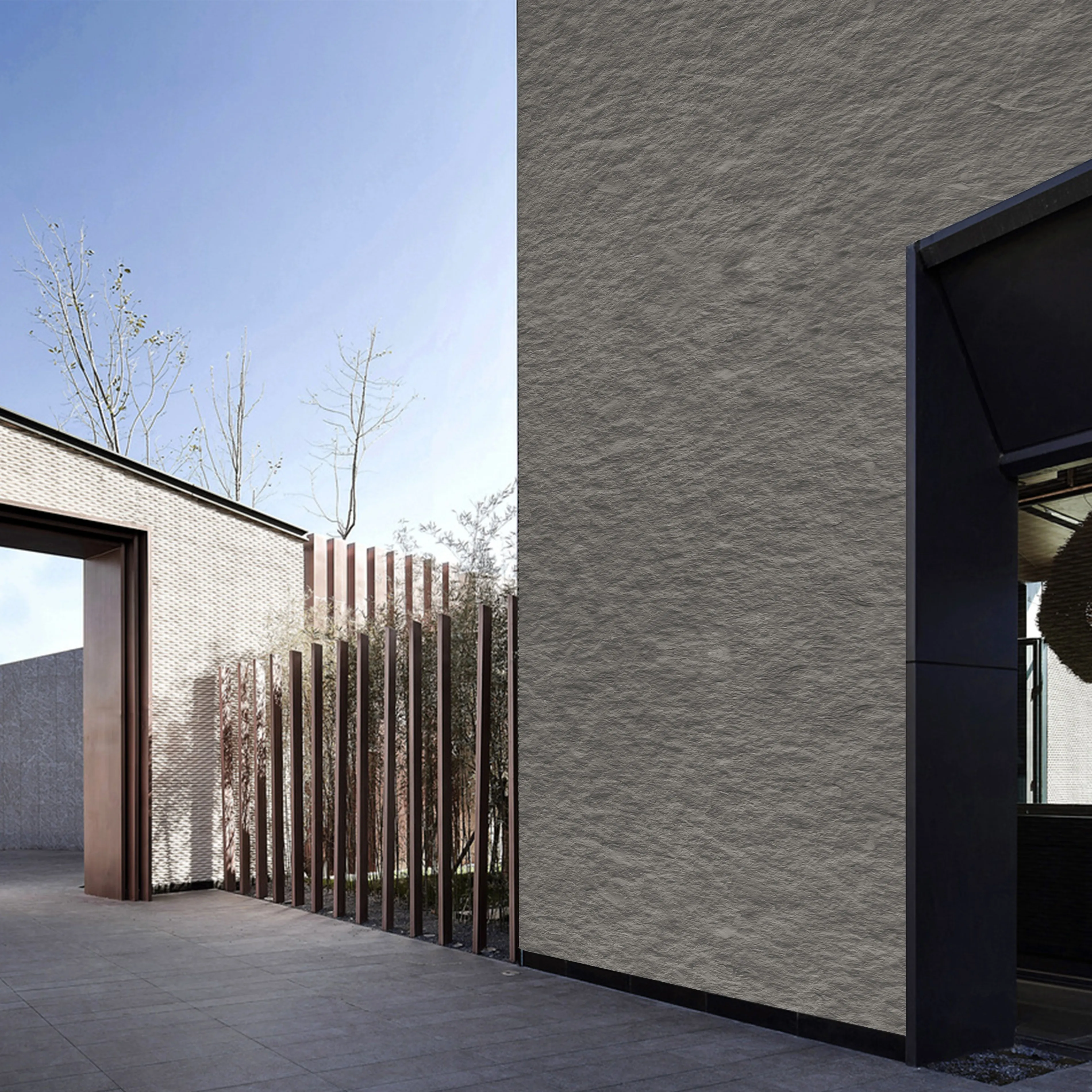
To put this all in context, let's look at a real-world example. A few years ago, a high-end hotel chain was renovating one of its flagship properties in a major European city. The goal was to update the facade to feel more modern while honoring the building's historic roots. The design team considered several options: fair-faced concrete (too industrial), marble (too soft for the city's harsh winters), and Lunar Peak Silvery (too flashy for the neighborhood's classic architecture).
Then they discovered rough granite stone (medium grey). The medium grey color complemented the building's original brickwork, while the rough texture added a contemporary edge without clashing with the historic surroundings. The hotel's management was initially hesitant about the cost, but after seeing samples and hearing about the stone's durability, they took the plunge.
Today, five years later, the facade still looks as stunning as the day it was installed. Guests rave about the "grand yet approachable" exterior, and the hotel has seen a noticeable uptick in positive reviews mentioning the building's "timeless elegance." Best of all, the maintenance team reports spending less than 10 hours a year on facade upkeep—compared to the 50+ hours they used to spend on the old, high-maintenance stucco exterior. For the hotel, rough granite wasn't just a design choice; it was a smart business decision.
At the end of the day, a hotel's facade is more than just a pretty face. It's a reflection of the brand's values: quality, attention to detail, and a commitment to creating memorable experiences. Rough granite stone (medium grey) embodies all of these values. It's luxurious, with a texture and depth that feels crafted, not mass-produced. It's durable, built to withstand the elements and the test of time. And it's versatile, able to adapt to everything from historic renovations to cutting-edge modern designs.
For hoteliers who want to make a statement that lasts—one that wows guests today and still looks impressive decades from now—rough granite stone (medium grey) isn't just a material. It's an investment. An investment in beauty, in durability, and in the kind of first impression that turns guests into lifelong fans.
So the next time you walk past a hotel with a rough granite facade, take a moment to appreciate it. Behind that texture, that color, that quiet confidence, there's a story of intentionality—a choice to build something that's not just beautiful, but built to last. And in a world that's always rushing, that's a luxury worth celebrating.
Recommend Products












