
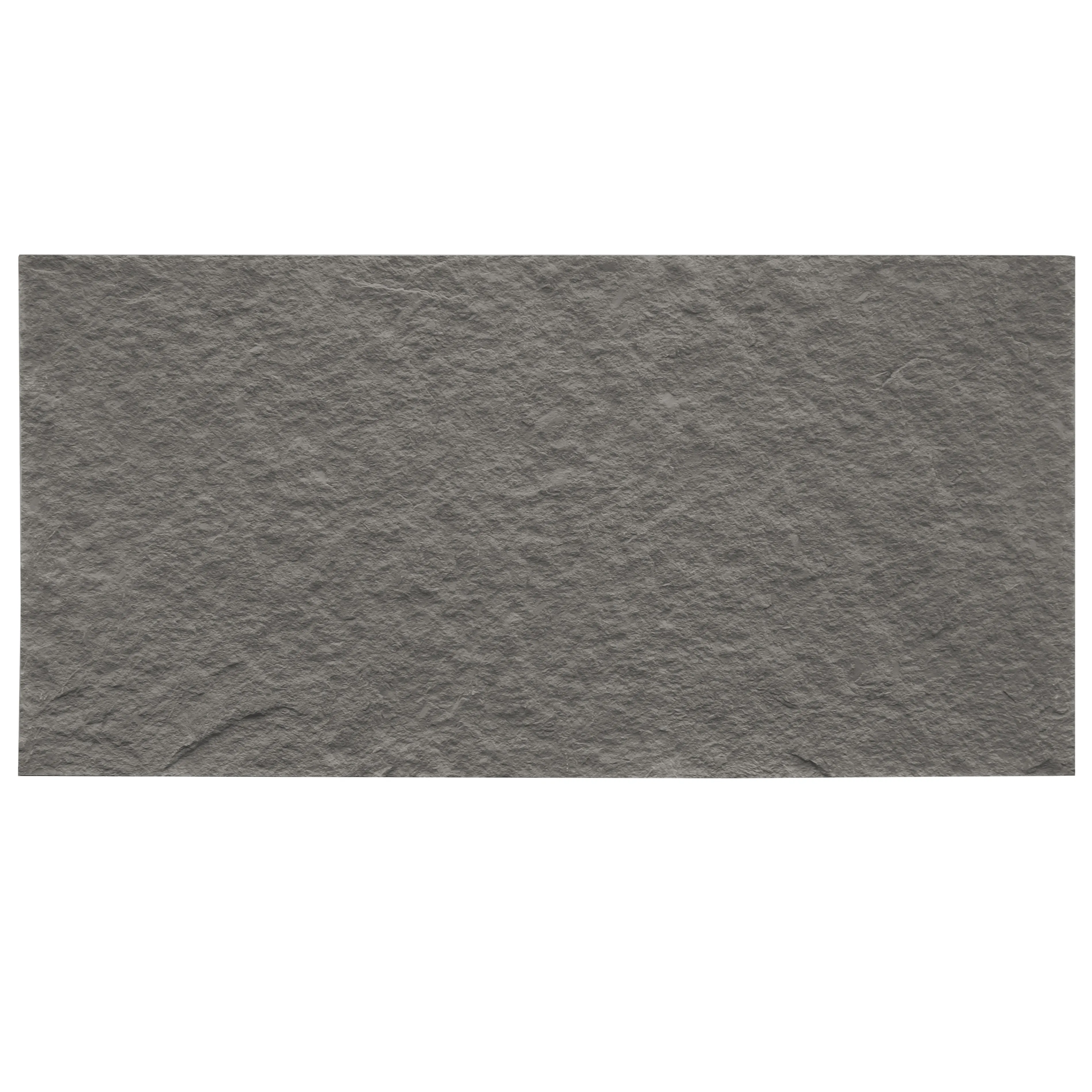
In the bustling cities of Tokyo, the ancient lanes of Kyoto, the modern skylines of Singapore, or the cultural hubs of Seoul, one thing unites Asian design: a deep reverence for materials that tell a story. Among these, rough granite stone (medium grey) has emerged not just as a building material, but as a bridge between tradition and modernity. Its raw, tactile surface—marked by the earth's slow craftsmanship—speaks to a region that values authenticity, durability, and the quiet beauty of nature. In this article, we'll explore why medium grey rough granite has captured the hearts of Asian designers, how it integrates with local aesthetics, and where it's headed in the dynamic world of Asian architecture and interior design.
To understand the appeal of rough granite stone (medium grey) in Asia, you first have to run your hand over its surface. Unlike polished marble or sleek concrete, this granite isn't smoothed into submission—it retains the marks of its formation: tiny pits, uneven edges, and a texture that feels like a handshake with the mountains. Its medium grey hue, neither too dark to overwhelm nor too light to fade, is a master of balance. It absorbs light gently, casting soft shadows that shift with the sun, and pairs effortlessly with warm woods, cool metals, and vibrant textiles—the staples of Asian interior palettes.
In a region where urban spaces often feel disconnected from nature, rough granite acts as a grounding force. Take, for example, a boutique hotel in Kyoto: imagine walking through a lobby where walls clad in medium grey rough granite rise like ancient cliffs, offset by sliding shoji screens and a bamboo fountain. The stone doesn't compete with the space; it anchors it. Guests don't just see the granite—they feel it. It's the kind of material that makes a room feel lived-in, even on the first visit, because it carries the weight of time.
Durability, too, plays a key role. Asian climates—from the humid summers of Bangkok to the snowy winters of Hokkaido—demand materials that can withstand the elements. Medium grey rough granite, formed over millions of years under intense heat and pressure, laughs off rain, frost, and UV rays. It's why you'll find it on exterior facades of high-rise apartments in Shanghai, on outdoor patios in Bali, and even on temple steps in Chiang Mai that have been trodden for decades. For Asian designers, longevity isn't just a practical consideration; it's a value. A material that lasts is a material that respects the future—a concept deeply rooted in Confucian and Buddhist philosophies of stewardship.
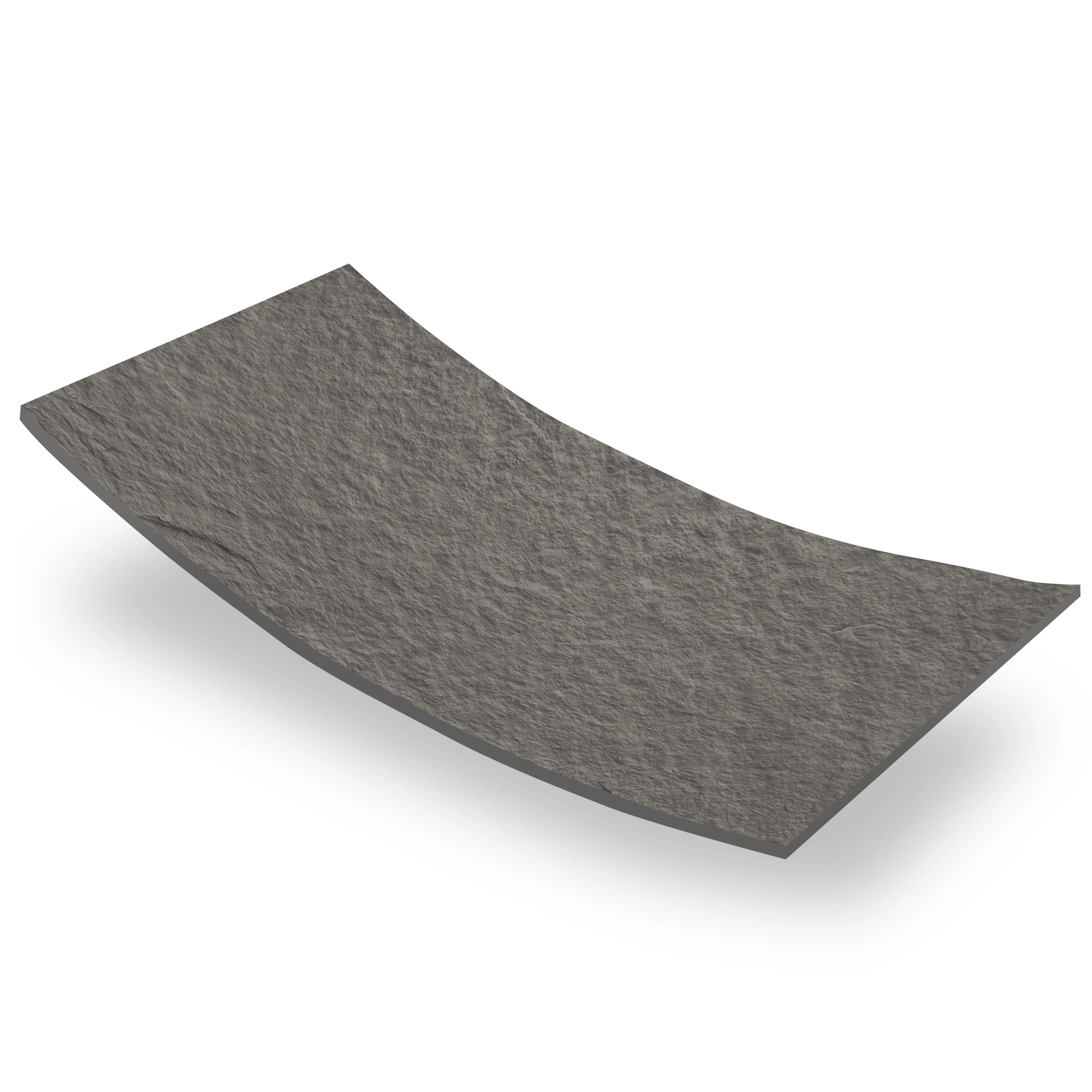
Asian design has never been about excess. It's about ma —the Japanese concept of negative space—or feng shui 's flow of energy. In this context, rough textures like medium grey granite aren't just decorative; they're functional. They add depth without clutter, warmth without color, and texture without chaos. In recent years, as Asian cities have grown more futuristic—think glass-and-steel skyscrapers in Guangzhou or tech hubs in Bangalore—designers have pushed back, craving materials that "slow down" space. Rough granite answers that call.
Consider the rise of "wabi-sabi" in modern Asian interiors—the art of finding beauty in imperfection. A wall of medium grey rough granite, with its uneven surface and natural variations, is the epitome of wabi-sabi. It doesn't pretend to be flawless; it celebrates its uniqueness. This aligns with a growing global movement toward sustainability: in Seoul, for instance, eco-conscious homeowners are choosing rough granite for kitchen backsplashes or outdoor gardens, drawn to its low maintenance (no harsh chemicals needed) and minimal environmental impact (it's quarried locally in many Asian countries, reducing carbon footprints).
Another trend driving its popularity is the blending of "east meets west." Young Asian designers are reimagining traditional spaces with a contemporary twist. A tea house in Taipei might feature rough granite tabletops paired with Scandinavian-style wooden chairs; a co-working space in Jakarta could use medium grey granite accent walls alongside sleek fair-faced concrete floors. The contrast is electric: the granite's organic texture softens the concrete's industrial edge, creating spaces that feel both modern and rooted.
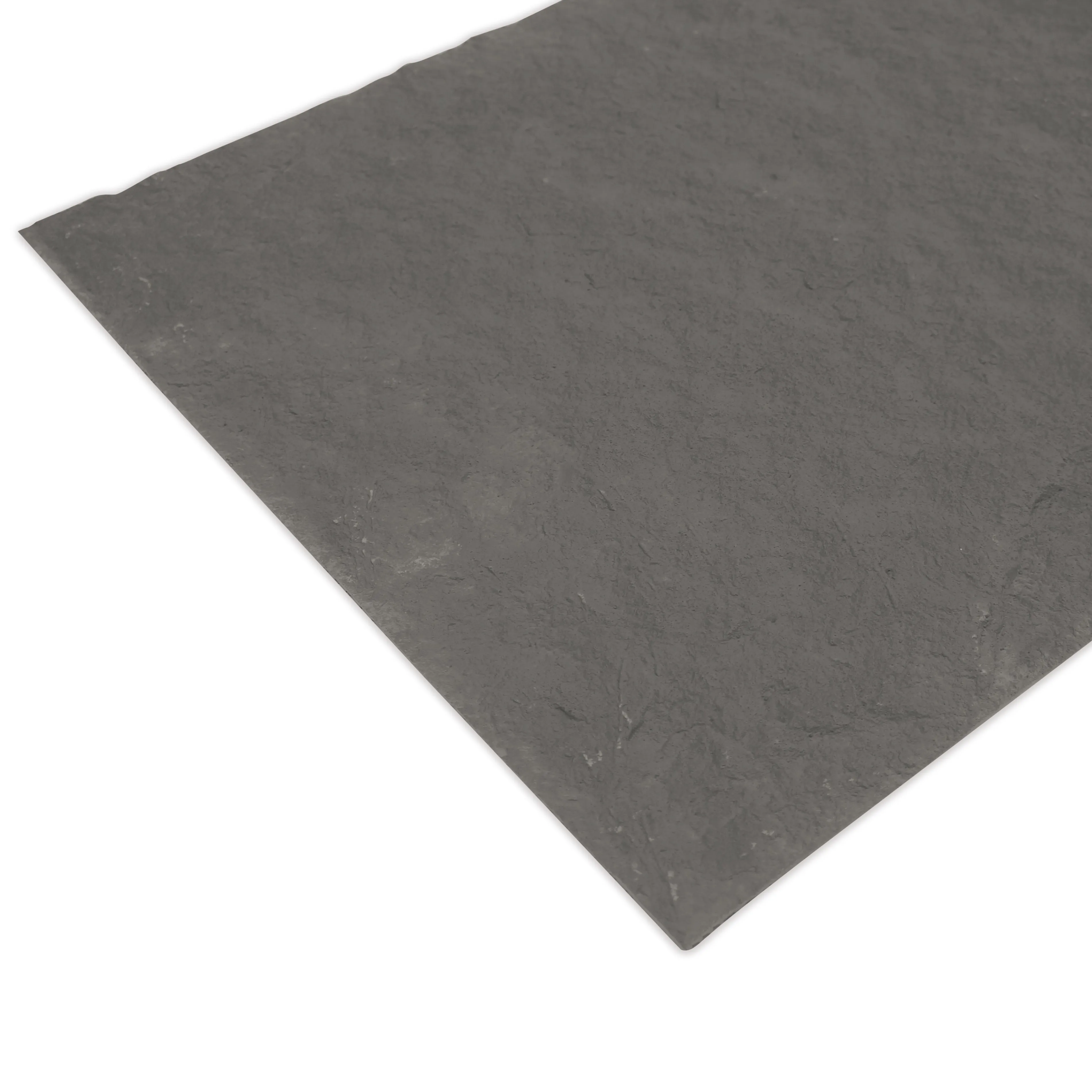
From commercial landmarks to private homes, medium grey rough granite is making its mark across Asian architecture. Let's dive into some of its most compelling uses:
In Tokyo, where apartments are often compact, designers use rough granite to add character without taking up space. A feature wall in a living room, for example, can turn a plain white box into a cozy retreat. In Hong Kong, where outdoor spaces are precious, homeowners are cladding balconies with medium grey granite, creating mini "mountain escapes" with city views. The stone's natural grip also makes it ideal for wet areas like bathrooms—imagine a shower stall with rough granite walls, where the texture prevents slips while adding a spa-like serenity.
Hotels and restaurants in Asia know that first impressions matter. A luxury resort in Phuket might use rough granite for its lobby columns, setting a tone of understated elegance. A café in Seoul could opt for granite tabletops, where the texture hides coffee stains and tells a story of daily life. Even retail spaces—from high-end boutiques in Singapore to streetwear stores in Bangkok—are using medium grey granite as a backdrop for fashion, its neutral tone letting clothes and accessories take center stage.
In Kyoto, a new museum dedicated to traditional crafts uses rough granite for its exterior, mirroring the stone walls of nearby temples. In Beijing, a community park features granite benches and pathways, designed to age gracefully and become part of the neighborhood's history. These projects show that rough granite isn't just modern—it's timeless. It connects new generations to the past, reminding them of the stone used in ancient pagodas and imperial palaces.
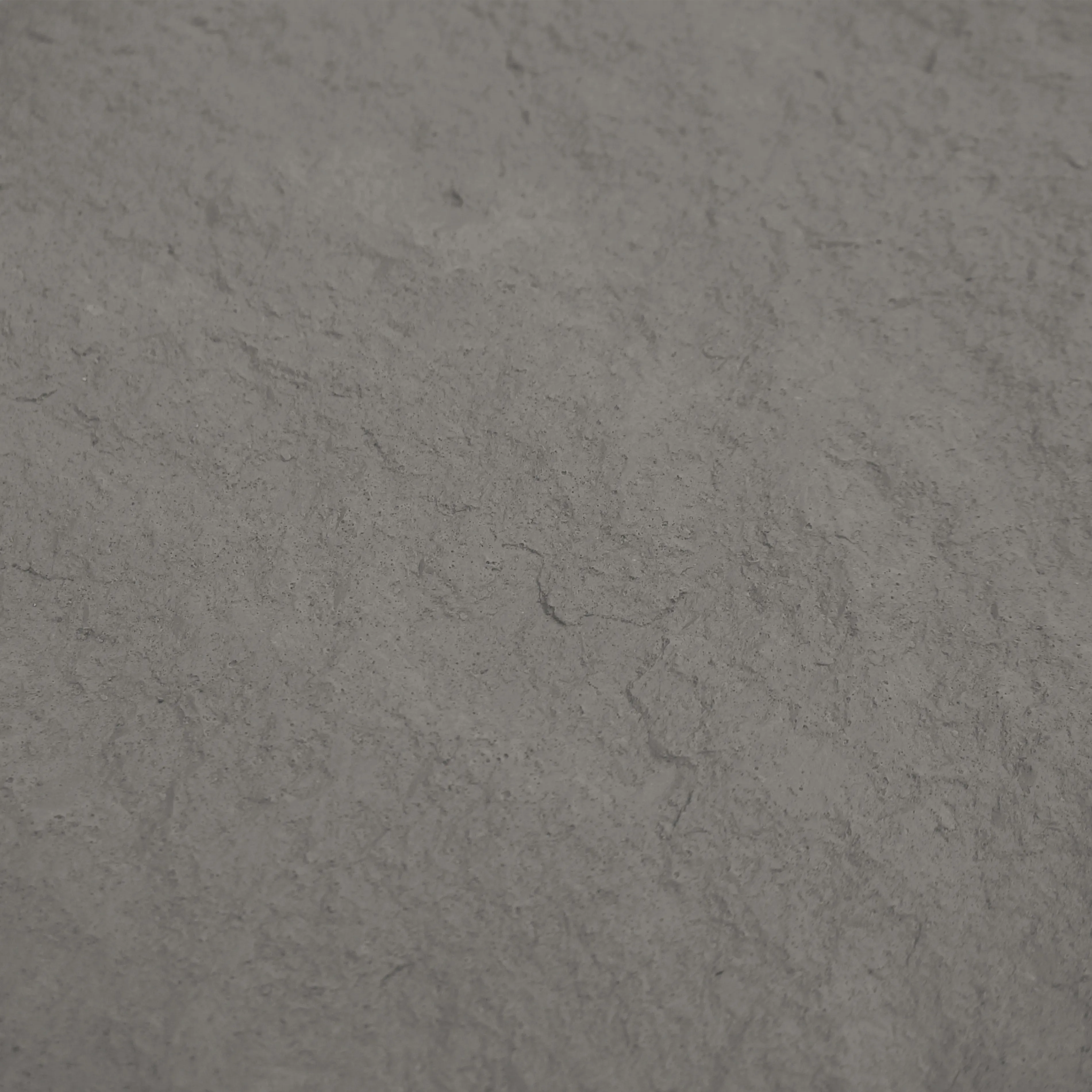
Great design is about harmony, and medium grey rough granite is a team player. It pairs beautifully with other Asian favorites, creating palettes that feel cohesive and intentional. Let's compare it to some popular counterparts:
| Material | Texture & Aesthetic | Best Paired With Medium Grey Rough Granite For: | Example Use Case |
|---|---|---|---|
| Wood Grain Board | Warm, organic, with visible grain patterns | Balancing cool grey with natural warmth | A dining room with a granite accent wall and wood grain cabinetry |
| Fair-Faced Concrete | Sleek, industrial, with subtle gray undertones | Modern minimalism with depth | A co-working space with concrete floors and granite desk tops |
| Travertine (Beige) | Soft, porous, with warm cream and gold hues | Creating a "neutral harmony" with contrasting textures | A hotel lobby with travertine floors and granite reception desk |
| Lunar Peak Silvery | Metallic, iridescent, with a subtle shimmer | Adding a touch of luxury to rustic granite | A high-end bar with granite bar tops and lunar peak silvery pendant lights |
Take the pairing of medium grey rough granite and wood grain board , for example. In a home office in Osaka, the contrast between the granite's cool, rugged surface and the wood's warm, smooth grain creates a space that's both productive and calming. The wood adds softness, while the granite adds structure—perfect for long workdays. Similarly, in a restaurant in Kuala Lumpur, combining granite with travertine (beige) floors creates a "desert-meets-mountain" vibe, where the travertine's warmth offsets the granite's coolness, making diners feel both grounded and relaxed.
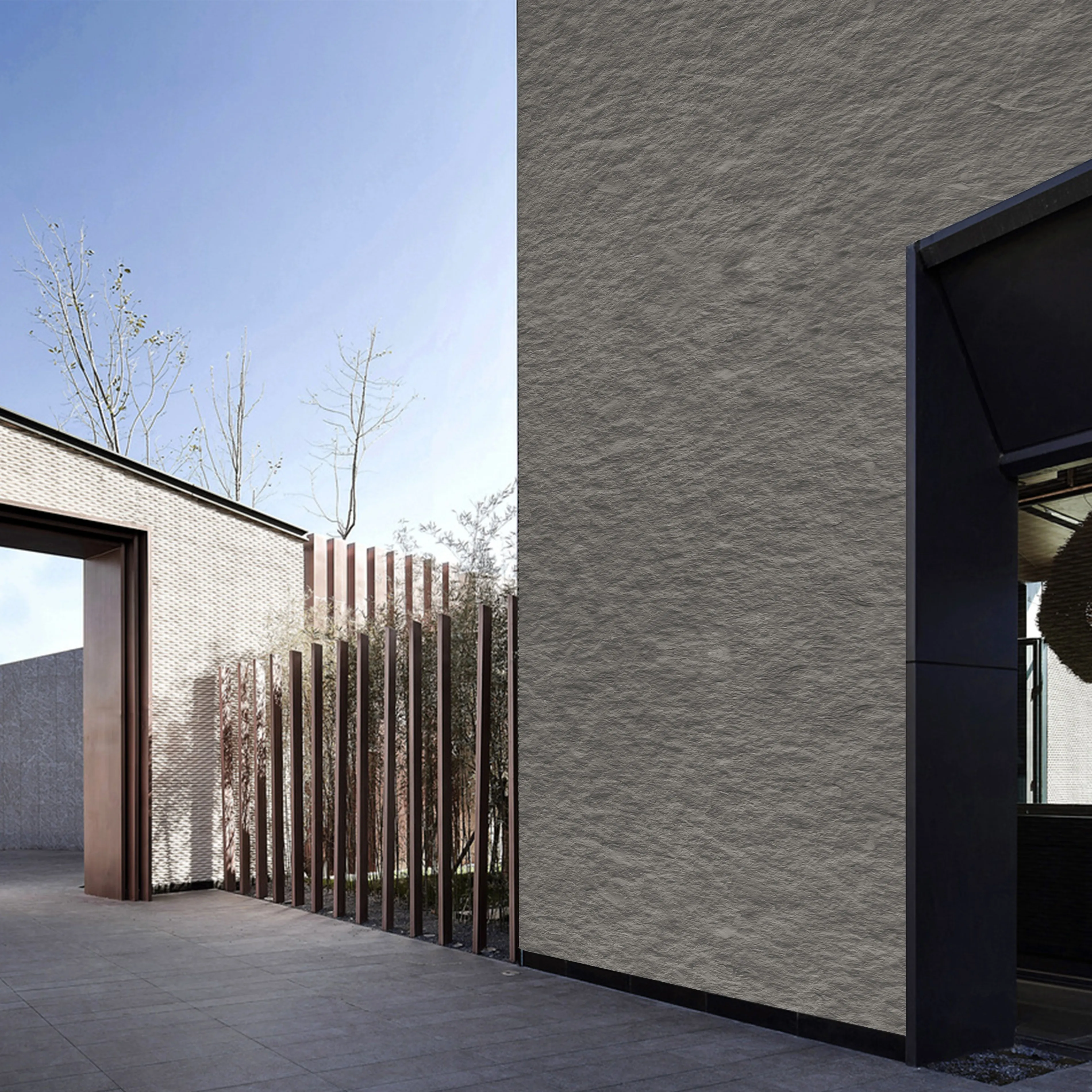
As Asian design continues to evolve, so too will the role of rough granite stone (medium grey). Here are three trends to watch:
Younger designers are demanding more control over texture and finish. Quarries in China and India are now offering "bespoke rough granite," where clients can choose the level of roughness (from slightly weathered to deeply pitted) and even request custom cuts for unique shapes. Imagine a boutique hotel in Bali with a granite wall carved into traditional Balinese patterns—blending local art with the stone's natural beauty.
Asia is leading the way in smart homes and sustainable tech, and granite is keeping up. Companies are experimenting with embedding subtle lighting into rough granite surfaces—think a kitchen backsplash with LED strips that highlight the stone's texture at night. In Singapore, a "green building" project is using rough granite with built-in planters, where moss and small plants grow in the stone's crevices, blurring the line between architecture and nature.
As Asia embraces its heritage, designers are using rough granite to celebrate local history. A museum in Hanoi, for instance, might use granite quarried from the nearby Red River Delta, a region with centuries of stone-carving tradition. The stone itself becomes an exhibit, telling the story of the land and its people. In India, where granite has been used in temples for millennia, modern architects are revisiting ancient techniques—like hand-chiseling—to create rough granite elements that honor craftsmanship.
At the end of the day, materials are about emotion. They shape how we feel in a space—whether we feel calm, inspired, connected, or at home. Medium grey rough granite, with its earthy texture and quiet strength, taps into something primal in Asian design: a desire to live in harmony with nature, to honor the past while building the future, and to find beauty in the imperfect. It's not just a trend; it's a philosophy.
So the next time you walk into a space in Asia and feel an sense of peace—whether it's a hotel lobby, a friend's home, or a quiet café—look down, look around. Chances are, you'll find the rough, reassuring touch of medium grey granite. And in that moment, you'll understand: it's not just stone. It's a story.
Recommend Products












