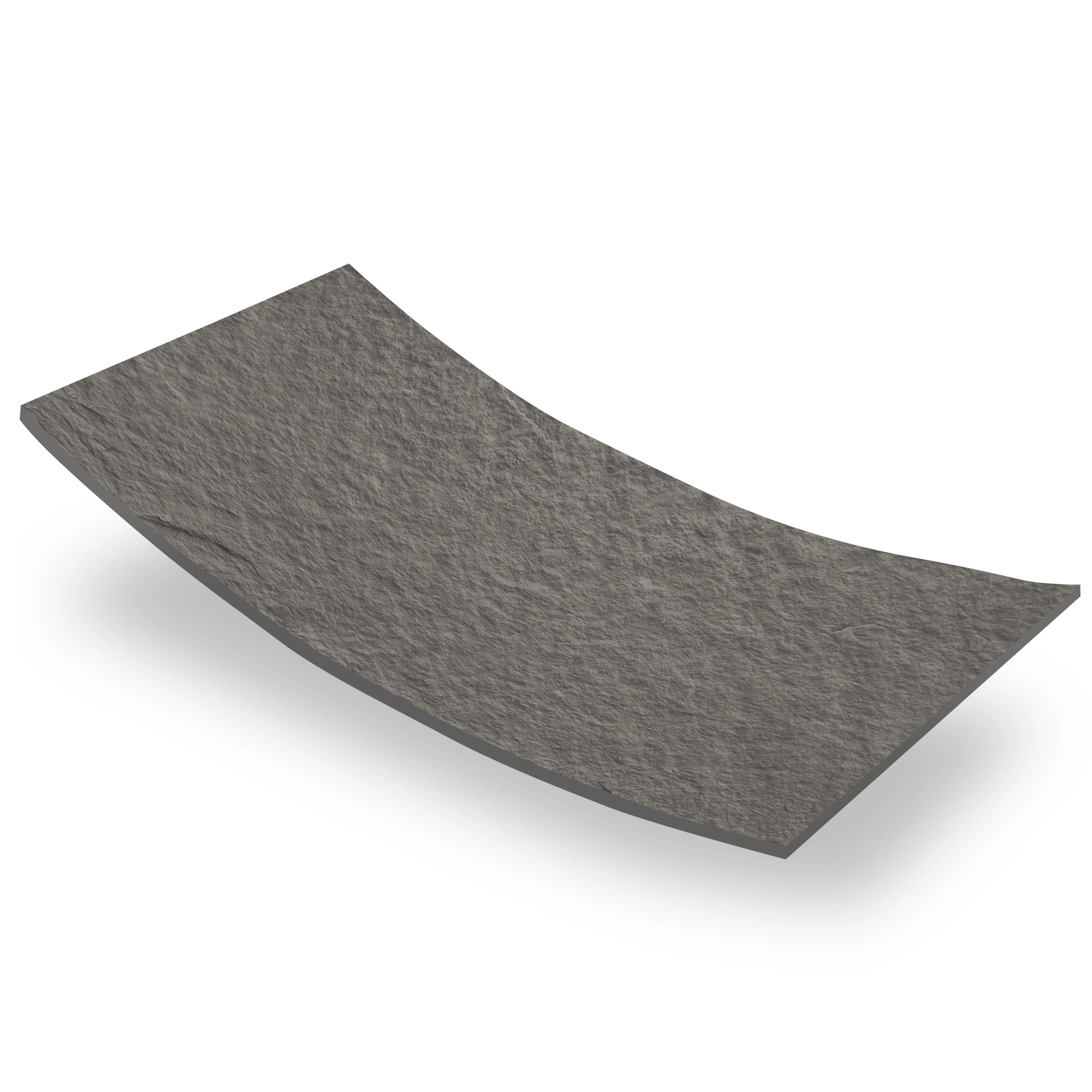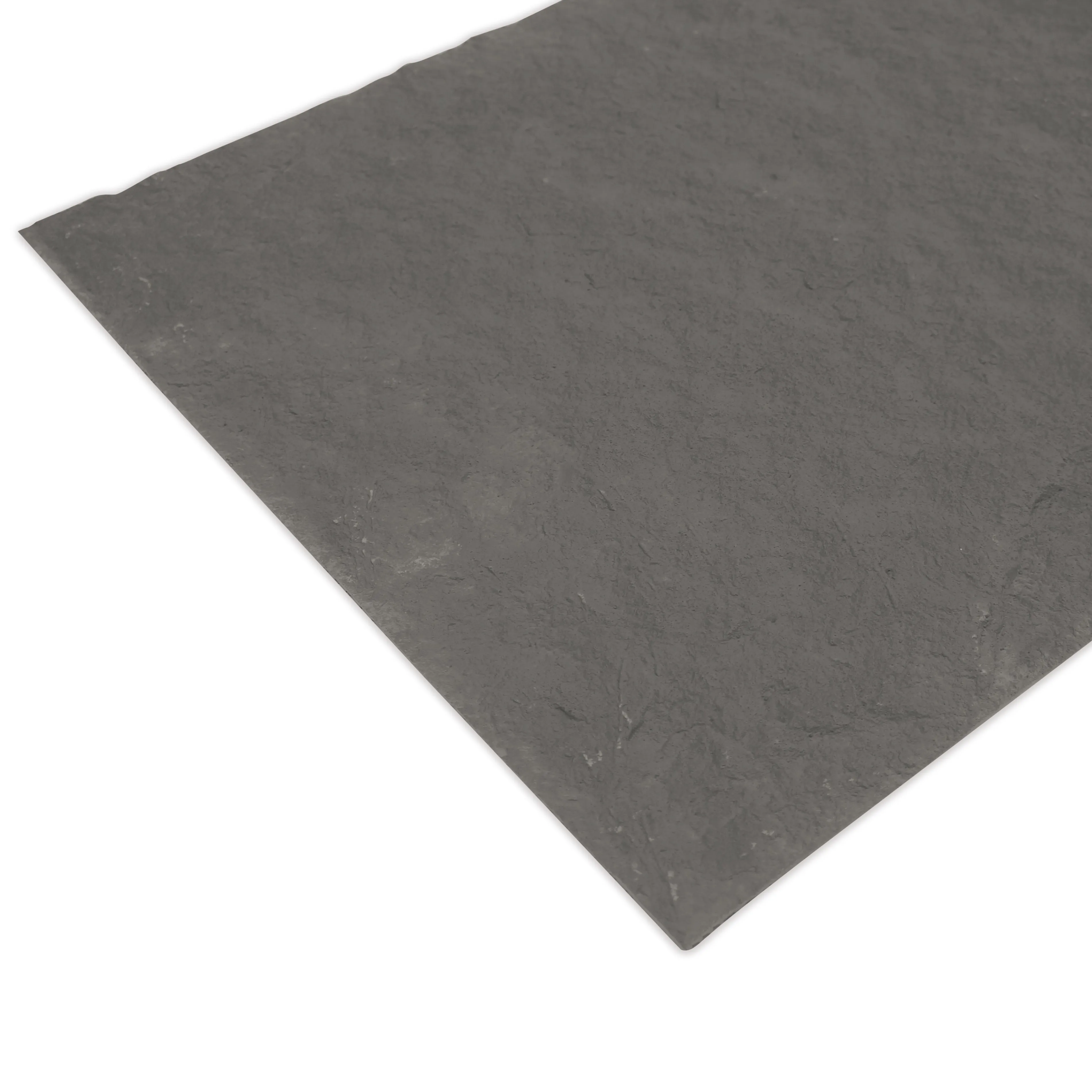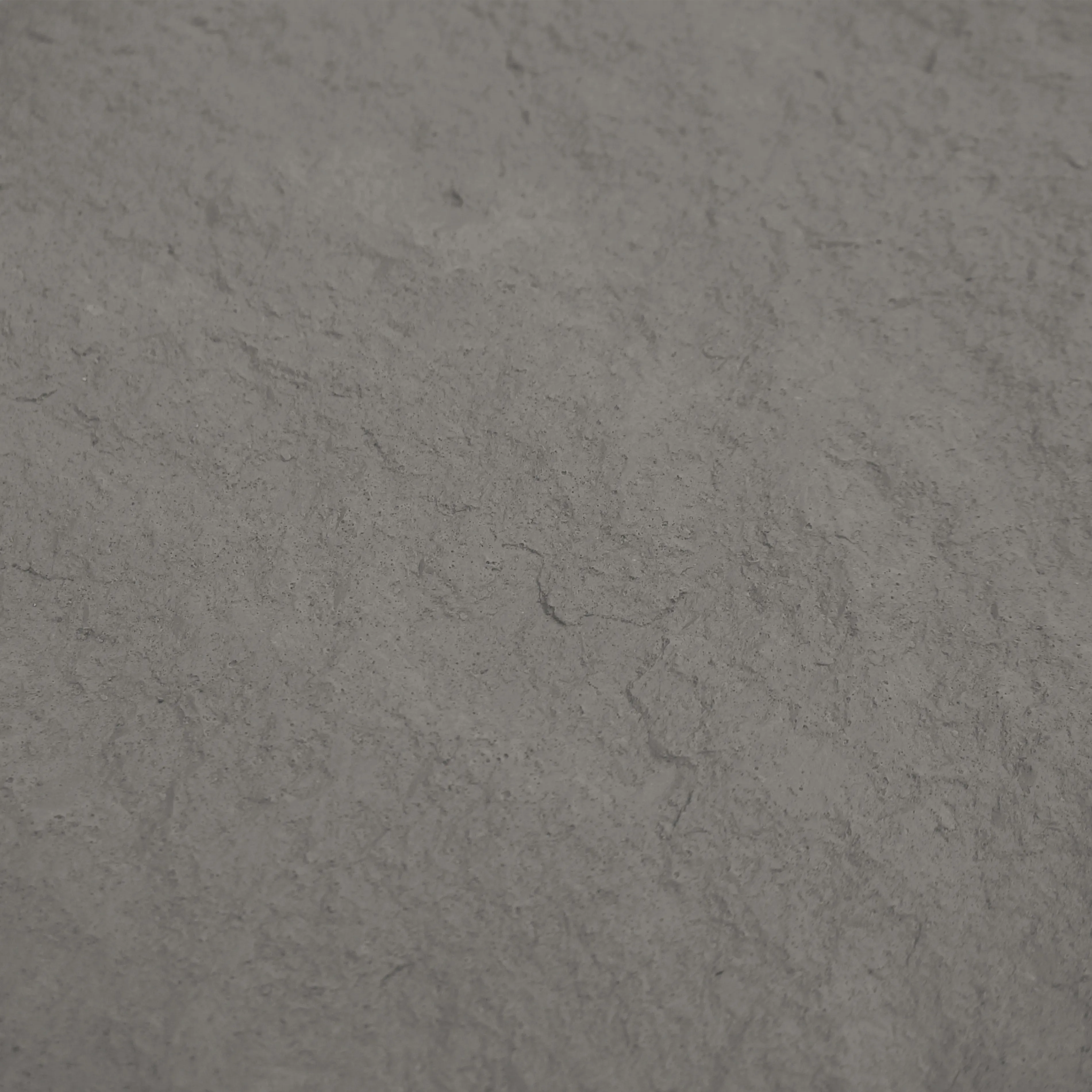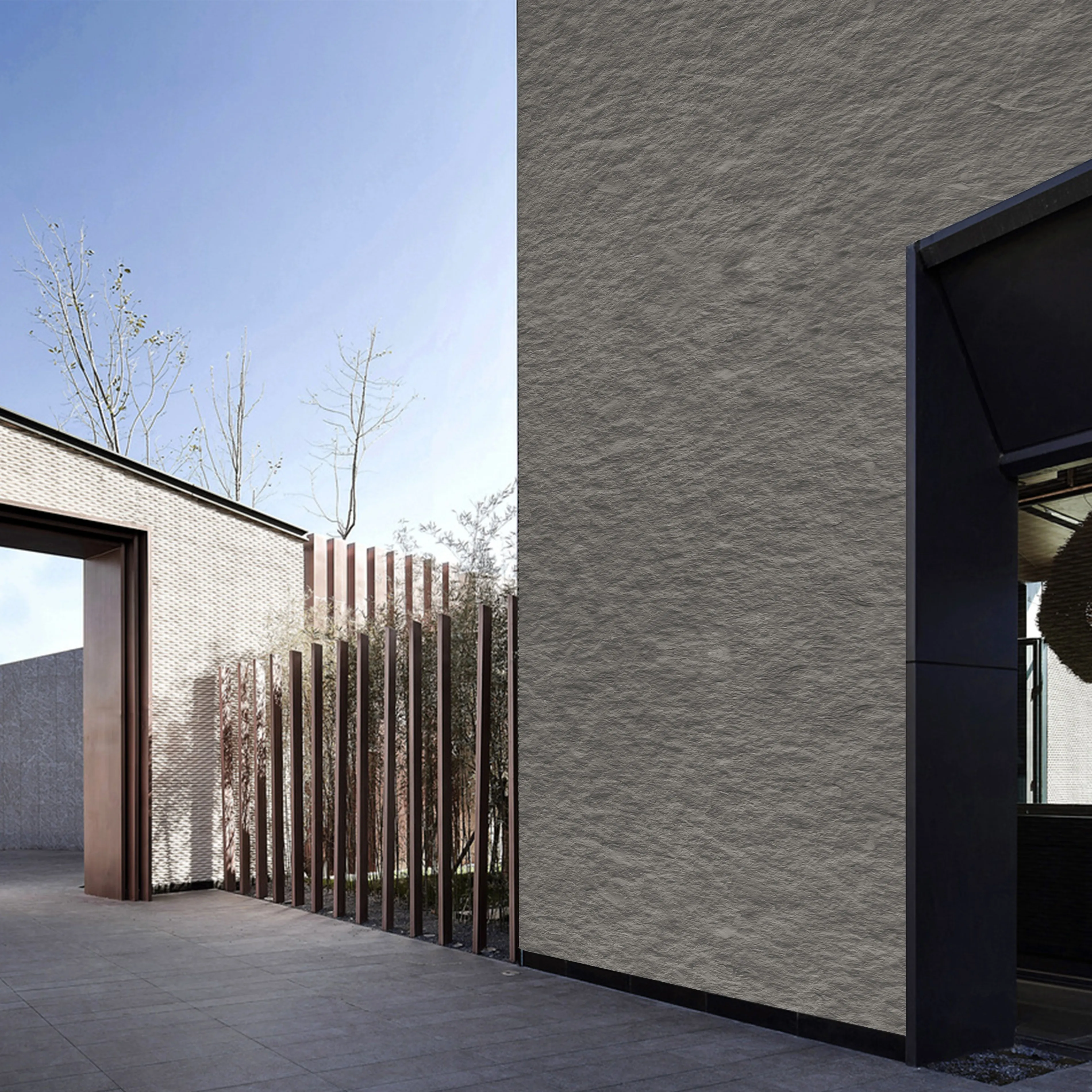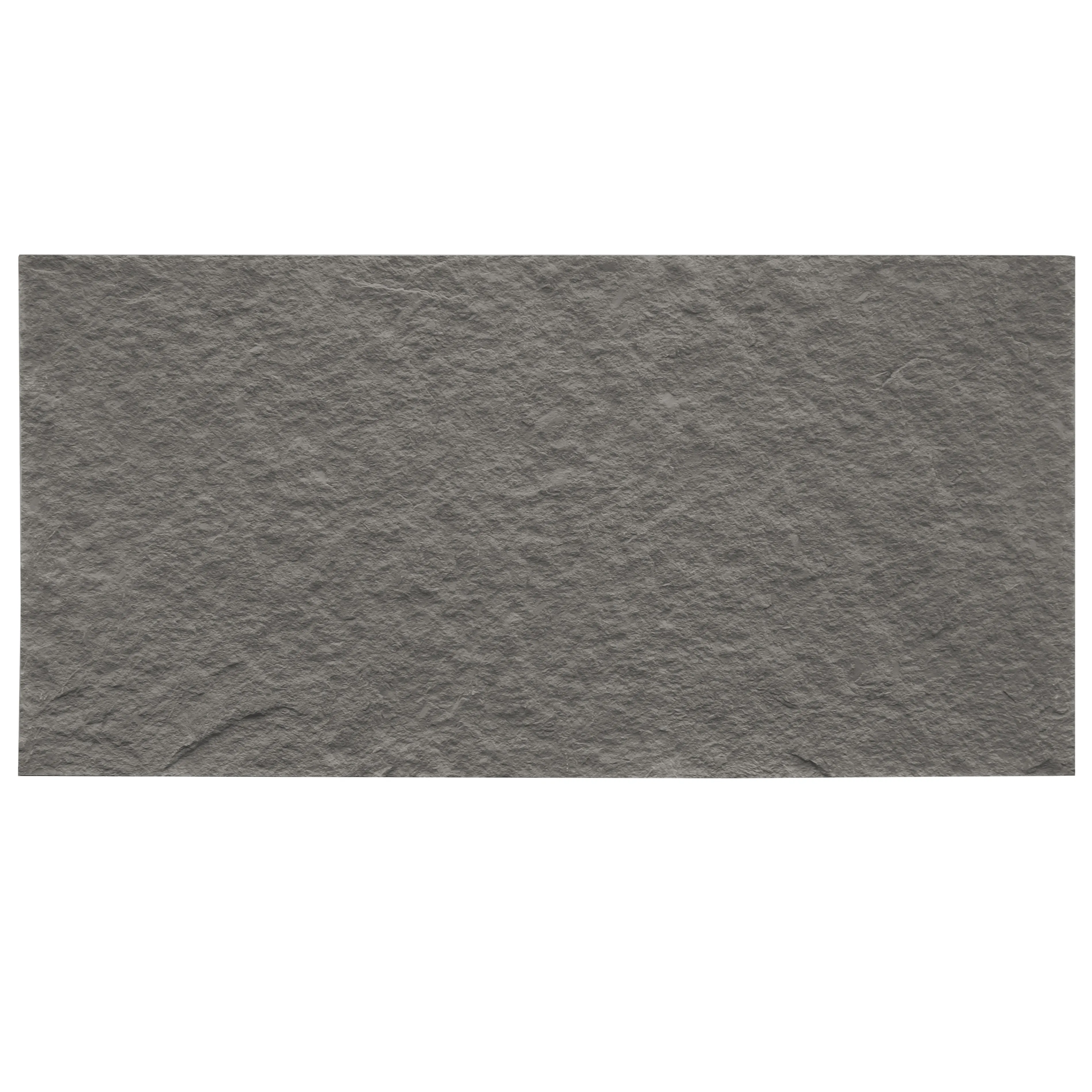
Walk through the cobblestone streets of Lisbon, the sleek boulevards of Berlin, or the coastal villages of Croatia, and one thing becomes clear: European construction has always been a love letter to materials. From the marble of ancient Rome to the timber of Scandinavian longhouses, the continent's buildings tell stories of culture, climate, and creativity. Today, as architects and homeowners alike crave spaces that feel both rooted in tradition and attuned to modern life, a material has emerged as a quiet star: rough granite stone (medium grey) . It's not just a trend—it's a response to a deeper desire for authenticity, durability, and connection to the natural world.
In recent years, European construction has shifted away from overly polished, industrial aesthetics toward something more tactile. We want walls that feel like they've weathered time, surfaces that invite touch, and exteriors that blend into the landscape rather than shout above it. Enter rough granite stone (medium grey): with its uneven texture, cool neutral hue, and rugged charm, it's become the material of choice for projects that aim to balance the old and the new. But what exactly is driving its rise? And how does it fit into the broader tapestry of European building trends?