
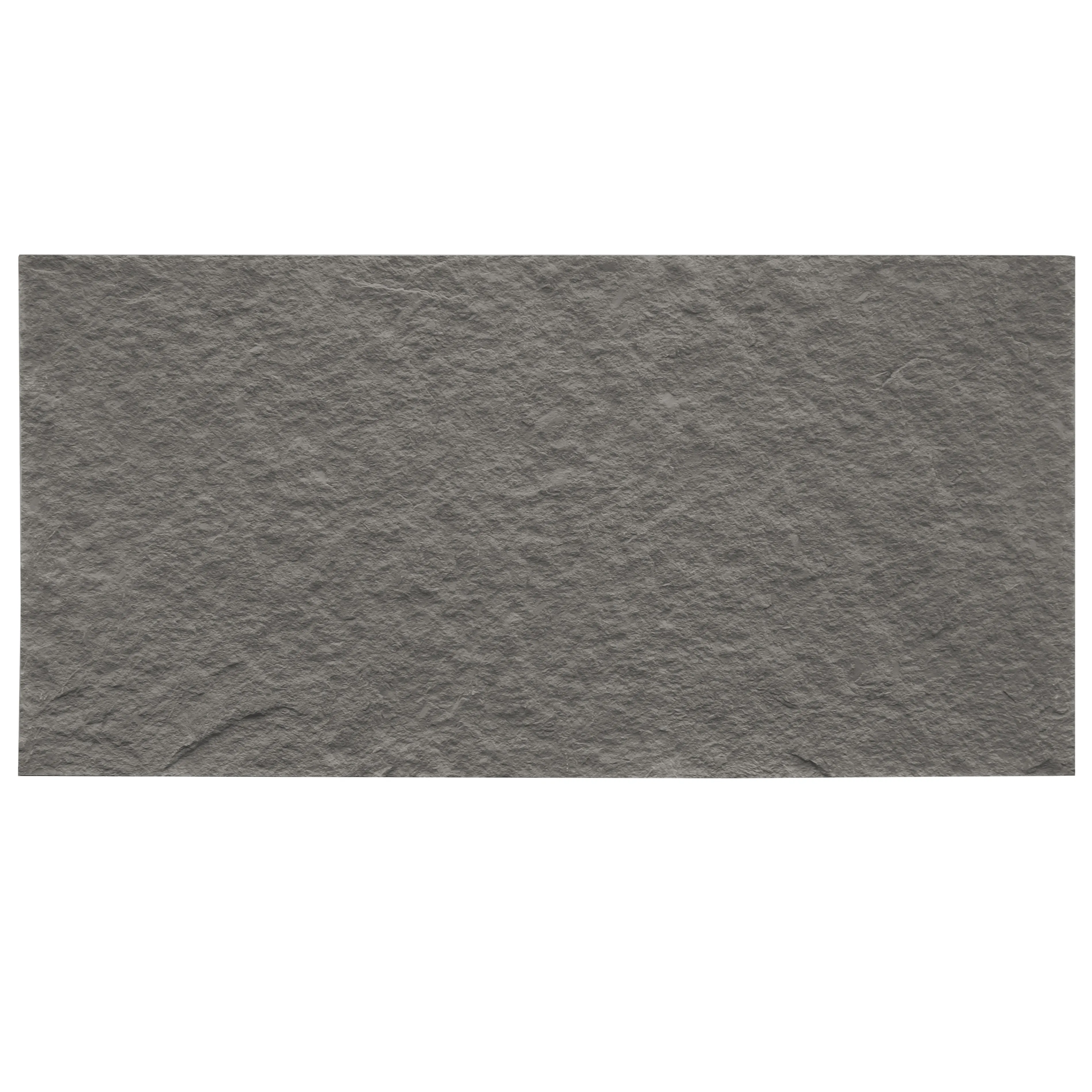
Saudi Arabia is in the midst of an unprecedented construction boom, driven by Vision 2030—a transformative plan to diversify the economy and build world-class cities. From the futuristic megaproject NEOM to the bustling commercial hubs of Riyadh and Jeddah, the kingdom's skyline is evolving, and with it, the demand for building materials that blend durability, aesthetics, and sustainability. Among these materials, one stands out for its ability to bridge tradition and modernity: rough granite stone (medium grey). Its rugged texture, neutral tone, and inherent strength have made it a favorite among architects, developers, and homeowners alike. In this article, we'll explore why this unassuming stone has become a cornerstone of Saudi Arabia's architectural revolution, examining its market demand drivers, versatile usage scenarios, and how it stacks up against alternatives like fair-faced concrete and MCM flexible stone.
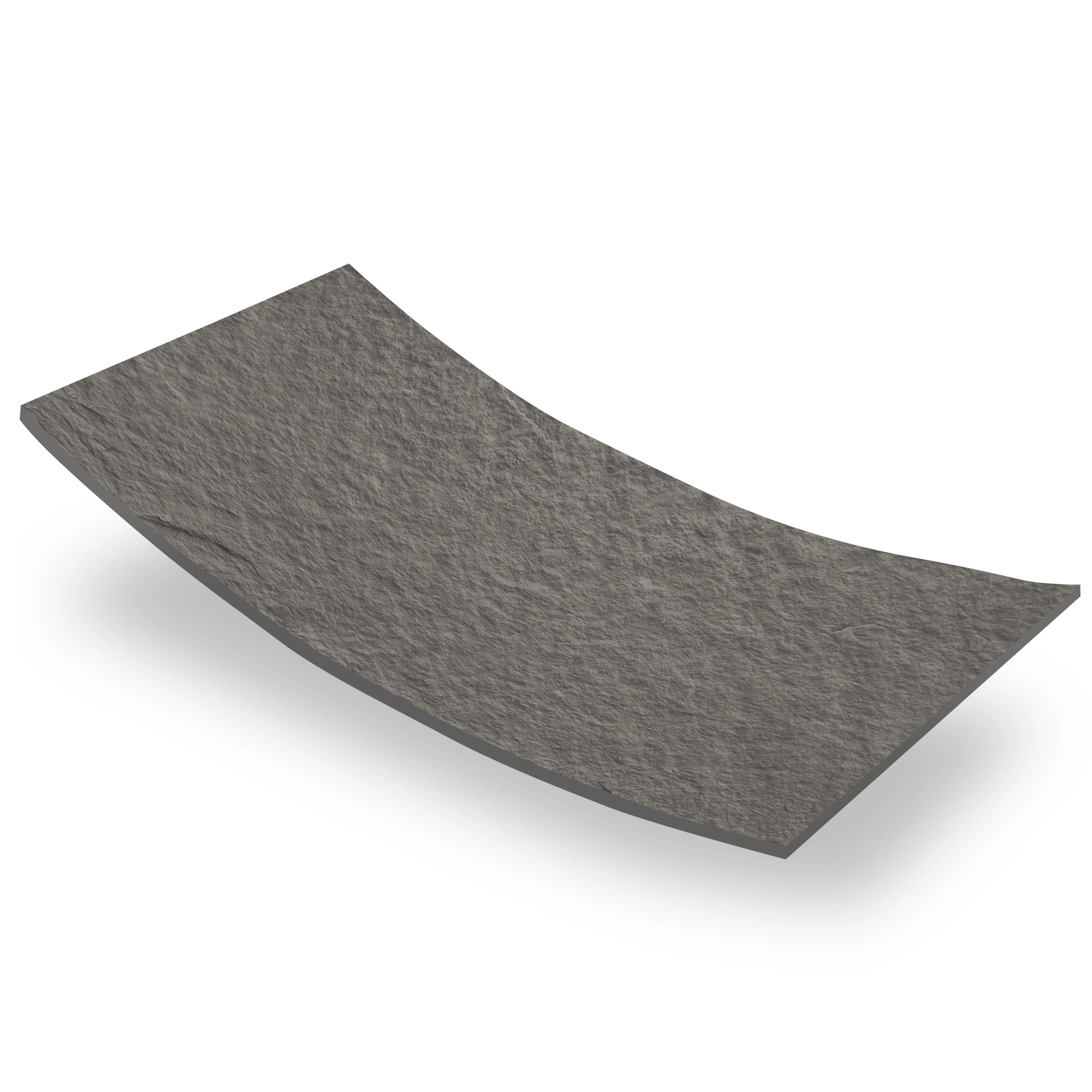
At first glance, rough granite stone (medium grey) might seem like just another construction material, but its appeal runs deeper. Quarried from natural stone deposits, this material retains the raw, unpolished texture of its origins—think of the weathered beauty of mountain cliffs, softened by time but still robust. The medium grey hue is a master of versatility: it complements warm tones like terracotta and gold (common in traditional Saudi design) and pairs seamlessly with cool blues and whites in contemporary projects. But its beauty isn't skin-deep. In a country where temperatures soar above 45°C in summer and sandstorms are a regular occurrence, durability is non-negotiable. Rough granite delivers here, too: it's scratch-resistant, heat-resistant, and impervious to the harsh UV rays that fade lesser materials. Unlike polished stones, its rough surface also provides better traction, making it ideal for high-traffic areas like shopping mall floors or outdoor plazas where safety is a priority.
Another key advantage is its sustainability credentials. As the world shifts toward green building materials, rough granite checks important boxes: it's naturally sourced, requires minimal processing (unlike synthetic alternatives), and has a lifespan of decades—even centuries—with little maintenance. In a kingdom aiming to build "sustainable cities" under Vision 2030, materials that reduce long-term environmental impact are increasingly prioritized. Rough granite's ability to stand the test of time means fewer replacements, lower waste, and a smaller carbon footprint over the building's lifecycle. It's no wonder developers are choosing it not just for its looks, but for its alignment with global green building standards.
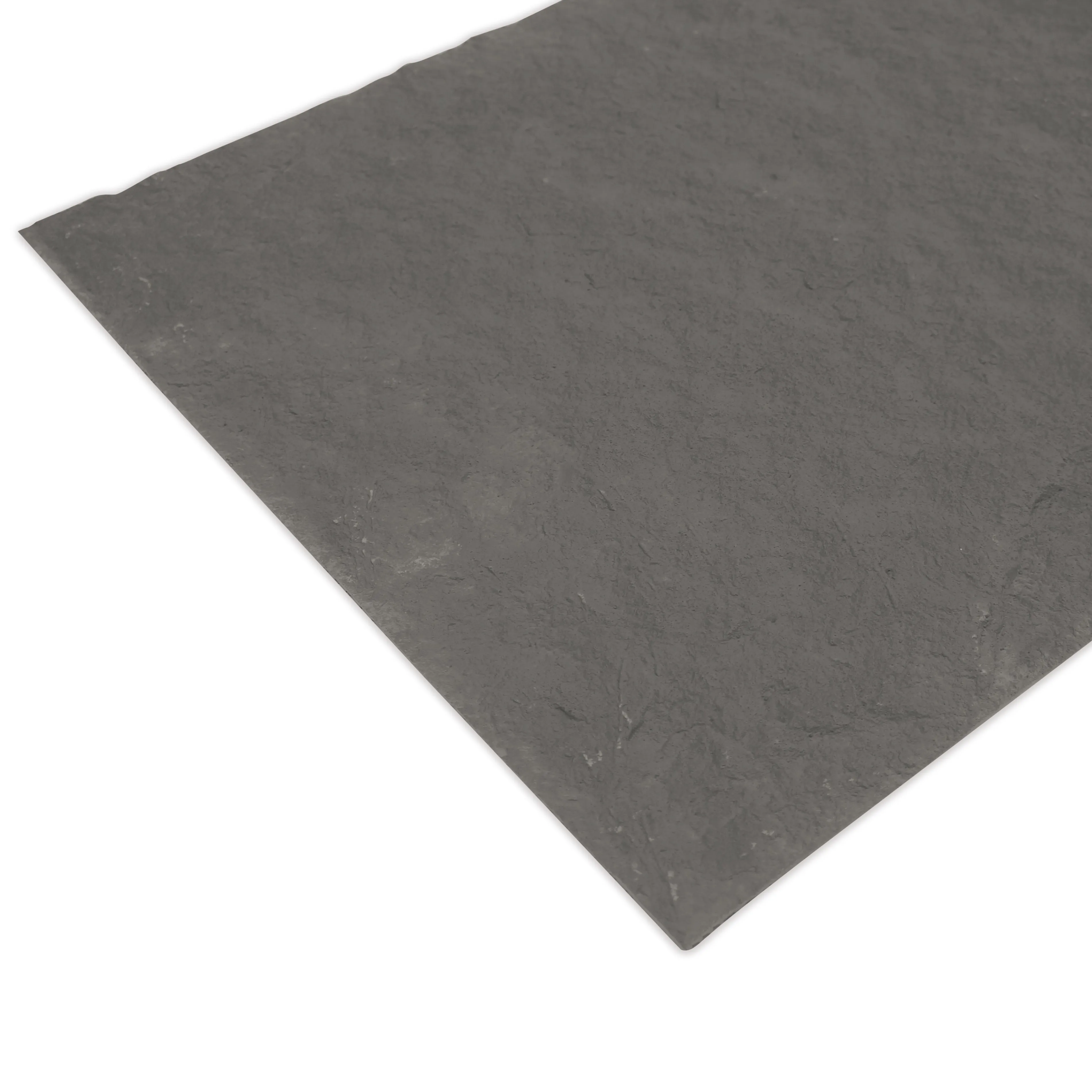
The demand for rough granite stone (medium grey) in Saudi Arabia isn't just a passing trend—it's a response to several converging factors. Let's break them down:
1. Urbanization and Mega-Projects: Saudi Arabia is rapidly urbanizing, with over 80% of its population now living in cities. Vision 2030 has accelerated this with projects like the Red Sea Project (a luxury tourism destination) and Qiddiya (an entertainment megacity). These developments require materials that can handle heavy use while maintaining visual appeal. Rough granite, with its durability and timeless look, has become a go-to for everything from hotel facades to public park pathways.
2. Luxury and Residential Growth: The kingdom's growing middle class and influx of expatriates have fueled demand for high-end residential properties. Homeowners are increasingly prioritizing exteriors and landscaping that make a statement. A villa in Riyadh's diplomatic quarter, for example, might feature a rough granite stone (medium grey) accent wall, adding texture and sophistication without overwhelming the design. Developers report that properties with natural stone elements often command higher resale values, as buyers associate them with quality and longevity.
3. Cultural Connection: Saudi Arabia has a rich heritage of stone architecture, from the ancient mud-brick structures of Diriyah to the limestone forts of Najran. Rough granite stone (medium grey) taps into this tradition, offering a modern take on the kingdom's building legacy. Architects often describe it as "honest" material—one that doesn't pretend to be something it's not, unlike synthetic claddings that mimic stone. This authenticity resonates with both locals and international visitors, making it a popular choice for cultural projects, such as museums and heritage centers.
4. Green Building Momentum: As mentioned earlier, green building materials are gaining traction, and rough granite fits the bill. The Saudi Green Building Code (SBC), launched in 2018, encourages the use of sustainable materials with low embodied carbon. Because rough granite requires minimal processing (no harsh chemicals or energy-intensive polishing), it scores well under these guidelines. Developers aiming for LEED or SBC certification often opt for rough granite to earn sustainability credits, further driving demand.
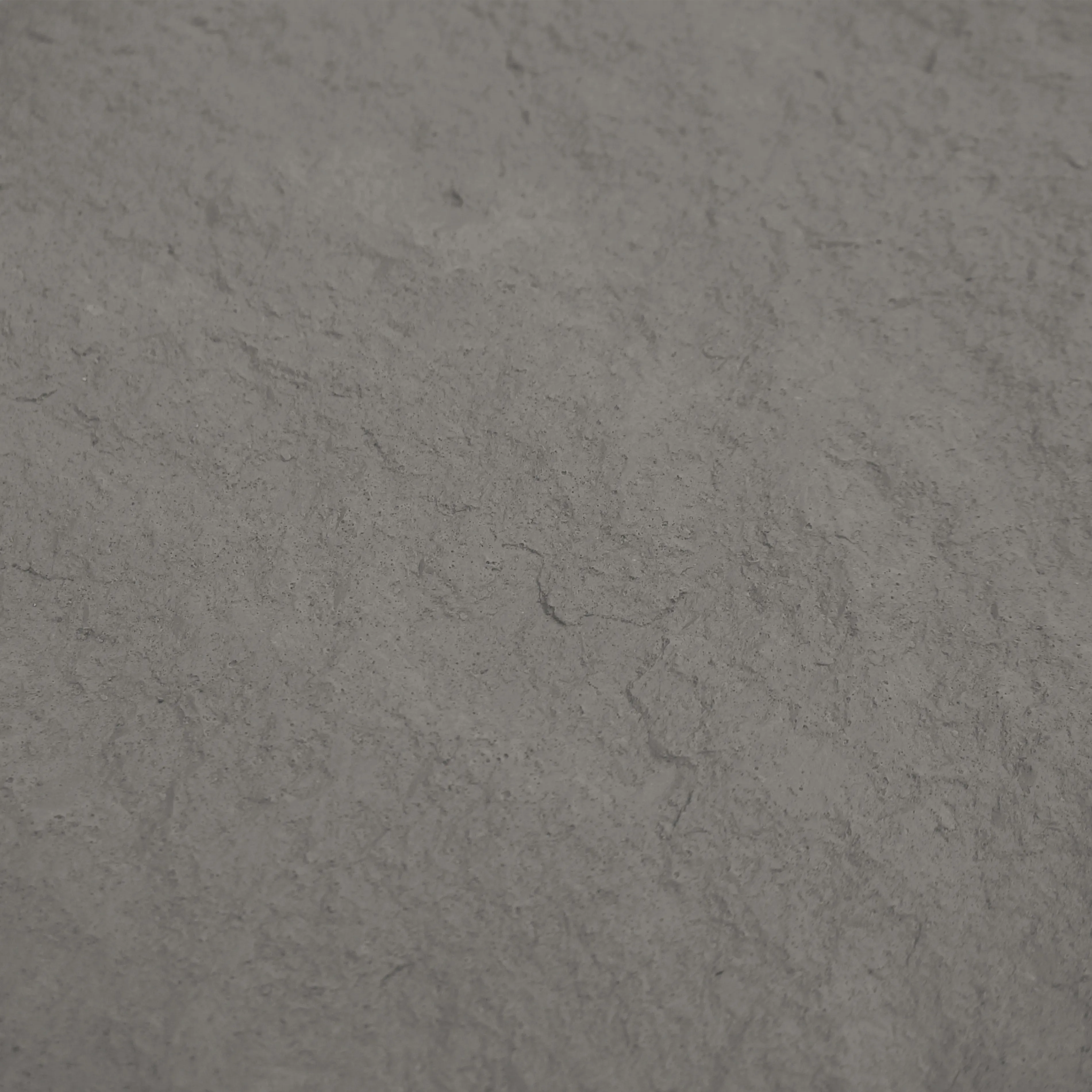
One of the reasons for rough granite stone (medium grey)'s popularity is its versatility. It adapts to almost any setting, from industrial-chic offices to serene residential gardens. Let's explore some of its most common applications in Saudi Arabia:
Facades: In Riyadh's King Abdullah Financial District (KAFD), a cluster of skyscrapers known as "the Wall Street of the Middle East," rough granite stone (medium grey) is a staple for building exteriors. Take the iconic KAFD Tower: its lower levels feature horizontal bands of medium grey granite, their rough texture contrasting with the smooth glass above. This combination balances modernity with earthiness, making the tower feel grounded despite its height. Architects explain that the stone's thermal mass also helps regulate interior temperatures, reducing reliance on air conditioning—a critical factor in Saudi Arabia's hot climate.
Lobbies and Receptions: Luxury hotels like the Ritz-Carlton in Jeddah often use rough granite for lobby walls and floors. Step into the lobby, and you're greeted by walls of medium grey granite, their uneven surface catching the light and creating a sense of depth. The stone's neutral color allows designers to add pops of color through furniture or art, while its durability ensures it stays looking new even with thousands of guests passing through daily.
Exterior Cladding: Villas in compounds like Riyadh's Al Mouj are increasingly using rough granite stone (medium grey) for exterior cladding. Unlike smooth stones, which can look sterile, the rough texture adds warmth, making the home feel inviting. A common trend is to pair it with wooden accents or landscaping—think a medium grey granite wall with climbing jasmine or a stone pathway leading to a wooden front door. Homeowners love that it requires little maintenance: a quick hose-down once a month is enough to keep dust and sand at bay.
Landscaping and Outdoor Areas: Saudi families spend significant time outdoors, especially in the cooler winter months. Rough granite stone (medium grey) is perfect for patios, pool surrounds, and garden pathways. Its non-slip surface is a safety boon around pools, while its natural texture blends with desert landscaping—think cacti, date palms, and gravel. Some homeowners even use it to build outdoor fire pits or retaining walls, creating cozy gathering spaces that feel connected to the environment.
Public Parks and Plazas: Jeddah's Corniche, a popular waterfront promenade, features walkways and seating areas made from rough granite stone (medium grey). The stone's ability to withstand heavy foot traffic and salt air (from the Red Sea) makes it ideal here. Children can run around without slipping, and seniors can walk safely, thanks to its textured surface. In Riyadh's King Saud Park, granite benches and picnic tables blend into the landscape, their medium grey color complementing the park's greenery and water features.
Heritage and Cultural Sites: When restoring or building near historical sites, architects often turn to rough granite for its ability to honor the past. For example, the Diriyah Gate Development, which preserves the UNESCO-listed historic district of Diriyah, uses medium grey granite in its new visitor centers and walkways. The stone's raw appearance echoes the ancient mud-brick structures nearby, creating a seamless transition between old and new.
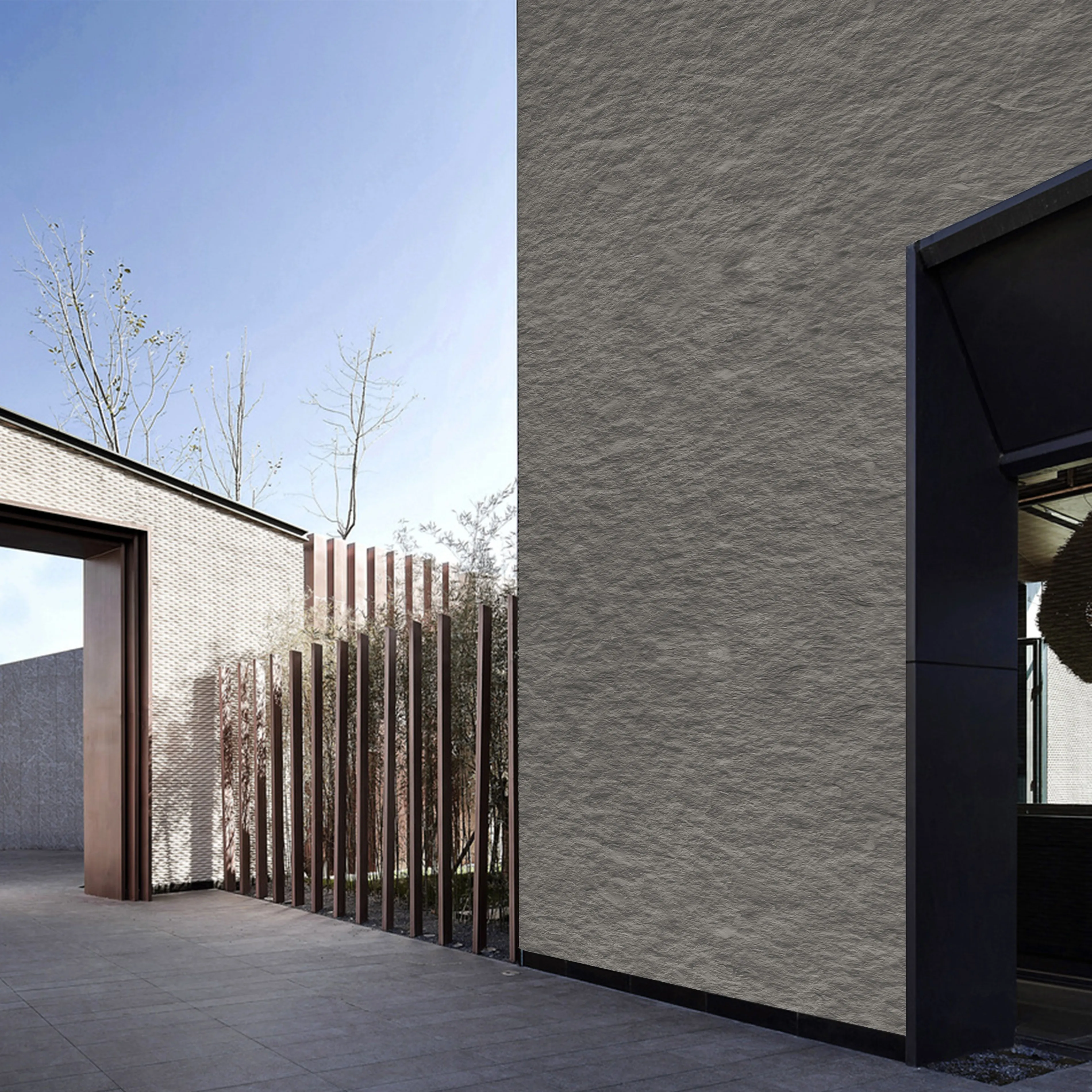
While rough granite stone (medium grey) is popular, it's not the only material vying for space in Saudi Arabia's construction market. Let's compare it to three common alternatives: fair-faced concrete, MCM flexible stone, and boulder slab. The table below breaks down their key attributes:
| Material | Durability | Aesthetic Appeal | Cost (Relative) | Sustainability |
|---|---|---|---|---|
| Rough Granite Stone (Medium Grey) | Exceptional (50+ year lifespan, scratch/heat resistant) | Natural, textured, versatile (works with traditional/modern designs) | Moderate-High (higher upfront cost, lower long-term maintenance) | High (minimal processing, recyclable, long lifespan reduces waste) |
| Fair-Faced Concrete | Good (30-40 year lifespan, prone to staining if not sealed) | Industrial, sleek, monochromatic (limited color options) | Low-Moderate (lower upfront cost, higher maintenance for staining) | Moderate (high embodied carbon from cement production) |
| MCM Flexible Stone | Good (20-30 year lifespan, lightweight but less impact-resistant) | Varied (mimics stone, wood, or metal; smooth or textured finishes) | Moderate (lightweight = lower installation costs) | Moderate (recyclable but synthetic, shorter lifespan than natural stone) |
| Boulder Slab | Very High (similar to granite, but larger slabs may crack under stress) | Dramatic, organic (large, irregular slabs with bold veining) | High (rare, difficult to transport and install) | High (natural stone, but quarrying large slabs can be resource-intensive) |
As the table shows, rough granite stone (medium grey) excels in durability and sustainability, though it comes with a higher upfront cost. Fair-faced concrete is cheaper but lacks the natural warmth of granite, making it better suited for industrial-style projects. MCM flexible stone, a lightweight composite material, is ideal for curved surfaces or high-rise cladding where weight is a concern, but it can't match granite's longevity. Boulder slab, with its dramatic, oversized slabs, is a luxury option but is less versatile and more expensive to install.
Experts predict that demand for rough granite stone (medium grey) in Saudi Arabia will only grow in the coming decade. Here's why:
1. Vision 2030's Sustainable Cities: Projects like NEOM and the Green City (a planned carbon-neutral city near Riyadh) prioritize green building materials. Rough granite, with its low environmental impact and long lifespan, is expected to play a key role in these developments. A recent report by the Saudi Construction Products Association (SCPA) estimates that demand for natural stone in sustainable projects will grow by 15% annually through 2030.
2. Rising Disposable Income: As Saudi Arabia's economy diversifies, disposable income is increasing, driving demand for high-end homes and commercial spaces. Rough granite, associated with quality and luxury, is becoming a status symbol for homeowners and developers alike.
3. Innovation in Quarrying and Processing: Local quarries are investing in more sustainable extraction methods, reducing the carbon footprint of rough granite. New cutting technologies are also making it easier to customize slabs, allowing architects to create unique designs—think intricate patterns or curved edges—that were once difficult to achieve with natural stone.
In Saudi Arabia's fast-paced construction landscape, rough granite stone (medium grey) has proven to be more than just a trend—it's a material with staying power. Its ability to blend durability, aesthetics, and sustainability makes it a perfect fit for the kingdom's vision of building cities that are both modern and rooted in heritage. Whether gracing the facade of a skyscraper in Riyadh, the patio of a Jeddah villa, or the pathways of a public park in Dammam, this unassuming stone is helping shape a built environment that Saudi Arabians can be proud of for generations to come. As Vision 2030 marches forward, one thing is clear: rough granite stone (medium grey) isn't just building structures—it's building a legacy.
Recommend Products












