

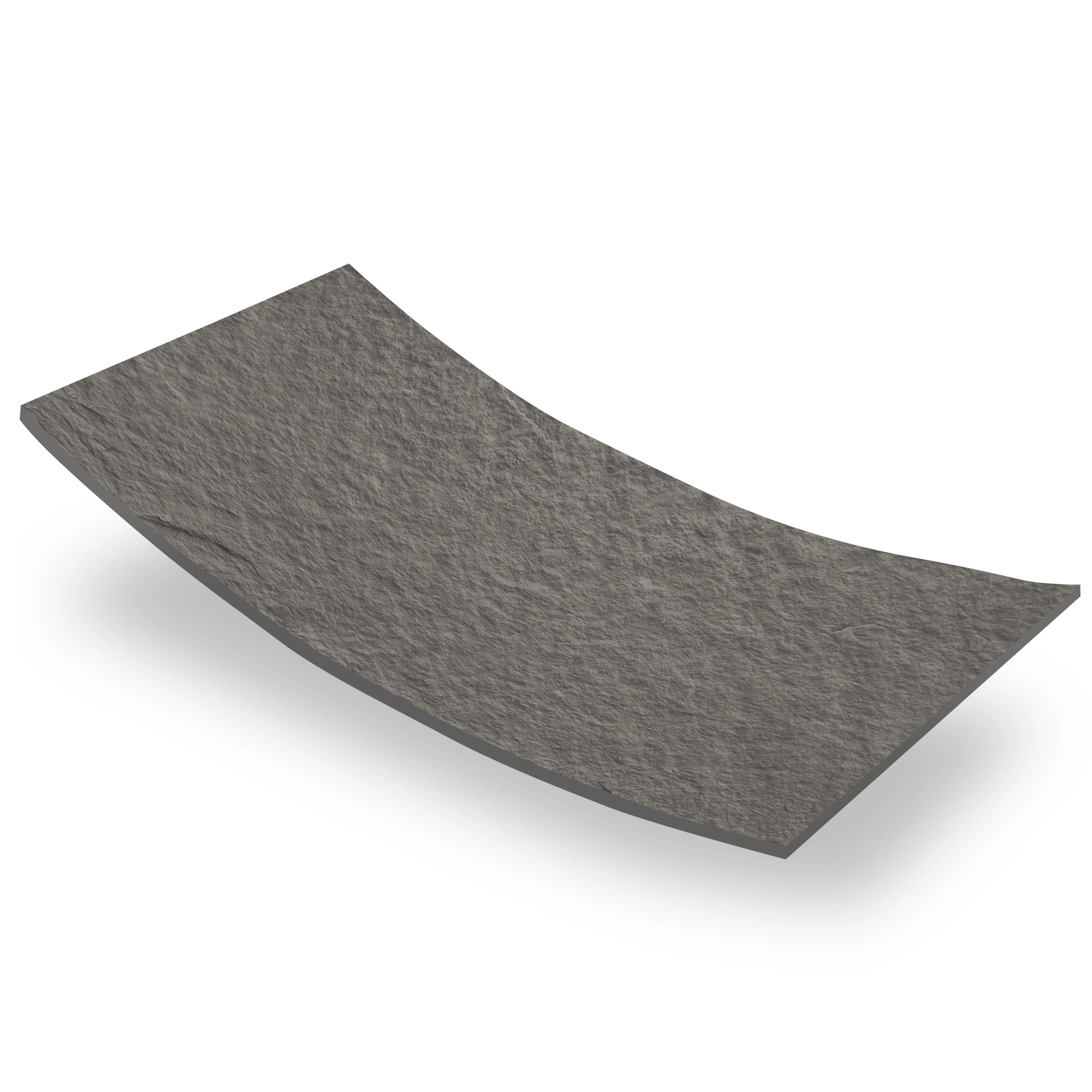
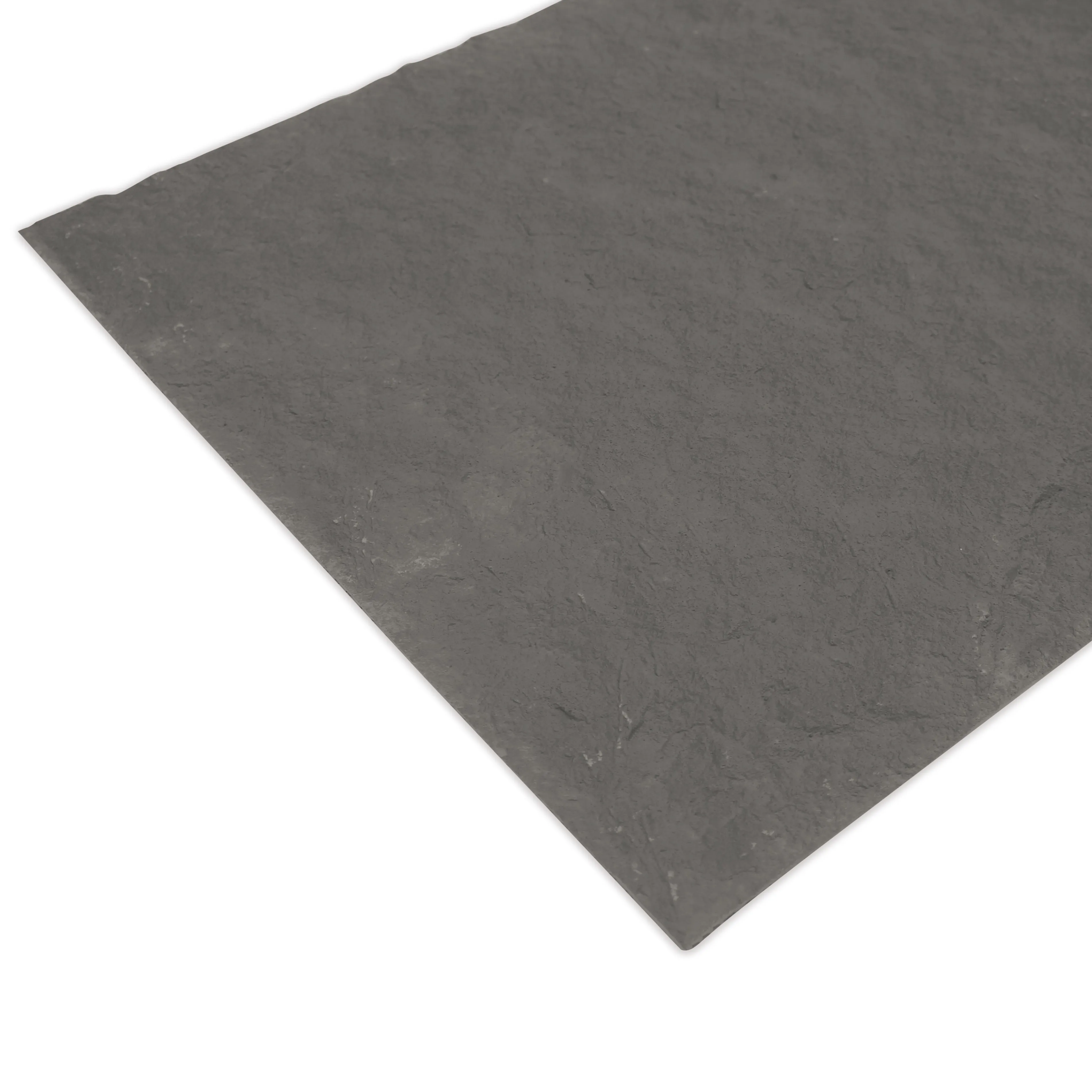
If you've ever walked into a home with a rough granite stone (medium grey) countertop or a commercial space with its textured walls, you know there's something almost tactilely inviting about it. That rugged, natural surface—with its subtle variations in shade and grain—adds warmth and character that smoother materials just can't match. But here's the thing: that same texture that makes it so unique also means it needs a little extra TLC. Unlike polished concrete, which glides clean with a quick wipe, or wood grain board, which hides dust in its patterns, rough granite's nooks and crannies are magnets for dirt, spills, and grime. And if you neglect it? Those charming imperfections can turn into permanent stains or dull, lackluster spots. So today, let's dive into the nitty-gritty of keeping your rough granite (medium grey) looking its best—from daily cleaning habits to sealing secrets that'll protect it for years to come.
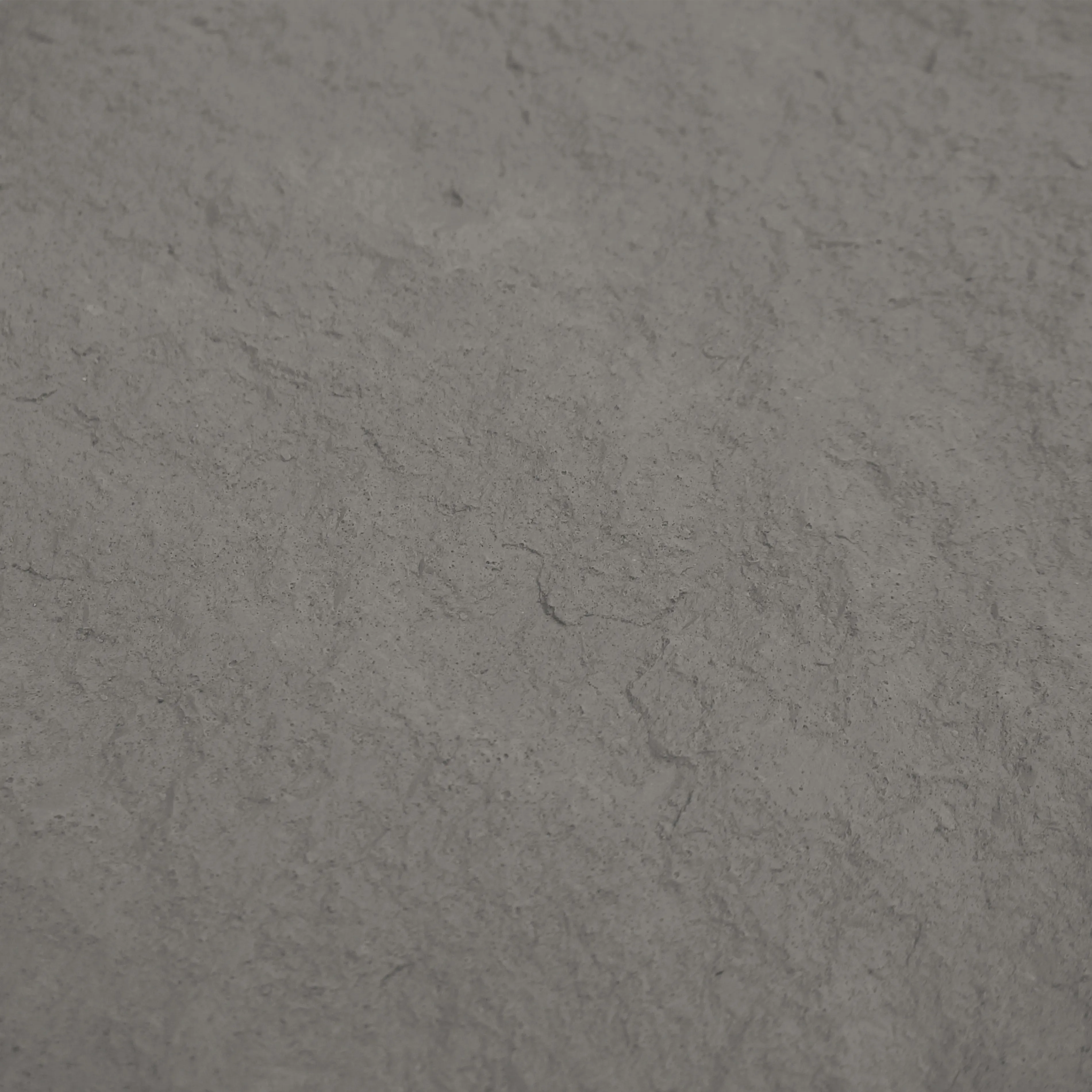
First off, let's talk about what makes rough granite different. Unlike its polished cousin, rough granite (medium grey) has a porous, matte finish. Think of it like a sponge with tiny holes—great for grip (no slippery surfaces here!) but not so great for repelling liquids. Spills from coffee, wine, or even water can seep into those pores if left unattended, leading to stains that are tough to budge. And while granite is famously durable (it's used in everything from kitchen counters to outdoor patios), its rough texture is more prone to trapping dirt and debris. Walk across a rough granite floor with muddy shoes, and you'll notice how quickly grime gets ground into the crevices. Even in low-traffic areas, like a bathroom backsplash, soap scum and mineral deposits can build up over time, making the stone look dingy.
Another reason to stay on top of maintenance? Longevity. A well-cared-for rough granite surface can last decades—even a lifetime. But skip the cleaning and sealing, and you might find yourself replacing it far sooner than you'd expect. And let's not forget aesthetics: rough granite's beauty lies in its natural texture. A dirty or stained slab loses that "wow" factor, making your space feel less put-together than it could be. So whether you've invested in rough granite for your kitchen island, fireplace surround, or outdoor patio, a little maintenance goes a long way in preserving both its look and lifespan.
You don't need fancy tools or harsh chemicals for daily upkeep—just a few minutes and some basic supplies. Start by sweeping or vacuuming the surface. For floors, a soft-bristle broom or a vacuum with a bare floor attachment will pick up loose dirt, dust, and crumbs without scratching the stone. For countertops or walls, a dry microfiber cloth works wonders—just wipe in the direction of the grain to avoid pushing debris deeper into the pores. Once the loose dirt is gone, wipe with a damp microfiber cloth and warm water. If there are light spills (like water, juice, or soda), blot them immediately with a dry cloth—don't wipe, as that can spread the liquid. For slightly stickier messes (think: a dripped ice cream cone or a smudge of peanut butter), add a drop of mild, pH-neutral dish soap to your water. Gently wipe the area, then rinse the cloth and wipe again with plain water to remove any soap residue. Finally, dry the surface with a clean microfiber cloth to prevent water spots—this step is especially important for polished edges or areas where water might pool.
Pro tip: Avoid using paper towels for daily cleaning. They can leave lint behind, and some are treated with chemicals that might react with the stone over time. Microfiber cloths are your best friend here—they're reusable, lint-free, and gentle on the surface.
Even with daily care, rough granite (medium grey) will need a deeper clean every 4–6 weeks, depending on how much use it gets. Kitchen countertops, for example, might need deep cleaning monthly, while a rarely used fireplace surround could go 2–3 months. Deep cleaning is all about tackling the dirt and grime that's worked its way into the stone's pores—stuff a daily wipe-down can't reach.
Here's how to do it: Start by clearing the surface—remove any items (dishes, decor, etc.) so you have full access. Then, sweep or vacuum again to remove loose debris. Next, mix a solution of warm water and a granite-specific cleaner (look for one labeled "pH-neutral" and "safe for natural stone"). Avoid all-purpose cleaners, which often contain acids or ammonia that can etch or discolor the stone. Apply the cleaner to the surface with a soft-bristle brush (a toothbrush works great for tight corners or intricate edges) and gently scrub in circular motions. Focus on areas with visible grime, like around the sink or near the stove. Let the cleaner sit for 5–10 minutes—this gives it time to break down dirt—but don't let it dry on the surface. Finally, rinse thoroughly with warm water (a spray bottle works well for this) and dry with a clean microfiber cloth. For extra stubborn spots, like dried food or soap scum, make a paste of baking soda and water, apply it to the area, let it sit for 15 minutes, then scrub gently and rinse.
| Tool/Supply | Why You Need It | Pro Tips |
|---|---|---|
| Soft-bristle broom or vacuum (bare floor attachment) | Removes loose dirt without scratching | Avoid stiff-bristle brooms—they can scratch the surface |
| Microfiber cloths | Wipes away dust and spills; lint-free | Wash cloths separately to avoid picking up lint from other fabrics |
| pH-neutral dish soap or granite-specific cleaner | Gently cleans without damaging the stone | Steer clear of citrus-based or vinegar cleaners—they're acidic! |
| Soft-bristle brush (toothbrush or scrub brush) | Gets into grooves and tight spaces | Opt for a brush with synthetic bristles—natural bristles can harbor bacteria |
| Baking soda | Natural, gentle abrasive for tough stains | Mix with water to make a paste; avoid using straight baking soda (too abrasive) |
If cleaning is about removing dirt, sealing is about preventing dirt and liquids from penetrating the stone in the first place. Sealing creates a protective barrier on the surface of the granite, filling in those tiny pores and making it harder for spills to seep in. Think of it like waterproofing a jacket—rain (or in this case, coffee) beads up and rolls off instead of soaking through. But sealing isn't just about stains: it also helps prevent bacteria growth (important for kitchen surfaces!), reduces the risk of etching from acidic foods, and keeps the stone looking brighter and more vibrant.
You might be wondering: "Is sealing really necessary if I clean regularly?" The short answer: yes. Even the most diligent cleaning can't fully protect against deep-set stains or long-term wear. Sealing is an extra layer of defense that works hand-in-hand with your cleaning routine to keep your granite in top shape. And here's a little secret: not all granites are created equal. Rough granite (medium grey) is generally more porous than polished granite, which means it needs sealing more often. So if you've skipped sealing in the past, now's the time to start.
The frequency depends on how much the surface is used. For high-traffic areas like kitchen countertops or entryway floors, aim to seal every 1–2 years . For lower-traffic spots, like a fireplace surround or bathroom walls, every 2–3 years should suffice. But how do you know when it's time? Try the water test : pour a small amount of water (about ¼ cup) onto the stone and let it sit for 10–15 minutes. If the water beads up and doesn't absorb, your sealant is still good. If it soaks in and darkens the stone, it's time to reseal. Mark your calendar after each sealing session to keep track—this way, you won't forget!
Pro tip: Newly installed rough granite should be sealed 2–4 weeks after installation . Why the wait? The stone needs time to fully cure and dry out before sealing. Sealing too soon can trap moisture inside, leading to mold or mildew down the line. Ask your installer for specific curing times—some stones might need longer than others.
Sealing might sound intimidating, but it's actually a DIY-friendly project that takes just a few hours (plus curing time). Here's how to do it right:
Even DIY pros can slip up when sealing rough granite. Here are a few mistakes to watch out for:

Even with the best care, accidents happen. Here's how to tackle some of the most common rough granite problems:
Oil stains are tricky because they repel water, making them hard to clean with soap and water. Try this: Mix baking soda with a few drops of water to make a thick paste. Apply the paste to the stain, covering it completely, and let it sit for 24 hours (the baking soda will absorb the oil). Rinse with warm water and dry. If the stain is still there, repeat the process or try a commercial stone stain remover (look for one labeled "oil-based stains").
Water spots usually happen when water evaporates, leaving mineral deposits behind. For light spots, buff the area with a dry microfiber cloth in circular motions—this often removes the deposit. For tougher spots, mix equal parts water and rubbing alcohol, apply to the area, and let it sit for 5 minutes before wiping dry.
Etch marks are dull, lighter spots caused by acidic substances like lemon juice, vinegar, or tomato sauce. Unlike stains, they eat away at the stone's surface, so sealing won't prevent them—you need to act fast. If the etch mark is fresh, blot the spill immediately and rinse with water. For older marks, use a granite polish (like MB-11 or StoneTech Revitalizer) specifically designed to repair etch marks. Apply a small amount to a cloth, rub in circular motions, and buff until the mark fades.
If your rough granite looks dull, it might be time for a deep clean and reseal. Over time, sealers wear off, and dirt builds up in the pores, making the stone lose its luster. Follow the deep cleaning steps, then reseal—you'll be surprised how much brighter the stone looks afterward.
Curious how rough granite stacks up against other popular materials like polish concrete, wood grain board, or slate veil white? Let's break it down:
Polish Concrete : Polish concrete is smooth and non-porous, making it easier to clean (a quick wipe with a damp cloth usually does the trick). But it's less forgiving of scratches—drag a heavy chair across it, and you'll likely see a mark. Sealing is still recommended, but it's needed less often (every 3–5 years). Great for modern, industrial spaces, but lacks rough granite's warmth.
Wood Grain Board : Wood grain board adds a cozy, natural feel, but it's high-maintenance. It needs to be sealed every 6–12 months to prevent water damage, and it's prone to scratches and dents. Not ideal for high-moisture areas like bathrooms or kitchens. Rough granite, on the other hand, handles moisture better and needs sealing far less often.
Slate Veil White : Slate is softer than granite, so it's more prone to chipping and scratching. It also requires regular sealing (every 1–2 years) and can stain easily if spills aren't blotted immediately. Slate's smooth, uniform look is beautiful, but it doesn't have the texture and durability of rough granite.
Fair-Faced Concrete : Like rough granite, fair-faced concrete is porous and needs sealing to prevent stains. It's durable but can develop cracks over time if not properly maintained. Cleaning is similar to granite—mild soap and water—but it's more prone to dusting (a powdery residue) if not sealed regularly. Rough granite, with its tighter grain, is less likely to dust and offers more visual interest.
At the end of the day, rough granite (medium grey) strikes a balance between durability, aesthetics, and maintenance. It's not the lowest-maintenance option out there, but with a little effort, it rewards you with a timeless, textured surface that elevates any space.
Caring for rough granite stone (medium grey) isn't about perfection—it's about consistency. A quick daily wipe-down, a monthly deep clean, and sealing every year or two might seem like small tasks, but they add up to a stone surface that stays beautiful for decades. Remember: rough granite's texture is part of its charm, and with the right care, that charm only grows over time. Whether you're enjoying your morning coffee on a rough granite countertop or hosting a backyard BBQ on a rough granite patio, taking the time to clean and seal it ensures you'll get to enjoy its beauty for years to come.
So grab your microfiber cloth, stock up on pH-neutral cleaner, and make a date with your sealer—your rough granite will thank you for it. And if you ever hit a snag (like a stubborn stain or a hazy sealer finish), don't panic—most issues are fixable with a little patience and the right technique. Here's to many years of enjoying your stunning, well-cared-for rough granite stone (medium grey)!
Recommend Products












