
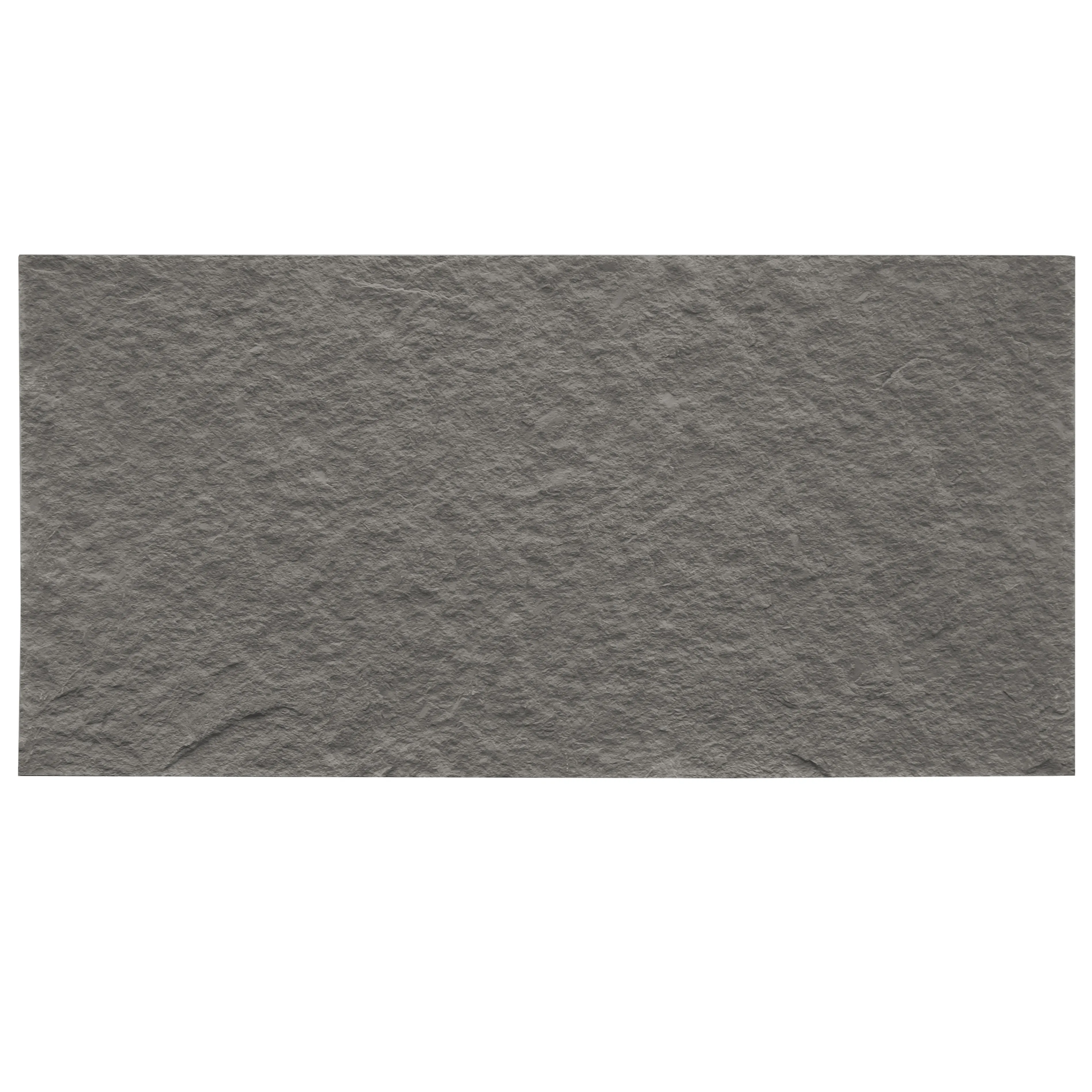
In the world of architecture and design, materials are more than just building blocks—they're storytellers. They shape how we feel in a space, how we interact with our surroundings, and even how we perceive a brand or institution. Two materials that often stand at the crossroads of timelessness and modernity are rough granite stone (medium grey) and concrete. On the surface, they might seem like distant cousins—one born from the earth's crust over millennia, the other crafted in factories and construction sites. But dig deeper, and their unique personalities, strengths, and quirks reveal themselves, offering designers and builders distinct tools to craft spaces that resonate. Let's explore their aesthetic and functional differences, and why choosing between them matters more than just picking a surface.
Aesthetics are where materials first make their mark. They set the tone before a single word is spoken, before a foot crosses a threshold. Rough granite stone (medium grey) and concrete each speak a different visual language, one rooted in nature's chaos, the other in human-made precision—though both carry surprising layers of complexity.
Take rough granite stone (medium grey) first. Run your hand over its surface, and you'll feel the raw, unpolished texture of a material forged by heat and pressure over millions of years. Unlike the smooth sheen of polished marble or the uniform pattern of wood grain board, rough granite wears its imperfections proudly: tiny pits, uneven ridges, and a mosaic of mineral deposits that catch the light in unexpected ways. The medium grey base acts as a canvas, with flecks of white (quartz), black (biotite), and even hints of pink (feldspar) adding depth. In a sunlit room, it shifts from a soft, stormy grey to a surface that seems to shimmer, as if holding fragments of the sky. In shadow, it takes on a moody, introspective quality—grounded, solid, and full of quiet authority.
Concrete, by contrast, is a study in intentional simplicity. At its most basic, it's a blank slate—cool, neutral, and unapologetically modern. But within that simplicity lies versatility. Take fair-faced concrete, for example—a finish that leaves the material's natural texture exposed, with subtle variations from the formwork (the wooden or metal molds used to shape it). These variations, often called "bugholes" or "grain," add a tactile warmth that softens concrete's industrial edge. Unlike rough granite's organic chaos, fair-faced concrete's patterns are more ordered: the faint lines of the formwork, the occasional air bubble trapped during curing, or the smoothness of a well-finished pour. Its color is typically a soft grey, though it can be tinted, but even in its natural state, it reads as calm and understated—less about standing out, more about creating a backdrop for life to unfold.
Where rough granite feels alive with history—like a piece of the earth itself—concrete feels purposeful, like a bridge between the natural and the man-made. A wall clad in rough granite (medium grey) might evoke a medieval castle or a mountain lodge, suggesting permanence and tradition. A wall of fair-faced concrete, on the other hand, calls to mind a modern art gallery or a sleek urban home—conveying innovation and forward-thinking design. They're two sides of the same coin: one looks to the past, the other to the future, but both have the power to make a space feel intentional.
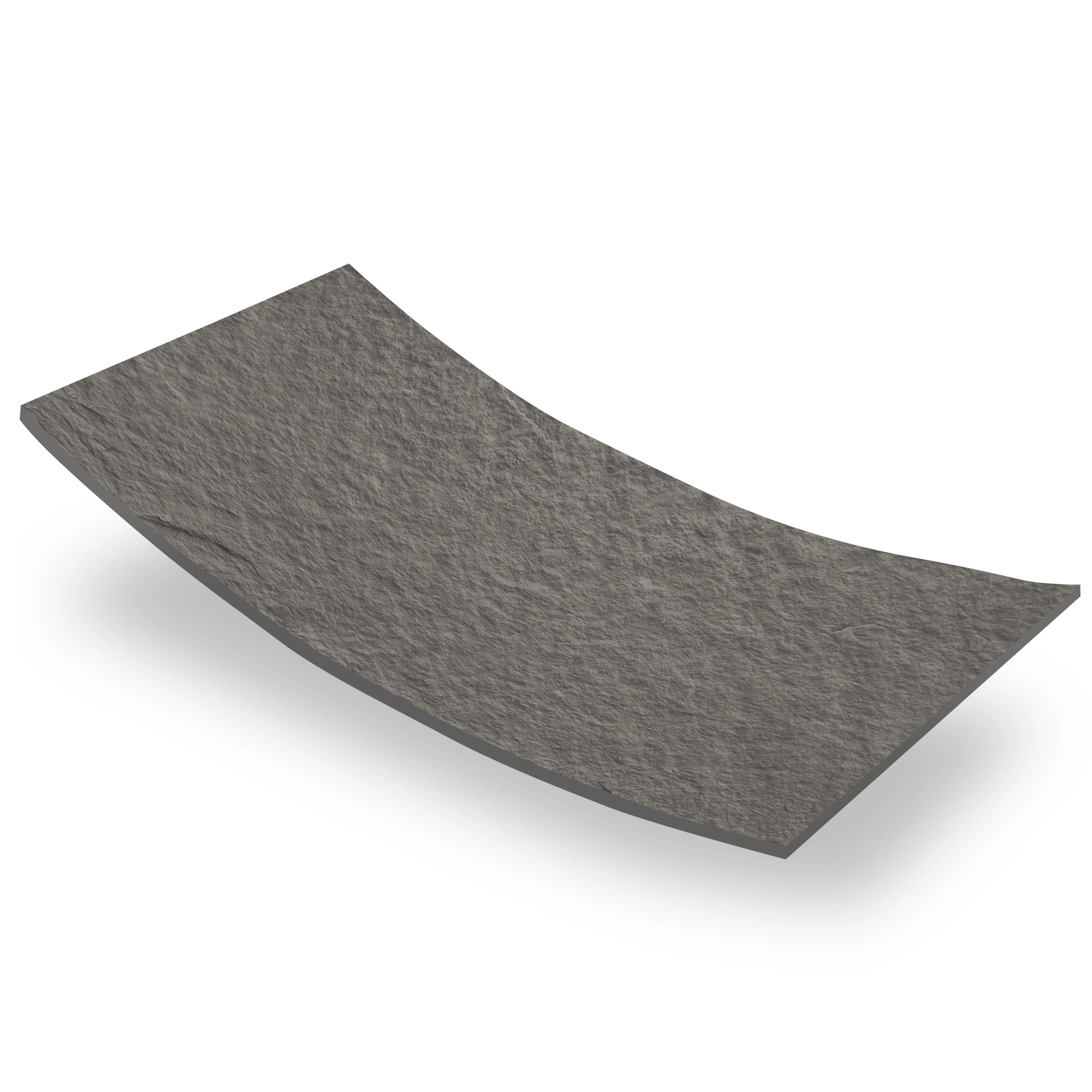
Aesthetic appeal is crucial, but in architecture, form must follow function. When it comes to durability, maintenance, and day-to-day practicality, rough granite stone (medium grey) and concrete diverge in ways that can make or break a project.
Rough granite is, quite literally, rock-solid. With a Mohs hardness rating of 6-7 (diamond is 10), it's resistant to scratches, chips, and even heavy impacts. In outdoor settings, it stands up to rain, snow, and extreme temperatures without fading or deteriorating—a quality that makes it a favorite for building facades, walkways, and monuments. Think of ancient Egyptian temples or Greek ruins; many were built with granite, and they've weathered millennia. For a modern project, that translates to a material that won't need replacement every decade—ideal for high-traffic areas or buildings meant to stand the test of time.
Concrete, while strong, has a different durability profile. Its compressive strength is impressive (often 3,000-5,000 psi for standard mixes), but it's prone to cracking under tension if not reinforced with steel. Over time, exposure to freeze-thaw cycles can cause spalling (flaking of the surface), especially if the concrete isn't properly sealed. That said, advances in concrete technology—like fiber-reinforced mixes or high-performance concrete—have improved its longevity. Prefabricated concrete panels, for example, are engineered to resist warping and cracking, making them a reliable choice for modern construction. Still, compared to rough granite's geological resilience, concrete requires more proactive care to maintain its appearance over decades.
Rough granite's low-maintenance nature is one of its biggest selling points. Because it's non-porous (when sealed), it resists stains from oil, wine, or dirt. A quick wipe with soap and water is usually enough to keep it clean. The only regular upkeep? Sealing every 3-5 years to maintain its stain resistance—though even without sealing, it will still hold up structurally; the sealant is just for aesthetics. For busy commercial spaces or homeowners who hate chores, this is a game-changer.
Concrete, by contrast, is porous—even fair-faced concrete. Without sealing, it can absorb liquids, leading to stains that are hard to remove. It also tends to collect dust in its tiny pores, which can make it look dull over time. Maintenance involves sealing every 1-2 years (more often for outdoor use) and occasional reapplication of a curing compound to prevent drying out. For some, this extra effort is a trade-off for concrete's lower upfront cost, but it's worth considering for projects where long-term maintenance budgets are tight.
Installing rough granite is not for the faint of heart. A single slab can weigh hundreds of pounds, requiring heavy machinery and structural support. Quarrying, cutting, and transporting it also adds to the complexity—and the cost. For a building with a granite facade, engineers must ensure the structure can bear the weight, which can limit design flexibility. That said, once in place, it's a permanent fixture—no need for repairs or replacements, just the occasional cleaning.
Concrete, on the other hand, is a chameleon when it comes to installation. It can be poured on-site into custom molds, allowing for curved walls, unique shapes, and seamless surfaces. Prefabricated concrete panels are lighter than granite slabs, making them easier to transport and install—though still heavy enough to require planning. This flexibility makes concrete ideal for projects with tight deadlines or unconventional designs. Want a 30-foot curved wall? Concrete can do that. Need to match a specific color or texture? Just adjust the mix or formwork. It's a material that bends to the designer's vision, rather than the other way around.
In an era of green building, sustainability is a key consideration. Rough granite, as a natural material, has a mixed environmental impact. Quarrying can disrupt ecosystems and generate dust and noise pollution, though many modern quarries follow strict environmental regulations to minimize harm. On the plus side, granite is non-toxic, recyclable (old slabs can be crushed for aggregate), and has a long lifespan, reducing the need for frequent replacements—all of which lower its carbon footprint over time.
Concrete, unfortunately, has a well-documented sustainability challenge: its production is a major source of CO2 emissions (cement, its main ingredient, accounts for about 8% of global emissions). However, the industry is evolving. Recycled concrete aggregate (RCA), made from crushed old concrete, is increasingly used to replace virgin stone, reducing waste and emissions. There are also "low-carbon" cements and mixes that incorporate fly ash or slag (byproducts of other industries) to cut down on CO2. For designers prioritizing sustainability, concrete can be a responsible choice—if sourced from eco-conscious suppliers and used in ways that maximize its lifespan.
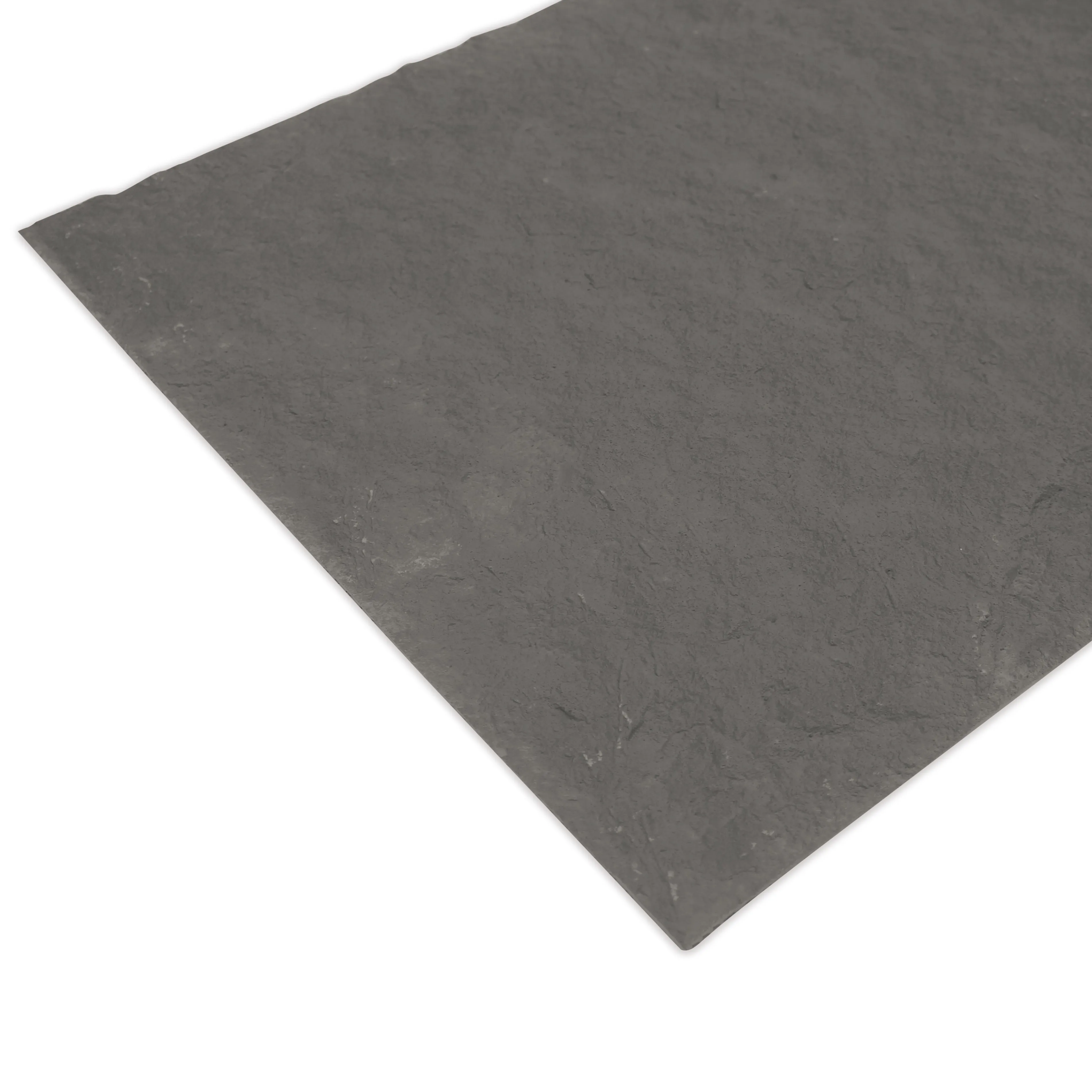
| Aspect | Rough Granite Stone (Medium Grey) | Concrete (Including Fair-Faced) |
|---|---|---|
| Aesthetic Vibe | Organic, timeless, rustic luxury; natural texture and mineral variations. | Modern, industrial, minimalist; clean lines with subtle formwork patterns. |
| Durability | Exceptional; resistant to scratches, stains, and weathering (lasts centuries). | Good with maintenance; prone to cracking without reinforcement; needs sealing. |
| Maintenance | Low; seal every 3-5 years; easy to clean with soap and water. | Moderate; seal every 1-2 years; porous, so stains require prompt cleaning. |
| Installation | Heavy and labor-intensive; requires structural support and machinery. | Flexible; can be poured on-site or prefabricated; lighter than granite slabs. |
| Sustainability | Natural but energy-intensive to quarry; long lifespan reduces replacement needs. | High carbon footprint, but recycled aggregates and low-carbon mixes improve eco-profile. |
| Cost | Higher upfront cost (quarrying, transport, installation). | Lower upfront cost; customizable finishes can increase price. |
| Best For | Historic renovations, luxury facades, high-traffic commercial spaces, outdoor monuments. | Modern homes, industrial-style offices, budget-friendly projects, curved or custom designs. |
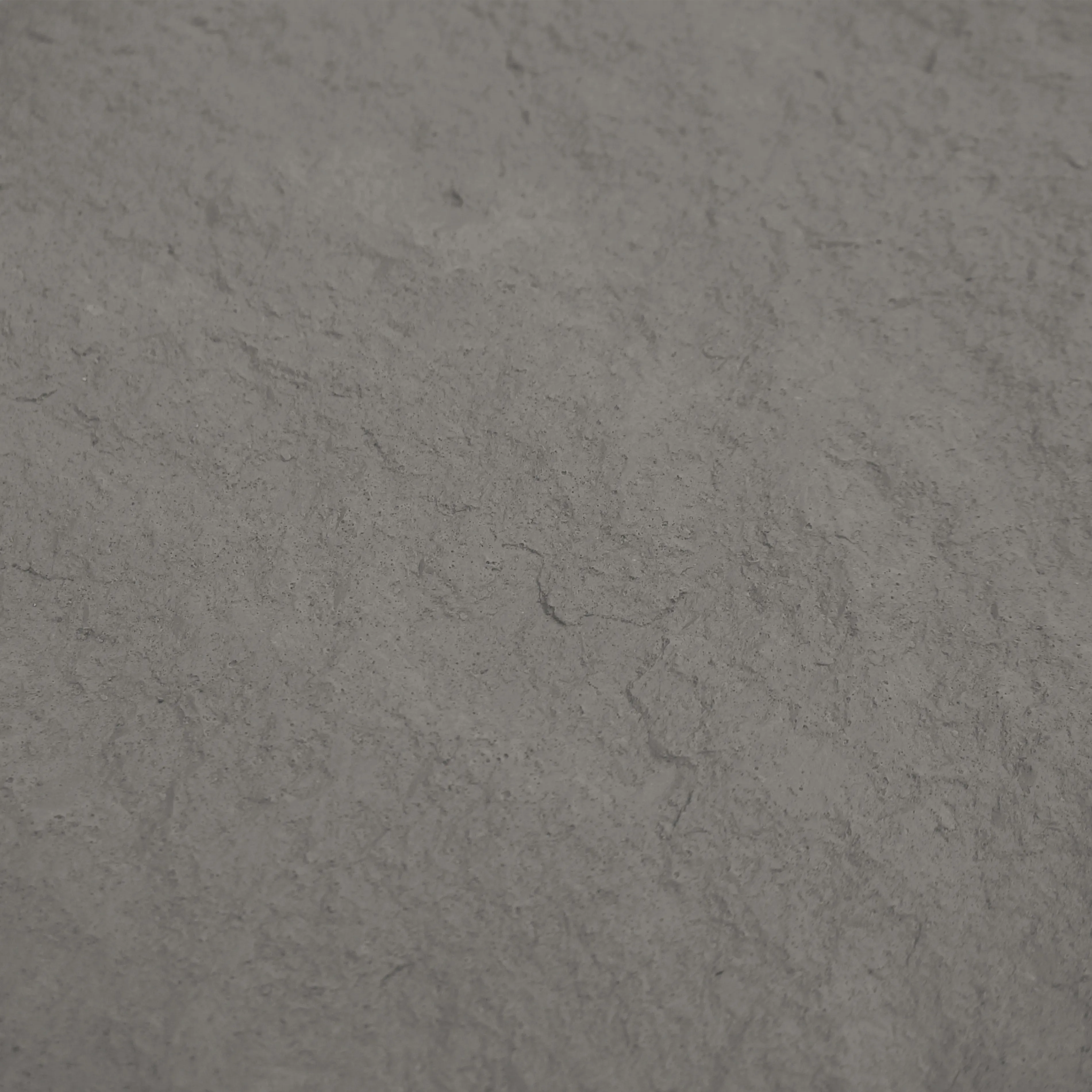
To truly understand the impact of these materials, let's look at two hypothetical but realistic projects.
Project 1: The Heritage Museum – A new wing of a centuries-old museum wants to honor its past while embracing modern design. The architects choose rough granite stone (medium grey) for the facade. Why? Because granite's timeless texture echoes the museum's historic stonework, creating a visual bridge between old and new. Inside, the lobby features a granite floor that can withstand thousands of visitors daily without showing wear, while the natural variations in the stone complement the museum's collection of ancient artifacts. The material's durability ensures the wing will stand for generations, just like the museum itself.
Project 2: The Tech Startup Hub – A fast-growing tech company wants its new office to feel innovative and collaborative. The design team opts for fair-faced concrete walls and polished concrete floors. The concrete's cool, neutral palette creates a blank canvas for colorful artwork and branding, while its industrial vibe aligns with the company's forward-thinking ethos. Prefabricated concrete panels allow for quick installation, getting the team into the space faster, and the material's acoustic properties (it absorbs sound well when paired with insulation) make open-concept workspaces more functional. For a brand that values agility and modernity, concrete is the perfect fit.
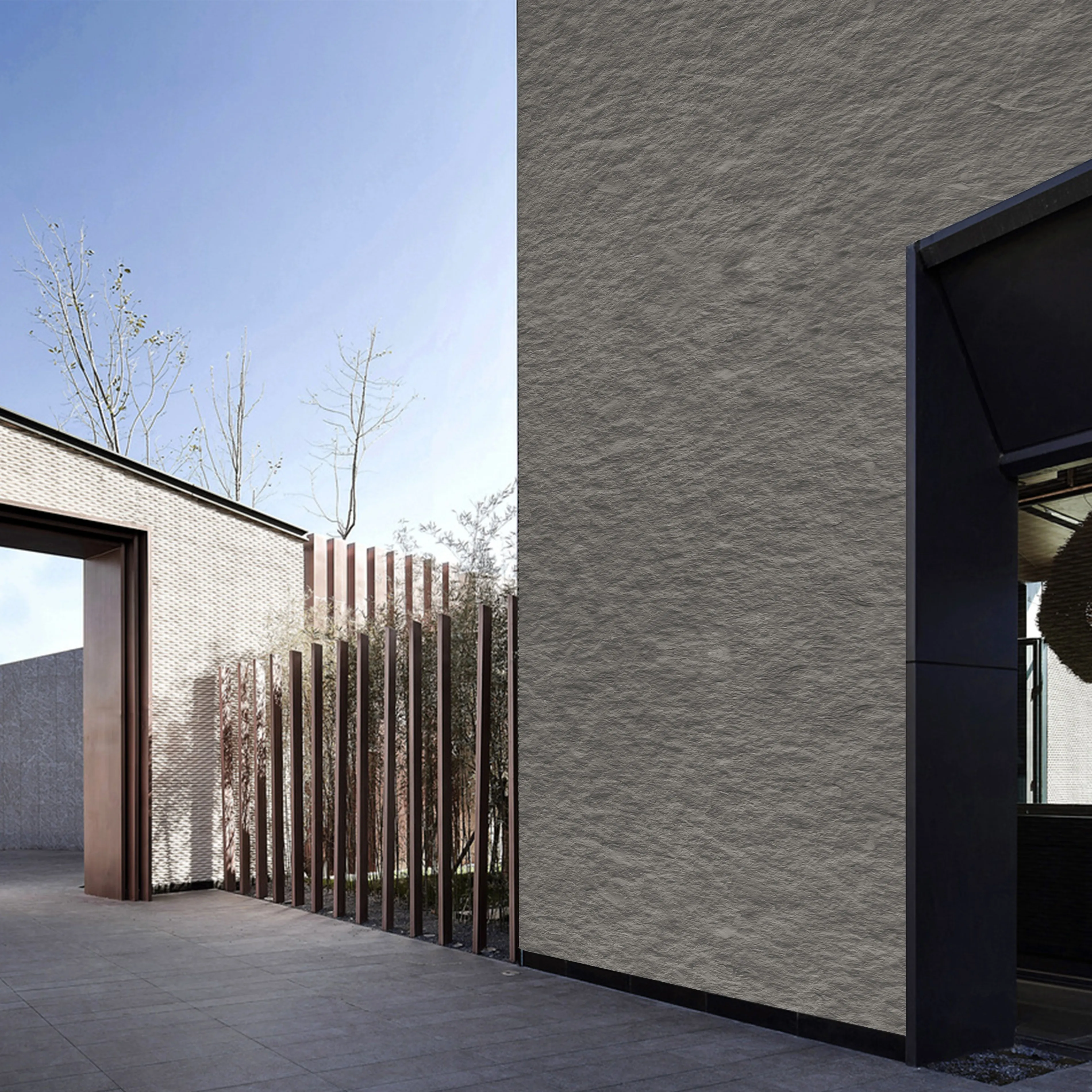
At the end of the day, the choice between rough granite stone (medium grey) and concrete isn't about which is "better"—it's about what you want your space to say. Do you want to evoke history, permanence, and a connection to the natural world? Rough granite delivers that in spades. Are you aiming for a sleek, modern look that prioritizes flexibility and cost-efficiency? Concrete (especially fair-faced) is hard to beat.
And sometimes, the best designs blend the two. Imagine a home with a rough granite fireplace (medium grey) as the focal point, paired with fair-faced concrete walls. The granite adds warmth and texture, while the concrete keeps the space feeling light and modern. It's a reminder that materials, like people, play off each other—their differences creating harmony rather than conflict.
Whether you're designing a skyscraper, a home, or a small boutique, understanding the aesthetic and functional nuances of rough granite and concrete helps you make choices that go beyond trends. These materials don't just build spaces—they shape experiences, memories, and how we interact with the world around us. And in a world that's always rushing forward, that kind of intentional design is more valuable than ever.
Recommend Products












