
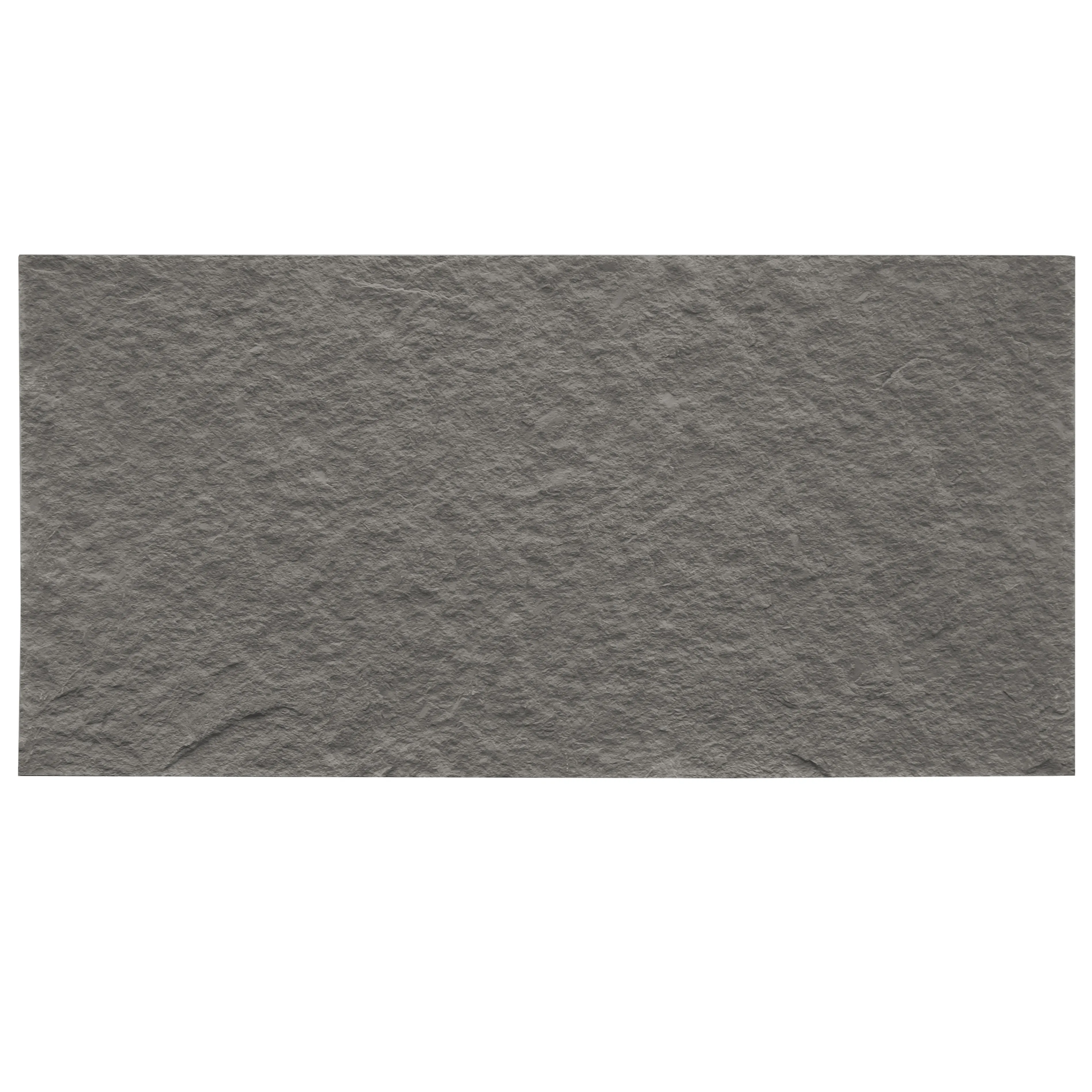
Let's say you're standing in the middle of a half-finished renovation, staring at two sample slabs: one is a rough granite stone (medium grey) , its surface textured like a mountain's edge, cool and solid under your palm. The other is marble, smooth as a polished mirror, with soft veining that looks like a watercolor painting frozen in stone. Both are stunning, but here's the million-dollar question: which one belongs in your space? Whether you're designing a kitchen backsplash, a commercial lobby floor, or an outdoor patio, the choice between these two heavyweights often comes down to two critical factors: durability and cost. Let's dive in—no jargon, no sales pitches, just the real-world details you need to make the right call.
Before we start weighing pros and cons, let's get clear on what each material is. Rough granite stone (medium grey) is exactly what it sounds like: a type of granite—an igneous rock formed from slowly cooling magma—with a deliberately unfinished surface. Think of it as nature's "rustic chic" option; the medium grey hue is versatile, sitting somewhere between storm clouds and wet sand, and the rough texture adds depth without overwhelming a space. It's not just about looks, though— that texture serves a purpose, too (more on that later).
Marble, on the other hand, is a metamorphic rock, born when limestone gets squeezed and heated deep underground. Its signature is those swirly veins—minerals like quartz or clay that seeped into the stone over millennia. It's been a status symbol for centuries, from ancient Roman temples to modern luxury hotels. But here's the catch: that beauty comes with a reputation for being "high-maintenance." Is that reputation fair? Let's find out.
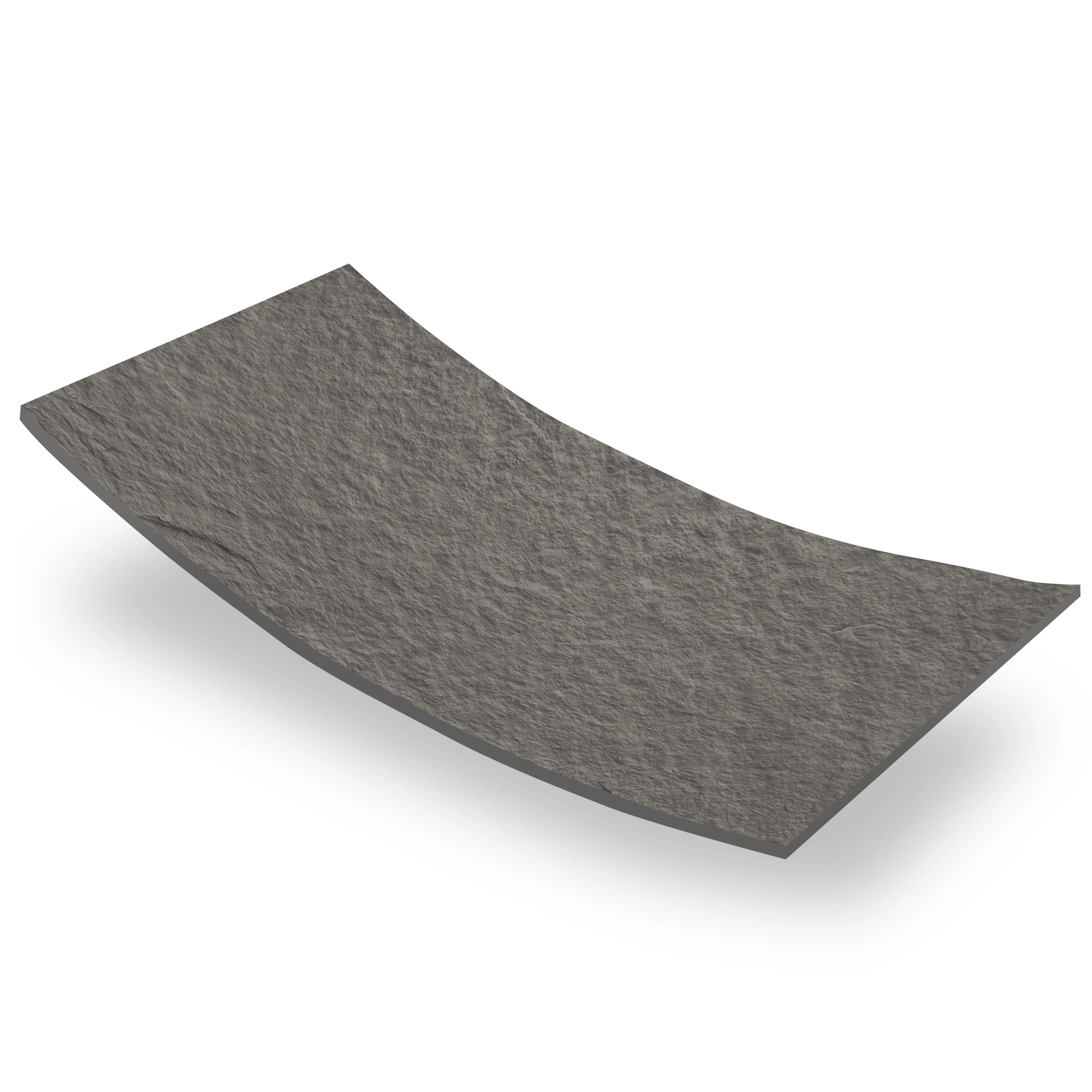
Let's cut to the chase: durability is make-or-break for most people. No one wants to invest in a material that chips, stains, or fades after a year. Let's break down how these two stack up in real life.
Granite is famous for being tough—and for good reason. On the Mohs scale (which measures mineral hardness), granite sits at a 6-7, while marble is a 3-4. What does that mean? A granite countertop can handle a rogue key scrape or a pan dragged across its surface without breaking a sweat. Marble? Not so much. Even a sharp-edged cereal bowl might leave a mark if you're not careful. I once saw a marble dining table in a family home with a visible scratch from a toy truck—cute story, but not ideal if you're aiming for a "timeless" look.
The rough granite stone (medium grey) has an extra trick here: its textured surface. Small scratches are way less noticeable on a rough finish than on marble's mirror-like polish. Think of it like a pair of jeans vs. white linen—both get dirty, but the jeans hide the wear better.
Marble is porous, which means liquids love to seep in. Spill red wine on marble, and if you don't wipe it up within minutes, you might end up with a permanent pink splotch. Even something as simple as lemon juice (acidic!) can etch the surface, leaving a dull mark. Granite, while not completely non-porous, is far less absorbent. Sealed properly, it can handle a forgotten olive oil spill or a coffee ring without staining—though you still shouldn't let it sit for days.
Here's a pro tip: both materials need sealing, but marble needs it more often. Granite might need a fresh seal every 1-3 years; marble? Every 6-12 months. Skip that step with marble, and you're basically rolling out the red carpet for stains.
Let's talk bathrooms and outdoor patios—two places where moisture is a constant. Marble in a shower? It can work, but you'll be sealing it religiously and wiping up standing water daily to prevent mildew. Rough granite stone (medium grey) , though? It's a rock star here. I worked on a mountain cabin project last year where we used rough granite for the outdoor kitchen countertops. Rain, snow, even the occasional overflow from the hot tub—three years later, it still looks brand new.
Heat resistance is another win for granite. It can handle a hot pot straight from the stove without cracking. Marble? Sudden heat (like a curling iron left on a marble vanity) can cause it to expand and crack. Not great news if you're considering it for a fireplace surround.
In high-traffic areas—think hotel lobbies, kitchen floors, or entryways—granite is the clear champion. It's dense and hard, so it doesn't wear down over time. Marble, especially polished marble, can start to look dull in busy spots after a few years as foot traffic wears away the finish. I visited a boutique hotel once that had replaced their marble lobby floors with granite after just five years because the marble had lost its shine. The cost of refinishing marble every few years adds up fast—more on that later.
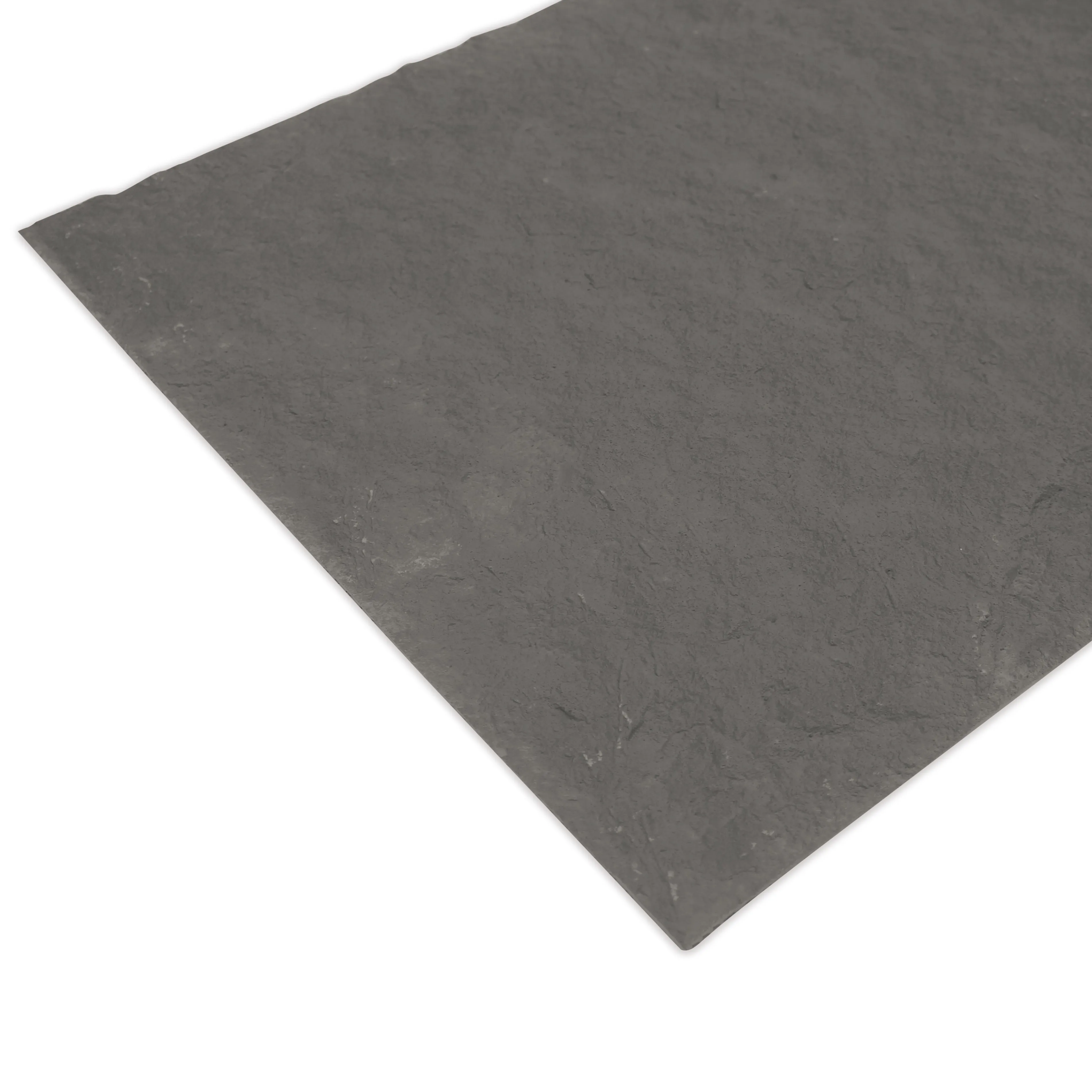
Let's get numerical. Budget is rarely an afterthought, and these materials sit at different ends of the spectrum—at least at first glance.
Marble is often pricier upfront. Depending on the type (think Calacatta vs. Carrara), you're looking at $80-$150 per square foot installed. Rough granite stone (medium grey) is more middle-of-the-road, averaging $50-$90 per square foot. Why the difference? Marble is quarried in fewer places, and its delicate veining makes it harder to cut into large, uniform slabs. Granite, especially common colors like medium grey, is more abundant and easier to source.
But wait—if you're considering architectural big slab solutions for a commercial project, the gap might narrow. Bulk orders can bring granite costs up a bit (due to the size of the slabs) and marble costs down slightly, but granite still tends to be the more budget-friendly starting point.
Here's where marble's "luxury tax" really hits. Sealing marble costs around $100-$200 per treatment, and you'll need to do it twice as often as granite. If you do get a stain, professional marble restoration (think grinding and repolishing) can run $3-$7 per square foot. Granite? Sealing costs about the same, but you'll do it half as often, and stains are rare enough that most homeowners never need restoration.
Let's run the numbers for a 50-square-foot kitchen countertop over 10 years:
•
Marble:
Initial cost ($100/sq ft) = $5,000. Sealing (twice/year at $150) = $3,000. One restoration ($5/sq ft) = $250. Total: ~$8,250.
•
Rough Granite (Medium Grey):
Initial cost ($70/sq ft) = $3,500. Sealing (once every 2 years at $150) = $750. No restoration needed. Total: ~$4,250.
That's a $4,000 difference over a decade. Ouch.
Some people argue that marble adds "luxury appeal" and thus higher resale value. It's true that marble can be a selling point in high-end markets, but in most cases, buyers care more about durability. A potential homeowner walking into a kitchen with scratched, stained marble might think, "I'll have to replace this in a year." A granite countertop? They'll likely think, "This will last forever." I've talked to real estate agents who say granite is a safer bet for broad appeal—marble is a niche preference.
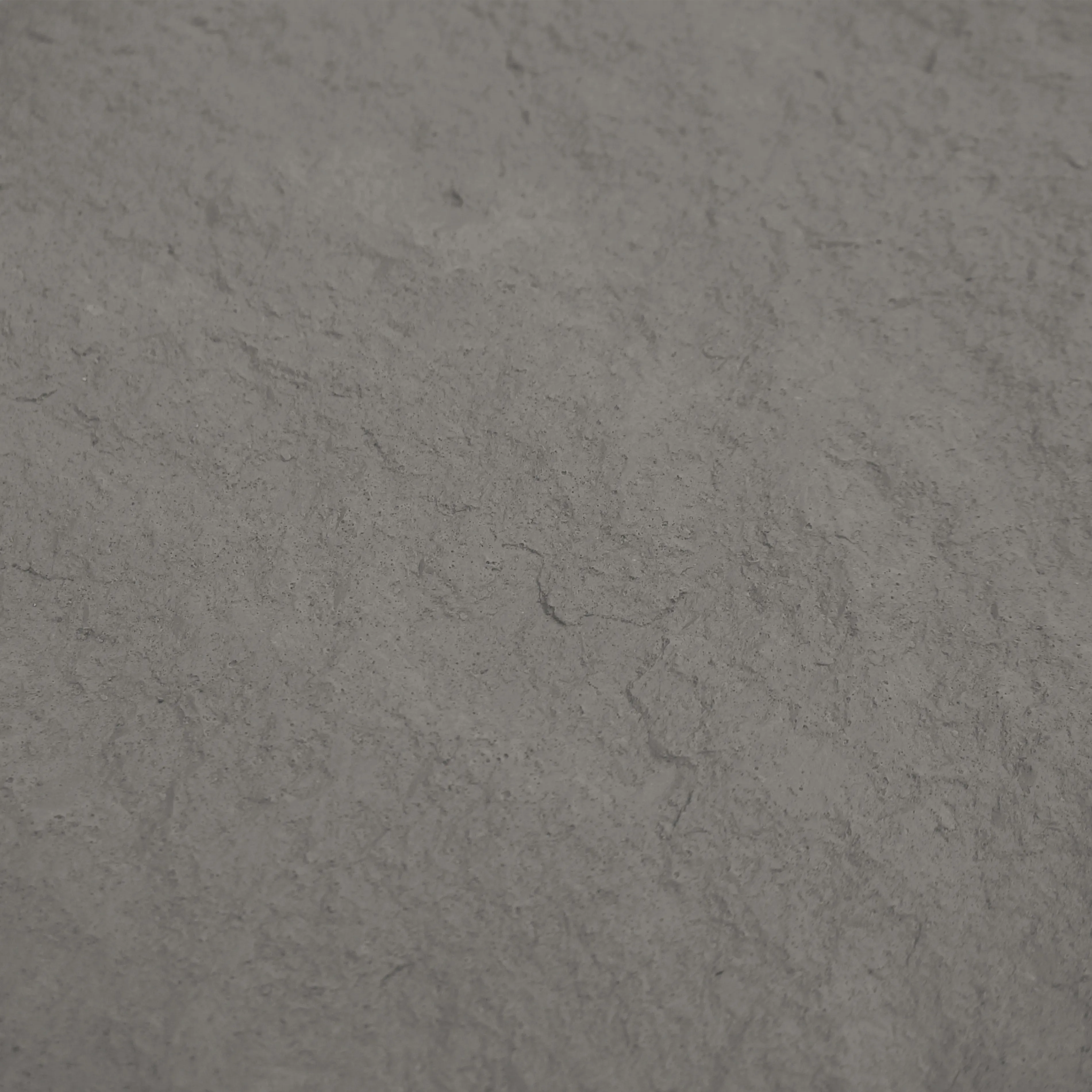
Let's not pretend looks don't matter. If they didn't, we'd all be building houses out of cinder blocks. Both materials have unique vibes—you just need to match the vibe to your space.
Rough granite stone (medium grey) is all about rugged elegance. Its texture adds warmth and character, like bringing a piece of the outdoors inside. The medium grey color is a chameleon—it pairs with wood tones for a cabin feel, with sleek metal for industrial chic, or with soft pastels for a modern farmhouse look. It's the kind of material that gets better with age; the texture seems to deepen, and small dings just add to its "lived-in" charm.
Marble is pure luxury. Its smooth surface and delicate veining feel sophisticated and timeless. It's perfect for spaces where you want to make a statement—think a bathroom with a freestanding tub and marble walls, or a dining room where every meal feels like a special occasion. But here's the catch: it demands perfection. If you're the type who notices every little imperfection, marble might stress you out. I have a friend who refuses to let anyone eat on her marble coffee table—even with coasters. That's dedication, but is it practical?
And let's talk versatility. Rough granite stone (medium grey) works indoors and out. I've seen it used for outdoor fire pits, pool surrounds, and even exterior cladding (paired with flexible stone cladding panels for easier installation). Marble? Stick to indoors. Rain, snow, and direct sunlight can fade its color and erode its finish over time.
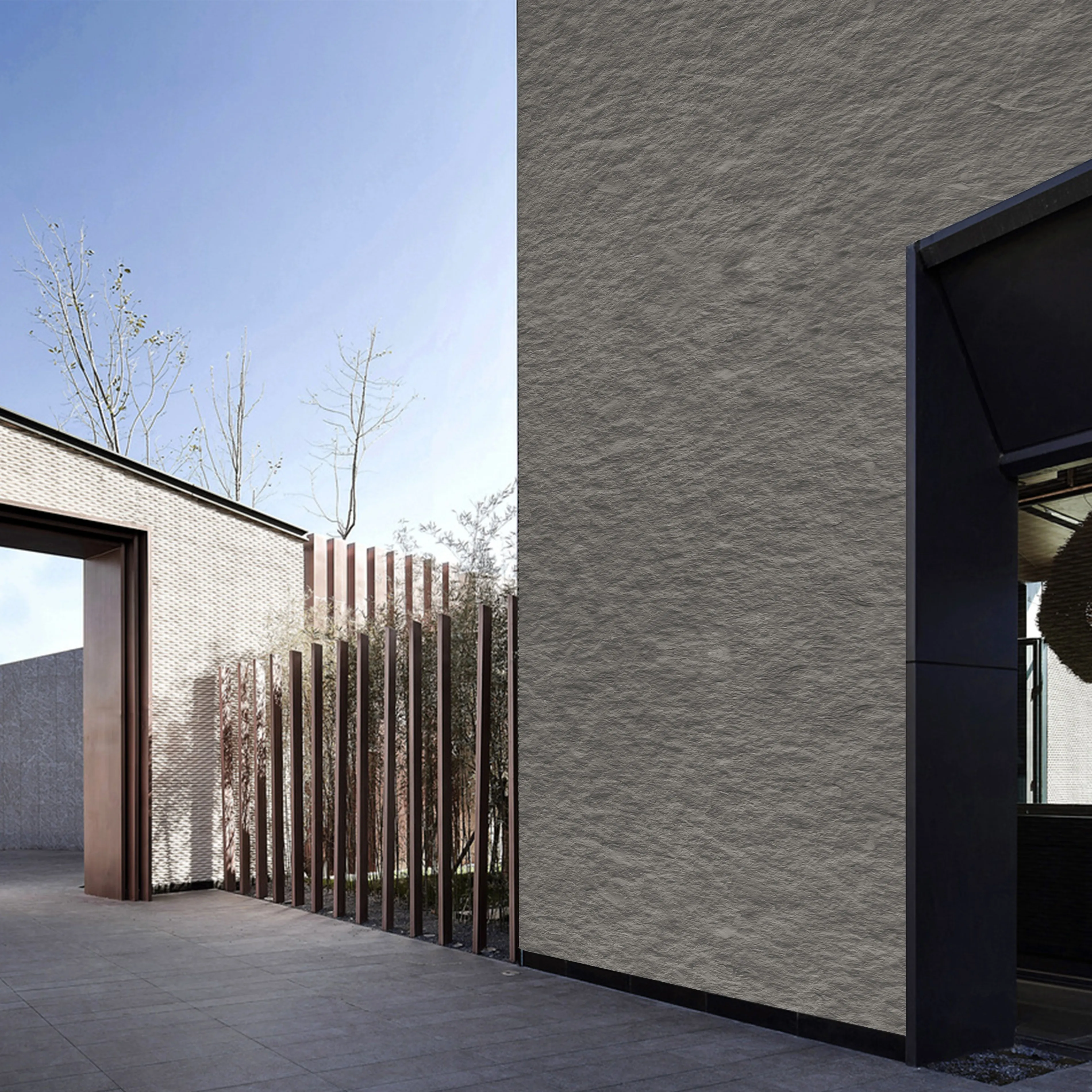
Let's get specific. Here are the scenarios where each material is the clear winner:
Choose Rough Granite Stone (Medium Grey) if:
• You have kids, pets, or a busy household.
• You want an outdoor space (patio, pool deck, outdoor kitchen).
• You're on a budget but don't want to sacrifice durability.
• You love a textured, natural look that hides wear.
Choose Marble if:
• You have a low-traffic space (master bathroom, formal dining room).
• You're willing to commit to strict maintenance (daily wiping, regular sealing).
• Aesthetics are your top priority, and budget is less of a concern.
• You're designing a high-end space where "luxury" is the main selling point.
| Factor | Rough Granite Stone (Medium Grey) | Marble |
|---|---|---|
| Hardness (Mohs Scale) | 6-7 (Very Hard) | 3-4 (Soft) |
| Scratch Resistance | Excellent (Textured surface hides minor scratches) | Poor (Easily scratched by daily use) |
| Stain Resistance | Good (Low porosity; sealed annually) | Poor (High porosity; needs sealing twice yearly) |
| Initial Cost (Per Sq Ft) | $50-$90 | $80-$150 |
| 10-Year Maintenance Cost | ~$750 | ~$3,250+ (sealing + restoration) |
| Best For | Kitchens, outdoor spaces, high-traffic areas | Low-traffic interiors, luxury bathrooms, formal dining |
| Aesthetic Vibe | Rugged, natural, lived-in charm | Sophisticated, elegant, timeless luxury |
At the end of the day, choosing between rough granite stone (medium grey) and marble isn't about "better" or "worse"—it's about what matters most to you. If you want a material that can keep up with your life without constant upkeep, granite is the way to go. It's the reliable friend who's always there, no matter how messy things get.
If you're willing to trade some practicality for that "wow" factor, and you have the budget for maintenance, marble can be absolutely stunning. Just go into it with your eyes open—know that it will need extra care, and that's okay.
Me? I recently renovated my own kitchen with rough granite stone (medium grey) . It's not perfect—there's a small chip near the sink from a dropped pot—but when I run my hand over that textured surface, I don't see the chip. I see a material that's keeping up with my chaotic, coffee-spilling, cookie-baking life. And honestly? That's the kind of beauty I can live with.
Recommend Products












