
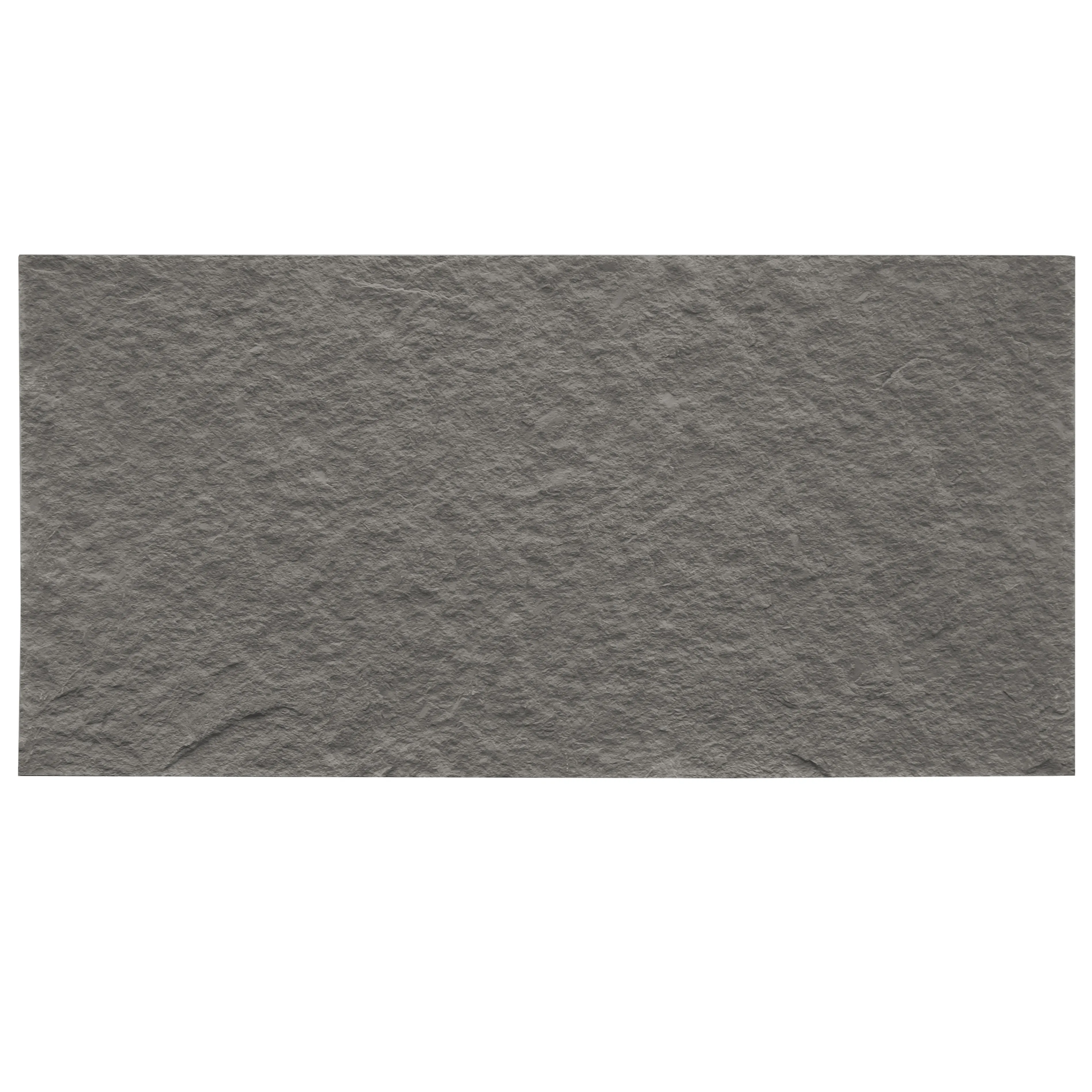
Walk through any city—old or new—and you'll notice something subtle but powerful: the way buildings interact with the elements. A centuries-old cathedral wall might feel slightly porous to the touch, while a sleek modern facade stays cool and dry even after rain. That difference? It's all about absorbency. For architects, builders, and even homeowners, understanding how a material soaks up water isn't just a technical detail—it's the key to durability, maintenance, and preserving a structure's beauty over time. Today, we're diving into two beloved building materials: the rugged, contemporary Rough Granite Stone (Medium Grey) and the timeless, earthy Sandstone. Let's explore how their absorbency shapes their roles in architecture, from ancient temples to cutting-edge skyscrapers.
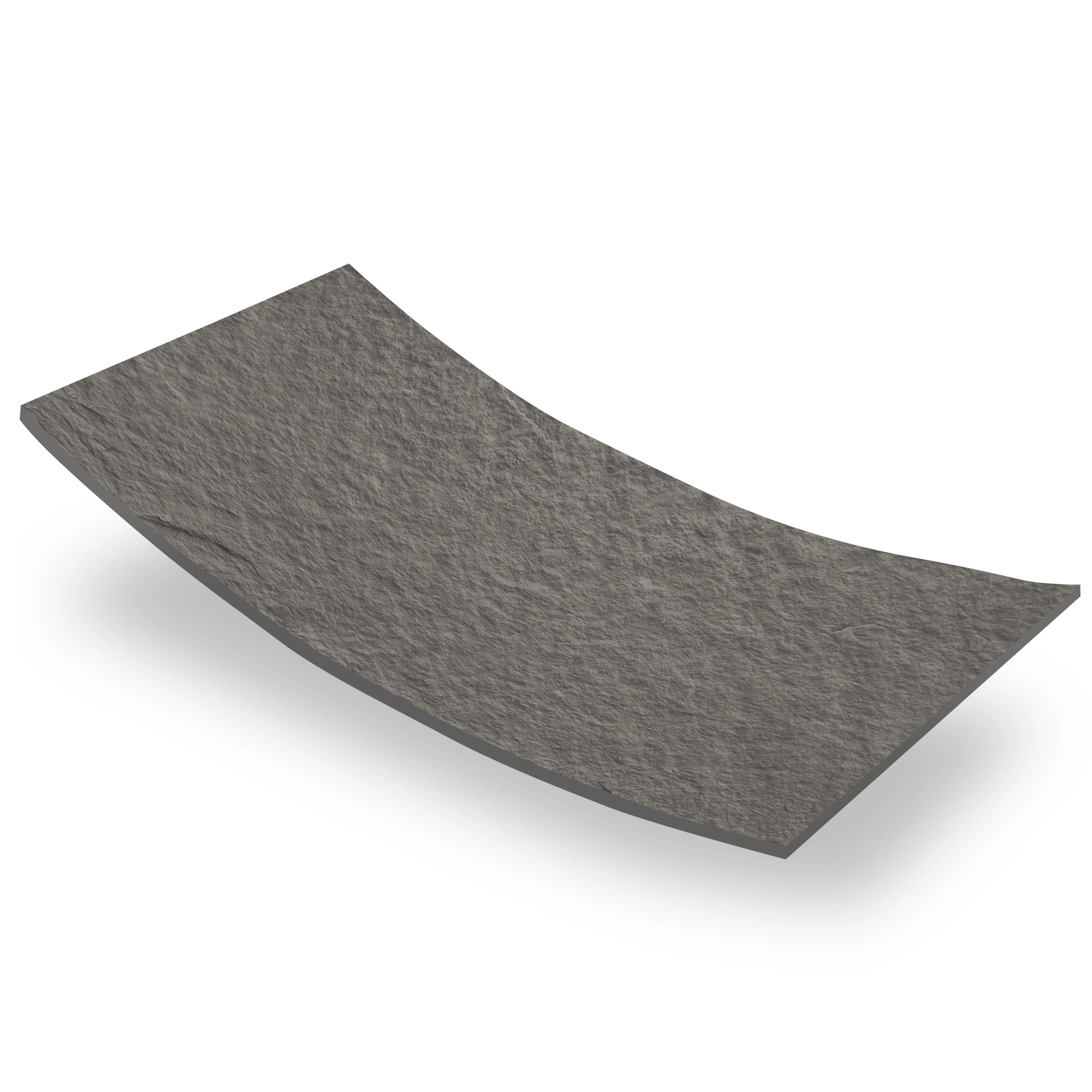
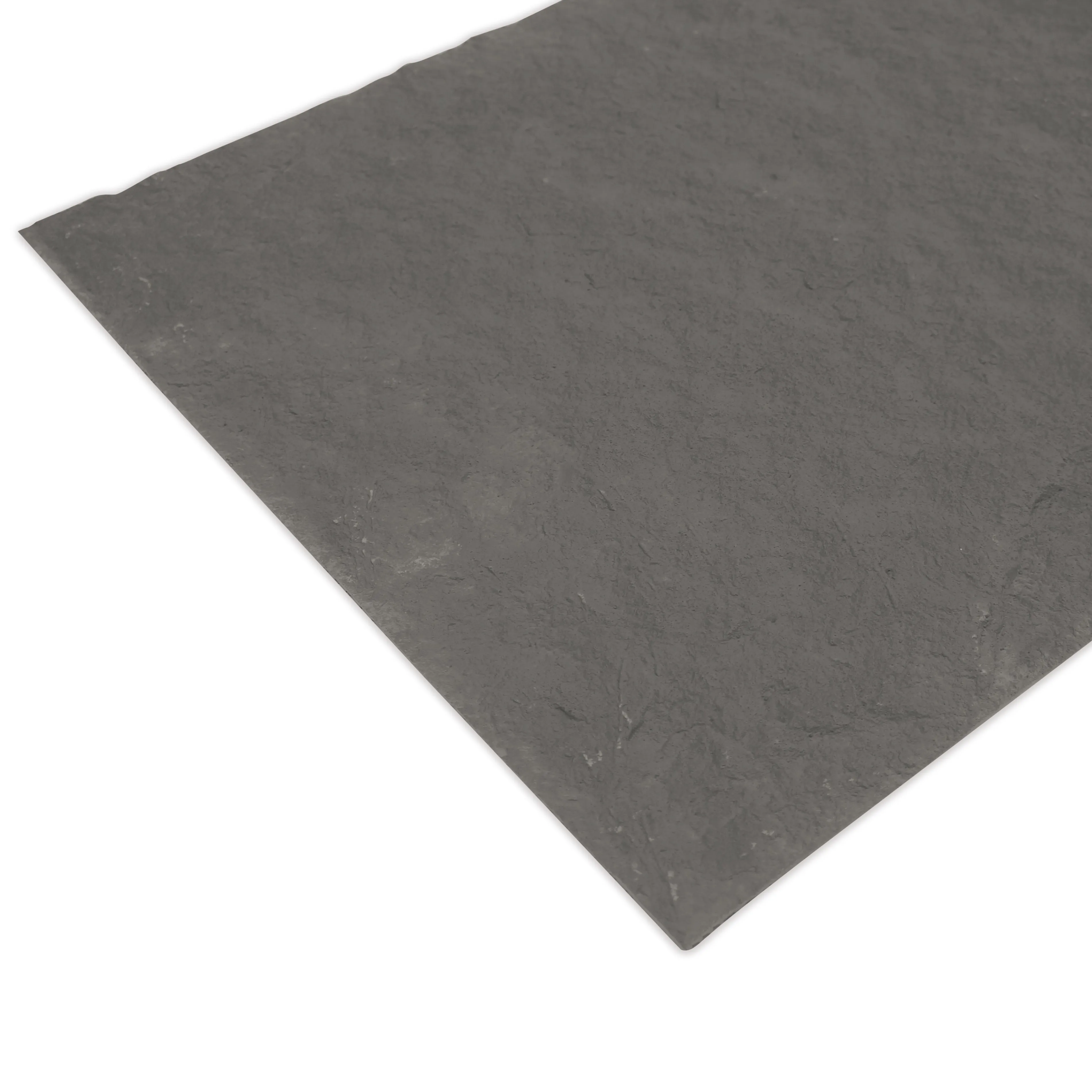
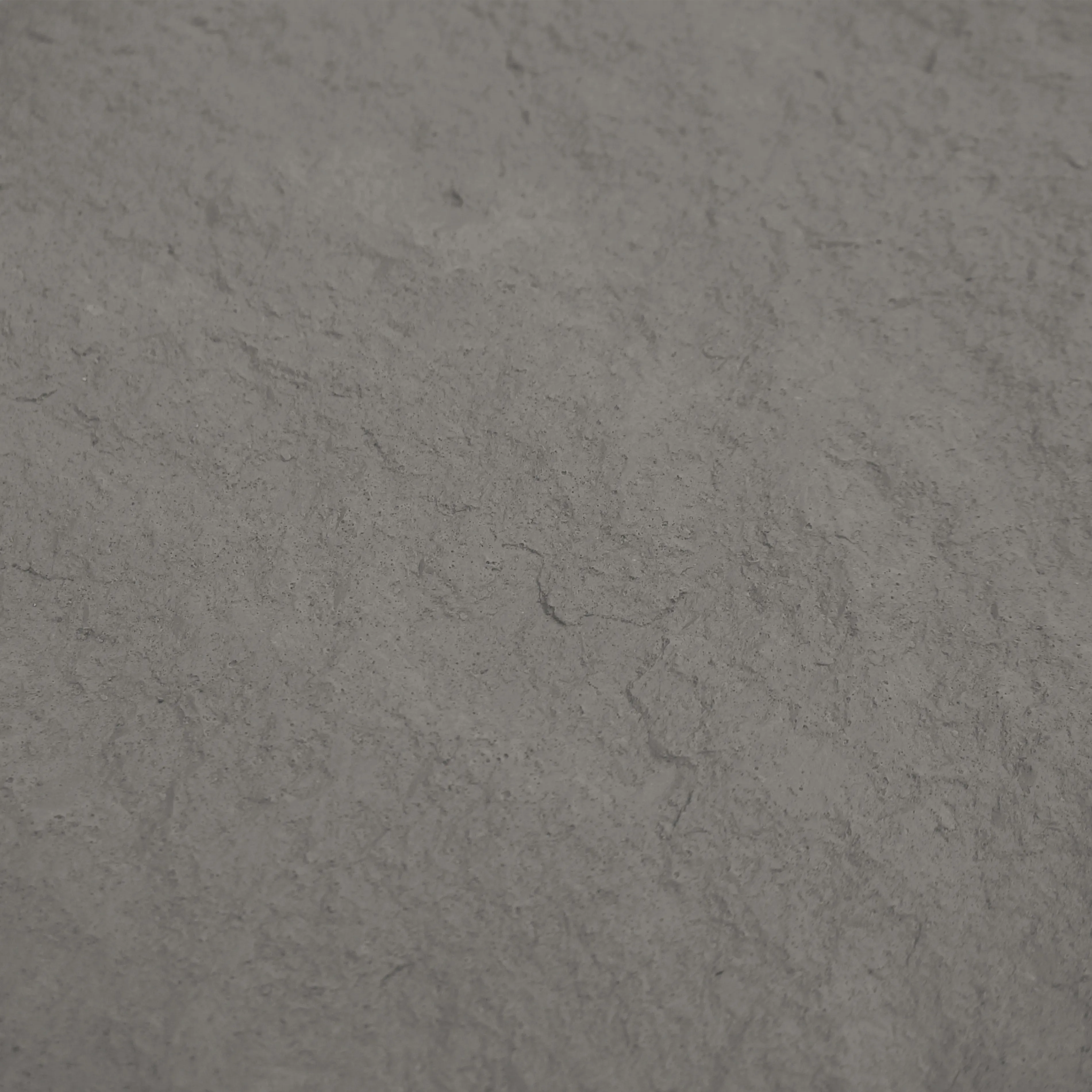
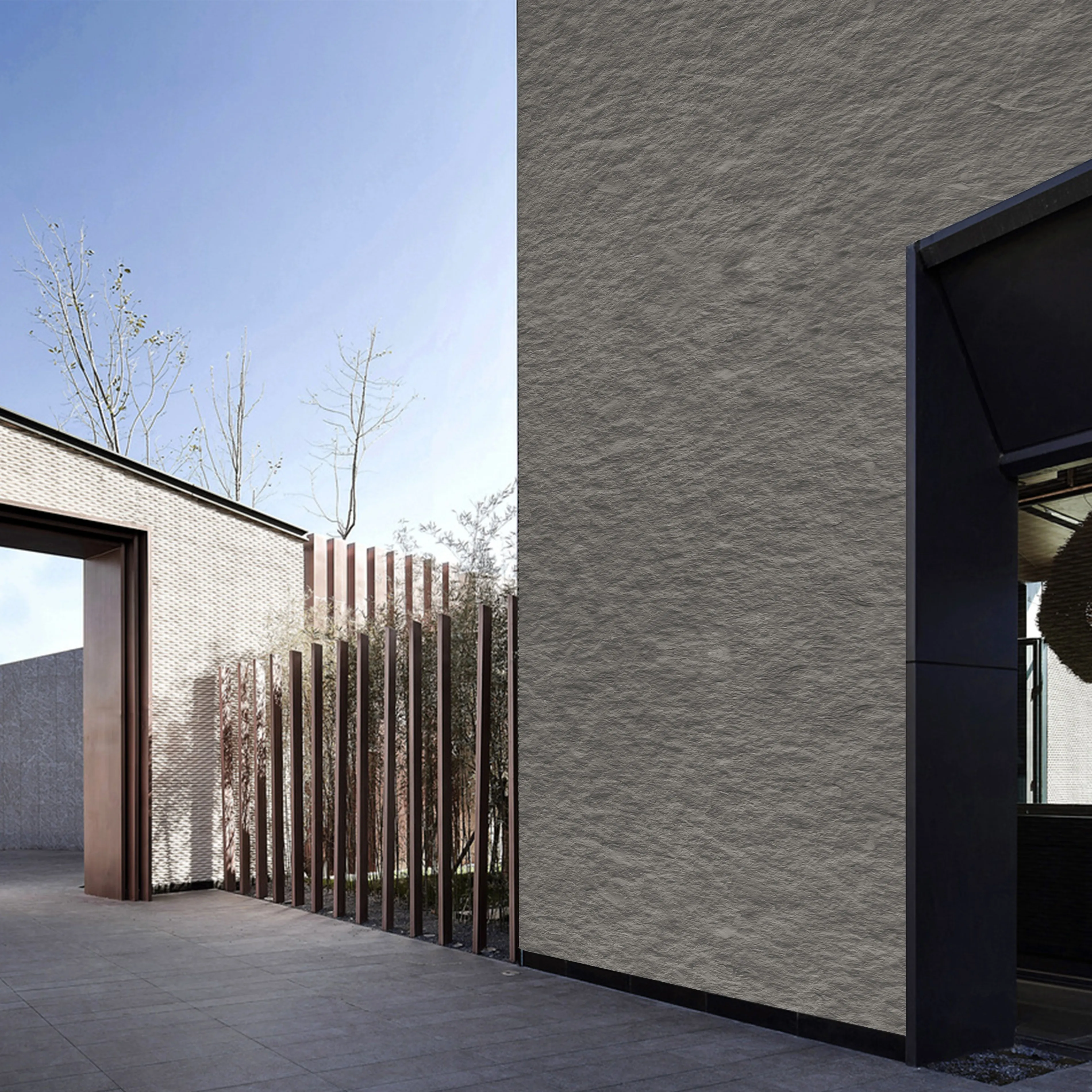
If Sandstone is the storyteller of ancient civilizations, Rough Granite Stone (Medium Grey) is the quiet innovator of modern design. Part of MCM's diverse product line, this granite variant is quarried from deep within the earth, where slow-cooling magma forms its dense, crystalline structure. The "rough" in its name isn't just a texture—it's a deliberate choice. Run your hand over a slab, and you'll feel the irregular, almost tactile grain, with flecks of white, black, and silver embedded in a medium grey base. It's a material that doesn't just look strong; it is strong.
Unlike polished granite, which shines and repels water easily, the rough finish here leaves some natural pores exposed—but don't mistake that for weakness. This granite's density (thanks to its mineral composition of quartz, feldspar, and mica) means those pores are tiny and few. It's why architects reach for it when they want a material that can withstand harsh climates: think coastal areas with salt spray, or urban environments where pollution and rain mix. It's not just about function, though. That medium grey hue? It's versatile, pairing effortlessly with warm woods, bold metals, or even vibrant accent colors. In MCM's lineup, it sits alongside modern options like Fair-faced Concrete and Epoch Stone , but its natural origins give it a warmth that industrial materials sometimes lack.
Sandstone is the elder statesman of building materials. Formed over millions of years from compressed sand grains (mostly quartz), it's a sedimentary rock with a story written in its layers. You'll find it in hues ranging from soft beige to rich rust, and its texture? Think of a sun-baked desert floor—slightly porous, with visible grains that seem to hold the warmth of the earth. It's no wonder ancient civilizations, from the Egyptians to the Romans, used it to build temples, forts, and palaces. Even today, materials like Historical Pathfinders Stone (a modern nod to sandstone's heritage) pay homage to its timeless appeal.
But here's the catch: that porous structure, which gives sandstone its charm, also makes it thirsty. Those tiny gaps between sand grains act like microscopic sponges, absorbing water, moisture, and even pollutants. In dry climates, this might not be a problem—sandstone can last centuries with minimal upkeep. But in wetter regions? Water seeps in, freezes in winter, expands, and cracks the stone. Over time, that leads to erosion, discoloration, and the need for frequent repairs. Still, for projects aiming for a rustic, heritage vibe—like a countryside villa or a boutique hotel with a "historical pathfinders" aesthetic—sandstone's warmth is irreplaceable.
Absorbency isn't just about "how much water a stone soaks up"—it's about how that water affects the material over time. Let's break it down: Porosity refers to the number and size of pores (tiny holes) in the material. Water absorption rate is the percentage of a material's weight that comes from absorbed water after being submerged for a set time (usually 24 hours). Both metrics determine how vulnerable a material is to:
For example, a material with a 5% absorption rate will fare better in rainy climates than one with 15%. That's why choosing between Rough Granite Stone (Medium Grey) and Sandstone often comes down to balancing aesthetics with the local weather.
To truly understand their differences, let's put Rough Granite Stone (Medium Grey) and Sandstone side by side. The table below compares their key absorbency-related metrics, based on industry standards and MCM's product data:
| Metric | Rough Granite Stone (Medium Grey) | Sandstone (Typical Varieties) |
|---|---|---|
| Water Absorption Rate (%) | 0.5 – 1.2% | 5 – 15% |
| Porosity | Low (dense, small pores) | High (larger, interconnected pores) |
| Freeze-Thaw Resistance | Excellent (minimal water retention) | Poor to Moderate (risk of cracking in cold, wet climates) |
| Stain Resistance | High (less porous, easier to clean) | Low (absorbs spills quickly; may require sealing) |
| Maintenance Needs | Low (occasional washing with mild soap) | High (regular sealing, cleaning, and repairs) |
| Best For | Exteriors, high-traffic areas, wet climates | Low-moisture environments, accent walls, heritage projects |
The numbers speak for themselves: Rough Granite Stone (Medium Grey) is the clear winner when it comes to low absorbency. Its dense structure means it soaks up minimal water, making it ideal for exteriors in rainy or snowy regions. Sandstone, with its higher absorption rate, is better suited for dry climates or indoor use (like a feature wall in a desert-inspired home).
Theory is one thing—real projects tell the full story. Let's look at two case studies where absorbency dictated the material choice.
A luxury hotel in Dubai Marina needed an exterior cladding that could withstand high humidity, salty sea air, and occasional rain. The architects initially considered sandstone for its warm, beachy vibe, but quickly shifted to Rough Granite Stone (Medium Grey) . Why? Dubai's climate is hot and humid, with seasonal rains that could lead to sandstone absorbing moisture and developing mold. The granite's low absorbency (0.8% rate) ensured the facade stayed clean, dry, and resistant to salt corrosion. Five years later, the building's exterior still looks brand-new, with zero signs of staining or erosion.
A museum dedicated to Berber culture in Marrakech wanted to evoke the region's ancient architecture. Here, sandstone was the obvious choice. Marrakech has a dry, arid climate with minimal rainfall, so sandstone's high absorbency wasn't a risk. The builders used local red sandstone, which blended seamlessly with the city's historic medina. To protect against occasional dust storms, they applied a breathable sealant (a modern tweak) to reduce pore size slightly. Today, the museum's walls have the same warm, weathered charm as the 12th-century palaces nearby—proof that sandstone, in the right environment, remains unbeatable.
Of course, absorbency isn't the only factor. Let's talk aesthetics first. Rough Granite Stone (Medium Grey) leans modern and industrial, with its cool grey tone and textured surface. It pairs beautifully with glass, steel, and Fair-faced Concrete for a sleek, urban look. Sandstone, on the other hand, is all about warmth—think terracotta roofs, earthy interiors, and that "lived-in" character that makes a space feel like home. For projects like a countryside retreat or a boutique hotel aiming for a "historical pathfinders" theme, sandstone's natural layers and soft colors are unmatched.
Sustainability is another consideration. Both materials are natural and durable, but granite's density means it's heavier to transport, increasing carbon emissions. Sandstone, being lighter, has a lower carbon footprint in shipping. However, granite's longevity (it can last 100+ years with minimal upkeep) often offsets its initial environmental cost. MCM's Epoch Stone , a recycled composite, offers a middle ground for eco-conscious projects, but for those prioritizing natural materials, the choice between granite and sandstone often comes down to local availability (quarrying locally reduces transport emissions) and project lifespan.
Even the best materials need care. Here's how to keep both Rough Granite Stone (Medium Grey) and Sandstone looking their best:
For Rough Granite (Medium Grey): Wipe away spills immediately with a damp cloth (though its low absorbency means most spills won't stain). Clean exteriors annually with mild soap and water to remove dust and grime. Avoid harsh chemicals (like bleach) that can etch the surface.
For Sandstone: Seal it every 2–3 years with a breathable stone sealer to reduce porosity. Clean gently with a soft brush and water—avoid pressure washing, which can dislodge grains. In wet climates, inspect for cracks or mold regularly, and repair promptly to prevent water from seeping deeper.
At the end of the day, Rough Granite Stone (Medium Grey) and Sandstone aren't rivals—they're tools in an architect's toolkit, each shining in its own context. If you're building in a rainy, humid, or coastal area, granite's low absorbency and durability make it the practical choice. If you're after a rustic, heritage look in a dry climate, sandstone's warmth and character are unbeatable.
And for those who can't decide? MCM's lineup offers creative alternatives, like Historical Pathfinders Stone (a sandstone-inspired composite with lower absorbency) or Epoch Stone (a modern blend of durability and aesthetics). But whichever you choose, remember: absorbency isn't just a number. It's the secret to a building that stands the test of time—beautiful, strong, and in harmony with the world around it.
Recommend Products












