

There's something undeniably captivating about rust board granite. Its unique, earthy tones and textures bring a raw, natural elegance to any building facade. That blend of industrial chic and organic beauty is why so many architects and property owners choose it for their exterior cladding. It makes a statement. But like any beautiful, natural material exposed to the elements, its stunning appearance can fade without the right care. The very quality that gives it its name—rust—can become a maintenance challenge.
So, you've invested in this gorgeous material for your building. How do you ensure it stays looking as impressive as the day it was installed? How do you protect it from weather, pollution, and the slow march of time? It's not as daunting as it might sound. With a consistent maintenance routine and a little know-how, you can preserve the integrity and beauty of your rust board granite cladding for years to come.
This guide is your one-stop resource for everything you need to know. We'll walk you through understanding the material, daily and deep cleaning techniques, the importance of sealing, and even what to do when you encounter minor damage. We'll also look ahead at the evolution of building materials, exploring how modern innovations are offering incredible aesthetics with even greater durability and simpler maintenance.
Before we dive into cleaning solutions and scrubbing techniques, let's get to know the material itself. The term "rust board granite" or "rusty slate" often refers to a type of natural stone, typically a slate or quartzite, that contains a high concentration of iron minerals. When these minerals are exposed to oxygen and moisture—inevitable for an exterior cladding—they oxidize. In simpler terms, they rust.
This oxidation process is what creates the stone's signature warm, reddish-brown, orange, and gold hues. It's a natural, dynamic process, meaning the appearance of the stone can change and evolve over time. This is part of its charm! No two panels are exactly alike, giving each building a unique, living character.
The Upside:
The Challenges:
Understanding these characteristics is the first step toward effective maintenance. You're not just cleaning a surface; you're caring for a dynamic, natural material.
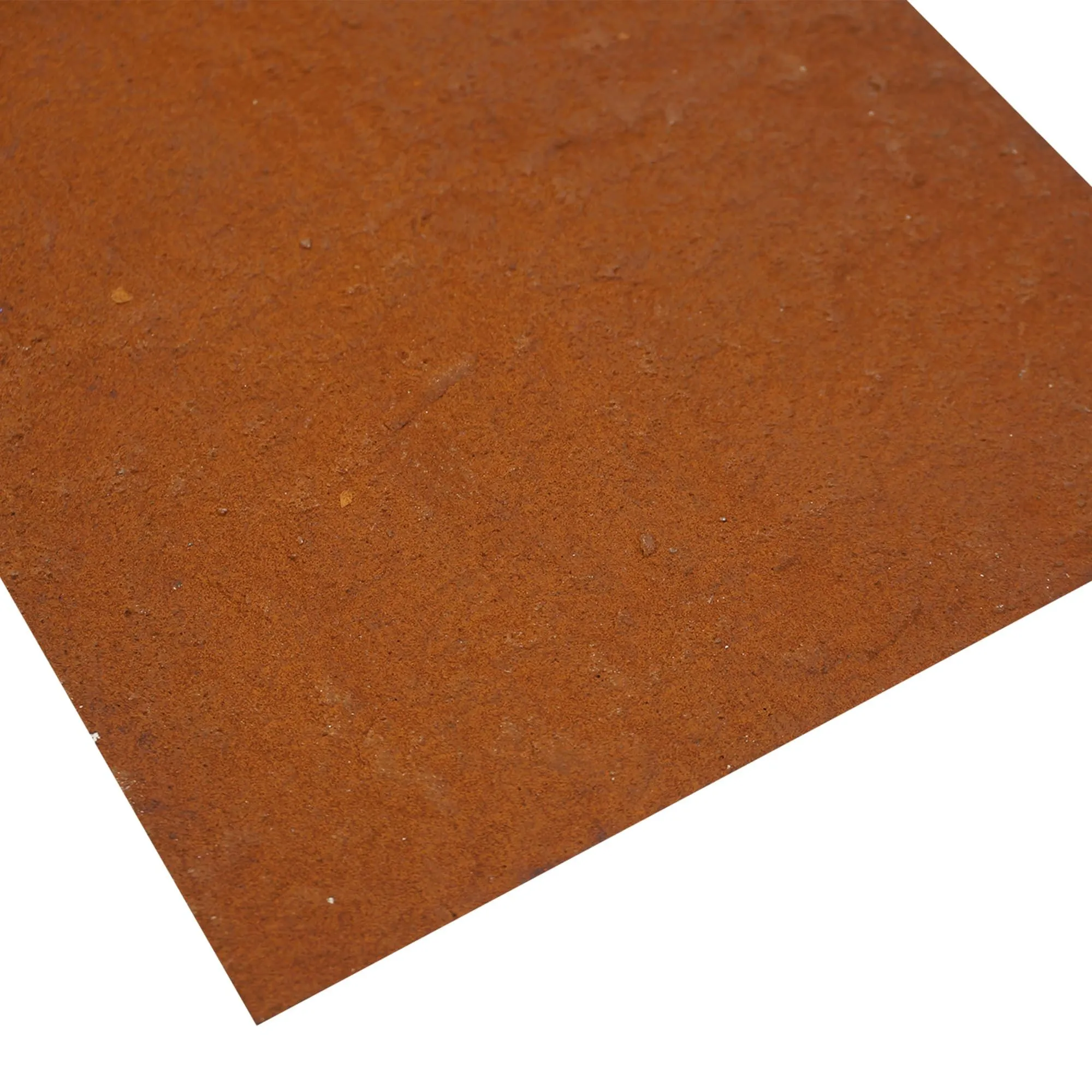
Maintaining your rust board granite isn't about fighting its nature; it's about working with it. The goal is to keep it clean, protected, and stable, allowing its natural beauty to shine through without letting it run wild. Here's a breakdown of a three-tiered approach: Regular Inspection, Routine Cleaning, and Deep Intervention.
You can prevent big problems by catching them when they're small. A regular visual inspection, performed at least twice a year (spring and autumn are ideal), is crucial. Grab a pair of binoculars if you need to see higher-up sections clearly. Here's your checklist:
Keep a log of your inspections. Taking photos can help you track changes over time and decide when it's time to move from simple cleaning to more intensive care.
For most buildings, an annual wash-down is sufficient to remove the surface layer of grime, dust, and pollutants that accumulate over the year. The key here is to be gentle. You're not trying to strip the surface, just clean it.
A word of caution on pressure washing: While effective, high pressure can be destructive to natural stone. It can blast away the surface, widen micro-fissures, and damage the mortar joints. If you use a pressure washer, use a wide-angle fan tip, keep the nozzle at least a foot away from the surface, and always start with the lowest pressure setting possible.
Sometimes, a general wash isn't enough. You may need to address specific types of stains with targeted treatments. Always test any specialized cleaner on a small, inconspicuous area first!
For these, you'll need a dedicated biological cleaner formulated for stone. These products are designed to kill the organisms and break them down. Apply the product as directed (some may need to dwell on the surface for a period), gently scrub, and rinse thoroughly. For stubborn areas, a second application may be needed.
Since this is a salt deposit, it can often be removed with a stiff, dry, non-metallic brush and some elbow grease. If that doesn't work, you can use plain water and a brush. For persistent cases, specialized efflorescence removers are available, but be aware that they are often mildly acidic and must be used with extreme care and neutralized thoroughly afterward. More importantly, identify and fix the source of the moisture that's causing it.
This sounds ironic, right? Cleaning rust off a "rust board". We're talking about concentrated stains or runoff staining adjacent surfaces. This is the trickiest of all. You need a dedicated iron deposit remover or rust remover specifically made for natural stone. These are typically poultices—a paste-like substance you apply to the stain, cover with plastic, and allow to dry. As it dries, it pulls the stain out of the stone's pores. This process is slow and may need to be repeated. Never use generic, hardware-store rust removers, as they are usually harsh acids that will permanently damage the stone.
Sealing is a proactive step that makes all your cleaning efforts last longer. A good quality, impregnating (or penetrating) sealer for natural stone works by soaking into the pores of the stone and lining them without creating a film on the surface. This has two major benefits:
Choose a high-quality, breathable (vapor-permeable) sealer. This is vital. A breathable sealer allows any moisture vapor trapped inside the stone to escape, preventing problems like spalling. Sealers can be "natural look" or "color-enhancing." A color-enhancing sealer will deepen and enrich the stone's natural colors, giving it a permanent "wet" look. Always test on a sample to ensure you like the effect before applying it to the whole facade. Sealing typically needs to be reapplied every 3-7 years, depending on the product and the building's exposure to the elements.
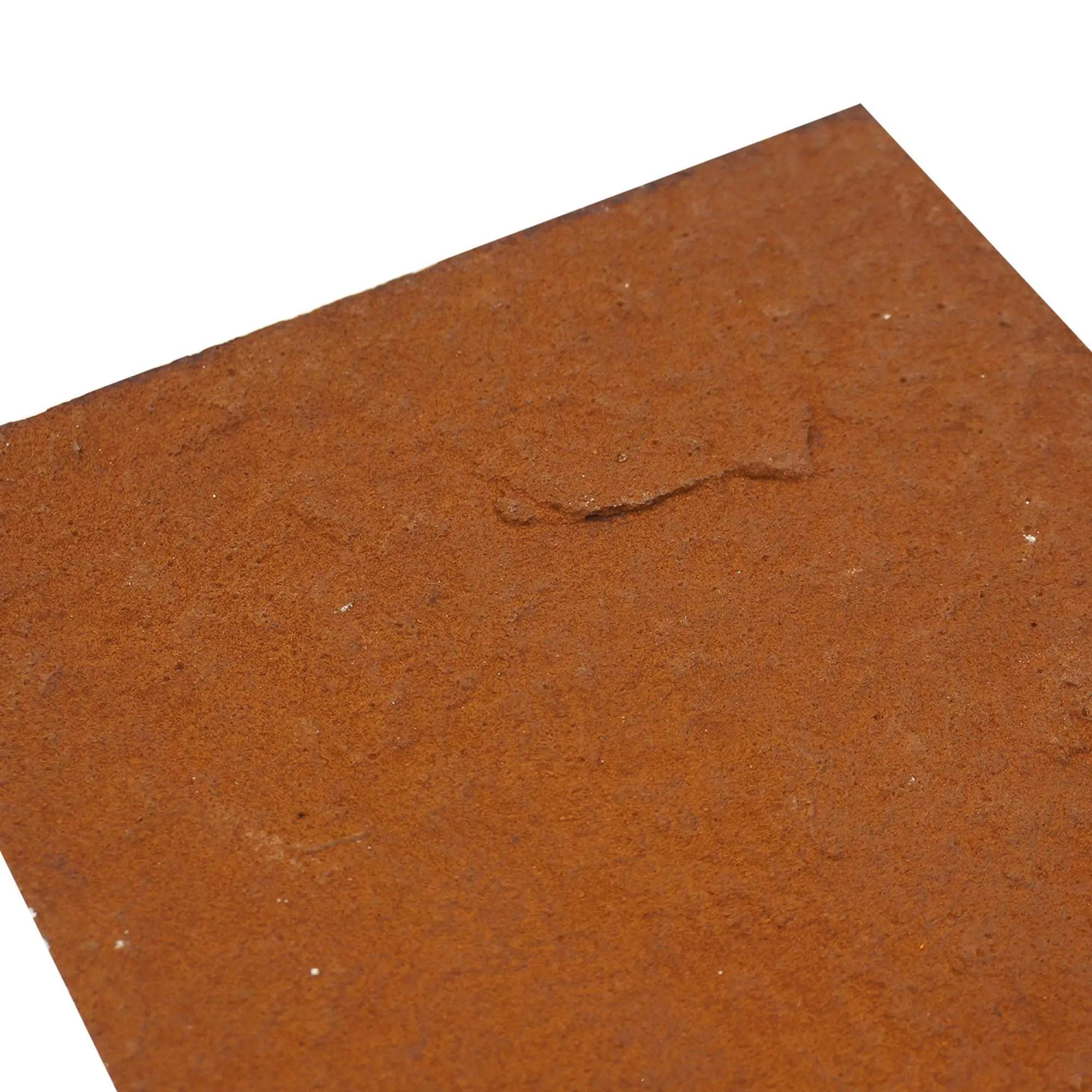
There's no question that traditional materials like rust board granite offer a classic, robust beauty. But as we've seen, that beauty comes with a significant commitment in terms of weight, installation complexity, and ongoing maintenance. In the world of modern construction, where efficiency, sustainability, and performance are just as important as aesthetics, the industry has evolved. This is where forward-thinking companies like COLORIA GROUP come in, pioneering a new generation of cladding materials.
What if you could have the stunning, natural look of stone without the immense weight? What if your facade was inherently resistant to staining and organic growth, slashing your maintenance schedule? What if you could achieve this with materials that are better for the environment? This isn't a futuristic dream; it's the reality of Modified Cementitious Material (MCM) products.
MCM is a revolutionary material that combines natural minerals and clays with advanced polymer technology. The result is a material that captures the authentic texture and appearance of natural materials like stone, wood, and brick, but with vastly superior performance characteristics.
Consider the challenges of rust board granite. Now, let's see how an MCM alternative addresses them. One of the most compelling options is MCM Flexible Stone . It's designed to mimic the exact visual and tactile experience of natural stone, from slate to travertine to, yes, even rust-like finishes. But it's fundamentally different. It's lightweight, thin, and—as the name suggests—flexible. It can be bent around curved walls and columns, something impossible for rigid stone slabs. This flexibility, combined with its low weight, drastically simplifies transportation and installation, saving significant time and money on a project.
The maintenance advantage is even more profound. MCM materials are non-porous and have a low water absorption rate. This means they are naturally resistant to efflorescence, freeze-thaw cycles, and the growth of algae and mold. Cleaning becomes a simple, infrequent task, not an intensive annual battle. The inherent stability of the material means no more worries about unpredictable rust runoff staining the rest of your building.
The innovation doesn't stop with simply replicating stone. The MCM Big Slab Board Series offers a sleek, contemporary aesthetic that architects love. These large-format panels create expansive, near-seamless surfaces that are perfect for modern commercial and residential projects. Imagine achieving the look of a massive, single piece of quarried stone but with panels that are a fraction of the weight and can be installed quickly by a small team. This is a game-changer for both design and construction logistics.
Furthermore, the rise of green building materials is a critical consideration in today's world. Traditional quarrying is an energy-intensive process with a significant environmental footprint. MCM products, by contrast, are made from natural soils and minerals through a low-energy production process. They are lightweight, reducing transportation emissions, and are often recyclable. This commitment to sustainability allows for beautiful design that is also responsible.
Perhaps one of the most exciting aspects is the level of design freedom. While nature provides a beautiful but limited palette, modern material science opens the door to true custom cladding . With technologies like MCM 3D Printing, architects and designers can create bespoke textures, patterns, and forms that are unique to their project. You can achieve a specific shade of "rust" or a unique grain that perfectly matches your vision, all while retaining the performance benefits of MCM.
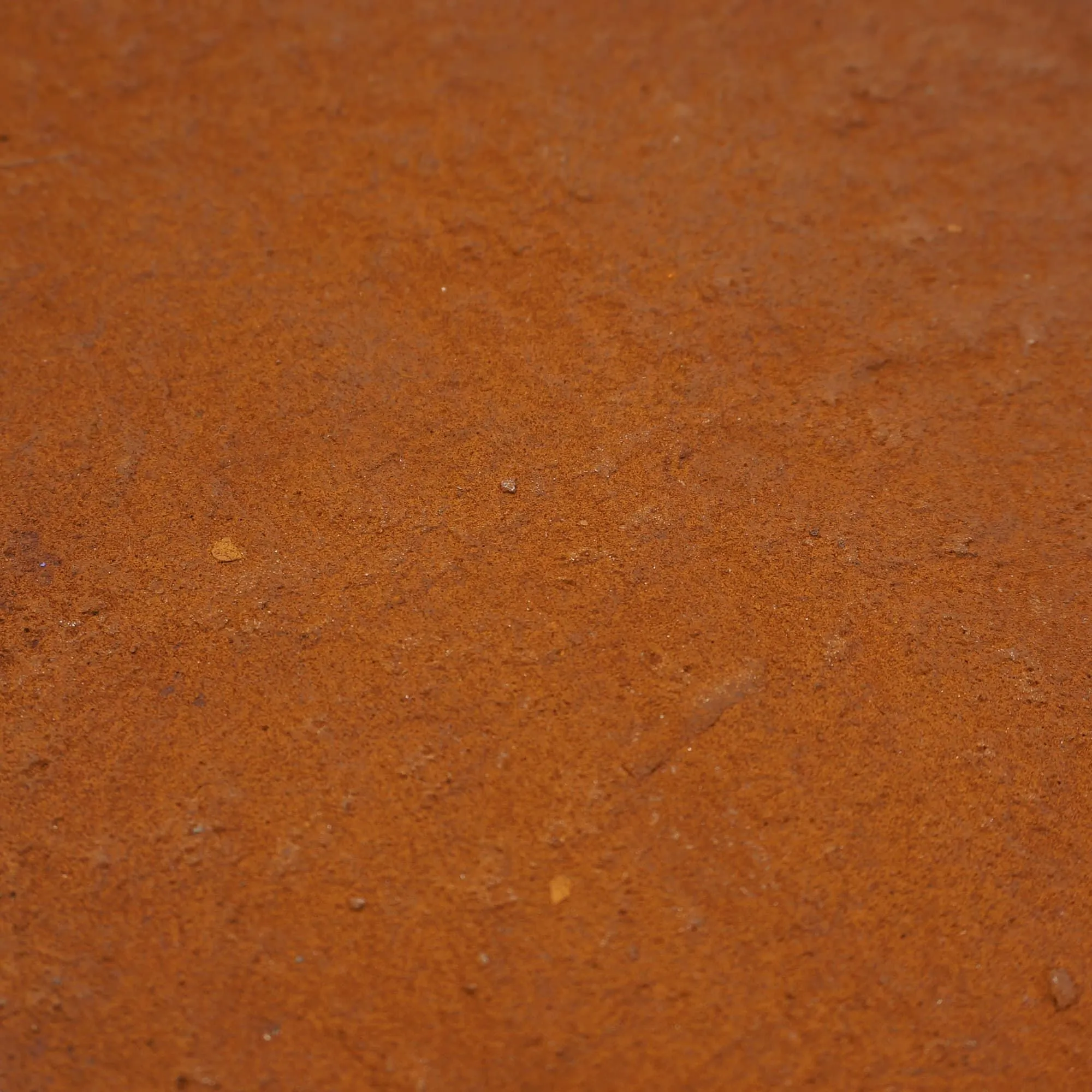
To put it all into perspective, let's compare traditional rust board granite with a modern alternative like COLORIA GROUP's MCM Flexible Stone side-by-side.
| Feature | Traditional Rust Board Granite | COLORIA GROUP MCM Flexible Stone |
|---|---|---|
| Weight | Very heavy (approx. 50-80 kg/m²). Requires extensive structural support and heavy machinery for installation. | Extremely lightweight (approx. 4-6 kg/m²). Reduces structural load and simplifies installation. |
| Installation | Complex, slow, and expensive. Requires specialized labor and mechanical fixing systems. | Fast, simple, and cost-effective. Adheres directly to the substrate; can be cut on-site with a utility knife. |
| Flexibility | None. Rigid and brittle, cannot be used on curved surfaces. Prone to cracking under stress. | Highly flexible. Can be easily applied to curved walls, columns, and complex architectural shapes. |
| Maintenance | High. Requires regular deep cleaning, potential for specialized stain removal, and periodic resealing to manage porosity and oxidation. | Low. Non-porous surface resists staining, mold, and algae. Simple cleaning with water and mild soap is usually sufficient. No sealing required. |
| Durability | Hard and abrasion-resistant, but susceptible to freeze-thaw damage, efflorescence, and staining from its own mineral content. | Excellent durability. Impact-resistant, fire-resistant (Class A), and impervious to water and freeze-thaw cycles. Color is stable. |
| Sustainability | Energy-intensive quarrying and transportation. Generates significant waste. Heavy weight increases building's carbon footprint. | Low-energy production process using natural, often recycled components. Lightweight reduces transport emissions. Contributes to being one of the best green building materials . |
| Customization | Limited to what can be quarried. Each piece is unique but cannot be controlled. | Highly customizable. Wide range of standard finishes and potential for fully custom cladding designs, textures, and colors. |
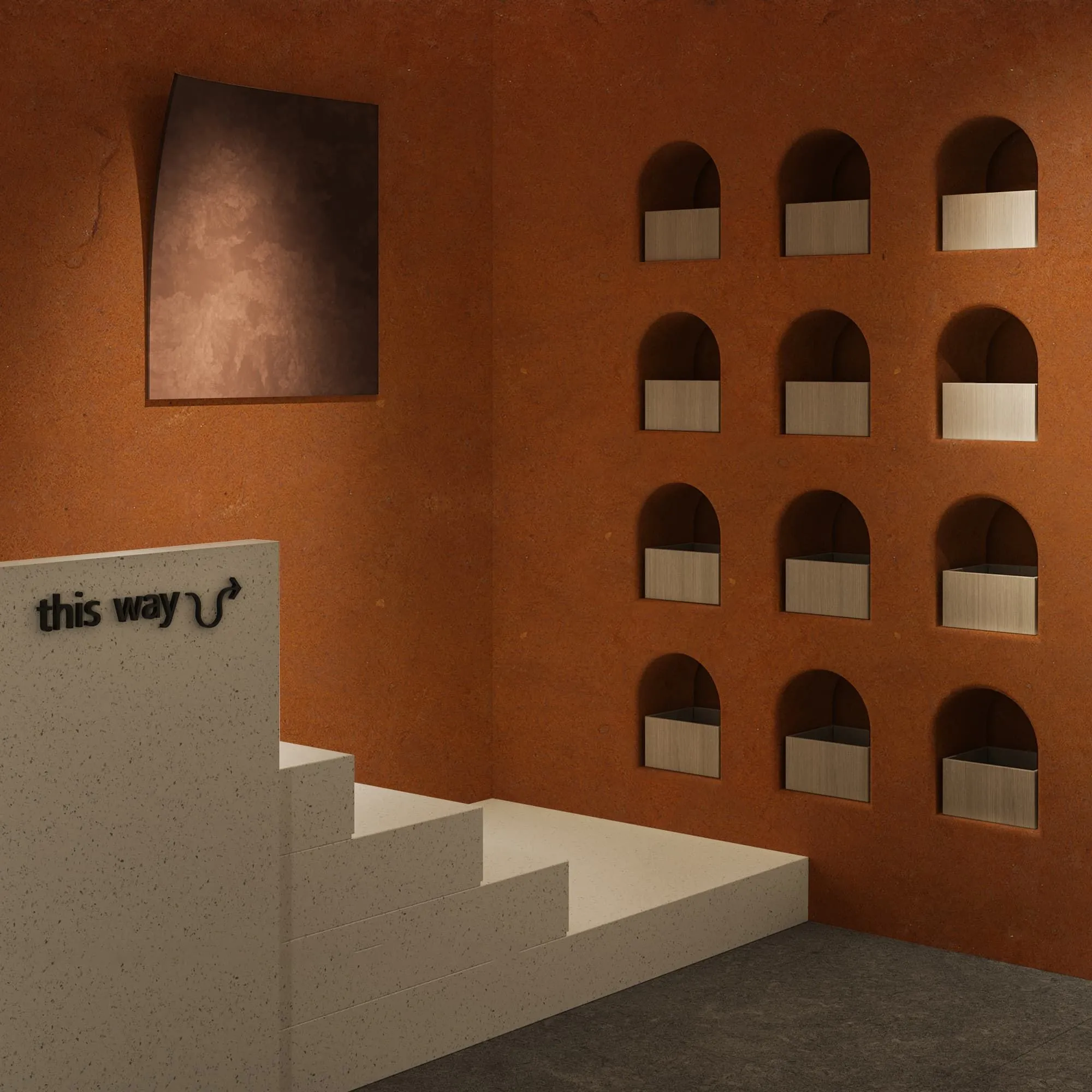
Rust board granite is a magnificent cladding material that rewards proper care with enduring, dynamic beauty. By following a consistent plan of inspection, gentle cleaning, and proactive sealing, you can successfully manage its natural tendencies and keep your building looking its best. It requires a hands-on approach, a respect for the material's properties, and an understanding that you are the custodian of a living, evolving facade.
At the same time, the world of architecture and construction is constantly moving forward. The challenges posed by traditional, heavy materials have driven innovation, leading to solutions that offer the best of both worlds: stunning aesthetics and superior, low-maintenance performance. As a one-stop solutions provider with a global perspective, COLORIA GROUP is at the forefront of this movement, offering advanced materials like the MCM series that empower architects and owners to realize their vision without compromise.
Whether you are dutifully maintaining a classic stone facade or planning your next project, understanding your options is key. By combining timeless design principles with modern material science, we can build structures that are not only beautiful and durable but also smarter, more efficient, and more sustainable for the future.
Recommend Products











