

The allure of natural stone, with its inherent beauty and timeless elegance, has long captivated architects, designers, and homeowners alike. Among the myriad choices, Rust Board Granite stands out with its distinctive variegated patterns and earthy tones, bringing a unique character to any space. However, as with many natural materials, granite comes with its own set of maintenance considerations, particularly concerning sealing. This often leads to questions about longevity, upkeep, and whether there are more advanced alternatives that offer similar aesthetics without the intensive care.
In recent years, the building materials industry has witnessed a remarkable evolution, introducing innovative solutions like MCM panels (Modified Cementitious Material). These materials are quickly gaining traction for their striking resemblance to natural stone, wood, and other textures, combined with superior performance characteristics. But here's the crucial question: if you're considering the look of Rust Board Granite, either through natural stone or its modern counterpart, do these cutting-edge MCM panels demand the same stringent sealing requirements? Let's dive deep into the world of traditional granite maintenance versus the advanced capabilities of MCM, brought to you by COLORIA GROUP , a leader in sustainable building solutions.
Granite, an igneous rock formed from magma, is celebrated for its incredible hardness, durability, and resistance to scratches. Its natural beauty, especially the unique patterns found in varieties like Rust Board Granite, makes it a premium choice for countertops, flooring, and exterior cladding. The rich palette of colors and intricate veining are truly a marvel of nature.
However, despite its density, granite is a porous material. This porosity means it has tiny capillaries that can absorb liquids. While it's not as absorbent as marble or limestone, it can still be susceptible to staining from oils, acids, and pigmented liquids like wine or coffee. Over time, these can penetrate the stone, leading to unsightly blemishes that are difficult, if not impossible, to remove.
Sealing granite isn't a one-and-done task. It's an ongoing commitment. Typically, granite needs to be sealed every 1-3 years, depending on its porosity, usage, and the type of sealer applied. The process involves:
This routine, while essential for preserving granite's beauty, can be time-consuming and costly, prompting many to seek alternatives that reduce the maintenance burden without compromising on aesthetics or durability. This is where the innovation of COLORIA GROUP 's Modified Cementitious Material shines.
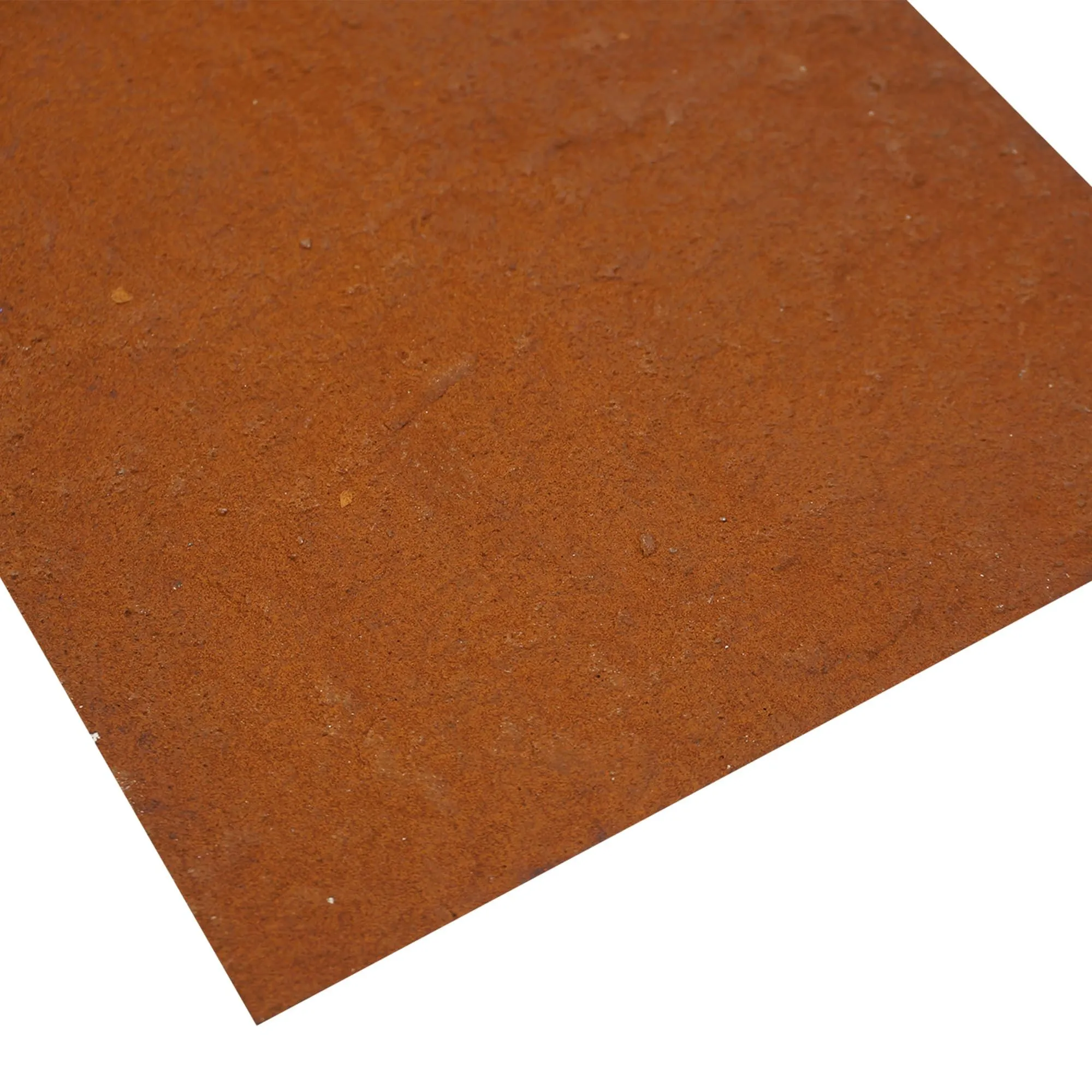
At COLORIA GROUP , we specialize in providing one-stop solutions for building materials , and our MCM product series is at the forefront of this mission. MCM panels , or Modified Cementitious Material, are an incredibly versatile and eco-friendly class of materials manufactured from natural mineral powders, plant fibers, and other inorganic substances, processed using advanced low-temperature molding technology. The result is a highly flexible, lightweight, and durable material that can realistically mimic the textures and appearances of natural stone, brick, wood, leather, and even metal.
The development of MCM was driven by a need for materials that are not only aesthetically pleasing and performance-driven but also environmentally responsible. Traditional architectural finishes often involve resource-intensive processes or heavy, hard-to-transport materials. MCM addresses these challenges head-on:
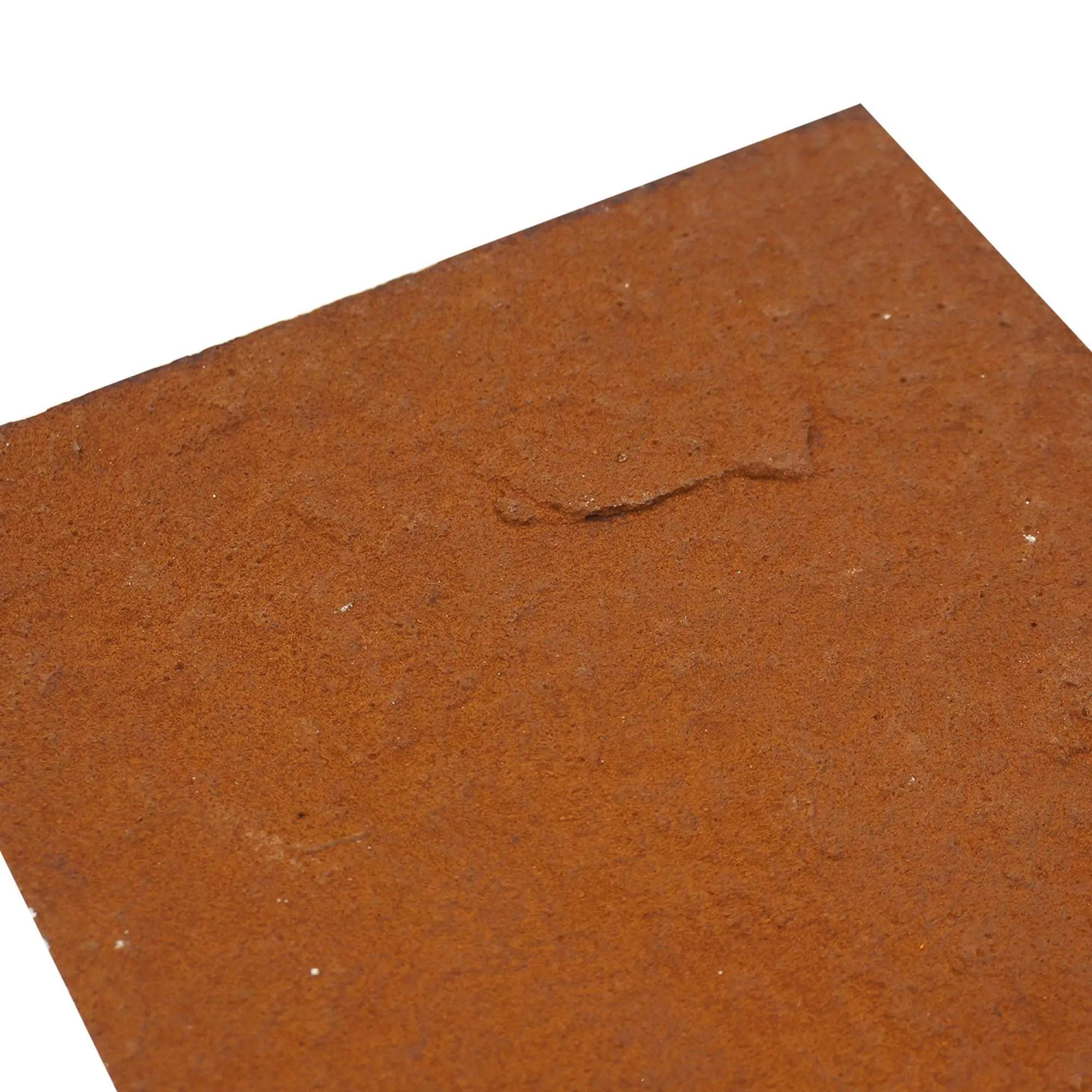
Now, let's get to the core of the matter: if you choose COLORIA GROUP 's MCM panels for their Rust Board Granite aesthetic, do you need to seal them like you would traditional granite? The simple answer, in most cases, is no, not in the traditional sense .
The key differentiator lies in the advanced composition and manufacturing process of MCM. Unlike naturally porous granite, MCM panels are engineered to be highly resistant to water absorption and staining from the outset.
Because of these intrinsic properties, COLORIA GROUP 's MCM panels typically do not require the periodic application of penetrating sealers that natural granite demands. This translates to significant long-term savings in time, labor, and material costs for maintenance, making them an ideal choice for both residential and commercial projects where efficiency and durability are paramount.
While standard sealing is generally unnecessary, there might be very specific, extreme circumstances where an additional protective coating could be applied to MCM panels, although this is more of an optional enhancement rather than a requirement.
It's crucial to distinguish between a "sealer" for porosity (like with granite) and a "protective coating" for specialized performance or aesthetic reasons (which might be used with MCM in rare cases). For the everyday application mimicking Rust Board Granite, whether for interior walls or exterior facades, the inherent properties of COLORIA GROUP 's MCM panels provide ample protection without the need for additional sealing.
| Feature | Traditional Rust Board Granite | COLORIA GROUP MCM Panels (Mimicking Rust Board Granite) |
|---|---|---|
| Primary Material | Natural igneous rock (quartz, feldspar, mica) | Modified Cementitious Material (natural mineral powders, plant fibers) |
| Porosity | Moderately porous, absorbs liquids | Very low porosity, highly water-resistant |
| Sealing Requirement | Required (typically every 1-3 years) to prevent staining | Generally Not Required due to inherent properties |
| Stain Resistance | Good (if sealed), susceptible to etching/staining from acids/oils if unsealed | Excellent, highly resistant to common stains |
| Maintenance | Periodic sealing, specific cleaners, careful spill management | Simple cleaning with water and mild detergent |
| Weight | Heavy, requires robust structural support | Lightweight (significantly less than granite) |
| Flexibility | Rigid, prone to cracking under stress or movement | Flexible, can adapt to curved surfaces and movement |
| Installation | Complex, specialized tools and labor for heavy slabs | Easier, quicker installation due to lightness and flexibility |
| Environmental Impact | Resource-intensive extraction, transport; potential waste | Low carbon footprint, renewable raw materials, low energy production, recyclable |
| Customization | Limited to natural patterns and finishes | High degree of customization in texture, color, and form (e.g., 3D effects) |
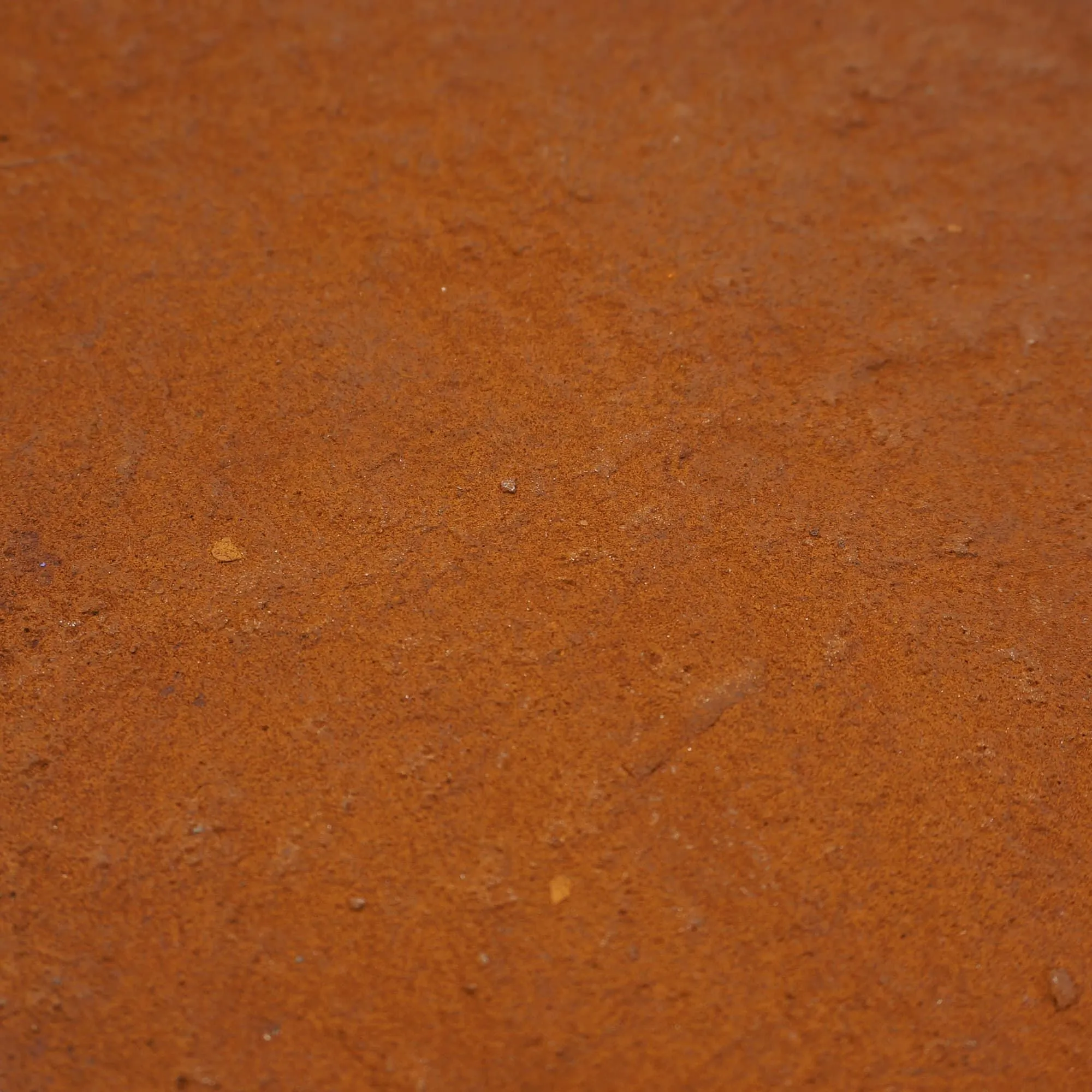
The absence of regular sealing requirements is just one of many compelling reasons to choose COLORIA GROUP 's MCM panels. Our extensive range of MCM products offers a holistic approach to modern building materials , catering to diverse residential and commercial projects .
At COLORIA GROUP , our commitment to sustainable building is unwavering. Our Modified Cementitious Material products embody this philosophy:
Choosing MCM panels from COLORIA GROUP means opting for a material that looks stunning, performs exceptionally, and respects our planet. It's a choice that reflects a forward-thinking approach to design and construction, supporting the global movement towards greener building materials .
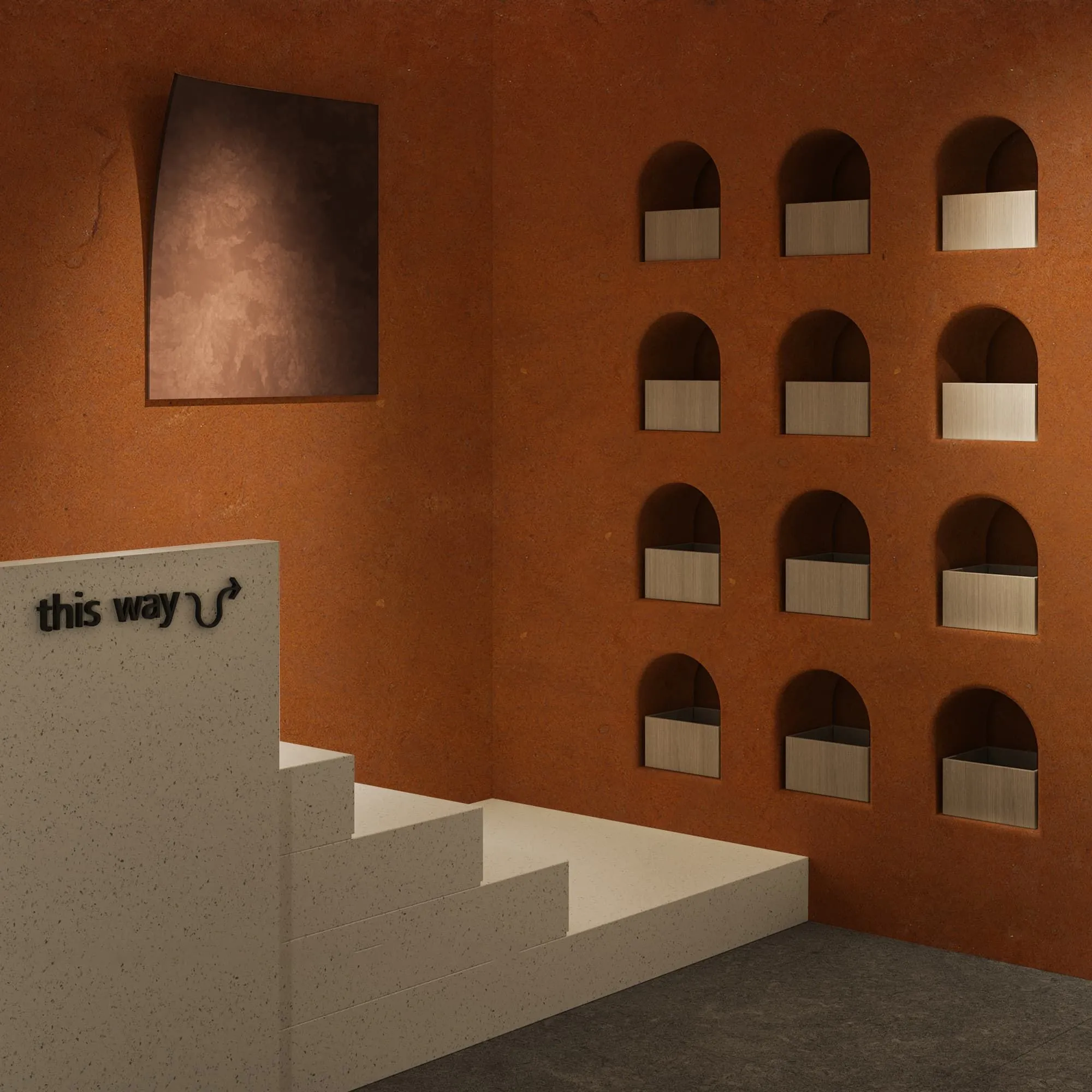
The versatility of COLORIA GROUP 's MCM panels extends to a myriad of applications, making them suitable for almost any design vision where the Rust Board Granite aesthetic is desired, without the sealing headaches.
The ability to achieve complex designs, whether through the MCM 3D Printing Series or the adaptability of MCM Flexible Stone , empowers designers and architects to realize their most ambitious visions, all while leveraging materials that are easy to work with and long-lasting. The aesthetic possibilities, from replicating the raw elegance of Rust Board Granite to innovative custom textures, are virtually limitless.
As a dedicated one-stop solution provider in building materials , COLORIA GROUP brings decades of industry experience to every project. Our global presence, with a strong foothold and agency in Saudi Arabia, underscores our commitment to serving diverse markets with high-quality, innovative products. We understand the nuances of various climatic conditions and design preferences, ensuring our MCM panels perform optimally wherever they are installed.
We are not just selling materials; we are offering comprehensive solutions, from product selection and customization to technical support and installation guidance. Our focus is on delivering value, durability, and beauty that stand the test of time, without imposing burdensome maintenance routines on our clients. This holistic approach ensures that when you choose COLORIA GROUP , you're investing in peace of mind alongside premium quality architectural finishes .
So, returning to our original question: "Rust Board Granite Sealing Requirements: Do You Need to Seal MCM Panels?" The answer is a resounding no, for all practical purposes. While traditional Rust Board Granite, with all its natural charm, undeniably requires diligent and regular sealing to preserve its beauty and integrity, COLORIA GROUP 's MCM panels offer a revolutionary alternative.
These advanced Modified Cementitious Material products, whether they are our MCM Big Slab Board Series , MCM Project Board Series , MCM 3D Printing Series , or MCM Flexible Stone , are engineered with inherent properties that make them highly resistant to water, stains, and weathering. This eliminates the need for periodic sealing, drastically reducing long-term maintenance costs and effort.
By choosing MCM panels, especially those meticulously designed to replicate the unique character of Rust Board Granite, you are not only selecting an aesthetically stunning and durable material but also making a conscious decision for sustainability, efficiency, and worry-free living or working environments. COLORIA GROUP empowers you to achieve the luxurious look of natural stone and other textures with a modern, high-performance solution that truly transcends the limitations of traditional building materials . Step into the future of architectural finishes with confidence and unparalleled quality.
Recommend Products











