

When it comes to building a new home or renovating an existing structure, one of the most critical decisions you'll face is selecting the right exterior cladding. Beyond aesthetics, the material you choose significantly impacts your building's energy efficiency, durability, and long-term maintenance. In the quest for both beauty and performance, two classic materials often come to mind: natural brick and the distinguished look of rust board granite. But when we talk about insulation – keeping your home warm in winter and cool in summer – which one truly comes out on top?
This isn't just about picking a pretty facade; it's about making an informed investment in your comfort, your wallet, and the planet. Here at COLORIA GROUP, we understand these complexities intimately. As a one-stop solution provider dedicated to high-quality interior and exterior finishing materials, we're constantly pushing the boundaries of what's possible in architectural design and performance. We operate globally, with a strong presence, particularly through our agency in Saudi Arabia, leveraging decades of industry experience to help clients make the best choices for their projects.
Let's dive deep into the properties of traditional brick and rust board granite, scrutinize their insulating capabilities, and then introduce you to a game-changing alternative that combines the best of both worlds with advanced sustainable technology: our innovative MCM (Modified Cementitious Material) series.
Before we pit brick against granite, let's clarify what cladding is and why its insulating properties are so vital. Cladding is the outer layer of a building, designed to protect the structure from the elements – rain, wind, sun, and extreme temperatures. But it's not just a shield; it's also a major contributor to the building's thermal performance, influencing how much energy is required to maintain comfortable indoor temperatures.
When we talk about insulation, we're essentially discussing a material's ability to resist heat flow. This resistance is often quantified by its R-value (thermal resistance) or U-value (thermal transmittance). A higher R-value means better insulating performance, while a lower U-value indicates less heat transfer. Effective insulation means less reliance on heating and air conditioning, leading to lower energy bills, a reduced carbon footprint, and a more comfortable living or working environment year-round.
Brick has been a cornerstone of construction for centuries, beloved for its classic appeal, robust nature, and perceived durability. Its earthy tones and textured surfaces evoke a sense of tradition and permanence. But how does it fare in the insulation department?
In essence, brick provides excellent thermal mass, which contributes to comfort by moderating temperature swings. However, it's a poor thermal resistor. For genuine energy efficiency, a brick-clad building absolutely needs a comprehensive insulation strategy behind the brick itself.
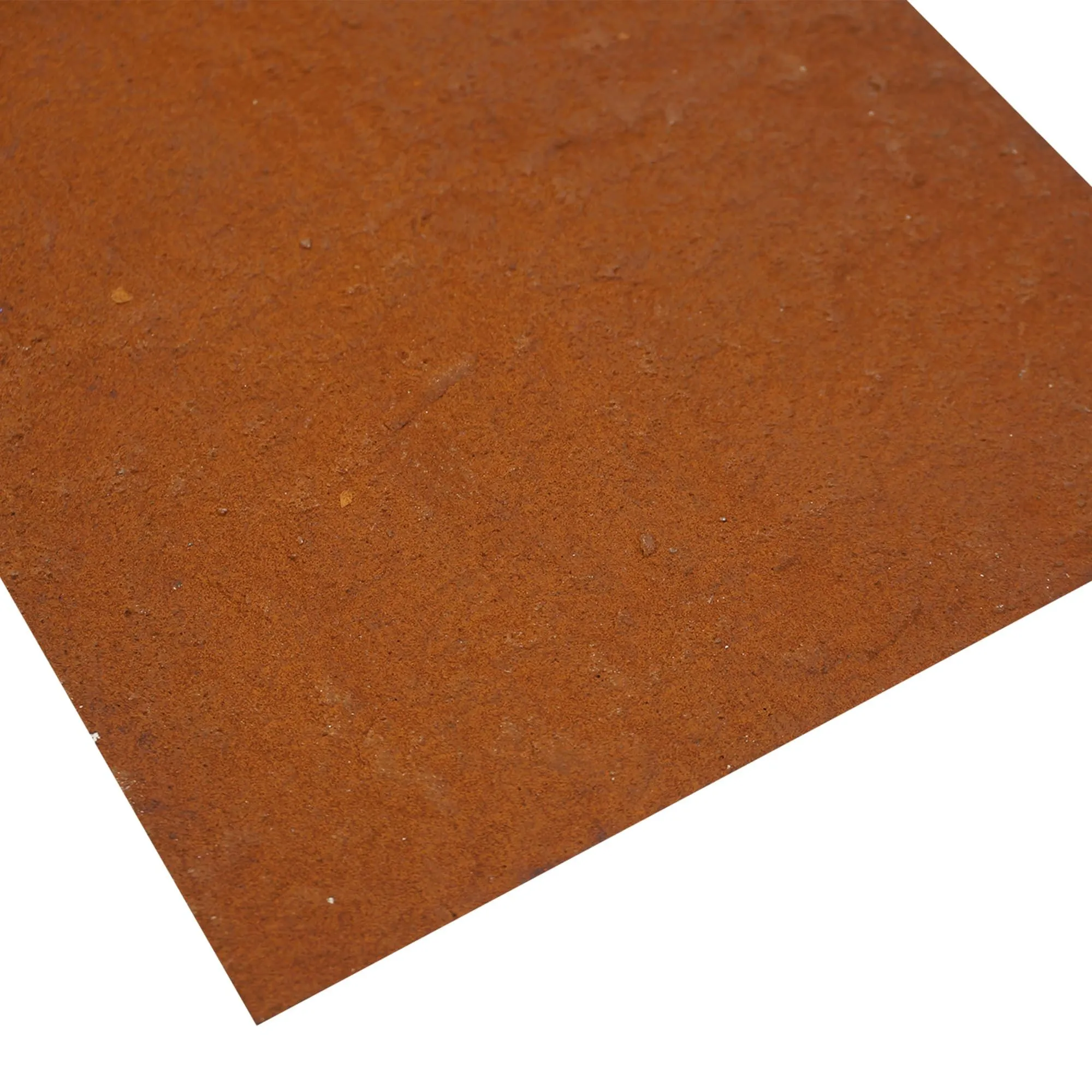
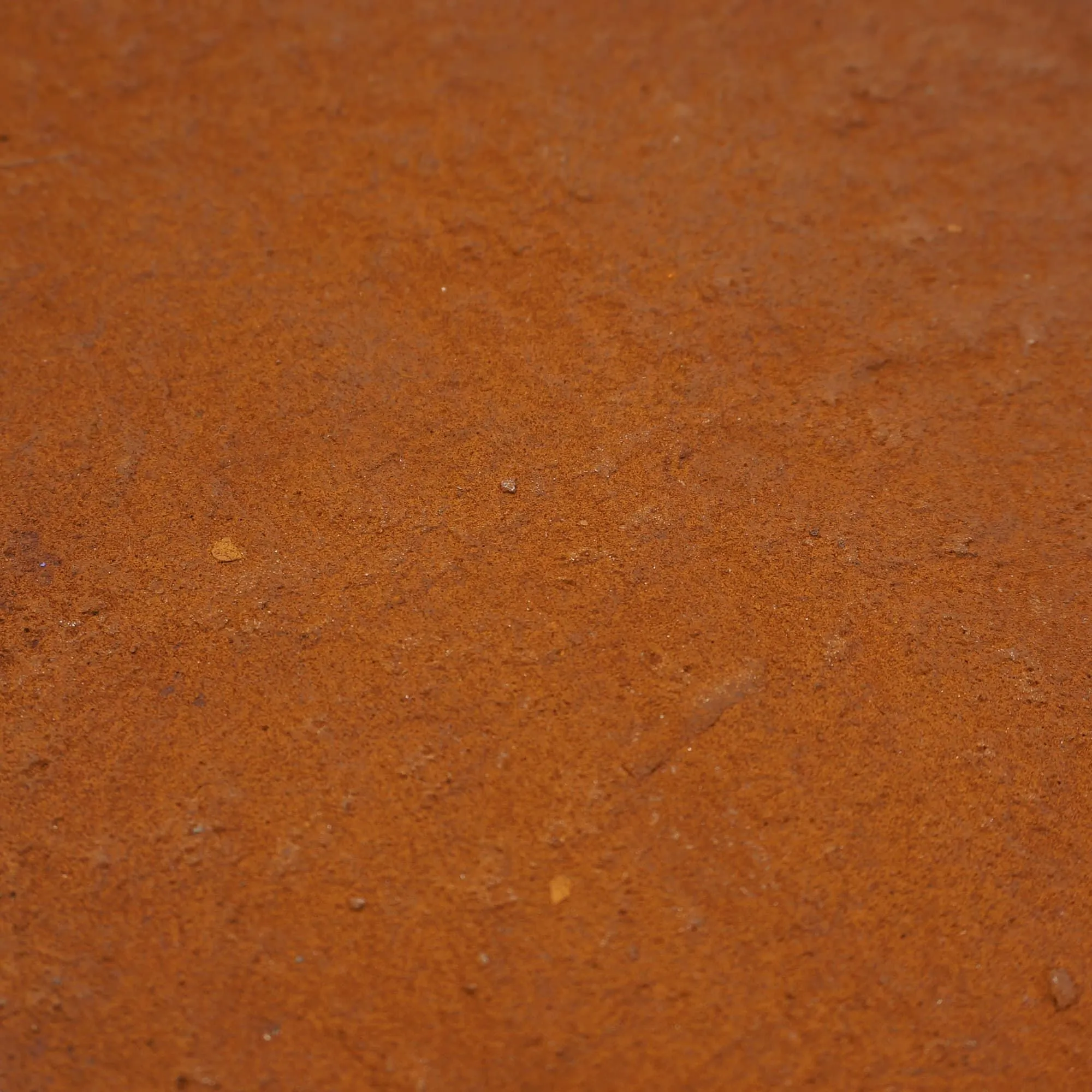
Natural granite, particularly with a rust board finish, offers a distinct aesthetic – robust, luxurious, and with a unique coloration that can add significant character to a building. It's often chosen for high-end projects where prestige and natural beauty are paramount. But what about its insulating properties?
While rust board granite offers unparalleled beauty and strength, it is, by nature, a poor insulator. A building clad in natural granite would require a very substantial and well-engineered insulation system behind the stone itself to prevent massive heat loss or gain. Relying on granite alone for thermal performance is simply not feasible for modern energy-efficient construction.
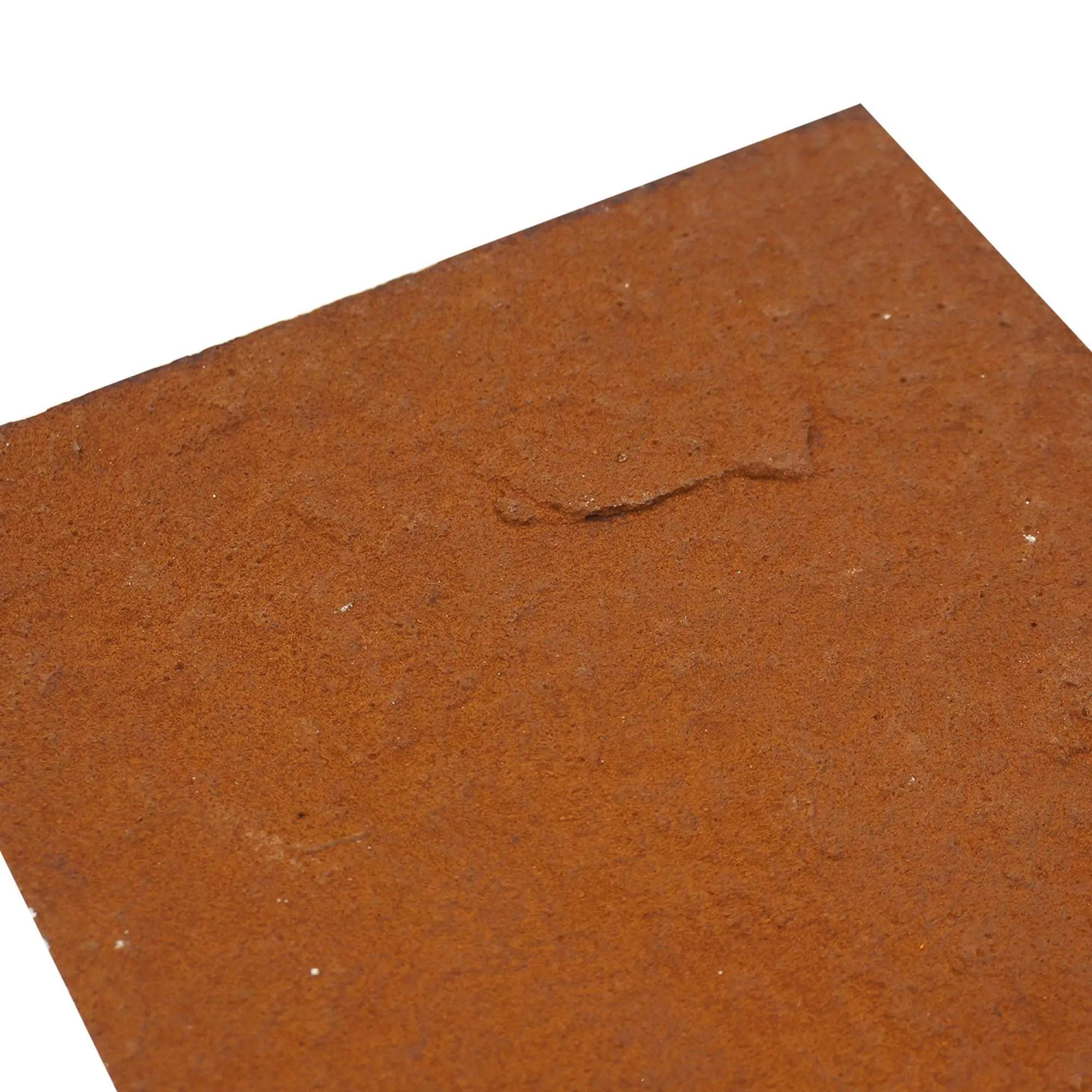
In a direct comparison of inherent insulation properties (R-value), neither traditional brick nor natural rust board granite is an effective insulator. Both are primarily structural or aesthetic materials that require significant supplementary insulation to meet modern energy efficiency standards. Brick offers some thermal mass benefits, which can help regulate temperature swings, but granite, being a good thermal conductor, offers virtually no insulation benefit.
Recognizing the limitations of traditional materials – their weight, their often-poor insulation, their installation complexities, and their environmental footprints – COLORIA GROUP has dedicated decades to innovating. Our answer is the MCM (Modified Cementitious Material) series, a groundbreaking range of products that marries stunning aesthetics with superior performance, sustainability, and ease of use. We believe in providing solutions that don't force you to choose between beauty and efficiency.
Our MCM products are a testament to advanced material science. They are incredibly versatile, designed for both interior and exterior wall decoration, and offer unparalleled customization options while championing green, eco-friendly principles. Let's look at how our MCM series, particularly our leading products, redefine what cladding can be and how they address the insulation challenge head-on.
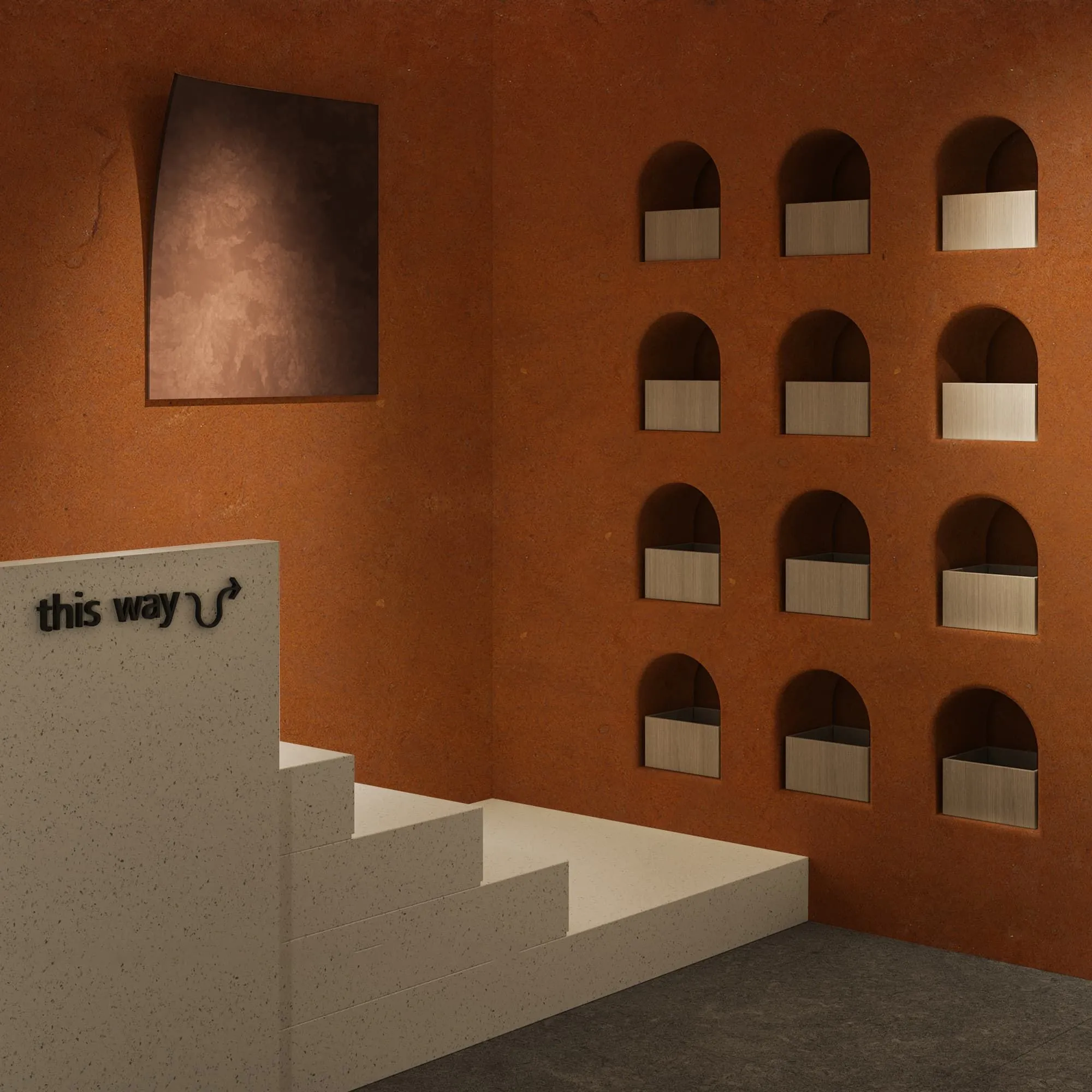
Imagine having the luxurious look and feel of natural stone, even rust board granite, but with none of the weight, none of the thermal drawbacks, and all of the flexibility. That's precisely what our **MCM Flexible Stone** offers. This innovative product is a game-changer for those who desire the aesthetic of stone but demand modern performance.
With **MCM Flexible Stone**, you no longer have to compromise. You get the opulent appearance of granite without its thermal disadvantages, coupled with sustainability and ease of application. It's an ideal choice for both new construction and renovation projects seeking an upgrade in performance and aesthetics.
For projects demanding large, seamless surfaces with a contemporary edge or a grand, monolithic look, our **MCM Big Slab Board Series** is the ultimate solution. These large-format panels offer expansive design possibilities while maintaining COLORIA GROUP's commitment to performance and sustainability.
The **MCM Big Slab Board Series** is perfect for commercial buildings, high-rise residential projects, or any application where scale, impact, and high performance are paramount. It offers the grandeur of traditional materials but with modern-day efficiency and sustainability.
Every construction project has its unique demands, from budget constraints to specific technical requirements. That's why our **MCM Project Board Series** is designed to be the versatile workhorse of modern cladding. This series offers tailored solutions, ensuring that every project, regardless of its scale or complexity, can benefit from the advantages of MCM technology.
Whether you need a specific size, a particular finish, or a solution that meets stringent project specifications, the **MCM Project Board Series** provides the flexibility and reliability you need to bring your vision to life. It's the practical, high-performance alternative to traditional cladding materials.
It's important to understand that no single cladding material is an "insulator" in the same way fiberglass or rigid foam boards are. However, the choice of cladding profoundly impacts the overall thermal performance of your building envelope. Here's why COLORIA GROUP's MCM series offers a superior approach to insulation compared to traditional brick and natural granite:
| Feature | Traditional Brick | Natural Rust Board Granite | COLORIA GROUP's MCM Series (e.g., Flexible Stone, Big Slab Board) |
|---|---|---|---|
| Inherent Insulation (R-value) | Low (approx. 0.8/inch). Provides thermal mass, but poor resistance to heat flow. Requires supplementary insulation. | Very Low (approx. 0.1-0.2/inch). Highly conductive to heat. Requires substantial supplementary insulation. | Better than traditional stone/brick due to composition. Excellent integration with modern insulation systems for superior overall wall R-value. |
| Weight | Very Heavy. Requires strong foundations and structural support. | Extremely Heavy. Requires complex, robust structural support. | Lightweight (1/6th to 1/10th of traditional stone/brick). Reduces structural load, simplifies installation. |
| Installation Complexity | High. Labor-intensive, skilled masonry required. Long installation times. | Very High. Specialized equipment and highly skilled installers needed. High risk of breakage. | Low to Moderate. Easier and faster installation, less specialized labor due to flexibility and lighter weight. |
| Aesthetic Versatility | Limited to traditional brick looks, colors. | Natural variations, luxurious, but limited to stone's inherent patterns. | Unlimited. Replicates stone (including rust board granite), brick, wood, metal, concrete, and custom designs. Highly customizable. |
| Flexibility / Formability | Rigid. Cannot conform to curves. | Rigid. Cannot conform to curves. | High (especially Flexible Stone). Can bend and conform to various shapes, enabling unique designs. Big Slab Boards offer large, flat surfaces. |
| Environmental Impact | High embodied energy (kiln firing), resource extraction. | High embodied energy (quarrying, transport), resource extraction. | Low embodied energy, made from natural mineral powders, recyclable, breathable, non-toxic. Sustainable choice. |
| Maintenance | Low, but mortar joints can require upkeep. Prone to efflorescence. | Low, but can require specialized cleaning. Grout lines can accumulate dirt. | Very Low. Fade-resistant, scratch-resistant, easy to clean. |
| Cost (Material + Installation) | Moderate to High (material + labor). | Very High (material + specialized labor + structural reinforcement). | Competitive to High-end (depending on series/customization). Significant savings on labor and structural costs. |
At COLORIA GROUP, our vision extends beyond just providing innovative materials. We aim to be your comprehensive partner in building and design. We are a one-stop solution provider for high-quality interior and exterior finishing materials, bringing decades of global experience to every project. Whether you're designing a sprawling commercial complex in Saudi Arabia or a bespoke residential property anywhere in the world, we have the expertise and the product range to elevate your vision.
Our commitment to customization means that if you envision a specific rust board granite aesthetic, but need the performance of a lightweight, insulating material, we can make it happen with our MCM technology. We don't just sell products; we offer solutions that blend aesthetics, performance, and sustainability seamlessly. Our global reach, supported by strong local agencies, ensures that our expertise and products are accessible wherever your project takes you.
So, when comparing rust board granite and traditional brick for insulation, the answer is clear: neither offers significant inherent thermal resistance. Both are primarily aesthetic and structural choices that demand robust supplementary insulation to achieve energy-efficient performance. While brick offers some thermal mass benefits, granite's high thermal conductivity makes it a poor choice for insulation.
However, the building industry has evolved, and materials science has opened up new possibilities. With COLORIA GROUP's MCM series, you no longer need to be limited by the thermal shortcomings or the environmental impact of traditional materials. Our **MCM Flexible Stone**, **MCM Big Slab Board Series**, and **MCM Project Board Series** provide the stunning visuals, including the rich textures of rust board granite and the classic appeal of brick, but without the compromises. They integrate beautifully with modern insulation strategies, are lightweight, sustainable, and offer unparalleled design freedom.
Choosing COLORIA GROUP means investing in a future where your building is not only beautiful and durable but also exceptionally energy-efficient and environmentally responsible. It's about making smart choices for long-term value, comfort, and sustainability. Let us help you transform your next project with materials that truly perform.
Recommend Products











