

Choosing the right exterior for your building is one of the most critical decisions you'll make. It's the face your project presents to the world, its first line of defense against the elements, and a major factor in its long-term value and maintenance costs. The stakes get even higher when you're building in a humid climate. The relentless moisture, constant threat of rain, and pervasive dampness can wreak havoc on lesser materials, turning a dream facade into a maintenance nightmare.
For decades, the choice for high-end projects has often boiled down to two classic contenders: the natural warmth of wood cladding and the stately permanence of stone, like granite. Wood offers an organic, inviting aesthetic that connects a structure to its natural surroundings. Granite, on the other hand, projects an image of unshakeable strength and timeless luxury. But how do these titans of tradition really hold up when the air is thick with moisture day in and day out? What are the hidden costs and compromises? And more importantly, is there a modern alternative that transcends their limitations? Let's dive deep and find out.
There's no denying the appeal of wood. It's beautiful, versatile, and has a tactile quality that synthetic materials struggle to replicate. From rustic cabins to sleek, contemporary homes, wood siding can be adapted to almost any architectural style. It speaks of nature, craft, and a certain timeless elegance.
Unfortunately, for all its beauty, wood is an organic material. And in a humid climate, this is its greatest weakness. Wood and water have a complicated relationship. Wood is hygroscopic, meaning it naturally absorbs and releases moisture from the air to reach equilibrium with its environment. In a consistently humid place, this process becomes a one-way street of constant absorption. This leads to a cascade of problems:
In short, while wood cladding looks fantastic on day one, maintaining that look in a humid climate is a constant, uphill battle against nature itself. The initial cost of the material is just the beginning of a long-term financial and labor commitment.
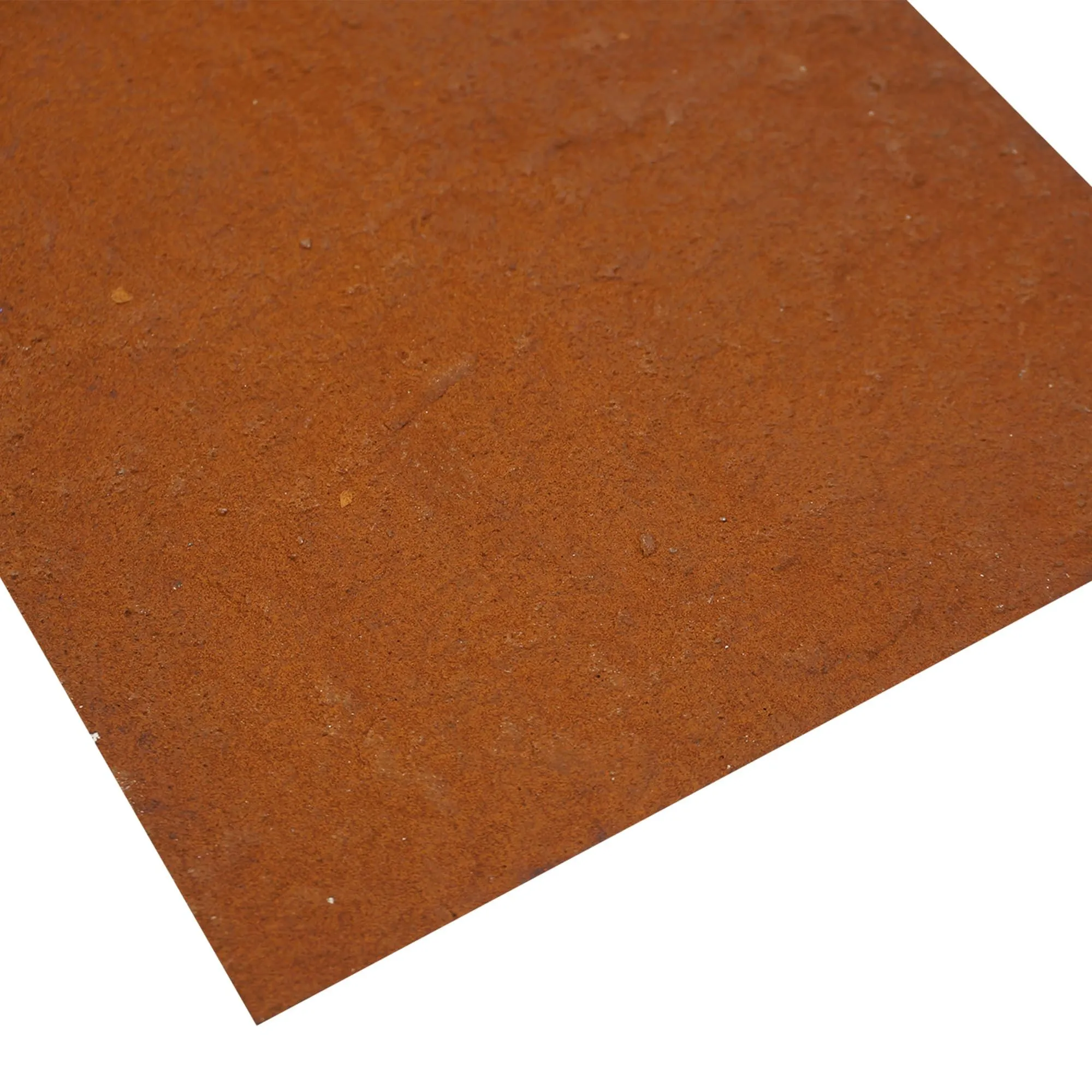
When durability is the primary concern, many architects and builders turn to natural stone. Granite, often referred to as "rust board granite" in some industrial contexts due to its iron content which can oxidize, is a symbol of permanence. It's a material forged in the earth's crust, seemingly impervious to the ravages of time and weather. It laughs in the face of rot, pests, and fire.
However, this incredible strength comes with its own set of significant drawbacks, especially when considering large-scale application. The "fortress" approach isn't always practical or desirable.
Granite offers undeniable durability, but it demands huge compromises in terms of cost, engineering, and design freedom. It's a heavyweight solution in every sense of the word.
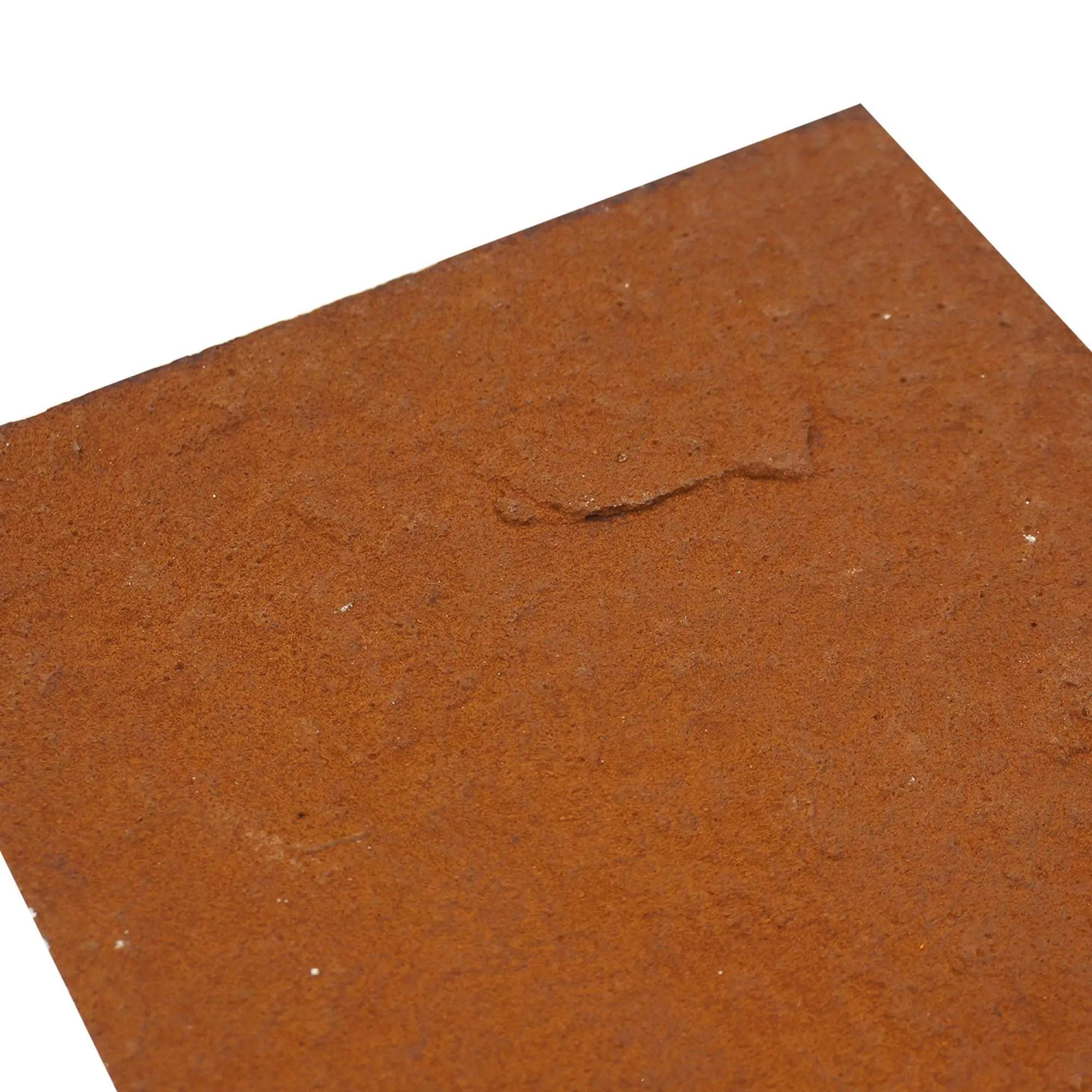
What if you didn't have to choose between the vulnerability of wood and the burdensome weight of granite? What if you could have the aesthetic flexibility to mimic either—or create something entirely new—while delivering superior performance in the most challenging climates? This is where material science and innovation step in, offering a solution that redefines what's possible for building exteriors.
Welcome to the world of **Modified Cementitious Material**, or MCM. Pioneered by forward-thinking companies like COLORIA GROUP, MCM is a revolutionary product born from a process that transforms natural raw materials—like soil, sand, and cement—into a lightweight, flexible, and incredibly durable building material. It's not a simulation; it's a transformation. It takes the best qualities of earth and stone and re-engineers them to eliminate their weaknesses.
COLORIA GROUP has mastered the art and science of MCM, developing a range of products that directly address the failings of traditional materials. Here's why MCM is the superior choice for any project facing high humidity.
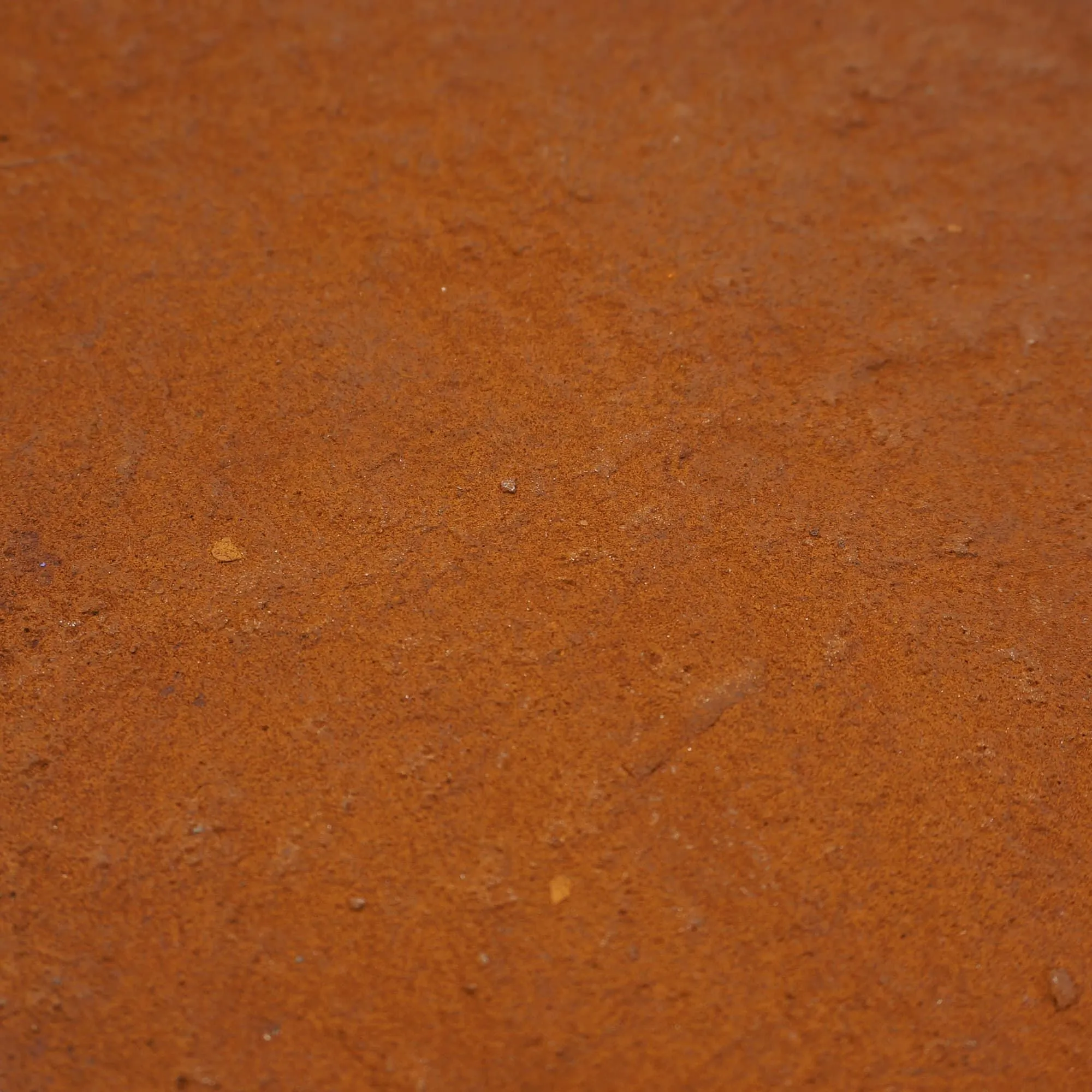
Let's break it down in a simple, direct comparison. When you look at the factors that truly matter for a long-lasting, beautiful, and cost-effective facade in a humid climate, the winner becomes clear.
| Feature | Wood Cladding | Granite Cladding | COLORIA GROUP MCM |
|---|---|---|---|
| Humidity Resistance | Very Poor (Rots, warps, swells) | Good to Very Good (Can stain) | Excellent (Impervious to moisture) |
| Durability | Poor (Susceptible to decay & pests) | Excellent (Very hard) | Excellent (Tough, flexible, impact-resistant) |
| Maintenance | Very High (Constant sealing, painting) | Low (May require sealing) | Virtually None (Easy to clean) |
| Weight | Light | Extremely Heavy | Very Light |
| Installation Cost & Speed | Moderate | Very High & Slow | Low & Fast |
| Design Flexibility | Good (Can be cut and painted) | Poor (Limited by natural form) | Excellent (Unlimited colors, textures, shapes) |
| Lifetime Cost | High (Initial + high maintenance) | Very High (Initial + structural) | Moderate (Initial + almost zero maintenance) |
| Fire Safety | Poor (Combustible) | Excellent (Non-combustible) | Excellent (Class A Fire-Rated) |
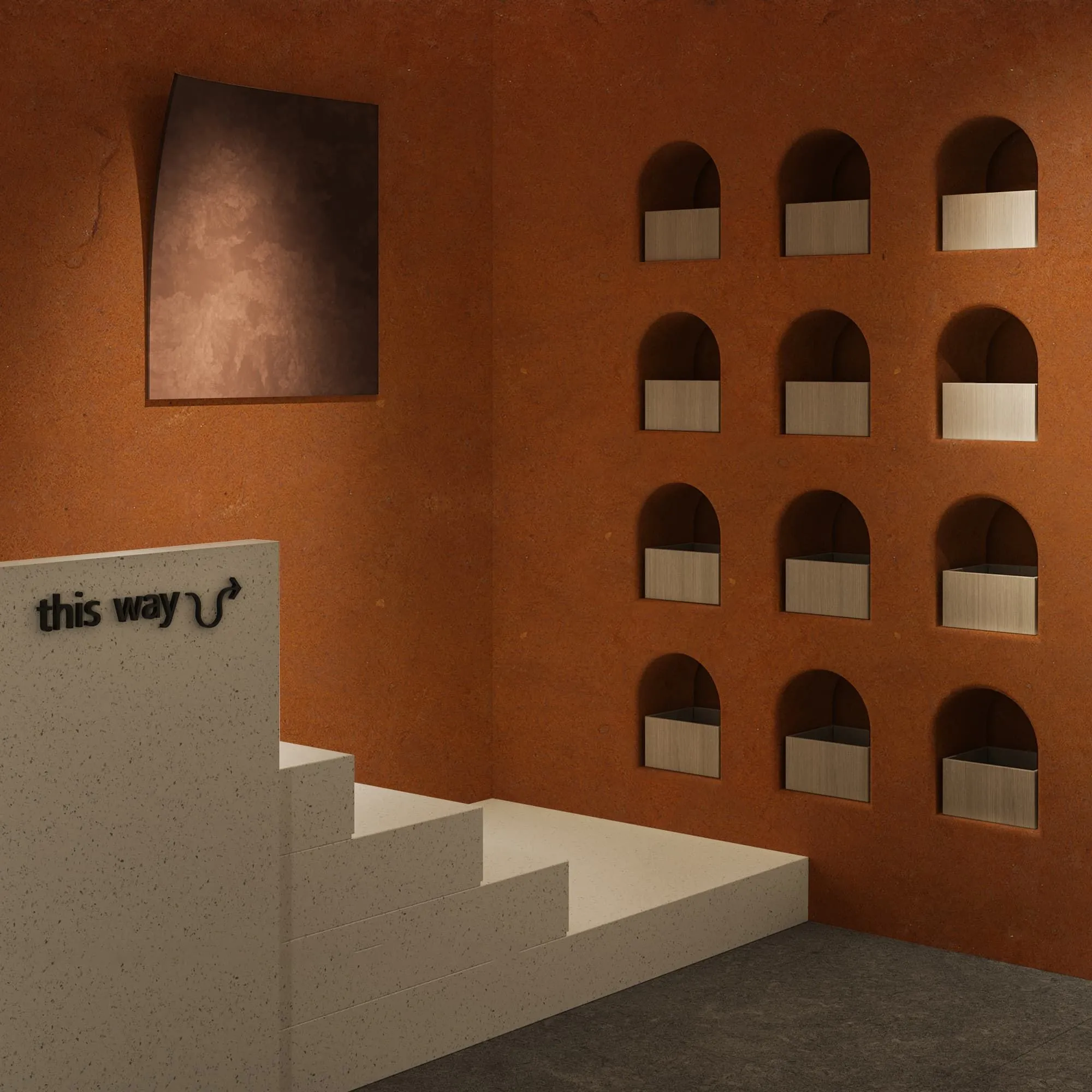
The debate between "Rust Board Granite" and wood cladding is a traditional one, but it's a debate rooted in the past. Both materials, while having their moments of glory, are fundamentally compromised, especially when faced with the persistent challenge of humidity. Wood demands a level of upkeep that is impractical for modern construction, and granite imposes a burden of weight and cost that limits its use to only the most extravagant projects.
COLORIA GROUP's **Modified Cementitious Material** (MCM) doesn't just enter this debate; it ends it. It offers a solution that is holistically superior. It delivers the aesthetic beauty you desire, whether it's the rich texture of the **MCM Flexible Stone** or the seamless grandeur of the **MCM Big Slab Board Series**, backed by a level of performance that traditional materials simply cannot match. It is the intelligent, modern, and sustainable choice for architects, builders, and developers who refuse to compromise.
When building in a humid climate, don't choose between a material that will rot and one that will break your budget and your back. Choose the material that was engineered to conquer the elements. Choose innovation, performance, and lasting beauty.
Recommend Products











