

There's an undeniable magic to natural stone. Think of the rugged, time-worn beauty of a Rust Mosaic Stone wall. It tells a story of geology, of weathering, of authenticity. For centuries, architects and designers have turned to such materials to bring a sense of permanence, luxury, and connection to the earth into our built environments. But in today's world, as we grapple with the urgent realities of climate change, we're forced to ask a difficult question: what is the true cost of that authenticity? The story of quarried stone, it turns out, is often one of immense energy consumption, environmental disruption, and a heavy carbon footprint.
This is where the narrative of modern architecture takes a decisive turn. Sustainable construction is no longer a niche interest or a buzzword for the eco-conscious few; it's a fundamental responsibility. It's about building smarter, with a conscience, and looking beyond the immediate aesthetics to the entire lifecycle of a material. What if we could capture the breathtaking beauty of materials like Rust Mosaic Stone without the devastating environmental price tag? What if there was a material that offered not just an alternative, but a significant upgrade in performance, versatility, and sustainability? This isn't a futuristic dream; it's the reality made possible by Modified Cementitious Material, or MCM, a groundbreaking innovation pioneered by COLORIA GROUP. This article explores how MCM technology is revolutionizing our approach to design, enabling us to create stunning spaces while actively reducing our carbon footprint.
To truly appreciate the leap forward that MCM represents, we first need to understand the baggage that comes with traditional materials. Natural stone, for all its visual appeal, is a product of an incredibly intensive industrial process.
The journey of a piece of natural stone begins deep within the earth. Getting it out is a feat of brute force. Quarrying involves heavy machinery, explosives, and massive amounts of energy to extract giant blocks of stone from mountainsides. This process not only scars landscapes and destroys natural habitats but also releases significant amounts of dust and pollutants into the atmosphere.
Once extracted, the journey is far from over. These colossal blocks must be transported to processing facilities, often across vast distances. This transportation stage is a major contributor to the material's "embodied carbon"—the total greenhouse gas emissions associated with its extraction, manufacturing, and transportation. Stone is, by its very nature, incredibly heavy. Shipping it around the globe via freight trucks and cargo ships burns an enormous quantity of fossil fuels. At the processing plant, more energy and vast quantities of water are consumed to cut the blocks into usable slabs or tiles. A surprising amount of the raw material, sometimes over 50%, is lost as waste during this cutting process, ending up as slurry or rubble.
Finally, the finished stone products are shipped again, this time to the construction site. Here, another set of challenges arises. The weight of the stone demands stronger, more resource-intensive building structures to support it. Installation requires specialized labor and heavy-lifting equipment, further adding to the project's cost, complexity, and overall environmental impact.
Every square meter of natural stone cladding carries with it a hidden environmental debt, from the dynamited quarry to the fuel-burning cranes on site. Sustainable construction demands we find a way to pay this debt, or better yet, avoid incurring it in the first place.
Sustainable construction is a holistic approach to building that considers environmental, social, and economic impacts throughout a building's entire life. It's about creating structures that are not only beautiful and functional but also healthy for their occupants and gentle on the planet. Its core principles are a direct response to the problems posed by traditional methods.
The building and construction sector is responsible for nearly 40% of global energy-related carbon emissions. This staggering statistic underscores the urgency of adopting new methods and materials. The industry is at a crossroads, and the path forward lies in innovation that embraces these principles of sustainability.
This is where the story pivots. COLORIA GROUP, with decades of expertise in the building materials industry, has been at the forefront of this sustainable shift, championing a revolutionary material: MCM, or Modified Cementitious Material. It is not merely an imitation of stone; it is a complete re-imagination of what a surface material can be.
At its core, MCM is an extraordinary composite material created from a base of natural inorganic materials like common soil, sand, and stone powder. Through a proprietary process of spray-casting, this raw blend is modified and shaped. The real magic, however, happens in the curing stage. Unlike ceramics, which are fired at over 1200°C, or cement, which requires significant energy to produce, MCM is cured at a low temperature of around 100-120°C.
This low-energy production process is the cornerstone of its sustainability credentials. It slashes energy consumption by over 80% compared to traditional materials, directly translating to a dramatically lower embodied carbon footprint. The raw materials are abundant and often locally sourced, and the process uses no water and produces zero effluent, making it an incredibly clean manufacturing technology. These are the very definition of eco-friendly building materials .
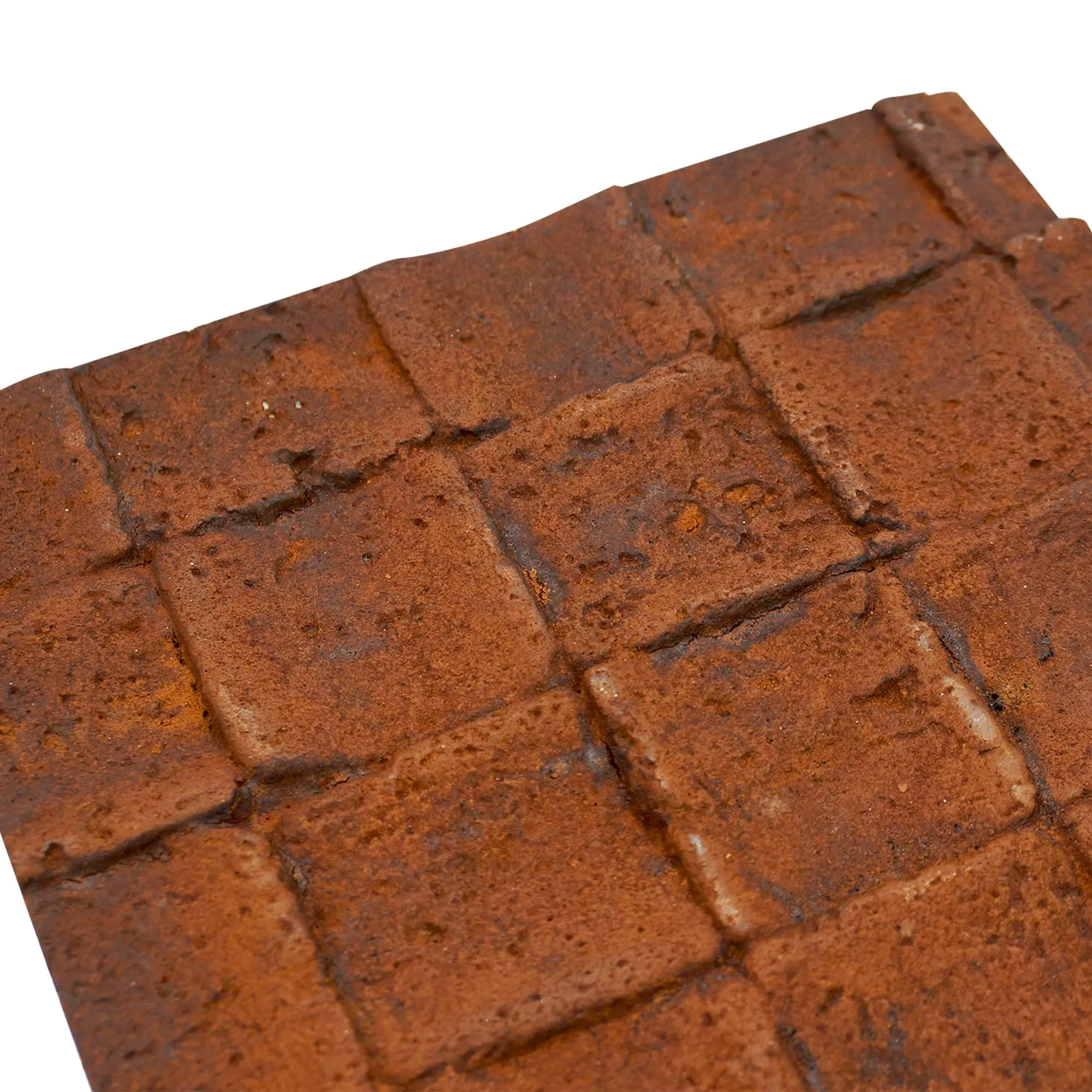
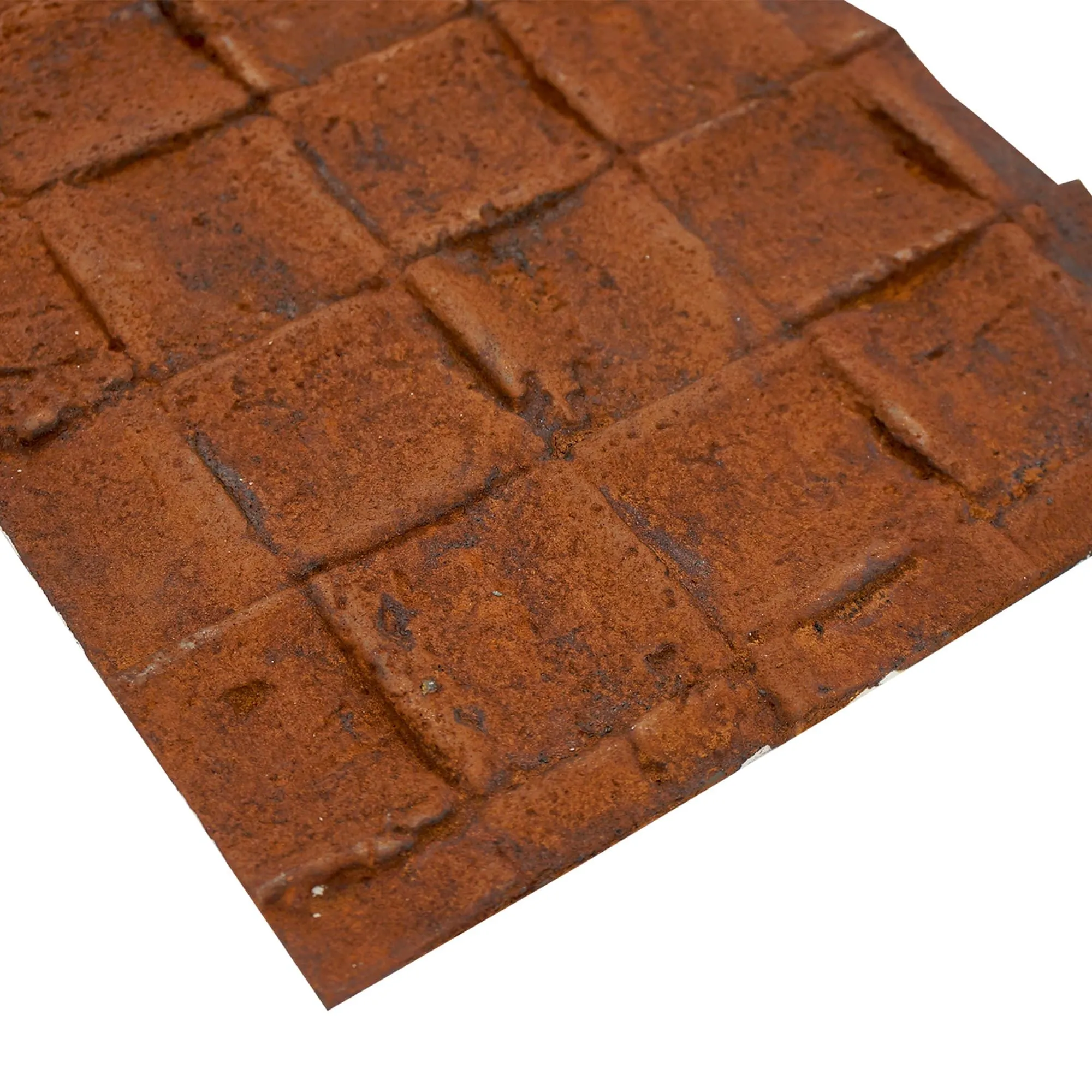
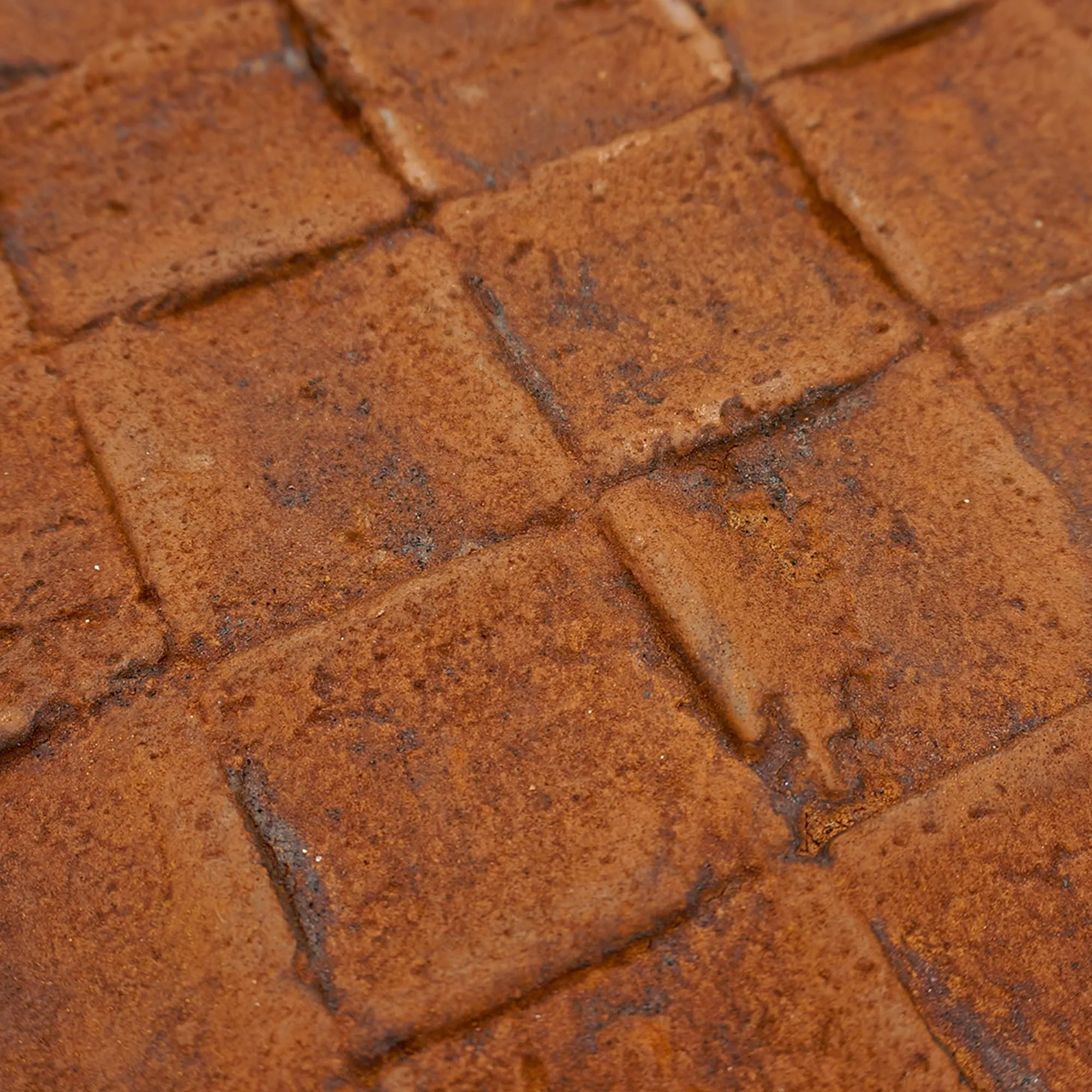
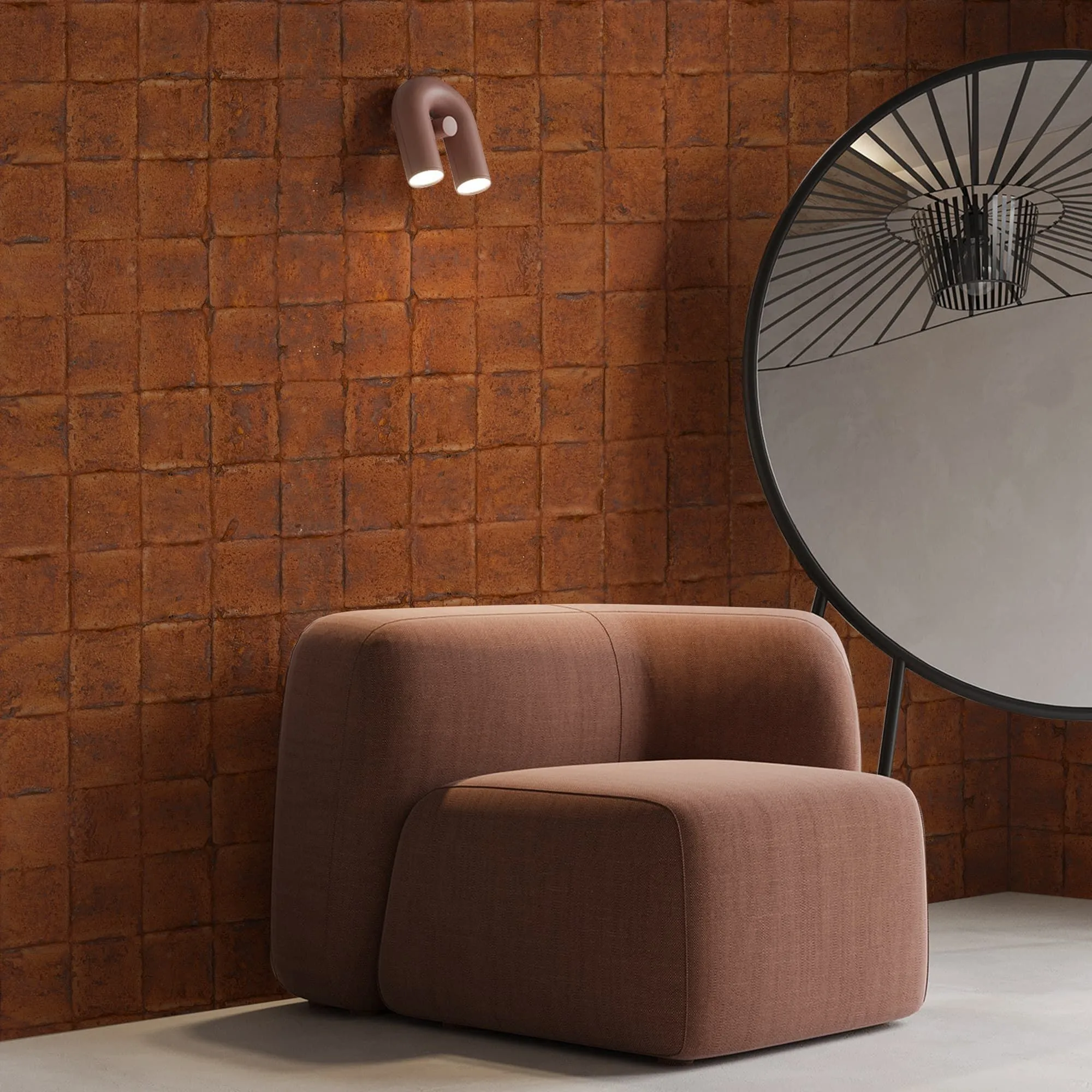
Let's return to the specific aesthetic that inspired this discussion: Rust Mosaic Stone. How does an engineered material capture the soul of something so organic and weathered? COLORIA GROUP's MCM achieves this by layering color and texture in a way that mimics nature's own processes. The base material can be pigmented to create the deep umbers, fiery oranges, and dark charcoals of oxidized metal and stone. The surface texture is then created from molds cast from real, natural rust stone, capturing every pit, fissure, and nuance. The result is a surface that is not only visually indistinguishable from the real thing but often feels just as authentic to the touch.
The true beauty, however, lies in the comparison of their journeys. The table below starkly illustrates the advantages of choosing MCM for that coveted rust stone aesthetic.
| Feature | Traditional Rust Stone | COLORIA GROUP MCM Rust Mosaic |
|---|---|---|
| Raw Material Source | Destructive quarrying of finite resources. | Abundant natural soil, sand, stone powder. |
| Production Energy | High (quarrying, cutting, polishing). | Extremely Low (low-temperature curing). |
| Embodied Carbon | Very High. | Very Low (over 80% reduction). |
| Weight (approx.) | 30-50 kg/m². | 4-6 kg/m². |
| Transportation Impact | High fuel consumption due to weight. | Drastically reduced fuel consumption. |
| Installation | Complex, slow, requires heavy machinery and specialized labor. | Simple, fast, uses standard adhesive; can be cut with a utility knife. |
| Design Flexibility | Rigid, cannot be used on curved surfaces. | Can be flexible to wrap around curves and columns ( MCM Flexible Stone ). |
| On-site Waste | High, from cutting and breakage. | Minimal, as material is easily cut to size with little breakage. |
| Health & Safety | Risk of Radon emissions; heavy lifting poses injury risk. | Zero radiation, no VOCs; lightweight and safe to handle. |
COLORIA GROUP's vision extends far beyond a single aesthetic. As a one-stop solution provider, the company offers a comprehensive portfolio of MCM products, each tailored to specific architectural needs, all built on the same sustainable foundation.
Modern architecture often craves clean lines and expansive, uninterrupted surfaces. The MCM Big Slab Board Series delivers exactly that. These large-format panels minimize grout lines, creating a monolithic, sophisticated look that is perfect for contemporary facades, lobby walls, and high-end interiors. Their scale makes them incredibly efficient for covering large areas quickly, reducing installation time on major commercial and residential projects. Imagine a towering hotel facade clad in what appears to be massive, seamless sheets of travertine or concrete, all while being incredibly lightweight and eco-friendly. That is the power of the MCM Big Slab Board Series.
We've touched on this marvel, but it deserves another look. The MCM Flexible Stone series is perhaps the most vivid demonstration of MCM's revolutionary nature. It frees architects from the tyranny of the straight line. Organic, flowing forms, undulating walls, and perfectly wrapped cylindrical columns are now simple to achieve. This is particularly valuable in retrofitting projects, where it can be applied over existing, imperfect surfaces, breathing new life into old structures without the need for demolition.
For the ultimate in bespoke design, the MCM 3D Printing Series allows architects to create their own unique textures, from corporate logos to artistic patterns, directly on the material's surface. This opens the door to truly personalized architecture. Complementing these specialized lines is the MCM Project Board Series, the reliable workhorse designed for a vast range of applications, offering consistent performance and value for projects of any scale.
From the sweeping elegance of big slabs to the intricate detail of 3D printing, the MCM ecosystem provides a complete toolbox for the modern, sustainably-minded designer. It's not about finding a single replacement for stone; it's about offering a better system for creating surfaces.
The choice is becoming clearer every day. We can continue to build in a way that depletes our natural resources and warms our planet, or we can embrace innovations that allow us to achieve our aesthetic ambitions responsibly. The allure of a Rust Mosaic Stone wall is not lost with MCM; it is enhanced. It becomes a story not just of geological time, but of human ingenuity and respect for our environment.
COLORIA GROUP's MCM technology is more than just a product; it's a paradigm shift. It proves that beauty and sustainability are not mutually exclusive. By dramatically reducing embodied carbon, eliminating waste, and unlocking unprecedented design freedom, MCM addresses the most pressing challenges of modern construction. Whether cladding a skyscraper in Saudi Arabia with the look of local sandstone, renovating a European heritage building with lightweight flexible brick, or designing a healthy, modern home interior, MCM provides the solution. It is the material that allows us to build the beautiful, resilient, and green world of tomorrow, starting today.
Recommend Products











