

Picture the Arabian Peninsula. What comes to mind? Likely, it's a landscape of breathtaking beauty and formidable power. The sun beats down with an intensity that bleaches the very color from the earth, temperatures soar to extremes, and winds carry sand that can scour and erode even the hardest of surfaces. For an architect, developer, or homeowner in a place like Saudi Arabia, this environment presents a profound challenge: how do you create buildings that are not only beautiful and enduring but can also stand defiant against one of the world's most demanding climates?
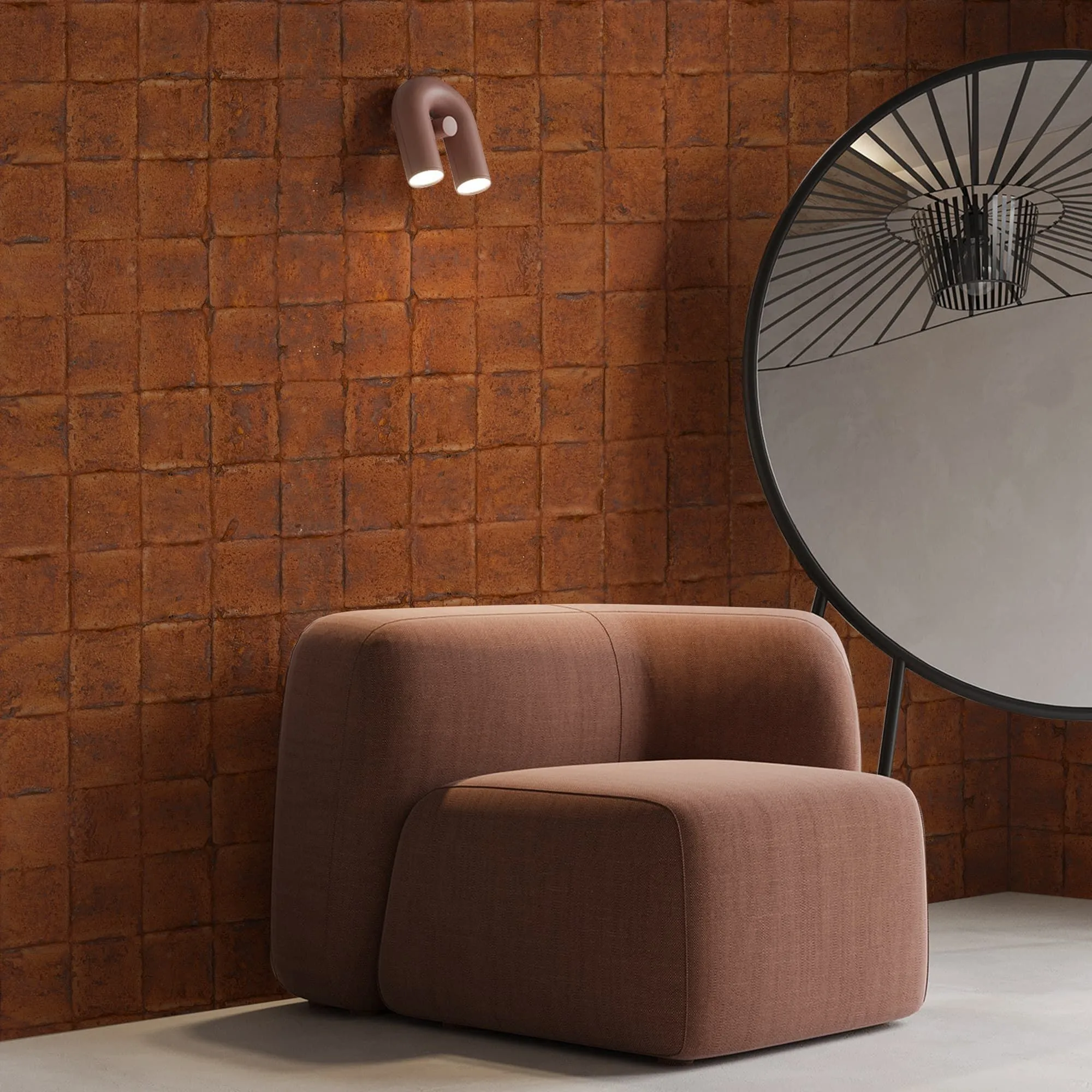
The aesthetic choice for facades in such a region often leans towards materials that echo the natural landscape. There's an undeniable allure to the rich, earthy tones of rust-colored stone. A rust mosaic stone facade can feel both ancient and modern, grounding a structure in its environment while giving it a timeless, sophisticated character. It speaks of iron-rich earth, of canyons carved by time, and of a warm, inviting elegance. But this is where the dream often collides with reality. Using traditional, quarried stone to achieve this look, especially on a large scale, is fraught with difficulties. It's a path laden with compromises on weight, cost, installation complexity, and long-term performance.
So, the question becomes: what if you could have it all? What if you could capture the stunning visual depth of rust mosaic stone without the inherent drawbacks of its natural counterpart? What if there was a material engineered specifically to offer this beauty while providing unparalleled resilience against heat, UV radiation, and abrasive sand? This isn't a hypothetical question. This is the new reality in building materials, a reality pioneered by innovators like COLORIA GROUP. We're not just talking about another building product; we're talking about a paradigm shift in how we approach exterior wall cladding.
For centuries, natural stone has been the benchmark for luxury and durability in construction. From the marble of ancient Greece to the granite of modern skyscrapers, it represents permanence. When designers envision a rust mosaic facade, they are thinking of materials like slate, travertine, or certain types of sandstone that possess those beautiful, variegated hues of orange, brown, and red. The appeal is obvious:
However, when you move from the drawing board to the construction site—especially in a challenging environment like Saudi Arabia's—this romantic vision is quickly tempered by a host of practical problems. These aren't minor inconveniences; they are significant factors that impact a project's budget, timeline, and even its long-term structural integrity.
The most immediate and obvious issue with natural stone is its weight. It is incredibly dense and heavy. This has a cascading effect on the entire project. The building's foundational and structural framework must be over-engineered to support the immense load of a full stone facade. This adds significant material cost and complexity. Transportation is another logistical nightmare; shipping tons of rock from a quarry, which could be halfway around the world, to a job site in Riyadh or Jeddah is expensive and carbon-intensive. Finally, installation requires specialized, heavy-lifting equipment and a highly skilled (and costly) labor force to meticulously fix each heavy slab to the wall.
Many types of natural stone are porous to some degree. In a climate with humidity or occasional rain, this means they can absorb water. In coastal regions of Saudi Arabia, this water can be saline. As the water evaporates under the intense sun, it leaves behind salt crystals on or within the stone, a phenomenon known as efflorescence. This not only looks unsightly (like a white, powdery stain) but can cause the surface of the stone to spall and degrade over time. Furthermore, the extreme daily temperature fluctuations between the scorching day and cooler night cause the stone to expand and contract. Over time, these thermal stresses can lead to cracks and failures in the rigid, unforgiving material.
From quarrying and processing to shipping and installation, the cost of a natural stone facade is substantial. For large-scale commercial or residential projects, this can be a prohibitive expense, forcing designers to compromise and use the material sparingly as an accent rather than as the primary cladding. Maintenance can also add to the lifetime cost. Cleaning a porous surface can be difficult, and repairs, if a slab cracks or becomes stained, are often complex and expensive.
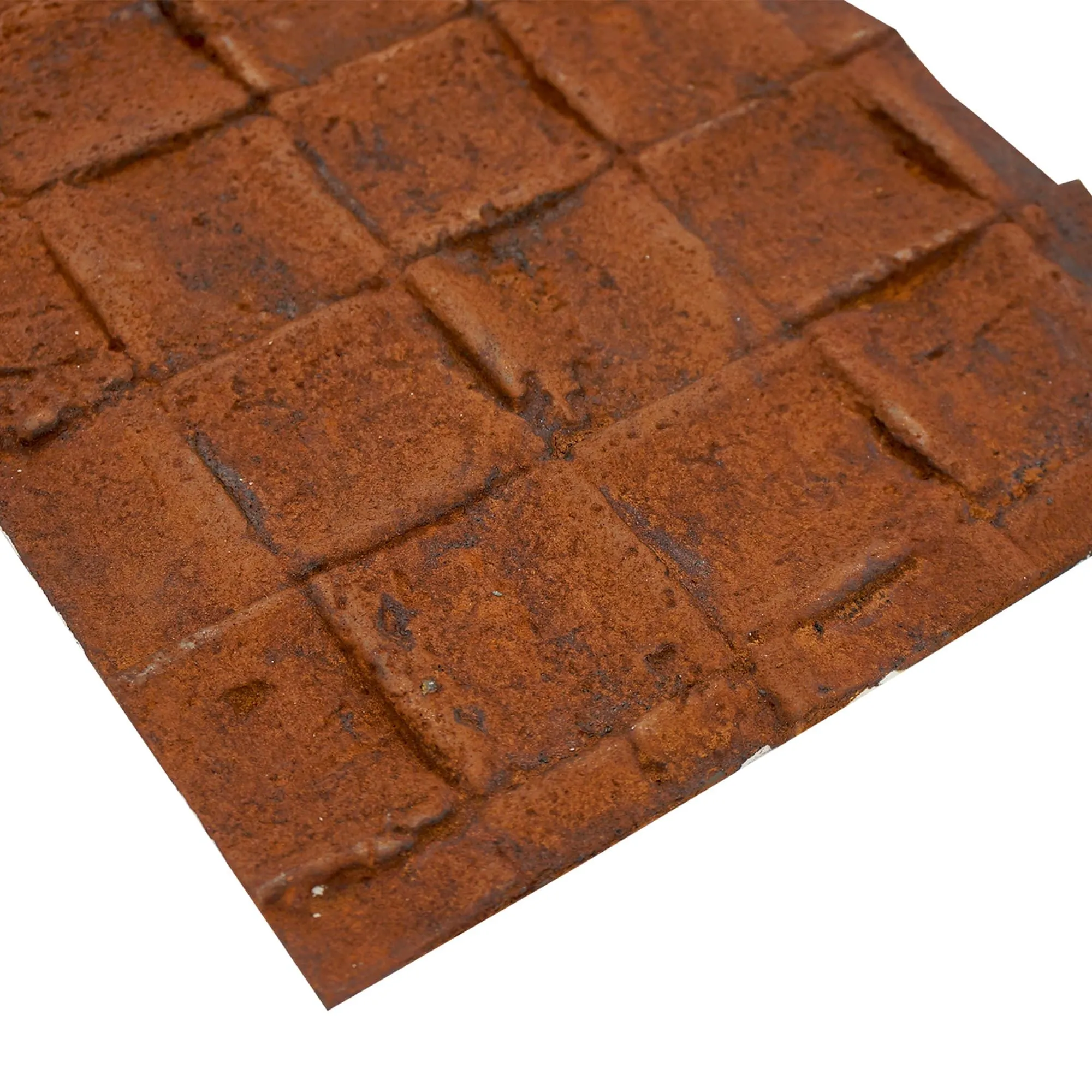
This is where our story at COLORIA GROUP truly begins. With decades of experience in the building materials industry and a deep understanding of the challenges faced by our clients, especially those in demanding markets like Saudi Arabia, we set out to provide a better answer. The answer is not "fake stone." It is a completely new category of material: MCM, or Modified Cementitious Material.
What is MCM? In simple terms, it's a high-tech composite material. We start with a base of natural, inorganic materials—like common soil, mineral powders, and sand—and combine them with a special water-based polymer binder. Through a proprietary process of mixing, forming, and low-temperature curing, we create a material that is, in a word, revolutionary. Our **MCM Flexible Stone** series is the pinnacle of this technology, engineered to replicate the look and feel of natural stone with uncanny accuracy, while being incredibly lightweight, thin, and—as its name suggests—flexible.
This isn't a plastic imitation or a printed veneer. The color in MCM products is integral, running all the way through the material, just like in natural stone. The textures are created from molds taken from real quarried stone, capturing every pit, fissure, and nuance of the original. The result is a material that fools not just the eye, but often the hand as well. It provides the warmth and texture of stone because, at its core, it is made from the very same mineral elements.
| Feature | Traditional Natural Stone | COLORIA GROUP MCM Flexible Stone |
|---|---|---|
| Weight | Very heavy (approx. 50-80 kg/m²) | Extremely light (approx. 5-8 kg/m²) |
| Thickness | Thick (typically 20-30 mm or more) | Very thin (typically 2.5-4 mm) |
| Flexibility | None; completely rigid and brittle | Highly flexible; can wrap around curved surfaces |
| Installation | Complex, slow; requires heavy machinery and mechanical fixing | Simple, fast; can be applied with adhesive, easy to cut on-site |
| Climate Resistance | Vulnerable to thermal stress, cracking, and efflorescence | Excellent resistance to UV, heat, freeze-thaw, and salt |
| Water Absorption | Varies, but often porous | Extremely low water absorption (<8%) |
| Environmental Impact | High-energy quarrying and transport | Low-energy production process, uses recycled materials, reduces transport emissions |
| Cost-Effectiveness | High initial material cost and even higher installation cost | Lower overall project cost due to savings on transport, structure, and labor |
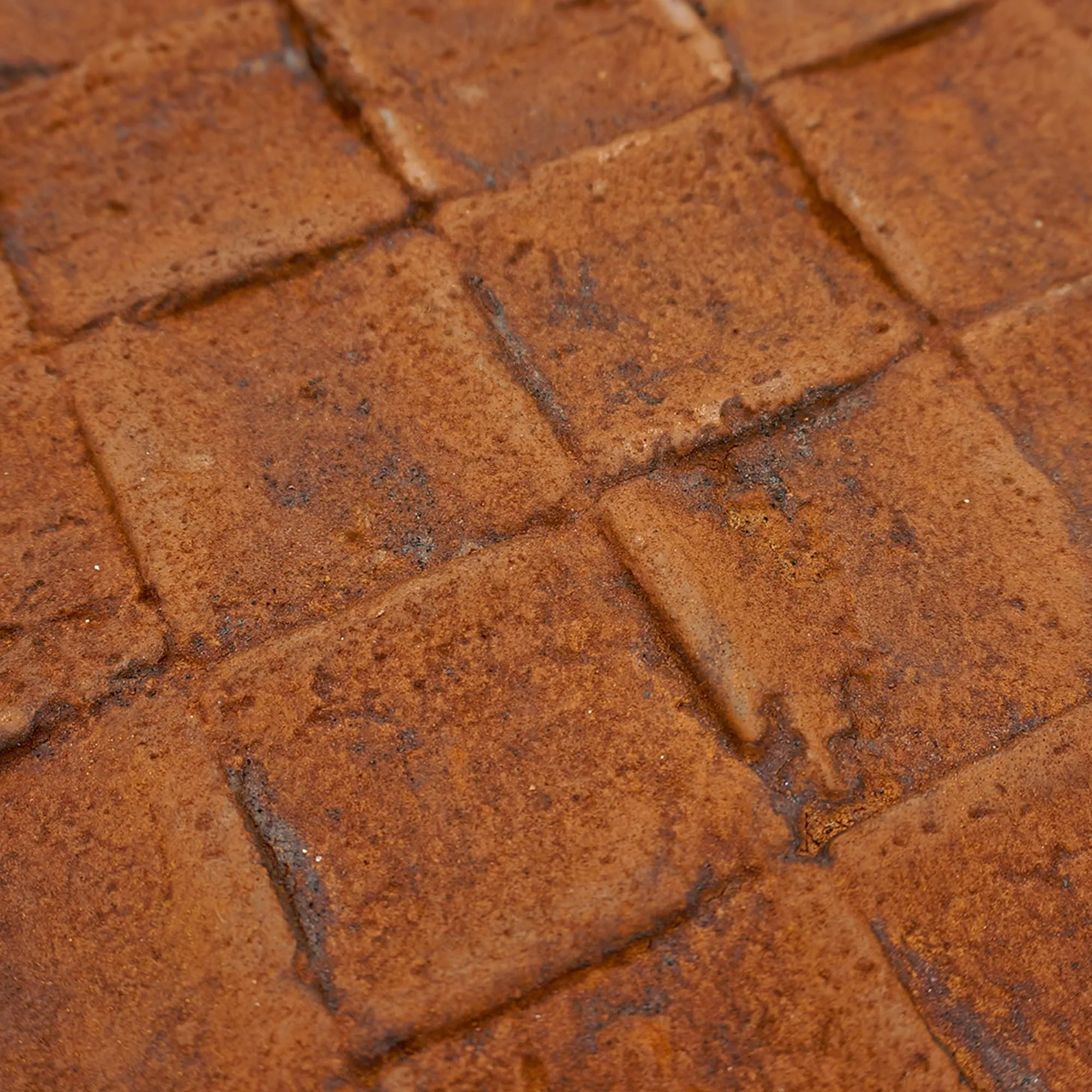
Having established the fundamental advantages of the material, let's focus specifically on why COLORIA GROUP's MCM Rust Mosaic Stone is the perfect choice for an exterior facade in the Kingdom of Saudi Arabia. It's as if the material was designed with this exact climate in mind.
The Saudi sun is relentless. Its intense ultraviolet (UV) radiation is a primary cause of material degradation. Paints fade, plastics turn brittle, and even some natural stones can lose their color over time. Our MCM products are fundamentally different. The pigments used are inorganic mineral pigments, the same kind that give rocks and earth their color naturally. They are inherently UV stable. Combined with our advanced polymer binders, the material is formulated to resist fading and structural degradation even after years of exposure to direct, intense sunlight. Furthermore, its lightweight and thin nature means it has low thermal mass. It doesn't absorb and store heat to the same extent as a thick, heavy stone wall, which can help in passively managing the building's thermal load.
A desert climate is defined by extremes, including a significant diurnal temperature range—scorching hot days followed by surprisingly cool nights. A building's facade is constantly expanding in the heat and contracting in the cool. A rigid material like traditional stone or tile resists this movement, building up internal stresses that eventually lead to cracks in the material or its grout lines. This is a critical point of failure. The inherent flexibility of **MCM Flexible Stone** is its superpower here. It moves with the building. It expands and contracts along with the substrate it's adhered to, dissipating the thermal stresses without cracking or delaminating. This ensures the facade remains pristine and weatherproof for years, dramatically reducing maintenance needs.
Sandstorms are a fact of life in many parts of Saudi Arabia. The fine, wind-driven particles act like a natural sandblaster, eroding and abrading surfaces. The dense, non-porous surface of our MCM products offers exceptional abrasion resistance. It doesn't have the soft, porous structure of some sandstones that can be easily worn away. Dust and sand don't easily embed themselves into the surface, making it much easier to clean and maintain its original appearance. For coastal projects in cities like Jeddah or Dammam, the battle is against airborne salt. As discussed, salt causes efflorescence and chemical degradation in porous materials. The extremely low water absorption rate of MCM products means that saltwater has little opportunity to penetrate the material, preventing salt-related damage and ensuring long-term aesthetic and structural integrity. For larger scale commercial buildings facing these conditions, our **MCM project board series** offers a robust and efficient solution for cladding vast surface areas.
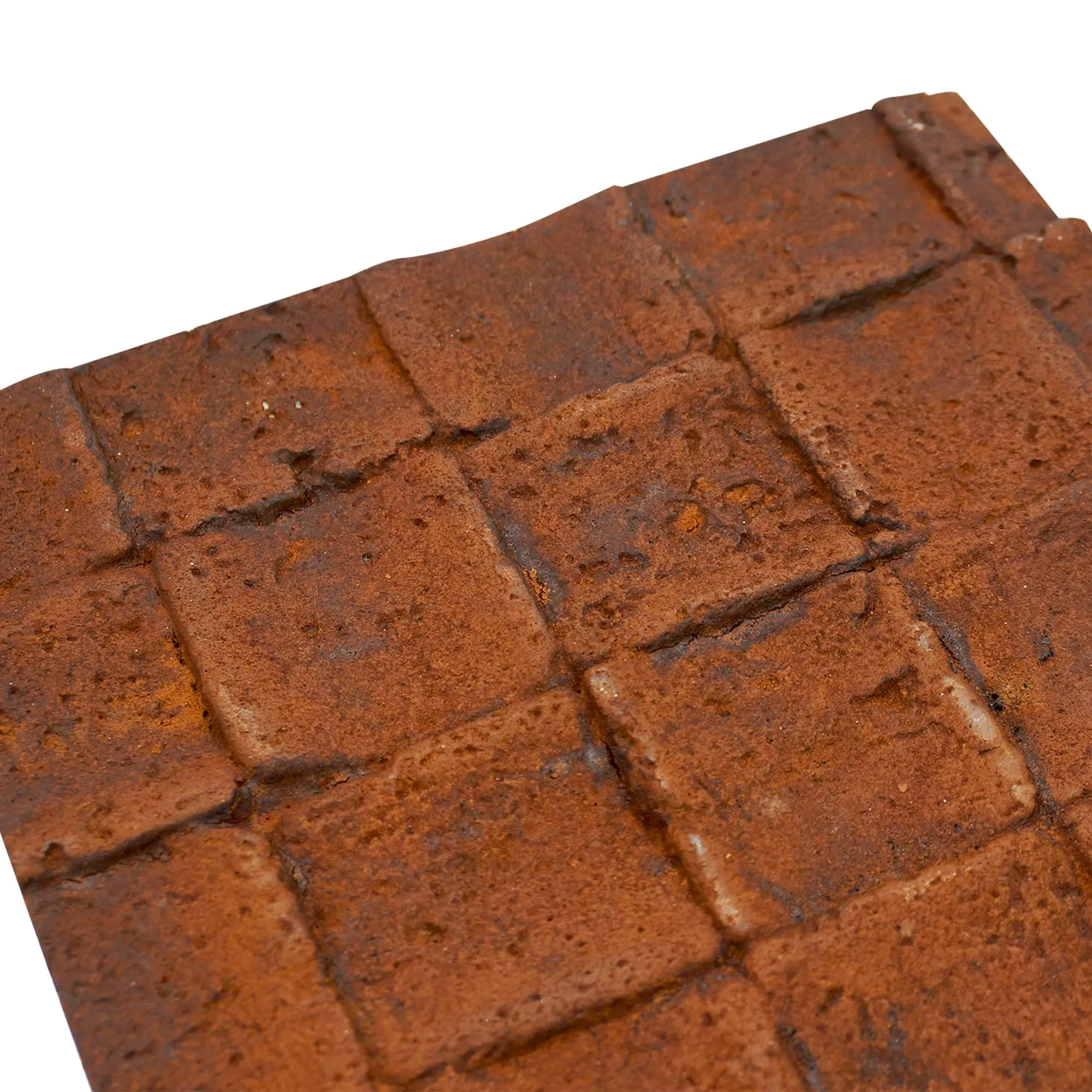
While performance and durability are paramount, a building material is only as good as the design possibilities it opens up. This is another area where MCM technology from COLORIA GROUP truly shines, moving beyond simple replication into the realm of true creative empowerment.
The "Rust Mosaic" aesthetic is just the beginning. Because our manufacturing process is based on molds and custom formulations, the possibilities for customization are nearly limitless. We can adjust the color, the texture, the size, and even the shape of the final product. Imagine a facade that flows seamlessly from a flat wall, wraps around a sharp corner, and then continues up and over a curved canopy—all with the same continuous, unbroken stone texture. This is impossible with natural stone, but it's straightforward with MCM Flexible Stone. This allows architects to realize complex, organic, and fluid designs that were previously confined to computer renderings.
This versatility extends to our other product lines, like the **MCM 3D Printing Series**, which showcases the future of bespoke architectural elements. For any large project, this ability to customize while maintaining a consistent material language is a massive advantage. You can have a large-format rust stone look on the main walls, a complementary texture on a feature wall, and even create custom-shaped decorative elements, all from the same high-performance MCM material family. The lightweight nature also means it can be used in retrofitting projects on older buildings without needing to reinforce the structure, or on high-rise towers where every kilogram matters.
In the world of construction, the product is only part of the equation. True success comes from partnership, expertise, and reliable support. At COLORIA GROUP, we don't just sell building materials; we deliver comprehensive solutions. We position ourselves as a true **one-stop solutions provider**. This means we are with our clients every step of the way.
Our global presence is anchored by local expertise. Recognizing the unique demands and immense opportunities in the Saudi Arabian market, we have established a dedicated agency within the Kingdom. This isn't just a sales office; it's a team of professionals who understand the local building codes, the climate challenges, and the logistical landscape. They serve as a crucial bridge, ensuring that our global innovation is delivered with local intelligence and support.
As a trusted **building materials supplier**, our commitment goes beyond the sale. We work with architects during the design phase to provide samples and technical data. We consult with developers to ensure our solutions meet their budget and performance targets. We support contractors on-site with installation training and guidance to ensure the final result is flawless. We understand that our success is intrinsically linked to the success of the projects that use our materials.
The challenge of building in a climate as harsh as Saudi Arabia's demands more than just traditional methods and materials. It demands innovation. It demands materials that are smarter, stronger, and more adaptable. The timeless appeal of a rust mosaic stone wall no longer needs to be compromised by the weight, cost, and fragility of natural stone.
COLORIA GROUP's MCM Flexible Stone provides the perfect synthesis of nature's beauty and human ingenuity. It offers the stunning aesthetic of rust stone, the unparalleled performance to withstand the desert climate, and the design freedom to bring the most ambitious architectural visions to life. For any project in Saudi Arabia looking for a durable, beautiful, and intelligent solution for **exterior wall cladding**, the choice is clear. The future is not about choosing between beauty and performance; it's about choosing a material that delivers both without compromise.
Recommend Products











