

The kitchen is more than just a place to cook; it's the vibrant, beating heart of the modern home. It's where families gather, stories are shared, and memories are made. In this central hub, every design choice matters. And perhaps no feature has a greater impact on the kitchen's overall aesthetic than the backsplash. It's the canvas against which your daily life unfolds. Today, we're diving deep into a trend that captures the imagination: the rust mosaic stone look. It's a style that blends raw, industrial charm with timeless, earthy warmth, and we'll explore how modern innovations are making this stunning look more practical and accessible than ever before.
What is it about the look of rust that captivates us? For decades, rust was something to be avoided, a sign of decay and neglect. Today, it's been reclaimed by designers and homeowners as a symbol of character, history, and authenticity. This aesthetic, often associated with industrial, rustic, and even Wabi-Sabi design philosophies, celebrates the beauty of imperfection and the passage of time.
A rust-toned mosaic backsplash brings an incredible depth of color and texture into the kitchen. The palette, a rich blend of fiery oranges, deep umbers, earthy browns, and subtle ochres, is inherently warm and inviting. It creates a feeling of coziness and stability, grounding the space. Unlike a flat, single-color surface, a rust mosaic tells a story. Each tile has its own unique pattern and shade, creating a dynamic surface that changes with the light throughout the day. This textural richness can make a kitchen feel more layered, sophisticated, and deeply personal. It's a bold choice that communicates confidence and a connection to natural, elemental forces.
One of the greatest strengths of the rust aesthetic is its surprising versatility. It doesn't just belong in a single type of kitchen. Instead, it acts as a powerful design element that can either complement or contrast with its surroundings:
However, achieving this look with traditional materials comes with a significant set of challenges. Using actual rusted metal panels can be problematic due to ongoing corrosion, sharp edges, and difficulties in sealing and cleaning. Natural slate or quartzite that has a rust-like appearance is often incredibly heavy, expensive, brittle, and porous, requiring constant maintenance. This is where the need for a modern, engineered solution becomes clear.
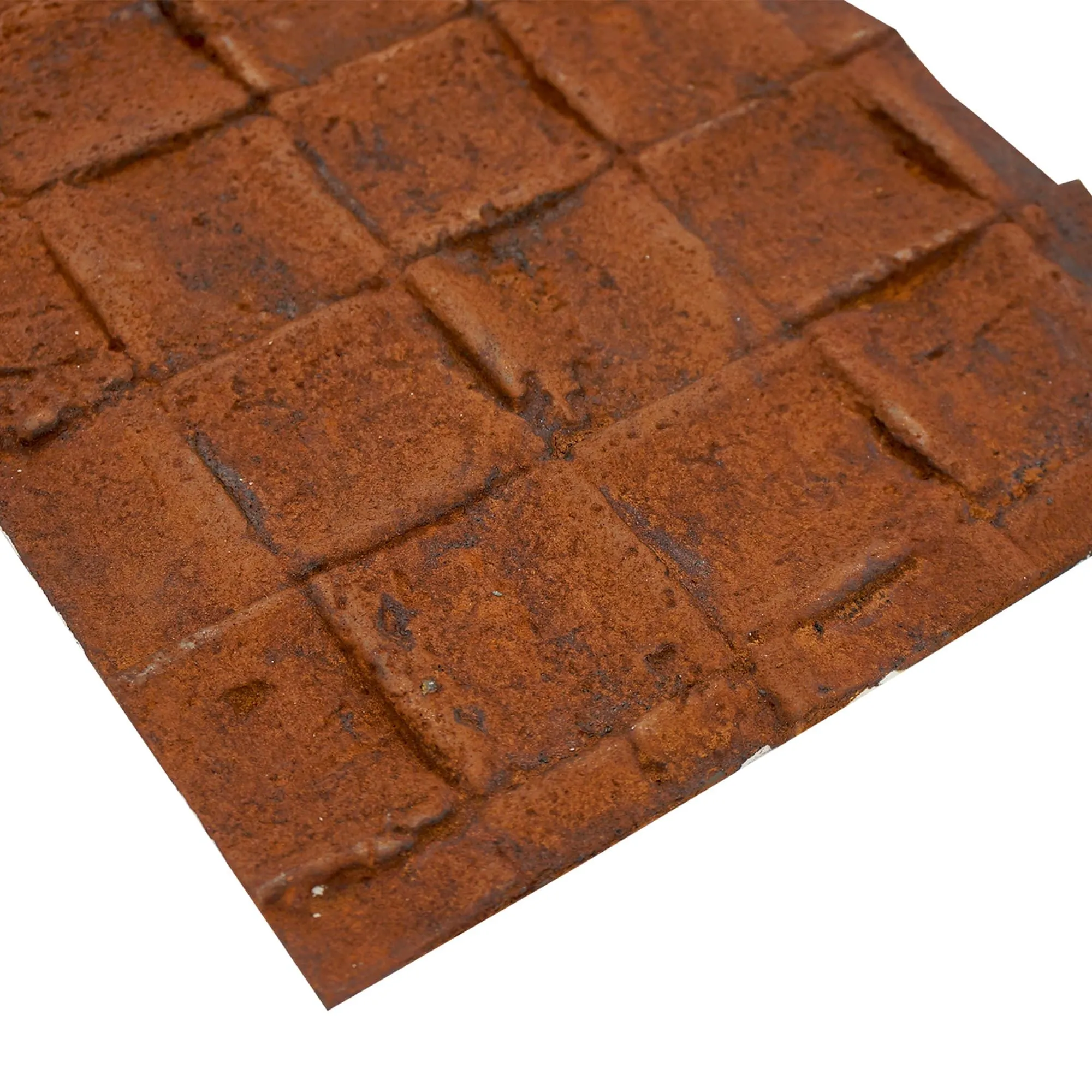
Before we delve into the next generation of materials, it's helpful to understand the pros and cons of the conventional options that have dominated kitchen design for years. Every homeowner has faced this decision, weighing aesthetics against practicality.
| Material | The Good | The Not-So-Good |
|---|---|---|
| Ceramic & Porcelain Tile | Vast selection of colors and patterns, relatively affordable, durable surface. | Grout lines are prone to staining and mildew, can be difficult to clean, and the look can sometimes feel dated. Installation is labor-intensive. |
| Natural Stone (Granite, Marble, Slate) | Luxurious, high-end appeal. Each piece is unique. Adds significant resale value. | Very heavy and expensive. Porous and susceptible to stains and etching if not sealed regularly. Can be brittle and difficult to cut. |
| Glass Tile / Sheet Glass | Modern, reflective, and luminous. Non-porous and very easy to wipe clean. | Can show every fingerprint and smudge. Installation must be perfect to avoid seeing imperfections. Can be expensive. |
| Stainless Steel | Extremely durable, heat-resistant, and provides a professional, commercial-kitchen look. | Prone to scratches and dents. Can feel cold and clinical. Shows water spots and fingerprints easily. |
As this table illustrates, every traditional material involves a compromise. You might get the beauty of natural stone but have to deal with the high cost and maintenance. You might choose the ease of glass but sacrifice warmth. This long-standing dilemma has pushed innovators in the building materials industry to develop something better—a material that could offer the beauty of natural elements without their inherent drawbacks.
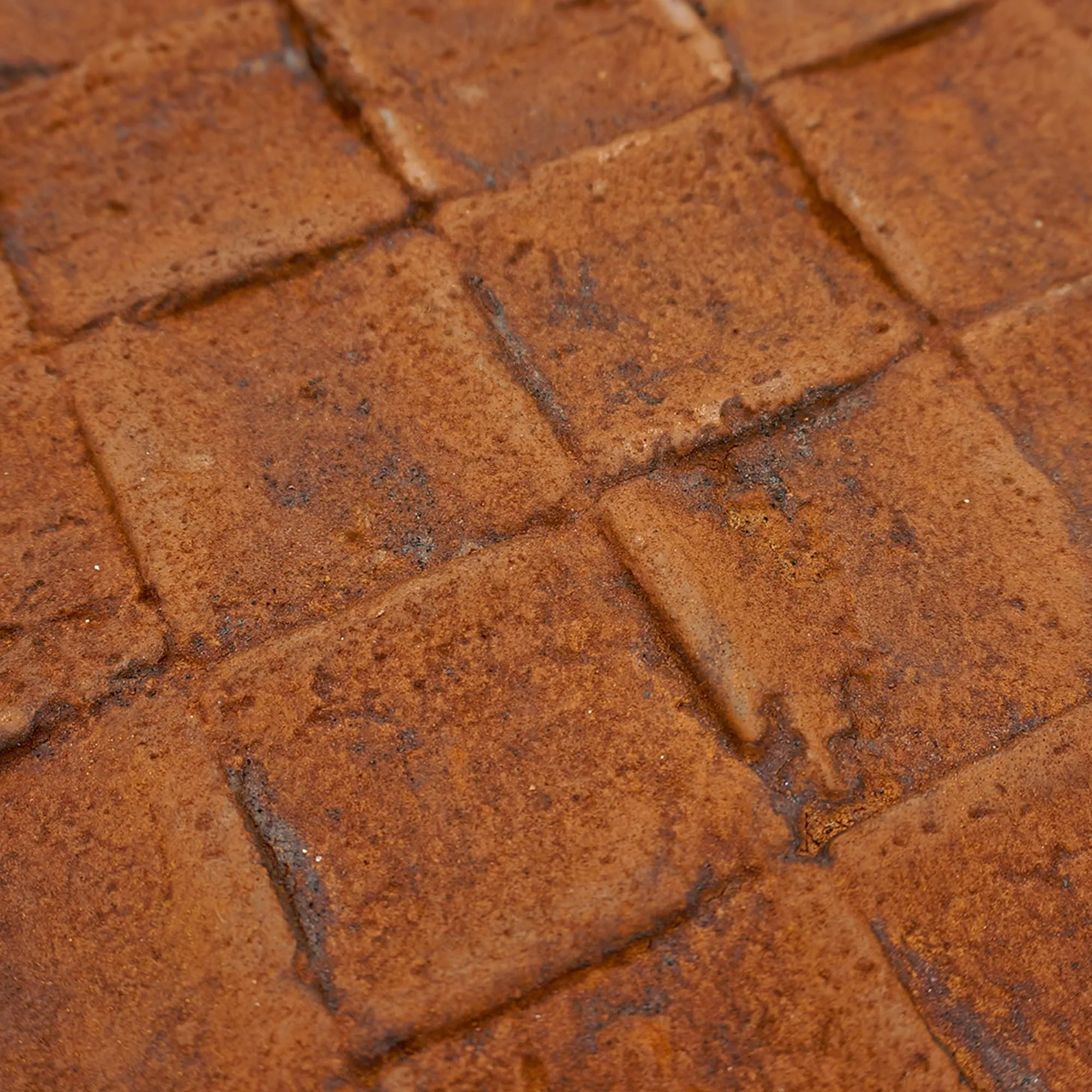
This is where COLORIA GROUP enters the conversation. With decades of experience as a global one-stop solution provider for building materials, we've focused on pioneering products that solve real-world design and construction challenges. Our answer to the backsplash conundrum is a revolutionary material: MCM, or Modified Cementitious Material.
Think of it this way: what if you could take natural mineral powders, quartz sand, and other raw, earthy elements and, through a low-energy, eco-friendly process, transform them into a sheet of material that is as beautiful as stone but as light and flexible as leather? That is the magic of MCM.
This isn't just another tile. It's a completely different approach to surfacing, with a host of benefits that directly address the shortcomings of traditional materials.
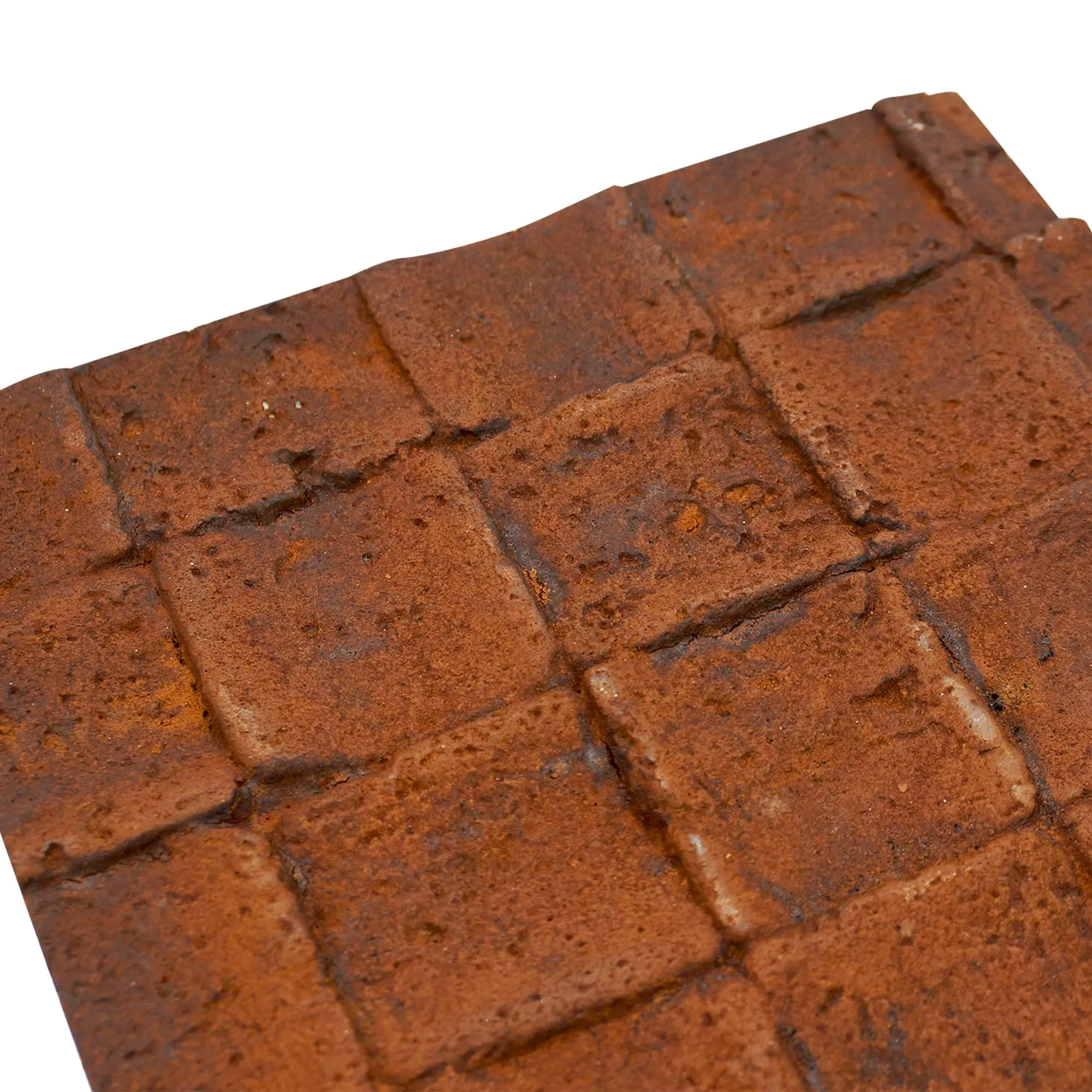
Let's move beyond the technical specs and imagine what it's actually like to live with a rust mosaic backsplash made from MCM Flexible Stone. Beauty is one thing, but a kitchen is a workhorse, and its surfaces need to perform.
You're rushing in the morning and splash some dark coffee on the backsplash. With porous natural stone or stained grout, this could be a moment of panic. With MCM, it's a non-event. The material is non-porous, so the coffee sits on the surface. A simple wipe with a damp cloth, and it's gone. No staining, no frantic scrubbing.
You're searing a steak, and hot oil splatters behind the stove. Your MCM backsplash, with its Class-A fire rating, is completely unfazed by the heat. The splattered grease can't penetrate the surface. After dinner, a gentle cleaner and a sponge are all you need to make it look brand new. Compare this to the nightmare of cleaning grease out of countless grout lines in a traditional mosaic.
Kitchens are zones of high humidity, from boiling pots of pasta to the steam from a dishwasher. This moisture can be the enemy of many materials, encouraging mold and mildew growth, especially in grout. Because MCM is water-resistant and can be installed with minimal, waterproof seams, it creates a much more hygienic surface that is far less susceptible to these issues. It contributes to better air quality and a cleaner kitchen environment overall.
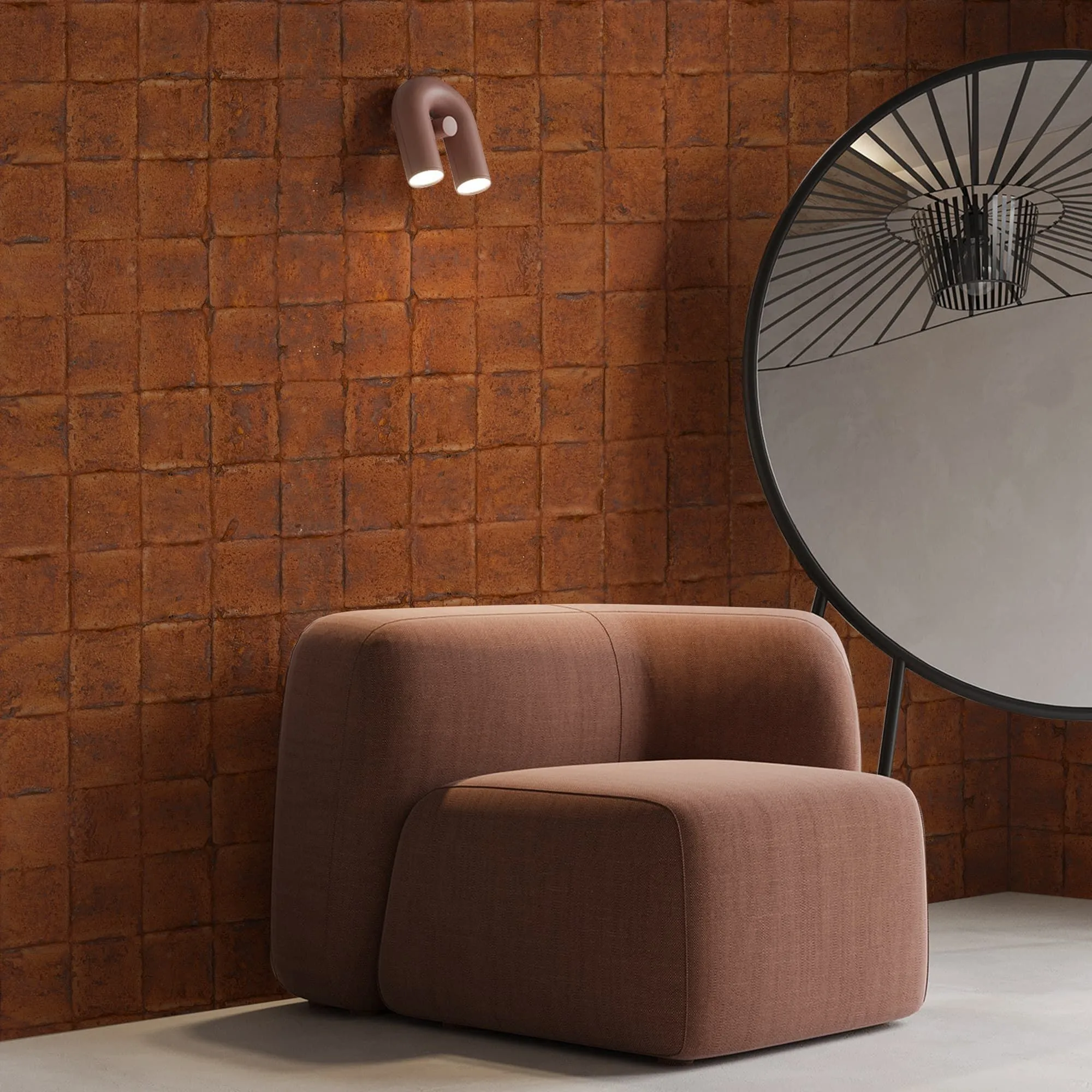
At COLORIA GROUP, we understand that our clients are not just buying a product; they are realizing a vision. That's why our MCM portfolio extends beyond a single offering. We operate as a comprehensive one-stop solution provider , empowering architects, designers, and homeowners to achieve precisely the look they desire. The "rust" aesthetic can be interpreted in many ways, and our product series reflects this diversity.
While MCM Flexible Stone is perfect for creating that classic mosaic appeal, our other MCM series open up new dimensions of design.
What if you want a rust pattern that is not just realistic, but hyper-realistic, with custom textures and details that are impossible to find in nature? Our MCM 3D Printing Series leverages cutting-edge digital technology to print any texture or pattern imaginable onto the MCM substrate. This allows for an unparalleled level of customization. We can create rust effects with specific levels of corrosion, unique drip patterns, or even embed subtle logos or designs within the rust texture. It's the ultimate tool for bespoke interior design, turning a backsplash into a true work of art.
Perhaps the small-tile mosaic look isn't for you. Maybe your vision calls for a bold, monolithic wall of rust-colored stone that stretches from the countertop to the ceiling without a single grout line. For this application, our MCM Big Slab Board Series is the perfect solution. These are large, rigid panels of MCM that provide the same beautiful aesthetic and functional benefits but on a grander scale. They are ideal for creating minimalist, high-impact feature walls that exude modern luxury. An entire kitchen island could be clad in these large boards for a dramatic, cohesive effect that is simply breathtaking.
| COLORIA GROUP MCM Series | Primary Aesthetic | Best For... | Key Advantage |
|---|---|---|---|
| MCM Flexible Stone | Textured, multi-toned mosaic or stone patterns. | Achieving the classic rust mosaic look, curved surfaces, and DIY-friendly projects. | Flexibility, lightweight, ease of installation. |
| MCM 3D Printing Series | Hyper-realistic, fully customized textures and patterns. | Bespoke, one-of-a-kind designs where every detail matters. Creating true "art walls." | Unlimited design freedom and customization. |
| MCM Big Slab Board Series | Monolithic, seamless, large-format stone look. | Creating large, dramatic feature walls, minimalist designs, and high-end commercial spaces. | Seamless appearance, grand scale, and speed of installation on large areas. |
The trend of using rust mosaic stone in kitchen backsplashes speaks to our collective desire for spaces that are authentic, warm, and full of character. It's a look that feels both ancient and modern, raw and refined. For too long, achieving this aesthetic meant accepting significant compromises in cost, durability, and maintenance.
That era of compromise is over.
With innovations like the MCM product family from COLORIA GROUP, homeowners and designers can finally have it all. You can embrace the breathtaking beauty of a rust-toned backsplash without worrying about staining, heat damage, or laborious cleaning. Whether you choose the intricate patterns of MCM Flexible Stone , the bespoke artistry of the MCM 3D Printing Series , or the grand, seamless look of the MCM Big Slab Board Series , you are choosing a material that is smarter, safer, and more sustainable.
By combining timeless aesthetics with cutting-edge material science, we are not just providing building materials; we are offering the tools to build smarter, more beautiful, and more functional homes. The perfect kitchen backsplash is no longer just a dream—it's a reality, waiting to become the heart of your home.
Recommend Products











