

There's something deeply human about our attraction to natural materials. The raw texture of stone, the warmth of wood, the cool touch of metal—they connect us to the earth. Among these, rust mosaic stone holds a special place, evoking images of ancient landscapes and sun-drenched canyons. It's a look that has long been synonymous with luxury and permanence, particularly in markets like Saudi Arabia where grandeur in architecture is celebrated. But what if I told you a revolution is underway? This cherished aesthetic is breaking free from its traditional constraints and going global, thanks to incredible advancements in material science. This isn't just about a trend; it's about a fundamental shift in how we build.
Before we dive into the future, it's important to understand the 'why' behind the original love affair. Why rust mosaic stone? The answer lies in its unique visual and emotional impact. The palette of rich ochres, deep browns, and fiery oranges, interspersed with cooler greys and creams, tells a story of time and geology. Each piece is unique, a geological fingerprint. When assembled into a mosaic, it creates a surface that is both dynamic and cohesive, rustic yet sophisticated.
In regions like the Middle East, and specifically within the ambitious architectural landscape of Saudi Arabia, natural stone has been the material of choice for centuries. It signifies strength, wealth, and a connection to the land. It's used to clad magnificent villas, create imposing commercial facades, and design breathtaking interior feature walls. The look is undeniably powerful.
However, for all its beauty, natural stone comes with a hefty price tag, and I'm not just talking about the monetary cost. Architects, builders, and developers globally are becoming increasingly aware of the significant drawbacks that have traditionally limited its use.
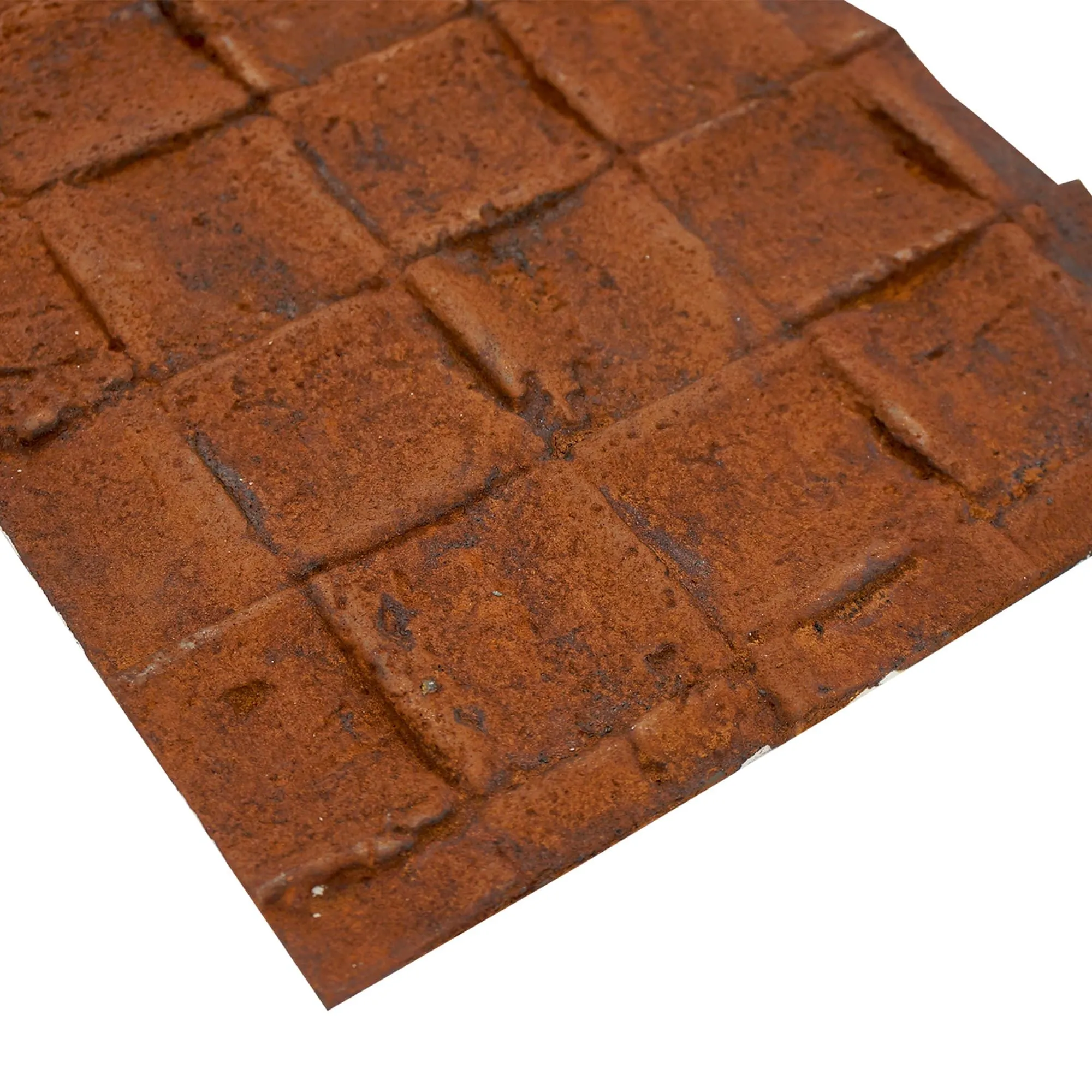
For decades, the industry accepted these trade-offs. If you wanted the look of real stone, you accepted the challenges. But what if you could have the aesthetic without the baggage? This is where our philosophy at COLORIA GROUP comes into play. We believe in providing innovative, one-stop solutions that empower architects and builders, not limit them. Our focus has been on pioneering a new generation of materials that answer the demands of modern construction.
The core of this revolution is a material known as MCM, or Modified Cementitious Material. It sounds technical, but the concept is beautifully simple. We take natural ingredients—like common soil, sand, and stone powder—and, through a highly advanced process of modification and low-temperature firing, transform them into a new class of building material. The result is a product that is lightweight, flexible, and incredibly versatile, all while retaining the authentic look and feel of the natural materials it emulates.
Let's go back to our beautiful rust mosaic stone. Imagine being able to capture that exact aesthetic in a material that is only a few millimeters thick and weighs a fraction of the original. That is precisely what our MCM Flexible Stone achieves. It's a game-changer for designers and builders who love the rust stone look but are frustrated by its physical limitations.
How is it different? It's better to ask, how is it not? The MCM Flexible Stone is so light that one person can easily carry several square meters. It's so flexible you can literally bend it around curved walls, pillars, and arches—a feat impossible for natural stone. Installation is a breeze; it can be cut to size with a simple utility knife and applied with a specialized adhesive, drastically reducing labor time, dust, and waste. You get the stunning, high-end visual of rust mosaic stone, but with a smarter, more efficient, and more sustainable application. This is a key reason why its popularity is surging from Dubai to Dallas, well beyond its traditional strongholds.
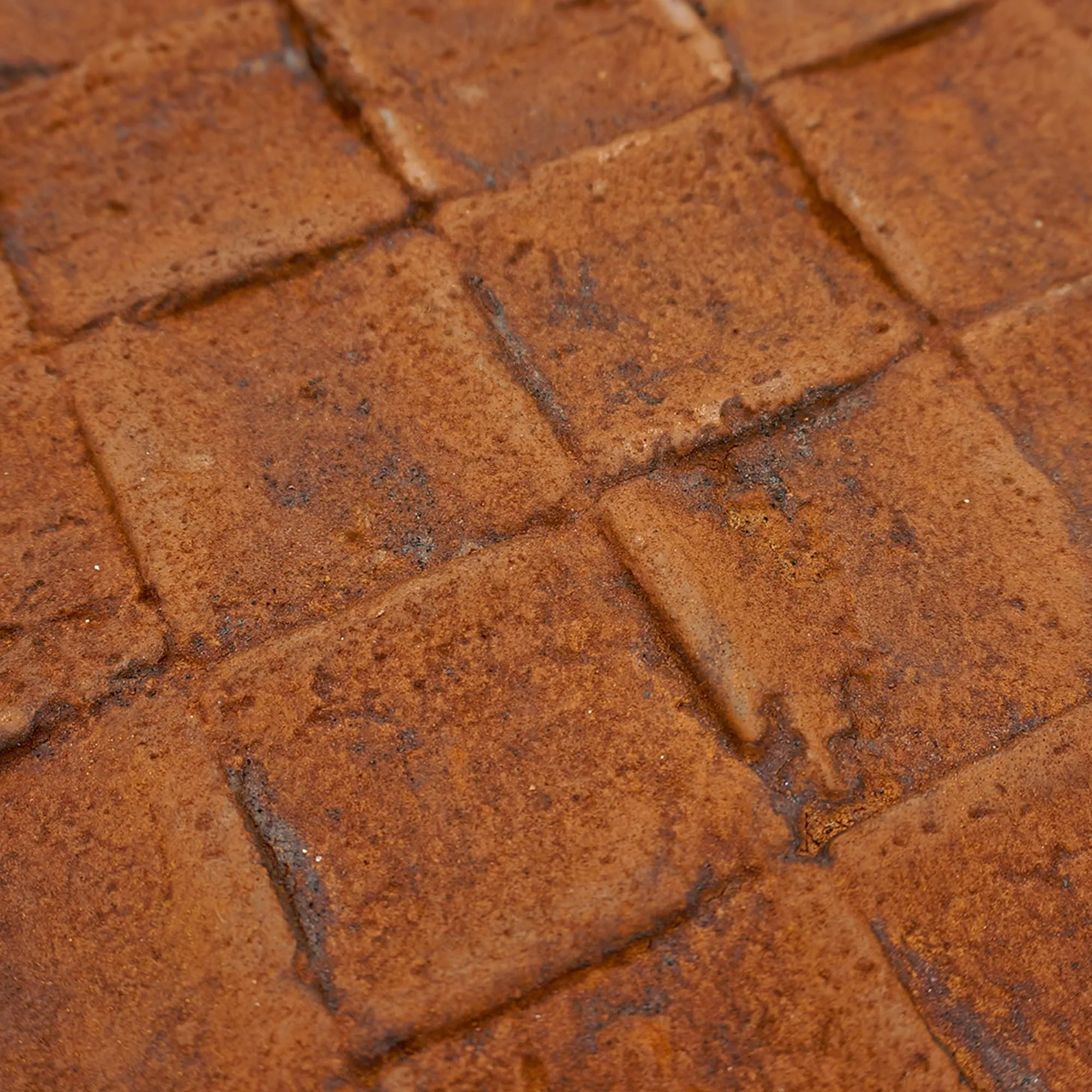
At COLORIA GROUP, we understand that a one-size-fits-all approach doesn't work in the diverse world of architecture. The beauty of the MCM technology is its incredible adaptability. This allows us to offer a comprehensive family of products that cater to different project needs, from massive commercial facades to intricate interior details. The "rust mosaic stone" aesthetic is just one of thousands of possibilities.
While mosaics are beautiful, modern design often calls for clean lines and expansive, seamless surfaces. This is where the limitations of natural stone become apparent again. Sourcing, transporting, and installing massive, single slabs of stone is an engineering and financial challenge of monumental proportions.
Our answer is the MCM Big Slab Board Series . This series allows us to create the look of huge, monolithic stone panels in a format that is still lightweight and relatively easy to handle. Imagine cladding a high-rise lobby or a luxury retail storefront with a surface that looks like a single, giant piece of travertine or slate, but without the terrifying weight, cost, and installation complexity. It offers the grandeur and minimalism that architects crave, pushing the boundaries of scale in design.
What about large-scale residential developments, office complexes, or public buildings? Here, the priorities are often speed, consistency, and budget control, alongside aesthetics. The MCM Project Board Series is engineered specifically for this environment. It provides a highly durable and consistent finish that can be rapidly deployed across vast surface areas.
Because every panel is manufactured to exacting standards, you eliminate the risk of color or texture variation that plagues natural stone sourcing. This consistency is crucial for large projects where a uniform appearance is desired. Furthermore, the speed of installation translates directly into significant cost savings on labor and shorter project timelines, a critical factor for any developer. It makes achieving a premium stone-like finish on a mass scale not just possible, but practical.
This is where we truly leave the limitations of nature behind and step into the future of design. What if you weren't limited to the textures and patterns found in a quarry? What if you could create any texture imaginable? The MCM 3D Printing Series makes this a reality.
Using our advanced MCM technology as a base, we can 3D-print intricate patterns, bespoke textures, company logos, and artistic reliefs directly onto the material. This opens up a world of creative possibilities that were previously unthinkable. An architect can design a custom wave pattern for a seaside resort's facade, or an interior designer can create a unique, tactile feature wall that is a true work of art. This level of customization transforms a building material from a simple cladding product into a medium for artistic expression.
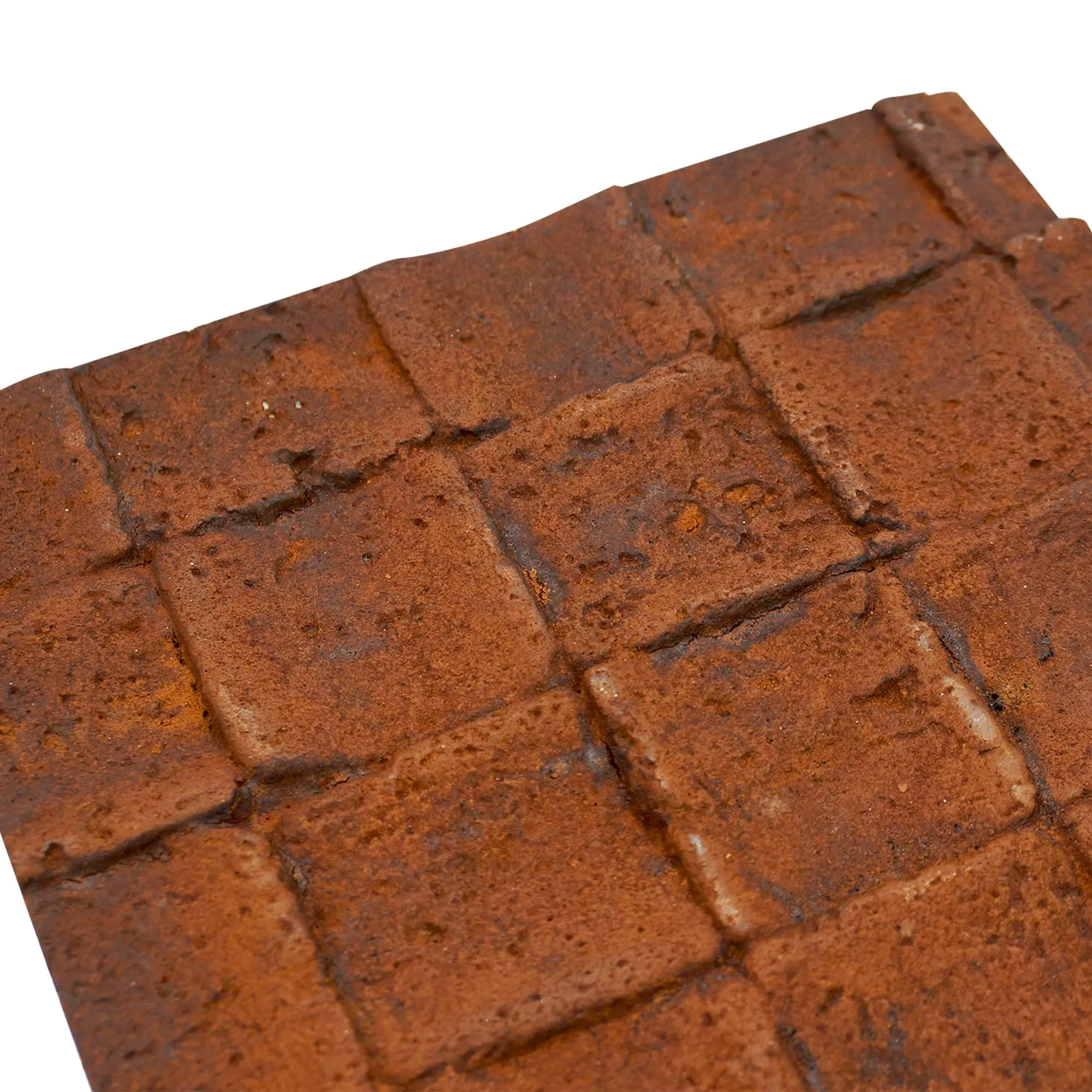
Words can only go so far. Sometimes, a direct comparison is the clearest way to see the difference. Let's break down how traditional natural rust stone stacks up against its modern counterpart, our MCM Flexible Stone.
| Feature | Traditional Natural Rust Stone | COLORIA GROUP MCM Flexible Stone |
|---|---|---|
| Weight | Extremely heavy (50-60 kg/m² or more). Requires structural reinforcement, heavy machinery for installation. High transportation costs and carbon footprint. | Ultra-lightweight (approx. 4-6 kg/m²). No structural reinforcement needed. Easy to transport and handle by one person. |
| Flexibility & Form | Completely rigid. Cannot be bent. Limited to flat surfaces or expensive, pre-cut curved pieces. Design is constrained by the material. | Highly flexible. Can be easily wrapped around columns, curved walls, and complex architectural shapes. Design dictates the material's form. |
| Installation |
|
|
| Durability & Maintenance | Porous and brittle. Prone to staining, cracking, and chipping. Often requires periodic sealing to protect its surface. Can be difficult to repair. | Highly durable, freeze-thaw resistant, and impact-resistant. Non-porous surface resists staining and moisture. Easy to clean and low maintenance. |
| Environmental Impact | High impact. Quarrying destroys landscapes. High energy consumption in extraction and transport. Creates significant waste and dust pollution. | Low impact. Made from natural soils and recycled materials. Low-temperature production saves energy. Minimal waste on site. Contributes to green building certifications. |
| Consistency & Customization | Inconsistent. Color and pattern vary by batch, which can be a problem for large projects. Customization is limited to cutting existing stone. | Perfectly consistent. Every sheet matches, ensuring a uniform finish for projects of any scale. Endlessly customizable in color, texture, and form. |
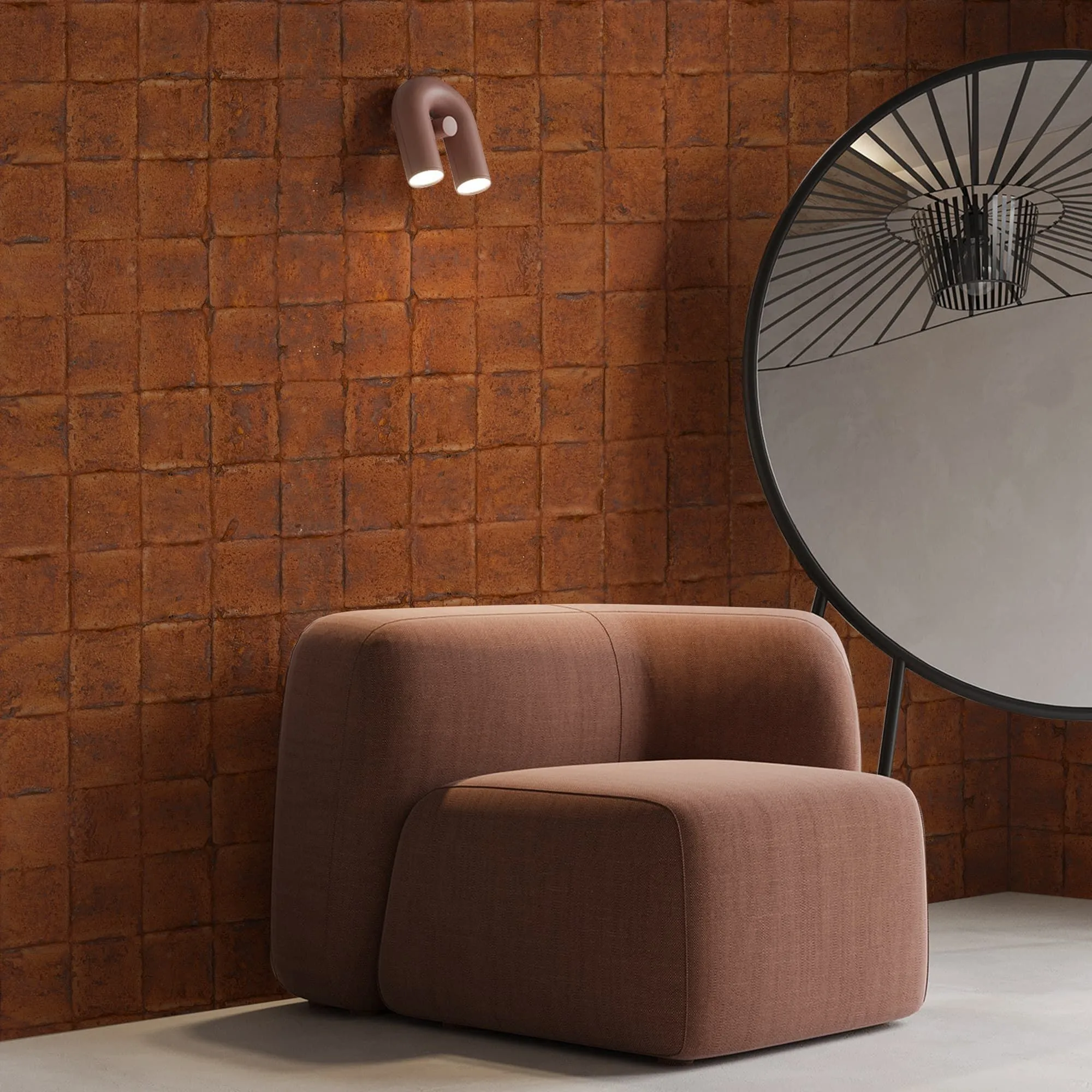
The global embrace of materials like MCM isn't a coincidence; it's a convergence of several powerful global trends in architecture, economics, and environmental consciousness. The rust stone aesthetic's journey from a regional luxury to a global phenomenon powered by new technology is a perfect case study.
The fact that these innovative materials are gaining traction in a market as discerning and traditionally-minded as Saudi Arabia is profoundly significant. This is a region with a deep appreciation for the authenticity and gravitas of natural stone. Our presence there, via our trusted agent, has demonstrated that materials like MCM can meet and exceed the highest standards of luxury and aesthetics. When architects and clients in such a market see that they can achieve the desired look with a material that is also faster, cheaper, and more sustainable to install, the choice becomes obvious. The success in this demanding market serves as a powerful testament to the material's quality, reassuring a global audience.
The move towards MCM aligns perfectly with the key drivers of modern construction worldwide:
The global popularity of the rust mosaic stone aesthetic is not waning; it's expanding. What has changed is the definition of "authenticity." Is a material authentic because it was laboriously hewn from a mountain, with all its inherent flaws and environmental costs? Or is it authentic because it perfectly captures the desired visual and tactile experience, while also being smarter, stronger, and kinder to our planet?
The global market is increasingly voting for the latter. The journey of this trend from Saudi Arabia to the rest of the world demonstrates a universal truth: innovation always wins. By solving the age-old problems of natural stone, COLORIA GROUP's MCM product series—from the versatile MCM Flexible Stone to the grand MCM Big Slab Board Series —is not just offering a substitute. It is offering an upgrade. We are providing the tools for a new era of design, one where creativity is not limited by geology, and where beauty and performance go hand in hand. This is the future of building, and it is a future that is more beautiful, more efficient, and more sustainable for everyone.
Recommend Products











