

In the dynamic world of architecture and interior design, material selection isn't just about functionality; it's a profound statement of style, sustainability, and long-term value. Every choice, from the foundational structures to the intricate decorative elements, contributes to the overall narrative of a space. As designers, architects, and homeowners increasingly seek materials that offer a harmonious blend of aesthetic appeal, robust performance, and environmental responsibility, the market continues to innovate, presenting a fascinating array of options. Today, we're diving deep into a comparison that highlights this evolution: Rust Mosaic Stone, representing the cutting-edge of flexible and sustainable materials, against the more traditional yet enduring Concrete Mosaic.
COLORIA GROUP, a pioneer in innovative architectural solutions, understands these evolving demands intimately. As a one-stop solution provider specializing in internal and external decoration materials, we've witnessed firsthand the transformative power of advanced materials like our Modified Cementitious Material (MCM) series. This article aims to unpack the nuanced differences between these two distinct material types, offering insights into their performance attributes, aesthetic possibilities, and broader implications for modern construction projects. We'll explore why discerning clients, from residential renovators to large-scale commercial developers, are increasingly turning to sophisticated alternatives that promise not just beauty, but also durability, efficiency, and ecological mindfulness. Get ready to explore the intricate details that set these two materials apart, and discover which one might be the perfect fit for your next visionary project.
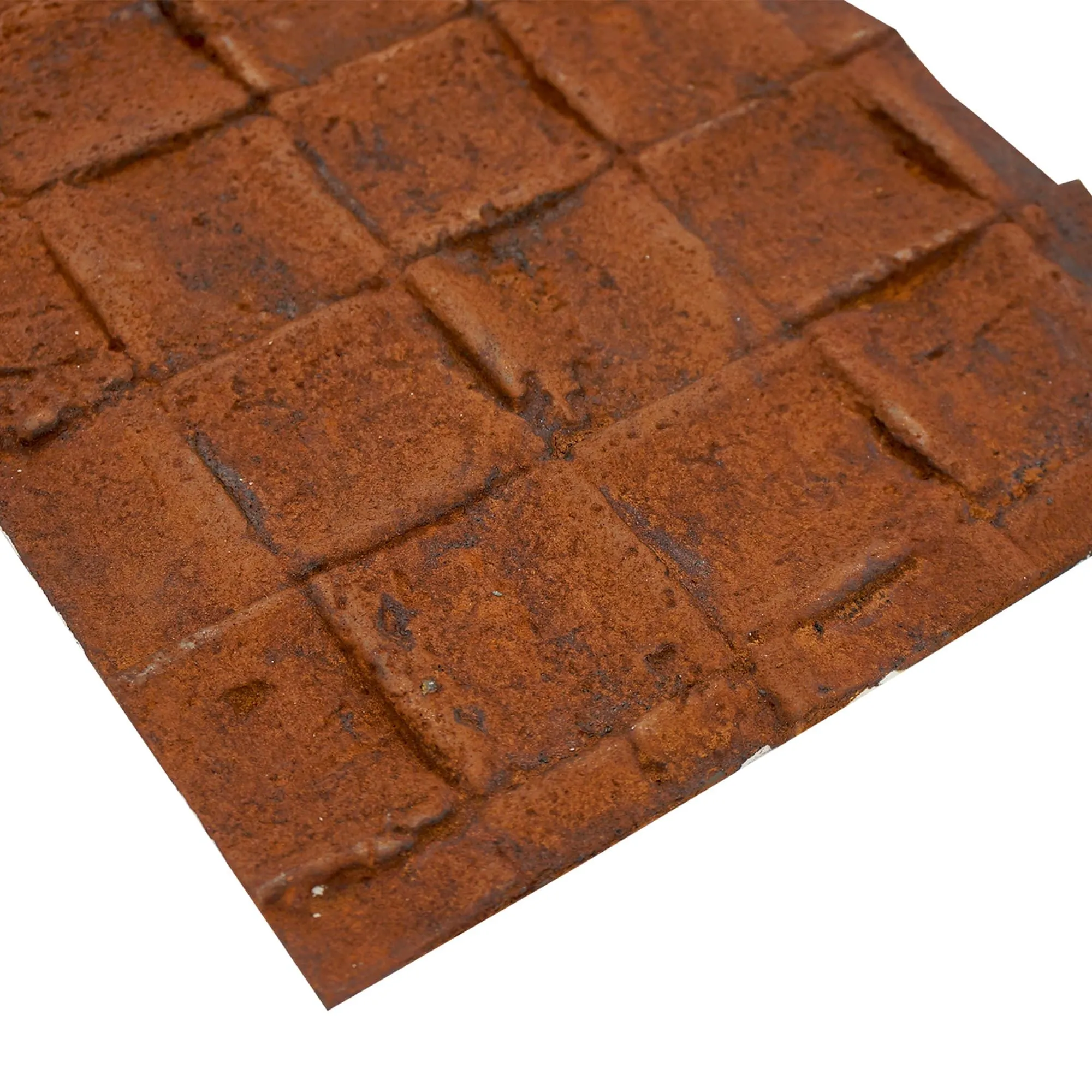
When we talk about Rust Mosaic Stone, we're essentially referring to a specific, highly aesthetic application within COLORIA GROUP's groundbreaking MCM Flexible Stone series. This isn't just another veneer; it's a testament to advanced material science, meticulously engineered to mimic the earthy, variegated textures and tones of natural rust-streaked stone, but with a suite of enhanced properties that traditional stone simply cannot offer.
At its core, MCM stands for Modified Cementitious Material. This revolutionary composition starts with natural mineral sands, which are then modified and bonded with a proprietary polymer composite at low temperatures. The result? A material that is incredibly lightweight, ultra-thin, and remarkably flexible. Imagine cladding a curved wall or an irregularly shaped pillar with the authentic look and feel of stone, without the logistical nightmare of heavy lifting, extensive cutting, or structural reinforcement. That's the magic of MCM Flexible Stone.
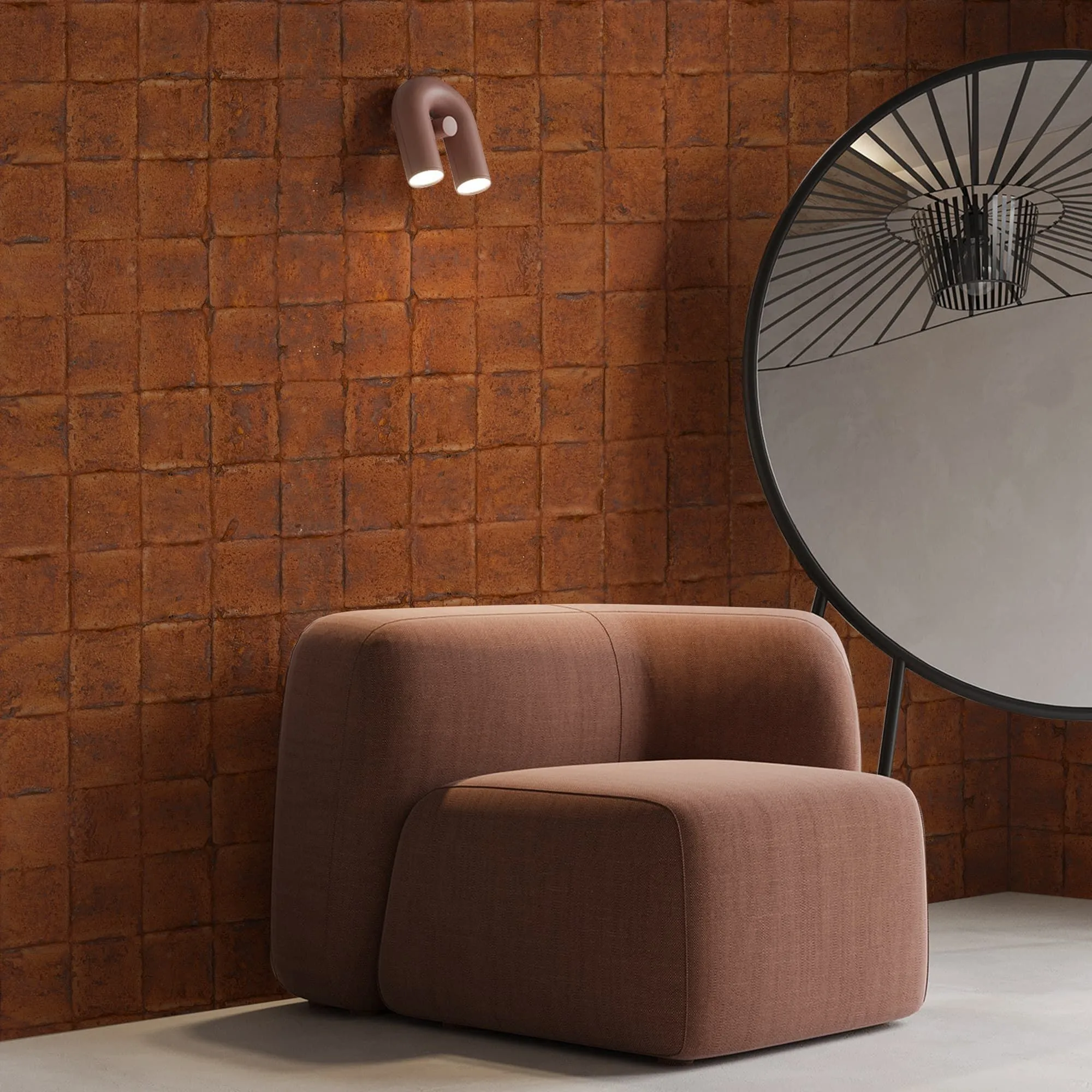
The "Rust Mosaic" aesthetic, in particular, taps into a growing demand for organic, industrial-chic, and naturally weathered appearances. It offers a rich palette of reds, oranges, browns, and subtle grays, creating a profound visual depth that evolves with changing light conditions. Unlike actual rusted metal, which can stain and degrade, MCM Rust Mosaic Stone provides this sought-after aesthetic with inherent stability, durability, and virtually no maintenance. Its flexibility means it can conform to almost any surface, opening up a world of customization possibilities that were once unthinkable for stone-like materials. From intricate mosaic patterns to large, seamless coverings, its adaptability is truly unparalleled.
On the other side of the spectrum, we have Concrete Mosaic. This material boasts a long and storied history, with its origins tracing back to ancient civilizations. Traditionally, concrete mosaics involve embedding various aggregates – such as crushed stone, glass, or even shells – into a cementitious matrix, which is then cured, ground, and polished to reveal the embedded materials in a decorative pattern. It's a method that celebrates the raw strength and versatility of concrete, transforming it into an artistic surface.
Concrete mosaics are renowned for their incredible hardness, durability, and resistance to heavy wear and tear, making them a popular choice for high-traffic floors, public spaces, and robust exterior applications. Their weight and rigidity are often seen as attributes, contributing to a sense of permanence and solidity. The aesthetic of concrete mosaic is typically characterized by a more structured, often geometric appearance, defined by the shapes and colors of the embedded aggregates within the concrete binder. While offering a broad range of color and aggregate choices, the visual outcome often leans towards a more deliberate, constructed look compared to the organic flow of flexible stone.
While concrete mosaic excels in certain applications, its inherent characteristics – namely its weight, rigidity, and the labor-intensive installation process involving wet trades – present a different set of challenges and opportunities when contrasted with modern flexible materials. It's a material that has proven its worth over centuries, but like all traditional materials, it faces scrutiny in an era prioritizing rapid installation, reduced environmental footprint, and maximum design freedom.
| Feature | Rust Mosaic Stone (MCM Flexible Stone) | Concrete Mosaic |
|---|---|---|
| Weight | Extremely lightweight (approx. 4-6 kg/m²), significantly reduces structural load. | Very heavy (approx. 50-100 kg/m²), requires substantial structural support. |
| Flexibility | Highly flexible, conforms to curved and irregular surfaces without cracking. Can be bent up to 60 degrees. | Rigid and brittle; prone to cracking on curved surfaces or with substrate movement. |
| Durability | Excellent abrasion, impact, and weather resistance. UV stable, fade-resistant, and frost-thaw cycle resilient. | Very high compressive strength and wear resistance, especially after grinding and polishing. Susceptible to acid etching. |
| Water Absorption | Low water absorption (<6%), reducing vulnerability to freeze-thaw damage and mold. | Moderate to high porosity, often requires sealing to prevent staining and water ingress. |
| Fire Resistance | Class A fire rating (non-combustible), offering superior safety. | Generally good fire resistance, but exact rating depends on specific aggregate and binder. |
| Chemical Resistance | Good resistance to common chemicals and cleaning agents. | Susceptible to acid damage (e.g., from acidic cleaners, food spills). |
| Thermal Insulation | Offers enhanced thermal insulation properties due to its composition, contributing to energy efficiency. | Moderate thermal mass, but not typically considered an insulating material. |
| Sound Absorption | Contributes to better acoustic performance, helping to reduce echoes. | Generally poor sound absorption; reflects sound. |
One of the most striking differences between these two materials lies in their weight. MCM Big Slab Board Series and Flexible Stone products, including Rust Mosaic Stone, are incredibly lightweight, typically weighing only a fraction of traditional stone or concrete. This isn't just a minor convenience; it's a fundamental advantage that impacts everything from logistics and installation to structural engineering and overall project costs.
For instance, imagine designing a high-rise building. Reducing the dead load on the structure by using lightweight cladding materials translates directly into less steel and concrete required for the building's frame and foundation. This can lead to substantial cost savings, shorter construction times, and a reduced carbon footprint for the entire project. Furthermore, installation becomes significantly easier and safer. Large format MCM sheets can often be handled by fewer workers, without the need for heavy machinery, specialized lifting equipment, or extensive scaffolding that concrete mosaic installations frequently demand.
Concrete mosaic, by contrast, is inherently heavy. Its substantial mass contributes to its robust feel but also necessitates robust structural support. This means higher material costs for the building's skeleton, more complex logistics for transport and on-site handling, and often more labor-intensive installation processes. While its weight can be an advantage in specific applications requiring high thermal mass or extreme impact resistance for floors, for vertical surfaces and large cladding areas, it often becomes a limiting factor.
Both materials offer impressive durability, but their resilience manifests in different ways. Rust Mosaic Stone, as part of COLORIA GROUP's MCM series, boasts exceptional resistance to weathering, UV radiation, and temperature fluctuations. Its inherent flexibility allows it to absorb minor structural movements and impacts without cracking, which is a common failure point for rigid materials like traditional concrete or ceramic tiles. It's designed to withstand the test of time, maintaining its aesthetic integrity and performance even in harsh outdoor environments, from the scorching sun of Saudi Arabia (where COLORIA GROUP has a significant presence) to the freezing winters of northern climates. The material's low water absorption rate also means it's less prone to freeze-thaw damage, mold, and mildew growth, contributing to a healthier and more stable building envelope.
Concrete mosaic is known for its incredible compressive strength and abrasion resistance, especially once fully cured and polished. It stands up remarkably well to foot traffic and heavy loads, making it a favorite for flooring in commercial and industrial settings. However, its rigidity makes it susceptible to cracking if the substrate moves or settles, and its porous nature often requires regular sealing to protect against stains and moisture ingress. While durable, it often requires more rigorous maintenance regimes to preserve its original appearance, particularly in terms of sealing and periodic re-polishing.
The flexibility of Rust Mosaic Stone is not just a structural advantage; it's a profound enabler of design freedom. Imagine applying a natural stone look to curved facades, intricate architectural details, or even interior spaces where traditional stone would be too heavy or impractical. The MCM Project Board Series further extends this versatility, offering solutions tailored for specific architectural demands, ensuring that even the most ambitious designs can be realized with ease and efficiency. This material adheres seamlessly to various substrates – concrete, plasterboard, wood, metal – with simple adhesives, drastically reducing installation complexity and time. This opens up new avenues for renovations, allowing existing structures to be transformed without significant structural alterations.
Concrete mosaic, while versatile in its aesthetic outcomes through varying aggregates and pigments, is inherently limited by its rigid form. It's best suited for flat, stable surfaces, typically floors, walls, or pre-cast panels. Installing it on curved surfaces requires complex, segmental approaches or custom molds, adding significant costs and labor. Its application often demands wet trades, meaning longer curing times and a messier construction site, which can be a drawback in occupied spaces or projects with tight schedules.
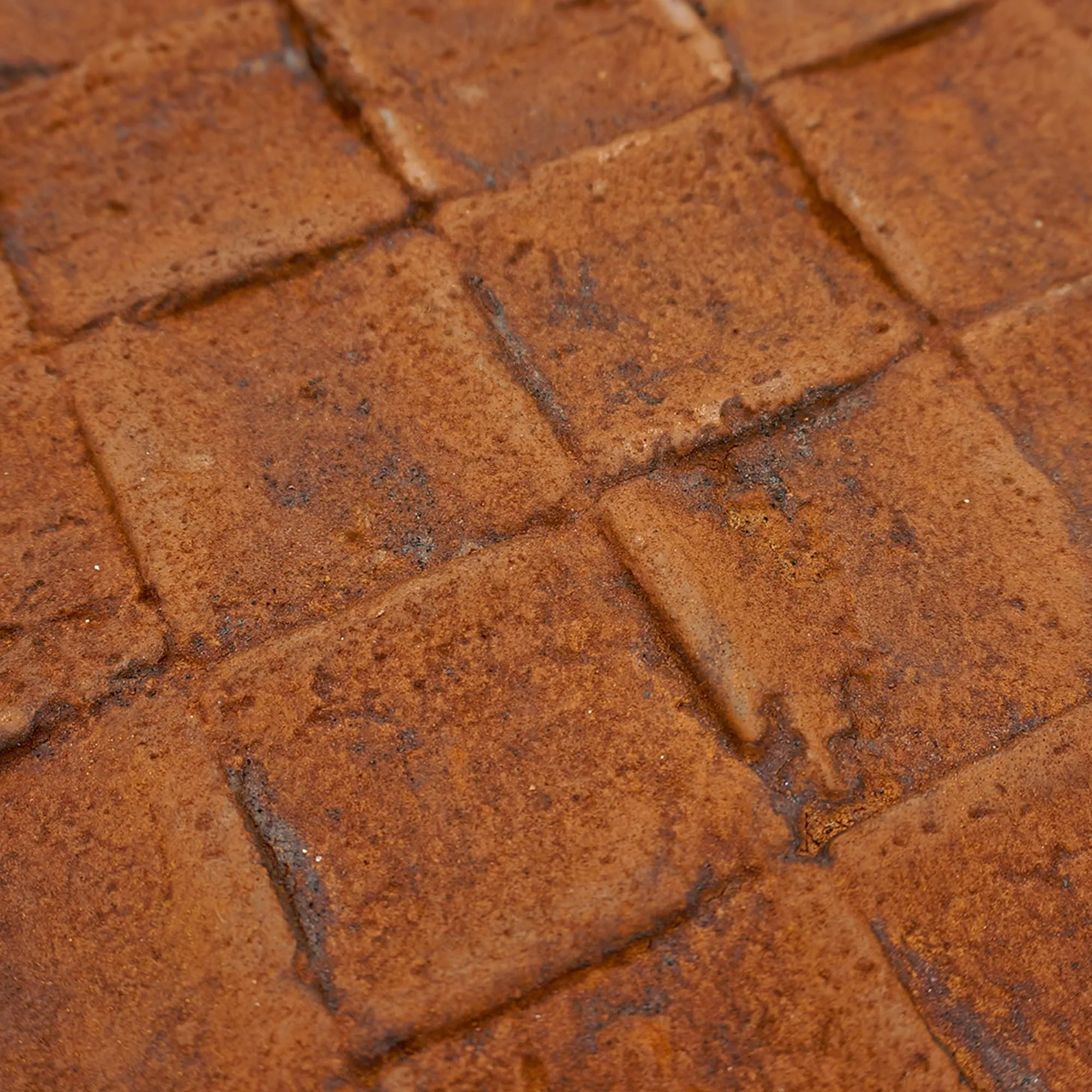
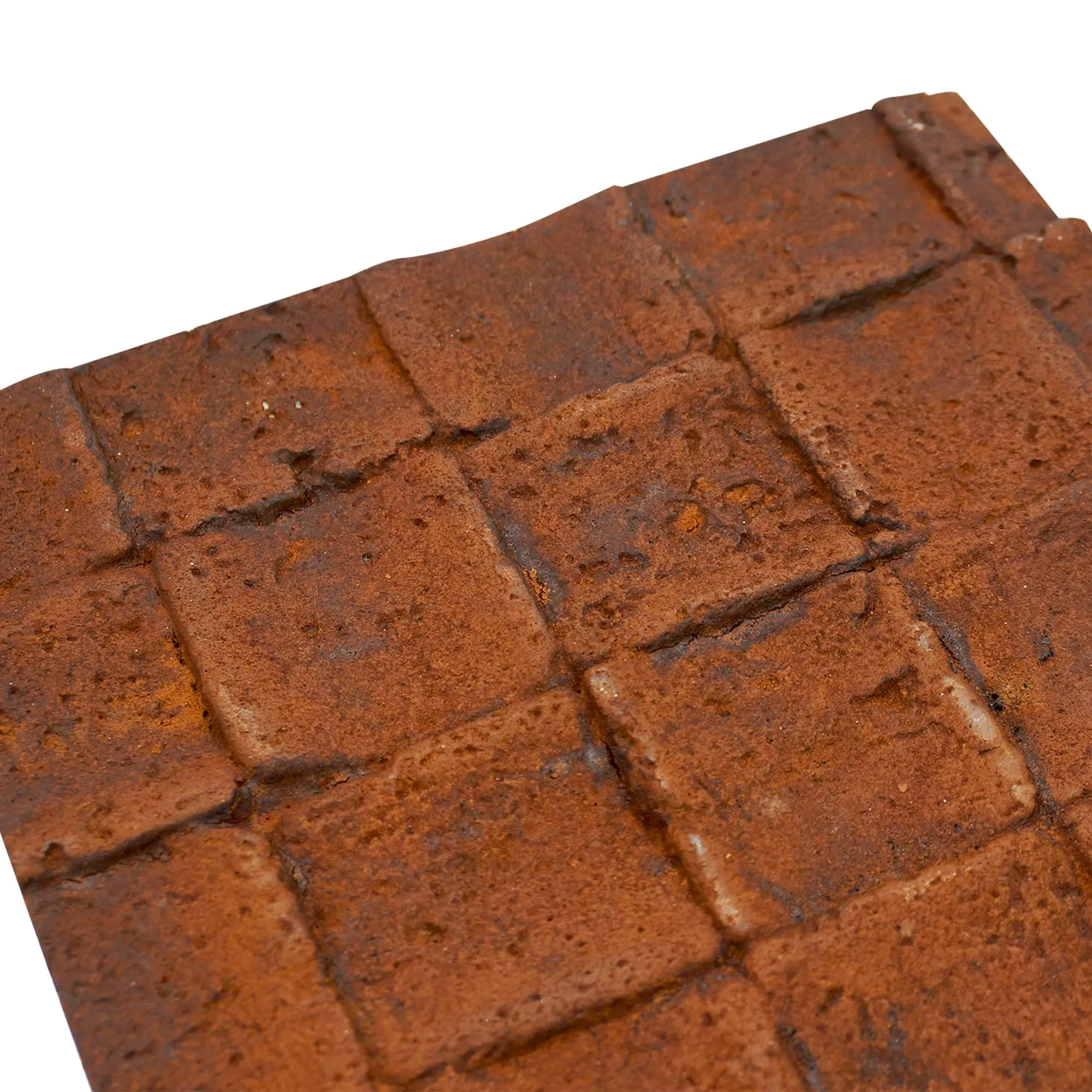
The aesthetic appeal of Rust Mosaic Stone is rooted in its ability to replicate the authentic texture, color variations, and irregular charm of natural stone, without the ecological footprint of quarrying. This isn't a mere imitation; it's a sophisticated reinterpretation. The "rust" effect creates an organic, weathered look that speaks to authenticity and natural evolution, perfectly complementing both contemporary minimalist designs and more rustic, earthy aesthetics. The subtle shifts in hue and texture within each piece create a dynamic, living surface that responds beautifully to light, making every installation unique.
Beyond the specific "Rust Mosaic" finish, the inherent flexibility of MCM materials allows for unprecedented design freedom. Architects and designers are no longer constrained by the rigid, rectangular nature of traditional tiles or slabs. Imagine seamless facades that flow around corners, intricate patterns that blend curves with sharp angles, or three-dimensional textures that add tactile depth. COLORIA GROUP's MCM 3D Printing Series pushes these boundaries even further, enabling the creation of bespoke, highly textured surfaces that defy conventional material limitations. This ability to form and mold allows for true architectural expression, transforming inert surfaces into dynamic, artistic statements.
The thin profile of MCM Flexible Stone also contributes to a cleaner, more refined aesthetic. Without thick grout lines or bulky edges, the material presents a continuous, elegant surface that enhances the perception of space and sophistication. Whether it's an accent wall in a luxury residence or the entire exterior of a commercial complex, Rust Mosaic Stone offers a sophisticated blend of natural beauty and modern engineering.
Concrete mosaic, conversely, offers a distinct aesthetic that often leans towards structured elegance and robust artistry. Its beauty lies in the juxtaposition of a strong, often monochrome concrete binder with embedded aggregates that can vary wildly in color, size, and material. This allows for the creation of intricate patterns, geometric designs, and often vibrant visual effects that have a deliberate, crafted feel. The grinding and polishing process essential to concrete mosaic brings out the natural luster of the aggregates, creating a durable and highly personalized surface.
The aesthetic of concrete mosaic is typically more uniform and predictable within its pattern, though variations in aggregate distribution ensure no two installations are identical. It conveys a sense of permanence and solidity, often favored in public buildings, large commercial spaces, or interiors seeking a retro-modern, industrial, or classical terrazzo look. The tactile experience is one of smoothness and coolness, often reflecting light in a distinct way depending on the polish level.
While highly customizable in terms of aggregate choice and color, the geometric constraints of concrete mosaic and its installation process mean that curves and complex three-dimensional forms are challenging to achieve seamlessly. It excels in creating bold, graphic statements and enduring surfaces that celebrate the raw, honest beauty of concrete and its inclusions. The aesthetic impact is undeniable, offering a timeless quality that has resonated through centuries of architecture.
In an era increasingly defined by environmental consciousness, the sustainability profile of building materials is paramount. This is where COLORIA GROUP's MCM products, including Rust Mosaic Stone, truly shine. These materials are inherently green and eco-friendly , reflecting a commitment to sustainable practices from production to disposal.
MCM is manufactured using natural mineral sands and a low-temperature firing process (typically under 120°C), which drastically reduces energy consumption compared to traditional ceramics or baked bricks that require temperatures exceeding 1000°C. This low-energy manufacturing process significantly lowers carbon emissions. Furthermore, MCM materials are made from abundant, non-toxic mineral resources, are VOC-free, and can be recycled, contributing to a circular economy. Their lightweight nature also translates to reduced fuel consumption during transportation, further shrinking the overall carbon footprint of a project. Choosing MCM means making a tangible contribution to a healthier planet.
Concrete mosaic, while generally comprising natural aggregates and cement, has a higher environmental impact, primarily due to the energy-intensive production of cement (which is a significant contributor to global CO2 emissions) and the quarrying of aggregates. Its heavy weight also contributes to higher transportation emissions. While durable and long-lasting, the energy required for its initial production and the potential for a larger waste stream during demolition (if not carefully reclaimed or recycled) positions it as a less environmentally benign option when compared to advanced MCM solutions.
The installation process is a critical factor influencing project timelines, labor costs, and overall efficiency. Rust Mosaic Stone, being lightweight and flexible, offers a remarkably streamlined installation. It can be easily cut with standard tools, adheres with simple polymer-modified cementitious adhesives, and requires minimal preparation. The process is clean, largely dust-free, and doesn't involve wet trades in the same extensive way as concrete, meaning faster turnaround times and less disruption, especially in renovation projects or occupied buildings. This efficiency translates directly into significant cost savings on labor and project management, making it an attractive option for projects with tight deadlines.
Concrete mosaic installation is considerably more complex and labor-intensive. It often involves mixing and pouring concrete on-site, embedding aggregates, allowing for extensive curing times, and then grinding and polishing the surface to achieve the desired finish. This multi-step process requires specialized tools, skilled labor, and is inherently messy, producing a significant amount of dust and slurry. The extended drying and curing periods can also prolong project schedules, and the weight of the material necessitates careful handling and robust structural considerations during installation.
When evaluating building materials, it's essential to look beyond the initial purchase price and consider the entire lifecycle cost and value. Rust Mosaic Stone, despite potentially having a slightly higher upfront material cost than basic concrete, often offers superior lifecycle value. Its ease of installation, reduced structural demands, minimal maintenance requirements, and exceptional durability lead to significant long-term savings. Its energy-saving properties (due to enhanced thermal insulation) can also contribute to lower operational costs for buildings over their lifespan. Moreover, its fade-resistant and weather-resistant properties mean it retains its aesthetic appeal for decades, minimizing the need for costly replacements or extensive repairs. This makes it a smart investment for both residential and commercial ventures looking for sustained beauty and performance.
Concrete mosaic, while offering excellent long-term durability, can incur higher lifecycle costs. Its initial installation is more expensive due to labor and wet trades. While robust, its susceptibility to staining (if not properly sealed) and the potential need for re-polishing to maintain its luster can add to maintenance expenses. If damage occurs, repairs can be complex and expensive, requiring specialized skills to match patterns and finishes. While it undeniably offers lasting aesthetic value, the cumulative costs associated with its installation and specific maintenance needs can be higher over the decades compared to the low-maintenance, high-performance MCM solutions.
Both Rust Mosaic Stone (as an exemplar of MCM Flexible Stone ) and Concrete Mosaic offer compelling advantages, but they cater to distinct architectural philosophies and project requirements. Concrete mosaic, with its timeless strength and structured beauty, remains a valid choice for projects prioritizing extreme rigidity, heavy-duty flooring, and a classic, robust aesthetic. Its historical presence and tactile solidity are undeniable.
However, for architects, designers, and developers who are pushing the boundaries of contemporary design, prioritizing efficiency, embracing sustainability, and demanding unparalleled versatility, Rust Mosaic Stone, powered by COLORIA GROUP's advanced MCM technology, emerges as the clear frontrunner. Its lightweight nature, incredible flexibility, superior durability, and green and eco-friendly credentials align perfectly with the demands of modern construction. From complex curved facades to high-performance interior finishes, its ability to transform spaces with natural aesthetics, simplified installation, and long-term value positions it as an intelligent and forward-thinking material choice.
COLORIA GROUP stands ready as your one-stop solution provider , leveraging decades of industry experience to guide you through these choices. Whether your project calls for the expansive beauty of our MCM Big Slab Board Series , the tailored performance of our MCM Project Board Series , the innovative textures of our MCM 3D Printing Series , or the organic elegance of our MCM Flexible Stone like the Rust Mosaic, we offer a comprehensive suite of materials designed to bring your vision to life. The future of architectural design is flexible, sustainable, and beautifully customized – and it's here with MCM.
Recommend Products











