

When embarking on a residential or commercial building project, selecting the right materials for interior and exterior decoration is paramount. The choices made here don't just dictate the aesthetic appeal of a space; they profoundly influence its longevity, the effort required for upkeep, and ultimately, the project's long-term value. Among the myriad options available, mosaic stones, particularly rust mosaic stone and granite mosaic, have long been popular for their distinctive beauty and durability. However, understanding their inherent properties, installation nuances, and maintenance demands is crucial before making an informed decision. This comprehensive guide will delve deep into the characteristics of these two natural stone options, providing a detailed comparison to help you navigate your material selection with confidence. We'll also explore how innovative materials like those offered by COLORIA GROUP, a leading one-stop solution provider in architectural materials, present compelling alternatives that often outperform traditional choices in terms of versatility, sustainability, and ease of use.
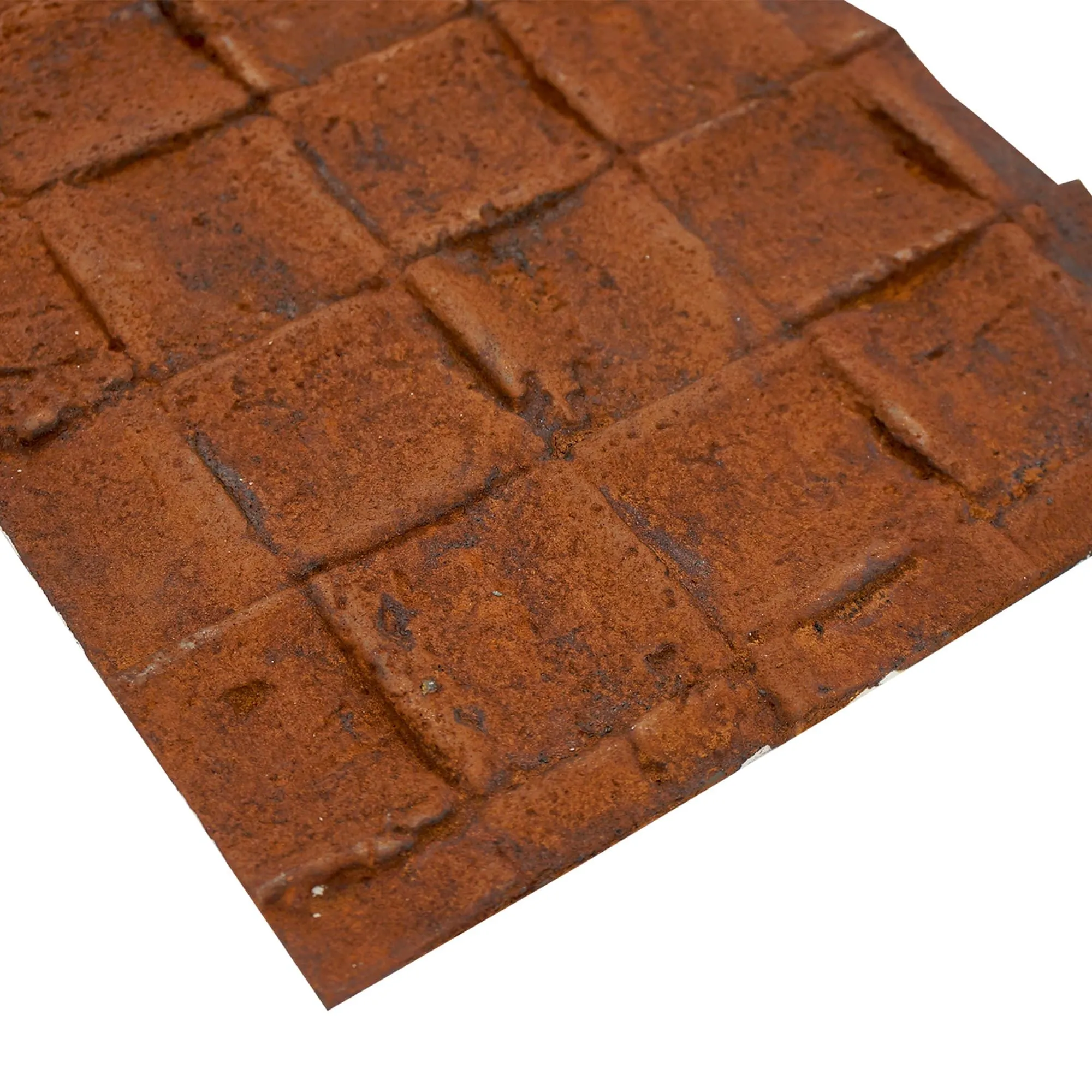
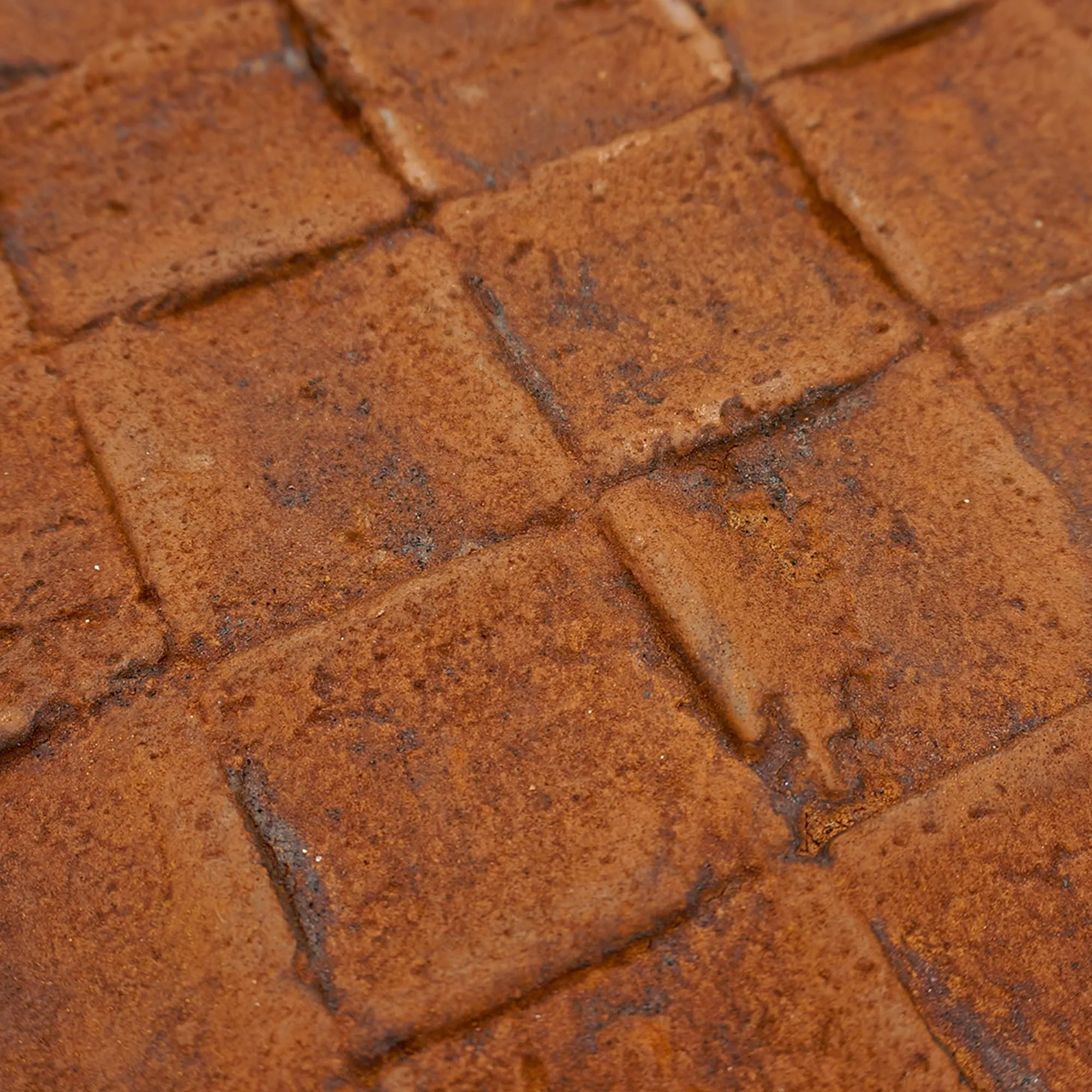
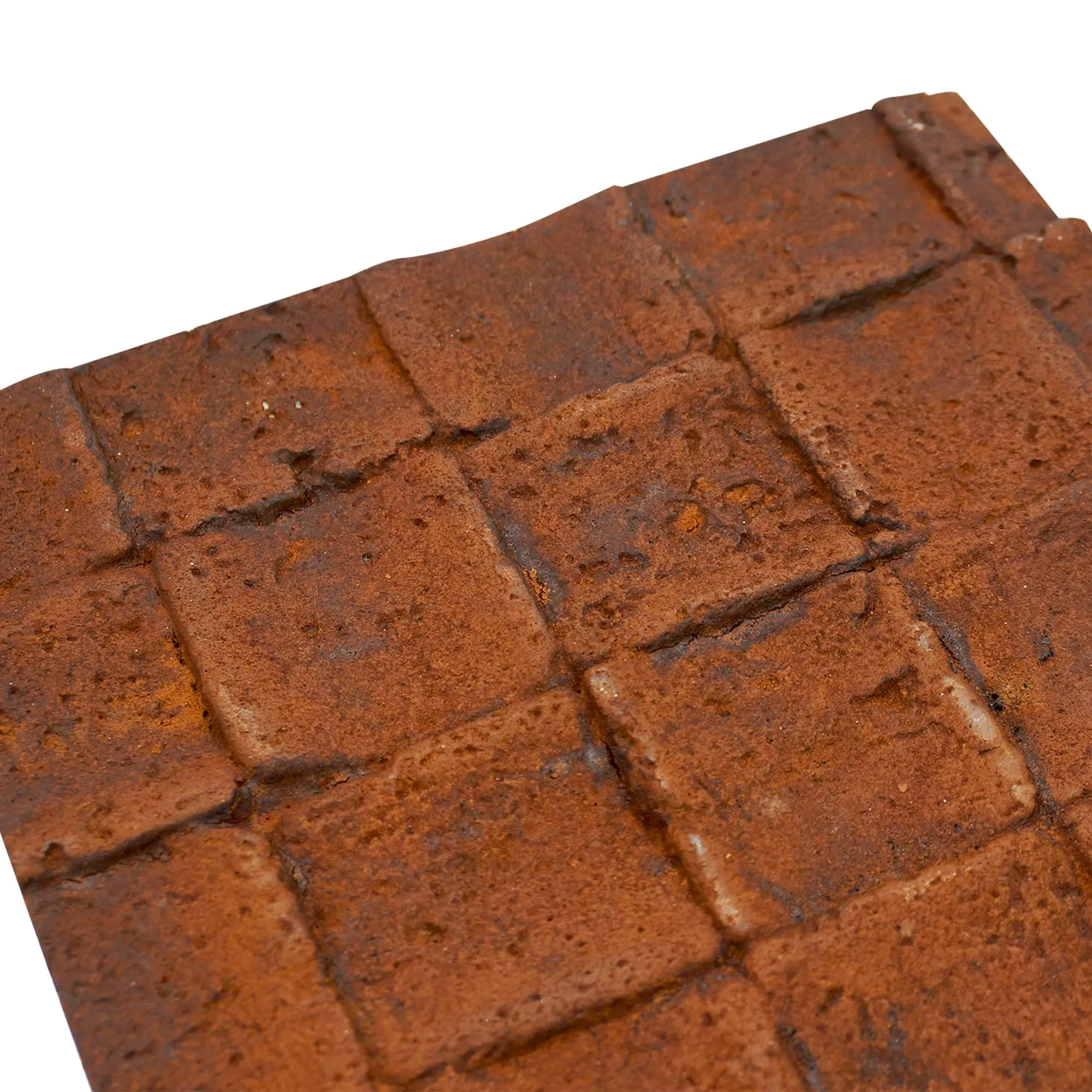
Rust mosaic stone, often derived from slate or quartzite formations, is renowned for its earthy, variegated color palette. Its name itself conjures images of deep reds, burnt oranges, browns, and grays, reminiscent of naturally occurring oxidation. This unique coloration is typically due to the presence of iron oxides within the stone, giving each piece a distinct, rustic charm that cannot be replicated artificially. The inherent ruggedness and unpolished beauty of rust mosaic stone make it a favored choice for projects aiming for a natural, organic, or historical aesthetic. It's often seen in landscaping, feature walls, fireplaces, and pathways, where its ability to blend seamlessly with natural surroundings is highly valued.
Rust mosaic stone is a sedimentary or metamorphic rock, formed over millions of years under immense pressure and heat. Its layered structure, particularly common in slate varieties, contributes to its unique texture and allows for relatively easy splitting into thinner pieces, which are then shaped into mosaic tiles. Key characteristics include:
Its natural beauty lends itself to a wide array of applications:
Granite, an igneous rock formed from magma cooling slowly beneath the Earth's surface, is celebrated for its unparalleled strength, density, and sophisticated appearance. Unlike the earthy tones of rust mosaic stone, granite mosaic often boasts a more uniform, crystalline look, available in a vast spectrum of colors including blacks, whites, grays, pinks, blues, and greens, frequently flecked with darker minerals. Its polished surface reflects light beautifully, contributing to a sense of luxury and modernity. For centuries, granite has been the material of choice for monuments, countertops, flooring, and cladding in high-traffic commercial and residential settings due to its exceptional performance characteristics.
Granite is primarily composed of quartz, feldspar, and mica, with varying amounts of other minerals that contribute to its diverse coloration and patterns. Its interlocking crystalline structure is responsible for its incredible hardness and resistance.
Granite's robustness and elegance make it suitable for a multitude of applications:
To truly understand which material is best suited for your project, a direct comparison of their key attributes is invaluable. We will examine their strength, durability, aesthetic appeal, installation requirements, cost implications, and, critically, their maintenance needs.
In terms of sheer strength and durability , granite generally surpasses rust mosaic stone. Granite is one of the hardest natural stones available, making it exceptionally resistant to scratches, chips, and daily wear and tear. Its dense, non-porous structure also makes it highly resistant to staining and moisture absorption, contributing to its long lifespan, even in demanding environments. It withstands heavy foot traffic, harsh weather conditions, and retains its integrity for decades, often centuries, with minimal degradation.
Rust mosaic stone, while robust in its own right, is typically softer and more prone to surface flaking or chipping, particularly slate varieties. Its layered composition can be a point of weakness if not properly installed or protected. While it holds up well in many applications, especially those requiring a rustic look where minor imperfections add to the character, it may not be the optimal choice for areas demanding extreme resistance to abrasion or impact. Its higher porosity also makes it more susceptible to water damage and staining if not consistently sealed.
The aesthetic appeal of both materials is undeniable, yet distinctly different. Rust mosaic stone offers an organic, earthy, and rustic charm. Its naturally varied colors and textures are perfect for creating an authentic, time-worn look that complements traditional, Mediterranean, or naturalistic design themes. The irregularities and unique patterns are often seen as an advantage for those seeking a less formal, more "handmade" aesthetic.
Granite mosaic, conversely, exudes sophistication and a timeless elegance. Its broad spectrum of consistent colors, from subtle to bold, combined with its ability to take a high polish, allows it to fit seamlessly into both classic and contemporary designs. Whether you're aiming for sleek modernity or understated luxury, granite provides a versatile canvas. Its uniform grain and crystalline appearance often convey a sense of order and refinement that is distinct from the wild beauty of rust mosaic.
Installation of both materials requires professional expertise, but there are differences. Granite's density and weight mean it often requires specialized cutting tools and more robust structural support, especially for large slabs or elevated applications. Its precise cuts and tight grout lines demand meticulous attention during installation to achieve its signature seamless look.
Rust mosaic stone, particularly if using individual, irregularly shaped pieces, can be more labor-intensive to lay, as each piece may need to be fitted and adjusted. The natural cleft surface can also make achieving a perfectly flat finish challenging, which might be a desirable aesthetic but requires a skilled installer to manage consistently. The inherent variations in thickness can also add complexity to the tiling process.
COLORIA GROUP, as a one-stop solution provider, understands these challenges. Our innovative MCM (Modified Cementitious Material) flexible stone products, for instance, are engineered for significantly easier and faster installation compared to traditional natural stones, reducing labor costs and project timelines while maintaining a stunning aesthetic.
This is where the differences between the two materials become particularly pronounced.
Granite Maintenance: Known for its low maintenance, granite is relatively easy to care for. Its low porosity means it resists stains from common spills like oil, wine, and coffee quite well, especially when sealed. Regular cleaning with a mild, pH-neutral cleaner and water is usually sufficient. Resealing is recommended annually or biannually, depending on the sealant type and traffic, to maintain its protective barrier and ensure long-term resistance to moisture and staining. With proper care, granite can look pristine for decades.
Rust Mosaic Stone Maintenance: Rust mosaic stone, owing to its higher porosity and often textured surface, demands more diligent maintenance. It is highly susceptible to staining and water absorption if not properly sealed. Sealants need to be applied more frequently, potentially every 6-12 months, especially in high-moisture areas or outdoors. Cleaning requires gentle methods to avoid damaging its natural surface; abrasive cleaners or acidic solutions should be avoided as they can erode the stone or strip the sealant. Outdoor applications are particularly vulnerable to moss, algae, and efflorescence, requiring regular cleaning and protective treatments. The naturally uneven surface can also trap dirt and grime, necessitating more thorough cleaning efforts.
Both rust mosaic stone and granite mosaic are premium natural materials, and their costs reflect this. Generally, granite tends to be more expensive per square foot than rust mosaic stone, particularly for exotic colors or patterns. However, the overall project cost is not just about material price. Installation costs can be significant for both, with granite often requiring more specialized labor for precise cutting and handling, and rust mosaic potentially demanding more time for fitting irregular pieces. Maintenance costs also factor in; while granite requires less frequent sealing, the cost of specialized cleaning products and sealants for rust mosaic stone can add up over time. The longevity and lower overall lifetime maintenance of granite can sometimes offset its higher initial material cost.
| Feature | Rust Mosaic Stone | Granite Mosaic | COLORIA GROUP MCM Flexible Stone (for reference) |
|---|---|---|---|
| Aesthetic | Rustic, earthy, natural, variegated colors (reds, browns, grays). Naturally cleft texture. Unique, non-uniform. | Elegant, sophisticated, crystalline, wide range of uniform colors/patterns. Polished or honed finish. Consistent. | Achieves realistic natural stone, brick, wood, or leather aesthetics with high fidelity. Offers extensive customization in texture, color, and size. |
| Strength & Hardness | Good, but prone to chipping/flaking (especially slate varieties). Moderate impact resistance. | Exceptional hardness, highly resistant to scratches, abrasions, impact. Very durable. | Excellent flexibility and strength-to-weight ratio. Highly durable, crack-resistant, impact-resistant, and weather-resistant. |
| Porosity & Stain Resistance | High porosity, susceptible to staining and water absorption. Requires frequent sealing. | Low porosity, highly resistant to moisture and staining (especially when sealed). | Very low water absorption, excellent stain resistance. Breathable, allowing moisture vapor to escape. |
| Maintenance Needs | High. Frequent sealing (6-12 months). Gentle cleaning, avoids acidic cleaners. Vulnerable to moss/algae outdoors. | Moderate to Low. Resealing annually/biannually. Mild cleaner. Easy to clean. | Very Low. Self-cleaning properties, easy to wipe down. No specialized sealants required. Excellent color retention. |
| Installation | Labor-intensive, fitting irregular pieces, managing thickness variations. Heavy. | Requires specialized cutting tools, heavy, robust structural support. Precise work for tight grout lines. | Extremely easy and fast due to flexibility and light weight. Can be installed on various substrates. Significant labor cost reduction. |
| Weight | Heavy. | Very heavy. | Extremely lightweight (1/6th of traditional stone/ceramic). Reduces structural load and shipping costs. |
| Environmental Impact | Natural resource extraction, transport impact. | Natural resource extraction, significant energy for processing/transport. | Highly eco-friendly . Made from natural aggregates, low energy consumption in production, minimal waste, no harmful emissions. Recyclable. |
| Cost (Material) | Premium, but generally less than granite. | Premium, often higher than rust mosaic. | Competitive, often offering better overall value due to lower installation and maintenance costs. |
| Flexibility | Rigid. | Rigid. | Highly flexible, conforms to curved surfaces, excellent anti-crack properties. |
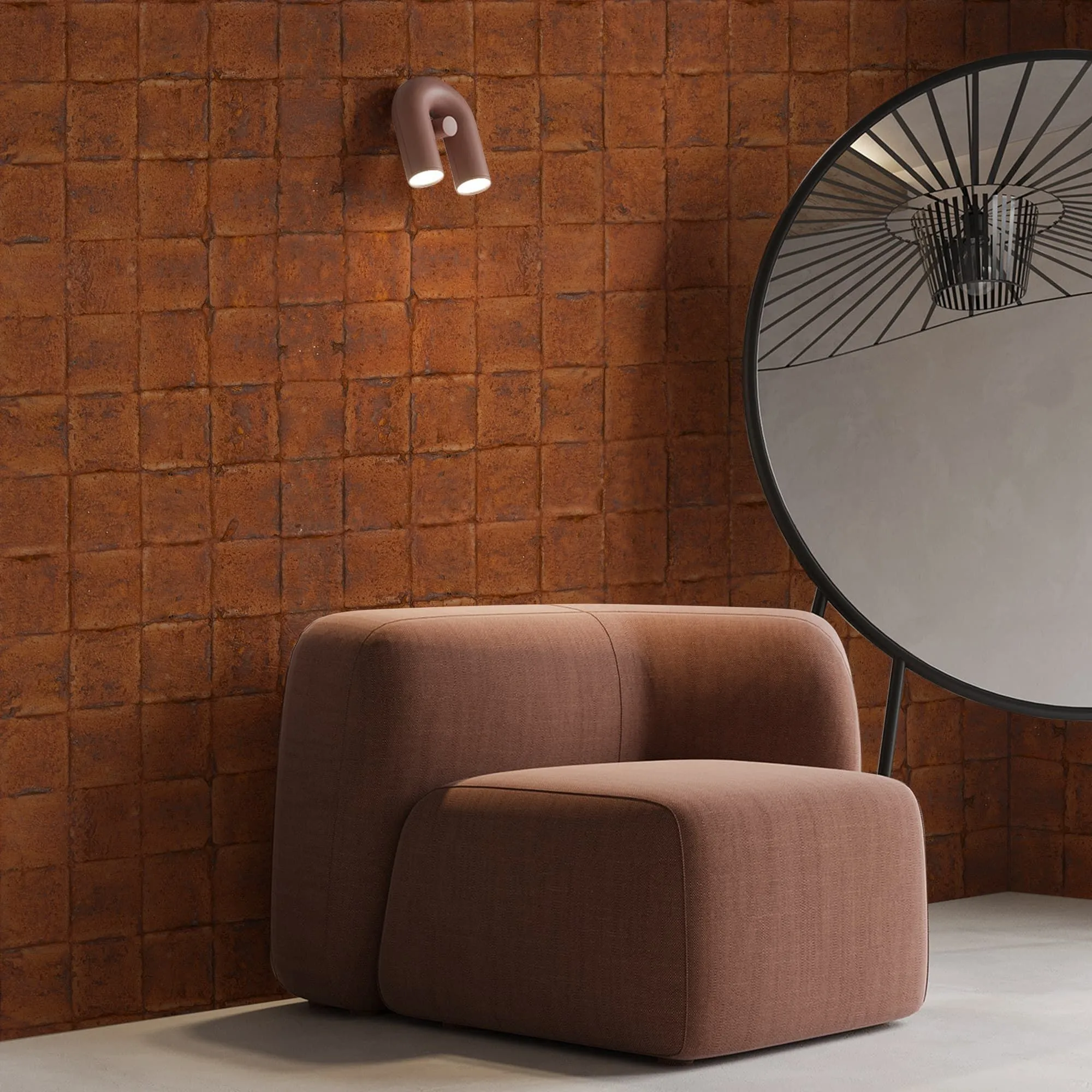
While rust mosaic stone and granite mosaic offer timeless appeal and proven durability, the architectural materials landscape is continually evolving. Modern construction demands not only aesthetic beauty and robustness but also sustainability, ease of installation, and greater design flexibility. This is where COLORIA GROUP, as an innovative one-stop solution provider, steps in with its advanced MCM (Modified Cementitious Material) series, particularly the MCM Flexible Stone . This revolutionary material often presents a superior alternative to traditional stone mosaics, addressing many of their inherent limitations.
COLORIA GROUP's MCM Flexible Stone is a groundbreaking product manufactured from natural aggregates (like sand, stone powder, and mineral pigments) combined with a polymer composite. Through a specialized low-temperature forming process, these materials are transformed into thin, flexible sheets that perfectly replicate the look and feel of natural stone, brick, wood, or leather, but with vastly improved performance characteristics. It's a key part of our core product series, designed for both interior and exterior architectural decoration.
Let's consider how MCM Flexible Stone specifically addresses the challenges presented by rust mosaic and granite mosaics:
Unlike rigid natural stones, MCM Flexible Stone can bend and conform to curved surfaces, opening up entirely new design possibilities that are impossible with traditional stone. This flexibility also makes it virtually crack-proof. Crucially, it's incredibly lightweight—roughly 1/6th the weight of conventional stone tiles. This drastically reduces structural load on buildings, lowers transportation costs, and simplifies handling on site. For projects where structural integrity or installation over existing surfaces is a concern, this is a game-changer.
Installation of traditional mosaic stones is labor-intensive and requires skilled craftsmen. The weight, rigidity, and need for precise cutting add significant time and cost. MCM Flexible Stone, on the other hand, is applied with a special adhesive, similar to wallpaper, and can be cut easily with simple tools. Its lighter weight and ease of handling mean faster installation times and significantly lower labor costs. This translates directly into more efficient project management and reduced overall expenditure, making it an excellent choice for large-scale commercial projects or rapid residential renovations.
While granite boasts impressive durability, MCM Flexible Stone matches and often exceeds it in several key areas. It's highly resistant to UV radiation, extreme temperatures, frost, and moisture, making it ideal for diverse climates, including the challenging conditions often found in regions like Saudi Arabia, where COLORIA GROUP has a strong presence. Its composition ensures exceptional stain resistance and very low water absorption, eliminating the need for the frequent sealing required by rust mosaic stone and significantly reducing the maintenance demands of even granite. The material also possesses self-cleaning properties, further easing upkeep.
Environmental impact is a growing concern in construction. Natural stone extraction involves significant quarrying, energy-intensive processing, and transportation. COLORIA GROUP's MCM products are inherently eco-friendly . They are made from abundant natural raw materials, require far less energy to produce (low-temperature baking), generate minimal waste, and contain no harmful chemicals or VOCs. This commitment to sustainability aligns with modern green building standards and provides an environmentally responsible alternative without compromising on quality or aesthetics.
One of the most exciting aspects of MCM Flexible Stone is its incredible versatility and customization capabilities. While rust mosaic and granite are limited to natural patterns and colors, MCM can replicate virtually any texture and color with stunning accuracy. This means architects and designers have unprecedented freedom to create truly unique and personalized spaces. Whether you desire the rugged look of rust mosaic, the polished sheen of granite, or something entirely new, MCM Flexible Stone can achieve it, often with improved performance. This flexibility extends to our entire MCM product series, including MCM Big Slab Board Series , MCM Project Board Series , and MCM 3D Printing Series , offering a complete range of innovative solutions.
MCM materials are inherently safe. They are fire-retardant, non-toxic, and anti-slip, contributing to healthier and safer indoor and outdoor environments. Their breathability also helps regulate internal moisture, preventing mold and mildew growth.
Choosing between rust mosaic stone and granite mosaic ultimately boils down to a balance of aesthetic preference, functional requirements, budget, and long-term maintenance commitment. If a distinctly rustic, earthy, and unpolished look is your primary goal, and you're prepared for more diligent maintenance, rust mosaic stone can deliver unique charm. If sophisticated elegance, extreme durability, and relatively low maintenance are paramount for high-traffic or demanding applications, granite mosaic remains a strong contender.
However, for those seeking the aesthetic appeal of natural stone with superior performance, environmental responsibility, ease of installation, and extensive design customization , the innovative MCM Flexible Stone from COLORIA GROUP presents a compelling modern alternative. As a dedicated one-stop solution provider for residential and commercial projects globally, especially in regions like Saudi Arabia, COLORIA GROUP is committed to offering high-quality, sustainable, and forward-thinking architectural materials. Our MCM series, including the versatile MCM Flexible Stone , is designed to meet the evolving needs of the construction industry, delivering beauty, durability, and value for decades to come. By considering these advanced materials, you can ensure your project not only looks stunning but also stands the test of time with minimal fuss and a positive impact on our planet.
The decades of industry experience that COLORIA GROUP brings to the table underpin our ability to provide not just materials, but comprehensive solutions that integrate seamlessly into complex architectural designs. Our commitment to innovation means constantly refining our products, ensuring they meet the highest standards of quality and environmental performance. When you choose COLORIA GROUP, you're not just selecting a product; you're partnering with an expert who can guide you through every step, from material selection to installation best practices, ensuring your vision is realized with precision and excellence. This holistic approach is what sets us apart and empowers our clients to achieve truly remarkable results in their building endeavors, whether they are focused on internal or external decoration.
Ultimately, the future of architectural design lies in materials that offer both beauty and intelligence. Materials that are not only visually striking but also perform exceptionally well under various conditions, are easy to work with, and contribute positively to environmental sustainability. The traditional appeal of natural stones will always have its place, but the practicality, enhanced performance, and eco-conscious profile of advanced materials like COLORIA GROUP's MCM Flexible Stone represent a significant leap forward. They provide architects, designers, and builders with greater freedom, efficiency, and peace of mind. Investing in such materials ensures that projects are not only aesthetically pleasing upon completion but also remain robust, low-maintenance, and resilient assets for the long term, adapting gracefully to the demands of climate and use. This forward-thinking approach is fundamental to creating spaces that are not just built, but thoughtfully crafted for enduring value and beauty.
Recommend Products











