

Choosing the right exterior cladding material is one of the most pivotal decisions in any construction or renovation project. It's not merely about aesthetics; it dictates durability, maintenance, energy efficiency, and ultimately, the long-term value and character of a building. For centuries, natural stone has been revered for its timeless beauty and inherent strength, with Rust Mosaic Stone and Limestone standing out as popular choices. Both offer distinct advantages and a unique visual appeal, but their suitability can vary dramatically depending on project requirements, budget, environmental considerations, and desired architectural style.
This comprehensive guide will delve deep into the characteristics, benefits, drawbacks, and practical considerations of both Rust Mosaic Stone and Limestone for exterior cladding. We'll explore everything from their aesthetic qualities and installation intricacies to their environmental impact and long-term performance. Furthermore, we'll introduce innovative alternatives from COLORIA GROUP, a leading one-stop solution provider in architectural materials , particularly their advanced MCM (Modified Cementitious Material) products, which offer enhanced versatility and sustainability, often surpassing traditional stone options.
Exterior cladding serves multiple critical functions beyond mere aesthetics. It's the primary protective barrier against the elements – rain, wind, sun, and temperature fluctuations. A well-chosen cladding system contributes significantly to a building's structural integrity, thermal performance, and overall longevity. It defines the building's architectural identity, impacts its curb appeal, and can even influence its energy consumption. Therefore, the decision between materials like Rust Mosaic Stone and Limestone requires a holistic approach, weighing various factors against specific project goals.
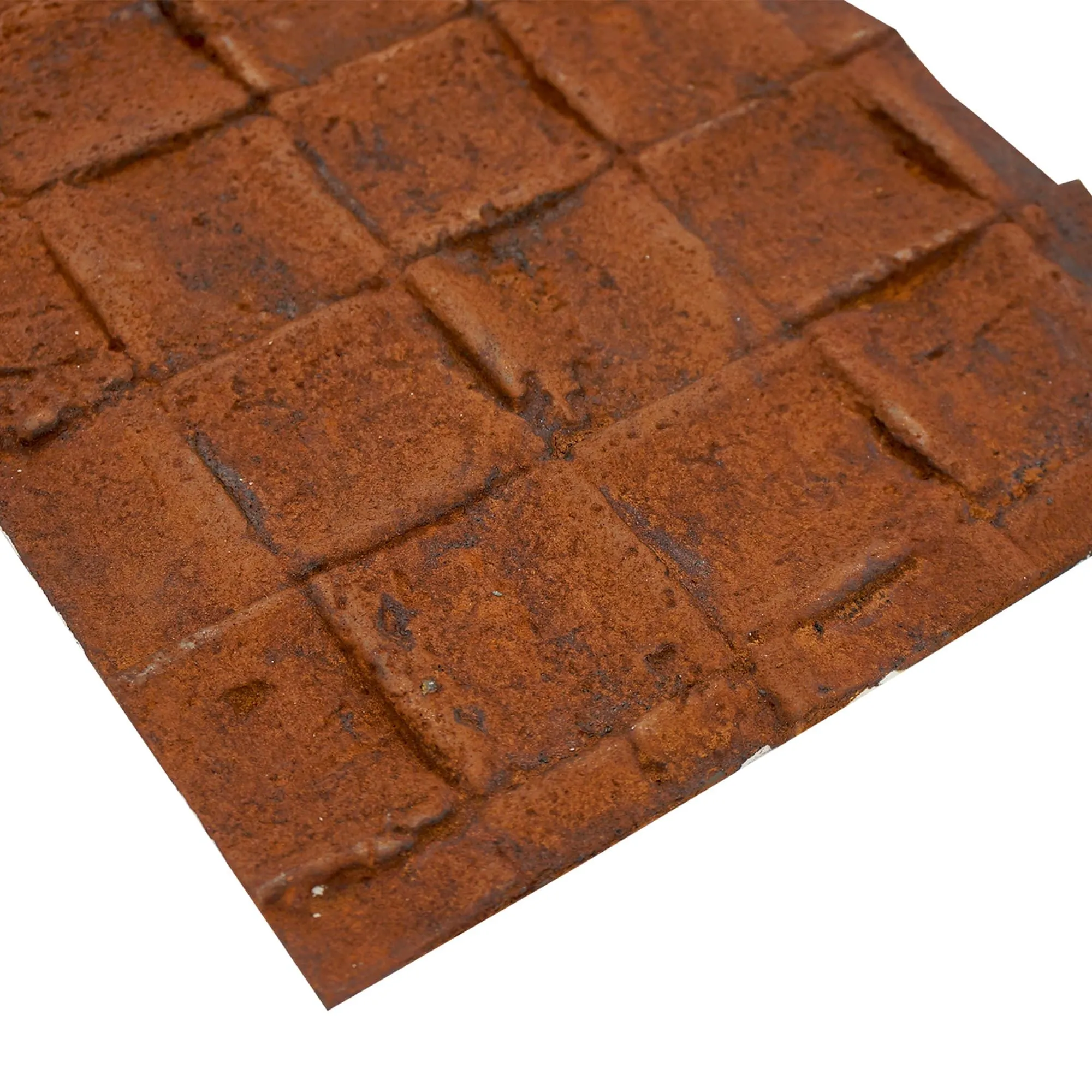
Rust Mosaic Stone, often referring to a type of natural stone with a rugged, textured surface and earthy, reddish-brown to golden hues, brings a distinctive rustic charm to any facade. It's typically composed of slate, quartzite, or sandstone, characterized by irregular shapes and varying thicknesses that create a rich, tactile surface when installed. This material embodies a sense of raw, untamed nature, making it a favorite for designs aiming for an organic, traditional, or even contemporary industrial look.
The primary appeal of Rust Mosaic Stone lies in its visual complexity. No two pieces are exactly alike, resulting in a facade that is inherently unique and full of character. The color palette typically ranges from deep rusts and burnt oranges to muted grays and browns, often with metallic flecks that shimmer under different lighting conditions. Its uneven surface creates dynamic shadows, adding depth and visual interest that flat materials simply cannot achieve. The mosaic pattern, whether meticulously laid or more organically arranged, evokes a handcrafted feel, reminiscent of ancient stonework.
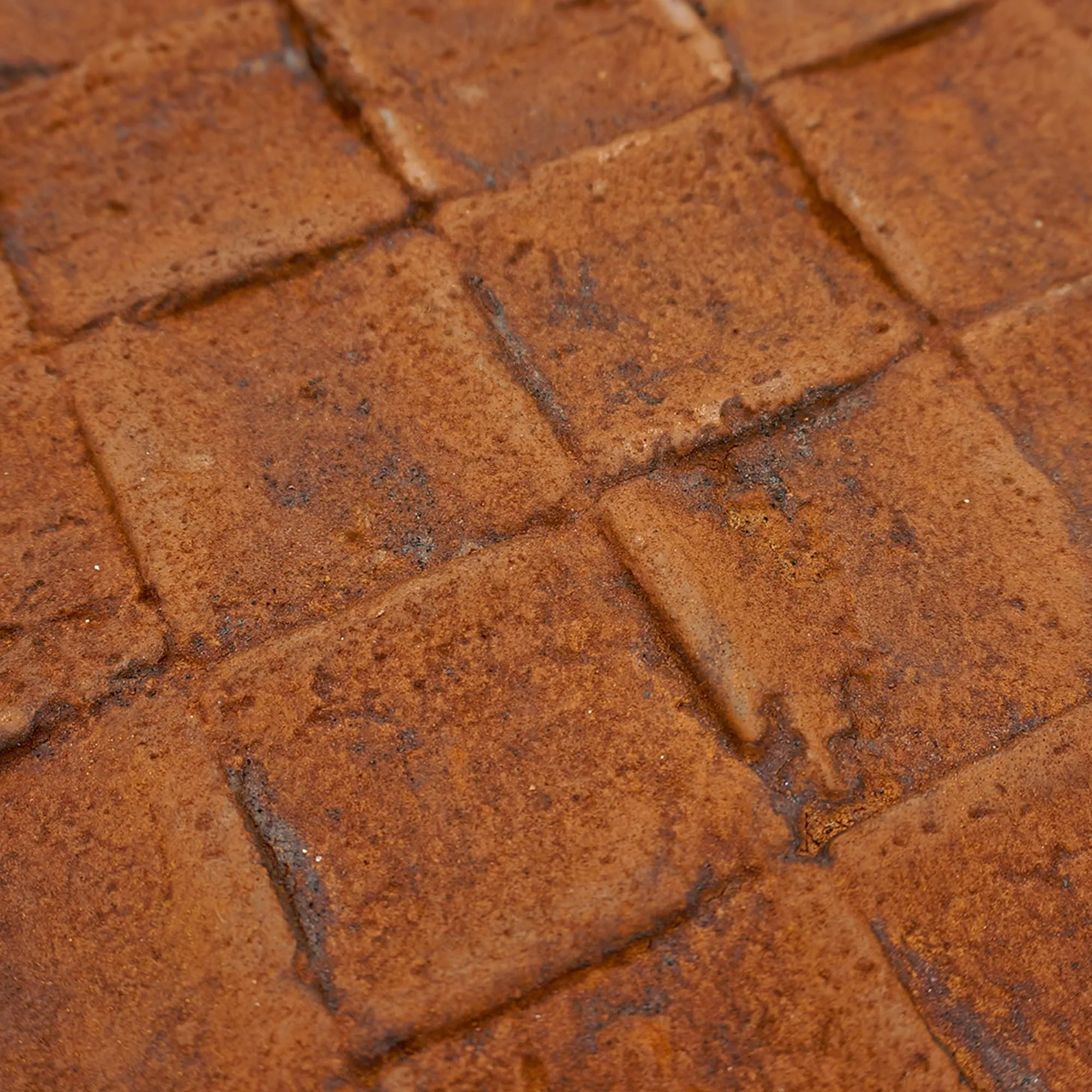
Limestone, a sedimentary rock primarily composed of calcium carbonate, offers a vastly different aesthetic from Rust Mosaic Stone. Known for its soft, often muted colors ranging from creamy whites and pale grays to warm beiges and occasionally deeper browns, Limestone exudes a sense of refined elegance and classical sophistication. It's a material that has graced monumental structures for millennia, from the Egyptian pyramids to numerous European cathedrals and modern corporate headquarters.
Limestone typically presents a more uniform and subdued appearance compared to the ruggedness of mosaic stone. Its fine-grained texture allows for precise cutting and carving, facilitating sophisticated architectural details. The subtle color variations and occasional fossil inclusions add character without overwhelming the overall aesthetic. Limestone's ability to be finished in various ways—honed, polished, sandblasted, or tumbled—allows for a range of textures, from smooth and lustrous to matte and aged, making it incredibly versatile for diverse architectural styles, from traditional to minimalist contemporary.
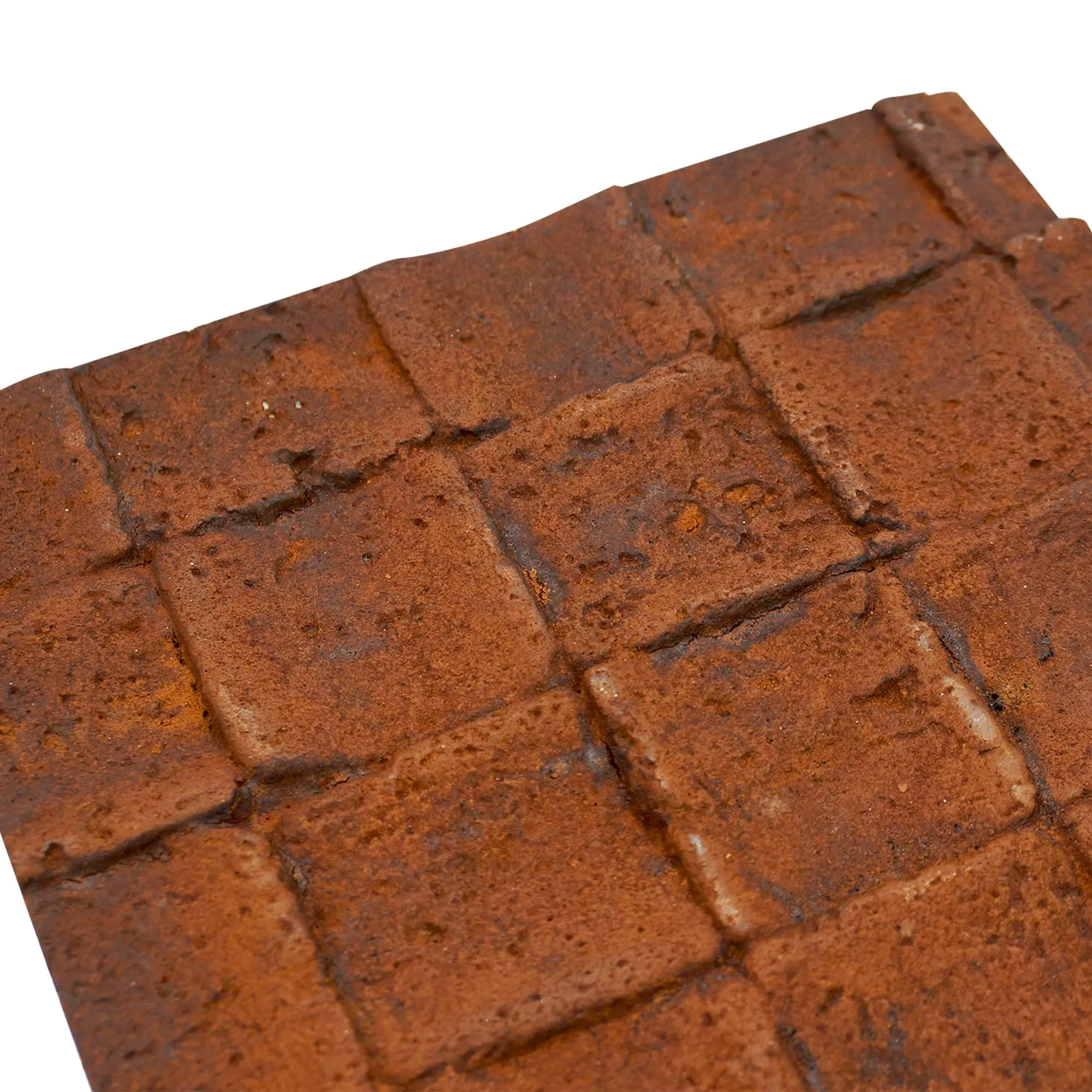
To help clarify the choice, let's put these two beautiful natural stones head-to-head across several key criteria:
| Feature | Rust Mosaic Stone | Limestone |
|---|---|---|
| Aesthetic Appeal | Rust Mosaic Stone"> Rustic, rugged, earthy, high texture, unique variations. Ideal for natural, organic, or traditional looks. | Elegant, classic, smooth to varied textures, muted uniform colors. Suited for classical, modern, or sophisticated styles. |
| Durability | Rust Mosaic Stone"> Very durable against physical impact and weathering, but specific type (slate, quartzite, sandstone) matters. | Durable for centuries, but softer than many other stones, more susceptible to scratching and acid erosion. |
| Weight | Rust Mosaic Stone"> Heavy. Requires substantial structural support. | Heavy. Requires substantial structural support. |
| Installation | Rust Mosaic Stone"> Complex, labor-intensive due to irregular shapes and weight, requires skilled masons. High labor costs. | Labor-intensive, requires skilled masons, but easier to cut and shape than mosaic. High labor costs. |
| Maintenance | Rust Mosaic Stone"> Generally low, may require occasional cleaning and sealing for some porous types. | Requires regular sealing to prevent staining and acid damage. Cleaning is needed for upkeep. |
| Cost | Rust Mosaic Stone"> High (material + installation). | High (material + installation). |
| Environmental Impact | Rust Mosaic Stone"> High due to quarrying, transportation, and potential waste during cutting. | High due to quarrying, transportation, and processing. |
| Versatility | Rust Mosaic Stone"> Best for specific rustic or bold statements. Limited in smooth, uniform applications. | Highly versatile in terms of finish and application, suitable for a broader range of architectural styles. |
From this comparison, it's clear that while both natural stones offer undeniable beauty and prestige, they come with significant practical and financial implications. Their inherent weight, complex installation, and environmental footprint often lead architects, developers, and homeowners to seek more modern, efficient, and sustainable alternatives without compromising on aesthetics or performance.
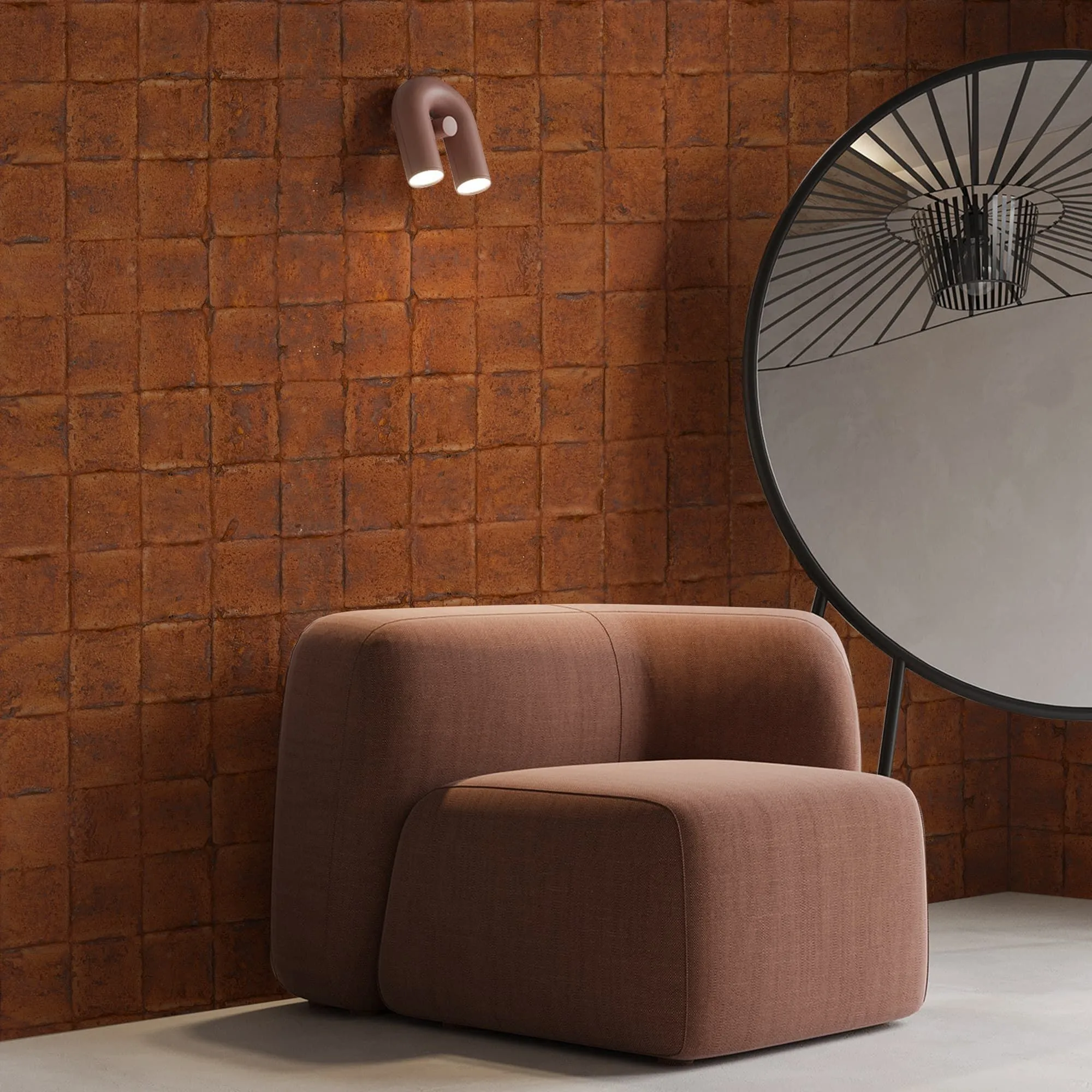
In light of the challenges associated with traditional natural stone cladding, COLORIA GROUP has emerged as a leading innovator, offering cutting-edge solutions in architectural materials . Our focus is on providing high-quality, sustainable, and versatile options that meet the demanding needs of both residential and commercial projects globally. Our flagship offering, the MCM (Modified Cementitious Material) series products , specifically addresses the shortcomings of conventional materials while enhancing design possibilities and sustainability.
COLORIA GROUP is not just a supplier; we are a one-stop solution provider committed to delivering comprehensive support from design conceptualization to project completion. With decades of industry experience and a strong global presence, including dedicated agencies in Saudi Arabia, we bring unparalleled expertise to every project. Our MCM products are designed for both interior and exterior wall decoration, offering a revolutionary approach to cladding.
MCM, or Modified Cementitious Material, represents a paradigm shift in building materials. It's an innovative composite material crafted from natural mineral powders, plant fibers, and other inorganic substances, processed through a specialized low-temperature curing technology. The result is a flexible, lightweight, and incredibly durable material that can mimic the appearance and texture of a vast array of natural stones, wood, brick, leather, and even woven textiles, with remarkable fidelity.
Crucially, MCM materials are green and environmentally friendly . Their production process consumes significantly less energy and raw materials compared to quarrying natural stone, and they are typically free from harmful VOCs (Volatile Organic Compounds). This commitment to sustainability aligns perfectly with modern construction's push towards greener building practices.
Our extensive MCM product line is engineered to provide superior performance, aesthetic flexibility, and ease of installation. Let's explore how these series can revolutionize your cladding choices, offering compelling advantages over traditional Rust Mosaic Stone and Limestone.
The MCM Flexible Stone series is where COLORIA GROUP truly shines as an alternative to both Rust Mosaic Stone and Limestone. These products replicate the intricate patterns, textures, and color variations of various natural stones, including rustic slates and elegant limestones, with astonishing realism. However, unlike natural stone, they are incredibly lightweight and flexible, making them easier to transport, handle, and install.
Imagine achieving the rugged beauty of Rust Mosaic Stone on a lightweight, flexible panel that installs in a fraction of the time, or the smooth, classical appearance of Limestone without concerns about weight, porosity, or acid damage. Our MCM Flexible Stone makes this possible.
For projects demanding grand scale and seamless aesthetics, our MCM Big Slab Board Series provides large-format panels that can replicate natural stone, concrete, or other textures across expansive surfaces. These slabs are perfect for creating contemporary, sleek facades or for applications where a minimalist look is desired, yet the robust character of stone is still paramount.
The MCM Project Board Series is specifically engineered to meet the rigorous demands of large-scale commercial and residential developments. These boards are designed for optimal performance, cost-effectiveness, and ease of integration into complex building systems.
Pushing the boundaries of design, our MCM 3D Printing Series allows for the creation of intricate, relief patterns and three-dimensional textures that are impossible or prohibitively expensive with traditional materials. This series unlocks unprecedented creative freedom for unique architectural statements.
Choosing COLORIA GROUP means partnering with a company that understands the complexities of modern construction. We pride ourselves on being a truly comprehensive one-stop solution provider . This means:
When evaluating Rust Mosaic Stone, Limestone, or COLORIA GROUP's MCM materials for your exterior cladding, consider the following:
If a truly authentic, heavy, and raw natural stone look is non-negotiable, and budget/structural limitations are not a concern, then Rust Mosaic Stone or Limestone might be your initial thought. However, if you desire the aesthetic of natural stone with superior practicality, flexibility, and a lighter footprint, then COLORIA GROUP's MCM Flexible Stone is the clear winner. It offers the visual richness without the inherent challenges of real stone.
Both Rust Mosaic Stone and Limestone carry significant material and labor costs due to their weight, complex installation, and requirement for specialized masonry. MCM products, being lightweight and easier to install, drastically reduce both labor time and associated costs, offering a more economical long-term solution without compromising on high-end aesthetics.
The immense weight of natural stone necessitates robust and often more expensive structural engineering. COLORIA GROUP's lightweight MCM solutions eliminate this concern, making them suitable for a wider range of buildings, including high-rise structures and renovations where additional load is problematic.
While natural stone is durable, its specific vulnerabilities (e.g., Limestone's porosity and acid sensitivity) require specific maintenance and sealing regimens. MCM materials are engineered for superior resistance to common environmental stressors, offering excellent long-term performance with minimal maintenance.
For projects prioritizing sustainability, the choice is clear. The quarrying, processing, and transportation of natural stone consume vast amounts of energy and resources. COLORIA GROUP's MCM products represent a green and environmentally friendly alternative, using fewer natural resources and having a significantly lower carbon footprint throughout their lifecycle.
The decision between Rust Mosaic Stone and Limestone for exterior cladding is a choice between two magnificent natural materials, each with its own undeniable charm and set of challenges. Rust Mosaic Stone offers a raw, rugged aesthetic, while Limestone provides classic elegance. However, in today's construction landscape, the demand for performance, sustainability, and design versatility often pushes beyond the limitations of traditional stone.
This is where COLORIA GROUP and our innovative MCM products provide a compelling, forward-thinking solution. By offering the aesthetic richness of natural stone, including the unique textures of Rust Mosaic Stone and the refined finishes of Limestone, but with enhanced flexibility, reduced weight, superior durability, and an undeniable commitment to being green and environmentally friendly , our materials are redefining exterior cladding. As a dedicated one-stop solution provider for architectural materials , we empower architects and developers to realize their most ambitious visions with confidence, efficiency, and a lighter touch on our planet.
For your next project, whether you're envisioning the earthy warmth of rustic stone or the timeless appeal of classic elegance, consider the transformative power of COLORIA GROUP's MCM solutions. We provide the perfect blend of aesthetic distinction, practical performance, and sustainable innovation, making us the ideal partner for your interior and exterior decoration needs.
Recommend Products











