

In the intricate world of interior and exterior design, material choice plays a pivotal role in defining the aesthetic, durability, and overall success of a project. For designers, architects, and homeowners alike, the quest for materials that offer both beauty and adaptability is unending. Mosaic, in its myriad forms, has long been a cherished decorative element, capable of transforming any surface into a work of art. But when faced with the choice between seemingly disparate options like Rust Mosaic Stone and the classic elegance of Marble Mosaic, how do we determine which truly unlocks greater design flexibility? This article delves deep into the characteristics, applications, advantages, and limitations of both materials, ultimately aiming to provide a comprehensive answer and introduce how innovative materials like those from COLORIA GROUP are reshaping the conversation around architectural materials and design possibilities.
The decision isn't merely about aesthetics; it encompasses considerations of maintenance, cost, installation, environmental impact, and long-term performance. Understanding these nuances is crucial for making an informed choice that aligns with the vision and practical requirements of any residential or commercial project. Let's embark on a detailed comparison to unravel the design potential inherent in each.
Marble has been revered since ancient times for its unparalleled beauty, luxurious feel, and artistic versatility. Formed from recrystallized carbonate minerals, marble exhibits distinctive veining patterns, a result of various mineral impurities, which give each piece its unique character. When cut into small tesserae and meticulously arranged, it forms marble mosaics – a design element that has adorned palaces, cathedrals, and grand homes for millennia.
Marble mosaic offers considerable design flexibility, particularly in creating classical, elegant, and intricate patterns.
Despite its strengths, the inherent limitations of marble, such as its porosity and weight, sometimes restrict its use in certain environments or push up long-term maintenance costs.
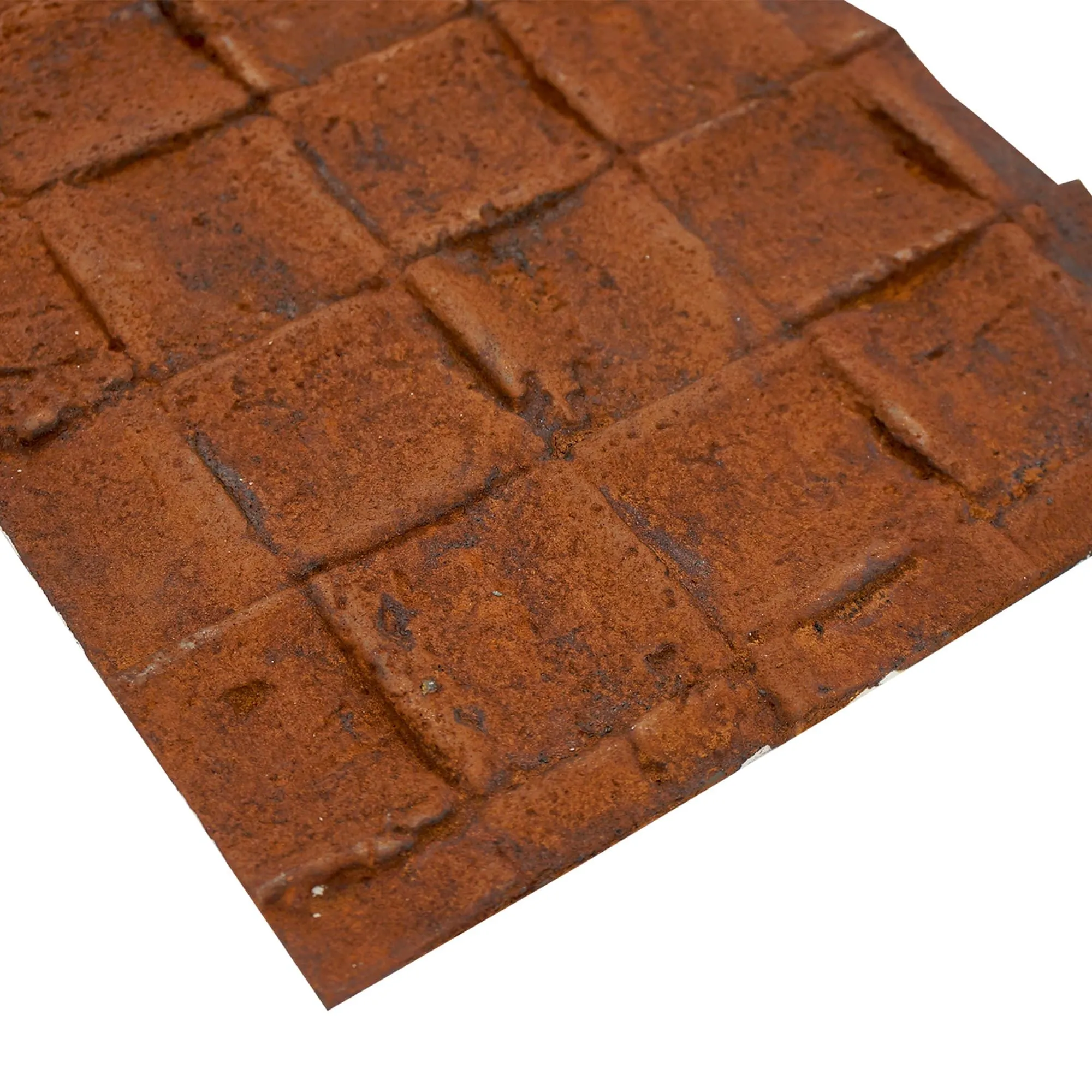
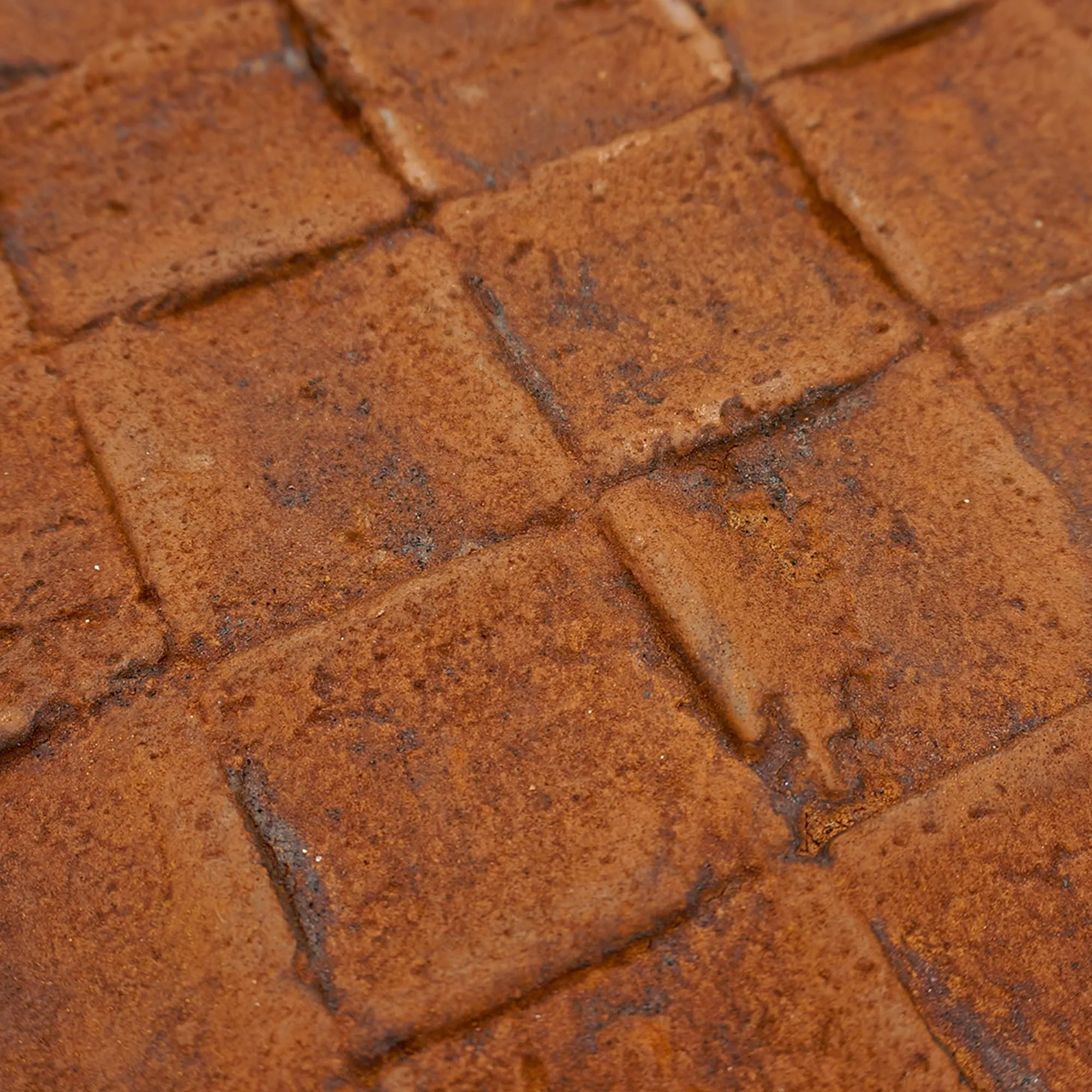
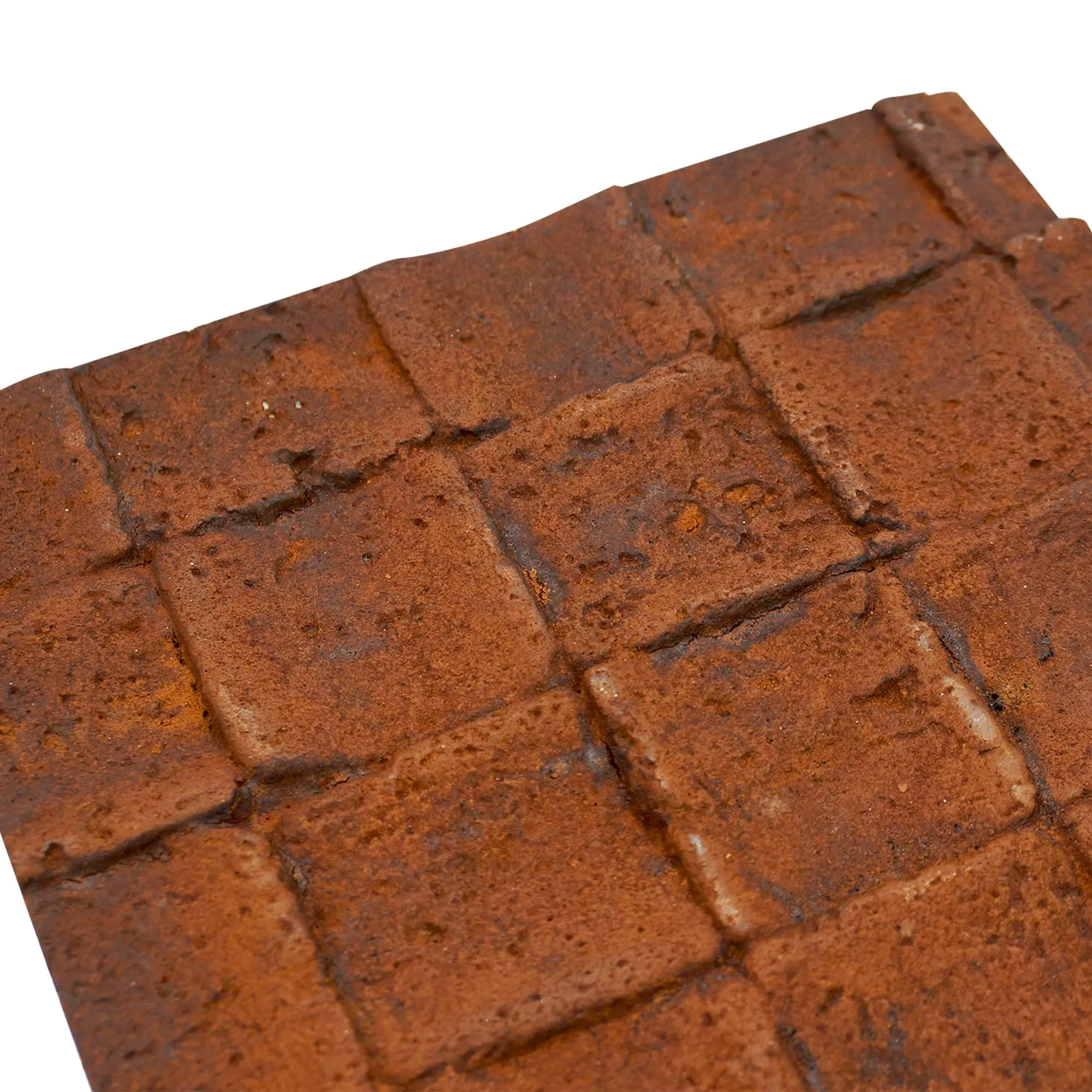
"Rust Mosaic Stone" is a term that often refers to mosaics made from natural stones that exhibit earthy, iron-oxide rich tones, or even materials specifically treated or formulated to emulate the look and feel of rusted metal or weathered stone. These can include slates, quartzites, or engineered materials designed to capture a rugged, industrial, or rustic aesthetic. For the purpose of this comparison, we'll consider natural stones with rust-like coloration and innovative materials that mimic this distinct texture and hue. This category tends to appeal to a more contemporary or industrial design sensibility, diverging significantly from marble's classical appeal.
The design flexibility of rust mosaic stone lies in its ability to create specific moods and styles, often embracing a more modern, rustic, or industrial aesthetic.
While offering a unique aesthetic, the specific color range of natural rust stones might be more limited compared to marble's broader spectrum if not considering engineered options. The inherent irregularities can also be a design challenge if a perfectly uniform look is desired.
To truly assess which material offers more design flexibility, we need to break down various factors that influence a designer's choices.
| Factor | Marble Mosaic | Rust Mosaic Stone |
|---|---|---|
| Aesthetic Range | Classic, luxurious, wide natural color palette (whites, grays, greens, reds, blacks), intricate veining, smooth finish. Ideal for opulent or refined spaces. | Rustic, industrial, modern, earthy tones (oranges, reds, browns, grays), often textured, raw look. Best for statement pieces, organic, or contemporary themes. |
| Pattern & Shape Creation | Excellent for precise geometric patterns, classical motifs, intricate pictorial designs due to fine cutting capabilities and homogeneous texture. | Suited for more organic, irregular patterns, or straightforward tiling. The strong, unique coloration often dictates a simpler layout to avoid overpowering the space. |
| Environmental Versatility | Primarily indoor applications (flooring, walls, backsplashes, decorative panels). Can be used outdoors in protected areas but requires careful sealing and maintenance due to porosity. | Many natural variants (e.g., slate, quartzite) are highly durable for both interior and exterior use (facades, patios, garden features), offering broader application scope. |
| Maintenance & Durability | Requires regular sealing, sensitive to acids, prone to scratching and etching. Moderate durability for specific uses. | Generally more robust and less porous than marble (for natural stone variants). Low maintenance, good scratch and stain resistance, high durability for varied applications. |
| Weight & Installation | Heavy, requiring robust sub-structures and specialized installation techniques. Limited flexibility for complex curved surfaces without significant effort. | Can be heavy if natural stone. Installation similar to other stone tiles. Engineered solutions often provide lighter alternatives with easier installation. |
| Cost Implications | High material cost, high installation cost, high maintenance cost. Represents a significant investment. | Material cost can vary. Installation can be more straightforward. Generally lower long-term maintenance costs. |
Based on traditional forms, **Marble Mosaic** often takes the lead in classical, intricate, and luxurious design schemes where its specific range of colors and patterns is desired. Its flexibility lies in creating ornate details and a sense of timeless grandeur.
**Rust Mosaic Stone**, on the other hand, excels in environments seeking a distinct character, a connection to nature's raw beauty, or an industrial edge. Its flexibility is more about creating bold statements and adapting to a broader range of environmental conditions, especially outdoors.
However, this comparison often feels limited when we consider the advancements in modern architectural materials. The true frontier of design flexibility is no longer solely dictated by what nature provides but by what innovation can create.
This is where COLORIA GROUP steps in as a game-changer. As a **one-stop solution provider** in the architectural materials domain, we are not just offering materials; we are offering possibilities. Our expertise, honed over decades and applied globally – with a strong presence in regions like Saudi Arabia – allows us to understand the evolving needs of both residential and commercial projects. We recognize that true design flexibility comes not just from a material's inherent properties, but from its adaptability, sustainability, and ability to be customized to an unparalleled degree.
Our flagship **MCM (Modified Cementitious Material) series products** are at the forefront of this revolution. These aren't just alternatives; they are superior solutions designed to overcome the limitations of traditional materials while amplifying their aesthetic and functional advantages.
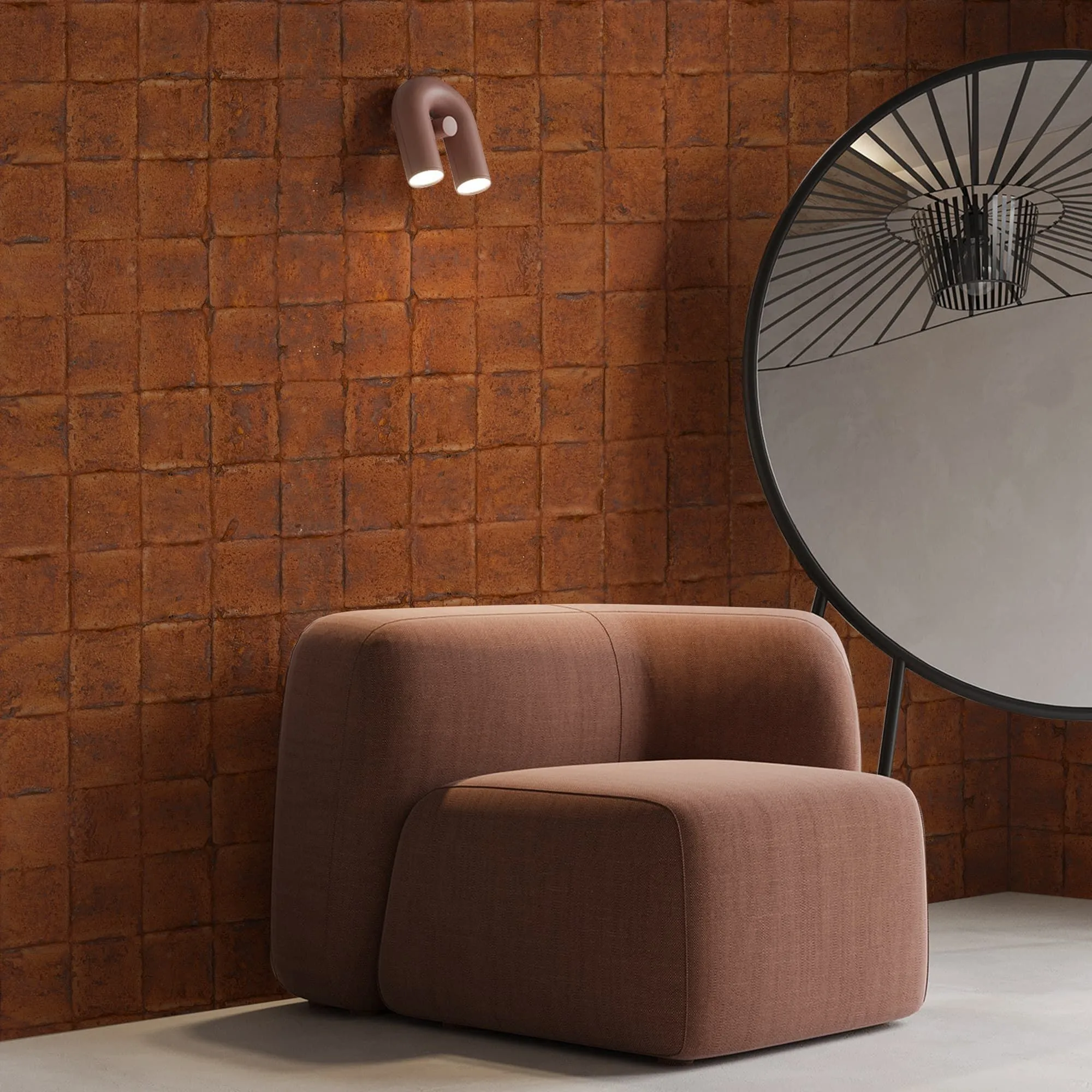
When we re-evaluate the question, "Rust Mosaic Stone vs. Marble Mosaic: Which Offers More Design Flexibility?", the answer shifts dramatically with the introduction of modern engineered materials. While natural stones are beautiful, their inherent properties impose limitations. Rust mosaic stone offers a specific aesthetic and robust outdoor utility, and marble mosaic provides classic luxury and intricate detail. However, neither can offer the complete spectrum of design adaptability that COLORIA GROUP's MCM materials bring to the table.
COLORIA GROUP's MCM products aren't just mimicking stone; they are transcending it. They provide the aesthetic range of both, combined with superior performance characteristics, environmental benefits, and a level of **customization** that is simply not achievable with quarried stone. The ability to create lightweight, flexible, and 3D-printed textures opens up an entirely new dimension of design possibilities, allowing architects and designers to break free from traditional constraints. From a purely practical standpoint, the ease of installation, reduced maintenance, and long-term durability further contribute to design flexibility by simplifying project execution and ensuring lasting beauty.
The trend in contemporary architecture is moving towards greater innovation, sustainability, and efficiency without sacrificing aesthetic appeal. COLORIA GROUP, with its commitment to developing advanced **architectural materials**, is perfectly positioned to lead this charge. Our global presence and extensive experience mean we're not just selling products; we're partnering with clients to realize their most ambitious design visions.
Whether a project demands the subtle elegance of marble, the raw character of rust stone, or something entirely novel, our MCM series offers a tailored solution. We empower designers to imagine beyond the conventional, creating spaces that are not only visually stunning but also environmentally responsible and functionally superior. By choosing COLORIA GROUP, you're not just selecting a material; you're selecting a future-proof, flexible, and sustainable path for your next residential or commercial project. The true winner in the quest for design flexibility is not a specific type of natural stone, but rather the innovative, adaptable, and customizable materials that overcome traditional limitations. COLORIA GROUP is proud to be that innovator, offering solutions that make every design dream a tangible reality.
Let's consider how the diverse capabilities of COLORIA GROUP's MCM series translate into real-world design applications, demonstrating its superior flexibility over both traditional marble and rust mosaic stone, especially when dealing with the nuanced demands of modern construction.
For exterior applications, the choice of material is critical for both aesthetics and long-term structural integrity. Traditional marble, while beautiful, requires extensive maintenance and sealing against environmental aggressors like acid rain and pollution, limiting its practical use as a widespread exterior facade material, especially in intricate mosaic forms. Natural rust mosaic stones, if properly selected and installed, can endure outdoor conditions, but their specific aesthetic might not fit every architectural style.
COLORIA GROUP's MCM products, however, are engineered for optimal outdoor performance. Our MCM Big Slab Board Series provides large, seamless surfaces that can mimic the grand appearance of natural stone but with significantly lighter weight and enhanced weather resistance. This means architects can achieve the dramatic effect of a solid stone facade without the associated structural challenges or maintenance headaches. Furthermore, our MCM Flexible Stone offers an unprecedented advantage for building curves and complex architectural geometries. Imagine a fluid, undulating building facade adorned with a mosaic pattern that appears to flow organically – this is easily achievable with MCM Flexible Stone, where rigid materials would necessitate costly and often compromise-laden segmentation. The inherent UV stability and colorfastness of MCM ensure that the chosen aesthetic remains vibrant and true for decades, a flexibility that few natural stones can guarantee without consistent, expensive upkeep.
Inside, the desire for impactful feature walls and custom art installations is constantly growing. Marble mosaics are excellent for intricate traditional patterns, but for truly bespoke, contemporary, or even abstract designs, their limitations can become apparent. The heavy weight and fragility of thin marble pieces can restrict the scale and complexity of designs, particularly if they involve extensive curves or require rapid fabrication.
Here, COLORIA GROUP's MCM series truly shines. The MCM Project Board Series offers a robust and adaptable base for any interior design vision. Crucially, the MCM 3D Printing Series revolutionizes what's possible in mosaic-like installations. Instead of just flat tesserae, designers can create mosaics with tangible depth, sculpted reliefs, and customized textures that respond to light and shadow in dynamic ways. This isn't just about color and pattern; it's about introducing a third dimension to surface design. Imagine a wall mosaic that incorporates tactile graphics, or a brand logo rendered with custom-printed textural elements – the design possibilities become boundless. This kind of advanced **customization** is a core strength, allowing each project to have a unique identity that cannot be replicated with off-the-shelf natural materials.
Bathrooms, kitchens, and commercial high-traffic areas demand materials that are not only attractive but also highly resistant to moisture, stains, and wear. Marble, due to its porosity, is notorious for requiring meticulous sealing and is still susceptible to etching from common household acids found in cleaning products or even beverages. Rust mosaic stone, while often more robust, may still have inconsistent porosity depending on its natural composition, and its textured surface can sometimes be harder to clean thoroughly.
COLORIA GROUP's MCM materials are engineered with these challenges in mind. They offer superior water resistance, are easy to clean, and maintain their aesthetic integrity even in demanding environments. This inherent durability extends their design flexibility by allowing designers to use sophisticated mosaic patterns and stone-like finishes in places where traditional materials would be impractical or require excessive maintenance. The peace of mind that comes with a high-performance, low-maintenance material allows for bolder design choices, knowing that the aesthetic will last. This holistic approach, combining beauty with functionality, solidifies our position as a **one-stop solution provider** for complex architectural challenges.
In an era where environmental responsibility is paramount, the flexibility of a material also encompasses its ecological footprint. The quarrying, processing, and transportation of natural stone, such as marble or specific types of rust mosaic stone, can be energy-intensive and have significant environmental impacts.
COLORIA GROUP's MCM products stand out as truly **sustainable architectural materials**. Manufactured using a low-temperature process with natural mineral powders and recycled content, they drastically reduce energy consumption and carbon emissions compared to traditional alternatives. This flexibility to choose an eco-conscious material without compromising on design aesthetics or performance is invaluable for projects aiming for LEED certification or simply striving for a greener build. The long lifespan and low maintenance of MCM further contribute to its sustainability profile, reducing the need for replacements and associated resource consumption over time. This makes MCM not just a material choice, but a responsible design choice.
For renovation projects, material weight and ease of installation are critical. Adding heavy marble or traditional rust stone mosaics to existing structures can necessitate expensive and time-consuming structural reinforcements.
The lightweight nature of COLORIA GROUP's MCM materials makes them an ideal solution for retrofitting and renovation. They can often be applied directly over existing surfaces with minimal preparation, dramatically reducing project timelines, labor costs, and the need for structural modifications. This inherent flexibility allows designers to breathe new life into old buildings, transforming their aesthetic without the prohibitive costs and complexities associated with traditional heavy materials. This capability unlocks a vast market for creative renovations, extending the lifespan and aesthetic relevance of countless structures.
While Rust Mosaic Stone and Marble Mosaic each possess their unique charm and specific areas of design prowess, the question of which offers *more* design flexibility becomes increasingly irrelevant in the face of modern material innovation. The real breakthrough comes from materials that can transcend the limitations of natural stone while retaining and even enhancing its aesthetic appeal.
COLORIA GROUP's MCM (Modified Cementitious Material) series represents this evolutionary leap. By offering unparalleled **customization**, superior performance, lightweight flexibility, and a strong commitment to environmental sustainability, our products empower architects and designers with the ultimate freedom to create. Whether the vision calls for the classic elegance of marble, the rugged appeal of rust stone, or a completely new, imaginative surface, COLORIA GROUP provides the **one-stop solution provider** framework and the innovative **architectural materials** to bring that vision to life.
We don't just provide building materials; we provide the means to achieve truly flexible, inspiring, and sustainable designs for every residential and commercial project, globally. The future of design flexibility lies not in choosing between two natural stones, but in embracing the advanced solutions that redefine what's possible in architecture. COLORIA GROUP is proud to be at the forefront of that future.
Recommend Products











