When you're planning a new architectural project, whether it's a cozy home renovation or a sprawling commercial development, the choices you make for your materials can dramatically impact the final look, feel, and even the long-term performance of the space. Among the myriad of options for wall and surface decoration, mosaics have always held a special place, offering a unique blend of artistry, texture, and visual interest. But within the mosaic family, two distinct approaches often come to mind: the timeless appeal of traditional mosaic and the emerging, character-rich aesthetic of rust mosaic stone. Which one is the right fit for your vision?
At COLORIA GROUP, we understand that every project is unique, and our role as a
one-stop solution provider
in architectural materials is to help you navigate these complex decisions. We pride ourselves on offering high-quality interior and exterior decoration materials, backed by decades of industry experience and a commitment to innovation, especially through our cutting-edge
MCM (Modified Cementitious Material)
series. Today, we're diving deep into the comparison between rust mosaic stone and traditional mosaic, exploring their characteristics, applications, and how modern material science is pushing the boundaries of what's possible, even offering solutions that blend the best of both worlds.
Understanding Traditional Mosaic: A Legacy of Artistry
Traditional mosaic has a history that stretches back millennia, gracing everything from ancient Roman villas to Byzantine churches and contemporary public art installations. It's an art form born from piecing together small fragments of material – typically ceramic tiles, glass, or natural stone – to create a larger image or pattern.
What Defines Traditional Mosaic?
-
Material Diversity:
The beauty of traditional mosaic lies in its ability to incorporate a wide array of materials. Glass tesserae offer brilliant colors and translucency, ceramic tiles provide durability and pattern variety, while natural stone fragments introduce earthy tones and inherent strength. Each material brings its own texture and reflectivity.
-
Artistic Expression:
It's fundamentally an artistic medium. Skilled artisans meticulously cut and arrange each piece, often following intricate designs, leading to highly detailed murals, figurative scenes, or complex geometric patterns. The grout lines, far from being just functional, become an integral part of the aesthetic, defining shapes and contours.
-
Color and Texture:
Traditional mosaics can range from vibrantly colored glass compositions to more subdued, monochromatic stone arrangements. The interplay of individual tile surfaces and the texture created by the grout lines contribute to a rich tactile experience.
-
Durability and Longevity:
Many traditional mosaics, especially those made with natural stone or vitrified ceramic, are incredibly durable. They can withstand significant wear and tear, moisture, and temperature fluctuations, which is why ancient examples still survive today.
Advantages of Traditional Mosaic:
-
Timeless Appeal:
Its classical beauty never goes out of style. It can add an immediate sense of grandeur and history to any space.
-
High Customization:
Almost any image or pattern can be rendered in mosaic form, limited only by the artist's skill and the chosen materials.
-
Versatility:
Suitable for floors, walls, ceilings, swimming pools, and decorative objects, both indoors and outdoors.
Disadvantages of Traditional Mosaic:
-
Labor-Intensive Installation:
The meticulous process of laying individual tesserae is time-consuming and requires specialized skills, which translates to higher labor costs.
-
Cost:
Materials, especially specialized glass or hand-cut stone, combined with installation costs, can make traditional mosaic a significant investment.
-
Weight:
Stone and ceramic mosaics can be quite heavy, requiring robust substrate preparation, especially for vertical applications.
-
Grout Maintenance:
Grout lines, while aesthetically significant, can harbor dirt and require regular cleaning, and are susceptible to staining or degradation over time.
Exploring Rust Mosaic Stone: The Allure of Organic Imperfection
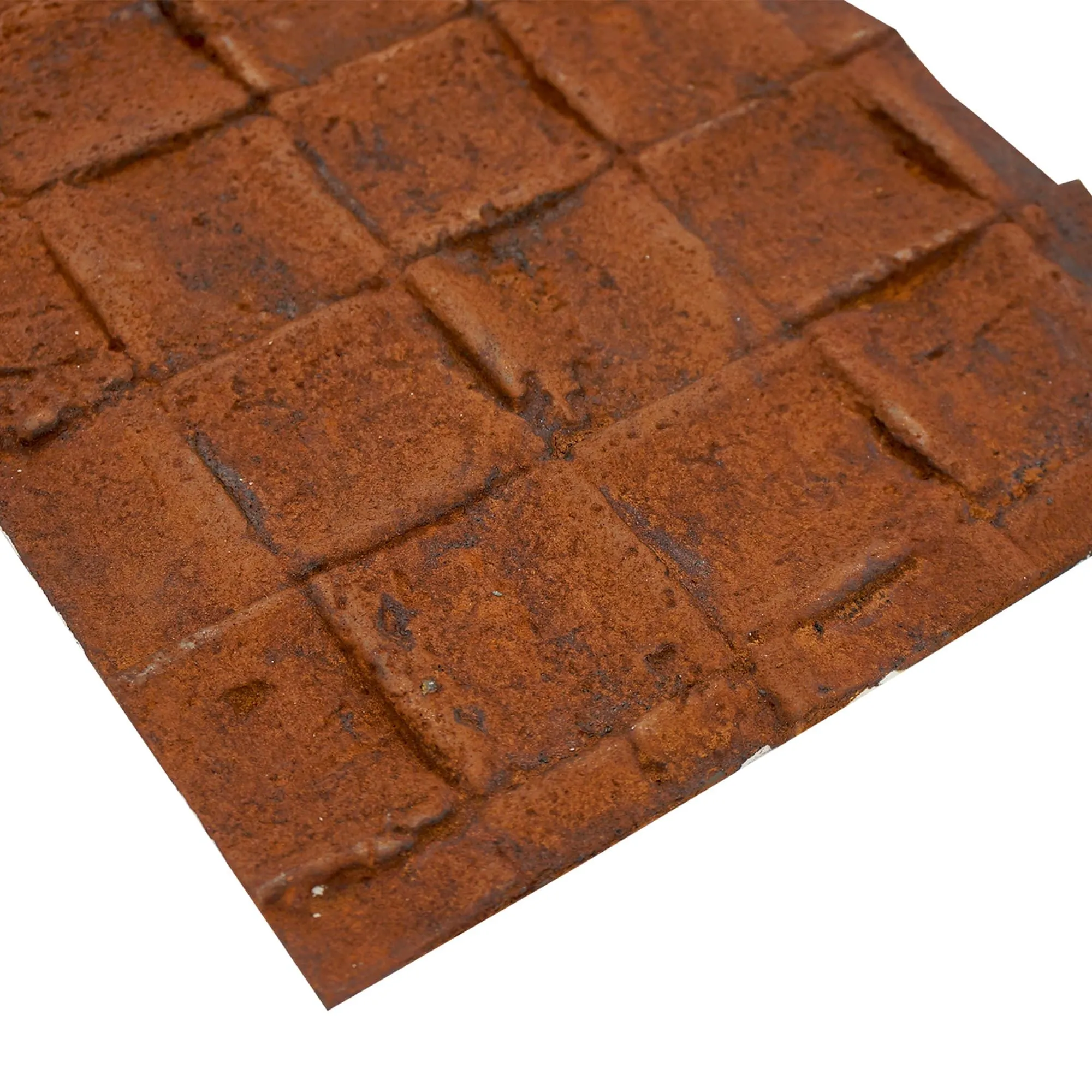
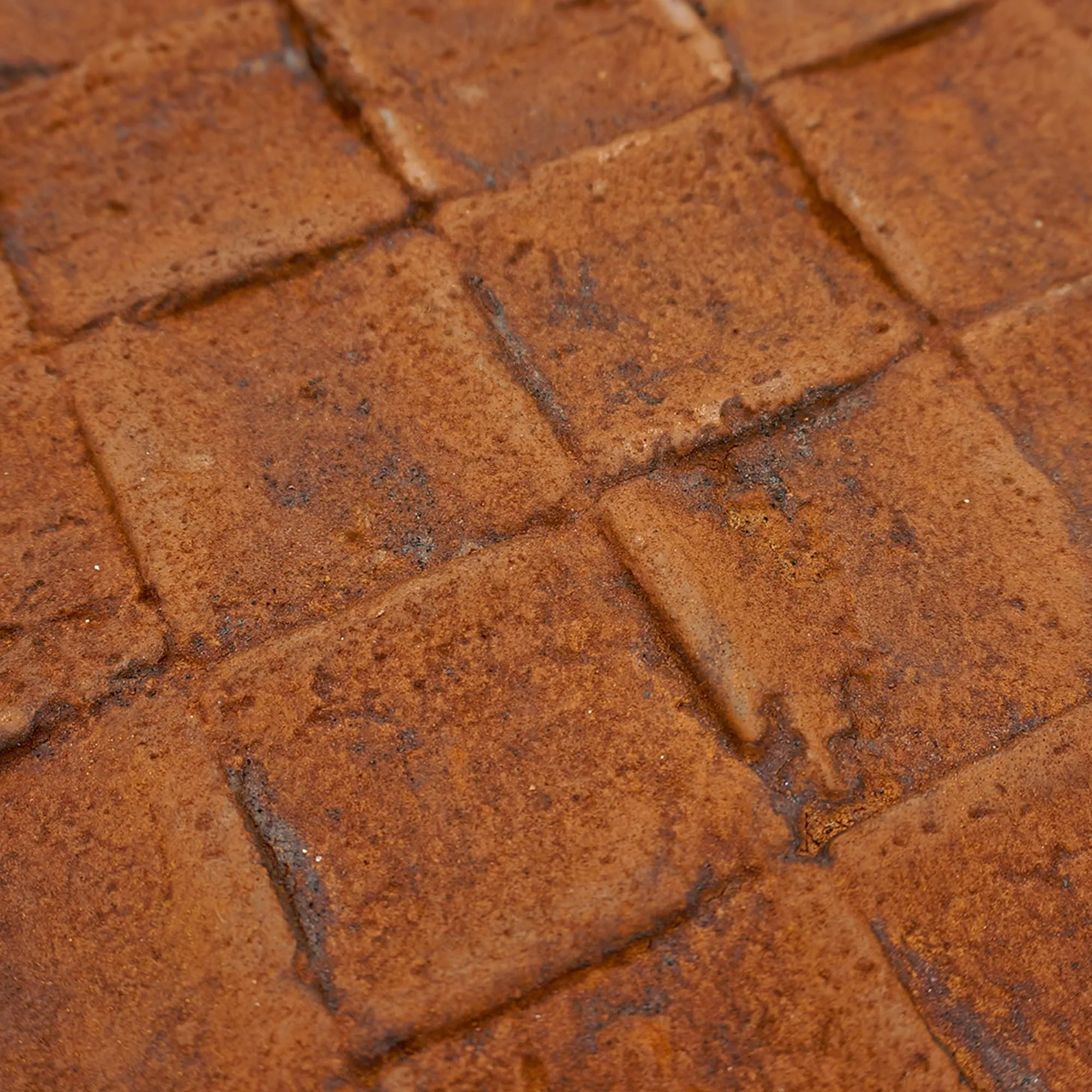
Rust mosaic stone, or more broadly, the aesthetic of rustic and industrial-inspired surfaces, taps into a different design sensibility. It celebrates the raw, unrefined beauty of natural elements, often mimicking the aged look of corroded metal, weathered stone, or oxidized surfaces. It's about bringing an organic, earthy, and often industrial elegance into contemporary design. While traditional "rust mosaic stone" might literally refer to natural stone with iron oxide inclusions or treatments, the broader concept embraces materials that achieve this specific aesthetic.
-
Natural and Earthy Tones:
Dominated by hues of burnt orange, deep red, brown, and charcoal, reflecting the natural oxidation process. This color palette creates a warm, grounding, and often dramatic atmosphere.
-
Textural Richness:
The appeal often lies in its varied surface texture – rough, pitted, uneven, replicating the natural wear and tear of time and exposure to elements. This creates a highly tactile surface that invites touch.
-
Industrial and Rustic Charm:
It aligns perfectly with industrial chic, farmhouse rustic, or wabi-sabi design philosophies, where imperfections are celebrated as part of the material's story.
-
Unique Patterns:
Unlike geometric traditional mosaics, the patterns in rust aesthetic materials are often organic, irregular, and naturally occurring, ensuring each installation is genuinely one-of-a-kind.
-
Distinctive Visual Impact:
Instantly creates a focal point and adds significant character to a space. It's a statement material.
-
Warmth and Authenticity:
Evokes a sense of age, history, and connection to nature, fostering a warm and inviting environment.
-
Low Maintenance (for some modern iterations):
While natural rust may require sealing, modern interpretations can offer the look with greater ease of care.
-
Availability and Cost (for natural materials):
Truly naturally rusted stone can be rare and expensive.
-
Heavy:
Natural stone with these characteristics can be very heavy and challenging to install.
-
Color Variation:
While a feature, the natural variation can be unpredictable and may require careful selection.
-
Potential for Actual Rust (if using real metal):
If using materials that genuinely rust, proper sealing and maintenance are crucial to prevent staining on surrounding surfaces.
The Modern Alternative: How COLORIA GROUP Redefines Possibilities with MCM
Here's where COLORIA GROUP steps in, revolutionizing the field of architectural materials. We understand the desire for both classic beauty and modern, character-rich aesthetics. However, we also recognize the practical challenges associated with traditional materials, including their weight, cost, and environmental impact. This understanding led to the development of our flagship
MCM (Modified Cementitious Material)
series – a game-changer for both residential and commercial projects.
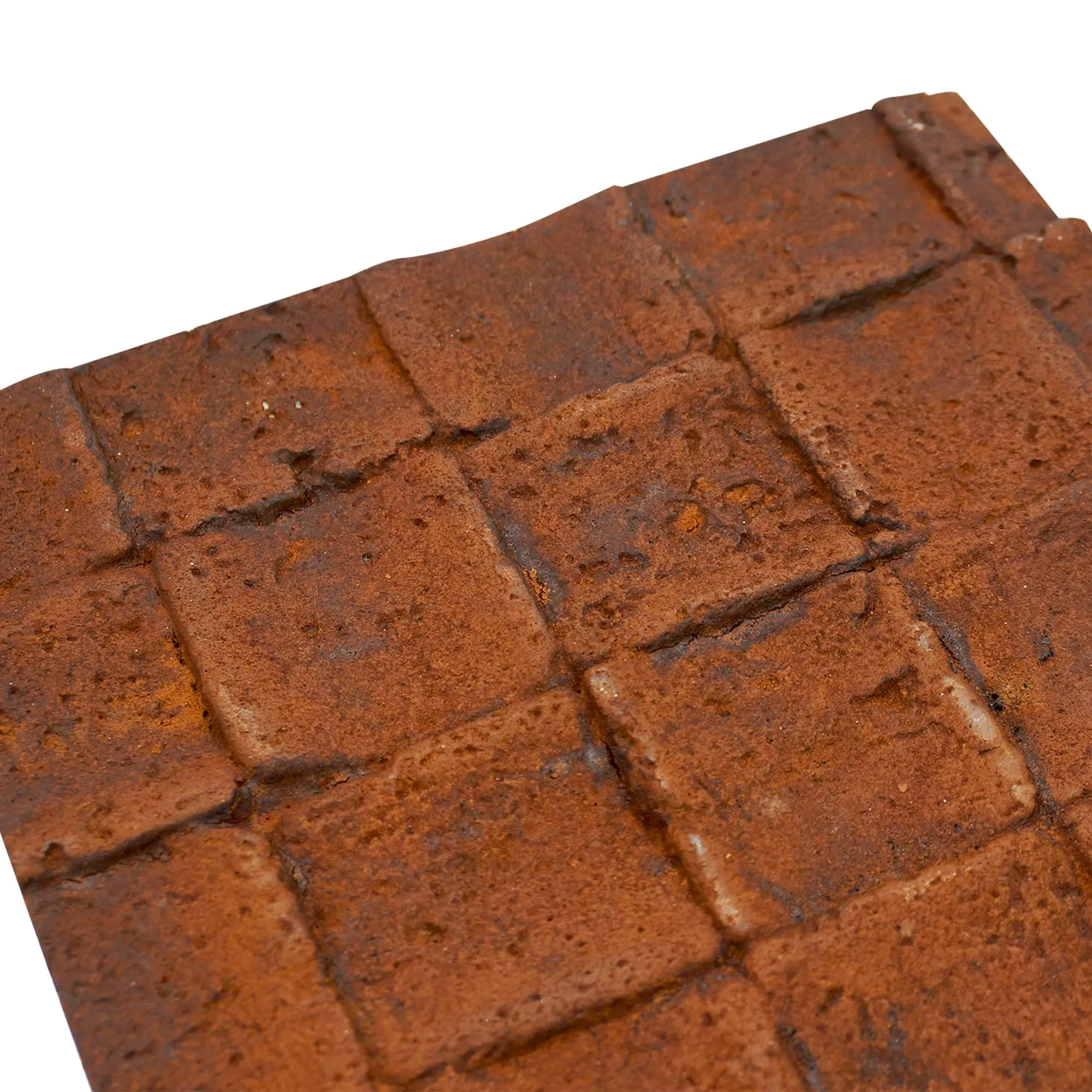
Our MCM products are not just alternatives; they are advancements. They are engineered to capture the aesthetic essence of various natural materials, including stone, brick, wood, and even the rustic charm of oxidized surfaces, but with vastly superior performance characteristics. This allows designers and architects to achieve the desired look, such as a "rust mosaic stone" effect, without the traditional drawbacks.
Introducing COLORIA GROUP's MCM Series:
Our MCM technology transforms ordinary earth-based materials (like clay, sand, and mineral powder) through a unique, low-temperature molding process. The result is a flexible, lightweight, and incredibly versatile material that can mimic virtually any texture or pattern.
-
MCM Big Slab Board Series:
Imagine achieving the expansive, seamless look of large-format natural stone, but with a fraction of the weight and installation complexity. Our big slab boards offer grandeur and modernity, perfect for feature walls or exterior facades, including options that emulate large sections of aged or oxidized metal for a rust aesthetic.
-
MCM Project Board Series:
Designed for efficiency and performance in large-scale constructions, these boards provide robust and aesthetically pleasing solutions for a wide range of applications, from interior partitions to exterior cladding, offering various textures and finishes.
-
MCM 3D Printing Series:
This is where true design freedom comes alive. With 3D printing capabilities, we can create intricate, bespoke patterns and textures that are impossible or prohibitively expensive with traditional methods. This opens up new avenues for achieving complex mosaic-like patterns or deeply textured "rust" surfaces with unparalleled precision and repeatability.
-
MCM Flexible Stone:
This product is perhaps the closest in spirit to a modern "rust mosaic stone." It perfectly captures the authentic look and feel of natural stone, including its subtle variations, textures, and even the weathered, oxidized appearance you'd associate with rust. But crucially, it's flexible, lightweight, and thin, making installation much simpler and suitable for curved surfaces or areas where traditional heavy stone isn't feasible. It truly embodies the rustic, earthy appeal without the baggage.
Why Choose COLORIA GROUP's MCM Products for Your "Mosaic" Needs?
-
Lightweight:
Significantly lighter than natural stone, ceramic tiles, or concrete, reducing structural load and simplifying logistics and installation. Our
flexible stone
, for instance, dramatically cuts down on installation effort.
-
Flexible:
Can be applied to curved surfaces, pillars, and non-flat walls, providing design freedom that rigid materials cannot. This is particularly advantageous for intricate designs or mosaic-style applications.
-
Eco-friendly:
Our manufacturing process is low-carbon, uses natural mineral powders and recycled materials, and produces minimal waste. This commitment to sustainability makes our products an excellent choice for green building initiatives.
-
Customizable:
Our materials can be engineered to replicate virtually any texture, color, and pattern. If you envision a specific "rust mosaic stone" look, a unique mosaic pattern, or a weathered stone finish, our customization capabilities can bring it to life. We offer unparalleled design freedom.
-
Durable and Weather-Resistant:
Our MCM products are designed for both interior and exterior applications, resisting UV radiation, temperature extremes, moisture, and fading, ensuring long-lasting beauty.
-
Cost-Effective:
While offering premium aesthetics, the reduced material weight, easier installation, and long lifespan contribute to a lower overall project cost compared to traditional, heavy, or complex materials.
-
Safety:
Non-toxic, fire-retardant, and resistant to mold and mildew, contributing to healthier and safer environments.
Comparing the Options: Rust Mosaic Stone vs. Traditional Mosaic vs. Modern MCM Solutions
To help you make an informed decision, let's put these options side-by-side. While the title focuses on "Rust Mosaic Stone vs. Traditional Mosaic," it's crucial to understand how modern materials like our MCM products offer a superior blend of aesthetics and practicality, effectively offering a "third way" that often surpasses the limitations of both traditional categories.
|
Feature
|
Traditional Mosaic
|
Natural Rust Mosaic Stone (or similar aesthetic)
|
COLORIA GROUP's MCM (e.g., Flexible Stone)
|
|
Aesthetic Range
|
Classic, artistic, geometric or figurative patterns, vibrant colors, glossy or matte finishes.
|
Rustic, industrial, earthy, aged, organic patterns, rich browns/reds/greys, textured.
|
Mimics natural stone, wood, brick, concrete, metal, including rust/weathered effects. Wide range of customizable textures, colors, and patterns.
|
|
Weight
|
Moderate to Heavy (depending on material like glass, ceramic, or stone).
|
Heavy.
|
Ultra-lightweight (e.g., our
flexible stone
is just a few kilograms per square meter).
|
|
Flexibility
|
Rigid pieces, limited to flat or gently curved surfaces unless specialized small tesserae are used.
|
Rigid.
|
Highly flexible, can conform to curved and complex surfaces.
|
|
Installation Complexity
|
High (manual placement of small pieces, specialized skills, time-consuming).
|
Moderate to High (due to weight, cutting, and handling of rigid stone).
|
Low to Moderate (easy cutting with standard tools, lightweight, fast application).
|
|
Cost (Material + Installation)
|
High.
|
High.
|
Moderate to High (initial material cost may vary, but installation savings often lead to lower overall project cost).
|
|
Durability (Exterior)
|
Good, but grout can be an issue over time. Susceptible to freeze-thaw damage if improperly installed.
|
Excellent, but requires sealing to prevent actual rust or efflorescence.
|
Excellent. UV-resistant, weather-resistant, fade-proof, resistant to environmental stressors.
|
|
Environmental Impact
|
Moderate (quarrying, firing of ceramics/glass, transportation of heavy materials).
|
Moderate to High (quarrying, heavy transportation).
|
Low (low-carbon manufacturing, natural mineral powders, minimal waste,
eco-friendly
).
|
|
Maintenance
|
Grout cleaning, sealing.
|
Sealing, occasional cleaning.
|
Low maintenance, easy to clean.
|
|
Customization Potential
|
High (artistic designs).
|
Moderate (limited by natural variations of stone).
|
Extremely high (
customizable
colors, textures, patterns, and sizes). Our 3D printing series allows for intricate, unique designs.
|
When to Choose Which for Your Project?
Opt for Traditional Mosaic If:
-
You desire a truly bespoke, handcrafted artistic mural or an intricate classical pattern, and budget is not the primary constraint.
-
You're restoring a historical building where authenticity to original materials is paramount.
-
The project requires the unique translucence of glass or the specific feel of ceramic tesserae.
Consider Natural Rust Mosaic Stone (or similar raw materials) If:
-
You absolutely want the inherent, unpredictable beauty of genuine, raw, weathered natural stone, with all its weight and installation complexities.
-
The project is specifically designed around a very heavy, grounding material presence.
-
You have the structural capacity and budget to handle genuinely heavy natural materials.
Choose COLORIA GROUP's MCM Solutions (e.g., Flexible Stone, 3D Printing Series) If:
-
You want the aesthetic of "rust mosaic stone," natural stone, wood, or brick, but with significantly less weight, greater flexibility, and easier installation.
-
Your project demands
customizable
designs, unique textures, or patterns that are difficult or impossible to achieve with traditional materials. Our MCM
3D Printing Series
is perfect for this.
-
You are looking for an
eco-friendly
and sustainable material choice for your building.
-
The project involves curved surfaces, high-rise buildings (where weight is critical), or renovation where structural integrity cannot handle heavy materials.
-
You are seeking a durable, low-maintenance, and cost-effective solution for both interior and exterior applications. Our
flexible stone
offers the look and feel of natural stone without the associated drawbacks.
-
You need a
one-stop solution provider
that offers not just the material but also expertise and a range of product series to meet diverse project requirements.
Case Studies and Real-World Applications
Let's envision how these choices play out in real-world scenarios.
For a Luxury Residential Villa:
-
Traditional Mosaic:
Might be chosen for a small, exquisite accent wall in a bathroom, depicting a classical scene or a vibrant geometric pattern, serving purely as an art piece. The high cost and labor are accepted for this singular feature.
-
Natural Rust Mosaic Stone:
Could be considered for a bold fireplace surround or a rustic outdoor kitchen feature, where its inherent weight and raw texture contribute to a specific, heavy-duty aesthetic. The challenges of sealing and maintenance would need to be addressed.
-
COLORIA GROUP's MCM Flexible Stone (Rust Aesthetic):
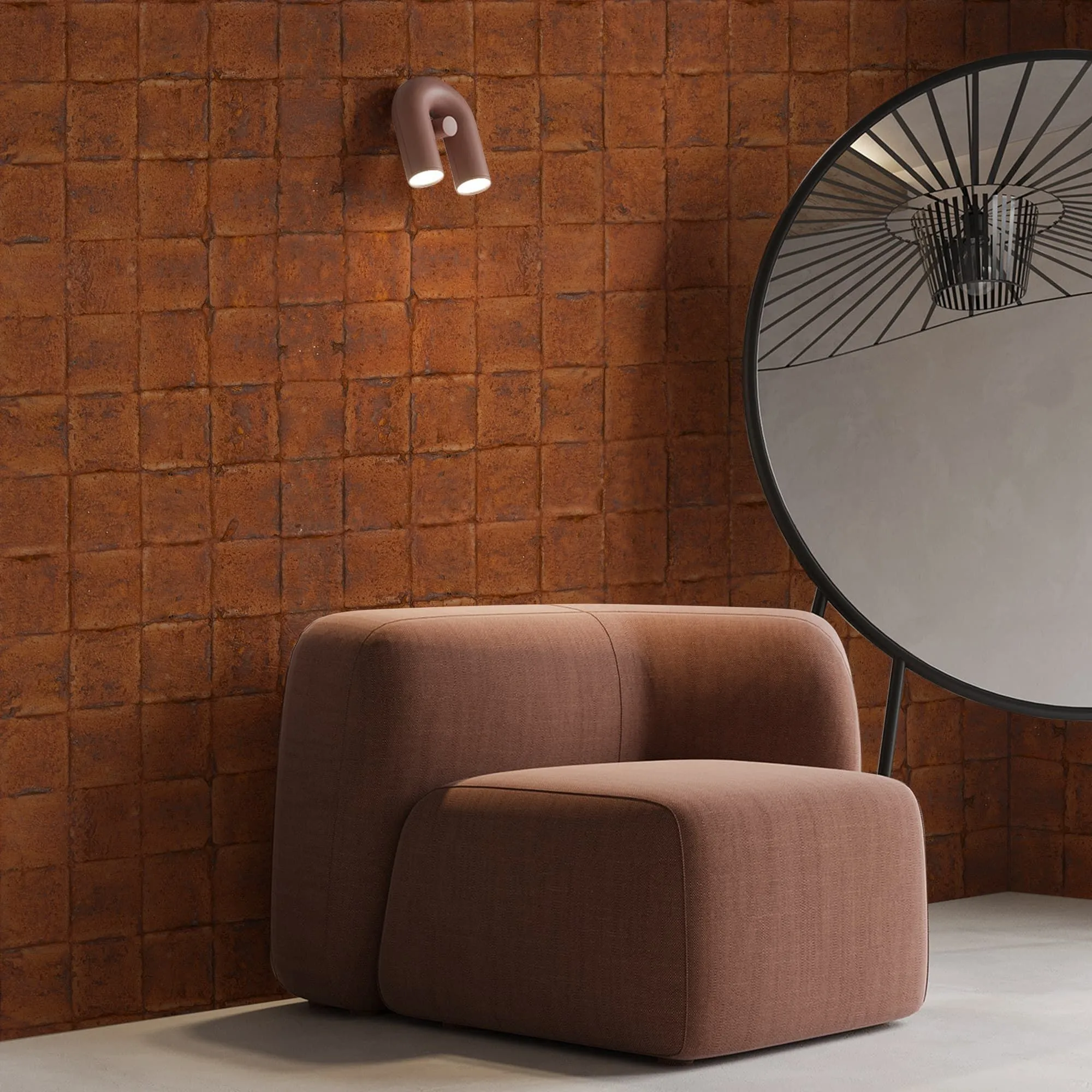
Would be ideal for a full exterior facade, offering the beautiful, aged look of rust-colored stone without the structural concerns or installation headaches. It could also grace interior feature walls, curved stairwells, or even a contemporary living room accent, providing a seamless, sophisticated rustic feel while being lightweight, durable, and
eco-friendly
. Imagine a large, seamless MCM Big Slab Board with a rust effect creating a dramatic backdrop in a living room, or our
MCM Flexible Stone
bringing a warm, earthy texture to an entire floor or wall.
For a Modern Commercial Office Space:
-
Traditional Mosaic:
Rarely suitable due to cost, installation time, and contemporary aesthetic trends, unless it's a specific art installation in a high-end lobby.
-
Natural Rust Mosaic Stone:
Could be used in a highly specific, industrial-themed restaurant or bar area for a very raw, authentic feel, again with careful consideration of structural loads and maintenance.
-
COLORIA GROUP's MCM Project Board Series / Flexible Stone:
This is where our solutions truly shine. For large interior spaces, our
MCM Project Board Series
can provide consistent, high-quality finishes mimicking stone, concrete, or even a subtle rust texture on feature walls, reception areas, or elevator lobbies. The lightweight nature speeds up construction. For exterior cladding, our MCM products offer excellent weather resistance and the ability to create stunning, modern facades with diverse textures, including those with an appealing, aged metal or rust stone look. Our
customizable
options allow architects to create unique brand identities through surface design.
For Public Spaces and Urban Developments:
-
Traditional Mosaic:
Still seen in public art installations, especially those with high artistic value and dedicated funding, but less common for general surfacing due to maintenance and durability concerns in high-traffic areas.
-
Natural Rust Mosaic Stone:
Might be used for monuments or specific landscaping elements where heavy, natural stone is desired for its permanence and grandeur.
-
COLORIA GROUP's MCM Flexible Stone / Big Slab Board Series:
Ideal for large-scale public projects. Imagine park benches clad in
MCM Flexible Stone
with a rustic texture, or public buildings featuring expansive facades of
MCM Big Slab Board Series
mimicking weathered stone or a sophisticated rust effect. Its durability, weather resistance, and
eco-friendly
credentials make it a responsible and practical choice for urban planners and developers. The minimal maintenance requirements are a huge advantage for public infrastructure.
The Future is Flexible and Sustainable
The architectural world is constantly evolving, driven by new aesthetic trends, technological advancements, and an increasing demand for sustainable practices. While traditional materials will always hold a certain charm, the future belongs to innovative solutions that offer the best of both worlds: stunning aesthetics combined with superior performance, environmental responsibility, and ease of application.
Our
MCM (Modified Cementitious Material)
technology at COLORIA GROUP is at the forefront of this revolution. We are not just selling materials; we are providing tools for architects, designers, and builders to realize their most ambitious visions without compromise. Whether you're drawn to the timeless elegance of mosaics or the raw, compelling character of rust mosaic stone, our range of
flexible stone
, big slab boards, and 3D printed solutions offers a pathway to achieve your desired aesthetic with enhanced benefits.
The ability to offer genuine customization, from color matching to unique texture development, means that the concept of "rust mosaic stone" can now be tailored precisely to your project's needs, without the inherent limitations of natural materials. This level of creative freedom, coupled with the practical advantages of lightweight, durable, and
eco-friendly
materials, makes COLORIA GROUP a trusted partner for projects across the globe. Our presence in key markets like Saudi Arabia further demonstrates our commitment to delivering these advanced solutions worldwide.
Ultimately, the choice between rust mosaic stone and traditional mosaic, or rather, the modern interpretations and alternatives, comes down to your project's specific requirements, aesthetic goals, budget, and long-term vision. However, by understanding the limitations and exploring innovative options like COLORIA GROUP's MCM series, you empower yourself to make a decision that is not just aesthetically pleasing but also practical, sustainable, and forward-thinking.
As a dedicated
one-stop solution provider
, COLORIA GROUP is committed to guiding you through this selection process, ensuring you find the perfect high-quality interior and exterior decoration materials to bring your project to life. We believe in providing solutions that stand the test of time, both in terms of durability and timeless appeal, while pushing the boundaries of what is possible in architectural design.
Ready to explore the possibilities of innovative architectural materials for your next project? Discover how COLORIA GROUP's MCM series can transform your design vision into a stunning reality.













